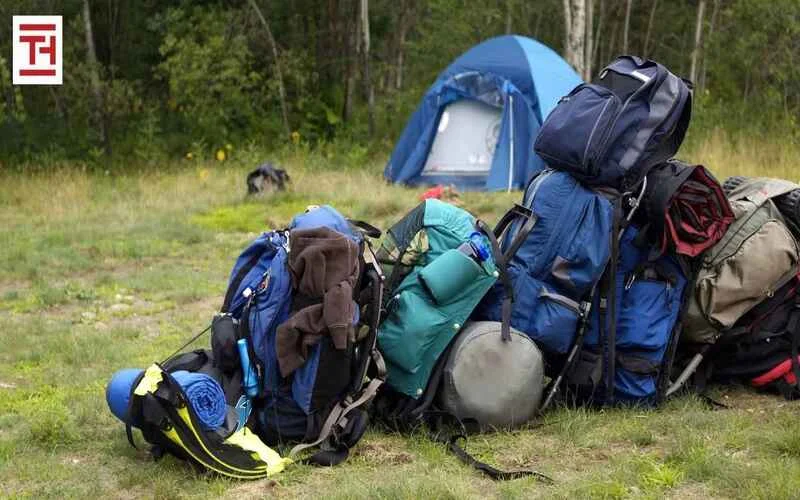
The exhilaration of the trail, the rhythmic crunch of gravel underfoot, and the breathtaking views from a hard-earned summit are the rewards of a great trekking expedition. However, once you return to the comforts of home, the work is not quite finished. Proper maintenance of your gear is what determines whether your favorite pack lasts for three years or thirty. Many hikers focus intensely on cleaning their boots or drying their tents, yet they overlook the most foundational piece of equipment in their inventory: the backpack. Improper storage is the leading cause of frame warping, foam compression, and fabric degradation. Understanding the mechanics of backpack construction and the environmental factors that affect synthetic materials is essential for any serious outdoorsman.
The Science of Structural Integrity
Most modern backpacking packs rely on a combination of internal frames, high-density polyethylene (HDPE) sheets, and aluminum stays to distribute weight effectively across the hips. These components are designed to withstand significant vertical pressure during use, but they are surprisingly vulnerable to lateral stress and long-term distortion when empty. If a pack is shoved into a cramped corner or buried under a pile of heavy plastic bins, the frame can take on a “set.” Once an internal frame is bent out of its original ergonomic shape, it may never again sit flush against your lumbar spine, leading to hot spots and bruising on your next trip.

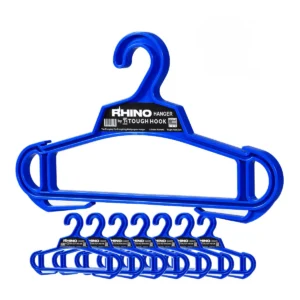

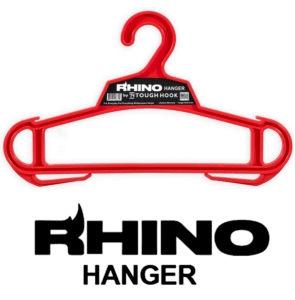
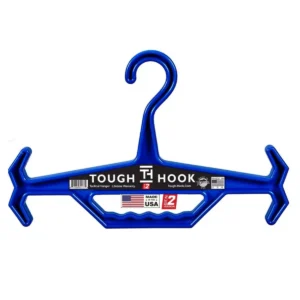

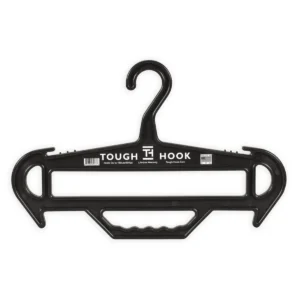

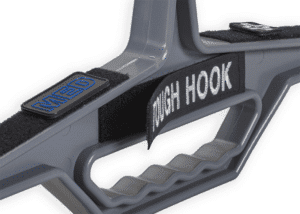




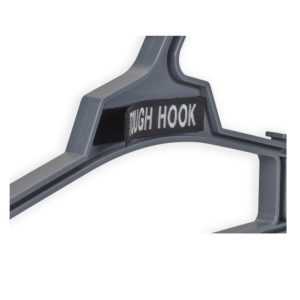
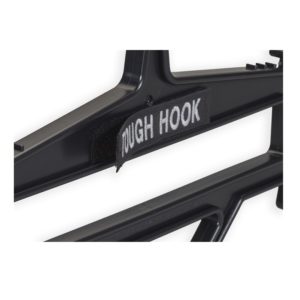


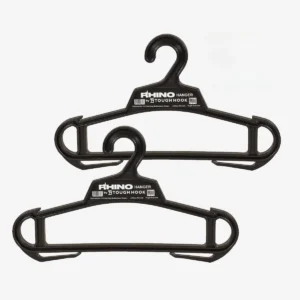
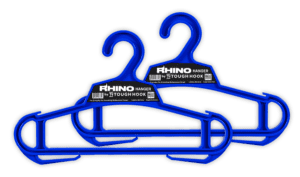
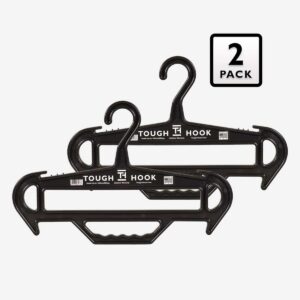
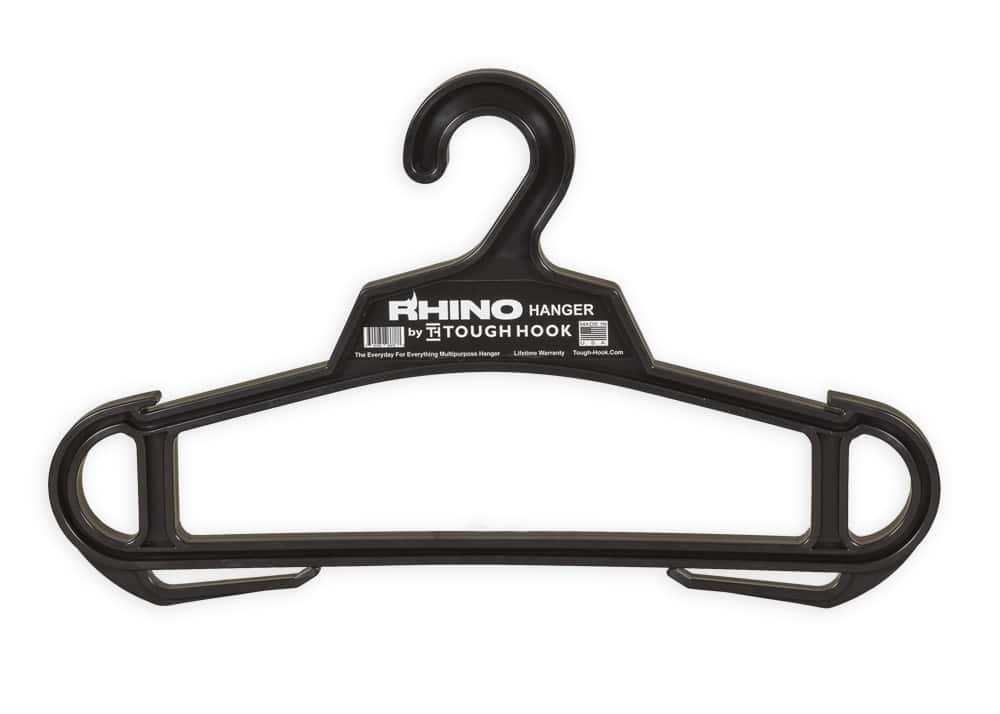
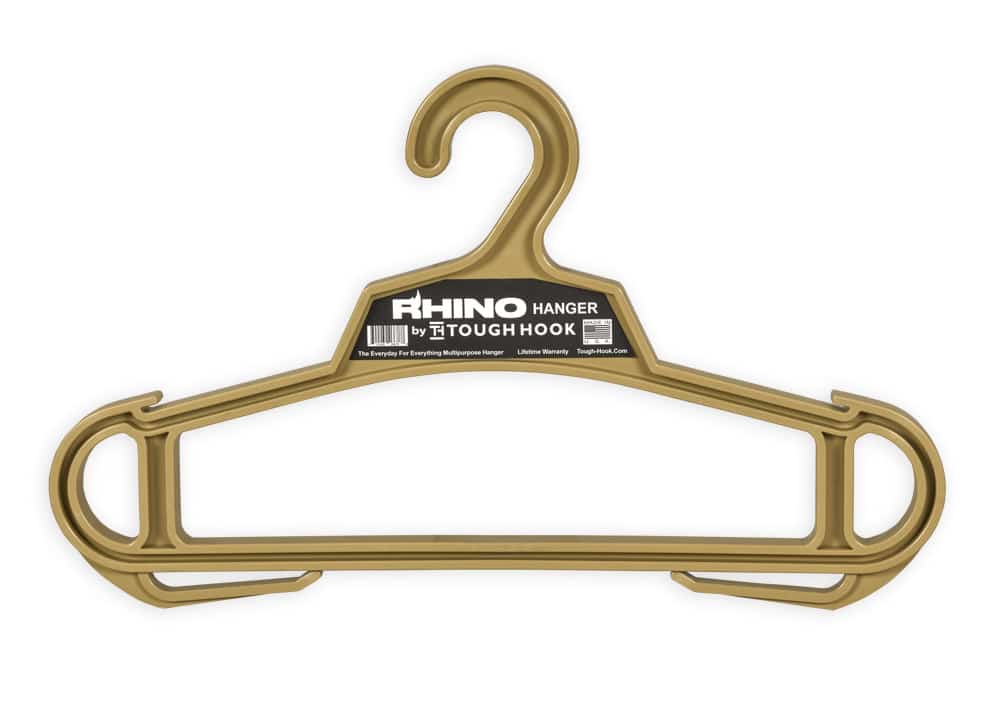
2 Pack RHINO Heavy Duty Clothes Hanger Bundle
Original price was: $27.95.$23.95Current price is: $23.95.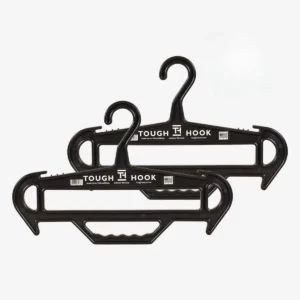
Pre-Storage Preparation
Before you even consider where to place your pack, you must ensure it is physically ready for hibernation. Storing a dirty pack is an invitation for mildew and chemical breakdown of the waterproof coatings.
-
Empty every pocket: Small items like organic energy bar wrappers or forgotten tubes of sunscreen can leak or attract pests.
-
Clean the salt away: Sweat contains salt and oils that can corrode zippers and degrade the integrity of shoulder strap foam.
-
Air dry completely: Even if the pack looks dry, moisture can hide in the thick padding of the hip belt. Give it at least forty-eight hours in a well-ventilated area before putting it away.
Vertical vs. Horizontal Storage
One of the most debated topics in gear rooms is whether to hang a pack or lay it flat. While laying a pack flat on a shelf is acceptable, it often leads to the pack being used as a base for other gear, which causes the aforementioned warping. Vertical storage is generally superior because it allows the pack to maintain its natural silhouette. However, hanging a heavy expedition pack by its thin haul loop is a mistake. Haul loops are designed for brief lifting, not for supporting the full weight of a pack against gravity for six months. This is where specialized equipment becomes a necessity rather than a luxury.
Utilizing Specialized Hanging Solutions
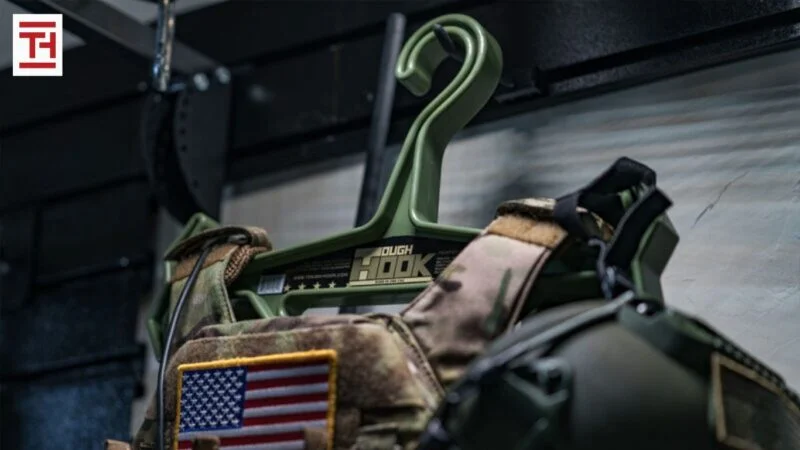
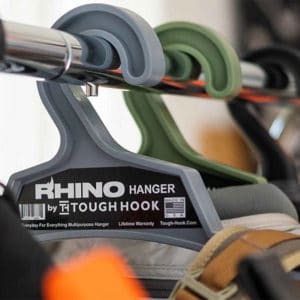
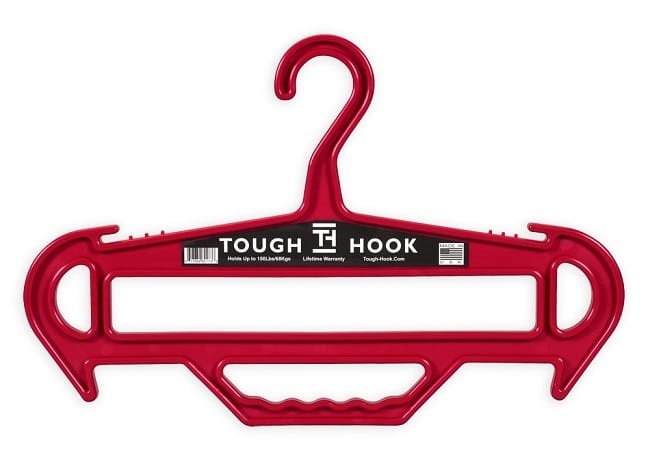
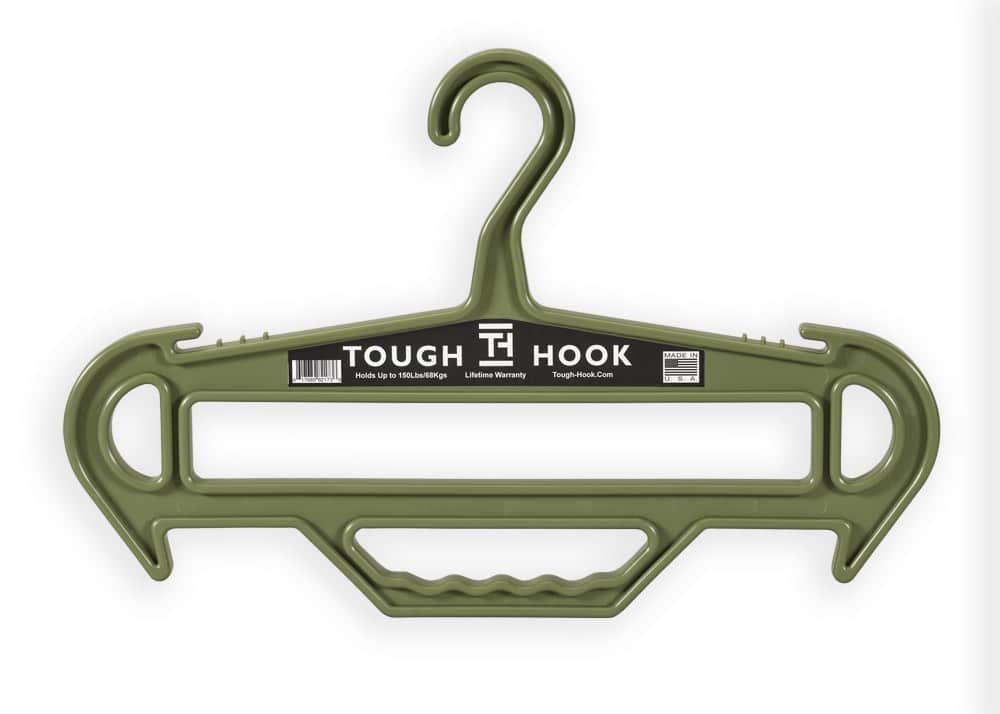
To prevent warping, you need a hanging solution that supports the pack across the widest possible surface area of the shoulder straps. Standard plastic or wire hangers will snap or bend under the weight of a heavy-duty pack, and their thin profiles can create permanent creases in the load-lifter straps. Tough Hook provides the ideal solution for this specific challenge. Our heavy-duty hangers are engineered to hold upwards of 150 pounds, making them more than capable of supporting even the beefiest expedition packs without breaking. By using a Tough Hook, you ensure that the weight of the pack is distributed across a reinforced beam, which prevents the frame from twisting and keeps the foam in the shoulder straps from being pinched or crushed.
Environmental Considerations for Longevity
The location of your storage is just as important as the method. Many people default to the garage or the attic, but these are often the worst environments for technical fabrics like Cordura or Dyneema.
-
Temperature fluctuations: Extreme heat in an attic can cause the polyurethane coatings on the inside of the pack to become “tacky” or peel away in a process called delamination.
-
Humidity control: High humidity encourages the growth of mold and mildew, which can eat through nylon fibers over time.
-
UV exposure: Even indirect sunlight can weaken synthetic fibers through photodegradation, making the fabric brittle and prone to tearing under load.
Best Practices for Long-Term Organization
Once you have secured a cool, dry, and dark location, you should follow a systematic approach to the actual placement of the gear.
-
Loosen all compression straps: Keeping straps tight during storage puts unnecessary tension on the stitching and can permanently compress the internal foam.
-
Buckle the hip belt: Closing the main buckle around the pack body helps the hip belt wings retain their ergonomic curve.
-
Use a dust cover: If you are storing the pack in an open area, a simple breathable cotton bag can prevent dust from settling into the zippers, which acts as an abrasive.
Why Structural Integrity Matters on the Trail
You might wonder if a slightly warped frame really makes a difference. In the world of load carriage, millimeters matter. A backpack is a precision tool designed to transfer weight to your skeletal structure rather than your muscular structure. When a frame is warped, the center of gravity shifts. This forces your core muscles to work harder to stabilize the load, leading to premature fatigue. Furthermore, a distorted back panel prevents proper airflow, causing excessive sweating and discomfort. By investing in quality storage tools like Tough Hook hangers, you are essentially performing preventative maintenance on your own body by ensuring your gear functions as the engineers intended.
Maintaining Your Storage System
Periodically checking on your gear is a habit of the most successful trekkers. Every few months, it is wise to inspect your stored packs for any signs of pest intrusion or shifting.
-
Shake out the pack: This ensures no spiders or insects have decided to make a home in the dark corners of the main compartment.
-
Test the zippers: Running the sliders back and forth once or twice helps keep the teeth aligned and prevents oxidation.
-
Inspect the hanging point: Ensure that the Tough Hook is still seated correctly and that the pack has not shifted into an awkward position.
Your backpack is likely one of the most expensive pieces of outdoor equipment you own. It serves as your home on your back, carrying your food, shelter, and safety gear through some of the most unforgiving environments on earth. Treating it with respect after the trek is over is the best way to ensure it remains reliable for your next adventure. Avoid the temptation to toss it in a pile or hang it by a flimsy plastic hook. By focusing on cleanliness, environmental control, and the robust support provided by Tough Hook equipment, you can preserve the structural integrity of your pack for years to come. A well-stored pack is a pack that is always ready for the call of the wild.