In the world of emergency services, search and rescue, and tactical medicine, time is the only currency that truly matters. When the tones drop or the radio crackles with a high-priority call, the difference between a successful outcome and a tragedy often comes down to seconds. Achieving a 60-second “out the door” time is the gold standard for high-performance teams. However, hitting that mark consistently requires more than just adrenaline and a fast pair of boots. It requires a clinical approach to gear organization, spatial awareness, and the right hardware to ensure that heavy medical kits and primary uniforms are exactly where they need to be. Efficiency is not born in the moment of crisis; it is engineered in the station house or the staging area during the hours of preparation.
The Philosophy of the Rapid-Response Staging Area
The concept of a rapid-response staging area is built on the elimination of “friction.” Friction is any minor delay—searching for a left glove, untangling a shoulder strap, or realizing a medical kit is buried under a pile of civilian clothes—that eats into those precious sixty seconds. To eliminate friction, an operator must treat their gear as an integrated system rather than a collection of individual items. This means your primary uniform, your jump bag, and your heavy medical kit must exist in a symbiotic layout.
Organizing for speed involves three primary pillars:
-
Accessibility: Every piece of life-saving equipment must be reachable without moving another object.
-
Consistency: Gear must be placed in the exact same orientation every single time to build muscle memory.
-
Durability: The storage solutions used must be able to handle the significant weight of professional-grade equipment without failing.


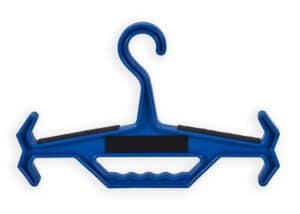
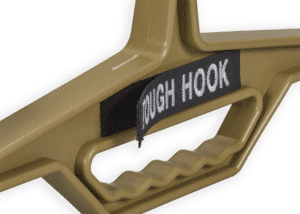
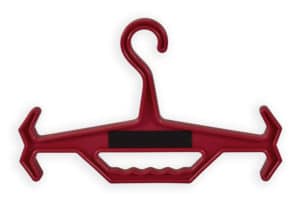

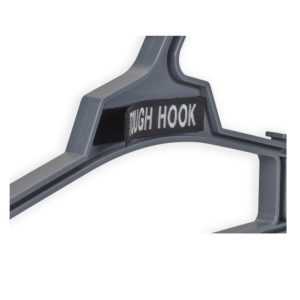



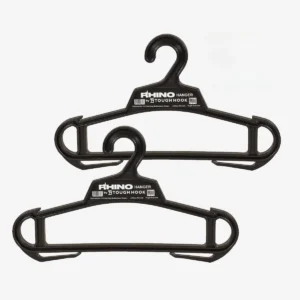
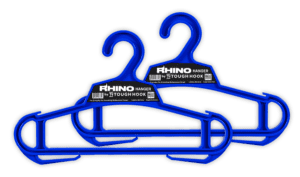
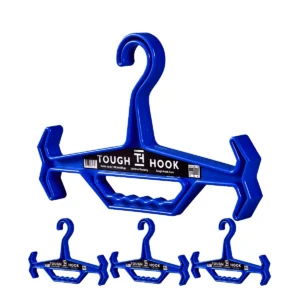
2 Pack RHINO Heavy Duty Clothes Hanger Bundle
Original price was: $27.95.$23.95Current price is: $23.95.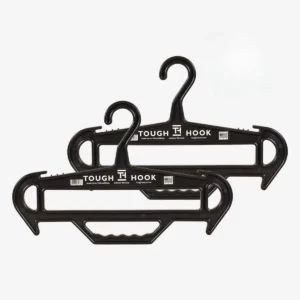
Integrating the Jump Bag and the Primary Uniform
The jump bag is the frontline tool for immediate intervention. It usually contains the essentials for hemorrhage control, airway management, and basic trauma care. Because this bag is often the first thing grabbed after the uniform is donned, its proximity to the clothing is vital. Many professionals make the mistake of storing their bags on the floor or tucked away in lockers. This forces the body into a deep bend or a reach, which can be slow and physically taxing.
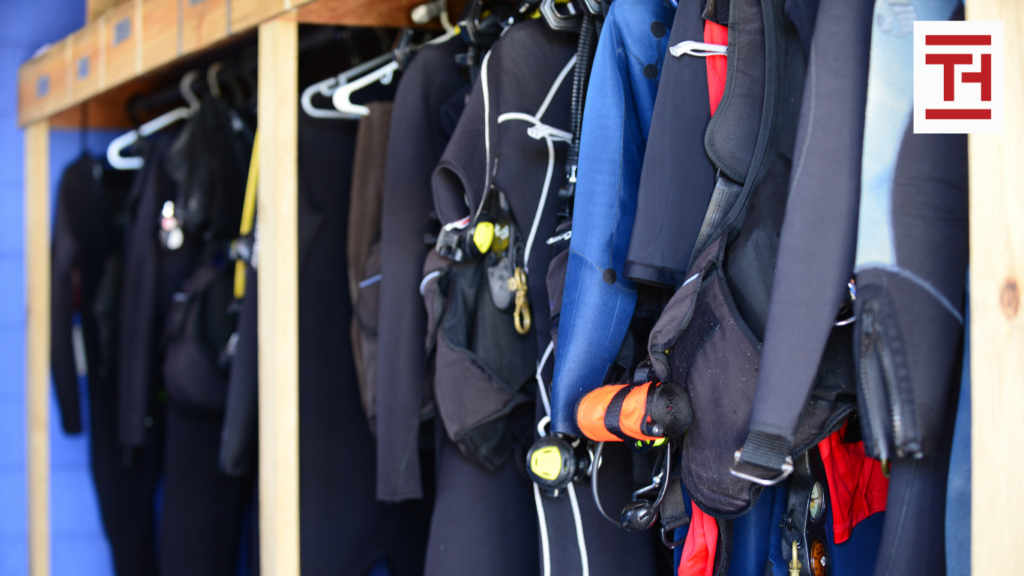
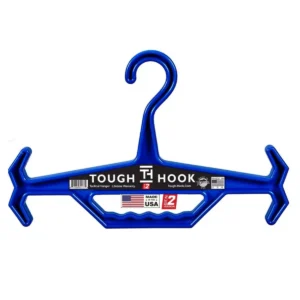
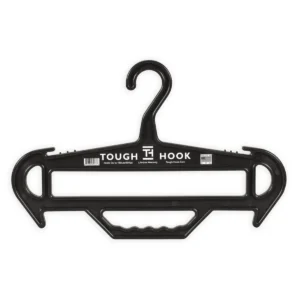
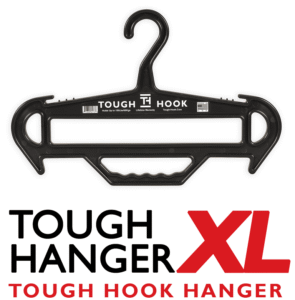
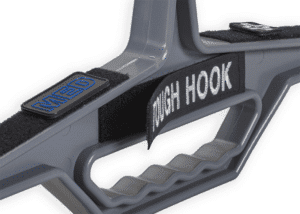
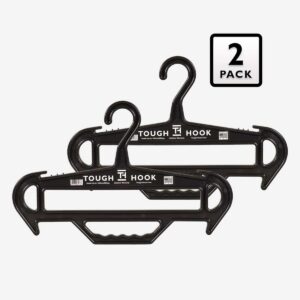
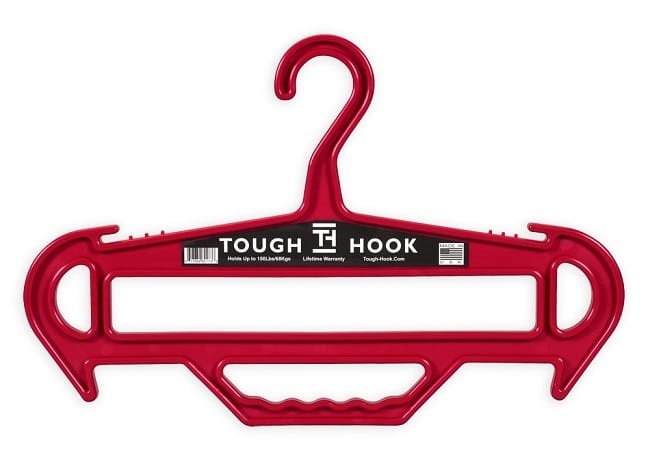
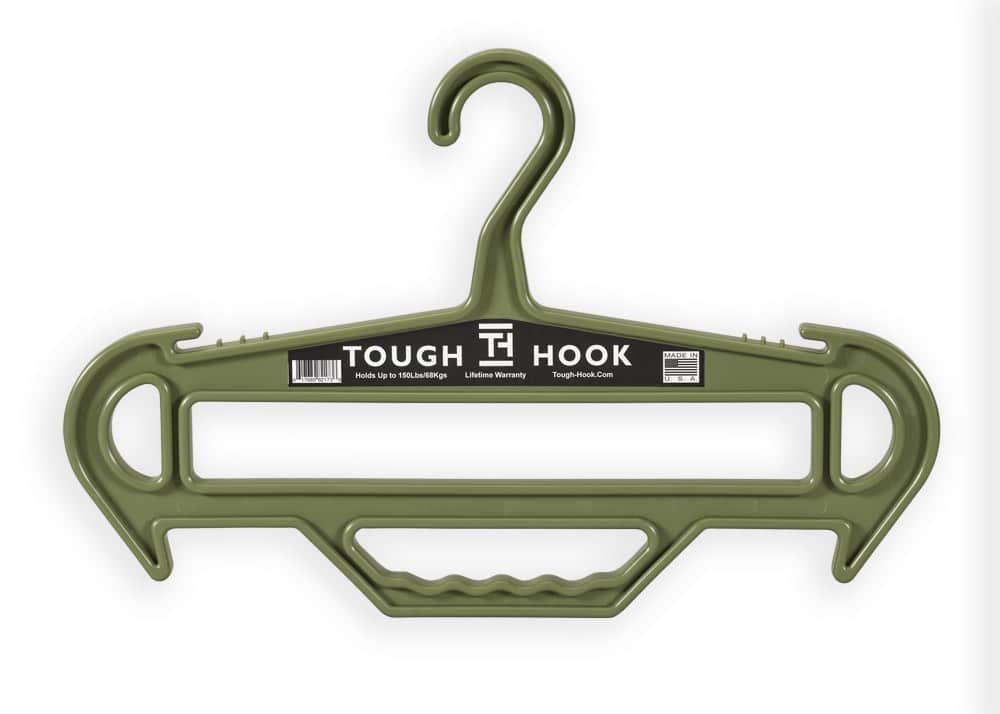
The most efficient setup involves a “vertical staging” method. By hanging the primary uniform—including heavy tactical vests or plate carriers—alongside the jump bag, the operator creates a one-stop station. This is where the strength of your equipment storage becomes a safety factor. Standard plastic hangers will snap under the weight of a loaded plate carrier or a fully stocked medical vest. Tough Hook hangers are specifically engineered to handle this level of intensity. Our heavy-duty hangers are designed to support up to 150 pounds, ensuring that your primary uniform and gear remain off the floor and ready for immediate transition. When your gear is elevated and organized, you eliminate the “scramble” and replace it with a fluid motion.
The Role of Heavy Medical Kits in Rapid Deployment
While the jump bag is for immediate “point of injury” care, the heavy medical kit is the comprehensive solution for prolonged field care or mass casualty incidents. These kits are notoriously dense and heavy, often weighing between 30 and 60 pounds depending on the mission profile. Managing this weight is one of the biggest hurdles to a 60-second exit.
To optimize the deployment of heavy kits, consider these strategies:
-
The Grab-and-Go Orientation: Store heavy kits with the carry handles facing outward and at chest height to reduce the risk of back strain during a fast lift.
-
Weight-Rated Suspension: If space is limited, hanging heavy kits using specialized equipment like Tough Hook hangers allows for better airflow and prevents the breakdown of medical supplies that can occur when bags are crushed at the bottom of a locker.
-
Modular Attachment: Ensure that smaller jump bags can be quickly docked or undocked from the larger heavy kit so the operator can scale their response based on the dispatch information received.
Engineering the 60-Second Flow
Achieving a sub-minute response time is a choreographed dance. Every movement must be intentional. The goal is to move from a state of rest to a state of full readiness with zero wasted energy. This process begins the moment you reset your gear at the end of a shift.
A high-performance staging routine should follow these steps:
-
Pre-Stage Footwear: Boots should be unlaced with the “tongues” pulled forward, placed directly beneath the hanging uniform.
-
Uniform Alignment: Pants should be pre-belted and draped over the hanger or staged in a “step-in” configuration on the floor, while the shirt and vest remain on a heavy-duty hanger for quick overhead donning.
-
Kit Synchronization: The jump bag should be hung on the same rack as the uniform, positioned so that the operator’s dominant hand naturally finds the handle as they turn toward the exit.
-
Verification: A quick five-second visual check of the kit’s zippers and seals should be the final act before leaving the staging area.
Why Heavy-Duty Storage is a Mission Essential
It is often said that a chain is only as strong as its weakest link. In a rapid-response environment, the weakest link is often the organization system itself. If a hanger breaks while you are out on a call, your backup gear ends up in a heap on the floor, potentially getting damaged or becoming a tripping hazard for the next team.
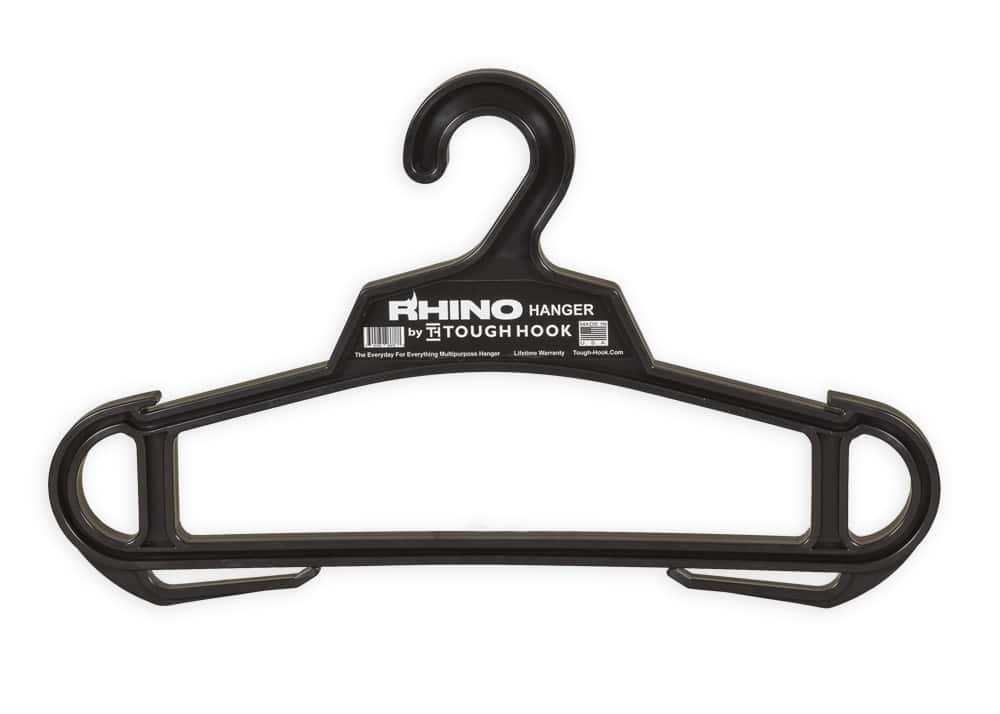
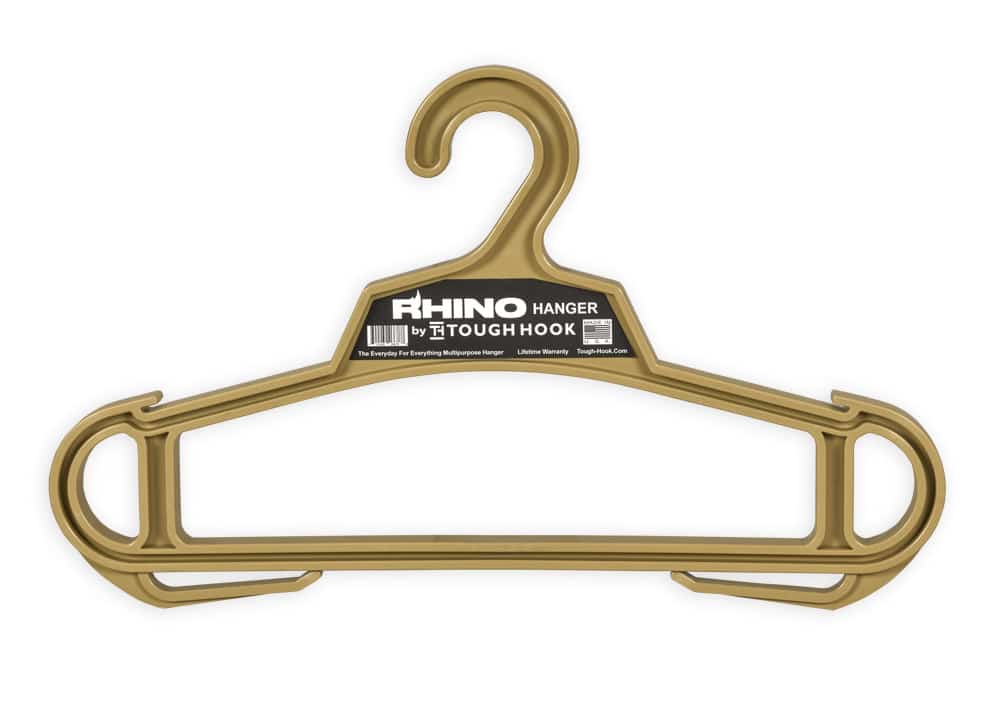
At Tough Hook, we understand that “heavy-duty” is not just a marketing term; it is a requirement for those who serve. Our hangers are built to withstand the rigors of military, police, and EMS life. By using a hanger that won’t flex or break under the weight of a fully loaded medic vest or a heavy trauma bag, you are investing in the reliability of your response. When you know your gear is exactly where you left it—upright, organized, and off the ground—you gain the mental clarity needed to focus on the mission ahead.
Maintenance and Readiness Reviews
Speed is nothing without functional equipment. Part of being “rapid-response ready” is ensuring that the gear you grab in sixty seconds is actually ready to perform. Your staging area should serve as your inspection station.
-
Daily Resupply: Every time you return from a call, the jump bag must be immediately restocked before it is hung back up.
-
Hanger Integrity Checks: Inspect your storage rack and hangers for signs of wear. Using a dedicated tool like a Tough Hook ensures that your equipment will not end up on the floor due to structural failure.
-
Simulated Drills: Periodically time yourself or your team. See if you can actually move from the ready room to the vehicle in under 60 seconds using your current layout.
Mastering the 60-second “out the door” time is a hallmark of professional excellence in any high-stakes field. It requires a disciplined marriage of personal readiness and superior equipment organization. By utilizing vertical staging, prioritizing accessibility, and trusting heavy-duty solutions like Tough Hook hangers to support your primary uniforms and medical kits, you ensure that you are never the bottleneck in a life-saving chain. When the clock is ticking and every heartbeat counts, your gear should be an extension of your intent—ready, reliable, and right where you need it.
The preparation you put into your staging area today is the grace period you give your patients tomorrow. Organize with purpose, invest in the right tools, and always be ready to move when the world demands your best.