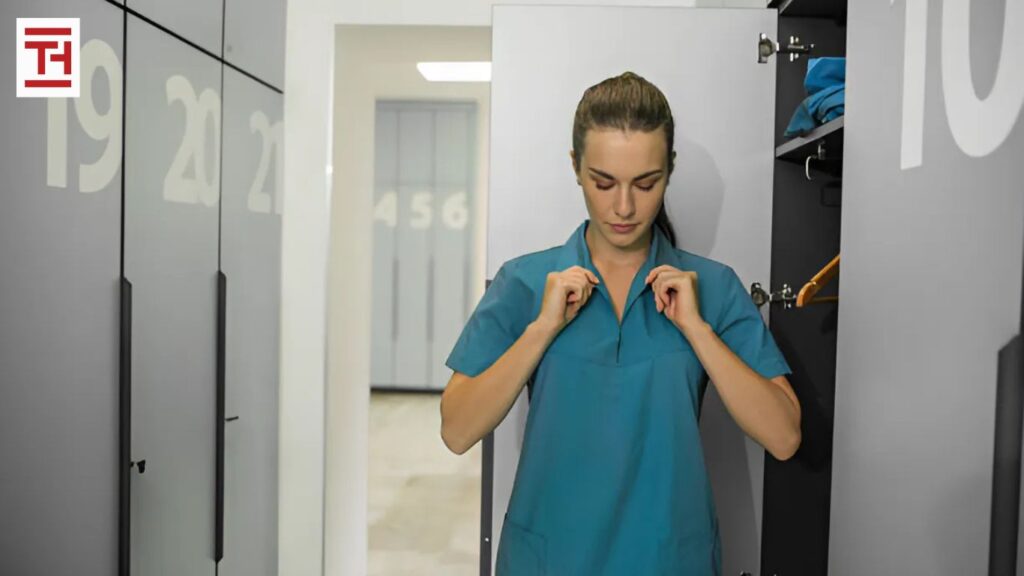
Steel-toed boots, hard hats, and high-visibility vests are a real investment in worker safety, but that investment only pays off if the gear is ready when the shift starts. A PPE storage station gives every piece of personal protective equipment a fixed, clean, dry place to live, so workers can find it fast, inspect it easily, and put it away in good condition. A good station has four things: strong hanging points, vertical storage that fits your space, airflow so gear can dry, and clear labels so everyone knows what goes where.
This guide explains how to plan and build an efficient PPE storage station, how to store each type of gear, where to put the station, and how to keep it working long after installation day.
What Is a PPE Storage Station?
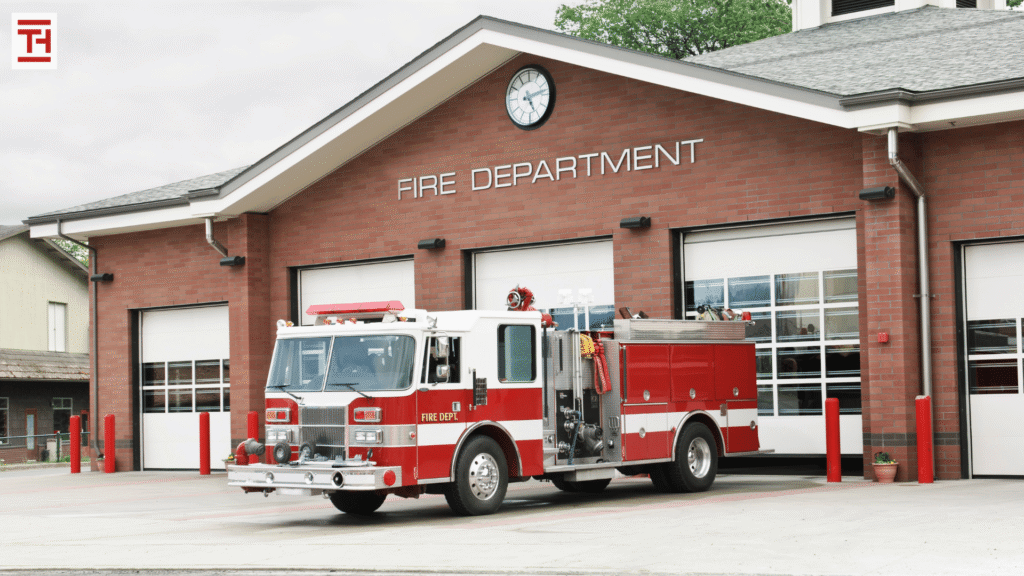
A PPE storage station is a dedicated area, rack, cabinet, or wall system where a team stores and picks up its protective equipment. In a hospital, that might be a wall-mounted dispenser for gloves, gowns, and masks outside an isolation room. On a job site, in a warehouse, or at a fire station, it’s more often a wall of heavy-duty hangers, shelves, and boot racks for coats, harnesses, hard hats, and boots.
Whatever the setting, the goal is the same: keep PPE clean, protected from damage, and easy to grab at the point of use.
What Does PPE Stand For?
PPE stands for personal protective equipment: the gear workers wear to reduce exposure to hazards that can cause injury or illness. A well-planned PPE storage station usually needs to hold several of these categories at once:
- Head protection: hard hats and bump caps
- Eye and face protection: safety glasses, goggles, and face shields
- Hearing protection: earplugs and earmuffs
- Respiratory protection: disposable masks and reusable respirators
- Hand protection: disposable and reusable work gloves
- Foot protection: safety boots and shoe covers
- Body protection: high-vis vests, coats, gowns, coveralls, and turnout gear
- Fall protection: harnesses and lanyards
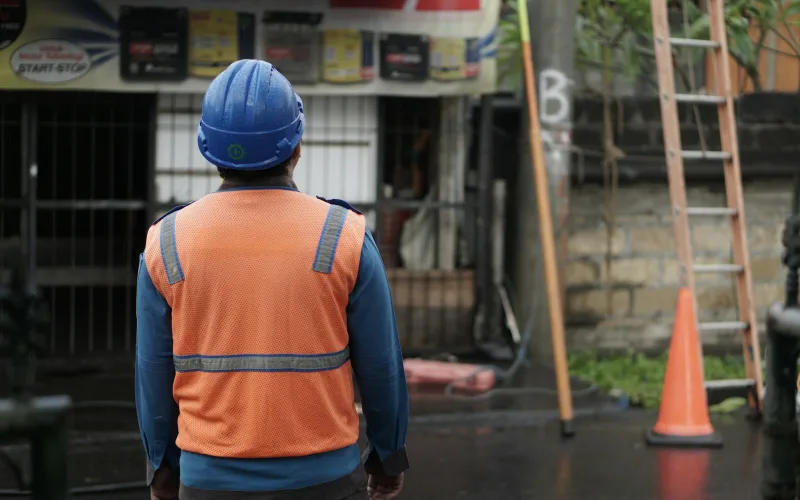
The Hidden Cost of Disorganized PPE
Clutter isn’t just untidy. It’s a safety liability. When gear has no assigned spot, workers waste time searching for it, borrow someone else’s, or head out without it. Poor storage also shortens the life of the equipment itself:
- Boots left in puddles or piled in a corner stay damp, break down faster, and develop odor.
- Hard hats left in direct sun or high heat, such as on a truck dashboard, can weaken over time. Most manufacturers advise keeping them out of direct sunlight and extreme heat.
- High-vis vests and jackets that are crumpled, soiled, or stored wet get dirty and worn faster, and dirty or damaged reflective material is harder to see.
Every item that has to be replaced early is money spent twice, and every missing item is a potential gap in protection.

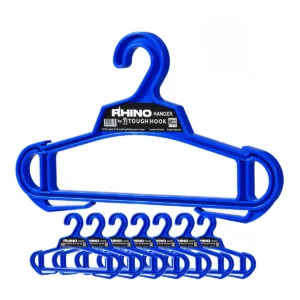



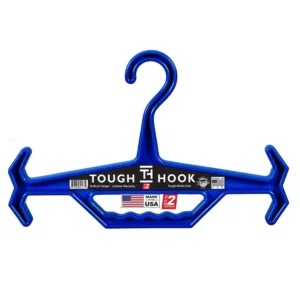

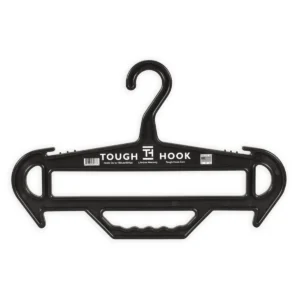

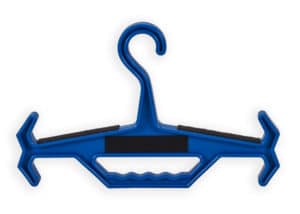


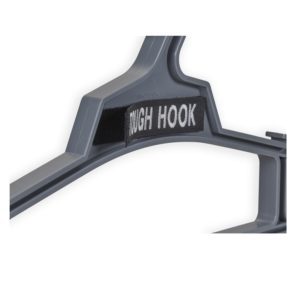



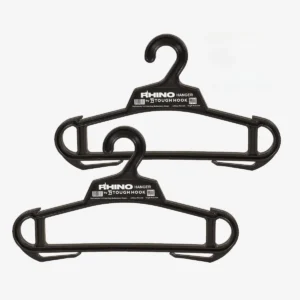
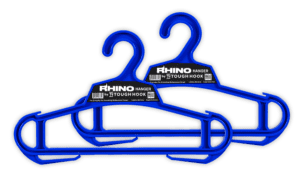
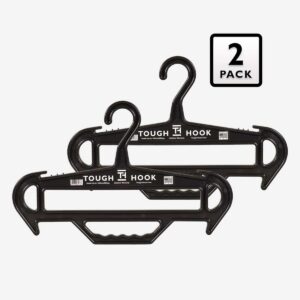
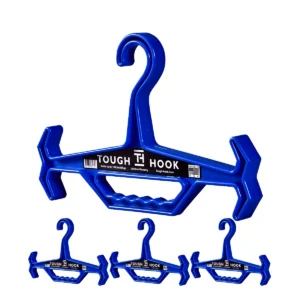
2 Pack RHINO Heavy Duty Clothes Hanger Bundle
Original price was: $27.95.$23.95Current price is: $23.95.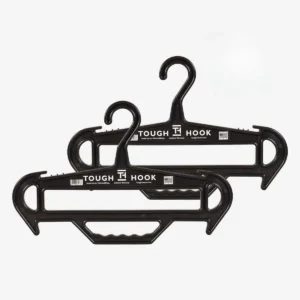
Types of PPE Storage Stations
The right type depends on what you store, how many people use it, and whether the gear is reusable or disposable.
| Station Type | Best For | Typical Gear |
|---|---|---|
| Wall-mounted PPE dispenser | Hospitals, clinics, labs, food processing | Disposable gloves, masks, gowns, shoe covers, hand sanitizer |
| Glove box holder | Any area that uses disposable gloves | Glove boxes in several sizes, mounted at point of use |
| Mobile PPE station or isolation cart | Healthcare isolation rooms, temporary work zones | Gowns, masks, face shields, gloves, waste bags |
| Lockers and PPE cabinets | Shared facilities and shift work where gear is assigned to one person | Respirators, safety glasses, hearing protection, personal items |
| Open wall rack with heavy-duty hangers | Construction, warehouses, utilities, fire and EMS stations | Work coats, high-vis gear, harnesses, turnout gear, tool belts |
Many workplaces combine two or three of these: dispensers for disposable items, plus a wall of hangers and shelves for heavier reusable gear.
PPE Storage Station Materials Compared
The material of your station affects hygiene, durability, and how easy it is to clean. Match it to your environment:
| Material | Strengths | Best Environments |
|---|---|---|
| Stainless steel | Non-porous, corrosion-resistant, stands up to repeated disinfection | Hospitals, labs, food processing, washdown areas |
| Powder-coated steel | Strong, affordable, available as cabinets, lockers, and shelving | Warehouses, manufacturing, construction offices |
| Acrylic and plastic | Lightweight, see-through, easy to wipe clean | Glove box holders and dispensers for disposable PPE |
| Wood and laminate | Easy to customize and build on site | Dry, low-contamination areas only, since porous surfaces are harder to sanitize |
| Impact-resistant resin hangers | Won’t rust, hold heavy loads, easy to clean | Hanging coats, high-vis gear, harnesses, and turnout gear in any setting |
How Big Should a PPE Storage Station Be?
There’s no single standard size. The right dimensions come from your headcount and gear:
- Count full gear sets, not people. Include every worker per shift, plus spares and visitor PPE.
- Measure hanging width per person. Use the width of your hangers as a guide. For example, our hangers range from 16 inches (Original) to 17.75 inches (RHINO) and 18.5 inches (Tough Hanger XL), and bulky coats need extra space between them so they can dry.
- Check depth. Measure your bulkiest coat or turnout gear on a hanger to set the minimum depth for wall racks, lockers, or cabinets.
- Plan for clearance. Leave room for locker doors to open and for two people to gear up at once without blocking a walkway.
- Add spare positions. A few empty hooks or shelves let the station absorb new hires and seasonal gear without a redesign.
Essential Components of a Professional PPE Station
Sturdy Anchoring and Hangers
Standard plastic hangers and thin wire hooks often bend or break under a work coat, a loaded tool belt, and a vest hung together. Use hangers rated well above the heaviest load you’ll hang, and anchor wall hooks or rails into studs or solid backing. Hanging gear on a properly shaped hanger keeps it off the floor and helps prevent stretching, creasing, and tearing at the shoulders.
Vertical Storage Solutions
Most facilities have more wall than floor to spare. Mount storage at different heights and group gear by category:
- Hard hats and safety glasses at about eye level, where they’re easy to see and inspect.
- Coats, high-vis gear, and harnesses on heavy-duty hangers at shoulder height.
- Boots on raised racks near the floor so air can circulate and they can dry.
- Backup stock and seasonal items on upper shelves.
Proper Ventilation
Sweat, rain, and humidity are the enemies of stored PPE. Moisture trapped in a closed locker can lead to mold, mildew, and odor. Place the station in a well-ventilated area, and if you use lockers, choose models with louvered or mesh panels. Gear that hangs freely, with space between items, dries faster than gear stacked or folded.
Clear Labeling and Systemization
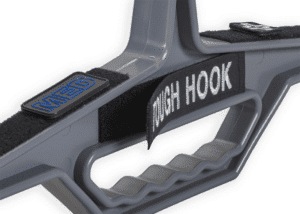
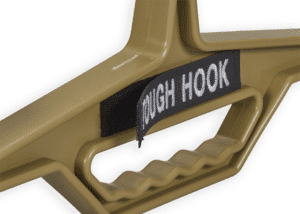
Label every hanger position, shelf, and bin by worker name or equipment type. Labels create accountability, prevent mix-ups between shifts, and make it obvious at a glance when something is missing. ID hangers with a hook-and-loop name strip are a simple way to assign hanging gear to a specific person.
How to Store Each Type of PPE
Different gear has different needs. Always follow the manufacturer’s care and storage instructions first, then use this as a general guide:
| PPE Type | How to Store It | What to Avoid |
|---|---|---|
| Hard hats | On a shelf or hook at eye level, in a cool, shaded spot | Direct sunlight, vehicle dashboards and rear windows, heavy items stacked on top |
| High-vis vests and jackets | Hung on a hanger so they stay flat and clean | Stuffing into bags or lockers while wet or dirty |
| Work coats and cold-weather gear | Hung on heavy-duty hangers with space to dry | Thin hangers that bend, piling coats on one hook |
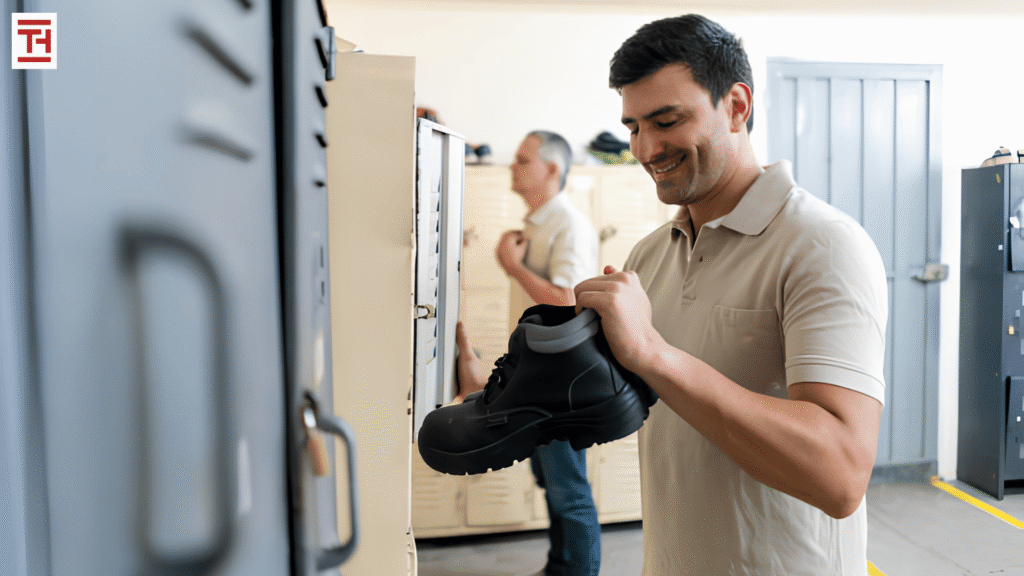
| Safety boots | On a raised boot rack or drip tray in a ventilated area | Leaving them wet, near direct heat, or piled on the floor |
| Respirators | In a clean, sealed bag or container, packed so the facepiece keeps its shape | Dust, sunlight, extreme temperatures, moisture, chemicals, crushing |
| Safety glasses and face shields | In a case or dedicated slot so lenses don’t scratch | Loose in a bin with tools or other gear |
| Hearing protection | Reusable earmuffs on a hook; disposable plugs in a dispenser | Shared reusable earplugs, dirty storage bins |
| Fall protection harnesses | Hung loosely so webbing isn’t kinked, away from sunlight and chemicals | Bunching in a bucket or tool bag, storing while wet |
| Disposable gloves, masks, and gowns | In glove box holders or PPE dispensers at the point of use | Open boxes on dusty shelves or near sinks |

Where to Place a PPE Storage Station
- At the point of entry. Put the station where workers enter the hazard area or start their shift, so gearing up happens on the way in.
- Away from contamination. Keep clean PPE away from chemicals, exhaust, dust-producing work, and break-room food areas.
- With good lighting. Workers need to see damage during a quick inspection.
- Out of walkways. Hanging gear and open doors shouldn’t block exits or traffic routes.
- Near a cleaning area if possible. A sink, wipes, or a gear-cleaning station nearby makes end-of-shift cleaning more likely to happen.
Keep Clean and Contaminated Gear Separate
A station works best with a clear line between clean, ready-to-use gear and gear that needs cleaning. Set up a separate hook, bin, or zone for dirty or contaminated PPE so it never hangs next to clean equipment. In high-exposure work such as EMS and firefighting, this separation is especially important. See our guide to the clean-to-dirty system for contaminated gear for a step-by-step approach.
PPE Storage Hygiene and Infection Control
In healthcare, labs, and food processing, a PPE station is part of infection control, not just organization. A few habits keep stored supplies safe to use:
- Place isolation PPE at the point of entry. Healthcare facilities typically mount PPE dispensers or park isolation carts right outside patient rooms, so staff can put on gowns, gloves, and masks before going in.
- Keep supplies closed until use. Use dispensers and glove box holders that protect contents from splashes and dust, rather than open boxes on counters.
- Use non-porous, cleanable surfaces. Wipe down stations regularly with a disinfectant that’s compatible with the station material, following the product’s instructions.
- Separate doffing and disposal. Put waste bins and laundry hampers for used PPE near the exit, away from the clean supply area.
- Practice hand hygiene. Mount hand sanitizer at the station so it’s used before putting gear on and after taking it off.
OSHA Requirements That Affect PPE Storage
In the United States, OSHA’s general PPE standard, 29 CFR 1910.132, requires that protective equipment be provided, used, and maintained in a sanitary and reliable condition. A storage station is one of the most practical ways to meet that requirement day to day.
Respirators have the most specific rules. Under 29 CFR 1910.134(h)(2), respirators must be stored to protect them from damage, contamination, dust, sunlight, extreme temperatures, excessive moisture, and damaging chemicals, and packed so the facepiece and exhalation valve don’t deform. Emergency respirators must be kept accessible to the work area in compartments or covers clearly marked as containing emergency respirators.
Requirements vary by industry and state, so check the standards that apply to your workplace and the manufacturer’s instructions for each item.
The Heavy-Duty Hanger Advantage in Industrial Settings
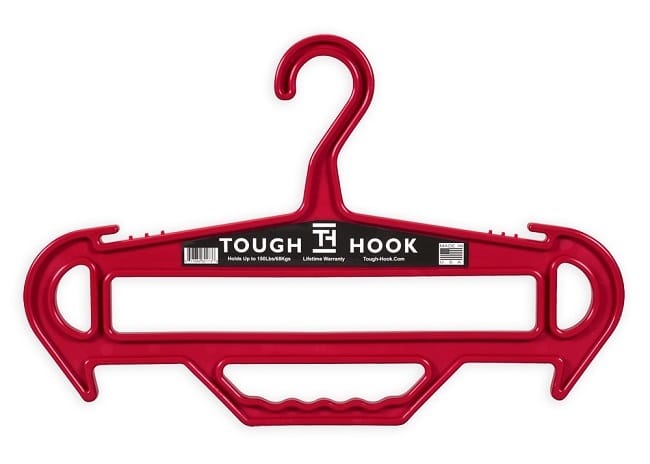
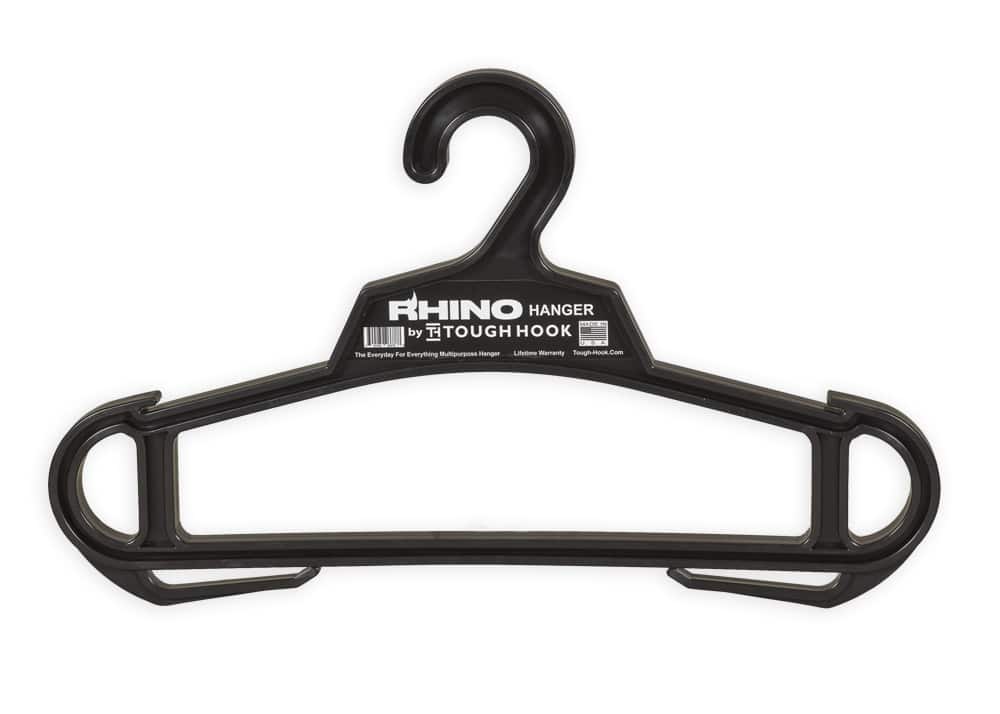
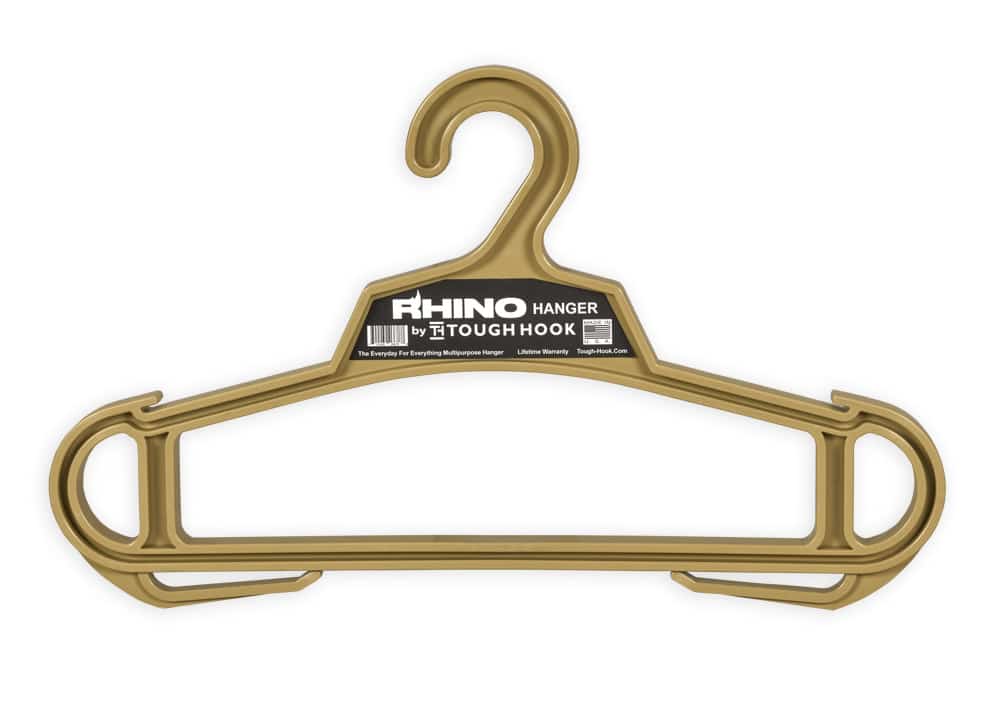
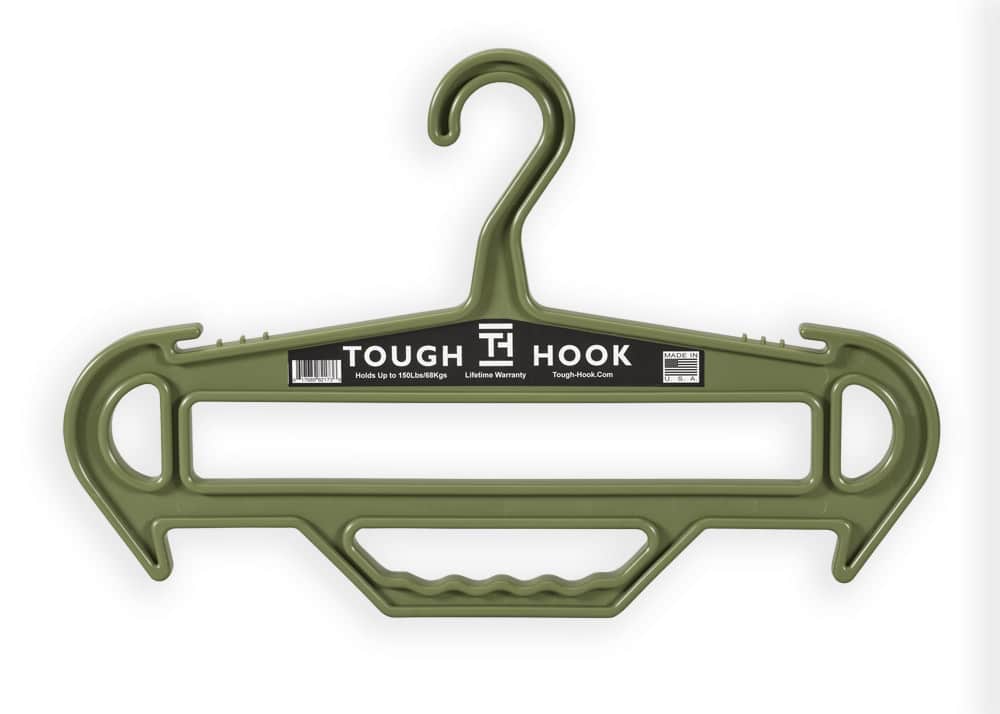
Standard hangers aren’t built for wet winter coats, tactical vests, turnout gear, or tool harnesses. Our heavy-duty hangers use I-beam construction and impact-resistant resin, and the Original Tough Hook Hanger, the RHINO Hanger, and the Tough Hanger XL each have a load capacity of over 200 lb. The XL is the largest of the three and is designed for bulky gear like fire turnout coats. Our ID hangers add a 1″ x 5″ hook-and-loop strip for a name or ID patch, which makes assigned storage simple. All are made in the USA and backed by a lifetime warranty.
Increased Longevity of PPE
Gear that hangs properly avoids the creasing, stretching, and trapped moisture that come from being bunched up or draped over a hook. Gear that lasts longer needs replacing less often.
Improved Operational Speed
When every item has a home, there’s no searching before a shift or job. Workers grab their gear, check it, and go.
Enhanced Safety Culture
An organized, well-maintained station shows workers that the company takes their safety seriously. When gear is treated as important, people are more likely to wear it and look after it.
For gear used in public service and tactical work, see our first responder hangers and tactical hangers.
Designing for Longevity and Scalability
Build a modular station that can grow or shrink with your team and your projects. Plan it in four steps:
- Assessment of Gear Volume: Count how many full PPE sets need to be stored each day, including spares and visitor gear.
- Space Allocation: Measure the available wall and floor space, allowing room for workers to gear up without crowding each other.
- Infrastructure Selection: Choose mounting hardware, rails, and hangers rated above the weight of your heaviest gear, and leave spare positions for growth.
- Routine Maintenance Protocols: Set a clear end-of-shift routine for cleaning, drying, inspecting, and returning gear to its labeled spot.
How to Install a PPE Storage Station
Facility maintenance staff can install most wall racks, hooks, and dispensers. Larger cabinet systems or stainless steel stations may be installed by the supplier or a contractor. Either way, follow the manufacturer’s installation instructions and these basics:
- Mark the layout first. Tape out positions on the wall so you can check heights, spacing, and clearance before drilling.
- Find studs or solid backing. Anchor heavy-load hooks and rails into studs, masonry, or blocking, not just drywall.
- Use hardware rated for the load. Fasteners and anchors should be rated above the combined weight of the gear they’ll hold.
- Set comfortable heights. Mount hooks and shelves where workers can reach without stretching or bending, and keep the heaviest items lower.
- Level and test. Check every rail and shelf with a level, then load-test with real gear before opening the station to the team.
- Add signage and labels. Post the station layout, cleaning routine, and contact for restocking.

Customizing Your PPE Station
- Assigned storage: ID hangers, name plates, or numbered positions tie gear to one person.
- Color coding: Use colored hangers, bins, or labels by department, crew, or glove size.
- Secure storage: Lockable cabinets or lockers protect personal respirators and expensive gear.
- Mobility: Rolling racks or carts let you move the station between job sites or work zones.
- Add-ons: Boot dryers, hand sanitizer mounts, glove box holders, mirrors, and waste bins can all be built into the same wall.
PPE Station Maintenance and Inspection Checklist
A station only stays efficient if it’s maintained. Build these checks into your routine:
- Every shift: Workers inspect their gear when they take it and return it clean, dry, and to the right spot. Damaged items are tagged and set aside.
- Weekly: Restock disposable PPE, wipe down shelves, hooks, and dispensers, and check that labels are still readable.
- Monthly: Check hangers, rails, and wall anchors for looseness or damage, and look for moisture, mold, or odor problems.
- As needed: Replace PPE that is damaged, past the manufacturer’s service life, or no longer fits.
Managing PPE Inventory and Stock Levels
An empty glove box or a missing size can undo a well-built station. Simple inventory habits keep supplies on hand:
- Set minimum and maximum stock levels. Decide how many boxes, masks, or spare vests each station should hold, and reorder when stock hits the minimum.
- Stock every size you need. Keep gloves, vests, and boots in the full range of sizes your team wears.
- Rotate first in, first out. Put new stock behind older stock, and check items that have expiration dates, such as some respirator filters and cartridges.
- Use a sign-out log for shared gear. Track who has harnesses, respirators, or loaner coats so they come back.
- Assign a station owner. One person responsible for restocking and reordering prevents “someone else will do it” gaps.
Training Staff to Use the PPE Station
OSHA requires employers to train workers on the PPE they use, including its proper care and maintenance (1910.132(f)). Supervisors or safety managers usually cover the station as part of that training. Include where each item lives, how to inspect it, where dirty or damaged gear goes, and who to tell when supplies run low. A short laminated guide posted at the station reinforces the routine.
What Affects the Cost of a PPE Storage Station?
- Size: The number of workers and full gear sets you need to store.
- Type: Open hanger walls and shelving usually cost less than enclosed cabinets, lockers, or stainless steel dispensers.
- Materials: Stainless steel suits wet, sterile, or washdown environments; powder-coated steel, resin, and plastic suit most other settings.
- Customization: Built-in ventilation, locks, and custom sizing add cost.
Spend on the parts that carry weight and wear out fastest, like hangers, anchors, and boot racks.
Building a Safer, More Productive Workplace
An efficient PPE storage station protects your workers and your equipment budget. With strong hangers, vertical storage, good airflow, clear labels, and a simple maintenance routine, gear stays in better condition, shifts start faster, and safety becomes part of everyday habit rather than an afterthought.
Frequently Asked Questions
What is a PPE storage station?
A PPE storage station is a dedicated rack, wall system, cabinet, or dispenser where workers store and collect their personal protective equipment. It keeps gear clean, organized, and easy to reach at the point of use.
How do you set up a PPE storage station?
Count the gear sets you need to store, measure your space, pick a ventilated spot near the work area entrance, and install heavy-duty hangers, shelves, and boot racks. Label every position and set a cleaning and inspection routine.
What should a PPE storage station include?
Strong hangers or hooks for coats and vests, shelves for hard hats and safety glasses, raised boot racks, dispensers or glove box holders for disposable items, clear labels, and a separate spot for dirty or damaged gear.
Where should a PPE storage station be located?
Place it at the entrance to the work area or where shifts start, in a clean, well-lit, ventilated spot away from chemicals, dust, exhaust, and walkways.
Does OSHA have PPE storage requirements?
OSHA requires employers to maintain PPE in a sanitary and reliable condition under 29 CFR 1910.132, and has specific respirator storage rules under 29 CFR 1910.134(h)(2). Other requirements depend on your industry and state.
How do you keep PPE clean in a storage station?
Return gear clean and dry after each shift, keep dirty or contaminated items in a separate zone, wipe down hooks and shelves weekly, and store respirators and disposable items in sealed containers or dispensers.
How often should PPE be replaced?
Replace PPE when it’s damaged, no longer fits, or reaches the end of the service life set by the manufacturer. Regular inspections at the station help catch worn gear early.
Are there portable PPE storage stations?
Yes. Mobile PPE stations and isolation carts on wheels are common in healthcare and temporary work zones, and rolling garment racks with heavy-duty hangers work well for job sites.
What does PPE stand for?
PPE stands for personal protective equipment, which includes hard hats, safety glasses, gloves, respirators, hearing protection, safety boots, high-vis clothing, and fall protection.
What materials are PPE storage stations made of?
Common materials include stainless steel for healthcare and washdown areas, powder-coated steel for cabinets and lockers, acrylic or plastic for dispensers and glove box holders, and impact-resistant resin for heavy-duty hangers.
How big should a PPE storage station be?
Size it by counting the full gear sets you need to store, then allow enough hanging width, depth, and clearance for each set plus a few spare positions for growth.
Can I customize a PPE storage station?
Yes. You can add ID hangers or name plates, color-coded bins, lockable cabinets, mobile racks, and add-ons like boot dryers, glove box holders, and hand sanitizer mounts.
Who can install a PPE storage station?
Most wall racks, hooks, and dispensers can be installed by facility maintenance staff. Larger cabinet or stainless steel systems may be installed by the supplier or a contractor.