For first responders, every second counts when a call comes in, and the last thing anyone needs is to waste precious minutes digging through a chaotic locker or a crammed gear room. Firefighters, law enforcement officers, and emergency medical technicians carry heavy, specialized equipment that requires intentional organization. Separating workwear, heavy-duty gear, and everyday clothing is not just about keeping a tidy closet; it is a critical readiness factor that directly impacts daily efficiency and operational safety.
The Challenge of Mixed Storage Environments
When professional gear is mixed with casual wear or left piled on the floor, equipment degradation happens rapidly. Heavy plate carriers, tactical vests, duty belts, and weather-resistant outer shells weigh dozens of pounds, often overwhelming standard wire or retail-grade plastic hangers. Traditional hangers bend, warp, and snap under sustained loads, leaving expensive uniforms and protective assets crumpled on dusty floors. Furthermore, mixing contaminated work garments or damp field layers with civilian clothing can transfer moisture, odors, and grime where they do not belong. Establishing a structured system requires designated zones for different categories of equipment.

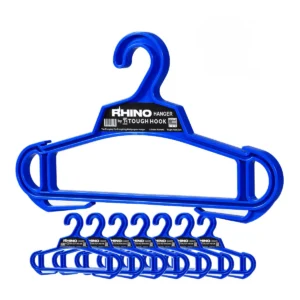
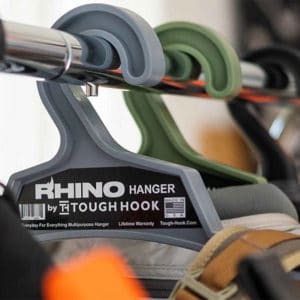

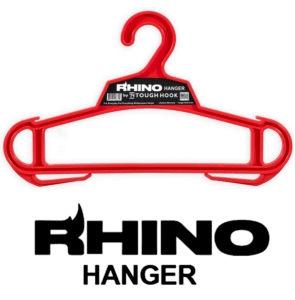
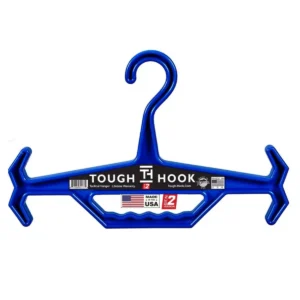

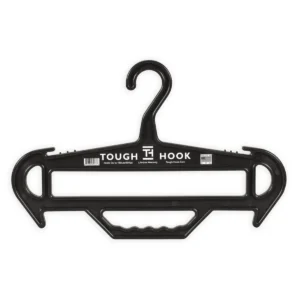
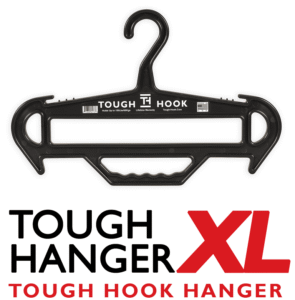
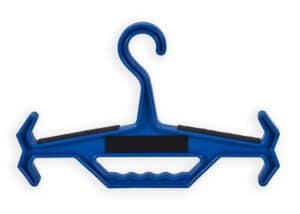
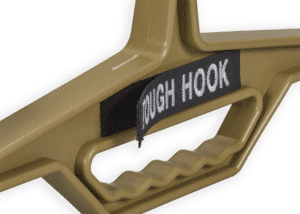
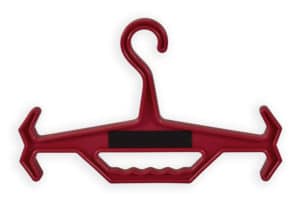

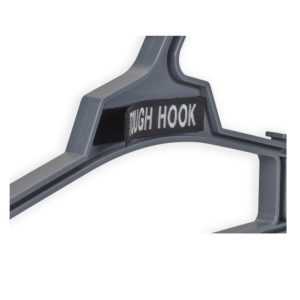
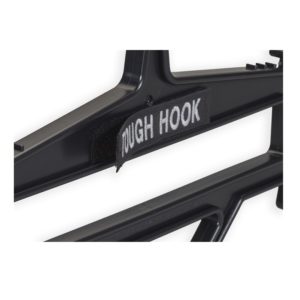


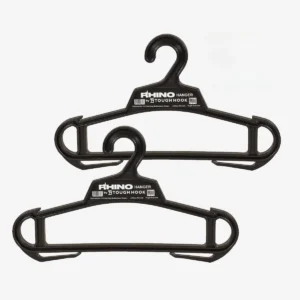
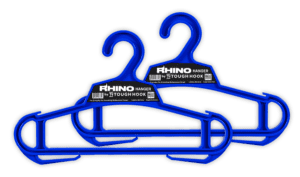
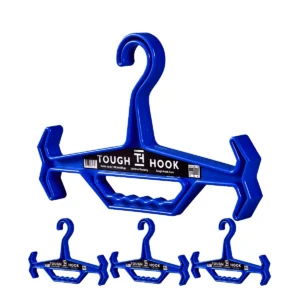
2 Pack RHINO Heavy Duty Clothes Hanger Bundle
Original price was: $27.95.$23.95Current price is: $23.95.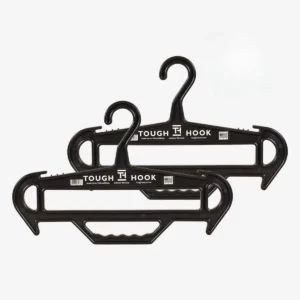
Creating a Strategic Zone Layout
An optimized gear closet or station locker relies on compartmentalization to keep garments accessible and protected. Dividing storage spaces into clear zones ensures that items maintain their structural integrity and remain ready for immediate deployment. The following layout strategies maximize efficiency:
-
Hanging Zone: Designated for primary uniforms, heavy-duty jackets, and outer layers that must remain wrinkle-free and structurally sound.
-
Elevated Storage: Reserved for items that do not require hanging, such as helmets, specialized headwear, and rigid hard cases.
-
Floor and Base Level: Dedicated to boots, heavy range bags, and equipment cases that need a stable, ground-level foundation.
Why Heavy-Duty Equipment Demands Specialized Hangers
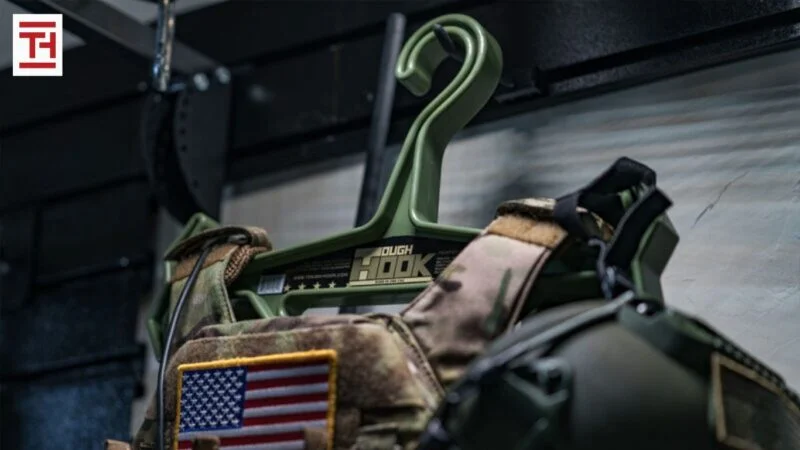
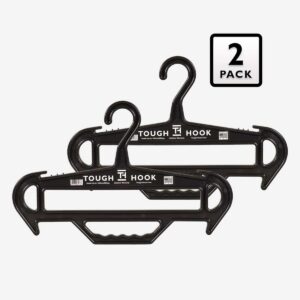
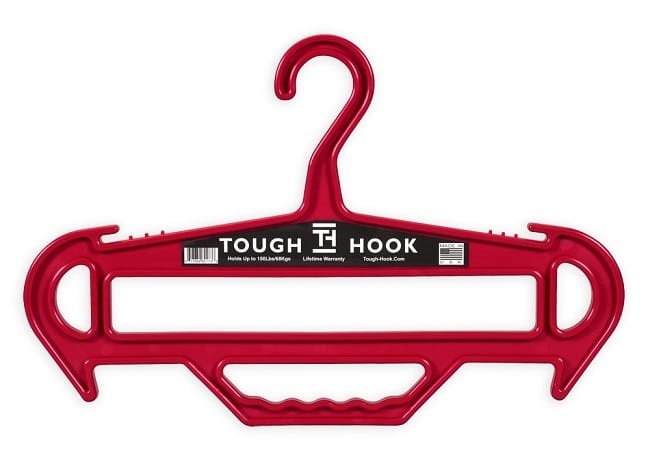
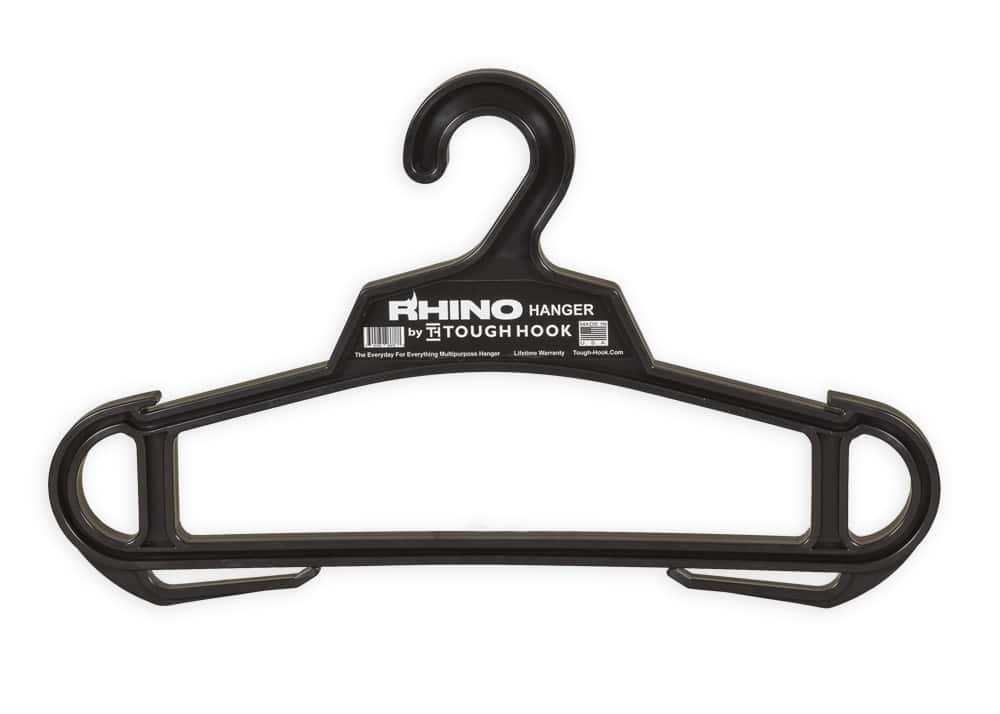
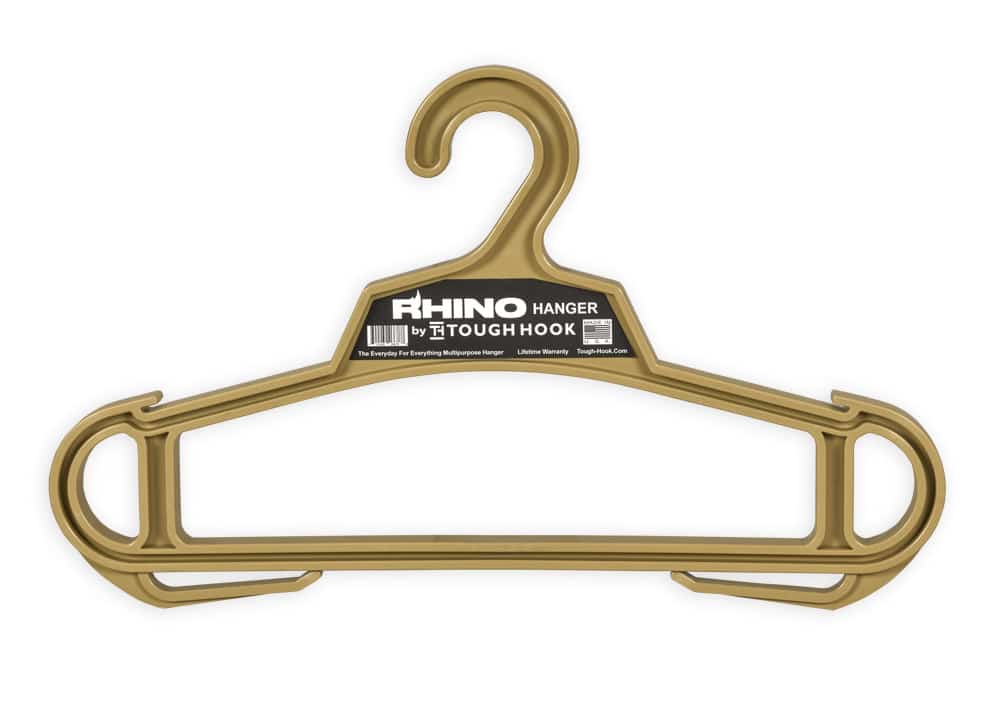
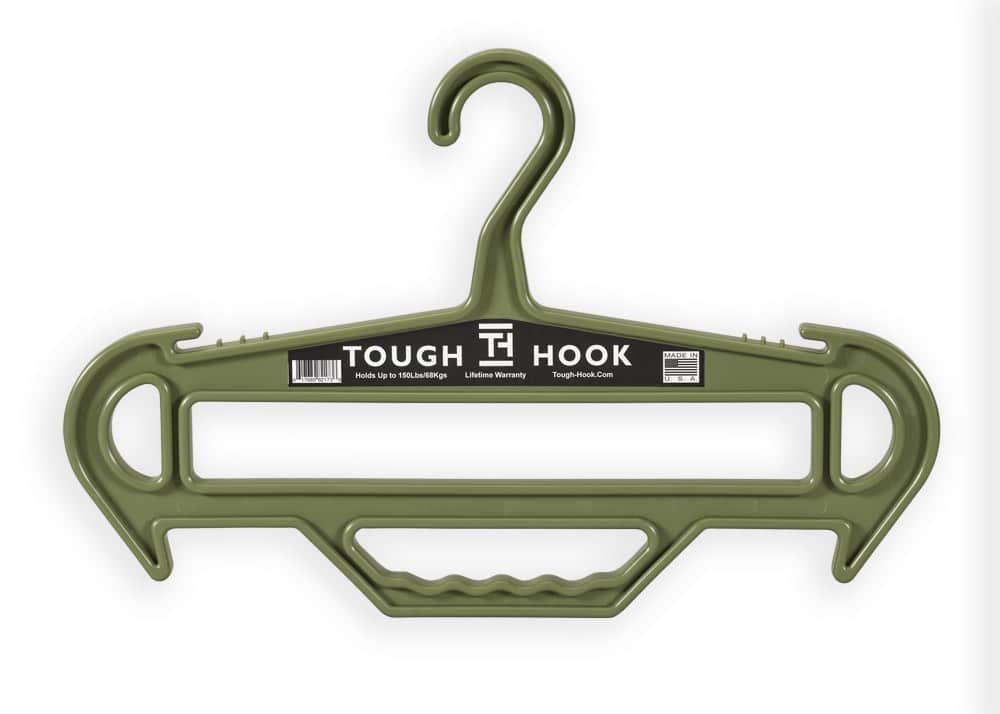
Standard retail hangers concentrate all garment weight onto a narrow, weak center point, causing shoulder stretching and fabric distortion. First responder assets require engineered storage solutions that distribute heavy loads evenly across wide, contoured surfaces. This is where companies like Tough Hook revolutionize gear management through innovative design and uncompromising American manufacturing. Engineered to support extreme weights, Tough Hook heavy-duty hangers feature a patented I-beam construction and high-impact polypropylene resin that resist deformation under loads exceeding two hundred pounds. These heavy-duty hangers ensure that heavy vests, wet turnout gear, and bulky uniforms maintain their natural shape while maximizing vertical storage space.
The Role of Tough Hook in First Responder Readiness
For professionals who rely on heavy equipment daily, storage equipment must match the ruggedness of the profession itself. Tough Hook hangers are built specifically to handle the extreme weight class of gear that standard storage options simply cannot manage. Incorporating these heavy-duty hangers into a station locker, garage setup, or department gear room provides several distinct advantages:
-
Extreme Weight Capacity: Designed to comfortably hold upwards of two hundred pounds of dead weight without bending or failing.
-
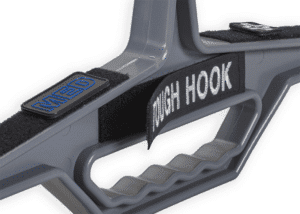
Integrated Carry Handle: Features a patented reversible carry handle and thumb release, allowing personnel to transport entire loaded kits seamlessly from vehicle to locker.
-
Moisture Management: Promotes optimal internal airflow inside heavy jackets and vests, allowing damp gear to dry naturally without warping fabrics or damaging specialized reflective tape.
Best Practices for Organizing Your Gear Closet
Maintaining a functional gear closet requires routine habits that prevent clutter from creeping back into your daily routine. Implementing a few simple maintenance rules will keep your setup deployment-ready at all times:
-
Air Out Wet Gear: Always allow field layers, rain gear, and uniform items exposed to moisture or perspiration to dry fully in a ventilated space before hanging them in a closed locker.
-
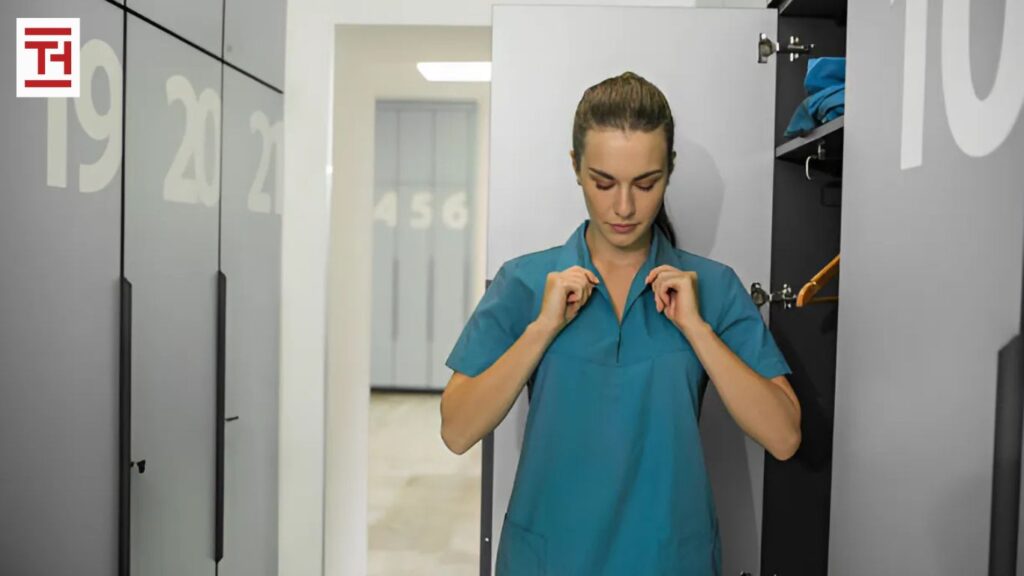
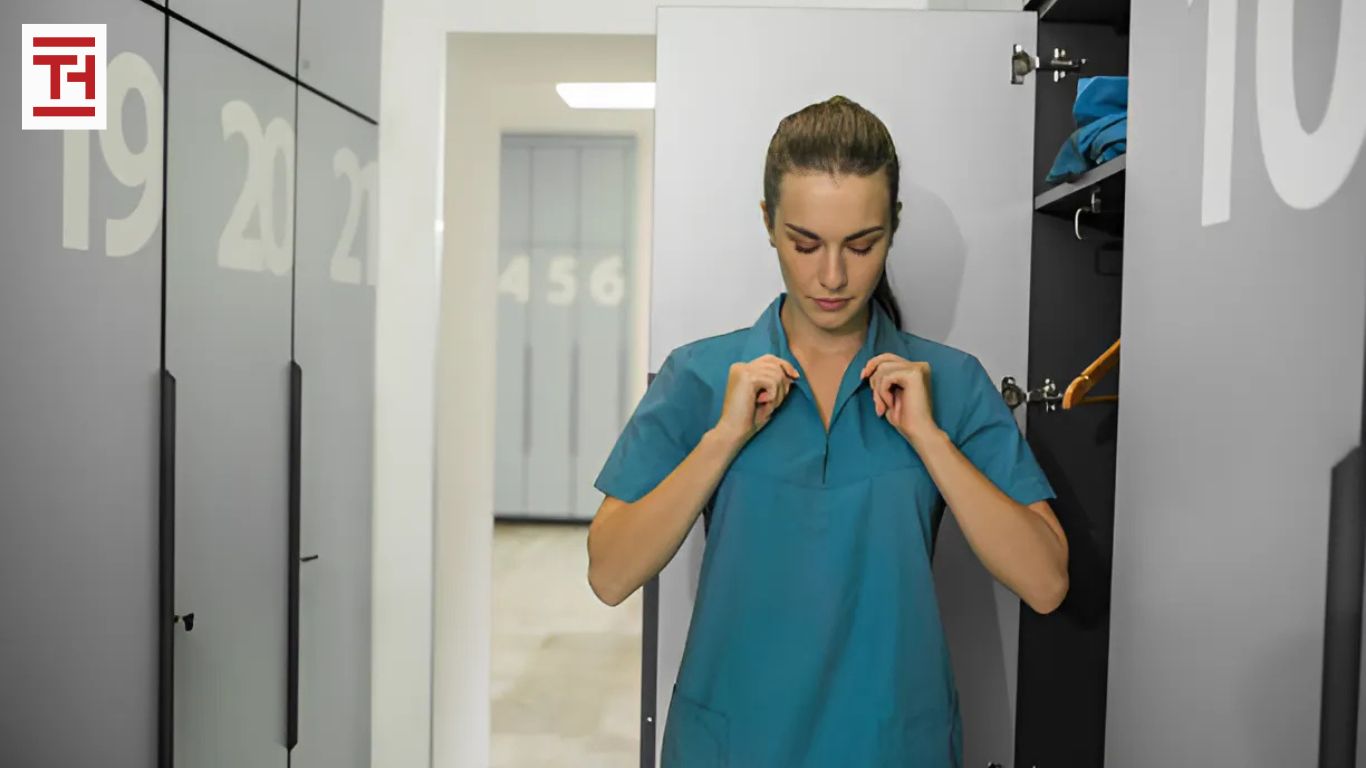
Separate Daily Casuals: Keep civilian clothing completely isolated from duty wear to prevent cross-contamination from outdoor elements, chemicals, or station grime.
-
Audit Your Loadout: Periodically check your hanging gear to ensure that straps, zippers, and structural components are intact and properly balanced on your heavy duty hangers.
Transforming your storage space from a cluttered catch-all into an efficient, streamlined command center eliminates friction from your daily routine. By properly categorizing your wardrobe and investing in industrial-grade storage solutions like Tough Hook hangers, you protect your professional investment and ensure that your gear is always ready when duty calls.