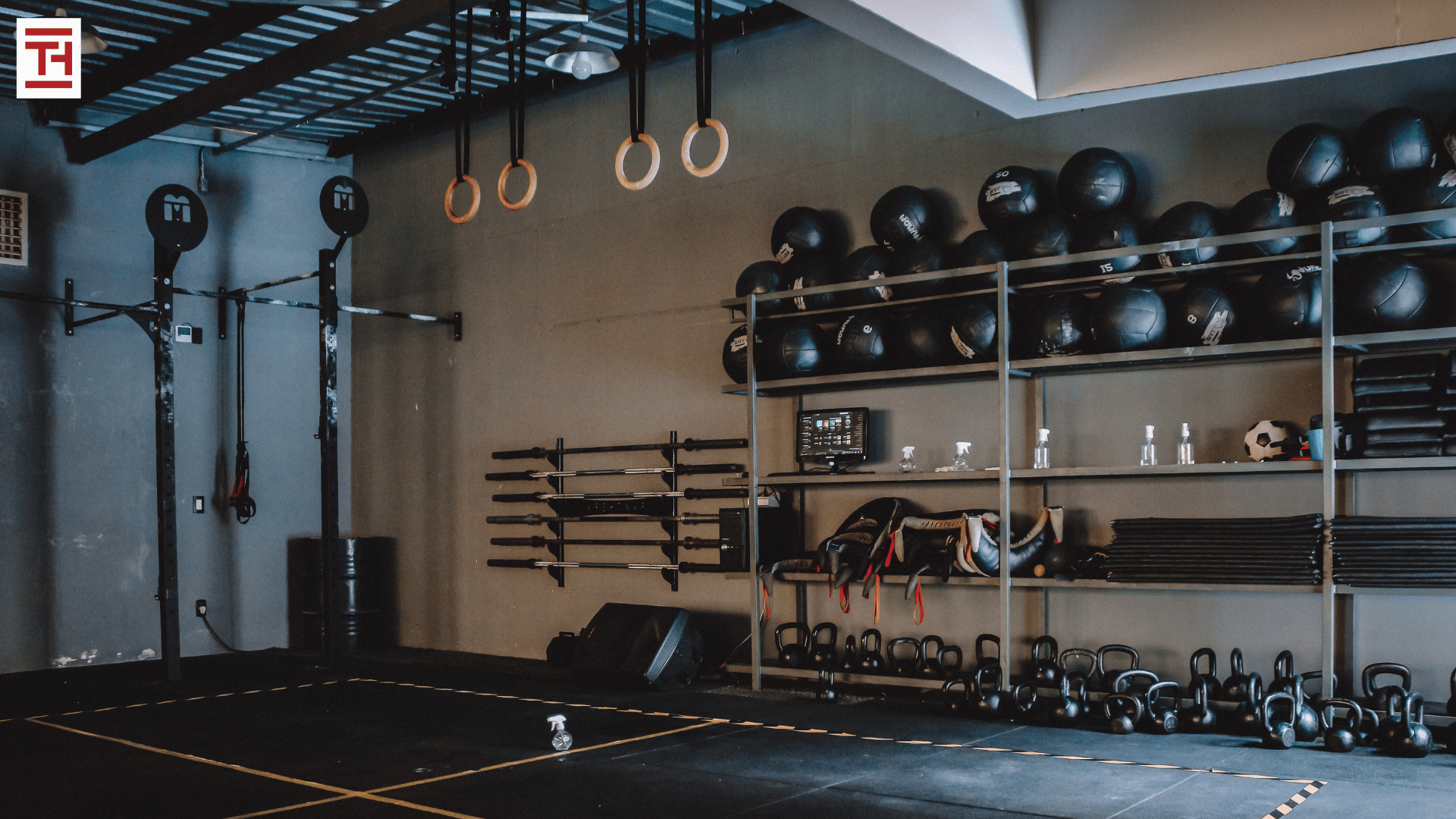
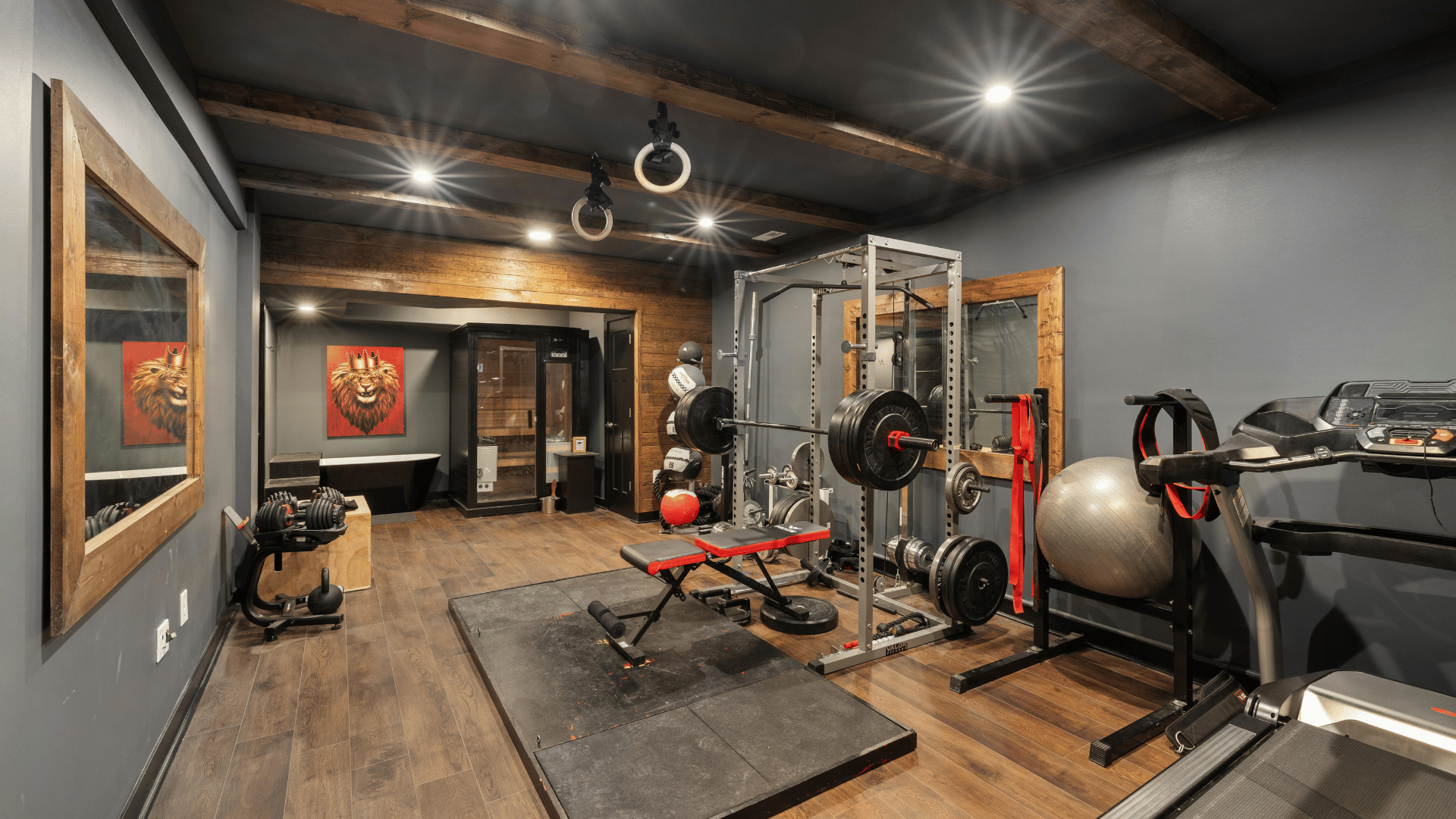
Building a functional home workout space does not require spending thousands of dollars on expensive commercial footprint expansions or massive storage racks. When floor area is limited, converting unused vertical wall space into an organized equipment station offers a cost-effective solution for everyday athletes. Storing heavy weighted vests, resistance bands, dip belts, and specialized gear on walls keeps training areas safe, efficient, and free of hazardous clutter.
Understanding the Value of Vertical Wall Storage
Floor space in a residential garage or home gym comes at a premium, especially when accommodating squat racks, barbells, and floor mats. Leaving heavy conditioning equipment scattered across the floor creates serious tripping hazards, damages delicate fabrics, and degrades rubber resistance bands over time. Transitioning your gear to dedicated wall mounts yields immediate benefits:
-
Maximized Floor Area: Clearing training gear off the ground opens up essential room for dynamic movements, olympic lifting, and floor exercises.
-
Enhanced Equipment Longevity: Hanging equipment prevents sweat accumulation, moisture entrapment, and premature material tearing caused by improper storage.
-
Efficient Workout Transitions: Organizing items at eye level allows athletes to access resistance bands, lifting belts, and weighted vests instantly between training sets.
-
Improved Garage Aesthetics: Transforming cluttered corners into streamlined wall displays fosters a clean, professional training environment that boosts motivation.
By utilizing vertical wall space effectively, budget-conscious fitness enthusiasts can build an organized garage gym without sacrificing valuable training real estate.
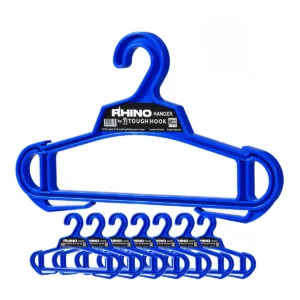
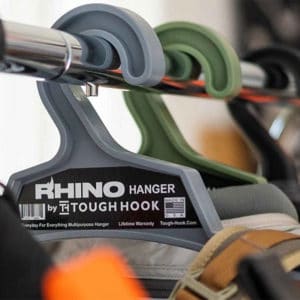

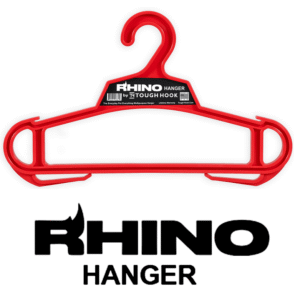
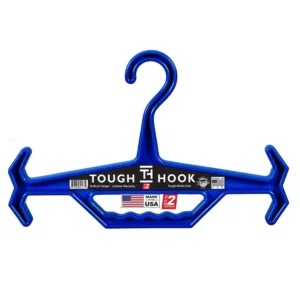

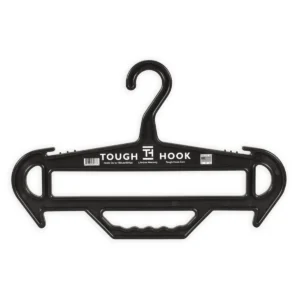


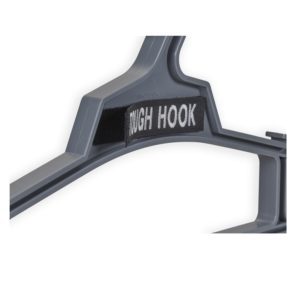



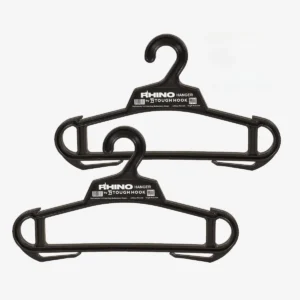
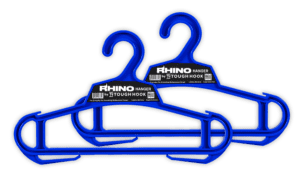
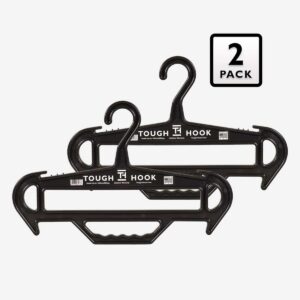
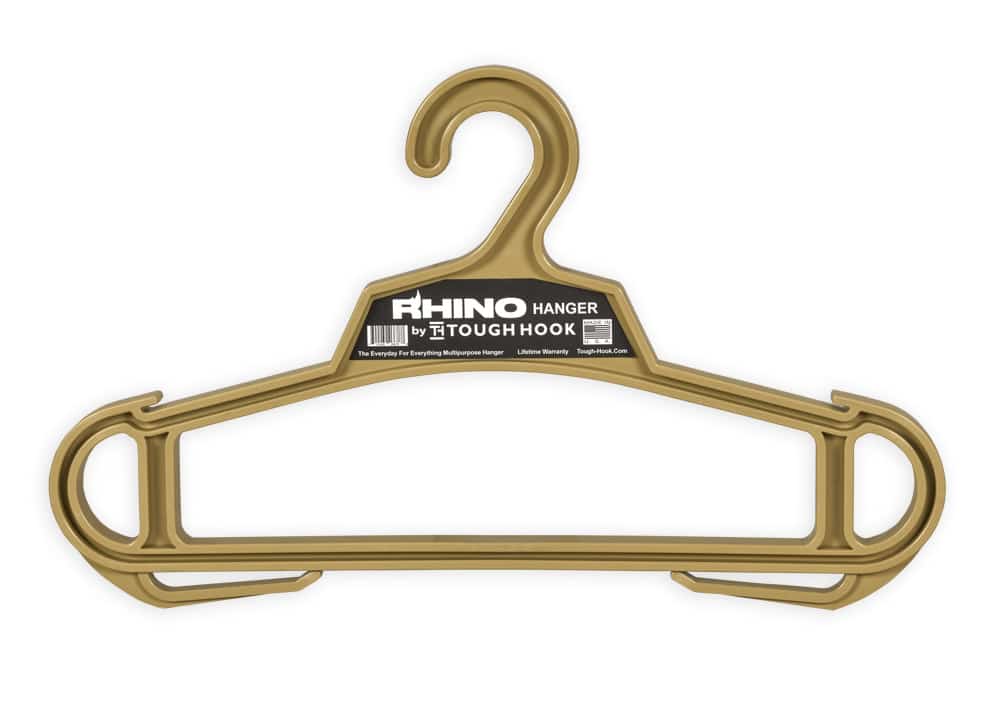
2 Pack RHINO Heavy Duty Clothes Hanger Bundle
Original price was: $27.95.$23.95Current price is: $23.95.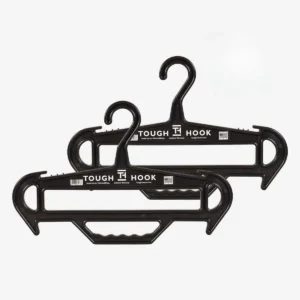
Essential Wall Storage Solutions for Home Gyms
Creating a strong wall setup does not demand complex construction or custom cabinetry. Simple, budget-friendly hardware options can be mounted directly into garage wall studs to support various types of exercise accessories:
-
Heavy-Duty Wall Pegs and Hooks: Anchoring heavy metal or thick plastic pegs into wooden studs creates sturdy anchor points for hanging weight belts, chains, and thick power bands.
-
Mounted Slotted Rails and Track Systems: Installing horizontal track systems allows users to adjust hook positions easily as their fitness equipment collection expands over time.
-
Industrial Hanger Bars: Securely mounting standard metal piping or reinforced clothing rods provides a stable structure for hanging weighted vests and bulky turnout-style training jackets.
-
Pegboard Panels: Installing heavy-gauge metal or solid wood pegboards offers customizable layout options for lightweight jump ropes, wrist wraps, and ankle straps.
Choosing the right combination of wall hardware ensures that every piece of fitness equipment has a dedicated home.
Storing Heavy Vests with High-Capacity Hardware
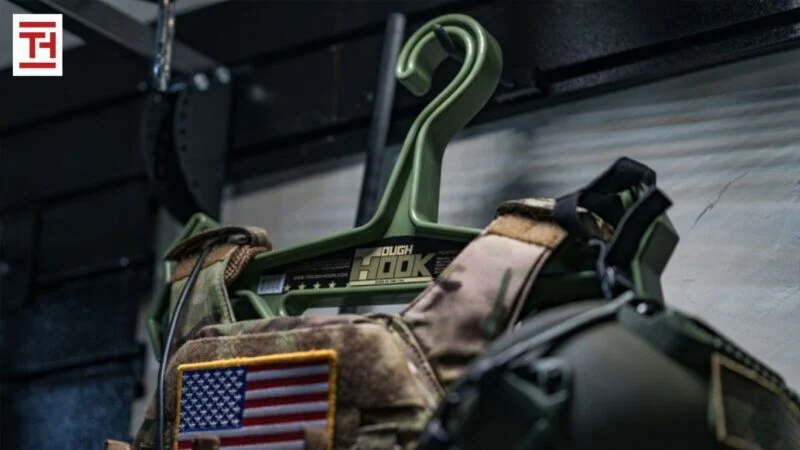
Weighted vests and body armor training rigs present a unique storage challenge due to their concentrated weight and dense construction. Standard consumer clothing hangers instantly bend, warp, or snap under the burden of twenty to fifty pounds of cast iron or steel plates. Leaving a heavy vest lying on a garage floor traps sweat, causing bad odors and material breakdown.
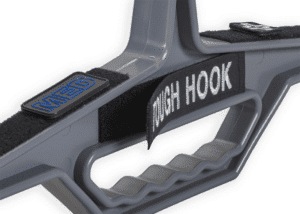
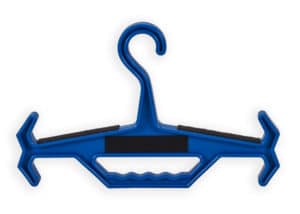
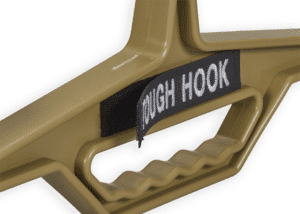
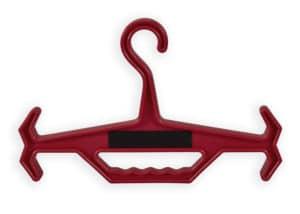
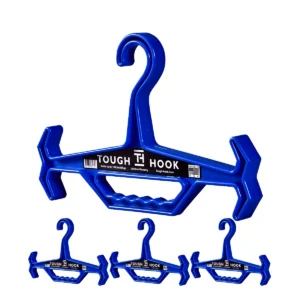
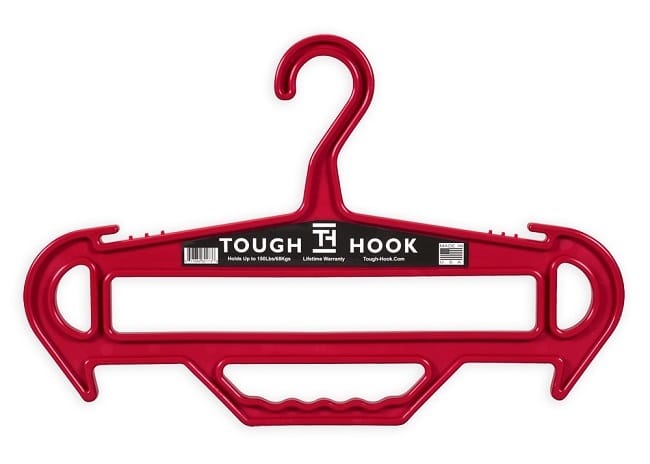
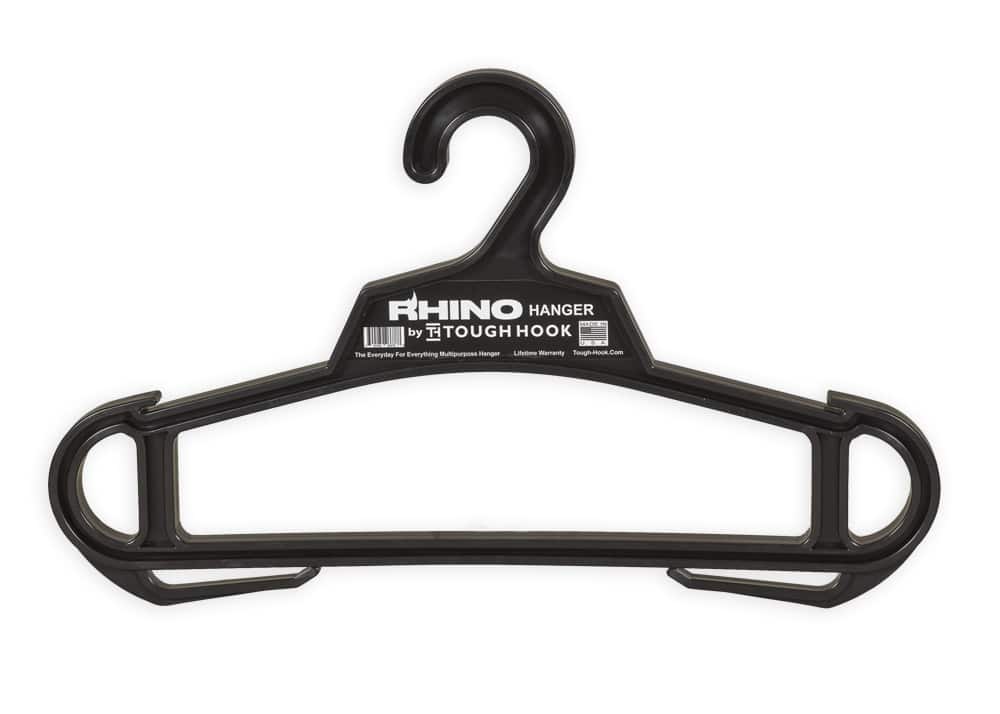
At Tough Hook, our company manufactures commercial-grade, heavy-duty hangers specifically built to solve these demanding storage problems. Engineered in the United States using high-impact polypropylene and a patented I-beam design, Tough Hook hangers support over two hundred pounds of weight without flexing or breaking. Hanging weighted vests on these industrial hangers keeps the material open for proper airflow, accelerating drying times and extending vest longevity. Furthermore, the integrated GRIPPER carry handle allows athletes to transport fully loaded weighted vests seamlessly from wall mounts to outdoor workout locations.
Organizing Resistance Bands and Mobility Tools
Resistance bands, mobility straps, and suspension trainers require careful handling to maintain structural integrity and prevent snapping during high-intensity training sessions. Storing latex bands in piles on sharp surfaces or under direct heat causes micro-tears that compromise safety:
-
Smooth Wall Hooks: Hanging bands over smooth, rounded hooks eliminates sharp pressure points that cause latex degradation and tearing under tension.
-
Categorized Grouping by Resistance: Arranging bands on individual wall hooks by tension level allows quick identification during rapid conditioning circuits.
-
Coiled Cable and Rope Storage: Loop heavy jump ropes and speed cables loosely over wide wall brackets to prevent permanent kinking and internal wire damage.
Proper band management keeps elastic mobility tools clean, organized, and safe for daily warmups and resistance routines.
Securing Lifting Belts and Dip Chains
Leather powerlifting belts, nylon weightlifting belts, and weighted dip chains are essential training accessories that demand sturdy storage solutions. Rolling thick leather belts tightly damages the grain and compromises support over time. Hanging belts vertically allows the leather to relax, air out, and maintain its structural support:
-
Vertical Belt Alignment: Suspending lifting belts by their buckles on dedicated wall hooks preserves natural curvature and prevents premature leather cracking.
-
Heavy Chain Anchoring: Mounting reinforced steel hooks close to structural studs ensures that heavy-weighted dip chains hang safely without ripping out drywall.
-
Air Circulation for Sweat Management: Hanging damp lifting gear against breathable wall spaces allows moisture to evaporate quickly, preventing mildew growth and unpleasant odor.
Keeping lifting support accessories upright and dry guarantees long-lasting performance during heavy strength training sessions.
Steps to Implement a Budget Garage Storage Setup
Transforming a cluttered garage wall into a streamlined fitness gear station can be completed in a single afternoon with basic tools:
-
Locate and Mark Wall Studs: Use an electronic stud finder to identify solid timber studs across the target garage wall for maximum weight support.
-
Plan Gear Layout Visually: Lay out weighted vests, belts, and bands on the floor beforehand to determine optimal vertical and horizontal spacing.
-
Install Reinforced Mounting Hardware: Fasten heavy-duty hooks, track rails, or mounting bars securely into studs using heavy-gauge wood screws and washers.
-
Hang Gear with Industrial Supports: Suspend heavy-weighted vests on Tough Hook heavy-duty hangers and arrange lighter accessories across secondary wall hooks.
-
Maintain System Organization: Rehang every piece of training equipment immediately after workouts to preserve clear floor space and operational order.

Maximize Space and Protect Your Gear
Organizing a garage gym on a budget relies on smart spatial planning rather than expensive equipment purchases. Utilizing vertical wall space for weighted vests, resistance bands, and lifting belts eliminates floor clutter, speeds up workouts, and creates a professional training environment. Investing in high-capacity hardware, like Tough Hook’s hangers, ensures that heavy conditioning gear remains secure, well-ventilated, and protected for years of rigorous use.