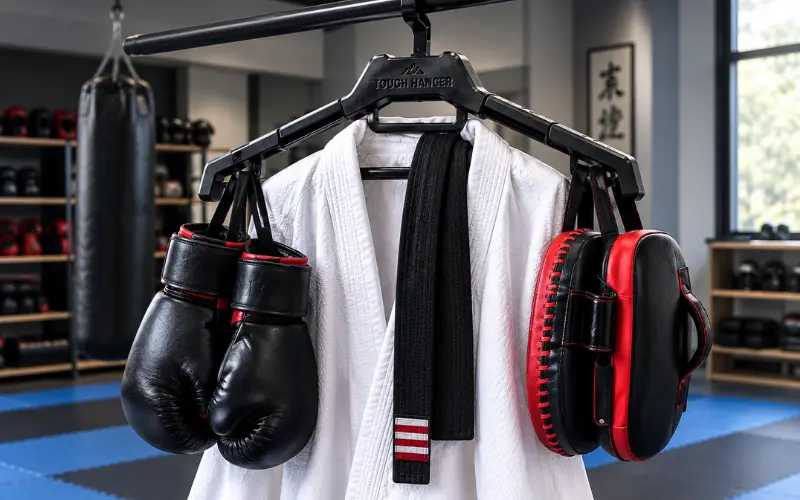
Ninety minutes of rolling, sparring, or drilling kata leaves your kit soaked, heavy, and full of sweat. Stuffing it in a gym bag and forgetting about it until the next class is how a good gi turns sour and a pair of gloves starts to smell before its first birthday. The fix is simple: get every piece out of the bag and onto heavy-duty hangers that can carry wet weight, hold their shape, and let air reach every surface.
This guide covers what combat sports gear needs from a hanger, how to clean and hang every piece from your gi to your kendo armor, where to dry it, how to store it between seasons and on the road, and how coaches and gym owners can set up storage that keeps a whole class organized.
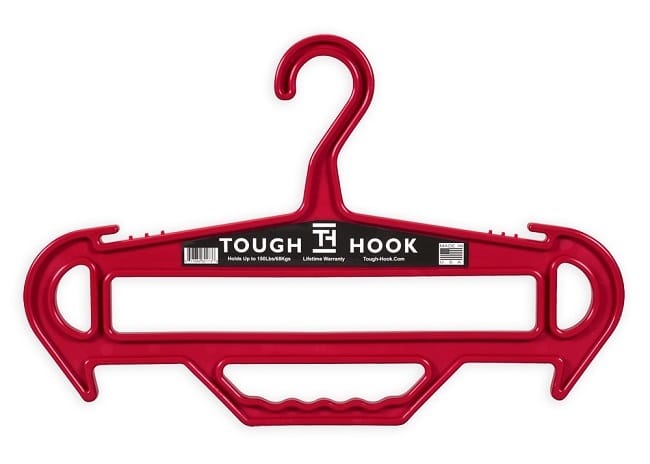
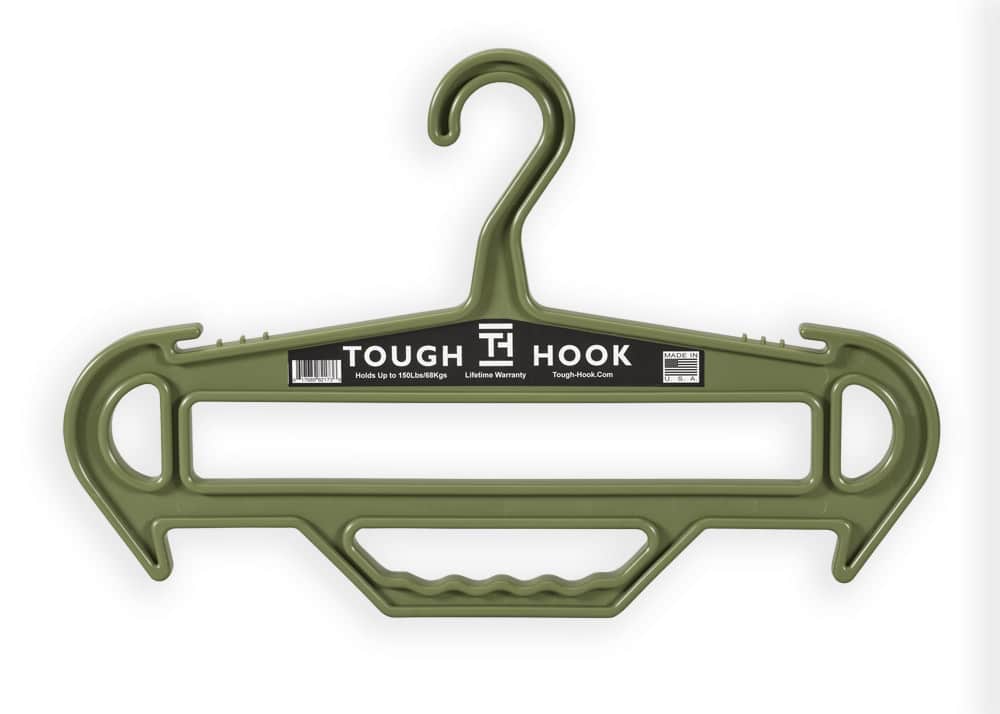
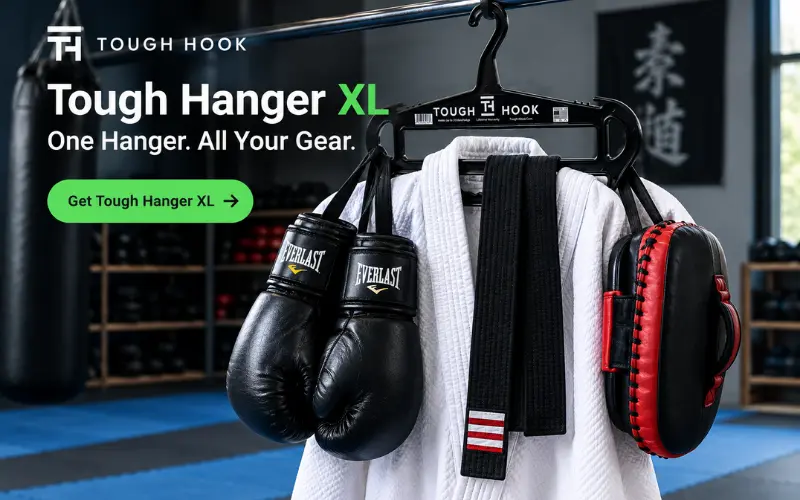
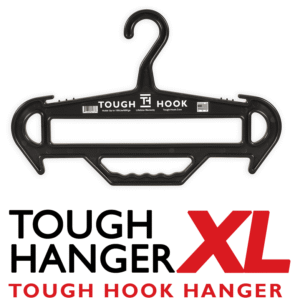
Need one hanger that carries a soaked gi, belt, and gloves in a single trip? The Tough Hanger XL has the widest shoulders in our range, a 200 lb load rating, and a full-grip carry handle.
Why Combat Sports Gear Needs More Than a Closet Hook
Martial arts gear takes more punishment than almost anything else in your closet. A thick judo or Brazilian jiu-jitsu gi absorbs a large amount of sweat during a session, and a soaked jacket weighs far more than it does dry. Boxing gloves, headgear, and shin guards trap moisture in padding that cannot go in a washing machine. Rash guards and fight shorts spend the whole session pressed against mats and training partners.
That mix of heat, moisture, and skin contact is exactly what skin infections need. The National Athletic Trainers’ Association position statement on skin diseases singles out wrestling and other full-contact sports as high risk and tells athletes not to share towels or athletic gear. It also says soiled practice gear and uniforms must be laundered daily.
A hanger will not disinfect anything. What it does is get gear out of the dark, damp bag and into open air so it can dry fully between washes, which is where most odor problems start. If you already deal with sweaty gear from the gym, the same rules apply here, only with heavier fabric and more padding.
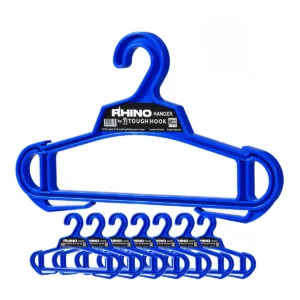
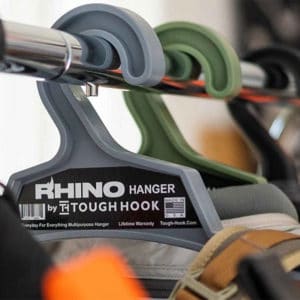

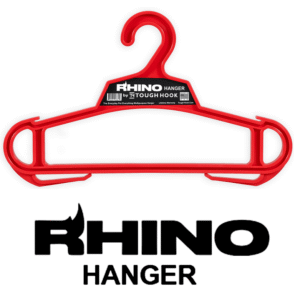
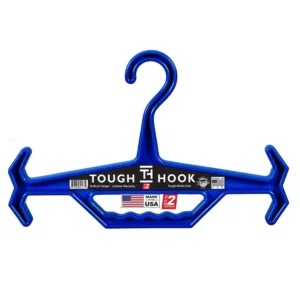
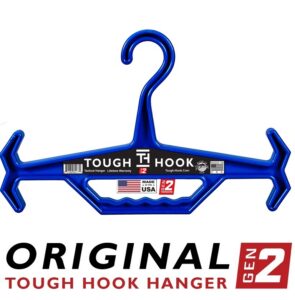
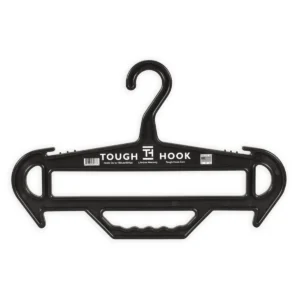
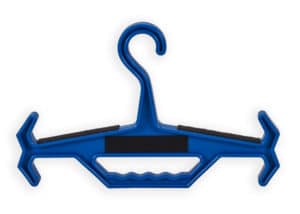
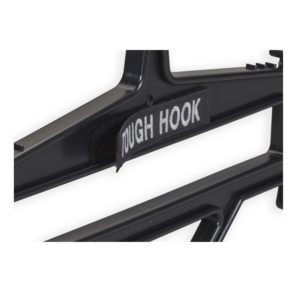


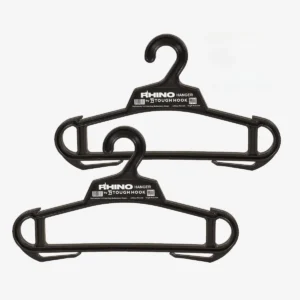
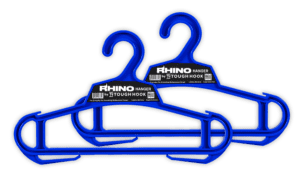
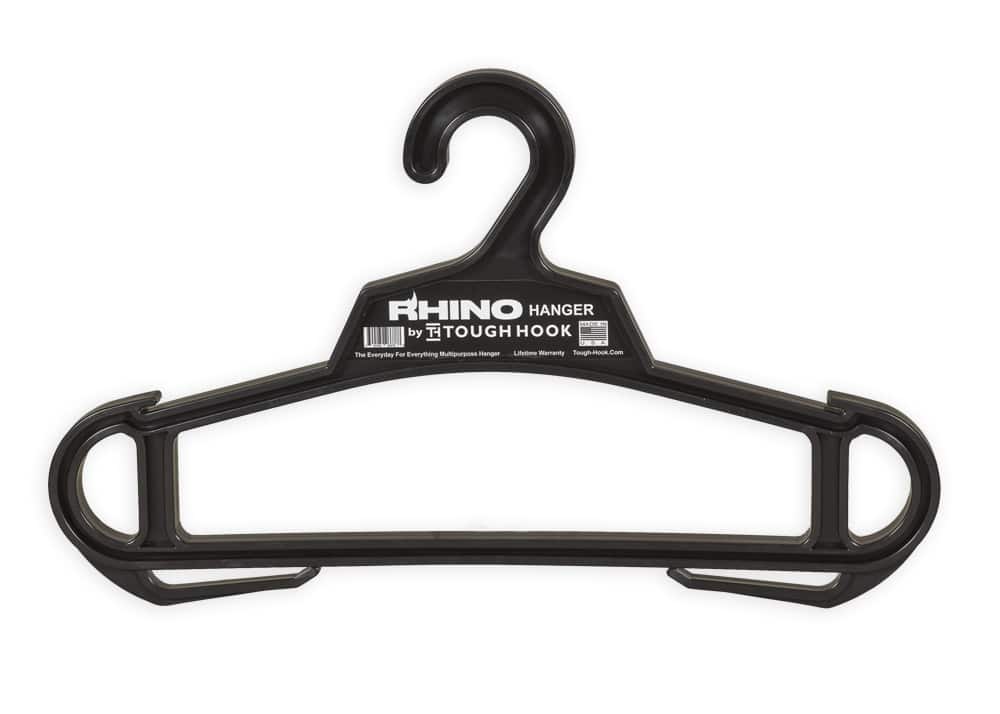
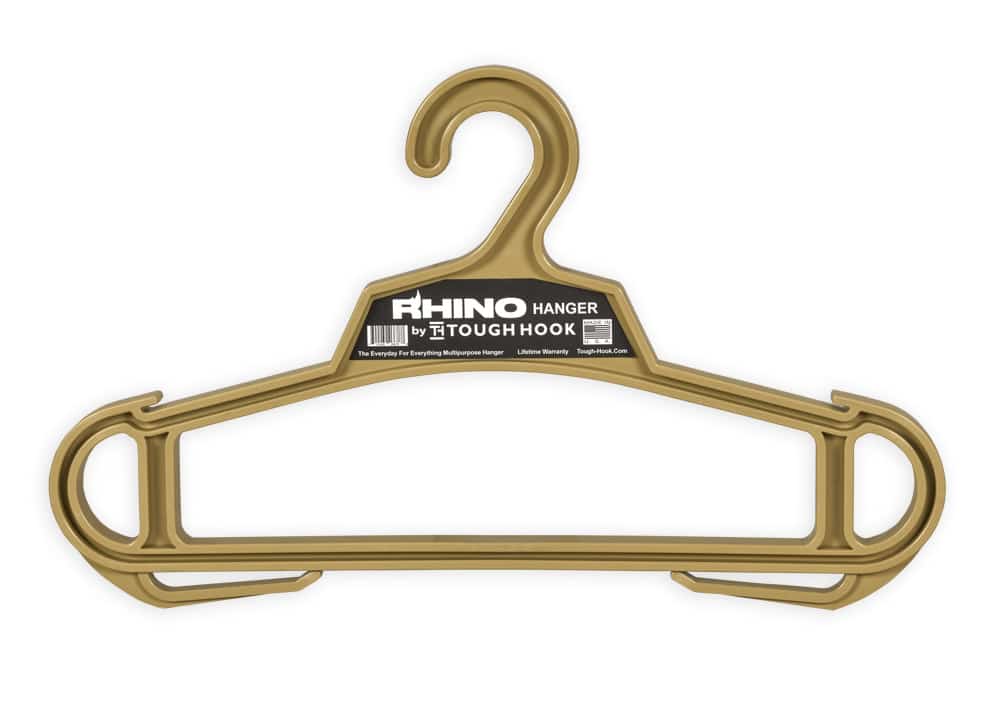
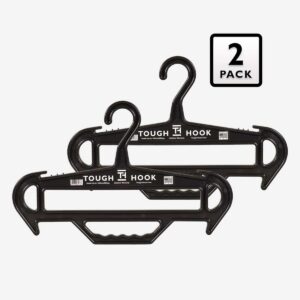
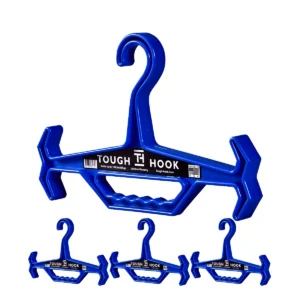
2 Pack RHINO Heavy Duty Clothes Hanger Bundle
Original price was: $27.95.$23.95Current price is: $23.95.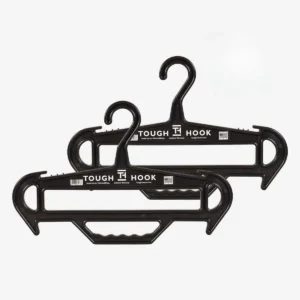
What to Look for in a Hanger for Martial Arts Gear
Not every hanger is up to the job. A thin wire or cheap plastic hanger may hold a dry rash guard, but a wet double-weave gi or a loaded set of pads will bend it, snap it, or stretch the fabric out of shape. These five features matter most.
Load Capacity
Look for a hanger rated well beyond the weight of your heaviest wet item. Our Rhino hanger is rated for over 200 lbs, so a soaked gi, belt, and rash guard on the same hanger will not cause it to sag. That extra margin also means the hanger keeps its shape for years instead of slowly bowing under daily use.
Shoulder Width and Shape
Gi jackets have heavy collars and thick lapels. Narrow shoulders let that weight pull the jacket forward and stretch the neckline. A broad, contoured shoulder spreads the load across the jacket and keeps the collar sitting the way it should. Wide shoulders also open up the jacket so air can move through the inside while it dries.
Material That Handles Moisture
Wet gear is hard on hangers. Wire hangers can rust and leave marks on a white gi, and wood absorbs moisture from damp fabric over time. Thin plastic turns brittle and cracks under heavy loads. A hanger molded from impact-resistant resin with an I-beam frame stays strong and dry no matter how often you hang soaked gear on it. Our guide to high-impact polypropylene explains why the material matters.
Hooks and Grip Points
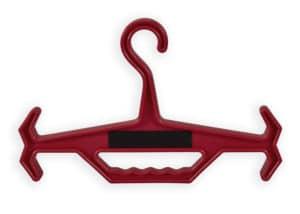
Combat sports kits come in pieces. Gloves, headgear, wraps, and belts all need a place to hang, ideally on the same hanger as your uniform so nothing goes missing. Hangers with extra hooks or a built-in grip handle let you hang gloves by their cuff straps and carry the full kit to the car or locker in one hand. Our tactical hanger has a reversible built-in carry handle for exactly this.
Identification in Shared Spaces
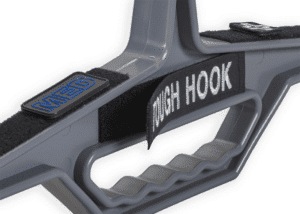
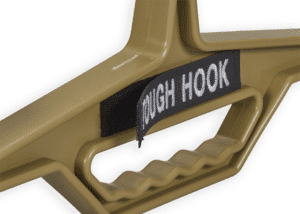
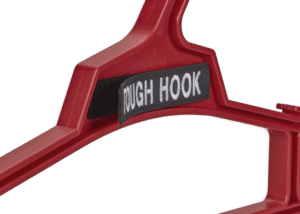
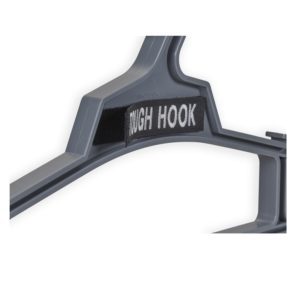
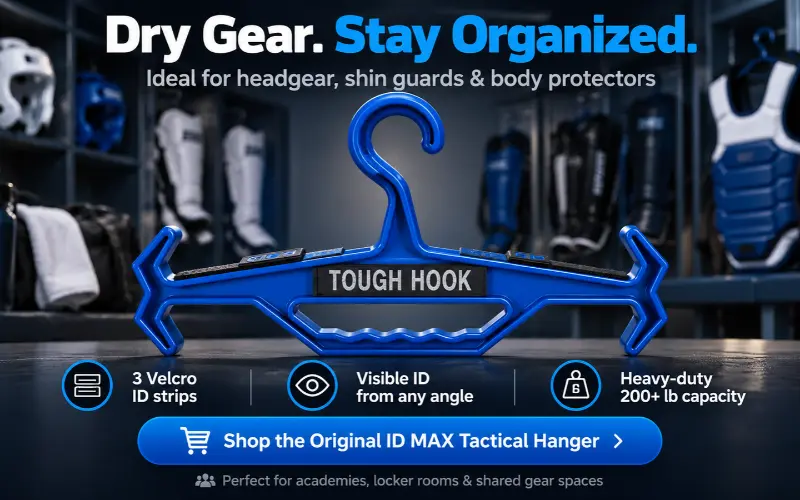
In a busy academy, a row of white gis all look the same. An ID hanger has a 1″ x 5″ loop Velcro strip where you can attach a name tape, flag patch, or club patch (patch sold separately). It ends the mix-ups and makes it easy to spot whose gear is left on the rack after class.
How to Hang Each Piece of Combat Sports Gear
Every item in a fight kit dries and wears differently. Start with the quick reference table, then use the sections below for the details on each piece.
Quick Reference: Care and Hanging by Gear Type
| Gear | Cleaning | How to Hang | Drying Tip |
| Gi jacket and pants | Wash after every session per the care label | Jacket on wide shoulders, pants over the bar or by the waistband | Check the collar and seams are fully dry before storing |
| Belt | Per the care label | Draped straight over the hook or bar | Keep it straight so it does not kink |
| Rash guard, shorts, singlet | Wash after every session | On their own hanger or a side hook | Do not layer over the gi |
| Boxing, Muay Thai, MMA gloves | Wipe inside and out | By the cuff straps, cuffs pulled wide open | Shade only, no direct heat or sun |
| Hand wraps | Wash after every session | Straight over the bar | Roll only once fully dry |
| Headgear, shin guards, body protectors | Wipe and disinfect per the manufacturer | By the straps, all buckles open | Air the inside, not just the outside |
| Kick pads, Thai pads, focus mitts | Wipe down after each class | By the handles, spaced apart | Never stack wet pads |
| Kendo bogu, HEMA and fencing jackets | Air out after every practice | Do by its strap, tare flat on a hanger, jackets on wide shoulders | Shade, good airflow, dry before bagging |
| Gear bag | Wipe or wash regularly | Hung open, upside down | Fully dry before repacking |
Gi and Uniforms (BJJ, Judo, Karate, Taekwondo)
Wash your gi after every session, following the care label. Many gi makers recommend cold water and line drying to limit shrinkage, which is where a strong hanger earns its place. Hang the jacket on wide shoulders, close the lapels, and give it space on the rod so air reaches both sides. Fold the pants over the bottom bar or hang them by the waistband. Only put the gi away once the thick collar and seams are fully dry, since that is where moisture hides longest. If you train most days, rotating between two or three gis gives each one time to dry completely.
Belts
Whatever your habits are with washing your belt, never leave it balled up in the bag. Drape it straight over the hanger hook or bar so it airs out and keeps its shape. Hanging it with the matching gi also means it never goes missing before class.
Rash Guards, Fight Shorts, and Wrestling Singlets
These pieces are light, but they spend the whole session soaked in sweat and pressed against mats and training partners. Wash them after each use and hang them on their own so the fabric dries quickly. Avoid draping them over the gi, which slows drying for both. Fight shorts and singlets can hang from the bottom bar or a side hook on the same hanger.
Boxing, Muay Thai, and MMA Gloves
Gloves are the worst offenders for odor because the padding cannot be machine washed. As soon as you get home, take them out of the bag, wipe the inside and outside, and pull the cuffs open as wide as they will go. Hang them by the cuff straps on a hanger hook so air can travel all the way into the fingers. Fight gear brand Fairtex recommends keeping gloves out of direct sunlight while they dry, using a glove deodorizer or dryer, and rotating between pairs if you train often. Direct heat from a radiator or heater can also dry out and crack leather.
Hand Wraps
Wraps soak up sweat and should be washed after every session. Hang them straight over the hanger bar to dry rather than leaving them balled up, then roll them once they are completely dry.
Headgear, Shin Guards, and Body Protectors
Padded protective gear, including boxing body protectors and the hogu chest protector used in taekwondo, needs the same treatment as gloves: wipe it down, open every strap and buckle, and hang it where air can reach the inside. Clean and disinfect these pieces the way the manufacturer recommends, and let them dry fully before they go back in your bag.
Running an academy or sharing a locker room? The Original ID MAX Tactical Hanger has three Velcro ID strips, one on the back and one on each shoulder, so name tapes and club patches are visible from any angle.
Kick Pads, Thai Pads, and Focus Mitts
Coaches and training partners often forget pads, yet they take sweat from every person who hits them. Wipe them down after class and hang them by their handles with space between each one. Stacking wet pads in a corner traps moisture between them and leads to smell and early wear. A heavy-duty hanger can hold a pair of Thai pads without bending.
Kendo Bogu, HEMA, and Fencing Gear
Armor-based arts need extra care because the padding is thick and slow to dry. Kendo equipment retailer Bushizo advises drying bogu in a shaded, well-ventilated spot for at least 30 minutes to an hour before it goes back in the bag, hanging the do by its strap, and laying the tare flat or hanging it on a hanger so it does not distort. It also warns that direct sunlight hardens leather and that a car trunk can get hot enough to damage equipment. HEMA and fencing jackets are heavy and padded too, so hang them on wide shoulders and give them plenty of space to air out.
Mouthguards, Cups, and Other Small Items
Not everything belongs on a hanger. Rinse your mouthguard after every session, let it air dry, and store it in a clean, ventilated case. Wash groin protectors and knee pads with your regular kit. A small mesh bag clipped to the hanger keeps these pieces with the rest of your gear while they dry.
Your Gear Bag
A clean kit goes straight back to smelling bad if the bag stays damp. Empty it completely after every session, wipe or wash it regularly, and hang it open and upside down so moisture can escape. Only repack once both the bag and the gear are dry.
Where to Dry and Store Gear at Home
Where you hang your gear matters almost as much as how. A spare closet rod, a garage wall, or a rack near a window can all work if the spot meets a few conditions.
- Airflow: A ventilated room, an open window, or a small fan speeds drying a lot.
- Shade: Keep gear out of direct sunlight, which fades fabric and hardens leather.
- No direct heat: Radiators, heaters, and hair dryers can warp padding and crack leather.
- Low humidity: Avoid steamy bathrooms and damp basements. A dehumidifier helps in humid climates.
- Space between hangers: Leave a gap between each piece so air reaches every side.
- Never the car: A trunk or back seat traps heat and moisture together.
The After-Training Routine That Saves Your Gear
The best hanger in the world does not help if gear sits in the car overnight. A short routine right after class keeps everything in shape.
- Empty the bag as soon as you get home. Do not leave anything zipped up wet.
- Put washable items (gi, rash guard, shorts, wraps) straight into the wash and follow each care label.
- Wipe down gloves, headgear, pads, and guards inside and out.
- Hang everything with space between pieces so air can move freely.
- Store gear only once it is completely dry, and leave the bag open to air out too.
Hanging alone does not kill bacteria, so do not treat it as a substitute for washing. The CDC’s MRSA prevention guidance for athletes advises washing and completely drying uniforms, towels, and clothing after each use and not sharing anything that touches your skin. Hanging is the step that makes sure padded gear and line-dried uniforms are fully dry before you wear them again. For a wider look at organizing a full training kit, see our guide to building an athlete storage system.
Long-Term, Travel, and Competition Storage
Gear does not only live between weekly classes. Injuries, off-seasons, and tournament trips all call for a slightly different approach.
Off-Season and Long-Term Storage
Before putting gear away for weeks or months, wash or clean every piece and make sure it is bone dry. Hang uniforms in a breathable garment bag rather than a sealed plastic bag, which can trap moisture and cause mildew. Condition leather gloves and pads before storing them, and check on everything once a month for smell or spots. Our tips on seasonal storage apply here too.
Tournaments, Seminars, and Travel
Competition days usually mean a spare gi, a sweaty one, and very little time between matches. A hanger with a built-in carry handle lets you move a complete kit from the car to the venue in one hand, then hang it in your hotel room by a window or the air conditioning so it dries overnight. Pack a separate bag for wet gear so it never touches the clean kit you need for the next day.
Storage Ideas for Dojos, Academies, and Gyms
Coaches and gym owners deal with gear on a much bigger scale. A few simple systems keep the mat area tidy and stop lost-and-found from overflowing.
 Locker and Rack Setups
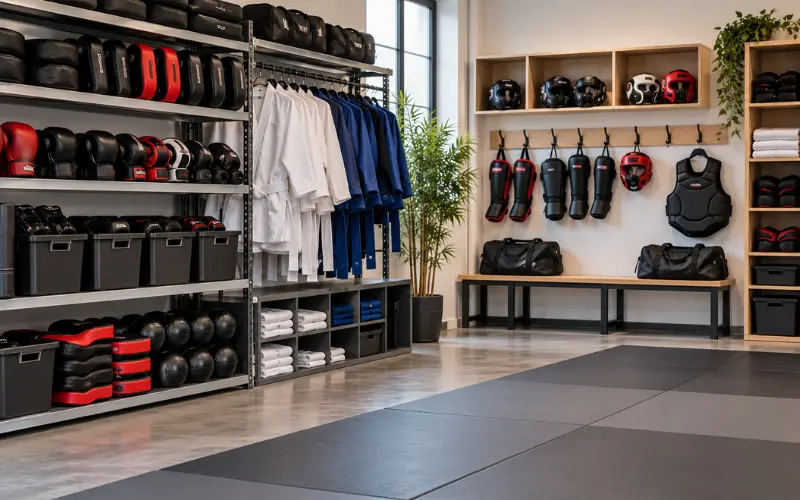
Assign each member a hanger on a wall rack or in their locker. Heavy-duty hangers fit standard rods and hold a full uniform plus gloves, so one hanger covers one student. Our guide to organizing gym lockers has more layout ideas.
Color and ID Systems
Pair the Velcro ID strip with name tapes for regular members, or give each class its own hanger color. Our hangers come in several colors, so a kids’ class, an adult class, and a competition team can each have their own. Loaner gear for trial classes gets a separate color so it always comes back.
Kids’ Gear at Home
Parents of young martial artists know the gym bag often goes straight to a bedroom floor. Give each child a hanger of their own color by the door so the uniform, belt, and gloves get hung up the moment they walk in. It builds the habit early and keeps the gi ready for the next class.
Branded Hangers for Your Academy
Academies that sell uniforms and gear can offer branded hangers too. Our white label program puts your academy name or logo on the hanger, and gyms that want to resell can apply through our dealer program. Strength gyms that also train striking can use the same hangers for heavy pieces like a weighted vest.
Frequently Asked Questions
Can a heavy-duty hanger hold a soaking wet gi?
Yes. A wet gi is far heavier than a dry one, but it is nowhere near the limit of a hanger rated for 200 lbs or more. The bigger concern is shape and airflow, so choose a hanger with wide shoulders that keeps the jacket open while it dries.
Should I hang boxing gloves to dry?
Yes. Take gloves out of your bag right after training, wipe them down, pull the cuffs open, and hang them by the cuff straps so air reaches the inside. Keep them in the shade and away from direct heat, which can crack leather.
Can I dry my gi or gloves in the sun?
It is better not to. Direct sunlight can fade a gi and harden or crack leather gloves and pads. Dry gear in a shaded, well-ventilated spot instead, and use a fan if you need it to dry faster.
Does hanging gear kill bacteria?
No. Hanging helps the gear dry completely, but it does not disinfect. Wash uniforms, rash guards, and wraps after every use following the care label, and clean padded gear the way the manufacturer recommends.
What hanger material is best for wet training gear?
Impact-resistant resin is the safest choice. Wire hangers can rust and mark fabric, wood absorbs moisture, and thin plastic can crack under the weight of a soaked gi.
How should I store kendo armor at home?
Take it out of the bag after practice and let it air in a shaded, ventilated spot before packing it away. Hang the do by its strap and hang or lay the tare flat so it keeps its shape.
How do martial arts schools keep students’ gear separated?
Many use hangers with a Velcro ID strip for name tapes or patches, or assign a hanger color to each class. Giving every student a dedicated hanger on a rack or in a locker also cuts down on mix-ups.
Where should I store combat sports gear between sessions?
Store it hanging in a ventilated room, not in a closed gym bag or a car trunk. Leave space between pieces and only pack gear away once it is fully dry.
Final Thoughts
Your gi, gloves, pads, and armor work hard for you on the mat. Give them a strong hanger, a shaded spot with good airflow, and a quick routine after class, and they will stay fresher, keep their shape, and last far longer. Every one of our hangers is made in Bozeman, Montana, and backed by a lifetime warranty, so it can keep up with your training for years.