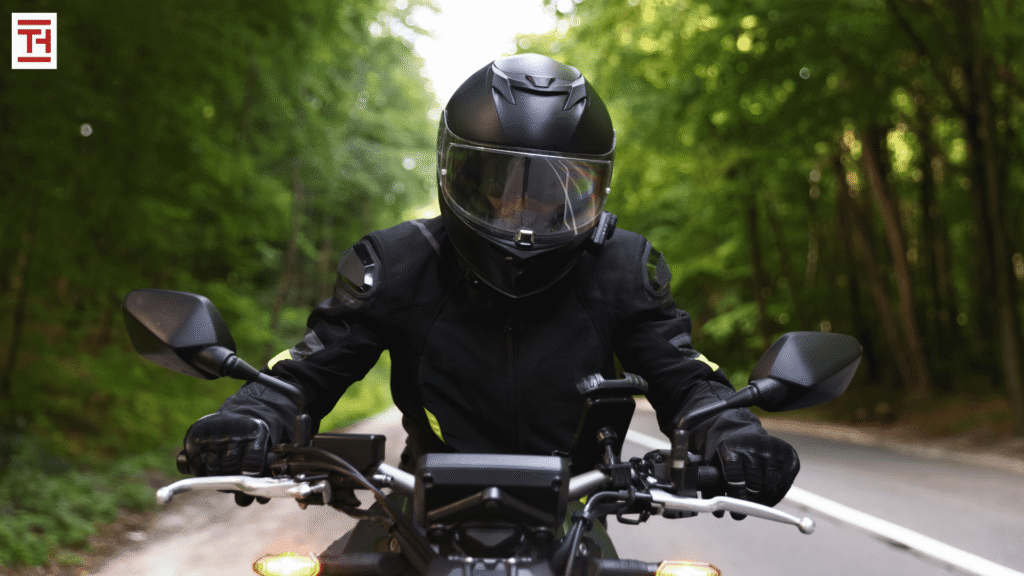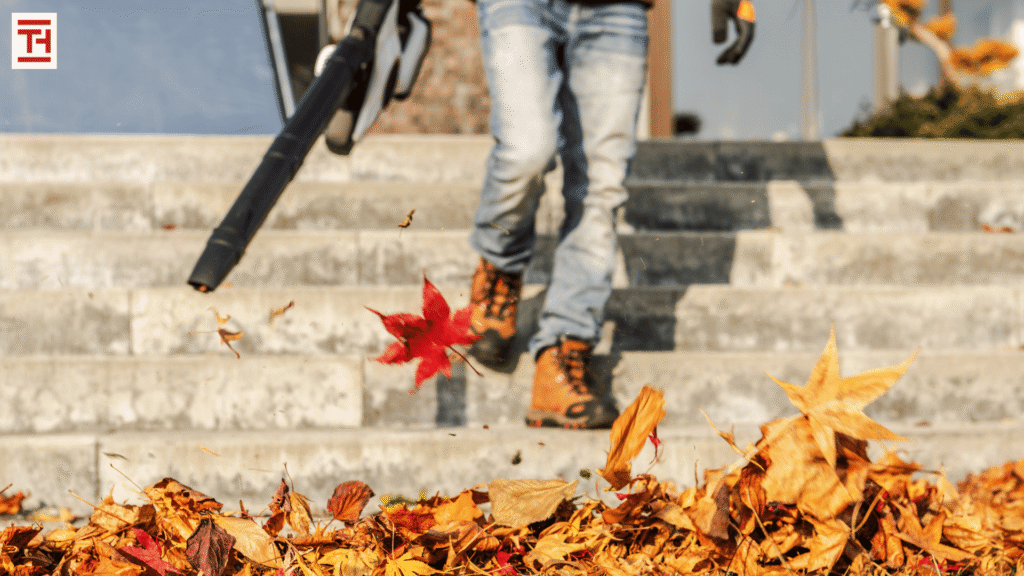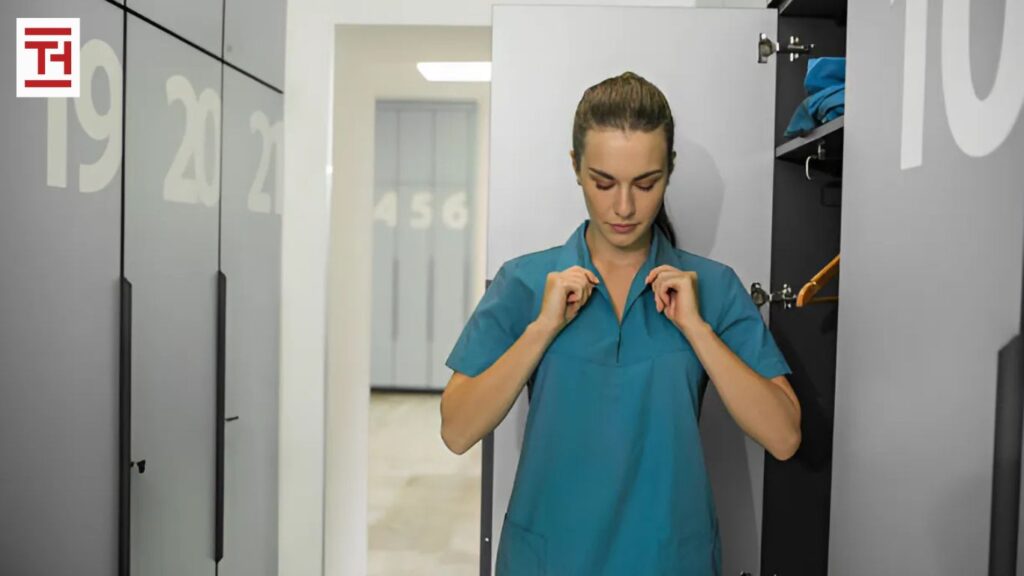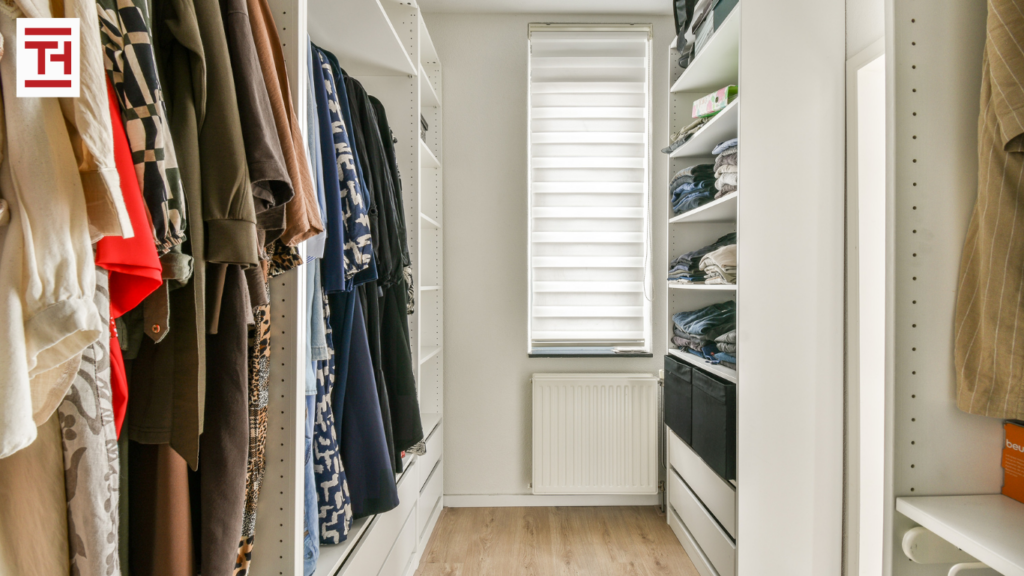
Navigating heavy rainfall, hazardous worksites, and muddy terrain leaves outdoor workers, first responders, and active enthusiasts with dripping outer layers. Returning home or entering a facility with soaked gear creates immediate friction if your entryway lacks an intentional management strategy. Standard residential coat racks and flimsy closet hardware crumble quickly when tasked with supporting saturated industrial garments. Establishing a wet-weather entryway requires heavy-duty storage infrastructure capable of handling high moisture levels, massive load weights, and constant daily use.
Understanding the Structural Demands of Wet Workwear
Saturated fabrics drastically increase the total weight resting on your entryway storage fixtures. High-visibility utility jackets, reinforced rain shells, and heavy safety parkas absorb significant water volume during storms. When hung on standard wire or thin plastic hangers, these waterlogged garments frequently cause hardware failure. Broken hangers lead to garments falling directly onto muddy floors, creating mess and potential safety hazards.
In addition to pure weight, improper storage damages expensive technical materials over time. Hanging a heavy, wet coat on a narrow hanger places concentrated pressure on a tiny surface area. This stress stretches shoulder seams, compromises waterproof coatings, and weakens structural stitching. A properly designed entryway uses broad, load-rated supports that distribute weight evenly across the garment shoulders, preserving fabric integrity and extending equipment lifespans.

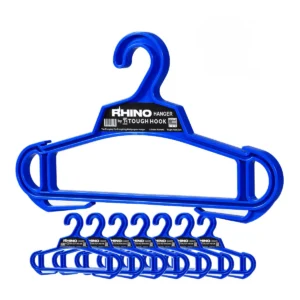
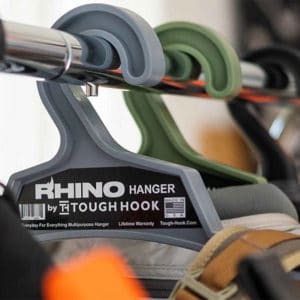

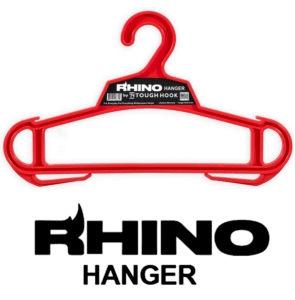
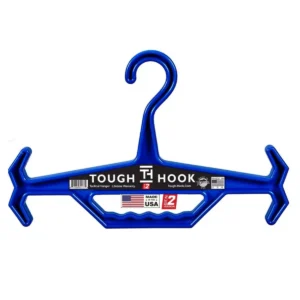
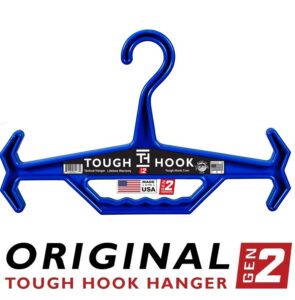
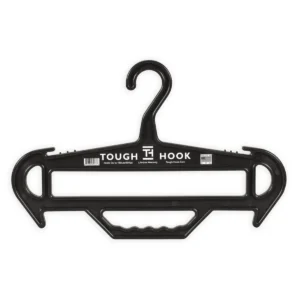
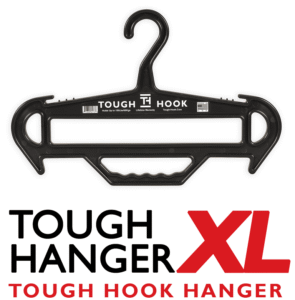
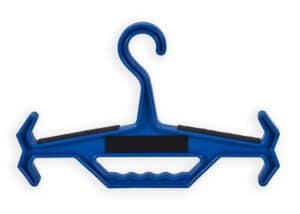
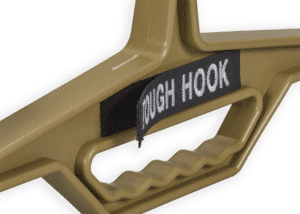
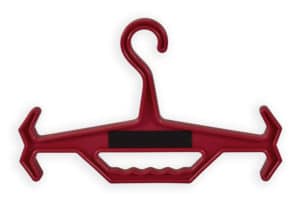
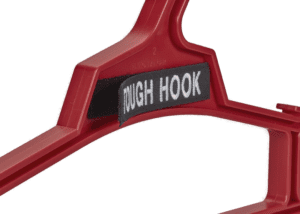
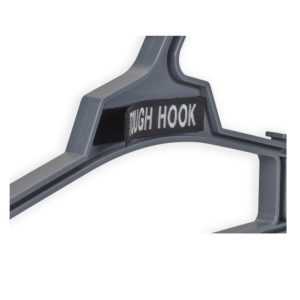
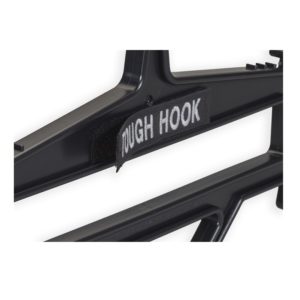


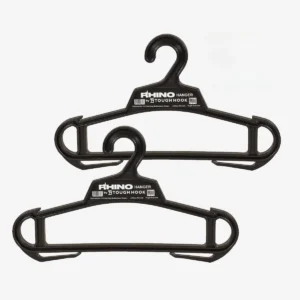
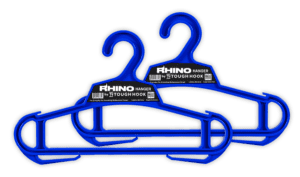
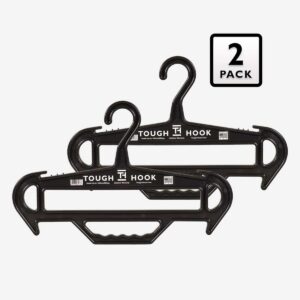
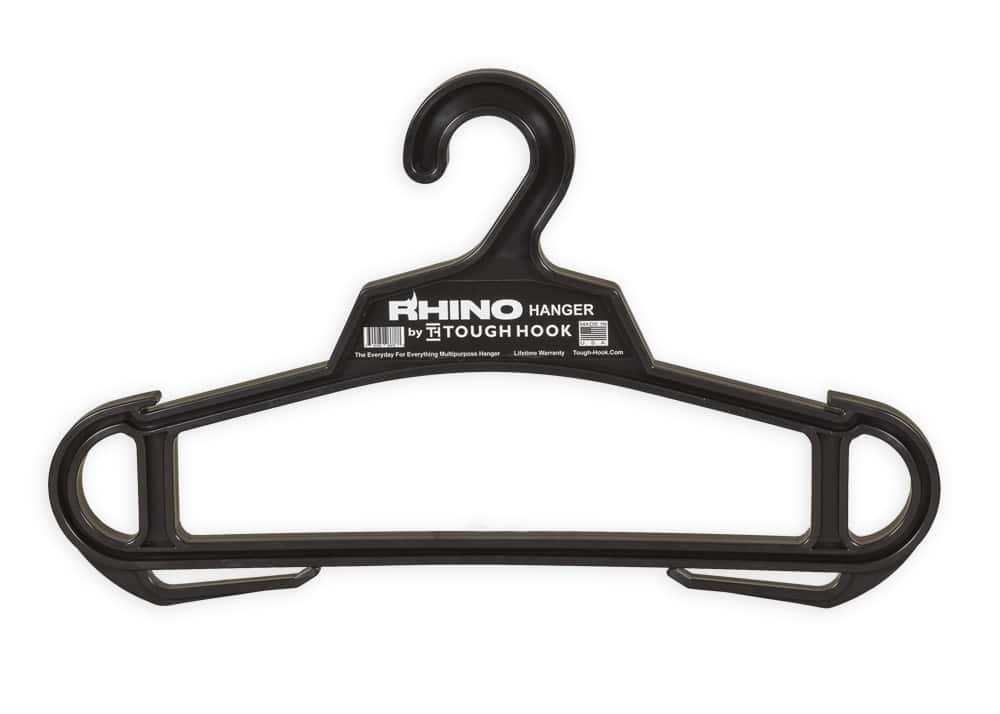
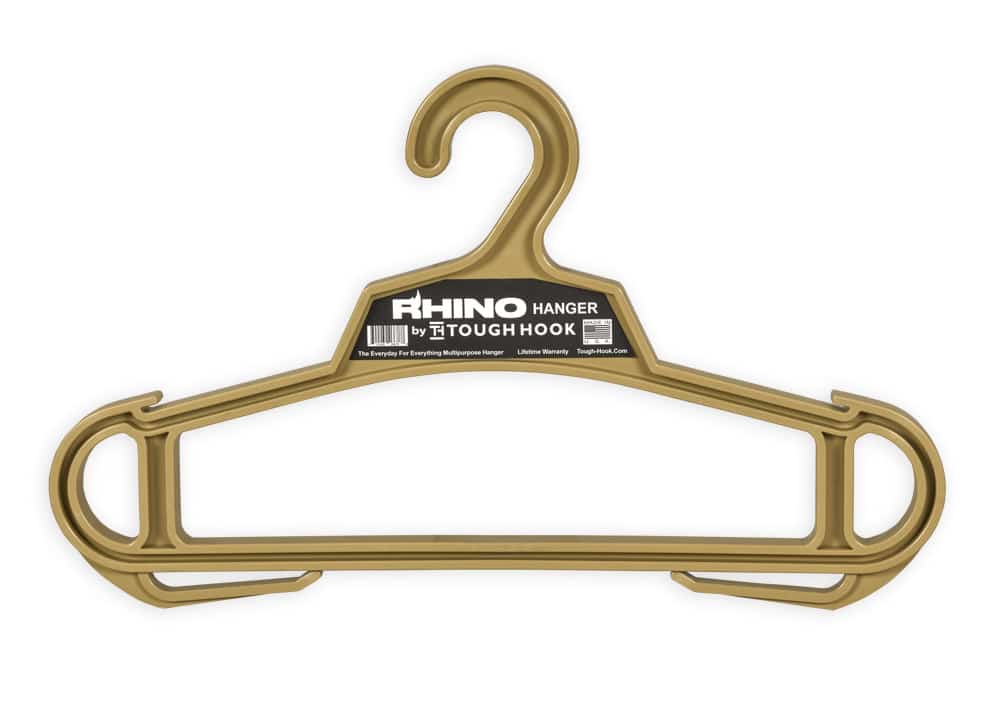
2 Pack RHINO Heavy Duty Clothes Hanger Bundle
Original price was: $27.95.$23.95Current price is: $23.95.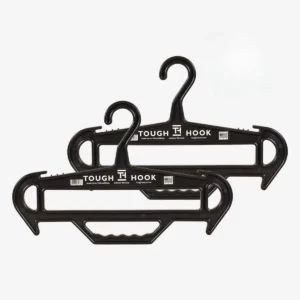
Key Storage Hardware Upgrades for Wet Environments
Upgrading an entryway from a cluttered drop zone into an efficient gear-staging area requires industrial-grade hardware built for extreme conditions. Incorporating specialized components ensures that wet outerwear dries quickly without damaging your entry walls or flooring systems:
-
High-capacity heavy-duty hangers maintain structural integrity when supporting saturated outer shells, heavy body armor, or weighted high-visibility parkas: Investing in specialized gear support prevents closet collapses and keeps wet garments elevated above collecting puddle zones.
-
Wall-mounted steel hooks with extended profiles keep bulky layers separated to maximize airflow between wet garments: Proper spacing between hanging items accelerates dry times and prevents lingering dampness from seeping into adjacent clothing.
-
Elevated boot racks with integrated drip trays capture falling mud and water before they ruin home flooring: Raising muddy footwear off the ground allows air to circulate around outer soles while keeping entryway tiles clean and slip-free.
-
Industrial wall panels anchored into wall studs provide stable mounting points for heavy equipment arrays: Solid wall mounts prevent heavy gear collections from tearing drywall or pulling away from entry frames over time.
Integrating Tough Hook Hangers into Your Entryway System
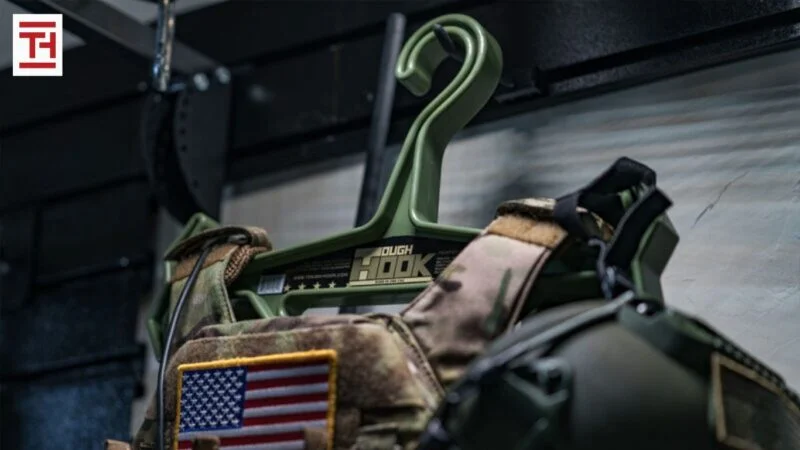
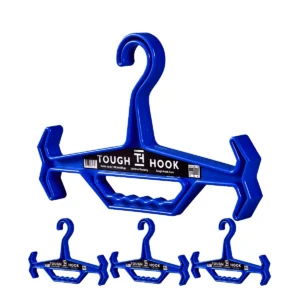
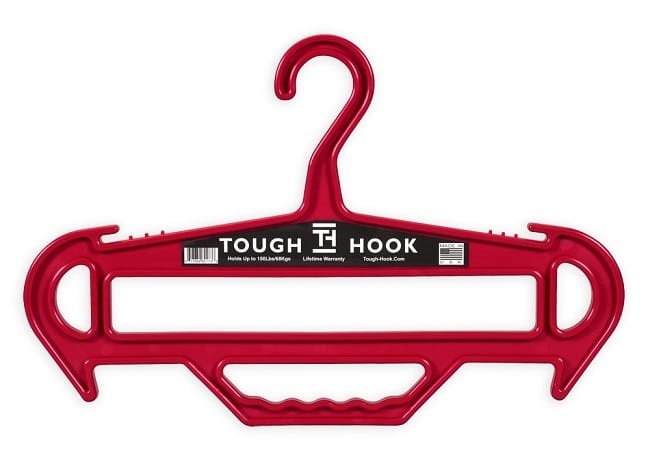
When engineering an uncompromising wet-weather staging zone, selecting the right hanging hardware is critical. Standard consumer closet accessories are completely inadequate for industrial rain gear, heavy safety coats, and tactical equipment. Tough Hook specializes in manufacturing indestructible, heavy-duty hangers designed specifically to support heavy gear in challenging environments.
Manufactured in Bozeman, Montana, by a veteran-owned company, Tough Hook hangers are constructed from high-impact polypropylene resin and feature a patented I-beam design. These heavy-duty hangers support over 200 pounds of weight without flexing, cracking, or breaking. Their rugged build quality makes them the ideal foundation for any high-performance wet-weather entryway system.
-
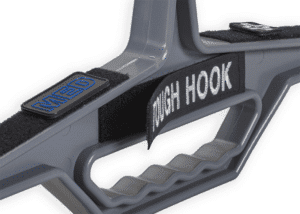
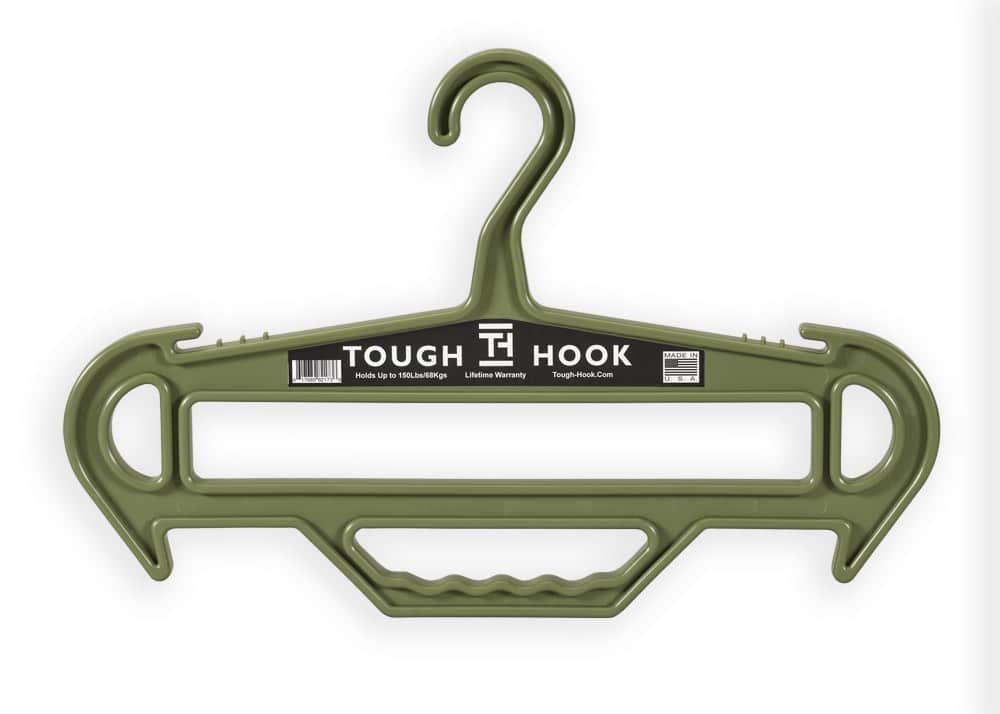
Integrated equipment carry handles allow users to flip the hanger upside down and transport heavy, wet gear directly to deployment vehicles without touching damp fabrics: This patented feature simplifies gear transport during early morning shifts or stormy outdoor excursions.
-
High-impact resin construction resists extreme cold, heat, and constant moisture exposure without degrading or rusting: Tough Hook hangers will not corrode like metal fixtures or snap like fragile consumer plastics when exposed to wet workwear.
-
Wide shoulder profiles spread heavy loads across a broader surface area to prevent creasing and shoulder puckering on expensive waterproof membranes: Preserving seam alignment ensures that technical outerwear maintains its water-repellent capabilities over years of rough service.
-
A lifetime warranty guarantees that each unit stands up to demanding daily commercial and residential applications: Users can load these heavy-duty hangers with their heaviest soaked layers with complete confidence.
Optimizing Air Circulation and Moisture Control
Proper hardware represents only half of a successful wet-weather entryway strategy. Airflow management is equally crucial for drying wet layers and preventing mildew growth. Storing damp coats inside enclosed closets traps humidity, leading to foul odors and fabric degradation. An effective wet entryway utilizes open-air organization to encourage natural evaporation.
-
Positioning wall racks near existing heating vents or entry radiators uses ambient room heat to speed up moisture evaporation: Gentle thermal air movement dries wet shells without damaging delicate waterproof coatings or taped seams.
-
Installing electric shoe and boot dryers near the main entrance ensures wet footwear dries thoroughly from the inside out: Forced air circulation stops fungal growth and eliminates unpleasant odors before boots are worn on subsequent shifts.
-
Utilizing open wire shelving units alongside heavy-duty hanging racks allows damp gloves, hard hats, and safety vests to dry evenly: Perforated shelves allow air to reach every side of smaller gear items simultaneously.
-
Adding a dedicated dehumidifier to enclosed entryway spaces actively removes excess moisture from the air during rainy seasons: Lower humidity levels protect surrounding drywall, prevent mold spores, and shorten garment drying times significantly.
Streamlining Perforated Entryway Workflows for Maximum Efficiency
Creating an organized entry space transforms your daily routine during inclement weather. Having a clear destination for every soaked layer eliminates chaos when entering or exiting your home or jobsite facility. Assigning dedicated staging zones for specific gear categories prevents cross-contamination between muddy outer shells and clean everyday wear.
-
Designating a low boot-stripping area right by the threshold keeps mud contained to a single easily cleanable zone: Placing a heavy mat next to boot jacks allows users to remove dirty footwear before stepping onto interior flooring.
-
Assigning individual heavy-duty hangers to specific crew members or family members prevents gear mix-ups during rushed departures: Clear organizational routines ensure everyone can grab their assigned high-visibility jackets and rain gear instantly.
-
Hanging primary outer layers on sturdy wall-mounted racks leaves secondary storage areas free for dry accessories like beanies, dry socks, and work gloves: Keeping wet and dry items completely separate preserves clean gear for immediate use.
Building an Entryway That Lasts
Investing in high-quality storage infrastructure solves the daily headaches caused by wet, muddy weather. Standard closet fixtures simply cannot handle the extreme demands of waterlogged coats, high-visibility parkas, and heavy work boots. By combining industrial wall mounts, effective moisture control practices, and Tough Hook heavy-duty hangers, you build an entryway storage system engineered to protect both your gear and your facility for a lifetime.