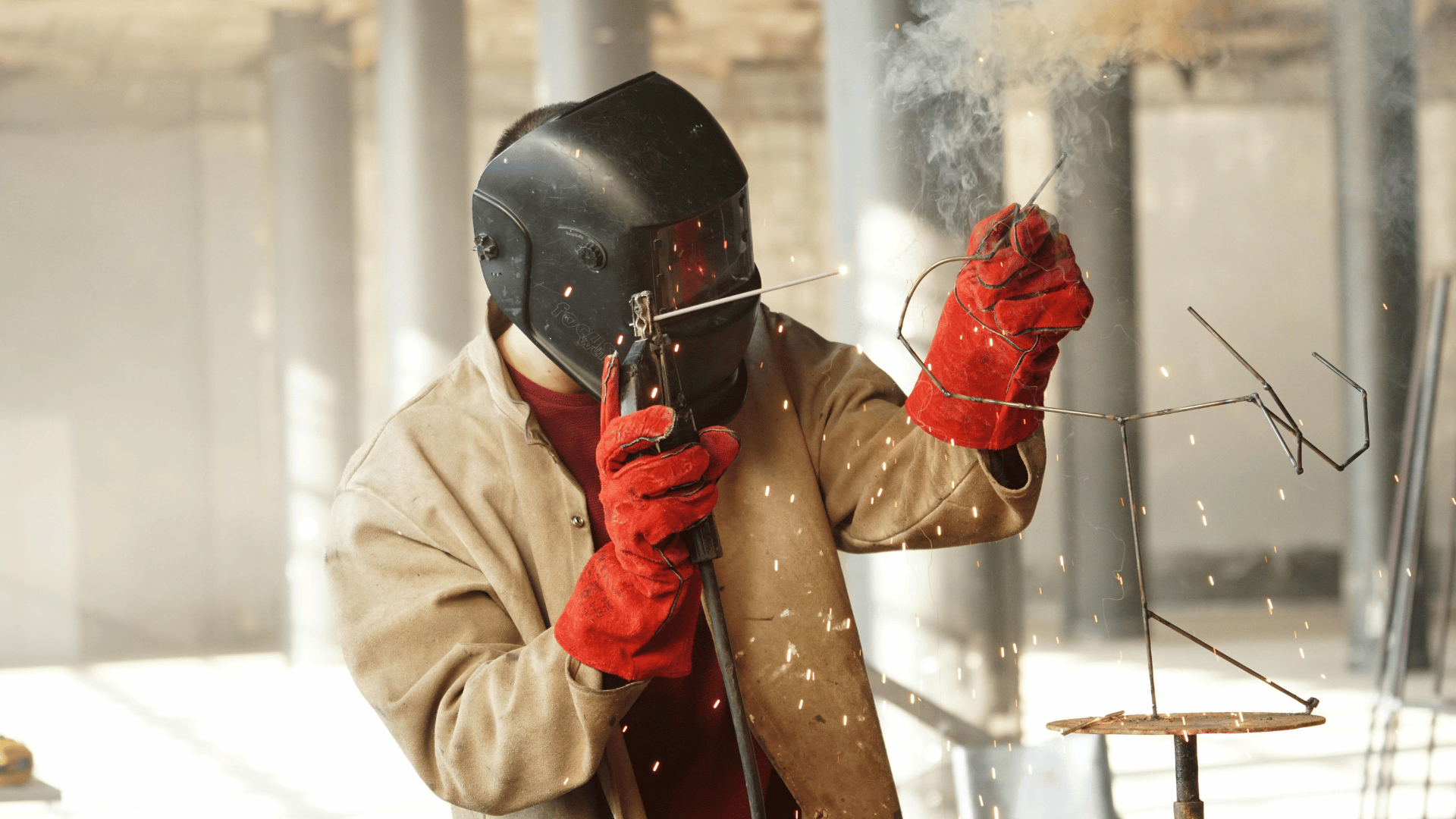
Tradespeople work in demanding environments where personal protective equipment is essential for daily safety. Heavy-duty gear like leather welding jackets, thick canvas coveralls, and reinforced work aprons protect workers from heat, sparks, debris, and abrasive surfaces. Storing this specialized gear properly is crucial to maintaining its integrity, extending its functional lifespan, and keeping the workspace organized. Throwing heavy gear into a pile or hanging it on flimsy hangers leads to premature wear, creasing, and closet failures. Investing in proper storage solutions ensures that protective equipment remains clean, dry, structural, and immediately ready for the next shift.
The Unique Storage Challenges of Tradesperson Gear
Standard residential clothes hangers are engineered to support lightweight everyday items like dress shirts and summer jackets. Protective apparel for industrial trades poses a completely different challenge due to its weight, bulk, and material properties.
Heavy-duty work gear requires intentional storage strategies because of the following considerations:
-
Heavy material density: Split cowhide leather welding jackets, flame-resistant duck canvas coveralls, and metal-riveted shop aprons carry significant weight that easily causes thin plastic or wire hangers to bend, snap, or deform.
-
Moisture retention and airflow needs: Sweat, moisture, and ambient job site humidity collect in thick protective fabrics during long shifts, requiring wide and open air circulation to dry out thoroughly without developing mold or odors.
-
Garment structure preservation: Inadequate shoulder support on narrow hangers causes heavy sleeve material to pull down, creating permanent shoulder bumps, stretched seams, and structural degradation in critical protective areas.
-
Equipment mobility and handling: Moving heavy protective apparel between work trucks, lockers, and job site trailers requires sturdy support systems that double as reliable transportation handles.

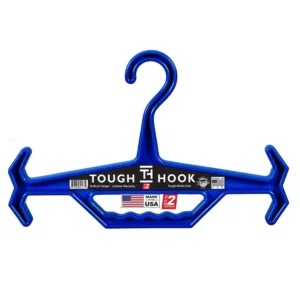

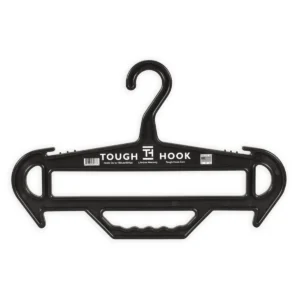
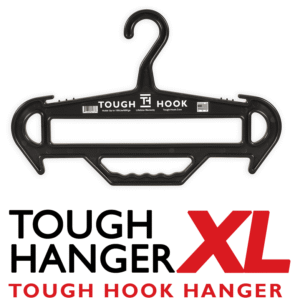
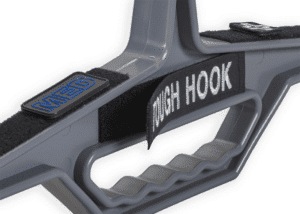
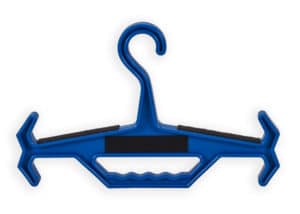
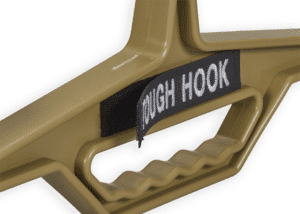
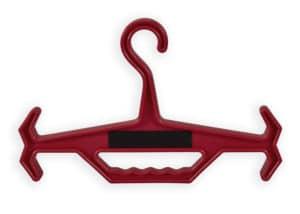

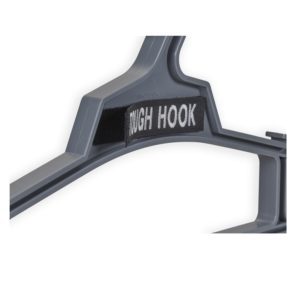
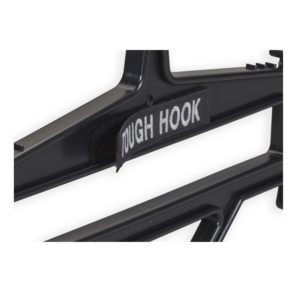


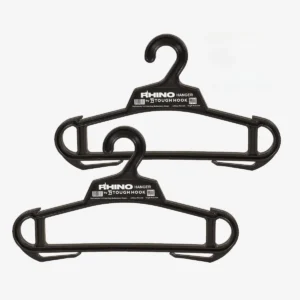
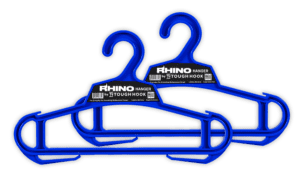
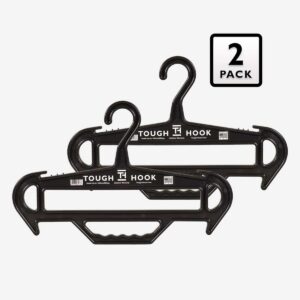
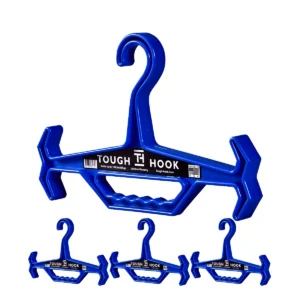
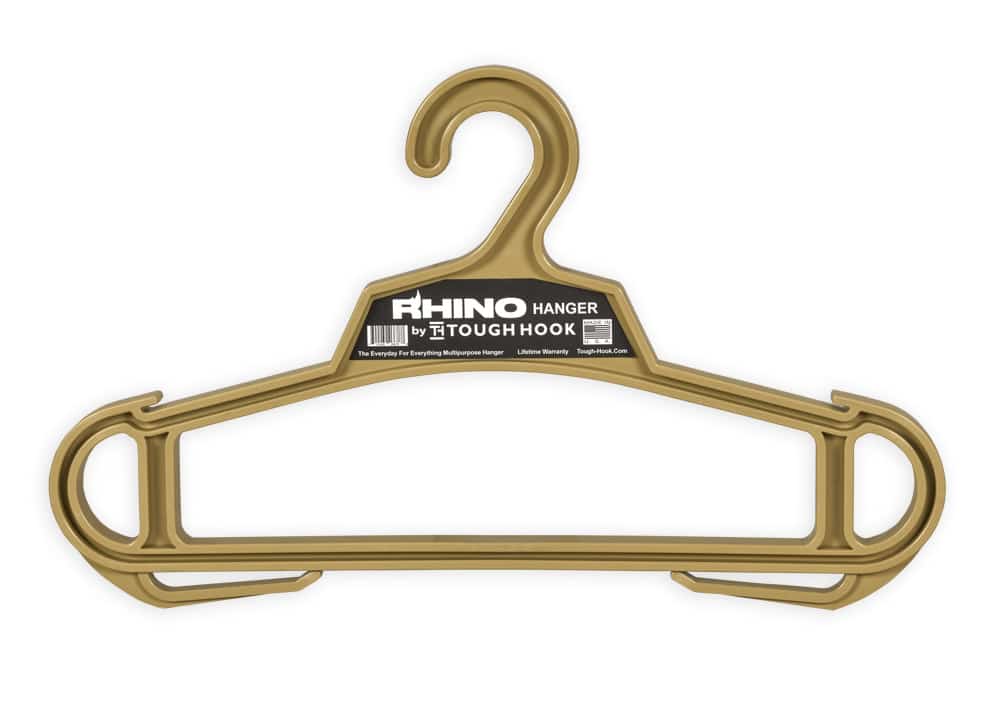
2 Pack RHINO Heavy Duty Clothes Hanger Bundle
Original price was: $27.95.$23.95Current price is: $23.95.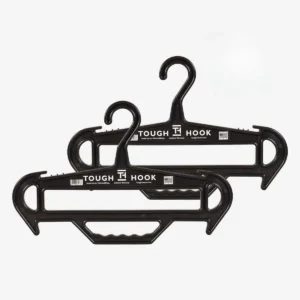
Why Conventional Hangers Fail Industrial Workwear
Using cheap retail hangers for heavy industrial garments is a frequent mistake that costs trade professionals time and money. Standard plastic hangers snap under sustained load, while metal wire hangers bend and pinch thick fabric, leaving severe pressure creases. Cheap wood hangers often feature narrow shoulder profile ends that concentrate weight onto tiny surface areas, causing permanent dimples in expensive leather welding suits.
Furthermore, standard hangers lack specialized hooks to retain thick shoulder straps found on heavy aprons and bib coveralls. When garments slip off inadequate hangers, they fall onto dirty shop floors, picking up grease, grinding dust, and metal shavings. Proper gear storage requires purpose-built hardware designed specifically for extreme weight capacities and heavy-duty utility.
Optimizing Gear Storage with Tough Hook Solutions
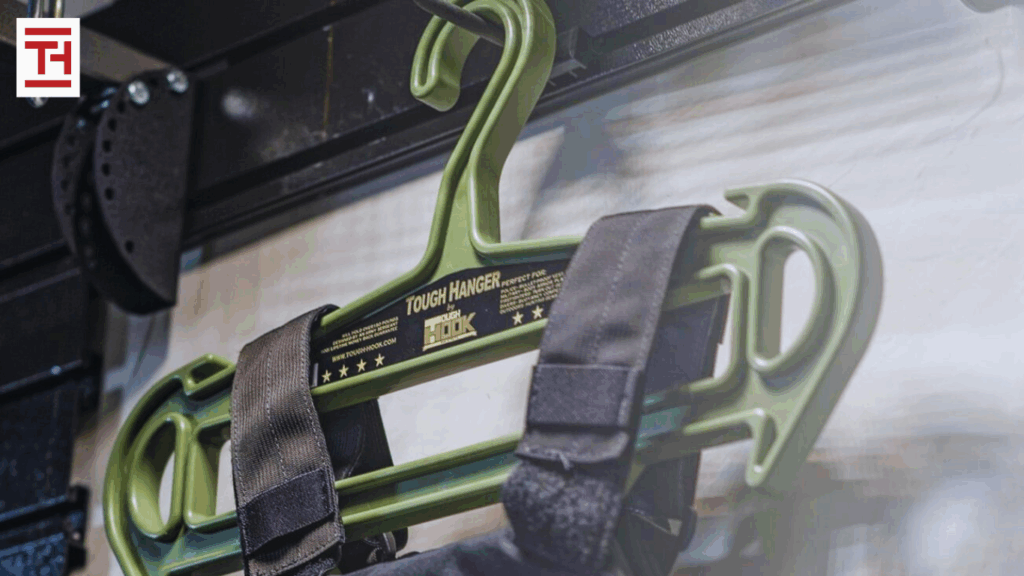
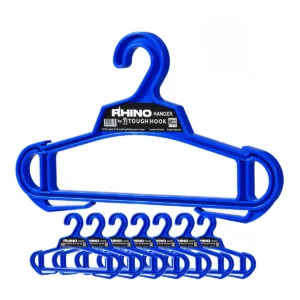
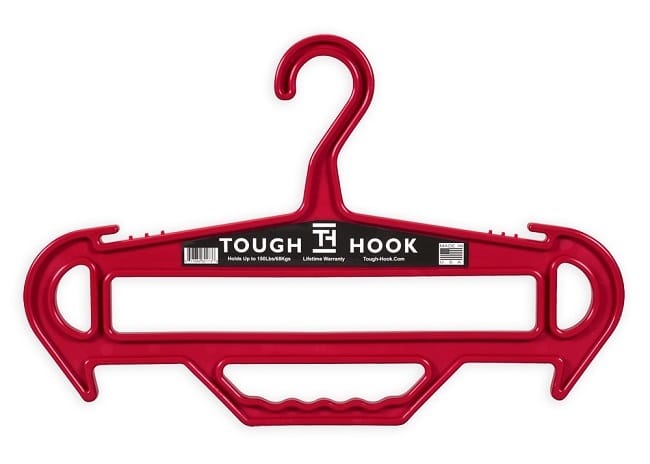
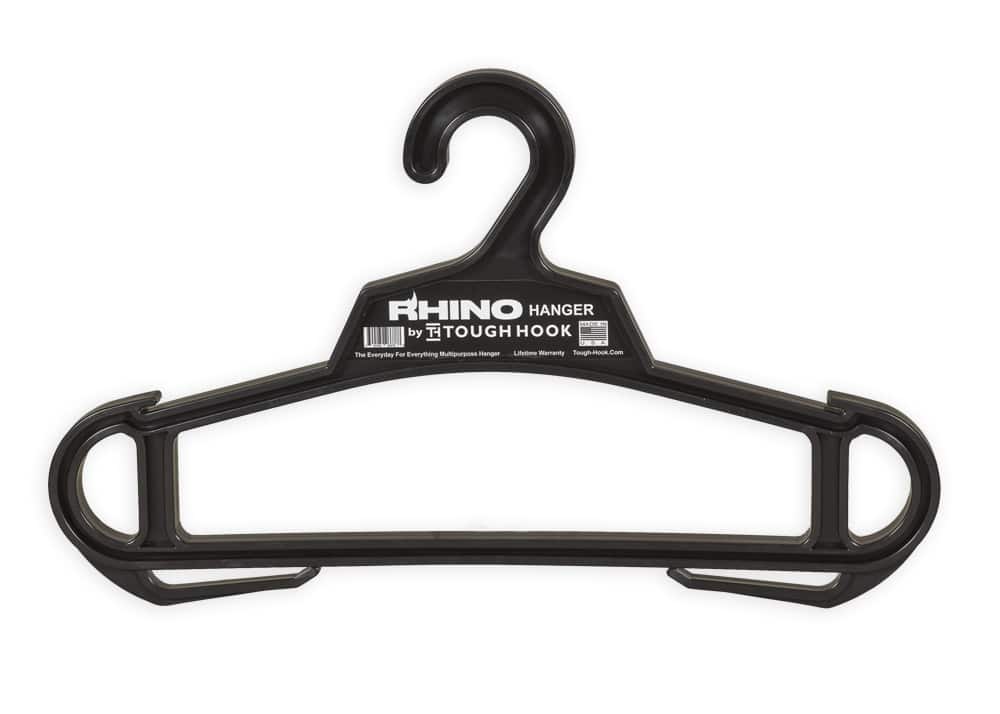
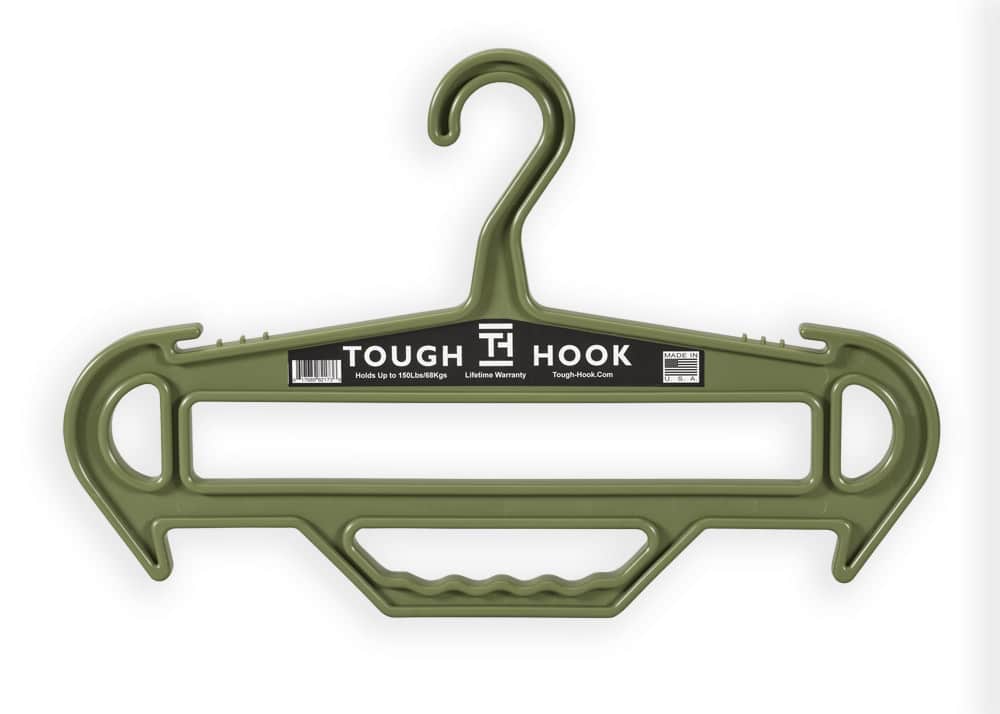
At Tough Hook, we engineer heavy-duty equipment hangers designed specifically to meet the extreme demands of industrial trades, tactical operators, and first responders. Our American-made products are constructed from impact-resistant resin utilizing a patented I-beam design, allowing a single hanger to support over 200 pounds without flexing or breaking.
Integrating Tough Hook equipment into a job site or shop storage system offers specific advantages:
-
Superior load capacity: Built to easily support 200 pounds, ensuring that even the heaviest wet coveralls, tool-laden aprons, or thick leather coats hang securely without hanger failure.
-
Patented reversible carry handle: Features an integrated handle design that allows tradespeople to flip the hanger over and comfortably transport heavy apparel from the truck to the shop floor.
-
Broad shoulder contouring: Wide, ergonomic arm designs distribute garment weight evenly across the entire shoulder width to prevent material stretching and maintain original protective contours.
-
Integrated anti-slip hooks: Symmetrical end hooks securely hold bib straps, apron loops, and heavy overall straps without slipping or sliding off center.
-
Lifetime durability warranty: Manufactured in the USA with 100% eco-friendly, recyclable materials and backed by a 100% lifetime warranty for long-term job site reliability.
Best Practices for Storing Specific Trades Equipment
Different types of tradesperson garments require specific handling techniques to maintain safety standards and material durability. Implementing structured hanging protocols maximizes gear performance across various job conditions.
-
Leather Welding Jackets and Suits Leather welding coats protect against intense radiant heat, slag, and flying sparks. Leather requires constant structural support to prevent stiffness and surface cracking. Always button or snap the front collar before hanging to maintain chest alignment. Use a broad, heavy-duty hanger like the Tough Hook to keep the broad shoulder profile intact, ensuring proper weight distribution and adequate airflow inside the leather sleeve lining. Store leather apparel in a cool, dry area away from direct heat sources to prevent the material from drying out or shrinking.
-
Flame-Resistant Coveralls and Insulated Bibs Heavy coveralls and thermal winter bibs absorb moisture and grit throughout a workday. Hang coveralls fully extended rather than folding them over lower shelving, as folding traps sweat and slows drying time. When hanging bib coveralls, utilize the integrated side notches on high-capacity hangers to capture shoulder straps securely. Ensure leg cuffs hang clear off the floor to permit complete air circulation from top to bottom.
-
Heavy Utility and Shop Aprons Industrial shop aprons often contain pockets loaded with hand tools, gauges, markers, and fasteners. Removing tools daily is ideal, but aprons regularly remain weighted down during short off-shifts. Hang aprons by crossing the back straps over the neck hook or securing chest loops around the hanger ends. Utilizing a hanger rated for extreme weight ensures that loaded aprons remain off workbenches, freeing up valuable shop space while protecting specialized tools from impact damage.
Establishing an Efficient Workplace Storage System
Organizing protective gear systematically improves daily workflow and maintains safety compliance on the job site. A clean, dedicated storage area encourages workers to care for their personal equipment properly.
Key steps for setting up an industrial gear storage station include:
-
Install heavy-duty hanging rods: Mount thick steel pipes or reinforced wall racks capable of holding multiple heavy gear sets without sagging or pulling away from studs.
-
Maintain proper garment spacing: Leave at least three to four inches of space between hung garments to facilitate ventilation and prevent cross-contamination of oil, dirt, or chemicals.
-
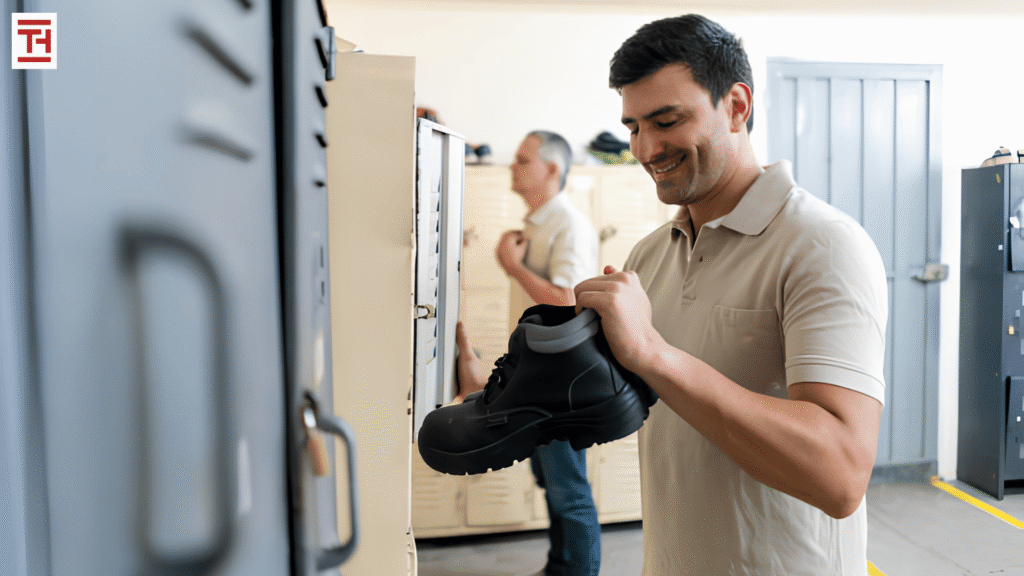
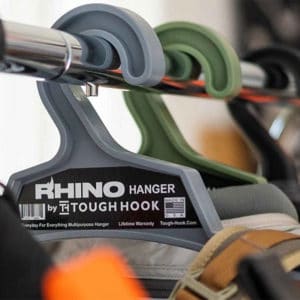
Utilize identification systems: Employ color-coded or tag-compatible hangers to help crew members quickly locate their assigned protective gear in busy shared locker rooms.
-
Implement routine cleaning schedules: Inspect garments regularly for structural tears, grease buildup, or thermal damage before hanging them up at the end of the shift.
Protecting work gear requires equipment built to handle real-world job site stress. By upgrading to high-strength hanging systems, trade professionals protect their investments, prolong the service life of essential safety gear, and maintain an organized workspace day after day.
Establishing an Efficient Workplace Storage System
Organizing protective gear systematically improves daily workflow and maintains safety compliance on the job site. A clean, dedicated storage area encourages workers to care for their personal equipment properly.
Key steps for setting up an industrial gear storage station include:
-
Install heavy-duty hanging rods: Mount thick steel pipes or reinforced wall racks capable of holding multiple heavy gear sets without sagging or pulling away from studs.
-
Maintain proper garment spacing: Leave at least three to four inches of space between hung garments to facilitate ventilation and prevent cross-contamination of oil, dirt, or chemicals.
-
Utilize identification systems: Employ color-coded or tag-compatible Tough Hook hangers to help crew members quickly locate their assigned protective gear in busy shared locker rooms.
-
Implement routine cleaning schedules: Inspect garments regularly for structural tears, grease buildup, or thermal damage before hanging them up at the end of the shift.
Protecting work gear requires equipment built to handle real-world job site stress. By upgrading to high-strength hanging systems, trade professionals protect their investments, prolong the service life of essential safety gear, and maintain an organized workspace day after day.