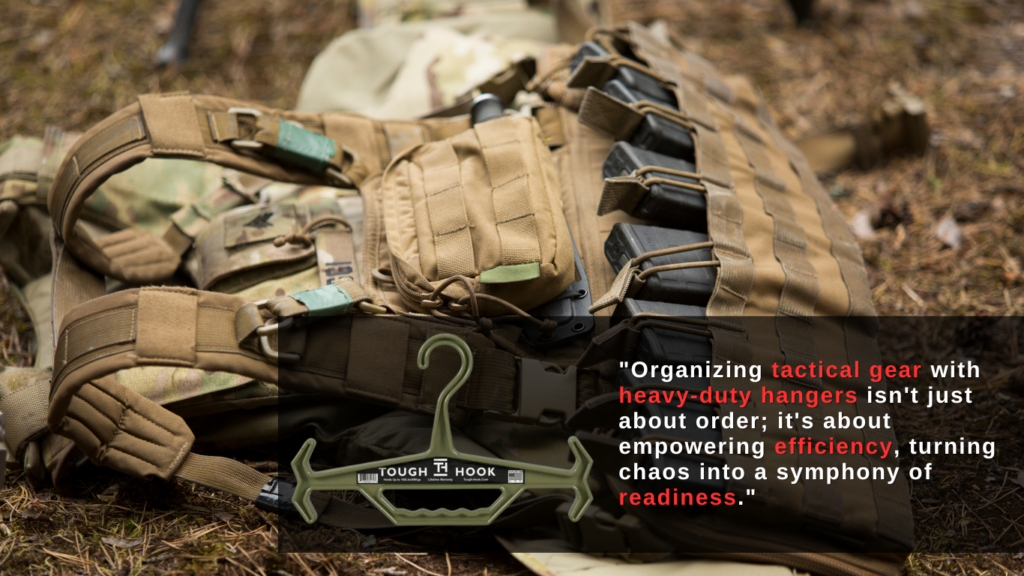
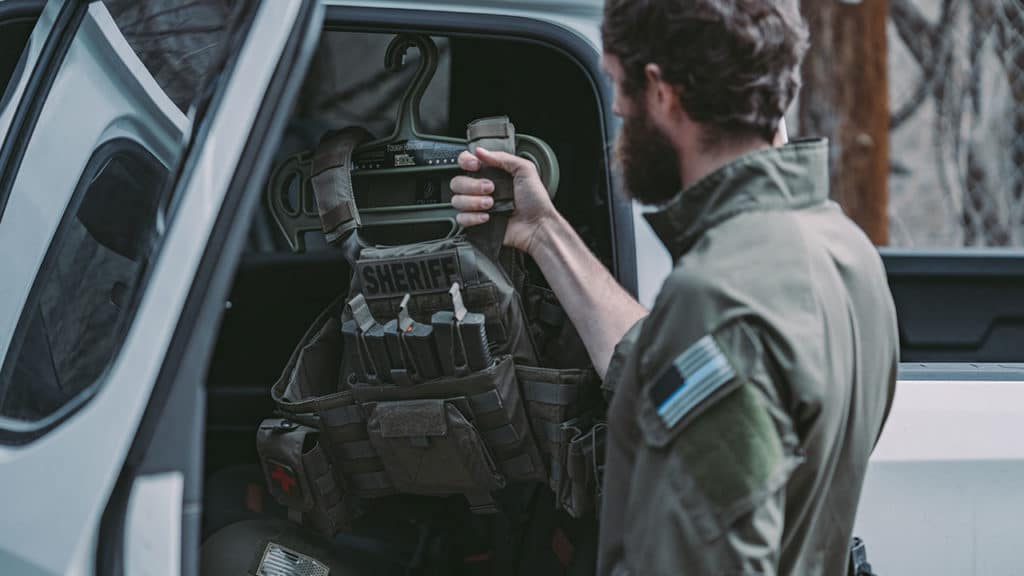
A heavy duty hanger is built to carry heavy, structured items such as coats, suits, body armor, weighted vests, and wet gear, with top models rated to 200 lbs. A regular plastic or wire hanger is designed for shirts and light clothing and typically holds only a few pounds before it bends, sags, or snaps. If what you’re hanging has real weight, the hanger isn’t a detail; it’s what keeps your gear in shape.
How you store clothing and gear matters as much as how you clean it. The hanger is the one piece of closet hardware that bears load every single day, yet it’s usually an afterthought. Choosing between heavy duty hangers and regular hangers affects how long your garments keep their shape, how organized your closet or gear room stays, and how much you spend replacing broken hangers over time. This guide compares the two across weight capacity, materials, durability, cost, and use case, so you can match the hanger to the job.
Heavy Duty vs. Regular Hangers at a Glance
| Factor | Regular Hanger | Heavy Duty Hanger |
| Typical weight capacity | ~5 lbs (2-5 lbs common) | 50-200 lbs |
| Best for | Shirts, blouses, light tops, jeans | Coats, suits, body armor, vests, wet/scuba gear |
| Common materials | Thin plastic, wire | High-impact polypropylene, hardwood, steel |
| Failure mode | Bends, snaps, creases shoulders | Holds shape under sustained load |
| Lifespan | Replaced often | Years; premium models carry lifetime warranties |
| Cost over time | Low upfront, recurring replacement | Higher upfront, lower lifetime cost |
What Makes a Hanger “Heavy Duty”?
Heavy duty hangers are engineered to carry the weight of dense, structured items without flexing or failing. Where a standard hanger is shaped for a dress shirt, a heavy duty hanger is built around load: a wider shoulder span, thicker cross-section, and a hook (or handle) that won’t straighten under strain. The strongest models, like the Tough Hook, are rated to hold up to 200 lbs, which is why they’re used for winter coats, leather jackets, suits, plate carriers, weighted vests, and waterlogged scuba gear.
Materials Used in Heavy Duty Hangers
Material is the single biggest driver of strength and lifespan. Understanding how hanger materials affect your clothes’ lifespan makes the choice clearer:
- High-impact polypropylene: the toughest plastic class, used in professional gear hangers. It resists cracking, warping, and melting and won’t corrode like metal. Tough Hook builds its hangers from advanced high-impact polypropylene.
- Hardwood (cedar, beech): strong and premium-looking; cedar also naturally repels moths, which helps for long-term storage.
- Metal (chrome / nickel-plated steel): very strong for suits and heavy jackets, though plain wire is a different category entirely (see below).
- Sturdy molded plastic: better-quality thick plastic can be surprisingly robust, far above the flimsy giveaway hangers, but still well short of polypropylene gear hangers. See how many pounds a plastic hanger can hold.
Key Design Features
- Broader shoulders spread weight across the garment, preventing shoulder bumps and dips, which is exactly why thicker hangers preserve a garment’s shape better than thin ones.
- Thicker cross-section resists bending and warping under sustained load.
- Reinforced stress points at the hook and neck add stability where cheap hangers fail first.
- Anti-slip ends / extension tangs keep straps and heavy gear from sliding off.
What Is a Regular Hanger?
A regular hanger is the standard, lightweight hanger most closets are full of: typically thin molded plastic or bent wire, shaped for everyday clothing. They’re cheap, light, and come in every shape, which is why they’re fine for the job they’re built for: shirts, blouses, light tops, and trousers. The problems start when they’re asked to do more.
Where Regular Hangers Fall Short
- Low weight capacity: most hold only a few pounds; load a coat or wet gear and they bow or snap.
- They cause creases and shoulder bumps: narrow shoulders concentrate weight in one spot.
- Wire hangers can damage fabric: sharp edges snag silk and knitwear, and thin wire dents shoulders. That is the reason “no more wire hangers” became shorthand for bad garment care.
- Short lifespan: they break and get replaced repeatedly, which adds cost and plastic waste over time.
How Much Weight Can a Hanger Actually Hold?
Capacity varies enormously by type and material. These are realistic working ranges. Always check the manufacturer’s stated rating, and leave a safety margin rather than loading a hanger to its limit:
| Hanger type / material | Typical capacity | Suited for |
| Thin wire hanger | ~2-5 lbs | Light shirts (not recommended for delicates) |
| Standard plastic hanger | ~3-5 lbs | Shirts, blouses, light tops |
| Thick molded plastic | ~10-20 lbs | Heavier shirts, light jackets |
| Wooden hanger | ~15-20 lbs | Suits, blazers, coats |
| Metal / steel hanger | ~20-40 lbs | Heavy jackets, suits |
| High-impact polypropylene (Tough Hook) | up to 200 lbs | Coats, body armor, vests, scuba & tactical gear |
Rule of thumb: standard plastic and wire hangers are engineered for clothing under ~5 lbs. A loaded plate carrier or body armor setup can weigh 20-40 lbs, and that gap is exactly why heavy gear needs a load-rated hanger.
Durability and Cost Over Time
Upfront, regular hangers win because they’re cheap by the bag. But cheap hangers bend, crack, and get thrown out, so you buy them again and again, and a failed hanger can ruin a garment far more expensive than the hanger itself. Heavy duty hangers cost more per unit but last for years; premium models such as Tough Hook carry a lifetime warranty, so the long-run cost can actually be lower. For anything with real value or weight, such as a wool coat, a suit, a vest, or dive gear, the durable hanger is the cheaper decision over its lifetime.
Types of Hangers and Their Uses
Beyond the heavy-duty vs. regular split, it helps to know the main hanger types and what each is for:
- Tubular / standard hangers – everyday plastic hangers for shirts and tops.
- Wooden suit hangers – contoured shoulders for jackets, blazers, and coats.
- Velvet / flocked hangers – slim, non-slip coating; good for strappy and smooth garments, though they hold little weight.
- Clip / clamp hangers – for skirts, trousers, and pants.
- Notched hangers – notches hold straps so tank tops and dresses don’t slip.
- Cascading / space-saving hangers – link vertically to maximize closet rod space.
- Heavy duty gear hangers – wide, load-rated hangers for coats, uniforms, body armor, and equipment.
“Hanger” vs. “Hangar”: Is It “Hanger” or “Hangers”?
Quick clarification, because these get searched and confused constantly: a hanger (with an -er) is the device you hang clothing on. A hangar (with an -ar) is a large building for storing aircraft. They’re unrelated. “Hanger” is the singular (one hanger); “hangers” is simply the plural (more than one). So “heavy duty hangers” is correct when referring to several.
Which Hanger Should You Choose?
Match the hanger to what you’re hanging:
Choose heavy duty hangers for:
- Winter coats and heavy outerwear
- Leather and structured jackets, suits, and blazers
- Bulky sweaters and knitwear
- Body armor, plate carriers, and weighted vests
- Scuba, diving, and other wet or bulky gear
Regular hangers are fine for:
- T-shirts and casual tops
- Light blouses and shirts
- Jeans and lightweight trousers
- Light summer dresses and skirts
For delicate items, padded or velvet hangers prevent snagging and slippage on silk, lace, and strappy garments. See our guide to the best heavy duty hangers for heavy coats and gear for specific picks.
Heavy Duty Hangers for Commercial and Professional Use
Capacity and durability matter even more in high-turnover, professional settings, where hangers are loaded and unloaded all day:
- Commercial laundries and dry cleaners need hangers that survive constant reuse and carry heavy, damp garments without bending; standard plastic hangers fail fast at that volume.
- Retail and uniform storage benefit from hangers that keep structured garments in shape on the rack.
- Law enforcement, military, and first responders rely on load-rated hangers for duty gear such as body armor, vests, and kit, so equipment stays mission-ready and holds its shape between shifts. This is where a 150-200 lb rating earns its place.
- Gyms, fire stations, and gear rooms use heavy duty hangers for weighted vests, bunker gear, and bulky equipment.
Tough Hook: The 200 lb Standard
When you need the strongest option, the Tough Hook heavy duty coat hanger is purpose-built for it. Made in the USA by veterans, it’s molded from advanced high-impact polypropylene with a patented I-beam core and a reversible grip handle, and it’s rated to hold up to 200 lbs, guaranteed for life never to break, bend, melt, warp, or crack. Multi-directional end hooks keep tactical vests, plate carriers, climbing gear, and heavy apparel securely in place. For weighted vests and plate carriers specifically, see the best weighted vest hanger guide.
The Environmental Angle
Cheap plastic hangers break and get tossed, feeding a steady stream of landfill waste. A single durable hanger that lasts for years, or even a lifetime, replaces dozens of disposable ones. Hardwood hangers from sustainably sourced cedar or beech are another low-waste option. Buying one hanger that lasts is one of the simplest ways to cut plastic waste from your storage routine.
Bottom line: the choice comes down to what you’re storing. For shirts and light clothing, regular hangers are perfectly adequate. For coats, suits, gear, and anything with real weight, a heavy duty hanger protects both the garment and your budget, and a 200 lb-rated hanger like Tough Hook removes the question of capacity entirely.
Frequently Asked Questions
How much weight can a hanger hold?
It depends on the type. Thin wire and standard plastic hangers hold only about 2-5 lbs; thick plastic and wooden hangers handle roughly 15-20 lbs; metal hangers around 20-40 lbs. Heavy duty polypropylene hangers like Tough Hook are rated up to 200 lbs.
Are heavy duty hangers worth it?
For coats, suits, gear, and anything heavy, yes. They cost more upfront but last for years and protect garments from the stretching, creasing, and shoulder damage caused by overloaded regular hangers, so the lifetime cost is often lower.
Are thicker hangers better for preserving a garment’s shape?
Yes. Thicker hangers with broader shoulders distribute weight across a wider area, which prevents the shoulder bumps and dips that thin wire or plastic hangers create on coats and structured garments.
Are wire hangers bad for clothes?
They can be. Thin wire concentrates weight on a small area, dents shoulders, and the sharp edges can snag or tear delicate fabrics like silk and lace. They’re best avoided for anything you want to keep in good shape.
What are the most durable hanger materials?
High-impact polypropylene is the most durable for heavy loads, followed by hardwoods like cedar and beech and plated steel. Thin plastic and wire are the least durable.
What’s the difference between a hanger and a hangar?
A hanger holds clothing or gear; a hangar is a building that stores aircraft. They sound alike but are unrelated.
Which hanger is best for heavy coats and jackets?
A wide, load-rated heavy duty hanger, ideally wooden for shape or high-impact polypropylene for maximum strength. Avoid thin wire or standard plastic, which bend and crease the shoulders under a coat’s weight.