The easiest way to organize hunting gear is to give every item a fixed home based on how often you grab it. Hang heavy layers, packs, and vests so they dry and air out. Keep small items in labeled bins or drawers. Lock firearms and ammunition away separately. Pack only what the day’s hunt needs. If you do that, you can get ready in the dark without digging through a pile, and your clothing comes out of storage dry, in shape, and free of household odors.
This guide covers how to sort your gear, how to store hunting clothes so they stay scent-free, how to set up a gear wall at home, and how to keep things quiet and within reach in the tree stand. It also explains where a heavy-duty hanger like our RHINO Hanger fits in.
Why Hunting Gear Organization Matters
Most hunters don’t lose time in the field. They lose it the night before, looking for a glove, a headlamp, or the right base layer. Disorganized gear causes three problems:
- Missed hunts. If gearing up takes an hour, a short evening sit after work stops being worth it.
- Damaged gear. Damp jackets stuffed in a tote grow mildew, and crushed outerwear loses its shape and loft.
- Scent problems. Clothing stored near the kitchen, laundry room, or garage fuel cans picks up odors deer and other game can notice.
Start With a Quick Gear Inventory
Before you buy any storage, pull everything out and sort it. Get rid of what’s broken, replace what’s worn out, and group the rest by type and use. Organize the items that would end a hunt first if you forgot them: your license and tags, safety harness, headlamp, knife, and weather layers.
Most hunting gear falls into these groups:
| Gear Group | Examples | Best Storage |
|---|---|---|
| Outerwear and heavy layers | Jackets, bibs, insulated vests, rain gear | Hung on sturdy hangers, in a closet or scent-free garment bag |
| Base and mid layers | Merino tops, fleece, socks, gloves, hats | Sealed totes or vacuum bags, sorted by weather |
| Packs and harnesses | Daypacks, bino harnesses, safety harness | Hung at shoulder height so they air out |
| Small items | Calls, batteries, knives, rangefinder, first aid | Labeled drawers, tackle boxes, or small pouches |
| Boots | Rubber boots, insulated boots, waders | Boot rack or drip tray, away from heat |
| Firearms, bows, and ammunition | Rifles, shotguns, bows, ammo, broadheads | Locked safe or cabinet, ammo stored separately |
You can sort by season (early bow, rifle, late season), by species (whitetail, waterfowl, turkey), or by layer weight. Choose one method and use it everywhere so your bins, labels, and closet all follow the same logic.
How to Organize Hunting Clothes
Clothing takes up the most space and causes the most trouble. A good system keeps it dry, in shape, and as free of household scent as possible.
Hang Outerwear Instead of Folding It
Hanging heavy jackets and bibs keeps insulation from compressing and lets you see your whole wardrobe at once. Arrange layers from lightest to heaviest along the rod so you can pick an outfit by forecast in a few seconds. Light wire or thin plastic hangers bend or snap under a wet, insulated parka, so use hangers rated for the load.
Dry Everything Before It Goes Away
Sweat and rain are what ruin stored hunting clothes. When you get home, hang wet layers somewhere covered with good airflow, such as a porch, mudroom, or garage, until they’re fully dry. Only then bag or tote them. Packing damp gear invites mildew and the musty smell that comes with it.
Keep It Scent-Free
- Wash in a scent-free hunting detergent or plain water with a little baking soda, and skip the dryer sheets.
- Air-dry outdoors when you can instead of in the house.
- Store clothing in a sealed tote, vacuum bag, or scent-control bag, away from the kitchen and laundry area.
- Use a separate bag for clothes you’ve worn but will wear again, so they don’t mix with clean layers.
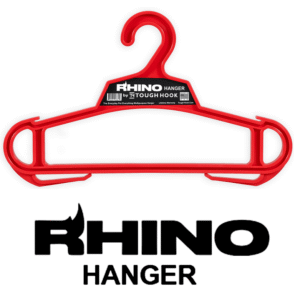
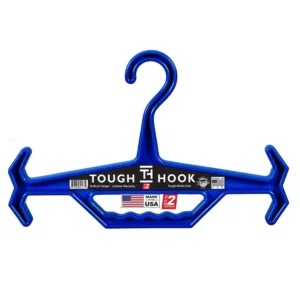
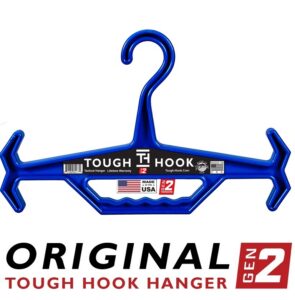
Why the RHINO Hanger Works for Heavy Hunting Layers
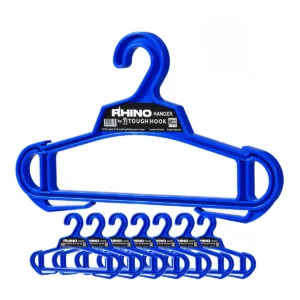
Our RHINO Hanger is built for the kind of clothing and gear that destroys ordinary hangers. Here is what it brings to a hunting closet:
- Load capacity over 200 lb. A soaked parka, insulated bibs, and a loaded vest won’t bend it.
- High-impact polypropylene with I-beam construction. It resists bending, cracking, and deformation under long-term loads. Learn more about the material.
- Arc shape with raised hooks. Jacket shoulders keep their form, and heavy items stay put instead of sliding off.
- Two side holes and two tension hooks. These give you extra spots to hang straps, a bino harness, or light accessories alongside the main garment.
- Corrosion-resistant. It won’t rust or stain clothing in a damp garage or mudroom.
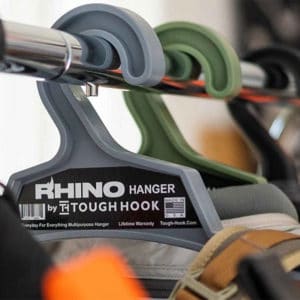
- Field-friendly colors. Foliage, Tan, and Black blend into a gear room, while Orange and Yellow are easy to spot in a dark closet or truck.
The RHINO is made in Bozeman, Montana, and backed by a lifetime warranty. If you’re outfitting a whole gear closet, the RHINO 8-Pack Bundle covers a full set of layers at once.

Set Up a Hunting Gear Wall or Closet at Home
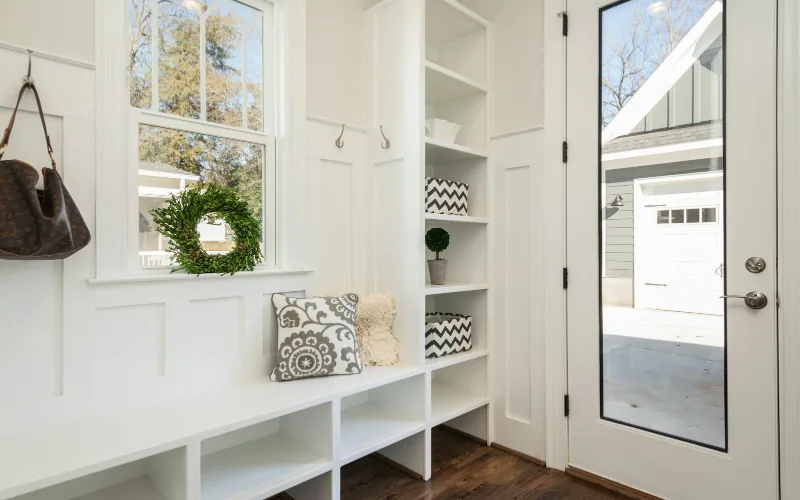
You don’t need a dedicated room. A closet, a section of garage wall, or a corner of the basement works if it stays cool, dry, and away from strong odors.
- Pick a dry spot. Avoid areas near furnaces, water heaters, or fuel and chemical storage. In damp basements, add a dehumidifier or silica gel packs.
- Install a hanging rod or heavy-duty wall hooks. This is where outerwear, packs, and harnesses go, so they can breathe between hunts.
- Add adjustable shelving. Put the heaviest totes on the bottom and the gear you use most at eye level.
- Use clear, labeled totes. Smaller totes are easier to sort and lift than one giant bin. Label each one by season or category.
- Set up a drawer unit or pegboard for small items. Calls, batteries, knives, and tools each get their own drawer or hook.
- Build a grab-and-go kit. Keep a small pouch with your license, headlamp, knife, lighter, and first aid basics, ready to drop into whichever pack you carry.
For more ideas you can use across outdoor hobbies, see our camping gear storage guide and our post on hangers for hiking, hunting, and fishing gear.
Budget-Friendly Hunting Gear Storage Ideas Using Household Items
A good hunting gear setup doesn’t have to start with new shelving. Many household items work well for organizing hunting equipment:
- Tackle boxes and craft organizers: Compartments sized for calls, batteries, broadheads, release aids, and small tools.
- Over-the-door shoe organizers: Clear pockets hold gloves, face masks, hand warmers, and headlamps where you can see them.
- Mesh laundry bags: Let damp socks, gloves, and hats breathe while keeping each set together.
- Old lockers, footlockers, or dressers: Drawers make easy homes for base layers, sorted by weight.
- Plastic totes with tight lids: Cheap, stackable, and good at keeping out dust, moisture, and pests.
- PVC pipe or a wall rail: Simple racks for bows and decoy bags, or a row of hooks for packs.
Spend money on the pieces that carry the most weight, like hangers and wall hooks for heavy jackets and packs. Use household items for everything else.
Organized Hunting Gear Setups by Hunt Type
The best system matches how you hunt. Here are three example setups you can copy or adjust:
Whitetail Bowhunter
- Scent-free outerwear and bibs hung on heavy-duty hangers inside a scent-control bag or closet.
- Base layers, socks, and gloves in a sealed tote with a box of baking soda.
- Release, rangefinder, calls, and scent products in a small drawer cart.
- Safety harness, haul line, and tree stand pack hung together, so they’re never separated.
Waterfowl Hunter
- Waders hung upside down or on a boot hanger so they dry completely between hunts.
- Decoys in mesh decoy bags or labeled totes, sorted by species or spread.
- Calls, lanyards, shells, and blind supplies in a dedicated waterproof blind bag.
- Wet jackets and camouflage layers hung in the garage to drip-dry, not bagged while damp.
Backcountry or Big Game Hunter
- Pack, frame, and bino harness hung on the wall, ready to load.
- Layering system hung or binned by temperature range, from lightweight to heavy insulation.
- Kill kit (knife, game bags, gloves, paracord) in one labeled pouch.
- Rifle, ammunition, and optics stored separately and securely, with a pre-trip checklist taped inside the gear closet door.
Storing Small Items, Optics, Firearms, and Ammo
- Small items: Tackle boxes and drawer carts keep calls, batteries, and broadheads sorted. Take batteries out of electronics you won’t use for months to prevent corrosion.
- Optics: Store binoculars and rangefinders in padded cases, in a dry spot that doesn’t swing between hot and cold.
- Firearms: Keep them unloaded in a locked safe or cabinet. Some states have safe-storage laws, so check the rules where you live.
- Ammunition: Store it separately from firearms in a cool, dry, sealed container, labeled by caliber or gauge.
How to Label Hunting Gear and Keep an Inventory
Labels and a simple inventory turn a tidy setup into one that stays organized. They also make it obvious when supplies are running low before opening day.
- Label every bin, drawer, and bag. Use waterproof labels or a label maker, and name the contents (“Late Season Base Layers,” “Turkey Calls”), not just the category.
- Color-code by season or hunt type. Colored tape or bin lids for bow season, rifle season, and waterfowl let you grab the right set at a glance.
- Keep a written or digital inventory. A simple spreadsheet or notes app listing what’s in each container, plus a column for anything that needs replacing.
- Track maintenance dates. Note when you last cleaned your firearm, waxed your boots, or replaced batteries and first aid supplies.
- Post a pre-hunt checklist. Tape it inside the closet door or on the lid of your main tote so you check off essentials before every trip.
How to Prevent Damage to Hunting Gear in Storage
Most gear is ruined in storage, not in the field. These are the main threats and how to stop them:
| Threat | What It Damages | How to Prevent It |
|---|---|---|
| Moisture | Clothing, boots, leather, optics, steel | Dry everything fully before storing, use a dehumidifier or desiccant packs, and keep gear off concrete floors |
| Odors | Hunting clothes, packs, scent-control layers | Store in sealed totes or scent bags away from fuel, smoke, cooking, and laundry products |
| Dust | Optics, zippers, clothing | Use bins with tight-fitting lids, garment bags, and lens caps |
| Rodents and insects | Packs, food, tent cords, insulation | Never store food or scent-attractants with gear, and use hard-sided totes instead of open shelves |
| Crushing and compression | Insulated jackets, sleeping bags, hats | Hang outerwear, don’t stack heavy bins on soft gear, and store sleeping bags loose |
| Heat and sunlight | Plastics, rubber boots, camouflage fabric | Store out of direct sun and away from furnaces, heaters, and hot attics |
Before anything goes into storage, clean it, check it for damage, and repair or replace it now so it’s ready when the season starts.
How to Pack a Hunting Backpack for Easy Access
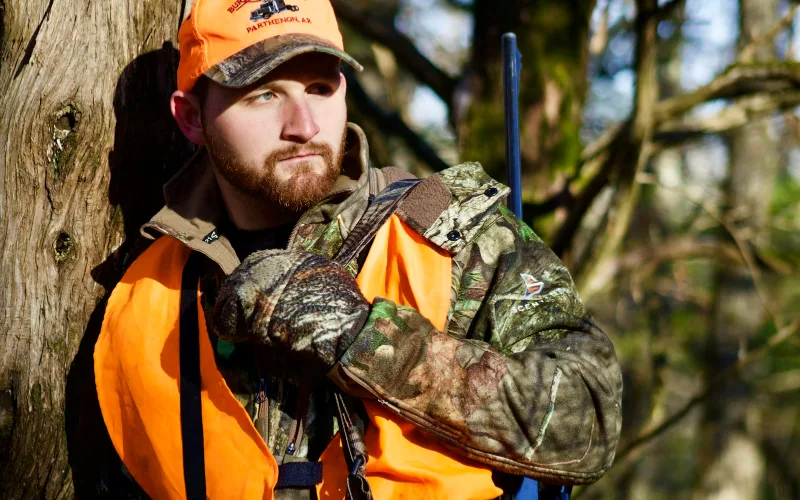
An organized pack means you can find anything by feel, in the dark, without making noise. Use the same layout every hunt so it becomes habit.
- Hip belt and lid pockets: Items you reach for most, like a rangefinder, calls, wind checker, snacks, and a headlamp.
- Top of the main compartment: An extra layer, rain gear, and gloves you may need fast when the weather turns.
- Bottom and against your back: Heavy items such as water, game bags, and a kill kit, to keep the load balanced.
- Small pouches by job: One for first aid, one for the kill kit, one for electronics and spare batteries. Color-coded pouches make each easy to find.
- Quiet materials: Pick soft fabric pouches over crinkly plastic bags, and tape or wrap anything that rattles.
Between hunts, empty the pack, dry it, and hang it on the wall instead of leaving it zipped up in the truck.
How to Organize Hunting Gear in Your Truck
Your truck is often your gear room during the season. Keeping it organized saves time at the trailhead and protects gear from moisture and theft.
- Use lidded totes by hunt type. One tote per trip type (deer, waterfowl, upland) that you load and go, instead of packing from scratch each time.
- Protect gear in the truck bed. A bed cover, cap, or drawer system keeps rain, dust, and road spray off gear. Strap totes down so they don’t slide.
- Keep a wet bag or bin for the ride home. Muddy boots, waders, and wet jackets go here so they don’t soak dry gear.
- Bring a hanger for the cab. A heavy-duty hanger on the rear grab handle or seat headrest keeps a clean jacket off the floor and out of the mud.
- Never leave firearms unattended in the vehicle. Follow your state’s transport laws, and use a locking case or vehicle safe.
- Unload after every trip. Bring clothing and packs inside to dry so they don’t sit damp in a cold truck.
Organizing Gear in the Tree Stand
Space in a stand is tight, and every rustle can cost you a shot. Organizing up there means keeping gear quiet, secure, and within reach without leaning or twisting.
- Use a haul line. Climb with empty hands, then raise your pack and your unloaded firearm or bow with a haul line once you’re clipped in.
- Hang gear close to the trunk. A strap-on tree hook with a RHINO Hanger on it holds an extra layer or your pack off the platform and within arm’s reach. Many public lands prohibit screw-in hooks, so check local rules and use strap-on hooks where required.
- Hang it before first light. Set everything up when you arrive so you aren’t moving gear around once game could be nearby.
- Keep your bow on a dedicated bow holder. Use the hanger for clothing and packs, and a purpose-built bow hook or arm for your bow.
- Keep the platform clear. Gear on the floor of the stand is a trip hazard and easy to knock off.
Safety comes first: wear a full-body safety harness every time you leave the ground, keep three points of contact while climbing, and check your stand’s weight rating so it covers you plus everything you hang. The Wisconsin DNR tree stand safety guide is a clear refresher on these basics.
Built to Withstand the Elements
Hunting gear lives in damp garages, cold trucks, and wet camps, so storage that rusts or warps doesn’t last. Polypropylene doesn’t absorb water and won’t corrode, which makes it a practical choice for drying wet layers in a mudroom or hanging gear at camp.
Additional Considerations for Polypropylene
- Keep it away from direct heat. Like any plastic, it shouldn’t sit against a wood stove, heater, or exhaust.
- Wipe off mud and blood. A quick rinse keeps it clean and odor-free between seasons.
- Stay within the rated load. The hanger handles heavy gear, but the hook, rod, or tree strap it hangs from needs to be strong enough too.
Seasonal Hunting Gear Storage Strategies
Rotate your gear through the year so what you need now is always the easiest to reach.
- Early season: Lightweight layers, bug protection, and early-season scent gear go front and center. Heavy insulation moves to the back of the closet or top shelf.
- Peak and late season: Swap in insulated jackets, bibs, heavy gloves, and hand warmers. Hang the heavy outerwear where you can grab it on the way out the door.
- Between seasons: When one season ends and another begins (for example, deer to waterfowl), clean and store the finished season’s gear before pulling out the next set.
- Off-season: Move most clothing into sealed bins or vacuum bags to save space, but keep outerwear hung so it holds its shape. Use the time for repairs and maintenance.
Off-Season Hunting Gear Storage Checklist
- Wash and fully dry all clothing, then store it in sealed, labeled containers.
- Hang outerwear and packs on sturdy hangers so they keep their shape.
- Clean and dry boots, and store them upright away from heat.
- Remove batteries from headlamps, rangefinders, and trail cameras.
- Clean firearms and bows before locking them away.
- Restock your first aid kit and write down anything that needs replacing.
- Review your license and regulation dates before next season. Our fall season preparation guide can help you plan.
The Final Tally: Is the RHINO Hanger Right for You?
If your hunting clothing is mostly light layers that fold flat, regular storage bins will handle most of it. If you own insulated parkas, bibs, rain gear, or gear vests that bend ordinary hangers, or you want a hanger that can dry wet layers in the garage and hold a pack at camp, the RHINO is built for that job. Pair it with sealed totes for small items and a locked safe for firearms, and you have a hunting gear system that’s quick to use and easy to keep up.
Frequently Asked Questions
What is the best way to organize hunting gear at home?
Give every category a fixed home: hang outerwear and packs, store base layers in sealed totes, keep small items in labeled drawers, and lock firearms and ammunition away separately. Keep the area cool, dry, and away from household odors.
Should hunting clothes be hung or folded?
Hang heavy outerwear, bibs, and insulated jackets so the insulation doesn’t compress and the garments dry fully. Fold or bag base layers, socks, and gloves in sealed containers to keep them scent-free.
How do I keep stored hunting clothes scent-free?
Wash with a scent-free detergent, air-dry outdoors, and store clothing in sealed totes or scent-control bags away from the kitchen and laundry room. Skip fabric softener and dryer sheets.
Can I use a RHINO Hanger in a tree stand?
Yes. Hang it from a strap-on tree hook near the trunk to keep a jacket or pack off the platform and within reach. Always check your stand’s weight rating and your local rules on tree hooks.
How much weight can the RHINO Hanger hold?
The RHINO Hanger has a load capacity of over 200 lb, so it handles soaked parkas, heavy bibs, and loaded vests without bending.
How should I store hunting gear in a damp garage or basement?
Run a dehumidifier or add silica gel packs, keep gear off the floor on shelves or hangers, and make sure everything is fully dry before it’s stored. Use corrosion-resistant hangers and sealed containers.
Where should I keep small hunting accessories?
Use a drawer cart, tackle box, or small labeled pouches for calls, batteries, knives, and first aid supplies. Keep a grab-and-go pouch of essentials ready to move into whichever pack you carry.
Are there special bags for organizing hunting equipment?
Yes. Scent-control bags for clothing, mesh decoy bags, waterproof blind bags, padded optics cases, and small color-coded pouches for first aid and kill kits all help keep specific gear organized and protected.
How can I save space when storing hunting gear?
Hang outerwear and packs to use vertical space, store base layers in vacuum bags during the off-season, use stackable lidded totes on shelves, and mount pegboards or hooks for small items and tools.
How do I label hunting gear bins and bags?
Use waterproof labels or a label maker and list the actual contents, not just the category. Color-coding by season or hunt type makes it even faster to grab the right bin.
Where is the best place to hang hunting clothes?
Hang hunting clothes in a cool, dry closet, mudroom, or garage area away from cooking, laundry, and fuel odors. In season, hanging outerwear outside on a covered porch helps it air out between hunts.