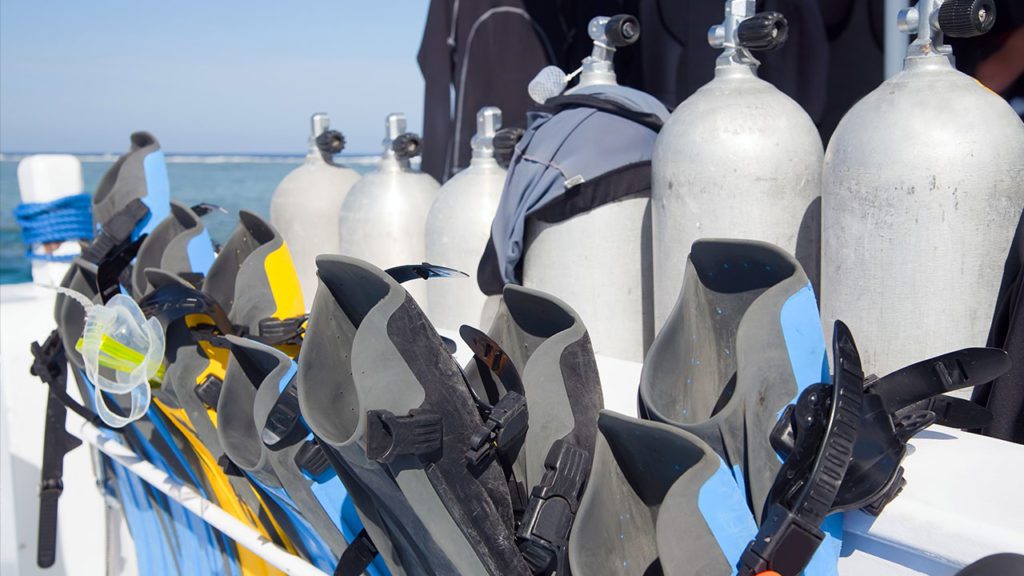
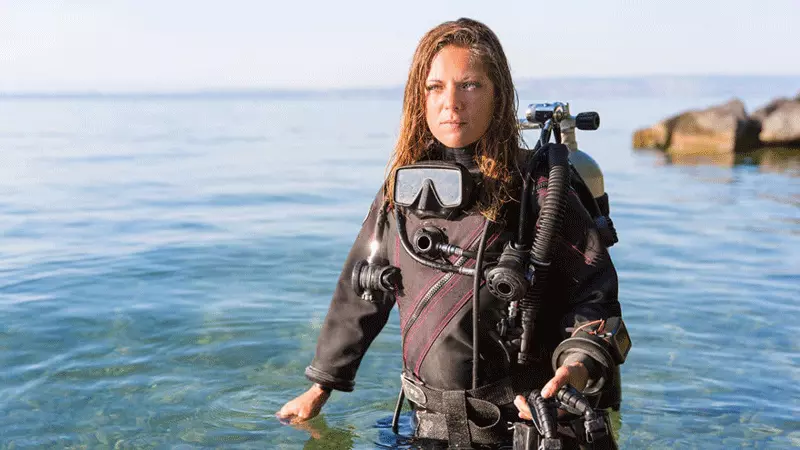
For any scuba diver, proper care and storage of equipment are essential, and a good post-dive routine starts with where your gear hangs. Scuba gear, particularly buoyancy control devices (BCDs), wetsuits, and drysuits, can be heavy, bulky, and easy to damage if not stored correctly. A heavy-duty scuba gear hanger is a simple, effective way to keep your dive gear organized, properly ventilated, and ready for your next dive.
A BCD or wetsuit stored on the wrong hanger can become more than an inconvenience. Improperly stored gear can stretch straps, strain the inflator mechanism, and leave neoprene creased and out of shape before your next dive. The right hanger removes that risk.
Why a Scuba Gear Hanger Beats a Standard Hanger
There are several advantages to using heavy-duty hangers for your scuba gear:
- Prevents Damage: A standard plastic or wire hanger cannot handle the weight of a wet BCD. These hangers bend or break under pressure, damaging BCD straps, the inflator mechanism, and wetsuit shoulder panels. A wetsuit left on a narrow hanger loses its original shape over time. Neoprene compressed at the shoulders develops permanent creases that affect fit and insulation. Heavy-duty hangers distribute weight evenly across a broad shoulder area, preserving the shape and functionality of every piece of gear.
- Promotes Drying: After a dive, it’s crucial to allow your gear to dry completely to prevent mold growth and corrosion. Hanging your BCD promotes air circulation and facilitates faster drying compared to laying it flat on a surface.
- Saves Space: Scuba gear can take up a lot of room. Heavy-duty hangers allow you to utilize vertical space efficiently, keeping your gear organized and readily accessible.
- Extends Gear Lifespan: Proper storage goes a long way in extending the lifespan of your scuba equipment. Heavy-duty hangers prevent creases, deformations, and unnecessary strain on your gear, saving you money in the long run.
Reduces the Risk of Gear Malfunction
Improper storage is not just a maintenance issue; it is a safety concern. A BCD that has been hanging on a bent or overloaded hanger may have a stretched inflator hose or a weakened corrugated tube that only reveals itself at depth. Using a hanger rated well above your gear weight is the simplest way to prevent stress damage between dives.
What to Look for in a Scuba Gear Hanger
With various heavy-duty hangers available, here are some key factors to consider when making your choice:
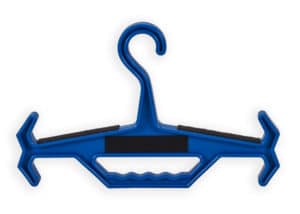
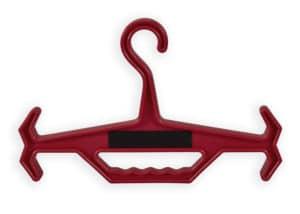
- Material: Look for hangers constructed from high-impact resistant materials like Advanced High Impact Polypropylene Plastic (AHIPP), the material used in our hangers. This ensures the hanger can withstand the weight of your BCD without breaking or warping.
- Load Capacity: Choose a hanger with a load capacity well above the weight of your BCD. BCD weight varies by model, and a wet BCD with integrated weights left in the pockets is far heavier than a dry one, so a hanger with a 200 lb. capacity, like ours, provides ample headroom.
- Design: Look for a design that offers stability and prevents your BCD from slipping off. Features like a broad shoulder area and hooked ends are ideal for keeping your gear securely in place.
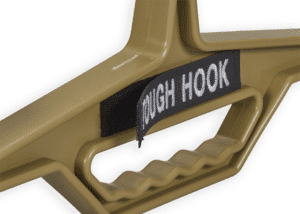
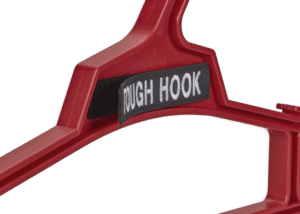
- Durability: Opt for a hanger with a robust construction. Features like I-beam reinforcement provide additional strength and help the hanger endure long-term use.
- Versatility: Consider a hanger that can accommodate other scuba gear besides your BCD. A multi-purpose design lets you hang wetsuits, fins, weights, and other equipment.
- Warranty: A lifetime warranty, like the one we offer, provides peace of mind knowing your investment is protected.
Types of Scuba Hangers and Dive Gear Hangers
Scuba hangers come in a few common styles, and many divers combine more than one to build a complete drying and storage setup.
Single Heavy-Duty Hangers
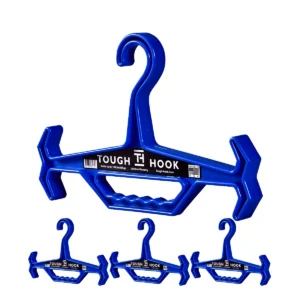
A single heavy-duty dive gear hanger with wide shoulders is the foundation of most setups. It supports one BCD, wetsuit, or drysuit at a time and moves easily between your home, car, and the dive site. If you need to hang several items separately, a 4-pack hanger bundle gives each piece of gear its own hanger.
Multi-Hook and Accessory Hangers
Hangers with extra hooks or clips hold smaller accessories such as masks, snorkels, fins, boots, and gloves alongside your main gear. This keeps your dive accessories together so nothing goes missing between trips.
Wall-Mounted Racks and Hooks
Wall-mounted racks, rails, and hooks turn a garage or gear room wall into a dedicated scuba diving equipment hanger station. They work well with individual hangers and help save floor space in smaller homes.
Freestanding Drying Racks
Freestanding racks can be moved outdoors on sunny days, into the shade, or into a ventilated room. They are useful when you cannot install anything on the wall, such as in a rental home or at a dive shop.
Why Our Heavy-Duty Hanger Works for Scuba Diving
After considering all the factors, here is why our hanger is a strong fit for heavy, wet scuba gear:
- Strength for Heavy Gear: Constructed from AHIPP with I-beam reinforcement, our hanger has a 200 lb. load capacity, so it can handle even the heaviest BCDs with ease.
- Multi-Purpose Design: The broad shoulder area and hooked ends accommodate wetsuits, fins, weight belts, regulators, and other diving equipment, making it a single-hanger solution for your entire scuba kit.
- Built-In Durability: The high-impact resistant plastic construction and I-beam reinforcement are designed to withstand years of heavy use in harsh marine environments.
- Convenient Transportation: The integrated carry handle makes moving wet gear simple, whether you are heading to the dive boat or storing your equipment at home.
- Lifetime Warranty: We stand behind our product with a 100% lifetime warranty.
Built for Marine Environments
Salt air, humidity, and direct saltwater contact can wear out standard plastic hangers quickly. They crack, weaken, and fail at the hook. Our hangers are constructed from AHIPP, a rust-proof, non-corrosive material that holds up in boat gear rooms, dive shop lockers, and outdoor rinsing stations. Whether you store gear in a garage near the coast or pack out after a live-aboard trip, the hanger is built to outlast the equipment hanging from it.
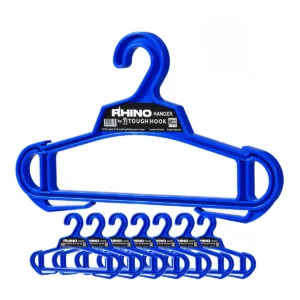
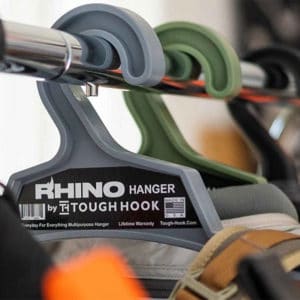

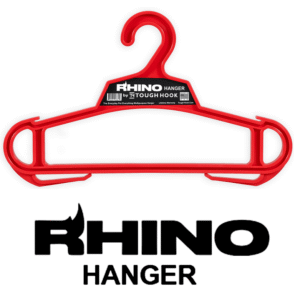
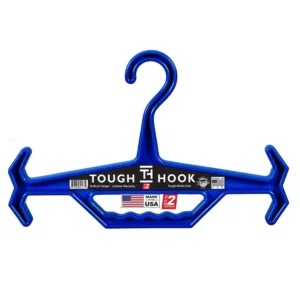

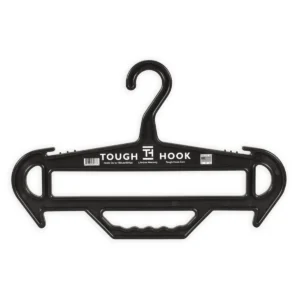

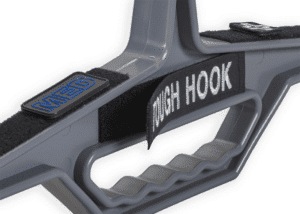
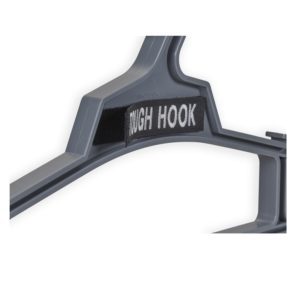
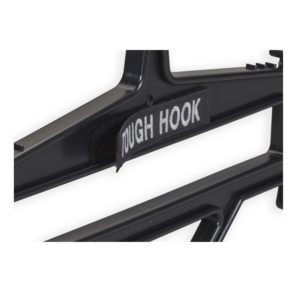


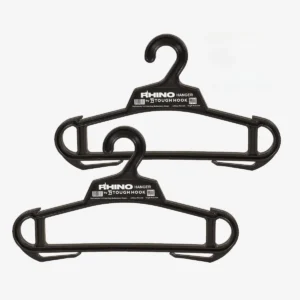
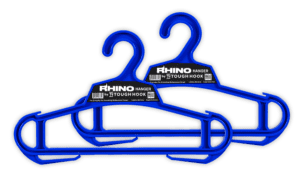
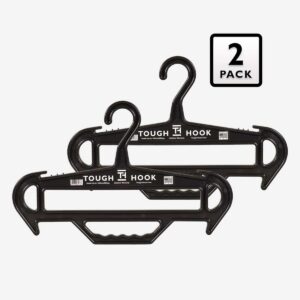
2 Pack RHINO Heavy Duty Clothes Hanger Bundle
Original price was: $27.95.$23.95Current price is: $23.95.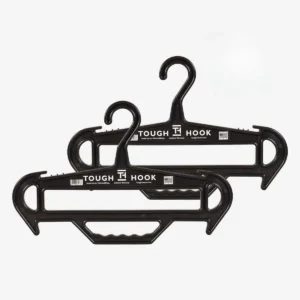
Easy to Carry to the Dive Site
The integrated carry handle changes how you manage gear movement between the rinse tank, the drying area, and the dive boat. For divers who travel to dive resorts or live-aboard operations, this means a loaded BCD transfers cleanly between locations without being re-rigged on a different hanger. One hanger handles storage at home and transport to the water.
How to Hang a BCD on a Scuba Gear Hanger
A BCD is usually the heaviest and most expensive piece of soft gear in your kit, so it deserves a proper hanging routine. Follow these steps after every dive:

- Rinse inside and out: Rinse the outside with fresh water, then add a little fresh water into the bladder through the inflator, swirl it around, and drain it fully through the dump valve.
- Remove weights: Take any integrated weights out of the pockets before hanging so the shoulders and straps do not carry extra load.
- Partially inflate: Add a small amount of air so the bladder walls do not stick together while the BCD dries.
- Hang by the shoulders: Place the BCD on a broad-shouldered hanger so the weight spreads evenly and the shoulder straps keep their shape.
- Secure the inflator hose: Clip the hose so it hangs naturally without sharp bends or kinks.
Jacket-Style BCDs and Back-Inflate Wings
Jacket-style BCDs wrap around the torso and hang naturally on a wide-shouldered hanger, much like a heavy jacket. Back-inflate and wing-style BCDs carry most of their bulk behind the diver, so make sure the hanger supports the shoulder straps evenly and that the bladder hangs freely without folding against itself. In both cases, keep the BCD partially inflated and clear of walls so air can reach every side.
For more on caring for the rest of your kit, including fins, vests, and snorkels, see our guide to extending the lifespan of your dive gear.
Storing Wetsuits, Drysuits, and Regulators
A scuba gear hanger is not only for BCDs. Each exposure suit and life support item has its own storage needs.
Wetsuits
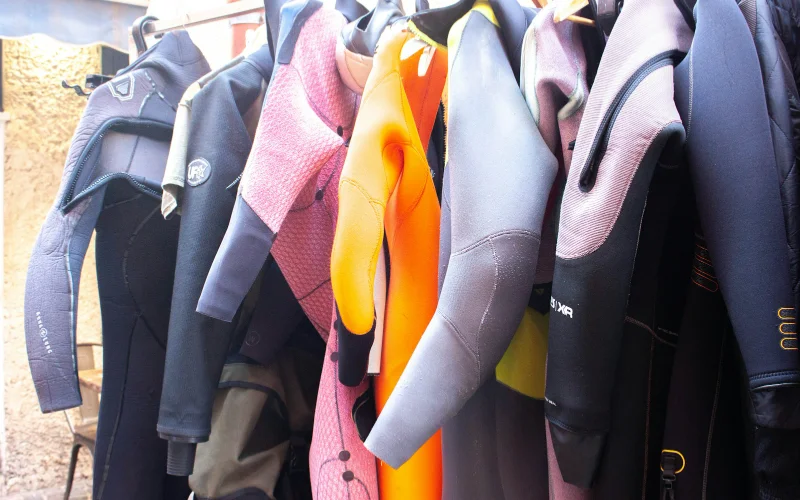
A heavy-duty wetsuit hanger with wide shoulders supports the weight of wet neoprene and keeps the shoulders from stretching. Turn the wetsuit inside out to dry the inner lining first, then flip it to dry the outside. Our article on how to dry and store a wetsuit covers the full process.
Drysuits
Drysuits are heavier and bulkier than most wetsuits, which makes a strong hanger important. Rinse the suit with fresh water, hang it in a shaded, ventilated area until fully dry, and follow your manufacturer’s guidance for zipper and seal care before long-term storage.
Regulators
After rinsing with the dust cap firmly in place, let your regulator dry completely in the shade. Hang or lay the hoses in loose, gentle curves rather than tight loops so they are not stressed while stored. Keeping the regulator near the rest of your kit on the same hanging setup makes it easy to find before your next dive.
Masks, Fins, Boots, Gloves, and Hoods
Smaller accessories dry best when they are hung or laid where air can reach them, rather than packed away in a dive bag. Using the hooked ends of a hanger or a nearby hook for fins, boots, gloves, and hoods keeps everything together and ventilated, while masks are best kept in their protective case once dry. Rinse snorkels and dive knives with fresh water as well, and let knives dry fully before sheathing them.
Where to Hang Scuba Gear After Diving
The best place to hang scuba gear is a cool, shaded, well-ventilated space where water can drip freely without damaging floors.
- At home: A garage, laundry room, or covered patio works well. Keep gear out of direct sunlight, which can break down neoprene and rubber over time.
- On a boat: Shipboard equipment needs hangers that can handle salt spray and constant humidity. Our guide to corrosion-resistant hanging systems for marine environments explains what holds up best.
- At a dive shop or resort: Use a dedicated rinse and drying area, and bring your own hanger so your gear is supported properly wherever you dive.
For kayaking, paddling, and other wet sports, our guide to a heavy-duty hanger for wet watersports gear covers similar storage needs. Divers who also surf, paddle, or snorkel can find more ideas in our article on saltwater-ready storage for surf and dive equipment.
Setting Up a Scuba Gear Drying Area at Home
A dedicated drying area makes post-dive care faster and keeps wet gear from spreading water and salt through your home. Here are a few installation tips:
- Choose a sturdy mounting point: Wet scuba gear is heavy, so mount rails, rods, or hooks into wall studs or solid framing rather than drywall alone.
- Plan for drips: Place a drip tray, rubber mat, or floor drain below the hanging area to protect floors.
- Keep air moving: Good ventilation speeds up drying and reduces mildew and odors. A fan or open window helps in enclosed spaces, and our guide to hanging damp gear to dry faster has more ideas.
- Use vertical space: Hanging gear at different heights fits a full kit into a small area. See these vertical storage hacks for small spaces.
- Store cylinders separately: Never hang dive tanks. Store them secured so they cannot tip or roll, away from heat sources.
- Give kids their own spot: If the whole family dives or snorkels, a lower rail lets kids hang their own wetsuits and accessories.
Scuba Diving Equipment Hangers for Boats and Travel
Dive boats, liveaboards, and road trips call for a slightly different approach, since gear is often wet, salty, and moving.
- Secure gear on the move: Shipboard equipment hangers should be clipped or tied down so BCDs and wetsuits cannot swing or fall when the boat rocks.
- Rinse when you can: Use the boat’s freshwater rinse tank after each dive, then hang gear in a shaded, ventilated area on deck or below.
- Pack hangers with your dive bag: Bringing your own hangers means your gear is supported properly at resorts and rental lockers. Our article on the best hanger for road trips and remote adventures covers portable options.
- Dry before the trip home: Let gear dry as much as possible before packing it, so moisture is not trapped in your bag.
How to Care for Your Scuba Gear Hanger
Your hanger works hard in a salty, wet environment, so give it the same quick care you give your gear.
- Rinse it too: Rinse your hanger with fresh water after saltwater dives to remove salt and sand buildup. Our guide to salt exposure control explains why this matters.
- Inspect it regularly: Check hooks and shoulders for cracks, bending, or stress marks, especially on standard plastic hangers.
- Replace damaged hangers right away: A cracked hanger can fail under a wet BCD. These signs it is time to upgrade your hangers help you know when to switch.
Peace of Mind and American-Made Quality
- Peace of Mind: With a lifetime warranty backing our hangers, you can rest assured that your investment is protected. If your hanger ever breaks under normal use, we will replace it free of charge. This eliminates the worry of replacements and ensures you have a reliable hanger for years to come.
- American-Made Quality: Our hangers are proudly manufactured in the USA. This not only supports American jobs but also reflects a commitment to high-quality materials and construction.
Investing in a heavy-duty hanger is an essential step for any scuba diver who values the longevity and functionality of their equipment. By keeping your BCD properly supported and ventilated, you’ll prevent damage, promote faster drying, and extend the lifespan of your gear. With its strength, versatility, durability, convenient carry handle, and lifetime warranty, our hanger is built for every part of your scuba gear storage. Replace flimsy hangers and keep your diving kit organized and stress-free.
Scuba Gear Storage Tips Beyond the Hanger
For additional tips on scuba gear storage, consider these points:
- Rinse your gear with fresh water after each dive to remove salt and other corrosive elements.
- Store your gear in a cool, dry, and well-ventilated area out of direct sunlight.
- Store your BCD partially inflated to keep the bladder from sticking and to prevent unnecessary strain on the straps and inflator mechanism.
- Hang your wetsuit separately to allow for proper air circulation and drying.
- Inspect your gear before and after every dive. Check for cracks in BCD housings, wear on wetsuit seams, and stress marks on regulator hoses. Catching damage early prevents equipment failure underwater and extends the life of your investment.
By following these tips and using a heavy-duty hanger, you can keep your scuba gear in top condition for countless dives to come. For more background, read about the importance of heavy-duty hangers for dive equipment and our tips to keep your scuba gear in great shape.
Frequently Asked Questions
What weight capacity do I need for a scuba gear hanger?
BCD weight varies by model, and a wet BCD with integrated weights still in the pockets is much heavier than a dry one. Choose a hanger rated well above your heaviest expected load. Our hanger is rated to 200 lbs, providing plenty of capacity for typical scuba gear.
Can I hang a wetsuit on a regular plastic hanger?
No. Standard plastic hangers are not designed for the weight or bulk of a wetsuit. They bend under the load, create pressure points that deform neoprene over time, and do not allow adequate airflow for drying. A heavy-duty hanger with wide shoulders helps maintain wetsuit shape and promote even drying.
How do I dry a BCD after diving?
Rinse the BCD thoroughly with fresh water inside and out to remove salt and debris. Hang it on a heavy-duty hanger in a well-ventilated area out of direct sunlight. Partially inflate the BCD to prevent the internal bladder from sticking while it dries, and make sure it is completely dry before storing it.
Are your hangers rust-proof for saltwater use?
Yes. Our hangers are made from Advanced High Impact Polypropylene Plastic (AHIPP), which does not rust or corrode. They are designed to withstand marine environments, including salt air, humidity, and direct water contact.
Can one hanger hold regulators and fins as well as a BCD?
Yes. The broad shoulder area and hooked ends accommodate a full range of scuba equipment, including BCDs, wetsuits, fins, weight belts, and regulators. The 200 lb. rated capacity handles the combined weight of multiple pieces of gear.
Can I use a scuba gear hanger for a drysuit?
Yes. A heavy-duty, wide-shouldered hanger supports the extra weight of a drysuit. Rinse it with fresh water, let it dry fully in the shade, and follow the manufacturer’s guidance for zipper and seal care.
What is the best way to store scuba gear at home?
Rinse all gear with fresh water after every dive. Hang BCDs and wetsuits separately on heavy-duty hangers in a cool, dry, well-ventilated space away from direct sunlight. Store BCDs partially inflated. Inspect equipment regularly for wear and store it in a dedicated gear area to prevent moisture buildup.
Does hanging a wetsuit damage it?
Hanging a wetsuit on a standard narrow hanger can damage it by creating stress points in the neoprene and causing the shoulders to stretch out of shape. A wide-shouldered heavy-duty hanger designed for scuba gear distributes the weight evenly and preserves the wetsuit’s shape and insulation properties.