For dedicated athletes, the difference between a productive training session and a frustrating waste of time often starts before they even step into the gym, onto the field, or out onto the trail. It begins in the garage, the closet, or the dedicated training room where their equipment lives. When gear is disorganized, damp, or buried under piles of unrelated household items, the mental energy required just to get ready can be a significant hurdle. An effective athlete’s storage system is not just about tidiness; it is about performance optimization, equipment longevity, and maintaining the flow of a consistent training routine.
The Psychology of Organized Training
There is a profound psychological benefit to having a dedicated, organized space for your athletic gear. When your equipment is easily accessible and systematically arranged, you reduce friction. You eliminate the frantic search for a specific pair of gloves, a resistance band, or a heavy lifting belt five minutes before you are supposed to start your warm-up. This reduction in pre-session stress allows you to focus your mental energy entirely on the workout ahead. An organized environment signals to your brain that it is time to perform, creating a ritualistic transition from everyday life to athlete mode.

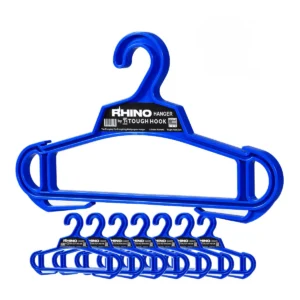
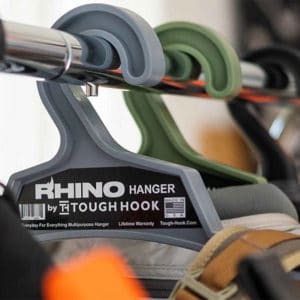

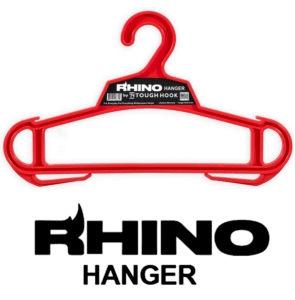
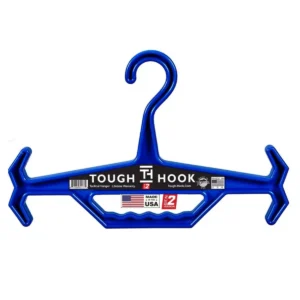

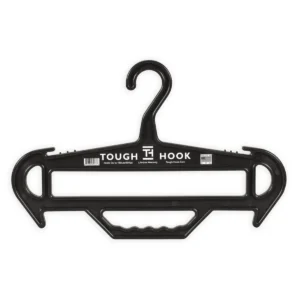
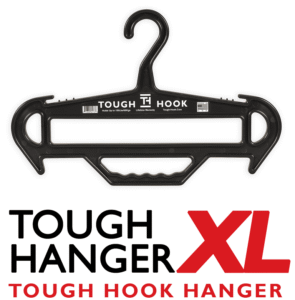
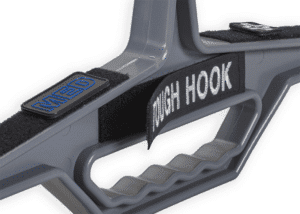
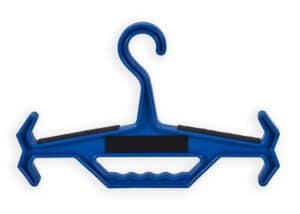
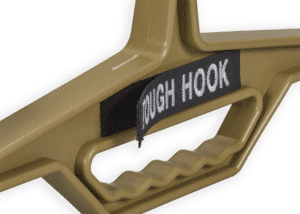
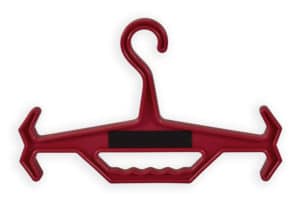

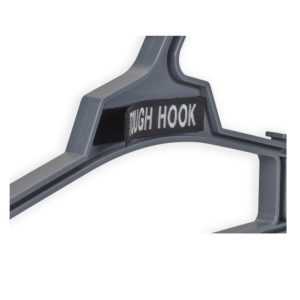
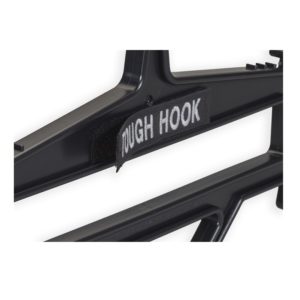


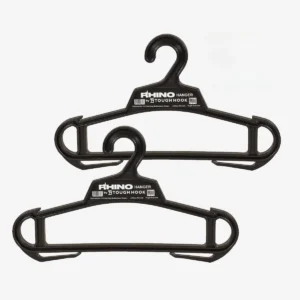
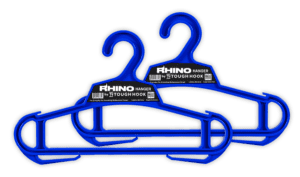
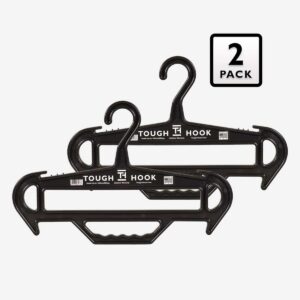
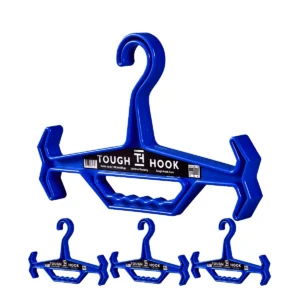
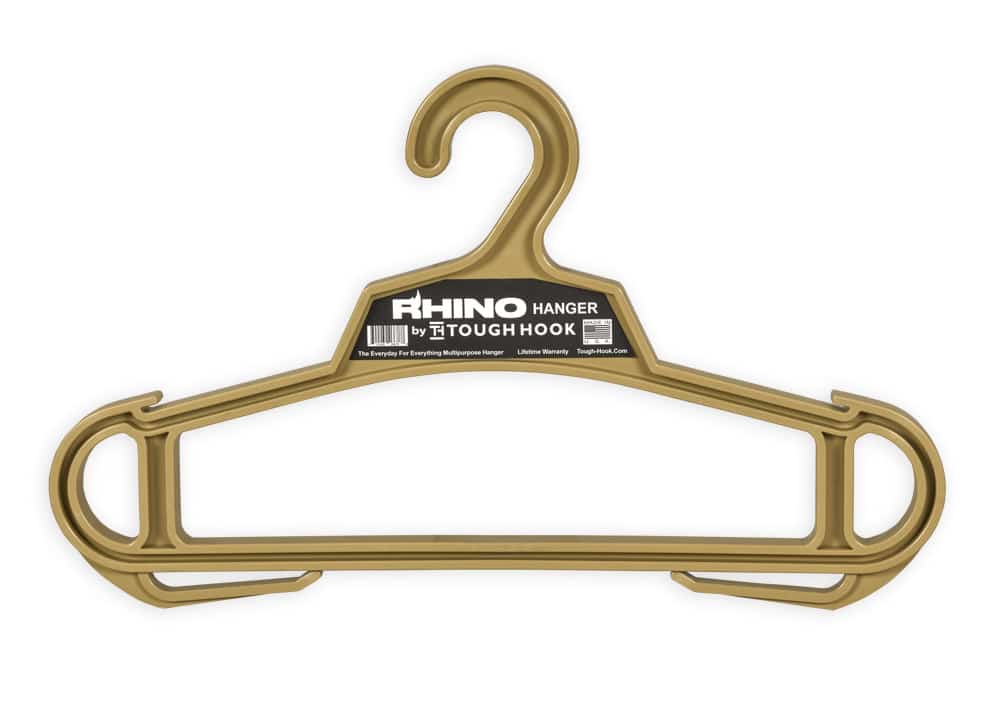
2 Pack RHINO Heavy Duty Clothes Hanger Bundle
Original price was: $27.95.$23.95Current price is: $23.95.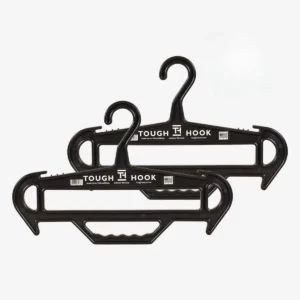
Creating a Functional Storage Workflow
To design a storage system that actually works for your specific lifestyle, you must categorize your gear based on frequency of use and the nature of the items. The primary goal is to ensure that your most essential equipment is the easiest to reach.
-
Daily Essentials: Items you use for every single session should be kept at eye level or in a high-traffic area, such as your gym bag, pre-packed with your workout log, shaker cup, and specialized footwear.
-
Specialized Equipment: Items used for specific workouts, such as weightlifting belts, knee sleeves, climbing harnesses, or tactical vests, require a more robust storage solution than a standard closet hanger can provide.
-
Maintenance Gear: Cleaning supplies, odor neutralizers, and repair kits should be stored in a dedicated bin near where you clean your gear, ensuring you do not skip post-workout maintenance due to lack of supplies.
Protecting Your Investment with Proper Hanging
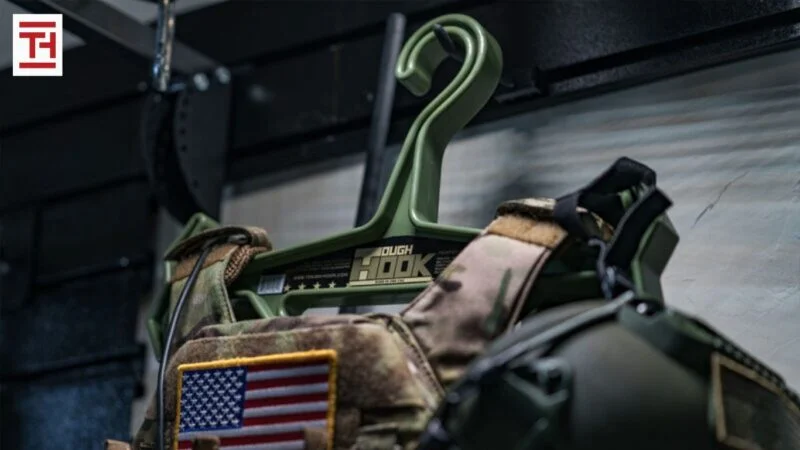
One of the most overlooked aspects of athletic gear maintenance is how it is stored after a grueling session. Many athletes make the mistake of leaving heavy tactical vests, wet wetsuits, or high-end technical jackets bunched up in a corner or hanging on flimsy plastic hangers that bend under the weight. This improper storage leads to moisture buildup, which creates the perfect environment for mold, bacteria, and unpleasant odors. Furthermore, the structural integrity of your gear can be compromised when it is forced to bear its own weight on a poorly designed support system.
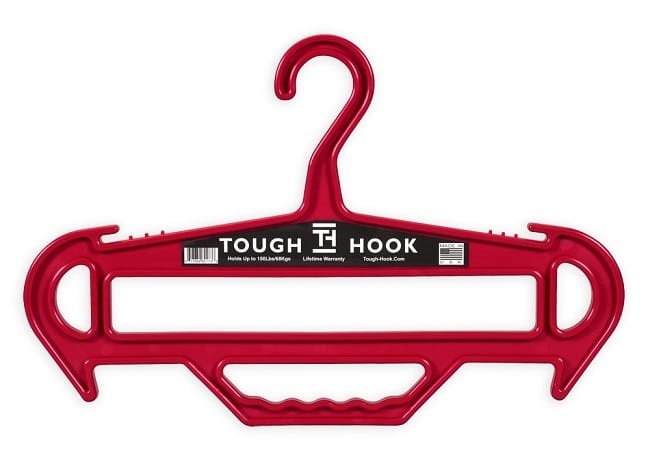
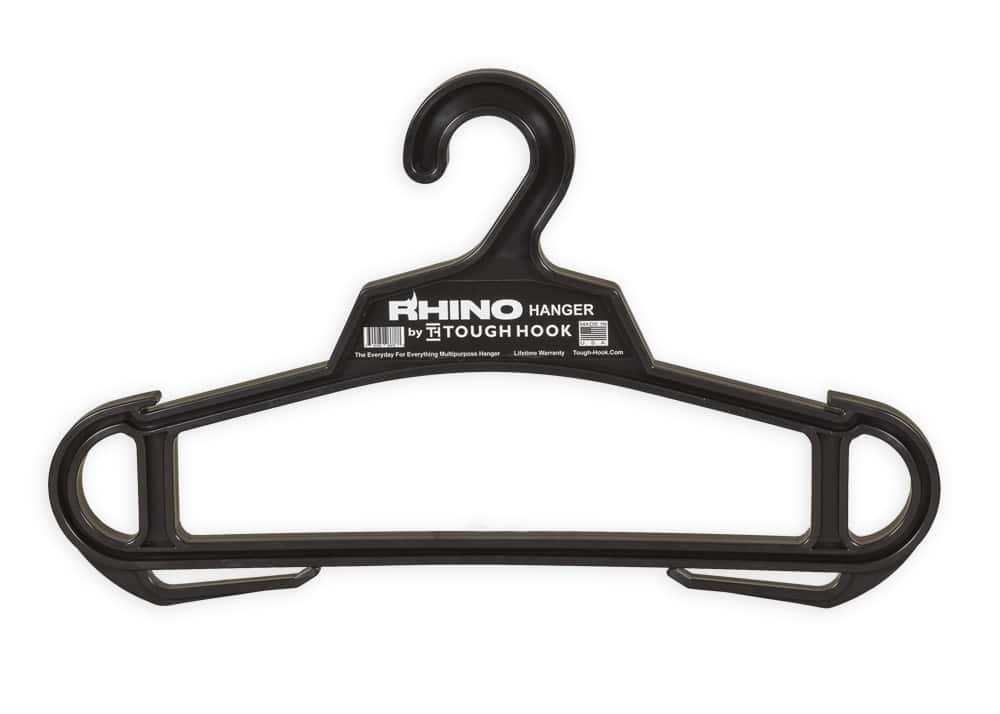
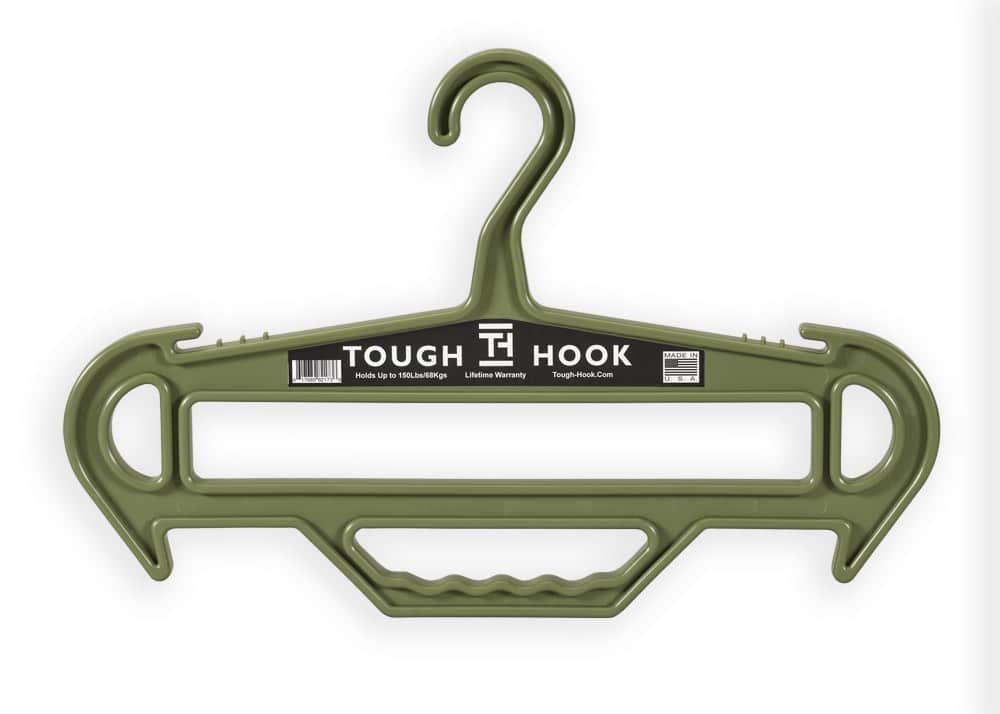
This is where Tough Hook becomes an essential partner in your training infrastructure. As a leader in heavy-duty hanger solutions, Tough Hook understands that serious athletes and professionals require equipment that can hold significantly more weight than a standard clothing hanger. Whether you are dealing with a heavy tactical vest, a thick winter work jacket, or a full set of SCUBA gear, using a product engineered for high load-bearing capacities is critical. By using a Tough Hook, you ensure that your heavy, expensive equipment remains off the ground, allows for proper air circulation to speed up the drying process, and retains its shape over years of use.
Strategizing Your Physical Space
When setting up your storage area, consider the layout of your home and the environment of your storage space.
-
Install Heavy-Duty Racking: Utilize wall-mounted shelving or heavy-duty pegboards to maximize vertical space, which is especially important in small garages or apartments.
-
Prioritize Airflow: If you have a dedicated room or closet, ensure there is adequate ventilation to prevent moisture from trapped sweat or outdoor elements from damaging your gear.
-
Implement a Landing Zone: Create a specific area near your entryway where you can immediately drop your gear for cleaning and drying before it gets moved to its permanent storage location.
-
Use Heavy-Duty Hangers: Invest in durable, high-weight-capacity hangers, like those offered by Tough Hook, to hold heavy vests and equipment securely without compromising the item’s structural integrity.
The Maintenance Loop
A storage system is only as good as the habits that support it. The most organized gear room will quickly fall into chaos if you do not follow a post-workout protocol. The maintenance loop should be as non-negotiable as the workout itself. Upon returning home, immediately remove your gear from your bag. Wipe down any equipment that was exposed to sweat or rain. Hang all heavy items on your heavy-duty hangers to allow for complete, 360-degree air drying. This simple habit prevents equipment degradation and ensures that you are always ready for your next session.
Maximizing Equipment Longevity
Replacing high-quality athletic gear is expensive. Proper storage is the most cost-effective form of equipment insurance you can purchase. When you prevent gear from sagging, stretching, or rotting due to moisture, you significantly extend the lifespan of your investment. Think of your storage system as an extension of your performance equipment. Just as you would not use a rusty barbell, you should not rely on inadequate storage for the items that keep you safe and effective during training. By prioritizing durable solutions and disciplined habits, you save money in the long run and maintain the high standard of your training environment.
The Bottom Line
The athlete’s storage system is more than just organizing a closet; it is a foundational pillar of a consistent and professional training routine. By reducing the friction of preparation, protecting your equipment from premature wear, and utilizing the right tools like Tough Hook to manage heavy-duty gear, you set yourself up for success. Treat your storage space with the same respect you treat your training sessions, and you will find that the consistency, focus, and longevity of your athletic career will improve accordingly.