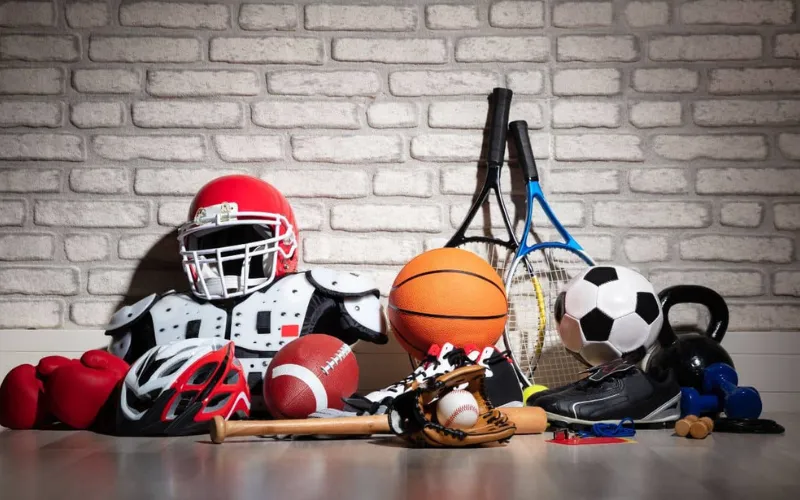
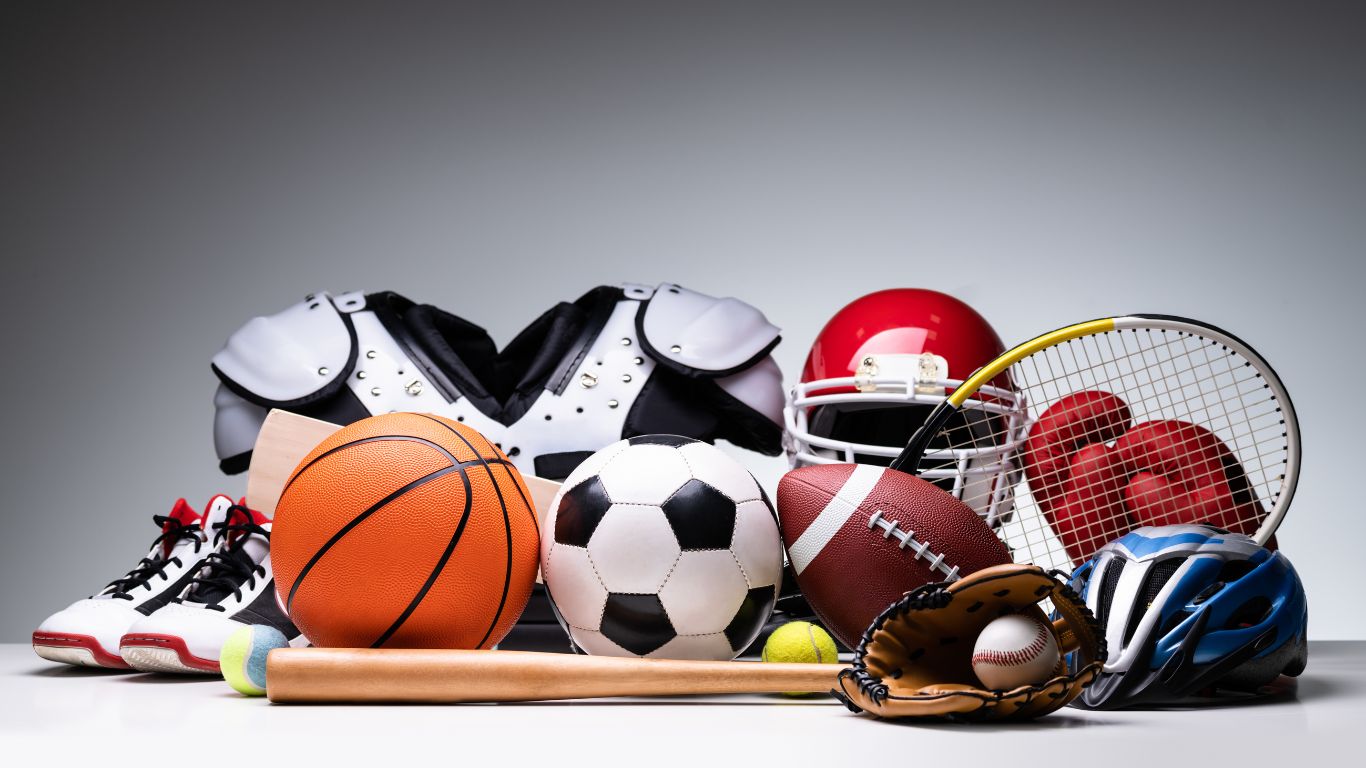
School athletics are the heartbeat of many educational institutions, fostering teamwork, discipline, and physical prowess. Behind every successful team, however, lies a mountain of equipment, including jerseys, helmets, pads, balls, and an endless array of specialized gear. Managing this equipment, from its journey out of the locker room to its deployment on the sidelines and back again, presents a unique set of challenges. Effective gear storage is not just about tidiness; it’s about prolonging equipment life, ensuring athlete safety, promoting efficiency, and ultimately, contributing to the overall success of the athletic program.
The Locker Room Labyrinth: A Starting Point for Organization
The locker room often serves as the central hub for athletic gear. It’s where equipment is distributed, stored between practices, and sometimes, where it tragically goes missing. A well-organized locker room is the first step towards a streamlined gear management system.
Key considerations for locker room storage include:
-
Individual Lockers: While not strictly for team equipment, individual lockers are crucial for athletes to store personal items and, in some cases, smaller pieces of assigned gear. Ensuring these are sturdy and offer adequate ventilation is important to prevent mildew and odor buildup.
-
Team Gear Cages/Rooms: For shared equipment like helmets, shoulder pads, and jerseys, dedicated, secure storage is paramount. These spaces should be easily accessible to coaches and equipment managers but restrict unauthorized access.
-
Ventilation and Airflow: Sports equipment, especially protective gear, can retain moisture and odors. Proper ventilation in locker rooms and storage areas is essential to prevent bacterial growth and extend the lifespan of equipment. Dehumidifiers can be a valuable addition in humid climates.
-
Labeled Bins and Shelving: Categorizing equipment by sport, size, or type and storing it in clearly labeled bins or on shelves drastically reduces retrieval time and minimizes misplacement.
-
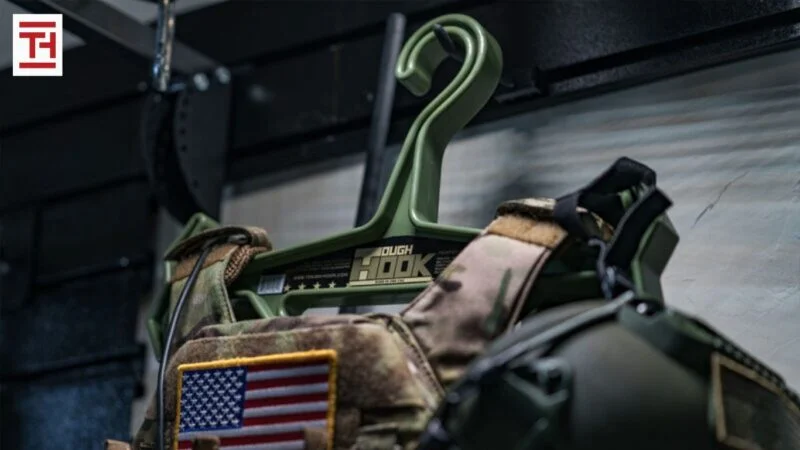
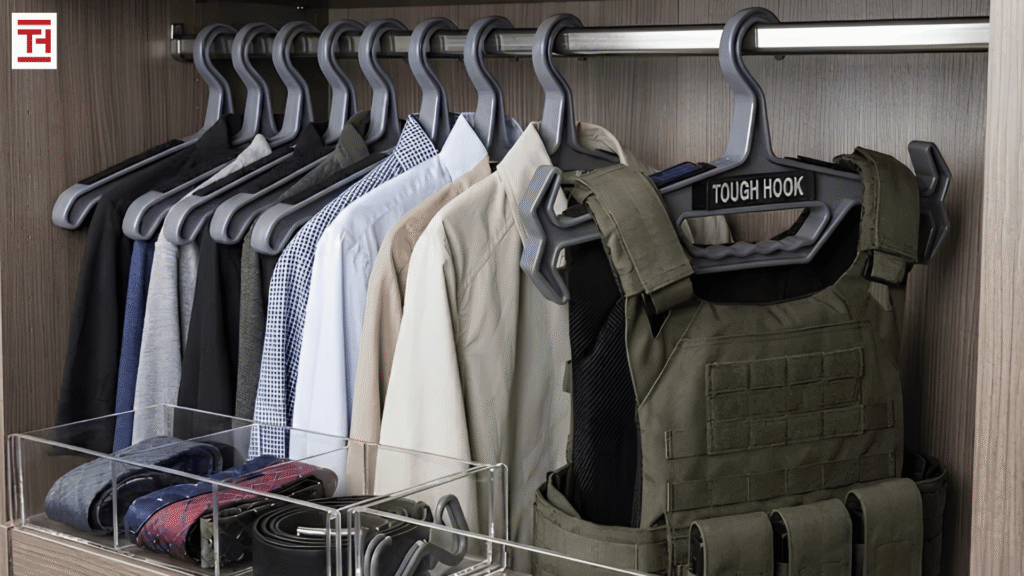
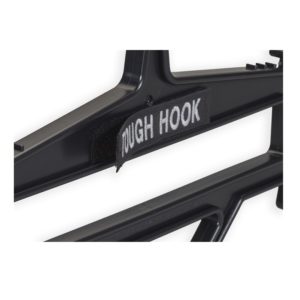
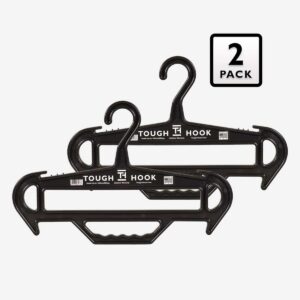
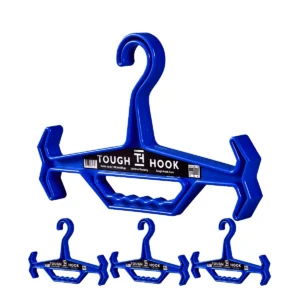
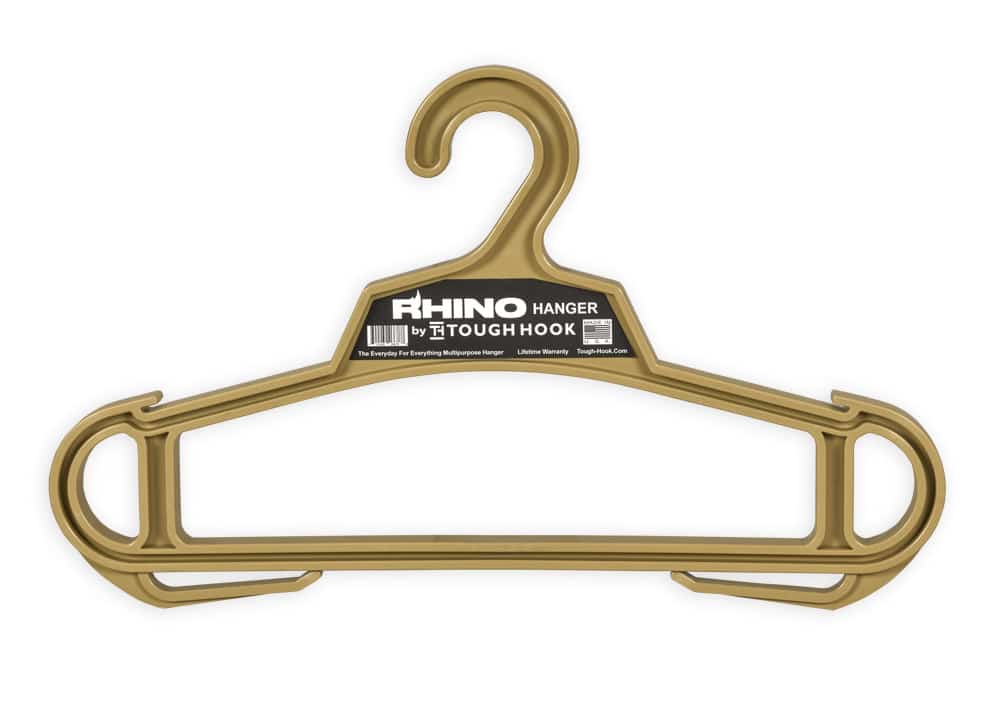
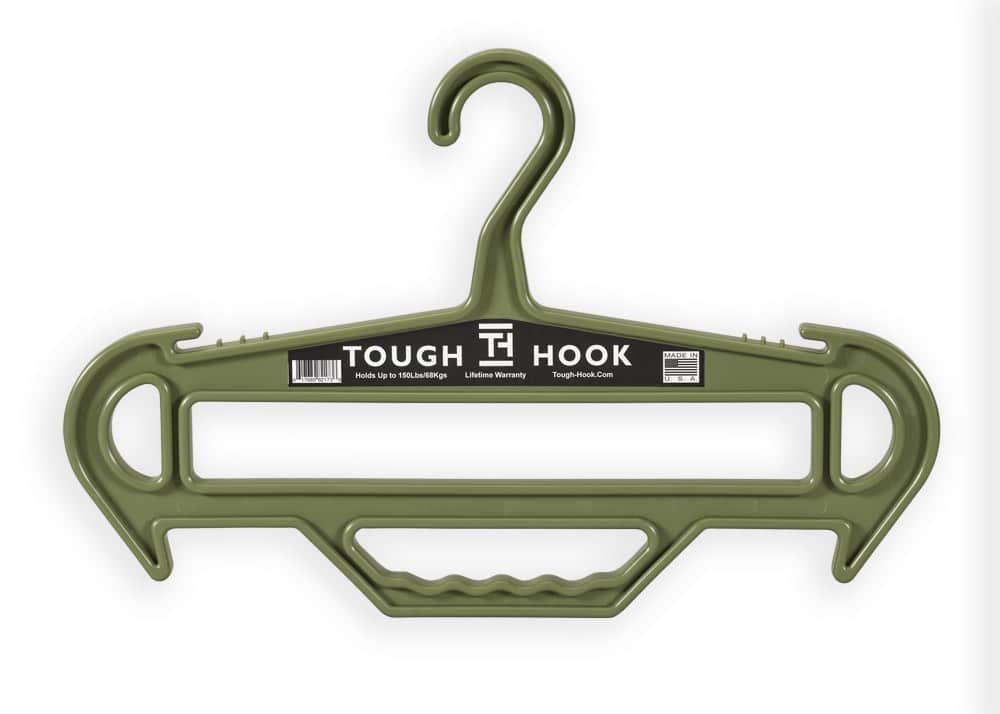
Heavy-Duty Hangers: For jerseys, uniforms, and even some protective gear with straps, utilizing heavy-duty hangers makes a real difference. Standard plastic or wire hangers simply can’t withstand the weight and bulk of athletic uniforms, leading to sagging, stretching, and damage. This is where a company like Tough Hook shines. Their heavy-duty hangers are designed to handle demanding athletic gear, ensuring uniforms maintain their shape and last longer. Imagine football pads or hockey jerseys neatly hung, allowing for proper drying and easy identification, rather than piled in a heap.
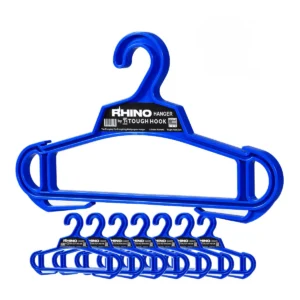
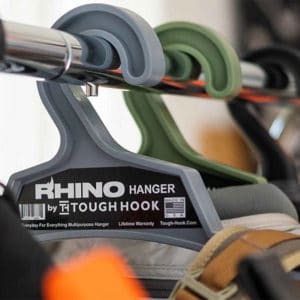

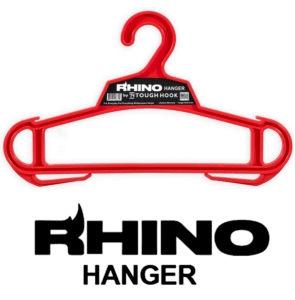
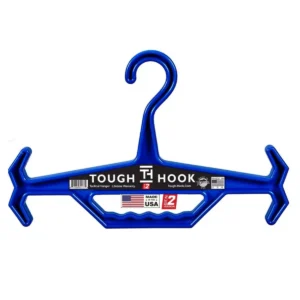

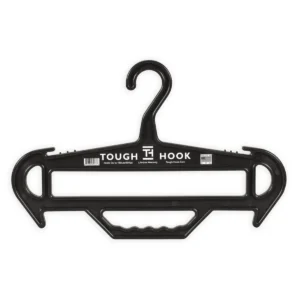
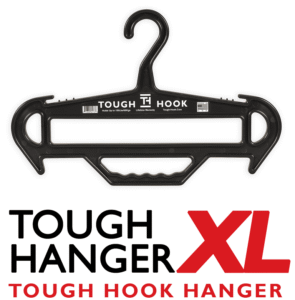

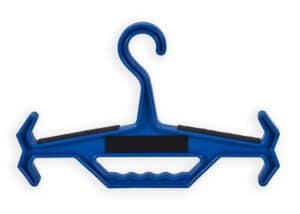

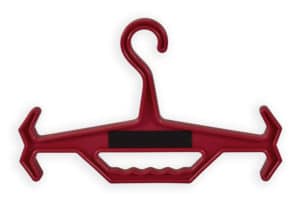



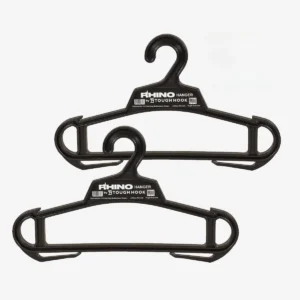
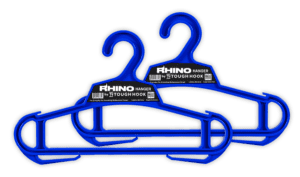
2 Pack RHINO Heavy Duty Clothes Hanger Bundle
Original price was: $27.95.$23.95Current price is: $23.95.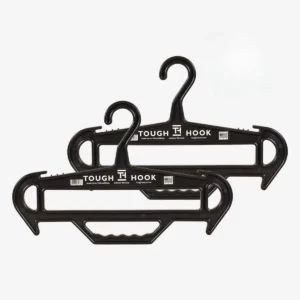
Beyond the Locker Room: Transporting and Storing Sideline Essentials
The journey of gear doesn’t end at the locker room door. For practices and games, equipment needs to be transported to fields, courts, and tracks and then efficiently stored on the sidelines.
Strategies for sideline gear management:
-
Rolling Carts and Bins: For balls, cones, and smaller training aids, rolling carts or large, wheeled bins are invaluable. They allow for quick transport and easy access during drills.
-
Specialized Bags: Coaches often use large, durable bags for specific equipment sets, such as first-aid supplies, coaching aids, or individual player kits. These bags should be water-resistant and clearly labeled.
-
Pop-Up Tents/Shelters: For outdoor sports, a designated area with a pop-up tent can provide shelter for equipment from the elements, protecting it from sun, rain, or dust. This also creates a centralized “command center” for coaches.
-
Portable Racks and Hangers: During games, especially for sports with multiple uniform changes or quick substitutions, portable garment racks equipped with heavy-duty hangers are incredibly useful. Imagine a basketball team having their warm-up jerseys and game jerseys neatly hung and easily accessible for pre-game and half-time changes. Again, Tough Hook hangers prove their worth here, ensuring uniforms are ready to go, not crumpled on a bench.
-
Designated “Drop Zones”: Establishing clear areas on the sidelines for used equipment (e.g., water bottles, towels, practice pinnies) prevents clutter and makes post-practice cleanup more efficient. For more entryway and equipment organization ideas, see our guide to managing coats, bags, and sports gear without the mess.
Maximizing Equipment Lifespan: The Unsung Hero of Storage
Proper storage is directly linked to the longevity of athletic equipment, which in turn impacts the athletic department’s budget.
How storage extends equipment life:
-
Reduced Wear and Tear: When equipment is neatly stored, rather than piled or thrown, it experiences less abrasion, crushing, and deformation. Helmets maintain their structural integrity, pads don’t get compressed, and uniforms avoid unnecessary creasing or tearing.
-
Protection from Elements: Storing equipment in dry, climate-controlled environments prevents damage from moisture, extreme temperatures, and UV exposure. This is particularly crucial for leather goods, composite materials, and electronic training aids.
-
Prevention of Mildew and Odor: As mentioned, proper ventilation and drying are critical. When uniforms and protective gear are hung to air dry on durable hangers, such as those offered by Tough Hook, rather than being stuffed into bags, they dry more effectively, preventing the growth of odor-causing bacteria and mildew that can degrade fabric and padding.
-
Organized Inventory: A well-organized storage system facilitates regular inventory checks. This allows for timely repairs or replacements of damaged equipment before it compromises athlete safety or performance.
Safety First: How Storage Contributes to Athlete Well-being
While the most direct link to athlete safety is the quality and maintenance of the equipment itself, proper storage plays a significant, albeit often overlooked, role.
Storage’s impact on safety:
-
Maintaining Equipment Integrity: When gear is stored correctly, it’s less likely to be damaged, ensuring it provides the intended level of protection. A helmet that’s been crushed due to poor storage may not offer adequate impact absorption.
-
Easy Access to Emergency Equipment: Clearly marked and easily accessible storage for first-aid kits, AEDs, and emergency stretchers is non-negotiable. Every second counts in an emergency.
-
Reduced Tripping Hazards: A well-organized storage area, free of scattered equipment, minimizes tripping hazards for athletes, coaches, and staff.
-
Hygiene and Health: Preventing mildew and bacterial growth through proper ventilation and drying, aided by the use of appropriate hangers for uniforms and protective gear, contributes to a healthier environment for athletes, reducing the risk of skin infections and respiratory issues.
The Efficiency Factor: Time Saved, Focus Gained
In the fast-paced world of school athletics, time is a precious commodity. Efficient gear storage saves valuable minutes that can be redirected to coaching, training, or athlete development.
Efficiency gains from optimized storage:
-
Faster Equipment Distribution and Collection: When everything has its place and is clearly labeled, coaches and equipment managers can quickly find and distribute the necessary gear for practices and games. Similarly, collection and return become more streamlined.
-
Reduced Lost or Misplaced Items: An organized system significantly decreases the likelihood of equipment going missing, eliminating the time-consuming process of searching for misplaced items.
-
Simplified Inventory Management: Regular, systematic inventory checks are easier to perform when gear is organized, allowing for more accurate tracking of assets and budgeting for replacements.
-
Less Coaching Time Spent on Logistics: When gear management is efficient, coaches can devote more of their energy and focus to their athletes’ performance and development, rather than getting bogged down in logistical headaches.
The Role of Heavy-Duty Hangers: An Essential Detail
It’s easy to overlook something as seemingly simple as a hanger, but for athletic departments, the choice of hanger can have a significant impact. Standard hangers are simply not built to withstand the weight and bulk of athletic uniforms, especially when wet from sweat or rain. This leads to broken hangers, uniforms falling to the floor, and ultimately, damaged or wrinkled gear.
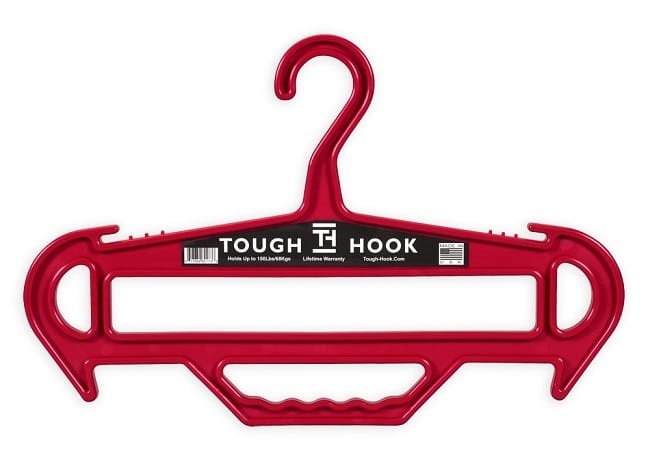
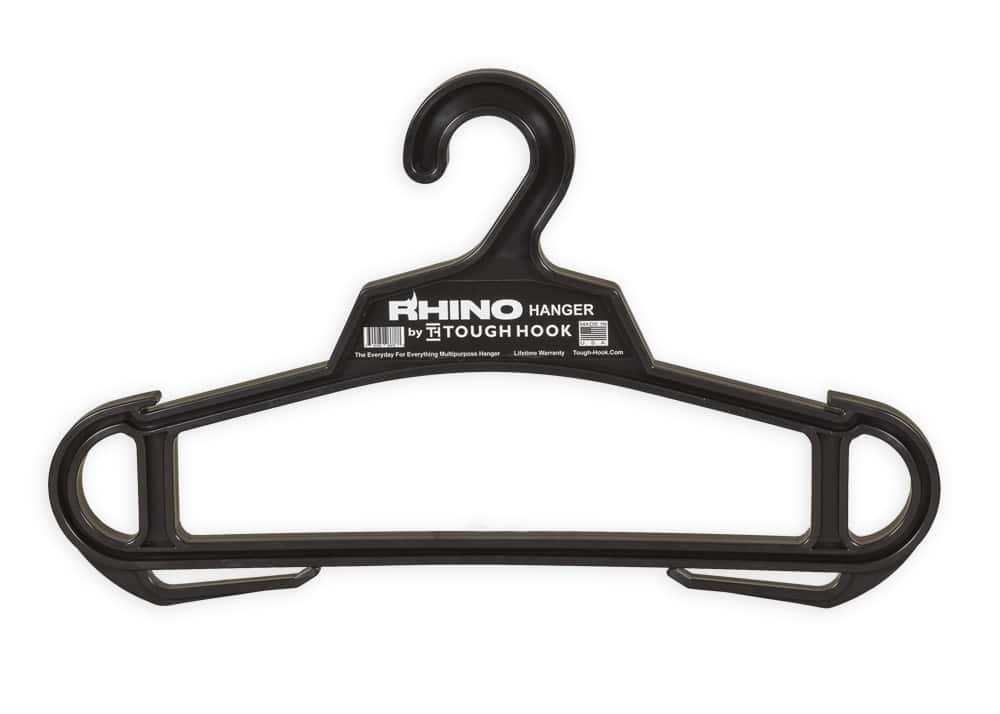
Tough Hook specializes in dependable, heavy-duty hangers designed specifically for demanding applications. Their hangers are engineered to hold heavy tactical gear, protective equipment, and, crucially, athletic uniforms without bending, breaking, or deforming. Investing in Tough Hook hangers for locker rooms and sideline use means:
-
Uniform Preservation: Jerseys, shorts, and other uniform components will maintain their shape and integrity, extending their lifespan and presenting a professional appearance.
-
Improved Drying: When uniforms are hung properly, air circulates more freely, promoting faster and more complete drying, which in turn prevents odor and mildew.
-
Enhanced Organization: Sturdy hangers allow for neat, consistent hanging of uniforms, making it easier to identify and retrieve specific items.
-
Durability and Longevity: Unlike flimsy alternatives, Tough Hook hangers are built to last, providing a long-term solution for athletic gear storage.
For more on keeping individual athletes ready between sessions, see our guide to the athlete’s storage system.
Uniform Storage Systems: Cabinets, Shelving, and Off-Season Rotation
Hangers solve half of the uniform storage question. The other half is the system that holds those hangers alongside folded practice gear, off-season sets, and accessories that never touch a hook. A complete uniform storage system usually combines a few storage types rather than leaning on just one.
The main pieces of a uniform storage system:
- Open Shelving and Cubbies: Best for folded jerseys, socks, and small accessories sorted by size or player number, giving coaches a quick visual scan without opening a single door.
- Lockable Cabinets: Reserved for higher-value or theft-prone items such as game-day jerseys and protective padding, keeping storage capacity high while limiting access to coaching staff.
- Garment Racks and Casework: Modular units built to hold uniforms on durable garment hangers pack more into a given footprint than a standard closet rod, and most can be reconfigured as roster sizes change from season to season.
- Drawer Units: Suited to folded items like compression gear and undergarments that gain nothing from hanging.
Off-season storage deserves its own plan rather than an afterthought. Uniforms that will not be worn again until the next season should go into breathable containers rather than sealed plastic bins, which trap residual moisture and invite mildew even when the gear went in clean. Labeling each container by team, size run, and season keeps a jersey storage system searchable months later, not just tidy for the week it was packed away.
Centralized Gear Management for the Whole Athletic Department
Individual coaches can organize their own equipment room, but school sports equipment storage tends to break down at the department level, where a dozen teams share the same building, budget, and storage space. Centralized gear management means the whole athletic department works from one system instead of each program improvising its own.
What centralized gear management looks like in practice:
- Standardized Zones: Every sport gets a clearly labeled section of the storage room, so a substitute coach or new equipment manager can find gear without a walkthrough.
- Shared vs. Sport-Specific Supplies: Baseline items like first-aid kits, cones, and cleaning supplies get stocked centrally, while sport-specific gear stays with its team.
- A Simple Tracking System: A shared spreadsheet or checklist that logs what each team has on hand catches shortages before they become a pre-game scramble. Larger departments sometimes add barcode or RFID tags to high-value items for faster counts.
- One Point of Accountability: Naming an equipment manager or athletic director to run a periodic walkthrough of every storage area keeps the standard from slipping once the season gets busy.
None of this replaces the storage furniture itself. It just makes sure the cabinets, shelving, and hangers already in place get used the same way across every team in the building.
Storing Basketball and Other Team Sport Equipment
Basketball programs face a storage problem that locker rooms alone do not solve: balls. A rack or wheeled cart built to hold a full set of game and practice balls keeps them off the floor, prevents flat spots from balls sitting under weight, and speeds up the walk from storage room to court.
A well-organized basketball equipment setup typically includes:
- Ball Storage Racks or Carts: Mobile racks that roll from the storage room to the gym floor and back cut setup time before practice and games.
- Warm-Up and Travel Jersey Hangers: Teams that change between warm-ups and game jerseys benefit from the same portable hanger setup used on the sideline, keeping both sets wrinkle-free and easy to grab at halftime.
- Bins for Practice Pinnies and Loose Gear: Scrimmage vests, resistance bands, and cones stay findable in labeled bins rather than a pile in the corner of the gym.
- Secure Storage for Valuables: Phones, wallets, and warm-up jackets need a lockable spot during games, separate from general team gear.
The same structure applies to volleyball, soccer, and other indoor and outdoor team sports that share a facility. The equipment changes from sport to sport, but the underlying setup stays the same: racks for bulky shared items, hangers for uniforms, and bins for loose accessories.
Packing and Organizing Personal Gear Bags
Team storage rooms cover shared equipment, but athletes still need a bag that keeps their own gear organized between the locker room, the field, and home. The right bag features matter as much as the storage room itself.
Features that keep individual gear bags organized:
- Separate Ventilated Compartments: Cleats, pads, and worn gear need airflow away from clean clothing and personal items. A dedicated shoe pocket or vented compartment keeps odor and moisture contained.
- Durable Nylon Construction: Nylon resists tearing under the weight of pads and helmets and holds up to repeated washing better than lighter fabrics, which matters for gear that gets packed and unpacked daily through a full season.
- Labeled Pockets for Small Items: Mouthguards, tape, and other small pieces stay put in a zippered pocket instead of settling to the bottom of the bag.
- Sport-Specific Packing Order: A softball catcher’s gear bag needs room for a chest protector and shin guards; a football player’s bag needs to fit shoulder pads and a helmet without crushing either one. Packing the largest, most rigid pieces first and layering soft items around them protects both the gear and the bag.
A gear bag that stays organized on its own makes the return trip to the team storage room faster too, since equipment goes back into its assigned cabinet or shelf already sorted rather than needing to be untangled first.
A Strategic Investment in Athletic Success
From the bustling locker room to the dynamic sidelines, effective gear storage is a fundamental, yet often underestimated, component of a successful school athletic program. It’s an investment that pays dividends in equipment longevity, athlete safety, operational efficiency, and ultimately, the overall success and morale of the team. By implementing thoughtful storage solutions, utilizing durable products like heavy-duty hangers from Tough Hook, and fostering a culture of organization, schools can ensure their athletes have the best possible support, allowing them to focus on what truly matters: performing at their peak and achieving their athletic aspirations.
Frequently Asked Questions
How does gear storage affect athletic uniform lifespan?
Neatly stored equipment experiences less abrasion, crushing, and deformation. Hanging uniforms to air dry on durable hangers rather than stuffing them into bags also prevents the odor-causing bacteria and mildew that degrade fabric and padding over time.
What’s the best way to organize a school athletics locker room?
Combine individual lockers for personal items, dedicated team gear cages for shared equipment like helmets and pads, proper ventilation to prevent mildew, labeled bins sorted by sport or size, and heavy-duty hangers for jerseys and uniforms that standard hangers can’t support.
Why do heavy-duty hangers matter for athletic uniforms?
Standard plastic or wire hangers can’t handle the weight and bulk of athletic uniforms, especially when wet, leading to broken hangers and damaged gear. Heavy-duty hangers hold uniforms without bending or deforming, which preserves their shape and extends their lifespan.
How does equipment storage impact athlete safety?
Correctly stored gear is less likely to be damaged, so it keeps its intended level of protection. Organized storage also reduces tripping hazards and keeps emergency equipment like first-aid kits and AEDs clearly marked and easy to reach.
What should be part of a sideline equipment setup?
Rolling carts or bins for balls and training aids, water-resistant labeled bags for specific gear sets, a pop-up tent for weather protection, portable racks with heavy-duty hangers for uniform changes, and a designated drop zone for used items like water bottles and towels.
How can better gear organization save coaches time?
When equipment has a clear place and is labeled, distribution and collection happen faster, fewer items go missing, inventory checks are simpler, and coaches spend less time on logistics and more time on training and athlete development.
What should a complete uniform storage system include?
A complete uniform storage system typically combines open shelving or cubbies for folded items, lockable cabinets for valuable gear, garment racks or casework for hanging uniforms, and drawer units for compression gear and undergarments, along with a separate off-season rotation plan using breathable, labeled containers.
How should coaches organize basketball team equipment?
Basketball teams benefit from a rolling ball rack or cart, portable hangers for warm-up and game jerseys, labeled bins for practice pinnies and loose gear, and a lockable spot for valuables during games.