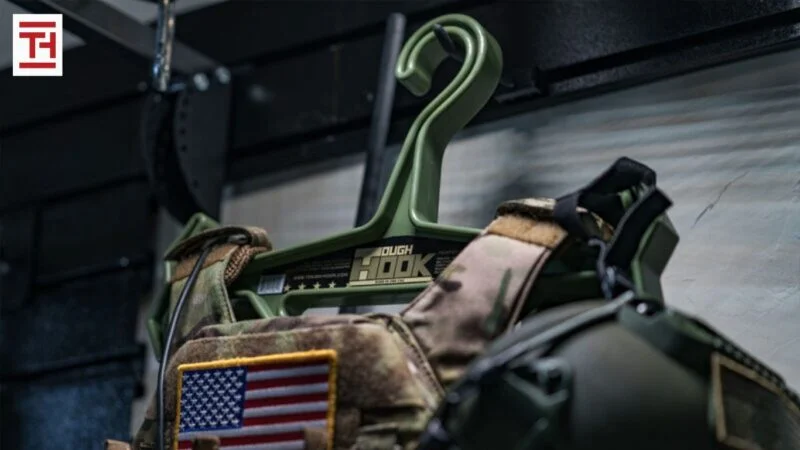
Transitioning from active service, rigorous fieldwork, or demanding outdoor operations back to standard living quarters introduces a unique set of logistical challenges. When gear moves from the organized chaos of a vehicle bay, tactical truck, or service van into a residential space, the risk of clutter, equipment degradation, and misplacement multiplies significantly. Proper gear management is not just about keeping a room tidy; it is a critical practice that extends the lifespan of expensive equipment, maintains personal readiness, and creates a mental boundary between high-stress environments and home. Developing a systematic approach to storing heavy-duty equipment indoors ensures that everything from protective gear to specialized tools remains functional, dry, and ready for deployment at a moment’s notice.
The Challenges of Indoor Gear Storage
Moving professional equipment from a designated utility vehicle into domestic quarters presents immediate spatial and environmental hurdles. Vehicle bays are engineered with specific racks, tie-downs, and robust ventilation designed to handle heavy, damp, or rugged items. Living quarters, conversely, offer limited storage capacity, standard room temperatures, and sensitive flooring or drywall that can easily be damaged by heavy metals, mud, or grease. Neglecting proper transition protocols often leads to foul odors from trapped moisture, rusted hardware, and structural sagging in standard household closets that were never built to support heavy tactical vests, wet rain gear, or bulky utility belts. Recognizing these constraints is the first step toward building an efficient, space-saving indoor storage system.
-
Assessment of available space: Evaluate closets, spare corners, or utility rooms to determine where heavy items can be safely anchored without compromising living comfort.
-
Moisture and odor control: Identify zones with adequate airflow to prevent mildew growth on damp fabric, leather, and synthetic materials.
-
Weight distribution awareness: Understand that standard plastic or thin wire hangers will buckle under the load of professional gear, requiring specialized structural support.
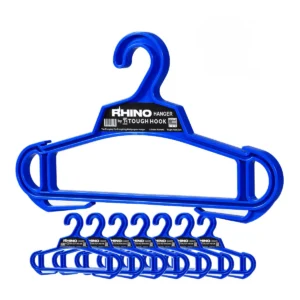


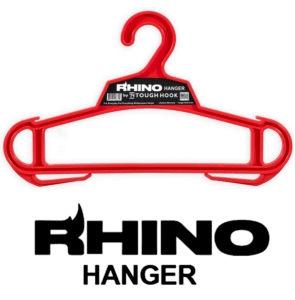
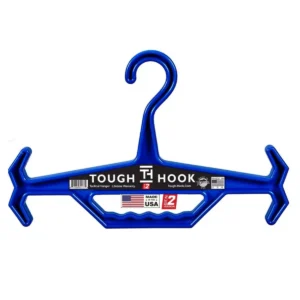

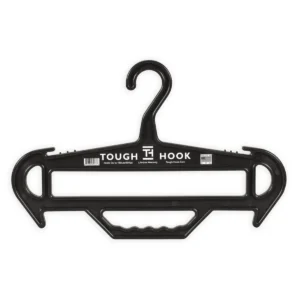
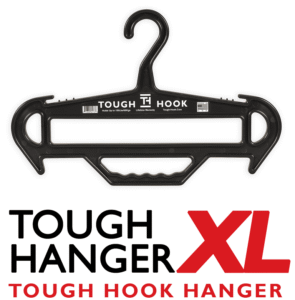
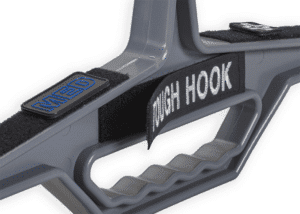
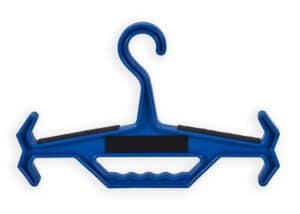
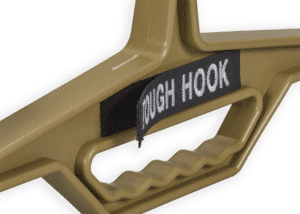
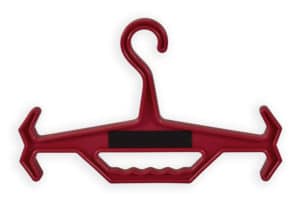

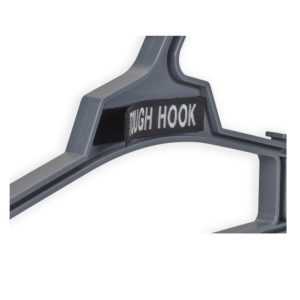
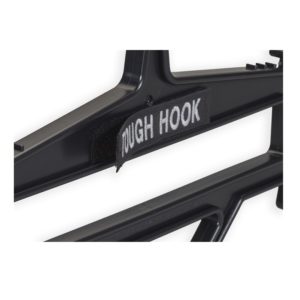


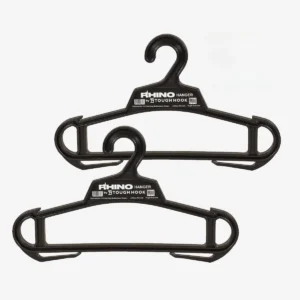
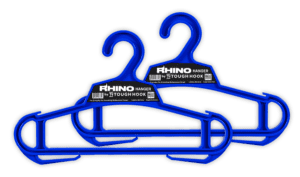
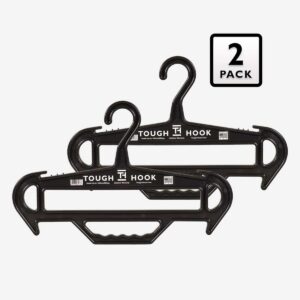
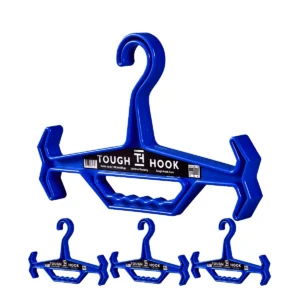
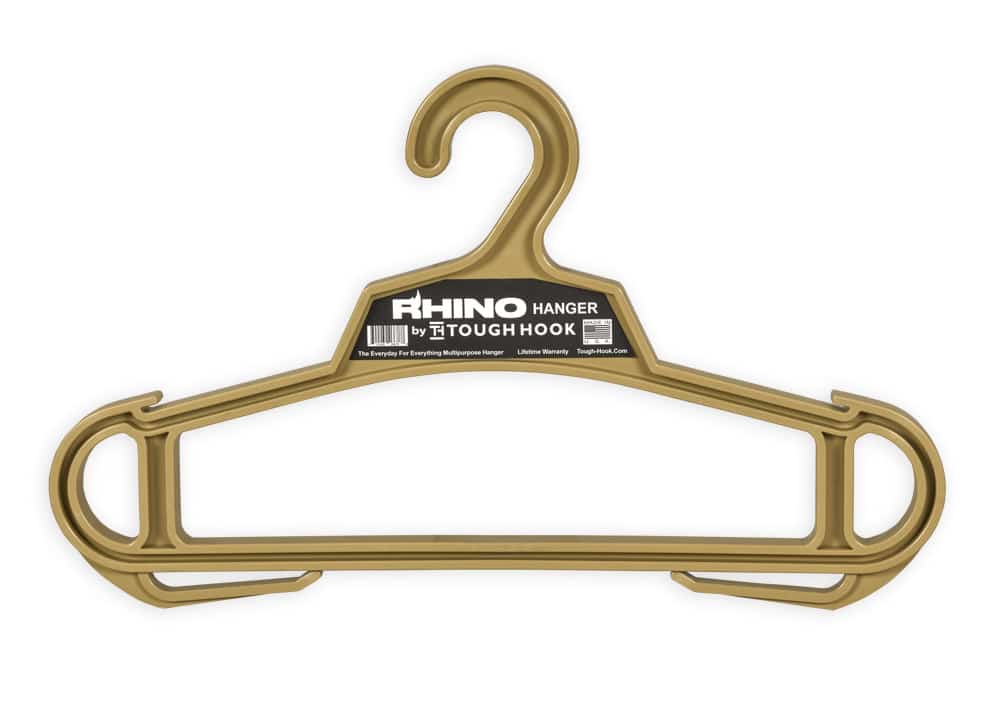
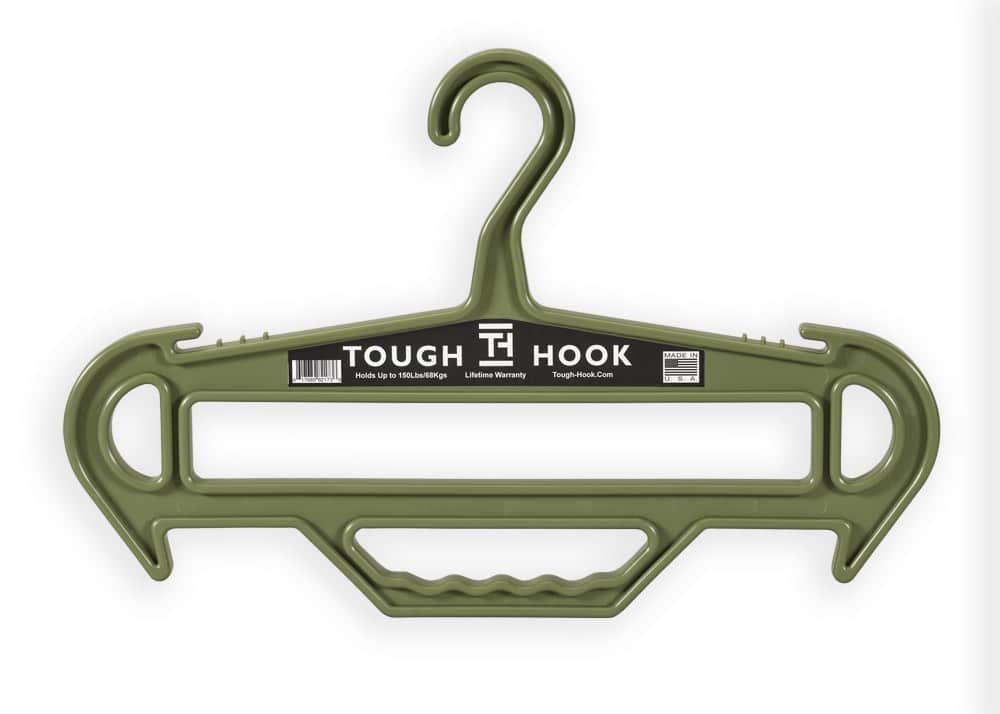
2 Pack RHINO Heavy Duty Clothes Hanger Bundle
Original price was: $27.95.$23.95Current price is: $23.95.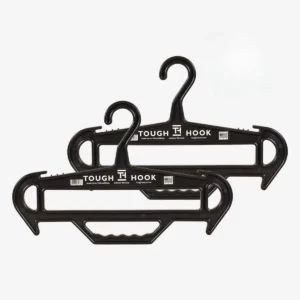
Upgrading Your Infrastructure with Heavy-Duty Hangers
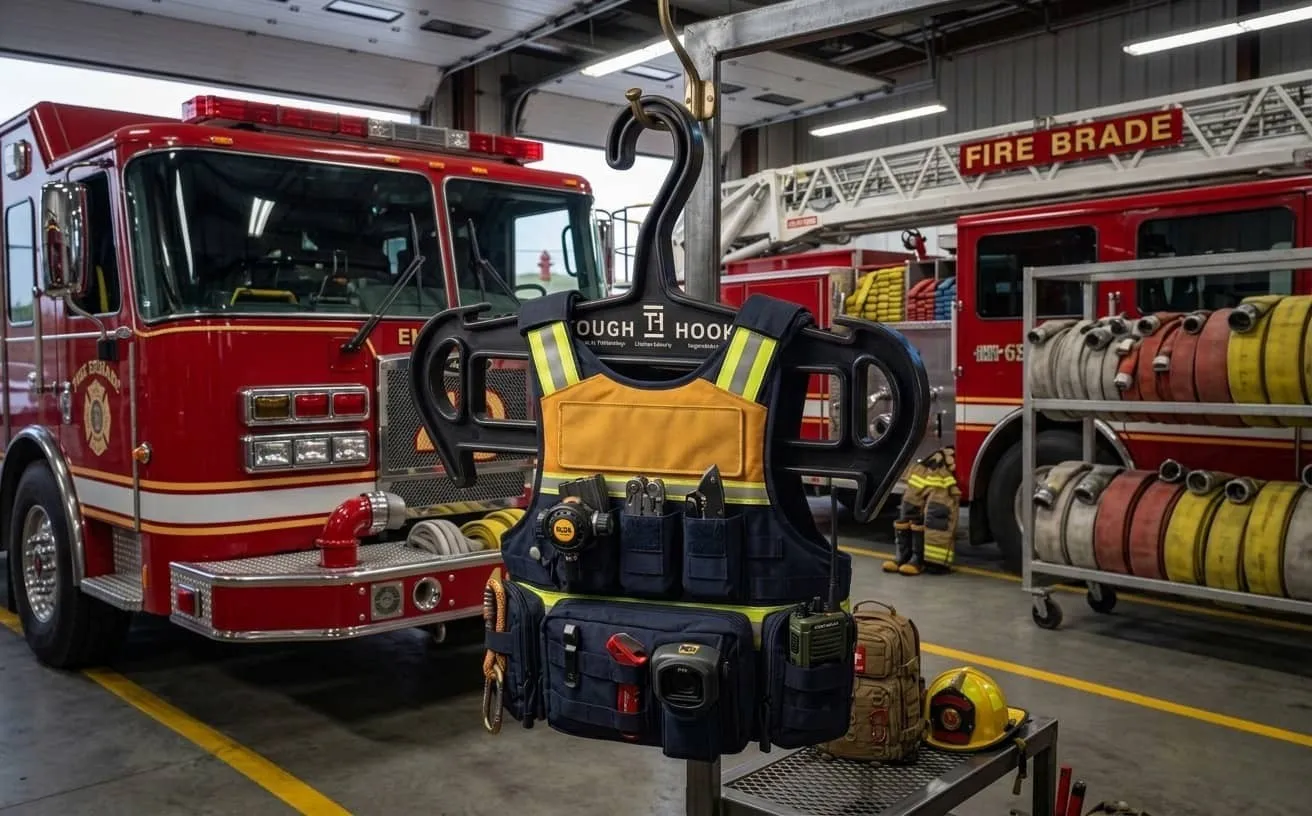
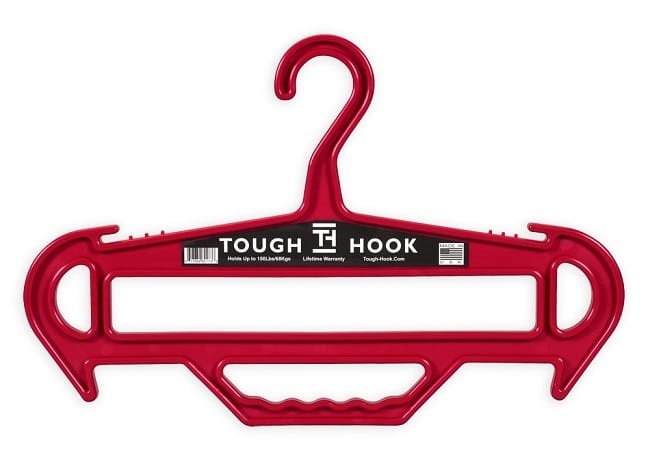
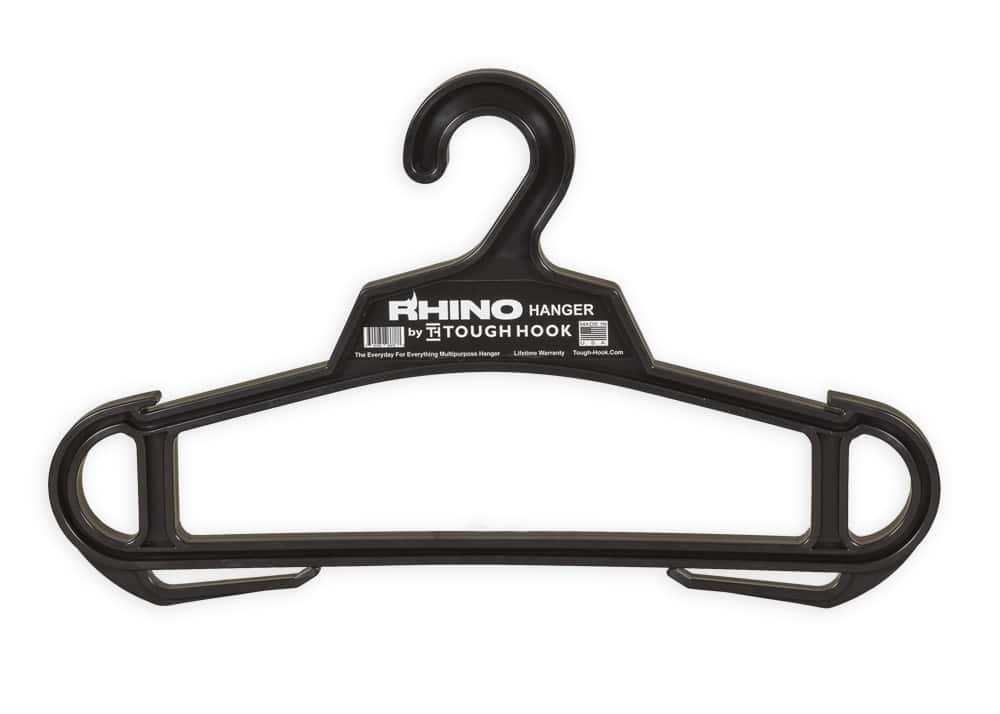
The foundation of any effective equipment management system lies in how items are hung and supported when not in use. Traditional closet solutions fail rapidly when subjected to the weight of fully loaded tactical carriers, scuba gear, heavy duty coats, or specialized work uniforms. When gear is improperly hung, shoulder seams stretch out, straps fray, and the weight distribution causes hangers to snap, dropping valuable equipment onto the floor where it can accumulate dust and damage. Investing in commercial-grade equipment hangers transforms a cramped apartment or spare room into an organized staging area. Integrating products from Tough Hook, a clothing and equipment heavy-duty hangers company, provides the structural integrity needed to support massive loads, ensuring that heavy vests, wet suits, and thick outerwear retain their shape and dry evenly.
-
Load-bearing capacity: Select hangers engineered to support weights far exceeding standard clothing, preventing structural failure during long-term storage.
-
Versatility in design: Utilize multi-purpose hanging solutions that simultaneously accommodate jackets, pants, helmets, and accessory pouches on a single unit.
-
Material durability: Choose impact-resistant polymers and reinforced plastics that resist cracking, bending, or chemical degradation when exposed to oils and residues.
Establishing a Decontamination and Pre-Storage Routine
Before any piece of equipment crosses the threshold from a transport vehicle to a living quarter, a strict decontamination and sorting routine must take place. Vehicle bays naturally accumulate dust, chemical residues, salt spray, and organic debris that should not be tracked into domestic living spaces. Establishing a transition zone near the entryway or garage allows for immediate inspection, cleaning, and airing out of gear before it is brought to its final indoor storage location. This proactive habit prevents unpleasant odors from permeating furniture and carpets while giving the owner an opportunity to check for tears, loose stitching, or mechanical wear that requires immediate repair.
-
Initial inspection phase: Check all zippers, buckles, and velcro closures for trapped dirt or salt buildup that could cause premature jamming.
-
Cleaning protocols: Wipe down hard surfaces with appropriate disinfectants and allow wet fabric to air-dry completely in a well-ventilated area before closet placement.
-
Categorization strategy: Separate items into daily-use gear, seasonal equipment, and long-term storage reserves to optimize indoor accessibility.
Creating Dedicated Zones for Rapid Deployment
Efficiency in gear management is defined by how quickly an individual can locate, retrieve, and don their equipment during an unexpected callout or early morning departure. Stacking items haphazardly in a pile or burying them at the back of a deep closet wastes precious minutes and creates unnecessary frustration. By dividing the available living space into functional zones, every item finds a predictable home. A primary staging area near the exit door should house high-frequency gear, while secondary storage can accommodate backup supplies and maintenance kits. This compartmentalized approach mirrors the organized layout of a well-run vehicle bay, bringing operational discipline directly into the home environment.
-
Primary staging zone: Dedicate a specific wall-mounted rack or reinforced hanging rail near the main entrance for immediate grab-and-go gear.
-
Maintenance corner: Set up a small, well-lit surface for minor repairs, cleaning supplies, and routine equipment checks.
-
Seasonal rotation: Move out-of-season gear to higher shelves or enclosed bins to keep daily pathways clear and clutter-free.
Maintaining Long-Term Equipment Readiness Indoors
Properly storing personal equipment is an ongoing maintenance cycle rather than a one-time setup task. Indoor environments present unique hazards, such as lack of direct airflow in closed closets and fluctuating humidity levels that can degrade sensitive electronics or corrode metal components. Regularly auditing stored gear ensures that hidden moisture does not ruin expensive fabrics and that batteries in electronic attachments are tested or removed. By treating indoor living quarters with the same organizational rigor applied to a service vehicle, equipment owners protect their financial investment and guarantee absolute reliability when it is time to deploy again.
-
Routine ventilation checks: Open closet doors periodically and utilize small fans to circulate air through dense collections of stored outerwear.
-
Hardware lubrication: Apply light protectants to metal buckles, snaps, and zippers to prevent stiffness and corrosion during extended storage periods.
-
Periodic inventory audits: Review all stored items every few months to discard obsolete gear, update repair kits, and confirm nothing has been misplaced.
Efficiently managing personal equipment during the transition from a vehicle bay to living quarters requires intentional organization, durable hardware, and disciplined maintenance habits. By implementing structured storage zones and upgrading to robust support systems with Tough Hook hangers, individuals can protect their valuable gear from premature wear and environmental damage. Maintaining this high standard of readiness ensures that equipment remains clean, accessible, and completely operational whenever the next mission or outdoor venture begins.