Building a dedicated hiking and backpacking closet is a game changer for any outdoor enthusiast who wants to spend less time searching for gear and more time on the trail. When you keep your equipment organized, you protect your investment, extend the functional lifespan of technical fabrics, and streamline your trip preparation. Organizing base layers, weather shells, and heavy backpacks requires a strategic approach that takes material science and storage logistics into account. Whether you are preparing for a weekend trip in the mountains or a thru-hike, an optimized gear closet ensures your next adventure starts off on the right foot.
Understanding the Anatomy of Your Hiking Gear Closet
An efficient outdoor gear closet functions much like an expedition kit where everything has a specific home. Grouping your gear into logical categories prevents items from getting lost, damaged, or forgotten at the bottom of a bin. The core of any good setup revolves around a three-tier system consisting of base layers, mid layers, outer shells, and heavy-duty load-bearing items like backpacks. Establishing a designated zone for each category simplifies maintenance, washing routines, and seasonal rotations.

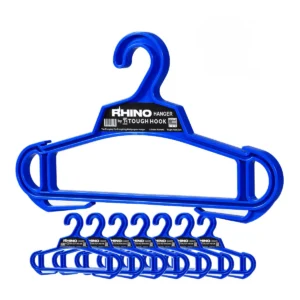
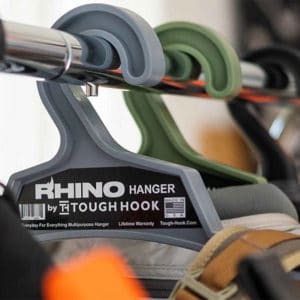

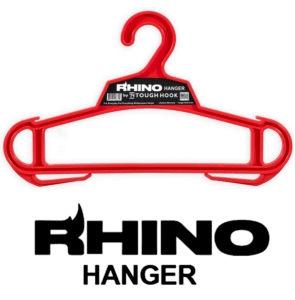
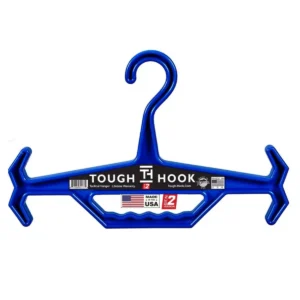

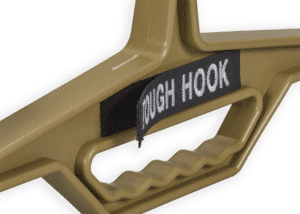
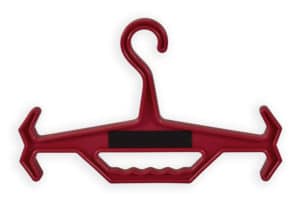
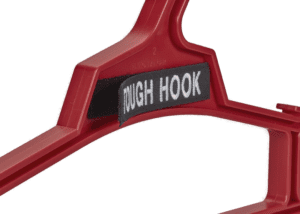
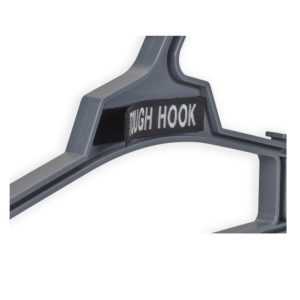
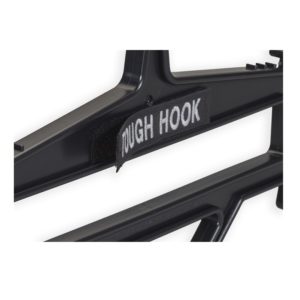


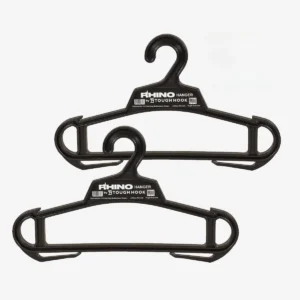
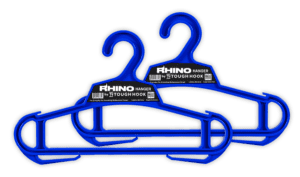
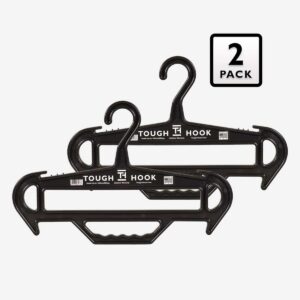
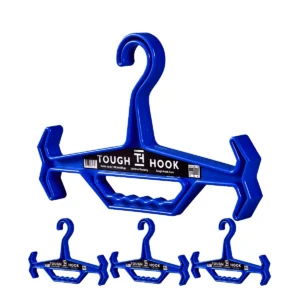
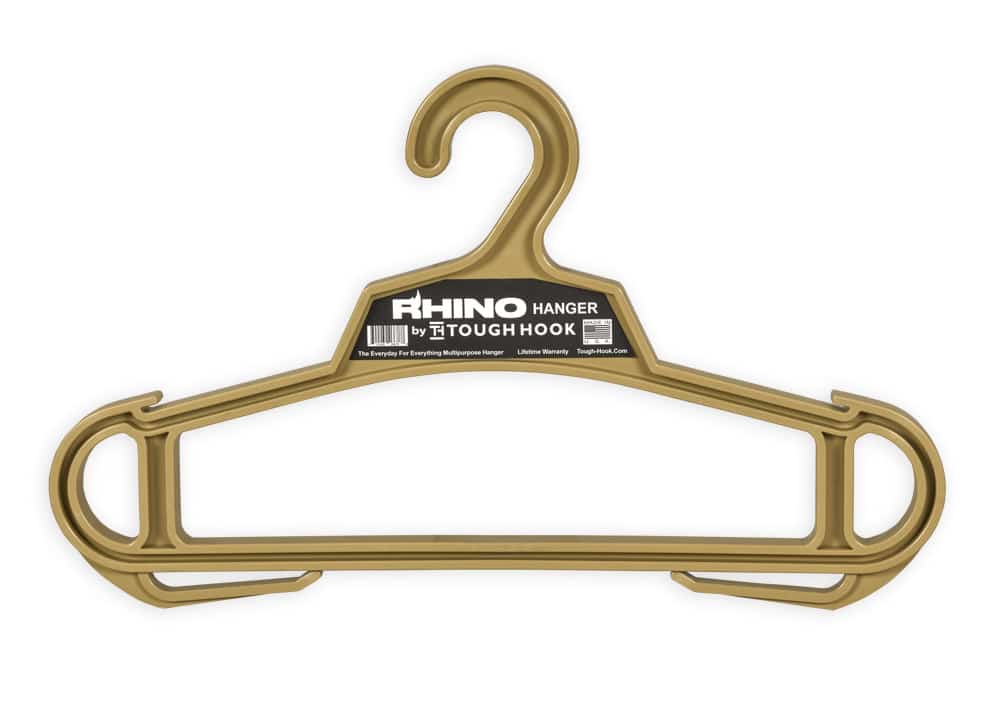
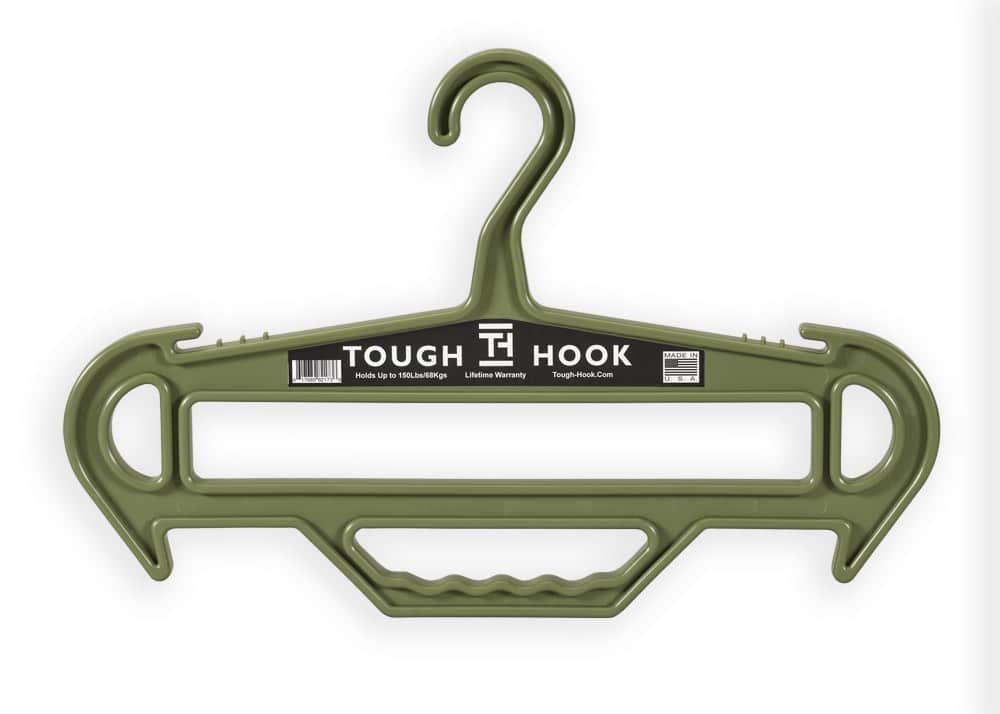
2 Pack RHINO Heavy Duty Clothes Hanger Bundle
Original price was: $27.95.$23.95Current price is: $23.95.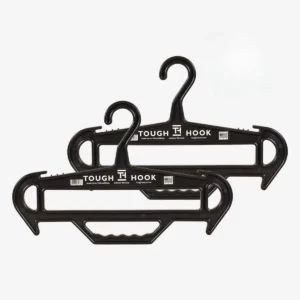
Sorting and Storing Technical Base Layers
Base layers sit directly against your skin and manage moisture during strenuous climbs, making proper care essential for odor control and performance. Merino wool and synthetic textiles require different handling to maintain their elasticity and moisture-wicking properties. Storing these delicate garments properly prevents fabric degradation and moth damage over time.
-
Folding versus hanging: Store lightweight merino wool base layers folded neatly in drawers rather than hanging them, as synthetic and wool knits can stretch out of shape on standard wire hangers over prolonged periods.
-
Clean before storing: Always launder your base layers according to manufacturer guidelines before putting them away for the off-season, since residual body oils and salts attract pests and break down delicate technical fibers.
-
Drawer organization: Use small dividers or bins within your closet drawers to separate long-sleeve tops, short-sleeve shirts, and bottoms so you can grab a complete kit instantly.
Managing Weather Shells and Mid Layers
Outer shells and insulating mid layers are your primary defense against wind, rain, and freezing temperatures in the backcountry. Gore-Tex jackets, down puffers, and fleece pullovers demand special attention because compromising their waterproof membranes or insulation loft can lead to dangerous situations in the wild. Proper airflow and spacious hanging solutions keep these technical garments breathable and ready for hiking action.
-
Hang to preserve loft: Keep your down and synthetic insulating jackets hanging loosely in a cool, dry closet rather than compressing them tightly into stuff sacks, which destroys the fill power and thermal efficiency over time.
-
Protect waterproof membranes: Ensure rain shells and hardshell jackets are completely clean and dry before hanging them up to prevent mildew growth and degradation of the DWR coating.
-
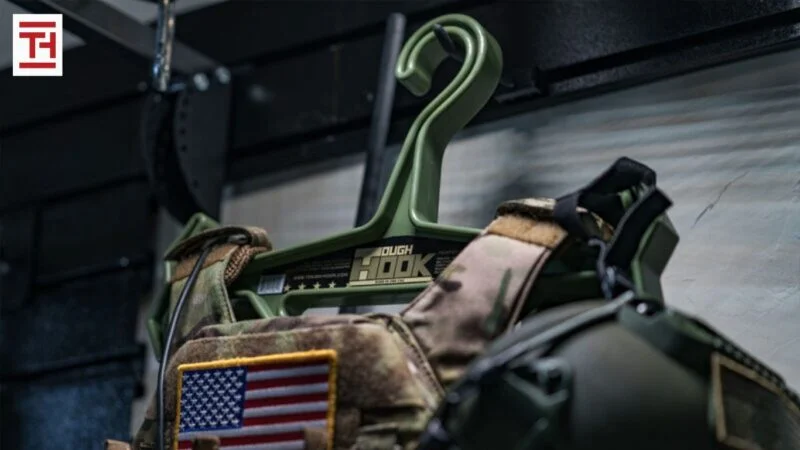
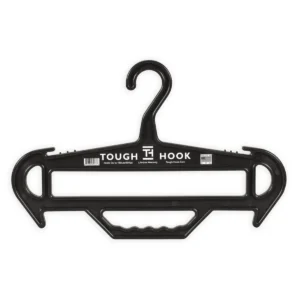
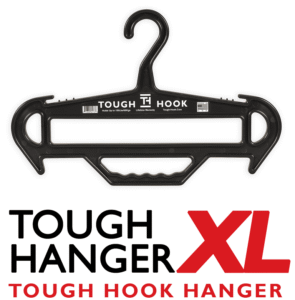
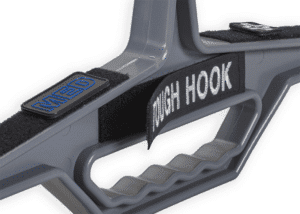
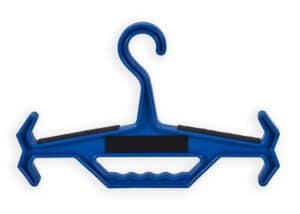
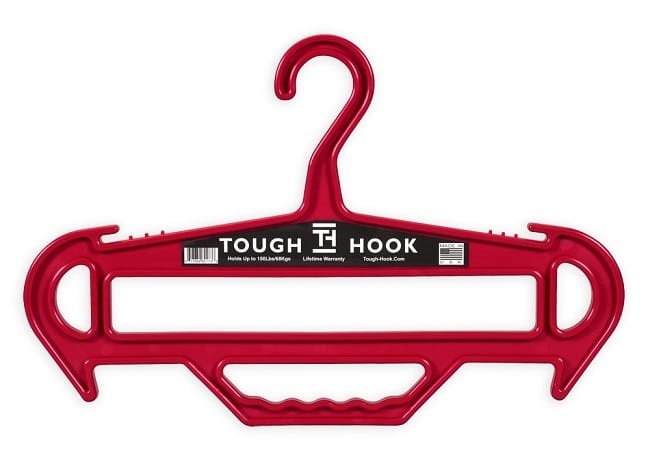
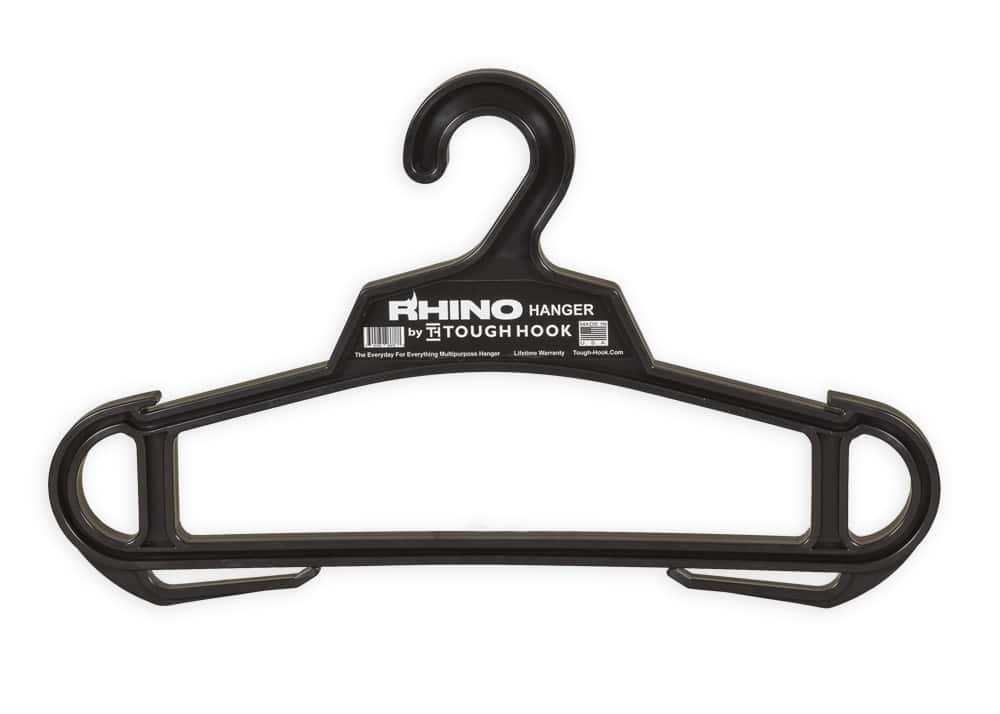
Utilize heavy-duty equipment hangers: Heavy winter coats, multi-layer parkas, and bulky outdoor gear can easily snap flimsy plastic hangers, which is why utilizing heavy-duty hangers from Tough Hook is essential for preventing shoulder dimpling and structural hanger failure in your gear closet.
Organizing Backpacks and Load-Bearing Equipment
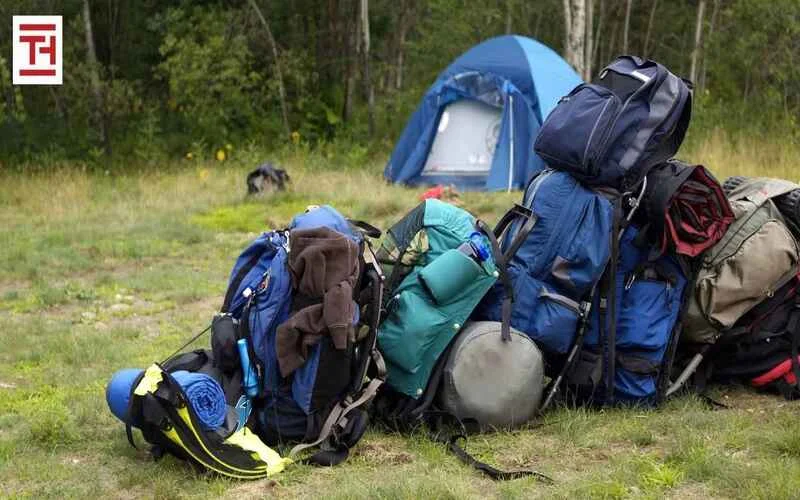
Backpacks, structural frame carriers, and heavy-duty trekking gear are among the most awkward items to store due to their straps, hip belts, and rigid frame sheets. Tossing heavy packs on the floor creates clutter and puts unnecessary strain on suspension systems and fabric seams. A proper storage strategy keeps your packs elevated, accessible, and free from mildew.
-
Floor clearance: Never leave your expensive packs resting directly on damp basement or garage floors where moisture and pests can ruin the Cordura fabric and zippers.
-
Leverage high-capacity hangers: Hang fully loaded or empty backpacks securely using ultra-durable storage solutions like the heavy-duty hangers provided by Tough Hook, which are engineered to bear extreme weight without bending or snapping.
-
Component pairing: Store hip belt pouches, rain covers, and modular accessory pockets attached to or tucked directly inside their respective backpacks to avoid misplacing vital gear components before a trip.
Maintaining Your Setup for the Long Haul
Maintaining your hiking closet requires regular seasonal checkups to inspect gear for wear and tear, test zipper functionality, and air out equipment that has been packed away through Tough Hook hangers. Rotating your gear ensures that mildew does not take hold during humid months and gives you a chance to repair minor punctures or re-waterproof shells. Treating your gear storage space with the same respect you give your backcountry equipment guarantees years of reliable service from every single piece of kit you own.