When organizing a wardrobe or storing heavy gear, most people give little thought to the humble clothing hanger. Standard wire and cheap plastic options are often treated as interchangeable commodities used simply to clear floor space. However, the physical architecture of a hanger plays a critical role in maintaining the structural integrity of your clothing and equipment. Utilizing the incorrect hanger can distort fabric, stretch necklines, and ruin expensive garments over time. Understanding why hanger shape matters is essential for anyone looking to protect their investment in clothing, outerwear, and specialized gear.
The Importance of Proper Shoulder Support
The shoulders of a garment bear the vast majority of its hanging weight. When a hanger features narrow arms or a sharp taper, it concentrates that entire load onto a tiny point inside the shoulder seam. This concentrated pressure inevitably leads to distorted fabric, permanent dimples, and stretched-out seams that ruin the natural drape of a jacket, shirt, or coat. Proper shoulder support requires a wide, contoured profile that mimics the natural slope of the human body. By distributing the weight evenly across a broader surface area, a well-designed hanger prevents structural fatigue and keeps garments looking sharp. This consideration becomes even more critical when dealing with heavy garments, damp fabrics, or multi-layered outerwear that can warp under improper tension.
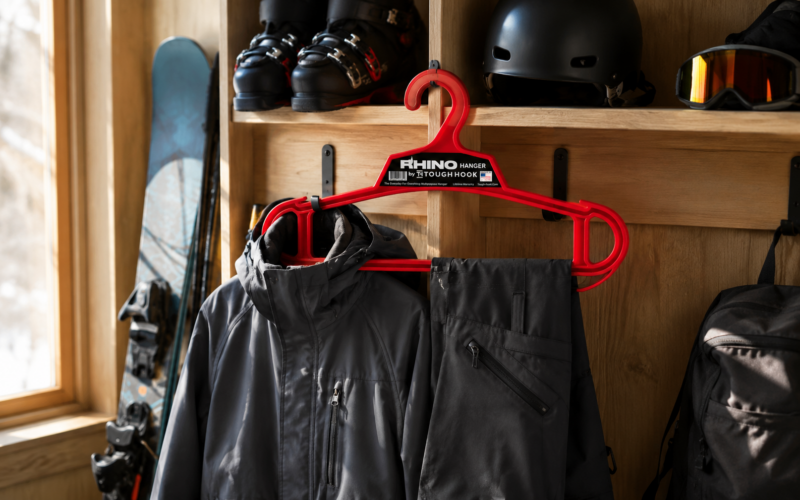
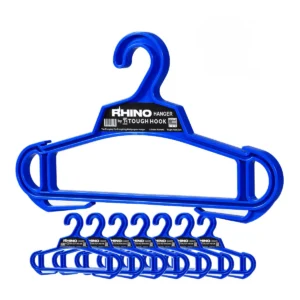
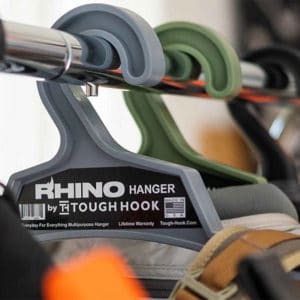

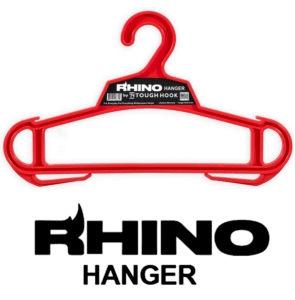
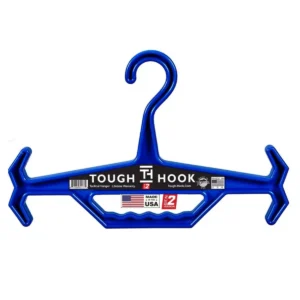
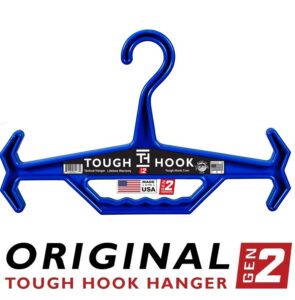
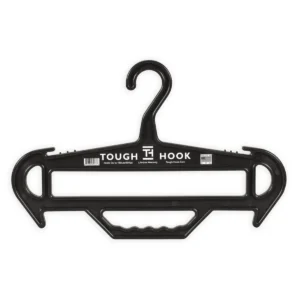
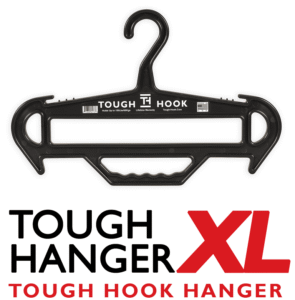
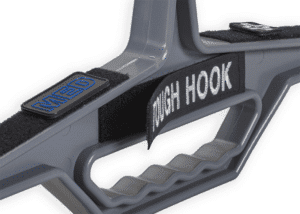
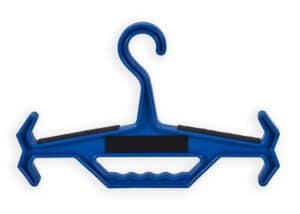
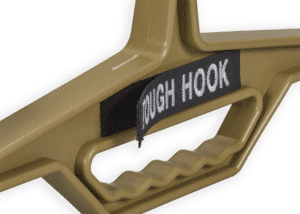
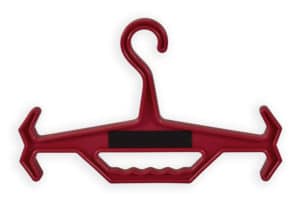
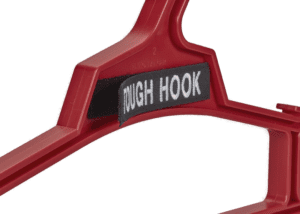
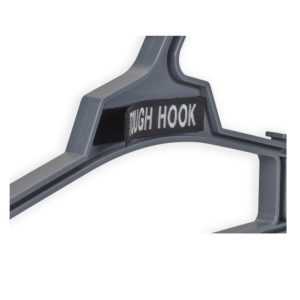
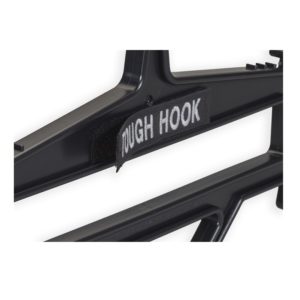


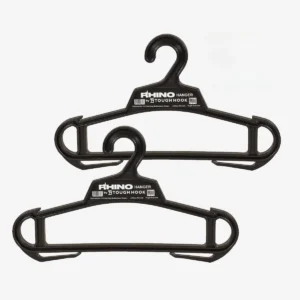
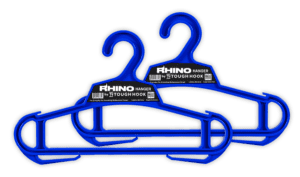
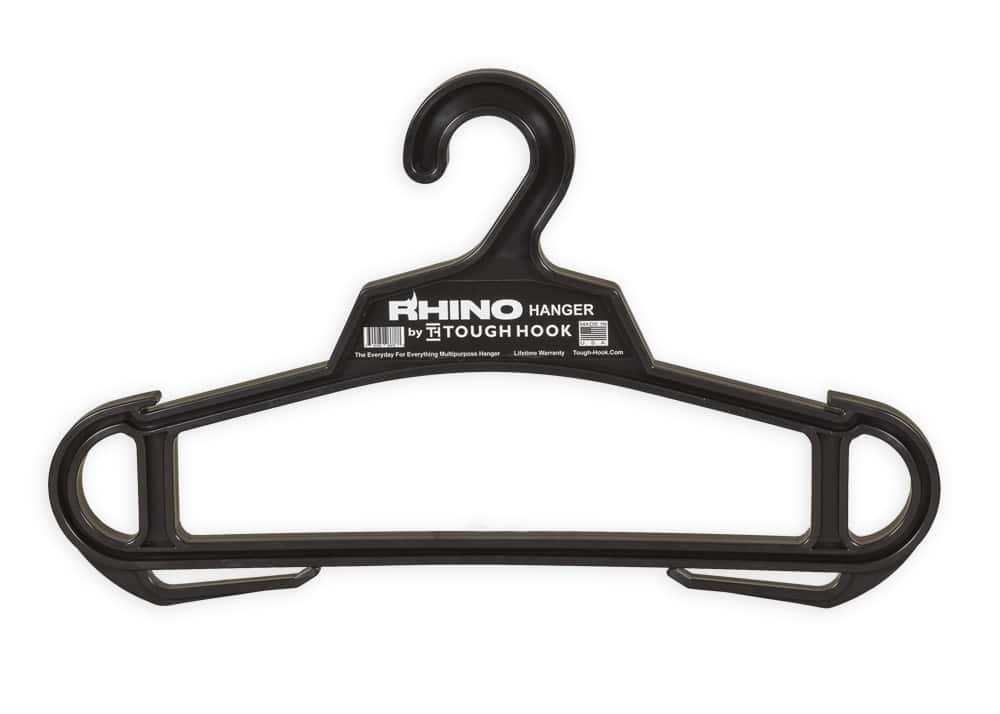
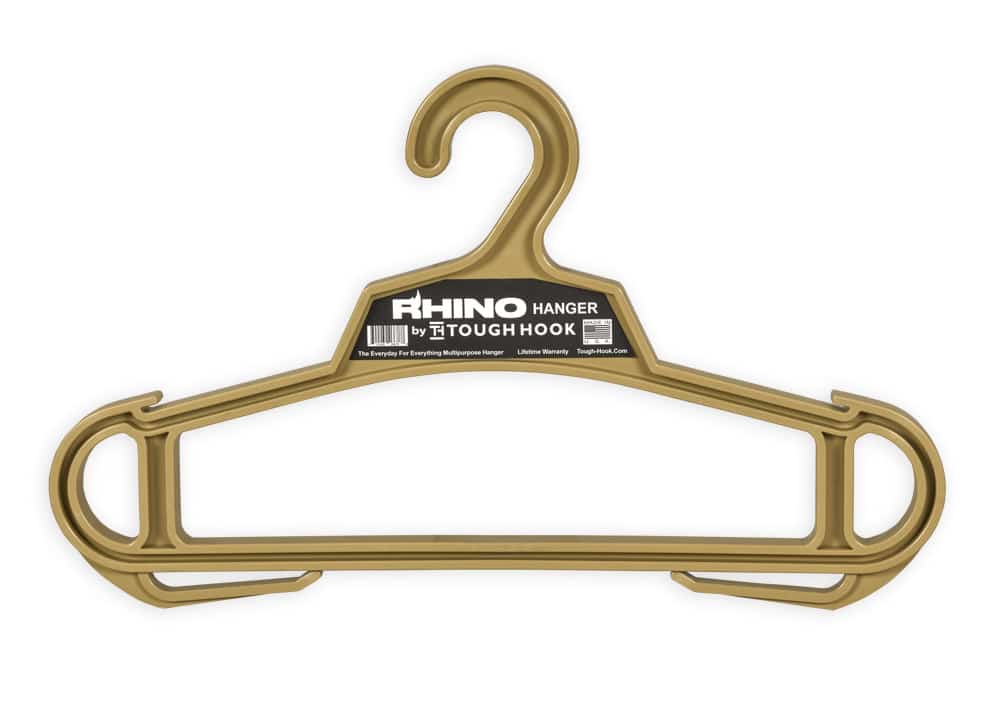
2 Pack RHINO Heavy Duty Clothes Hanger Bundle
Original price was: $27.95.$23.95Current price is: $23.95.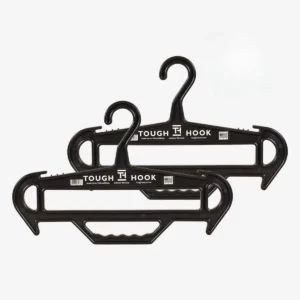
Achieving Flawless Garment Fit and Presentation
Garment fit is not just about how clothing feels when worn; it is also about how well a piece maintains its tailored shape while resting in a closet. Wire hangers and flimsy plastic models tend to bend and sag under any significant weight, causing the garment to pull inward and lose its intended silhouette. When a coat or uniform hangs on a structurally sound frame, the fabric remains relaxed and aligned. Maintaining a flawless presentation requires hardware that resists flexing and holds its rigid form year after year.
Key factors in garment preservation include:
-
Contour design: Hangers must mimic human shoulder angles to prevent fabric stretching and seam puckering.
-
Surface friction: Textured or non-slip elements keep wide-neck items securely in place without stressing the fabric.
-
Material rigidity: High-grade polymers ensure the frame never warps, bends, or snaps under pressure.
Optimizing Long-Term Storage Solutions
Long-term storage introduces unique challenges for clothing and heavy equipment. Items tucked away in closets, lockers, or storage units for months at a time are susceptible to sagging, creasing, and material breakdown if improperly supported. Standard retail hangers are built for lightweight retail environments, not for supporting heavy loads over extended durations. When storing winter coats, heavy uniforms, motorcycle gear, or tactical vests, standard options will often crack or snap completely, dropping your valuable belongings onto the floor. Investing in heavy-duty solutions ensures that your gear remains pristine, organized, and ready for immediate deployment whenever needed.
The Advantage of Heavy-Duty Engineering
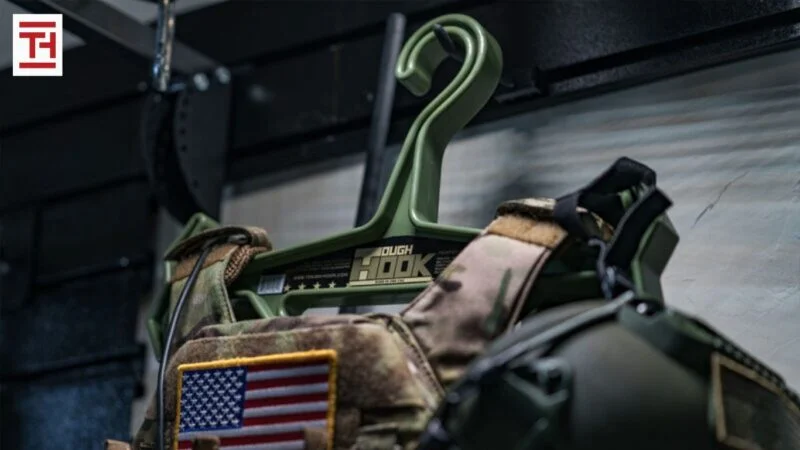
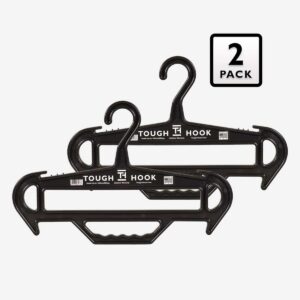
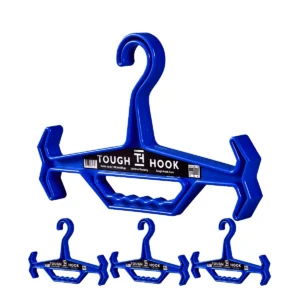
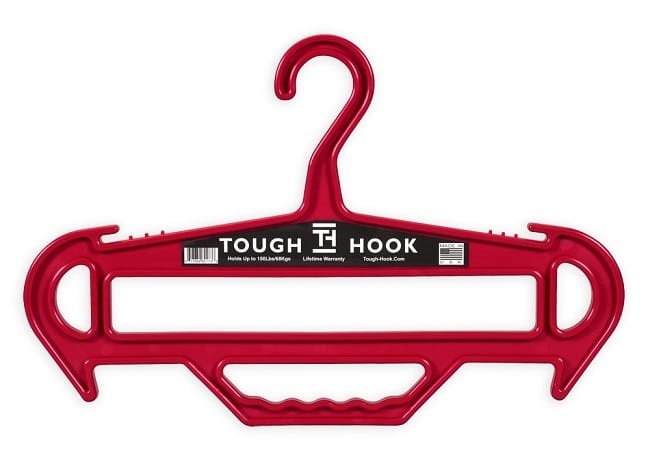
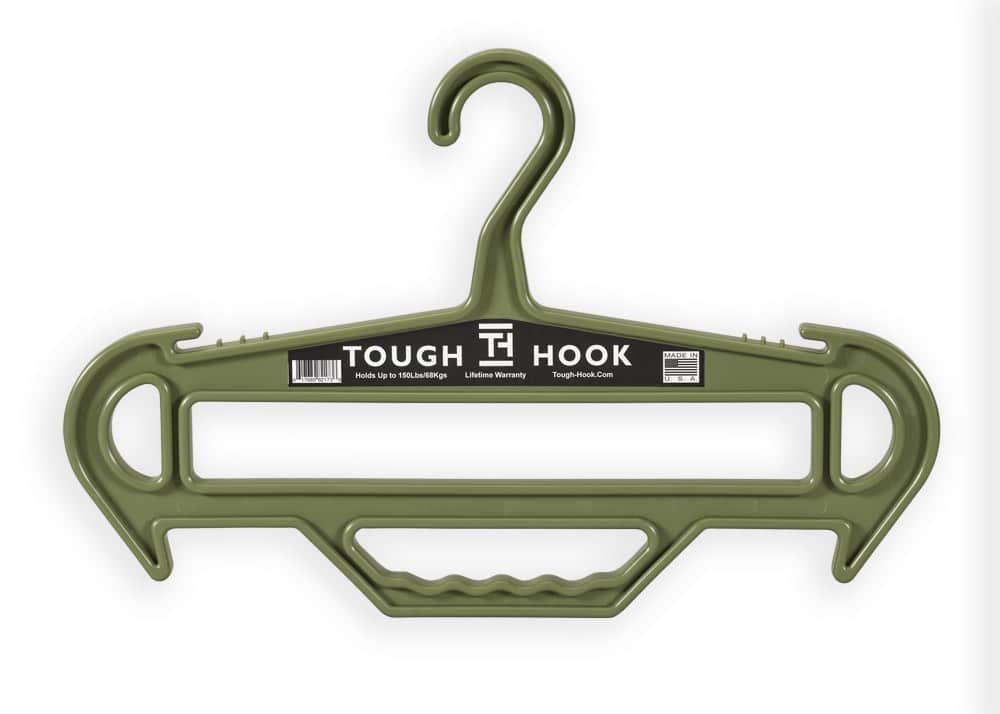
When standard consumer products fail to meet the demands of heavy garments and equipment, professionals turn to specialized engineering. This is where companies like Tough Hook step in to revolutionize how we think about garment care. As a service-disabled, veteran-owned small business based in Bozeman, Montana, this American company designs and manufactures heavy-duty clothing and equipment hangers that go far beyond conventional standards. Built by former law enforcement, military, and first-response professionals, these products are crafted from military-grade materials to handle extreme demands. Originally designed by a US Army sergeant to hang, hold, and carry over two hundred pounds of heavy gear, plate carriers, scuba equipment, and outdoor gear, these heavy-duty hangers eliminate the risks of bending and breaking. Featuring a patented reversible design and an integrated carry handle, they bridge the gap between heavy equipment transport and long-term storage preservation.
Best Practices for Closet and Gear Organization
Optimizing your storage space involves more than simply buying a bundle of matching hangers. To maximize the lifespan of your wardrobe and equipment, you should audit your current hanging systems and match the hardware to the weight of the items. Heavy winter coats, suits, and tactical vests require wide, rigid structures that can support their dense construction without buckling. Lighter everyday shirts can utilize slimmer profiles, provided they still offer adequate shoulder width to prevent stretching. Regularly inspecting your storage setups ensures that broken or bent hangers are replaced before they can cause permanent damage to your favorite garments.
The shape, material, and structural integrity of a hanger directly influence the lifespan of your clothing and gear. Moving away from flimsy, temporary solutions in favor of robust, intelligently designed support systems protects your wardrobe from premature wear, stretching, and distortion. Whether you are organizing a standard closet or managing heavy-duty professional equipment, prioritizing quality craftsmanship like Tough Hook hangers makes all the difference. Choosing reliable, American-made engineering ensures that your garments retain their proper fit, structure, and presentation for years to come.