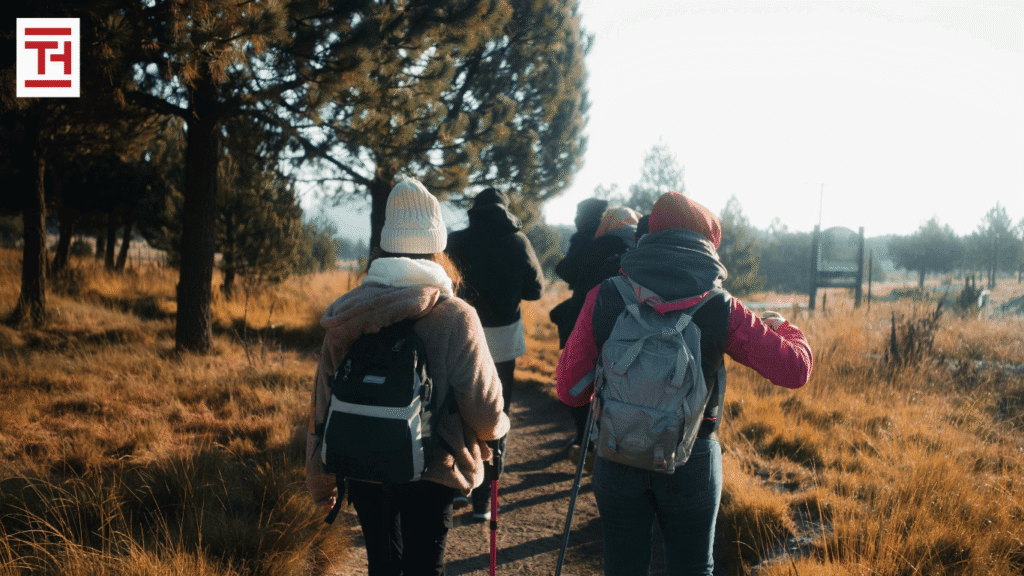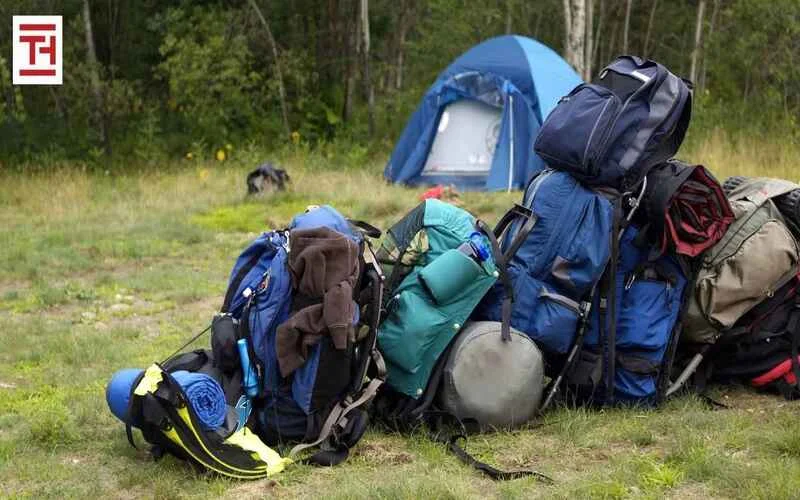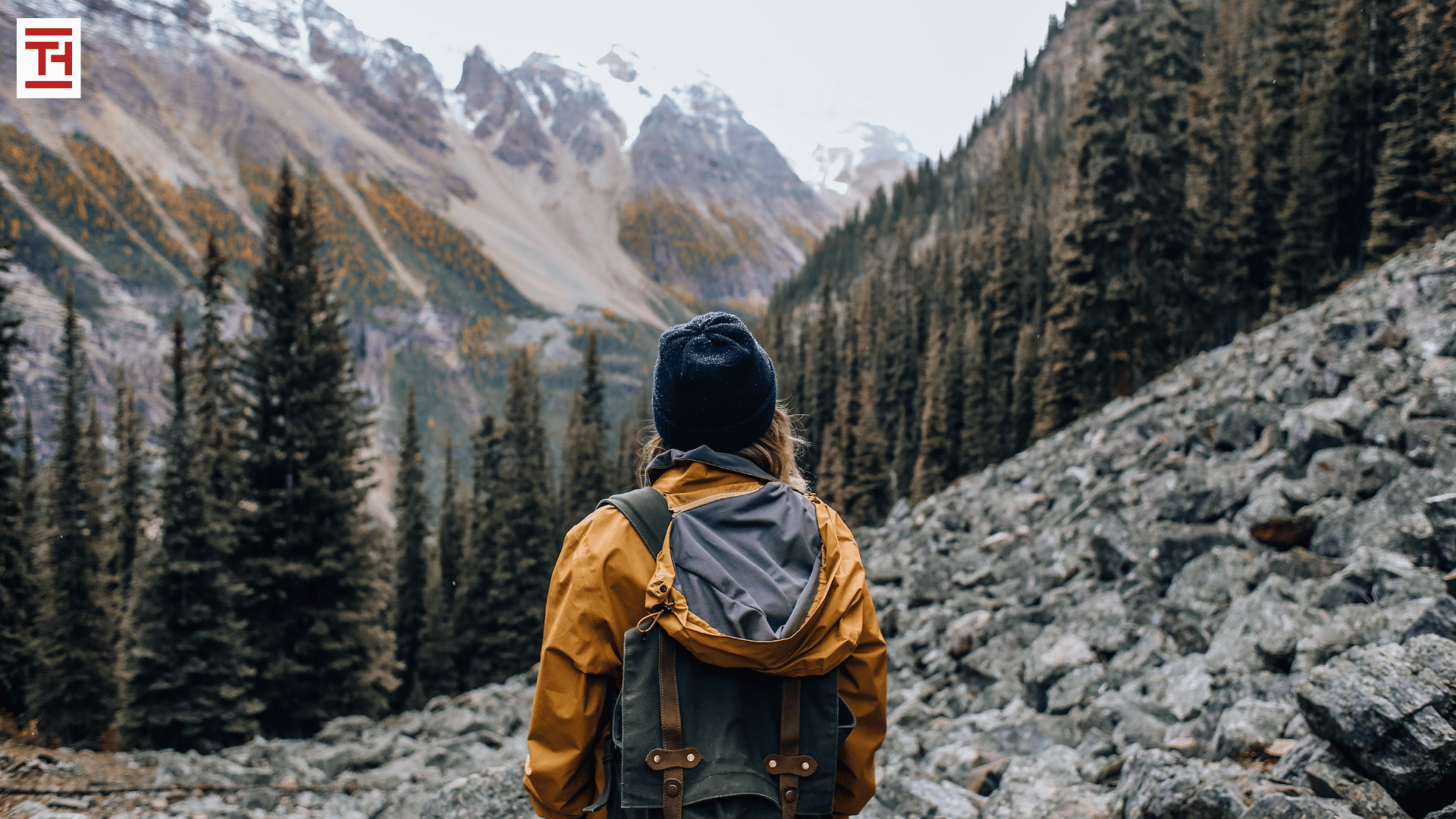
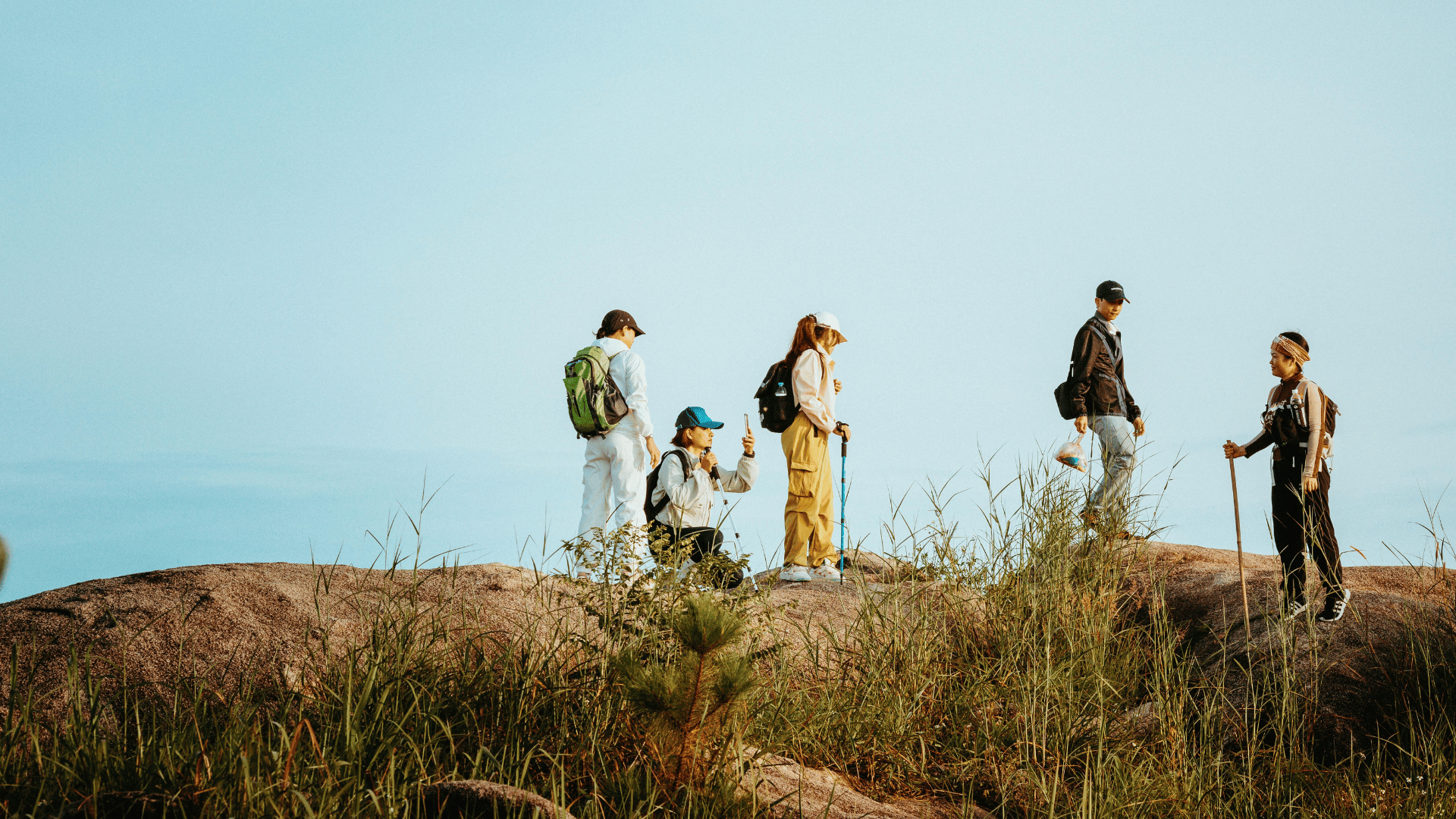
As the sweltering heat of summer begins to wane and the first crisp breezes of autumn signal the transition of the seasons, hiking and hunting enthusiasts everywhere start feeling the familiar pull of the wilderness. For hunters, this means the anticipation of deer season and the preparation for cold mornings in the treestand. For hikers, it means taking advantage of the reduced humidity and the stunning transformation of the foliage. However, the difference between a successful, enjoyable trip and a chaotic, frustrating scramble to find missing equipment lies in the preparation of your gear closet. Organizing your hunting and hiking gear before the season kicks off is not just about aesthetics; it is about efficiency, longevity, and ensuring you are ready to head out at a moment’s notice.
The Foundation of an Organized Gear Closet
The primary goal of a well-organized gear closet is to eliminate the last-minute stress that leads to forgotten headlamps, mismatched socks, or misplaced hunting licenses. When your gear is organized, you spend less time searching and more time in the field. The first step in this process is a complete inventory audit. Pull everything out of your storage space and evaluate the condition of each item. Look for signs of wear on boots, check the batteries in your flashlights, and ensure your hunting apparel is clean and scent-free. Once you have assessed your gear, create dedicated zones within your closet. By grouping items based on their function or activity, you create a logical flow that makes packing for a trip significantly faster.
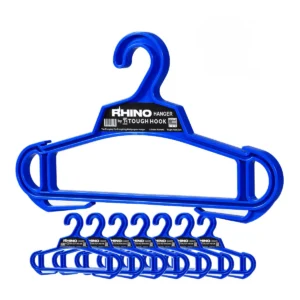
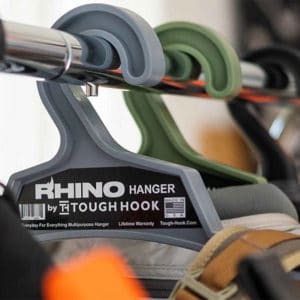

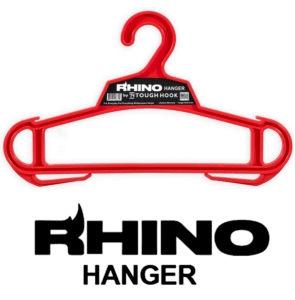
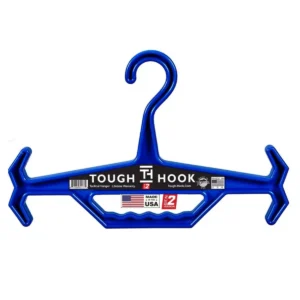
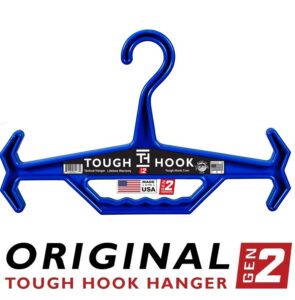
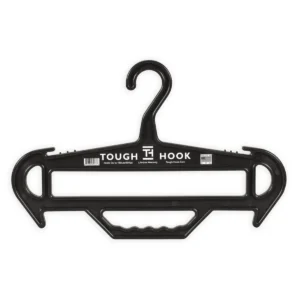
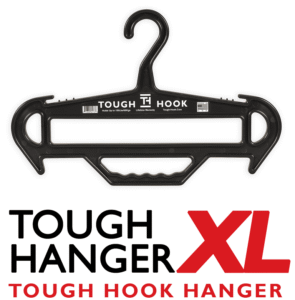
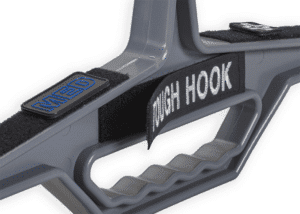
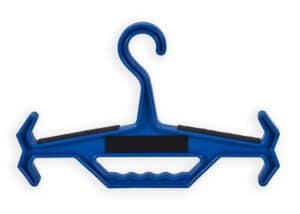
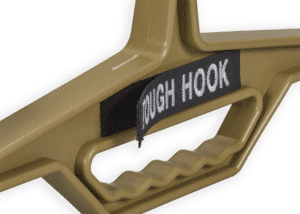
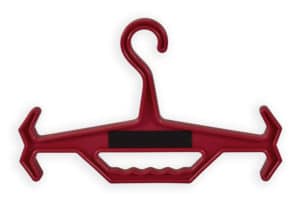
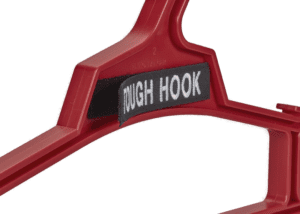
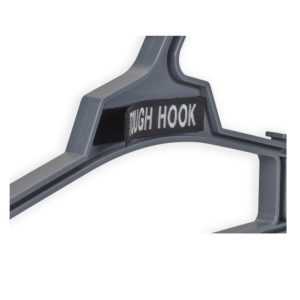
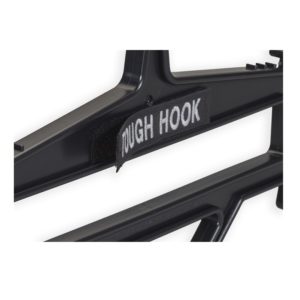


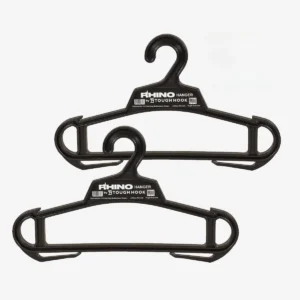
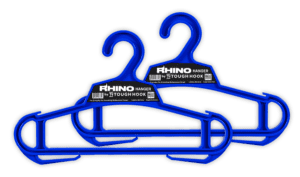
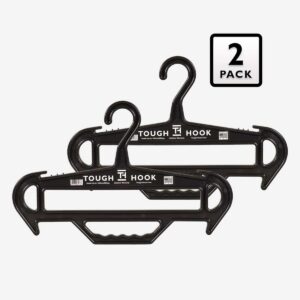
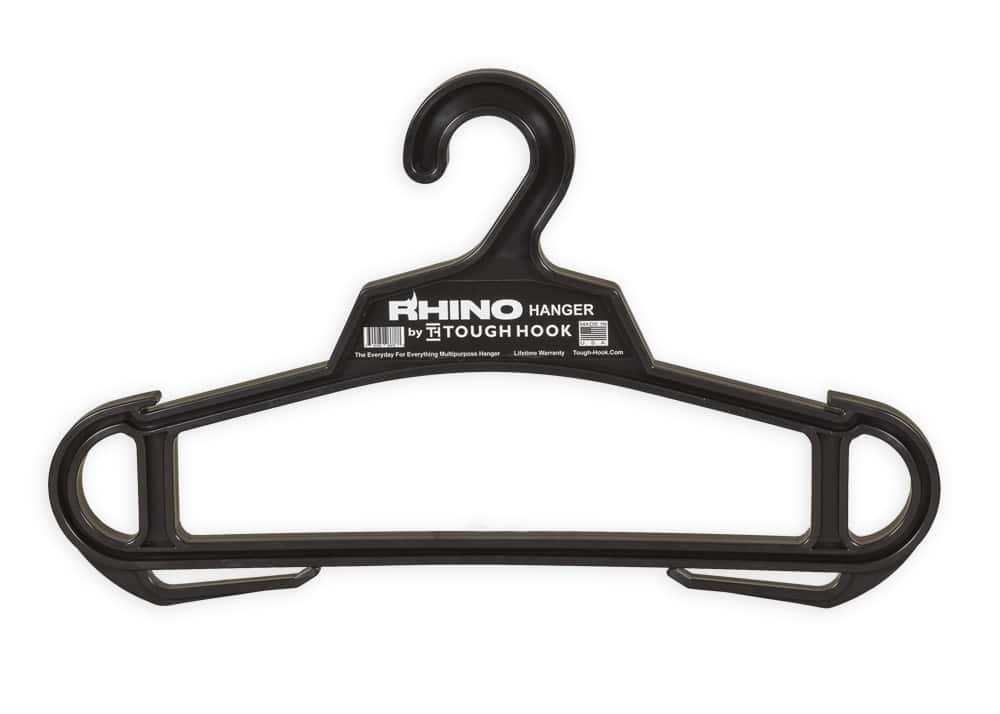
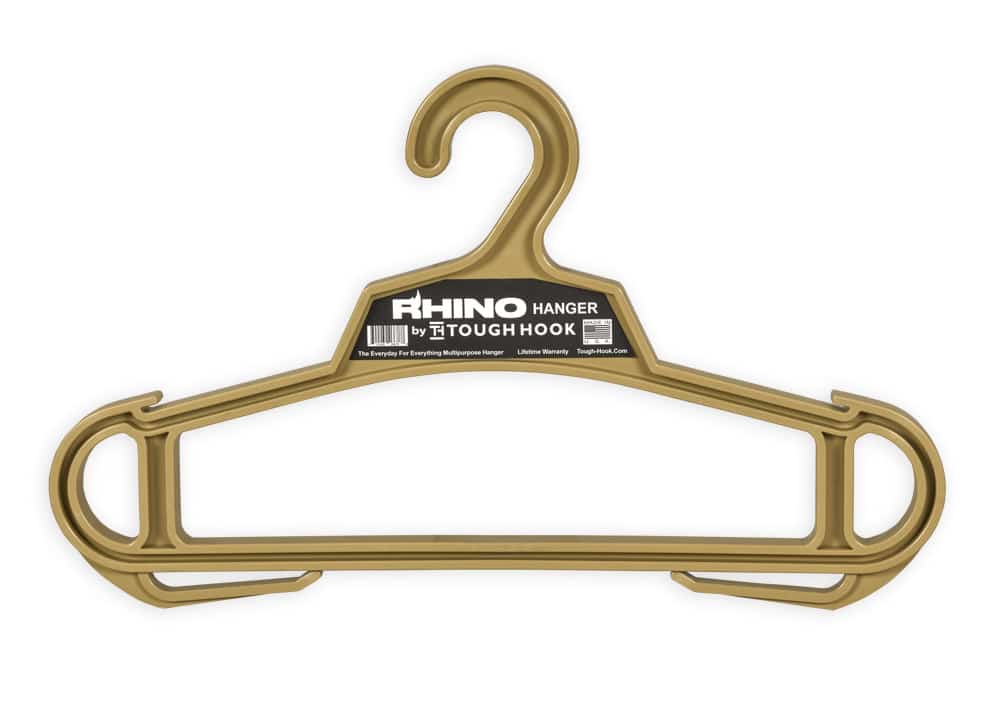
2 Pack RHINO Heavy Duty Clothes Hanger Bundle
Original price was: $27.95.$23.95Current price is: $23.95.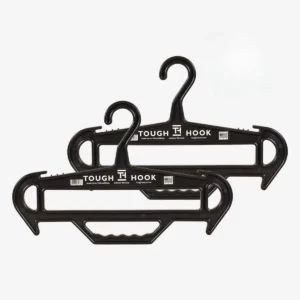
Establishing a Routine for Maintenance
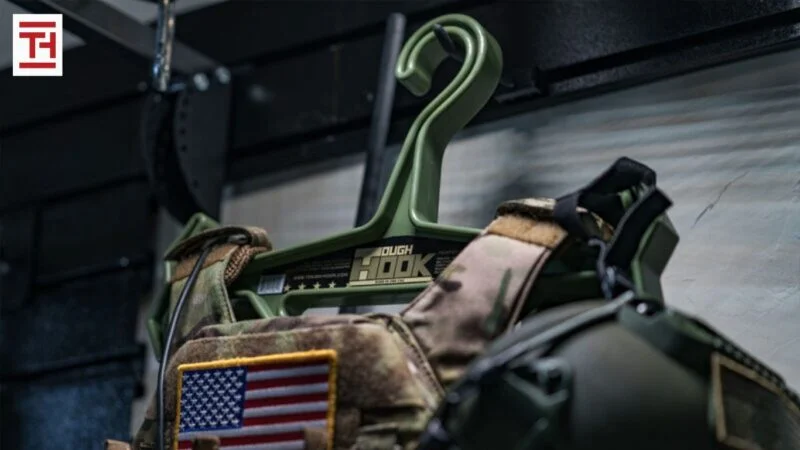
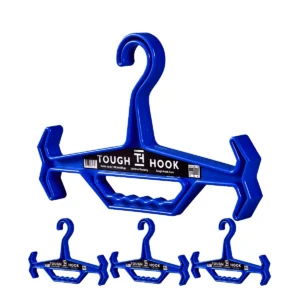
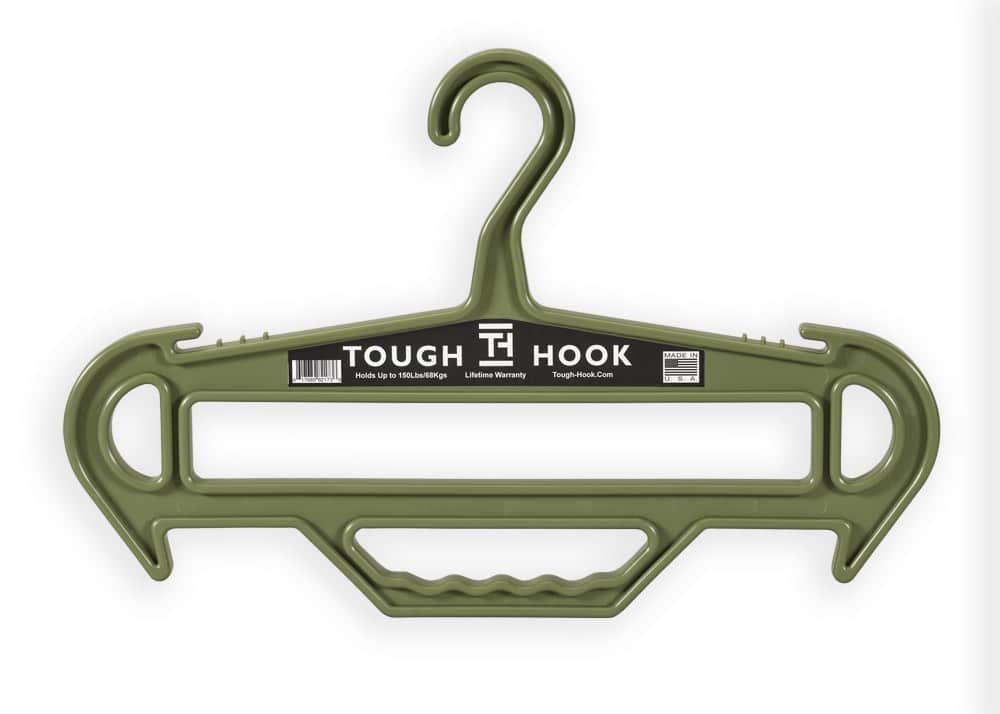
An organized closet is only effective if it remains organized throughout the season. Developing a post-trip routine is the most critical habit for any hunter or hiker. Instead of dumping your gear in a pile when you return home, take fifteen minutes to properly store your items. Cleaning your boots, drying out your hydration bladders, and hanging your base layers on a sturdy Tough Hook hanger immediately after a trip ensures that you are ready for the next adventure. Consider implementing these habits to maintain your gear integrity:
Establish a check-in station: Designate a specific area in your entryway where you can sort gear as soon as you walk through the door. This prevents muddy boots and damp clothing from infiltrating your organized closet immediately.
Prioritize drying: Never store damp gear. Even if it seems dry to the touch, lingering moisture can cause damage to technical fabrics and leather over time.
Repair and replace immediately: If you notice a tear in your hunting jacket or a fraying strap on your pack, address it right away. Trying to fix broken gear the night before a hunt is a recipe for disaster.
Utilizing Heavy-Duty Storage Solutions
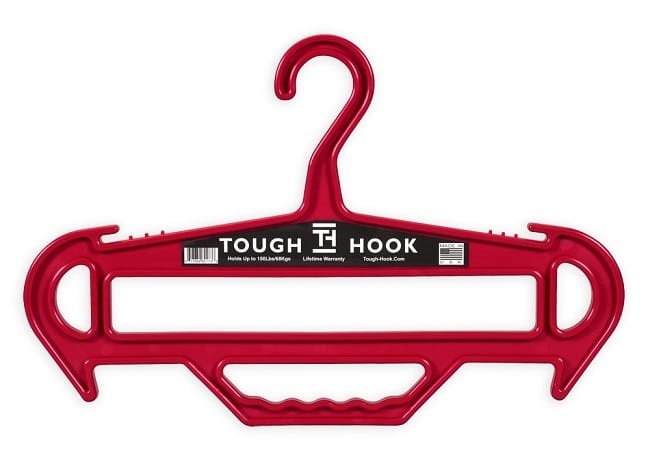
When you invest in high-quality outdoor gear, you are making a commitment to both performance and safety. It makes sense to invest in storage solutions that reflect that commitment. Standard plastic hangers are simply not designed to hold the weight of a loaded hunting pack or a heavy, insulated parka. The structural integrity of your gear depends on how it is stored. Tough Hook hangers are engineered to withstand the rigors of heavy use, ensuring that your equipment remains in prime condition for years to come. Whether you are storing a rifle sling, a binocular harness, or a set of heavy-duty waders, our hangers provide the reliability you need. By investing in proper storage, you are ultimately protecting your investment in the gear itself.
Optimizing Your Layout for Rapid Deployment
In addition to using robust hanging solutions, you should optimize your shelves and drawers to keep smaller essentials accessible. A well-prepared closet should feature designated areas for the following items:
Navigation tools: Keep your compasses, GPS units, and topographic maps in a single, dedicated bin or tray. This prevents them from getting lost among larger clothing items.
First aid and safety supplies: Always maintain a fully stocked first aid kit in a highly visible location within your closet. Check expiration dates on medications and supplies at the start of each season.
Lighting gear: Store your headlamps, flashlights, and extra batteries in a clear, labeled container. Proactively checking your batteries before a trip is a non-negotiable step for safety.
The Psychological Benefit of Being Prepared
There is a profound psychological benefit to having your gear organized. When you know exactly where your gear is, you eliminate the mental clutter and anxiety associated with trip preparation. Instead of worrying about whether you have everything you need, you can focus on the trip itself, the strategy for your hunt, or the route you plan to hike. The transition from a chaotic pile of gear to a streamlined, professional-grade closet is empowering. It signals to yourself that you take your outdoor pursuits seriously and that you are ready to tackle the challenges of the fall season. With your gear meticulously stored on Tough Hook hangers and your essentials categorized in their proper places, you will find that the barrier to getting out the door is significantly lower. This season, transform your gear closet from a storage space into a launchpad for your next great adventure. By focusing on durability, organization, and consistent maintenance, you ensure that you are always prepared to embrace the rugged beauty of the fall landscape.