For first responders, every second counts when an emergency call comes in. Firefighters, law enforcement officers, paramedics, and search and rescue personnel live a life where rapid response times can mean the difference between life and death. While much of that readiness relies on physical training, mental focus, and vehicular checks, the physical environment at home plays a critical role. An unorganized wardrobe can cost precious minutes spent searching for missing badge clips, duty belts, uniform shirts, and protective vests. Setting up a streamlined first responder closet is essential for shaving time off morning routines and reducing high-stress friction before a shift begins. Optimizing this space requires more than just standard wire hangers and basic plastic bins. Heavy-duty work uniforms, tactical gear, and protective equipment demand specialized storage solutions designed to withstand significant weight and heavy wear. This guide explores strategic methods to organize duty gear, streamline clothing accessibility, and utilize heavy-duty equipment like the offerings from Tough Hook to keep everything locked, loaded, and ready for action.
Assessing Wardrobe Needs and Gear Weight
Before organizing any closet, understanding the actual weight and volume of first responder gear is necessary. Standard civilian clothes fit easily on flimsy plastic or thin wire hangers, but duty uniforms, high-visibility jackets, structural gear, and load-bearing vests quickly cause standard retail hangers to snap under pressure. A fully loaded plate carrier, combined with heavy belts, radio pouches, and flashlights, can easily weigh upwards of thirty to fifty pounds or more. Trying to hang heavy apparel on inferior storage tools leads to sagging clothes, broken plastic shards on the floor, and tangled gear when every second matters. Transitioning to industrial-strength storage changes the entire dynamic of a duty locker or home wardrobe. Evaluating the inventory involves sorting gear into daily wear, seasonal outerwear, formal uniform pieces, and specialized backup equipment. Separating these categories prevents clutter from building up in primary access zones. Establishing distinct zones within the closet ensures that high-frequency items remain at eye level and within immediate arm reach.

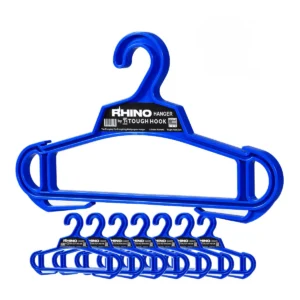

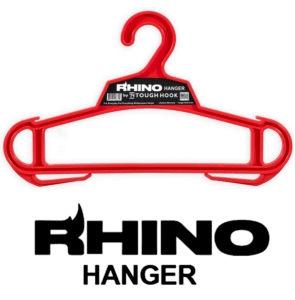
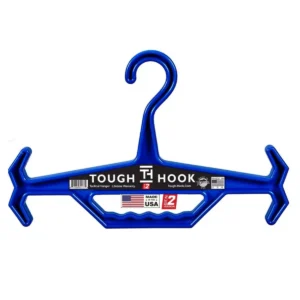
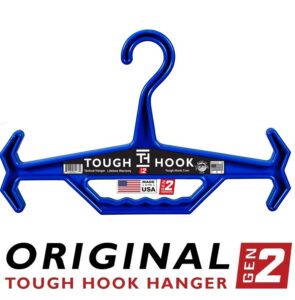
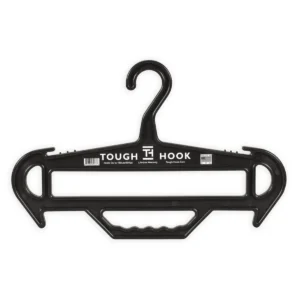
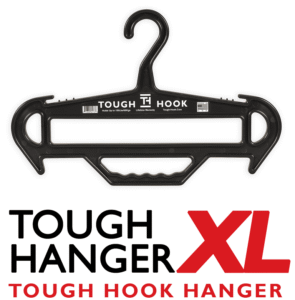
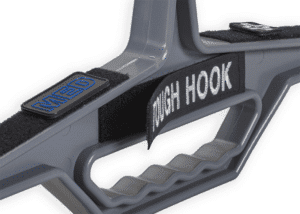
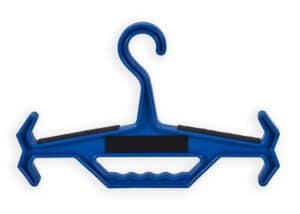
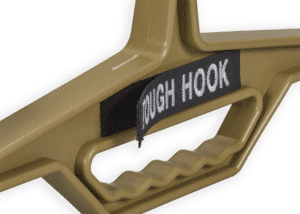
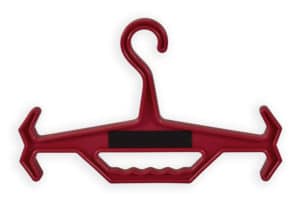
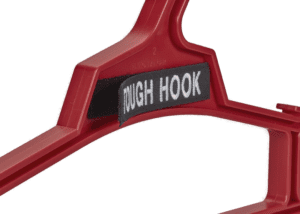
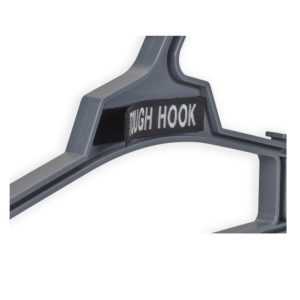
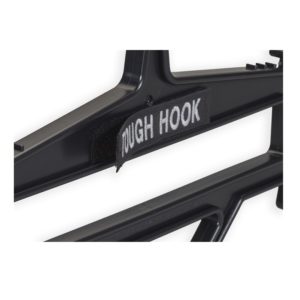


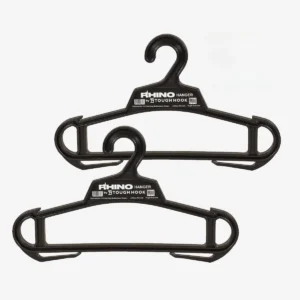
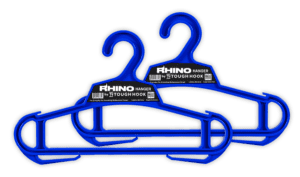
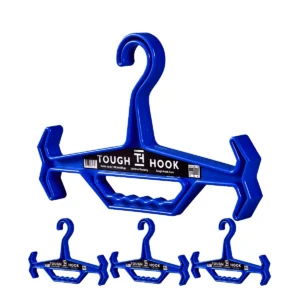
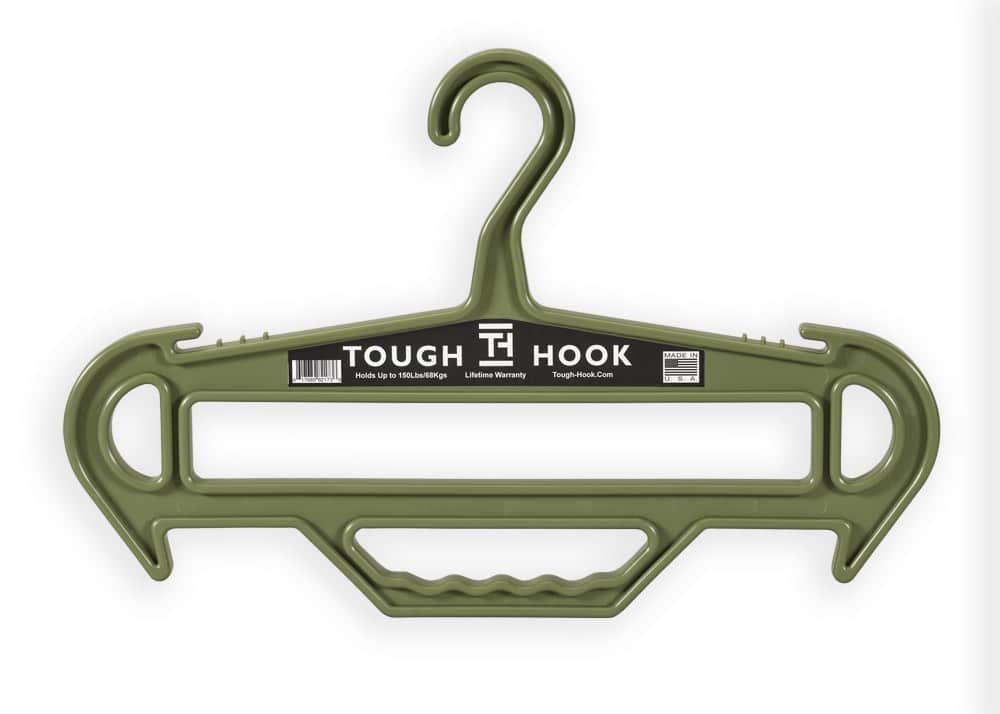
2 Pack RHINO Heavy Duty Clothes Hanger Bundle
Original price was: $27.95.$23.95Current price is: $23.95.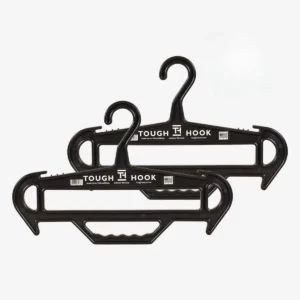
Implementing Strategic Closet Zones for Maximum Efficiency
Creating a high-performance closet relies heavily on the zoning concept, which groups similar items together to eliminate guesswork during groggy early morning hours. A well-structured layout minimizes movement inside the closet footprint, allowing users to grab what they need in a single fluid motion. Designing these zones keeps tactical gear, footwear, and uniform pieces distinct yet accessible.
-
Primary uniform zone: This area houses pressed duty shirts, trousers, and outer jackets that must remain clean, unwrinkled, and ready to wear immediately.
-
Gear and tactical zone: This section holds heavy load-bearing equipment, duty belts, firearm holsters, and protective vests that require heavy-duty hanging support.
-
Accessory and small items zone: Dedicated hooks, small bins, or drawer inserts store badges, flashlights, multi-tools, spare batteries, keys, and gloves so they never get lost beneath heavier garments.
-
Footwear staging area: Positioned directly beneath the primary hanging section, duty boots and station shoes sit ready for instant step-in access.
The Power of Heavy-Duty Hangers in Uniform Preservation
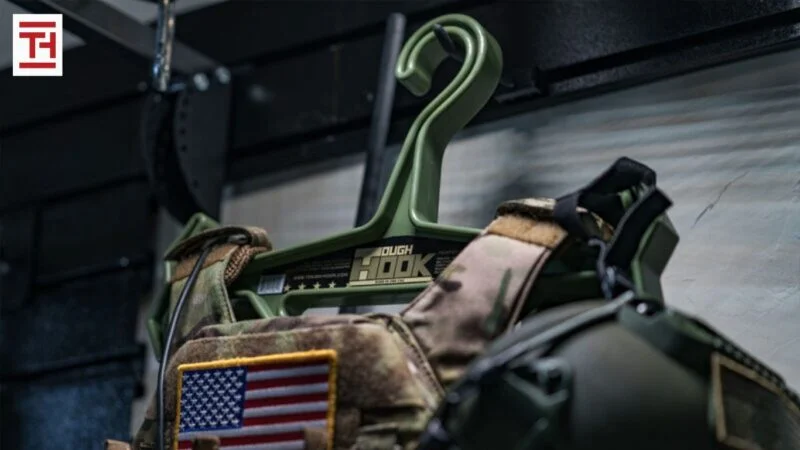
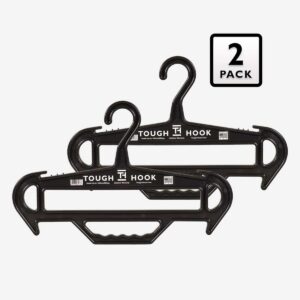
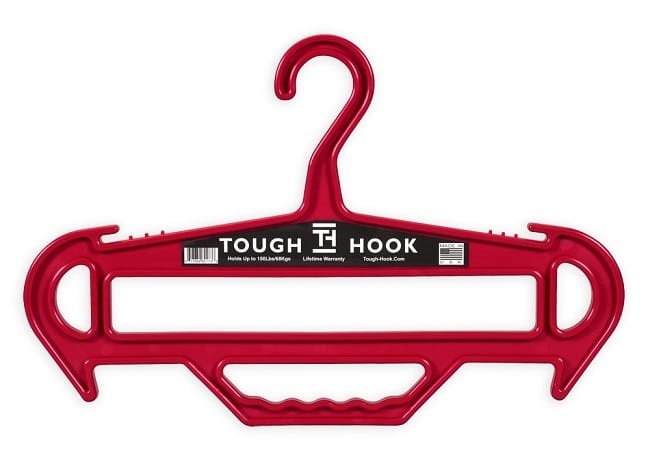
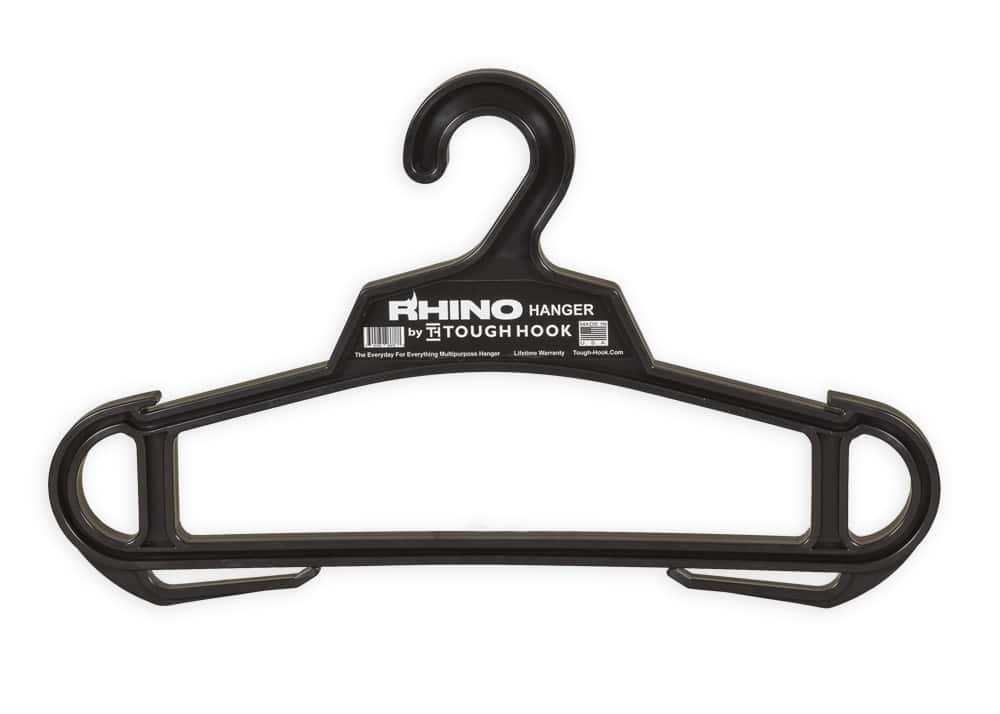
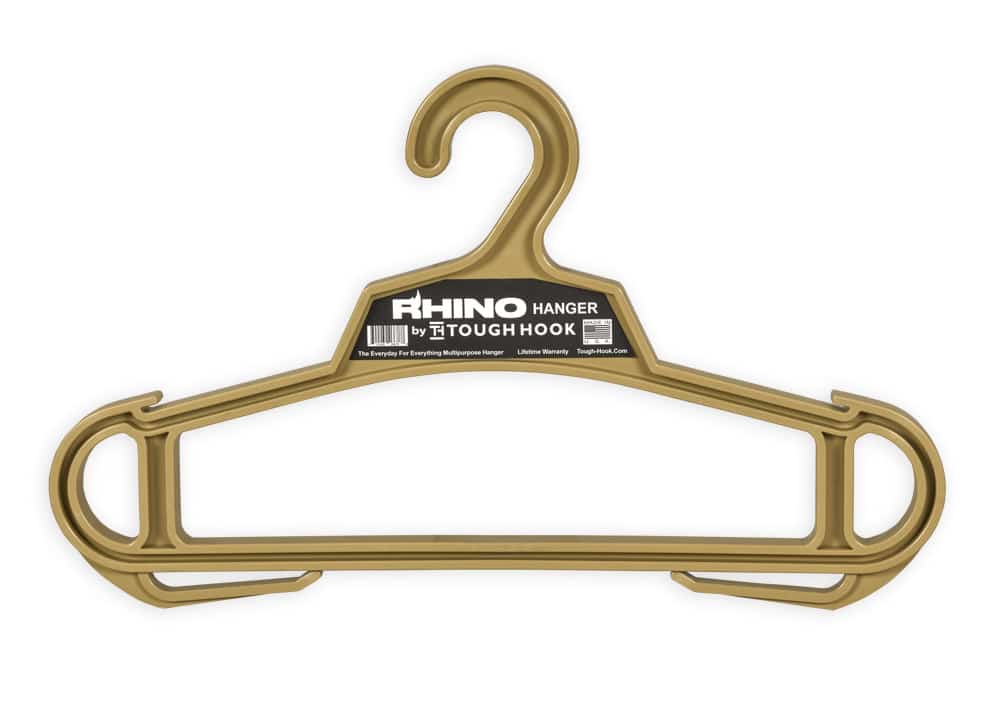
Standard retail hangers fail first responders because they cannot handle the structural demands of duty equipment. When heavy vests or wet rain gear hang incorrectly, the fabric stretches, shoulders deform, and seams weaken over time. This is where specialized heavy-duty solutions become indispensable. Our company, Tough Hook, specializes in manufacturing the ultimate heavy-duty, multi-purpose hangers designed specifically to hang, hold, and carry extreme weights well over two hundred pounds. Founded by military veterans, Tough Hook engineered these innovative utility hangers to address the rigorous demands of tactical professionals, law enforcement officers, and armed forces around the globe. Built in the United States using high-impact, rugged polypropylene resins, these hangers feature a patented I-beam construction that provides maximum structural rigidity and prevents bending or cracking under immense loads. Integrating these robust hangers into a first responder closet ensures that heavy plate carriers, tactical vests, and heavy winter coats retain their shape and structural integrity for years. Furthermore, the built-in integrated carry handles on Tough Hook products allow personnel to transport a fully loaded rig directly from the closet to the vehicle with effortless convenience. Multi-directional symmetrical end hooks also prevent straps and heavy gear rigs from slipping off the edges, securing every piece of equipment precisely where it belongs.
Establishing a Repeatable Nightly Staging Routine
Even the most well-organized closet can fail if morning preparation is left entirely to chance. Developing a consistent closing routine at the end of each shift or right before going to bed dramatically accelerates the morning process. Taking five minutes to prep the next day’s uniform eliminates decision fatigue when waking up early.
-
Inspect and restock: Check all uniform pockets for necessary pens, notebooks, and tactical tools, and ensure radios or flashlights are placed on their respective charging docks.
-
Hang the primary rig: Transfer the fully prepped duty shirt, trousers, and outer vest onto a heavy-duty Tough Hook hanger so the entire outfit stays unified and ready to grab.
-
Stage footwear and accessories: Place polished duty boots directly under the hanging uniform and position the duty belt nearby on a sturdy rack or hook.
-
Verify accessibility: Ensure that closet doors, sliding tracks, or open rack pathways remain completely free of obstruction for an unhindered exit path.
Maintaining Long-Term Organization and Gear Readiness
Setting up a high-efficiency closet is not a one-time project but rather an ongoing system that requires periodic maintenance. As seasons change, uniform requirements shift from lightweight summer short-sleeve shirts to heavy winter coats and waterproof outer shells. Conducting a monthly audit of the wardrobe keeps unnecessary items from creeping back into prime storage space. Storing out-of-season gear in designated bins or secondary closets frees up valuable hanging capacity for active duty gear. Cleaning out accumulated dust, checking structural hooks for stability, and ensuring that backup equipment remains fully functional safeguard against unexpected equipment failures. By combining smart spatial zoning, disciplined nightly staging habits, and unbreakable American-made gear management tools like Tough Hook heavy-duty hangers, first responders can eliminate morning chaos entirely. Cultivating an optimized, professional wardrobe environment ultimately grants peace of mind, allowing dedicated public servants to focus entirely on their mission of keeping communities safe without worrying about wardrobe malfunctions or lost equipment.