Navigating the demanding lifestyle of a shift worker requires precision, resilience, and an unwavering commitment to efficiency. Whether you pull grueling 12-hour shifts in manufacturing or manage intense 24-hour schedules as a first responder, healthcare professional, or military member, your routine depends heavily on preparation. When your shift ends, the last thing you want to do is waste precious minutes searching for clean uniforms, tactical vests, or heavy-duty gear. Developing a streamlined storage system for your workwear can transform your post-shift recovery and pre-shift readiness. By organizing your gear around extended work cycles, you minimize friction and maximize rest, ensuring you are always ready for the next call of duty.
The Unique Challenges of Shift-Worker Wardrobes
Working extended hours places immense physical and structural stress on both your body and your equipment. Standard closets and flimsy retail hangers simply cannot keep up with the heavy load of tactical gear, plate carriers, winter coats, and duty uniforms. Traditional plastic hangers bend, snap, and fail under the weight of saturated or heavily accessorized work clothes, leading to disorganized piles on the floor of your locker or mudroom. Furthermore, transitioning rapidly between sleeping cycles and operational readiness demands a storage setup that operates intuitively. When you are running on minimal sleep after a 24-hour shift, your gear needs a designated, highly accessible home where it can air out, dry properly, and remain completely secure until your next rotation.

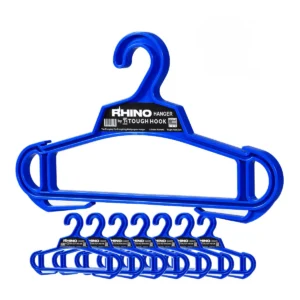
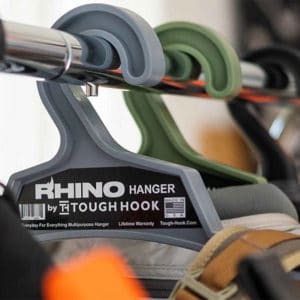

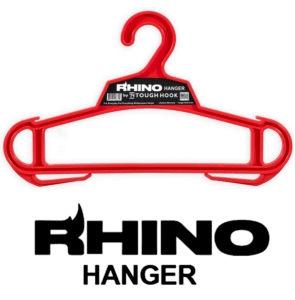
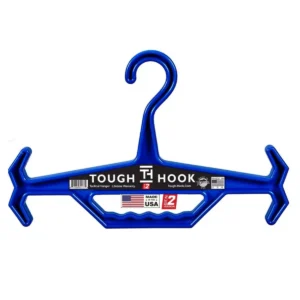

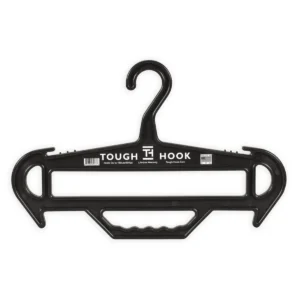
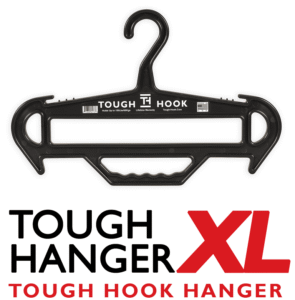
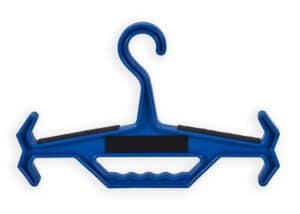
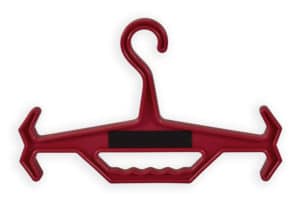

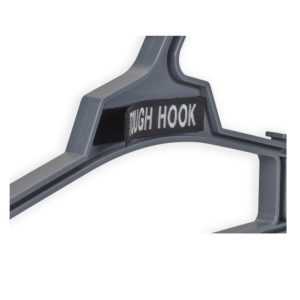
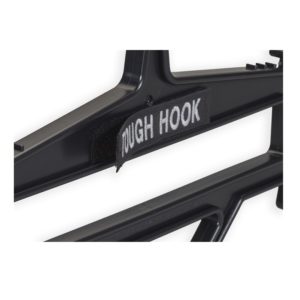


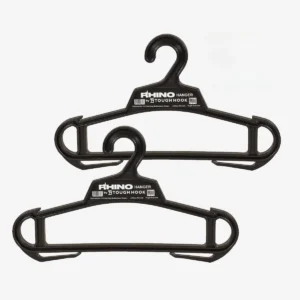
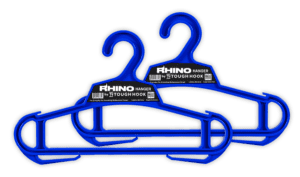
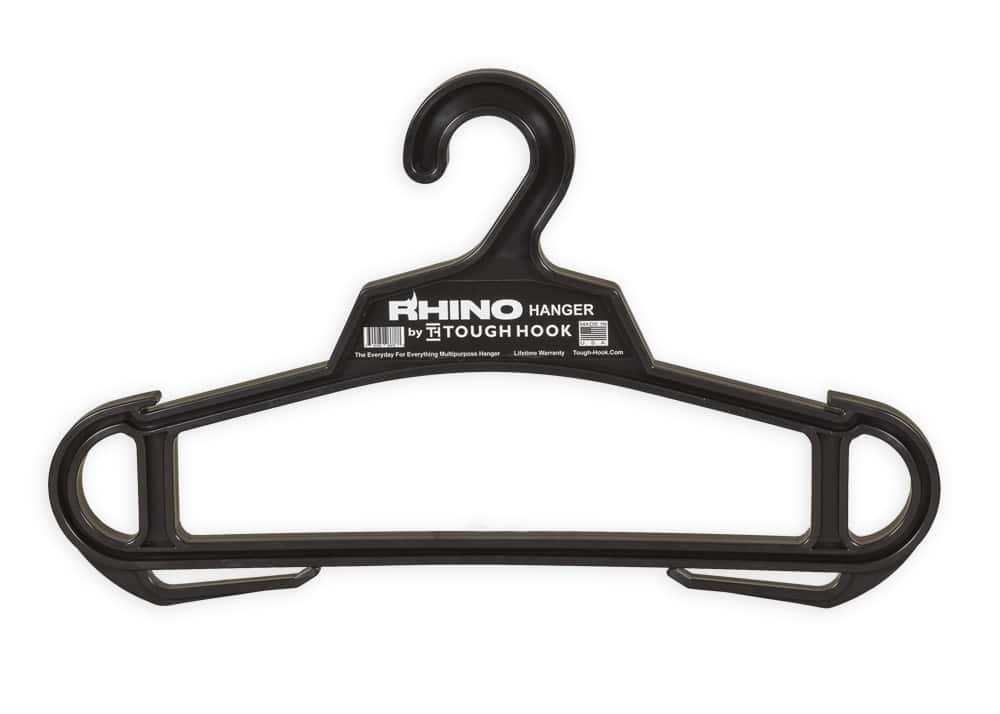
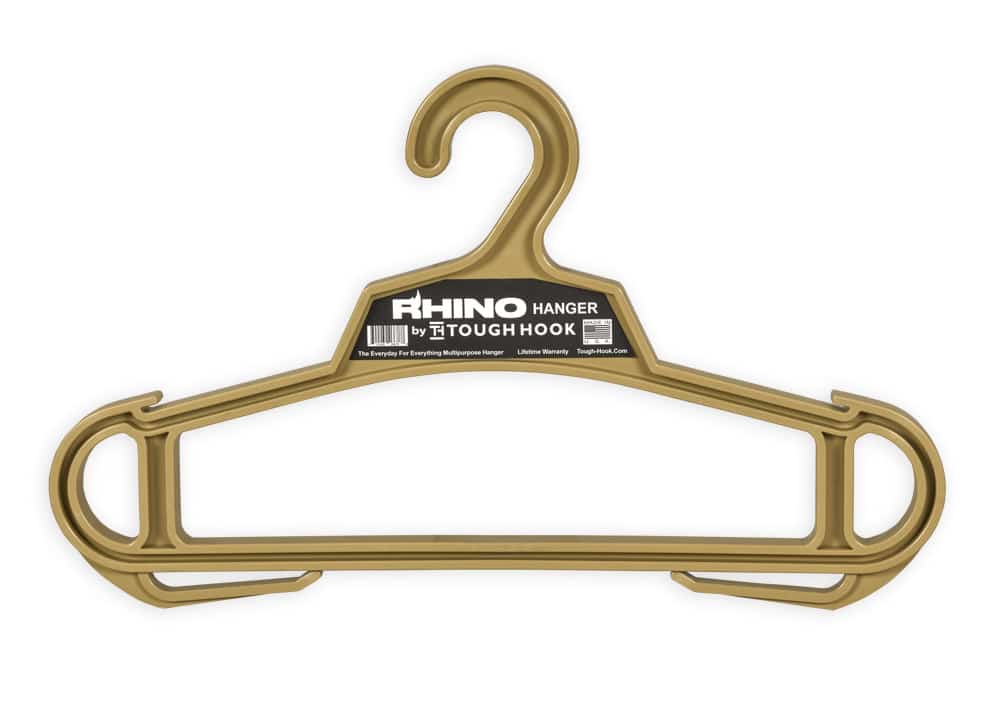
2 Pack RHINO Heavy Duty Clothes Hanger Bundle
Original price was: $27.95.$23.95Current price is: $23.95.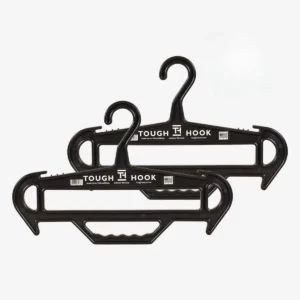
Building a High-Performance Gear Station
Creating an efficient storage hub starts with choosing locations that mirror your workflow, such as an entryway drop zone, a garage gear locker, or a dedicated utility closet. Shift workers often manage multiple sets of uniforms simultaneously, requiring a rotation system that separates clean, ready-to-wear garments from soiled or damp items needing maintenance. Implementing structured zones allows you to sequence your gear logically, placing high-frequency items at eye level while storing long-term backup equipment higher up. Utilizing heavy-duty hanging systems prevents fabric distortion and shoulder stress, which preserves the structural integrity and professional appearance of expensive uniforms and protective outerwear over years of continuous use.
Why Standard Storage Fails Heavy-Duty Workwear
Standard residential storage solutions are engineered for lightweight casual wear rather than industrial or tactical equipment. Heavy-duty workwear absorbs sweat, moisture, and environmental elements, compounding its baseline weight significantly when you take it off after a long shift. Hanging a wet or heavily loaded uniform on a standard wire or cheap plastic hanger causes immediate structural failure, dropping your gear onto the ground and trapping moisture within the fabric folds. This lack of proper ventilation accelerates wear and tear, forcing you to replace expensive professional garments prematurely. To safeguard your investment, your storage strategy must incorporate industrial-grade hardware capable of supporting immense weight while maximizing airflow around the garments.
The Ultimate Storage Solution with Tough Hook
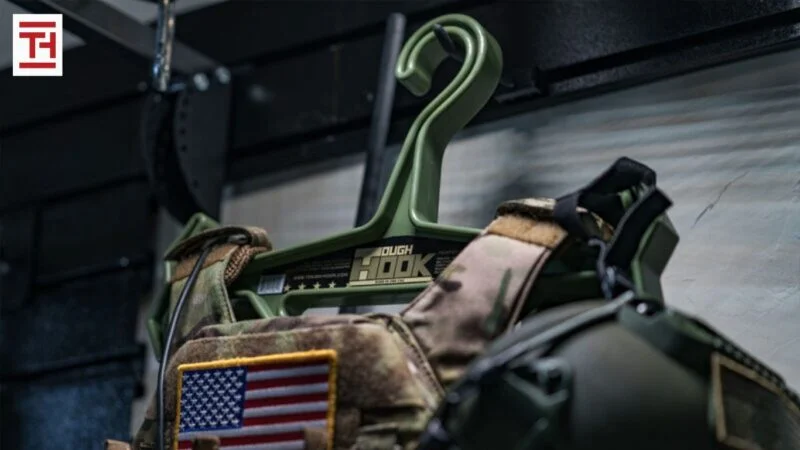
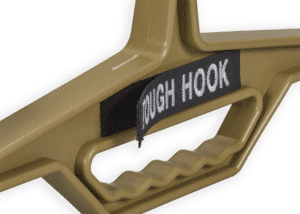
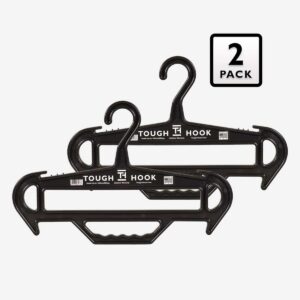
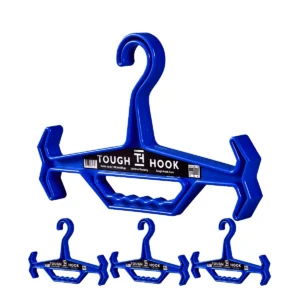
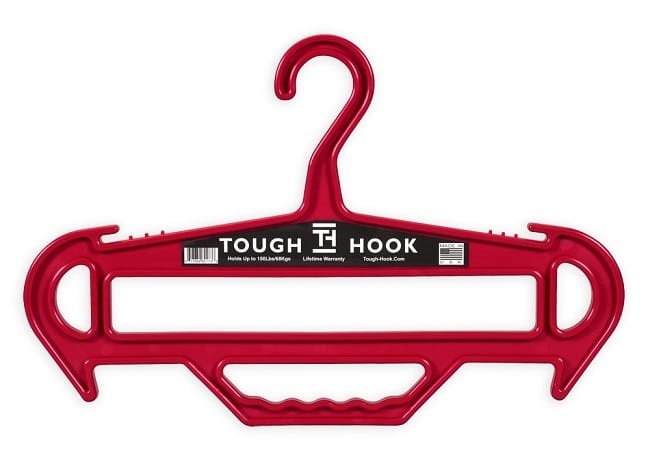
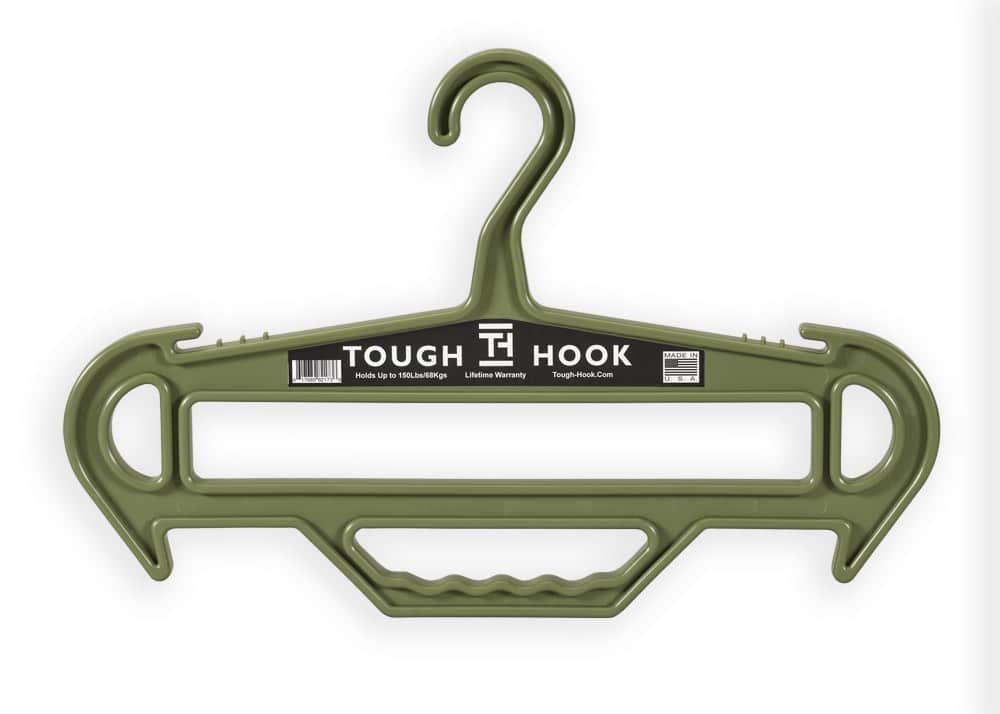
When it comes to outfitting a shift-worker storage space with gear that will never quit, Tough Hook provides the ultimate industry standard. Engineered by United States veterans, Tough Hook manufactures the world’s toughest heavy-duty, multi-purpose hangers designed specifically to support heavy gear, plate carriers, body armor, and tactical uniforms. Featuring a patented I-beam construction and high-impact resin design, these indestructible hangers boast a load capacity of up to 200 pounds, making them completely immune to bending, sagging, or snapping under extreme loads. Every hanger also features an integrated carry handle for effortless transport, allowing you to grab your entire ready-to-wear shift setup and move it instantly from your locker to your vehicle.
Optimizing Your 12-Hour Shift Rotation
A standard 12-hour shift schedule, common in nursing, manufacturing, and law enforcement, relies on a strict rhythm of rapid turnaround between work days and recovery days. Because you only have a short window at home before heading back out, your storage system must prioritize speed and visibility.
-
Designate active rotation lanes: Set up two primary hanging slots using your Tough Hook hangers so that your current working uniform is always at the front, while your freshly laundered backup uniform sits right behind it for immediate deployment.
-
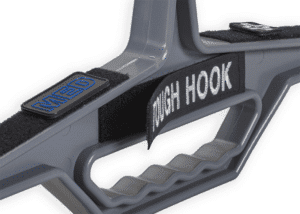
Incorporate ID personalization: Utilize options like the Original ID Tactical Hanger to attach hook-and-loop name strips or patches directly to your storage hardware, ensuring your specific department or shift credentials remain clearly marked and ready to grab.
-
Establish a drying station: Hang damp or sweat-soaked 12-hour workwear immediately upon arrival using high-capacity hangers that allow air to circulate freely through heavy fabrics, preventing mildew and foul odors.
Streamlining Your 24-Hour Shift Infrastructure
Managing a 24-hour shift schedule introduces extreme logistical hurdles, as these extended tours often involve sleeping quarters, station living, and multi-layered equipment changes. Your storage strategy must account for heavy-duty outerwear, specialized rescue or tactical tools, and multiple clothing layers that shift from day-to-night temperature swings.
-
Build a multi-tier staging area: Separate your heavy gear platform, such as plate carriers and tactical vests, from your base layer uniforms by leveraging the massive 200-pound weight capacity of Tough Hook hangers to keep complete equipment sets unified in one spot.
-
Pre-pack grab-and-go bundles: Utilize integrated carry handles on your heavy-duty hangers to transport entire 24-hour operational kits seamlessly between your locker, your gear bag, and your vehicle without dropping individual components.
-
Implement a post-shift recovery protocol: Designate a heavy-duty airing zone where gear used continuously for a full day can decompress, dry out, and retain its shape under the support of unbreakable structural hangers.
Maintaining Your System for Long-Term Durability
An optimized storage solution is only as effective as its ongoing maintenance, which requires periodic reviews of your gear inventory and storage environment. Take time between rotation blocks to inspect your uniforms for damage, clear out unnecessary items from your primary zones, and ensure your hanging hardware remains securely mounted. Because high-capacity gear spaces endure heavy daily friction, relying on USA-made, lifetime-warranty products ensures your organizational foundation remains rock-solid year after year. By treating your storage infrastructure as an essential tool rather than an afterthought, you protect your professional investments and secure a smoother path through every grueling shift cycle.