
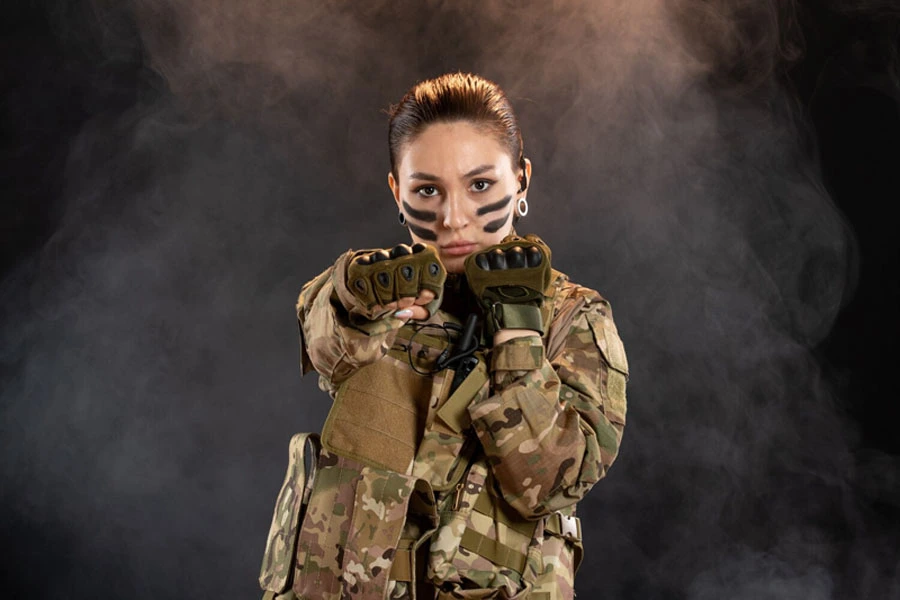
Tactical clothing isn’t just military and law enforcement gear anymore; it’s built to be more durable, more functional, and more comfortable than everyday clothing, which is exactly why it’s spread to first responders, hikers, and everyday civilians. Here’s what actually makes it worth wearing, and what to look for when you buy.
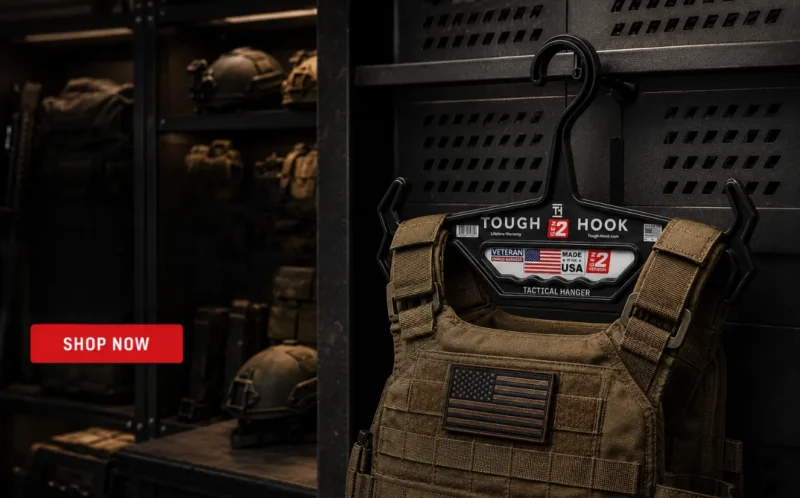
Already building out a tactical wardrobe? The gear below holds up to real use, but it needs to be stored right, too. See how Tough Hook’s tactical-grade hangers hold reinforced gear without stretching shoulders or bending under the weight.
Understanding Tactical Clothing
Tactical clothing is defined by function: garments built to meet specific operational needs. It borrows durability and design details from combat apparel, but where combat gear is made for warfare, tactical wear is made for versatility, with pockets, zippers, and rugged, reinforced construction that holds up in daily use.
Tactical Clothing Compared to Regular Workwear
Tactical clothing and workwear both take a beating, but they solve different problems. A canvas work jacket or a set of steel-toe coveralls is built around one fixed hazard, fire resistance for a welder, high-visibility panels for a road crew, oil resistance for a mechanic. Tactical clothing is built around unpredictable movement: kneeling, crawling, reaching overhead, and carrying gear on a belt or vest rather than in a toolbox.
The practical differences show up in three places. Cut: tactical pants and jackets use articulated knees, gusseted seams, and stretch panels for a full range of motion, while workwear runs looser and less contoured since the job is mostly stationary. Storage: tactical garments carry magazine pockets, admin pouches, and hook-and-loop panels sized for tools, a radio, or a firearm, while workwear pockets are sized for hand tools and a phone. Fabric weight: tactical fabrics balance durability against weight so gear doesn’t slow the wearer down, while workwear often runs heavier because abrasion or flame resistance matters more than agility.
The choice usually comes down to the job. Someone doing fixed, stationary work is typically better served by standard workwear built around their specific hazard. Someone who needs to carry gear, move through varied terrain, or stay ready for a fast response, on duty or off, gets more from tactical clothing’s cut and storage.
The 7 Real Benefits of Tactical Clothing
1. Durability That Outlasts Everyday Clothing
Tactical clothing is made with tough materials like Cordura or ripstop nylon, both chosen for tear and abrasion resistance. Next to standard clothing, the difference is like comparing an armored truck with a regular sedan.
2. Reinforced Construction at Stress Points
Durability isn’t just the fabric; it’s the construction. Reinforced stitching at stress points (knees, seams, pocket edges) is what keeps tactical pieces intact during repeated pulling, kneeling, and crawling that would tear standard consumer clothing apart. Rugged, abrasion-resistant weaves are the baseline; double-stitched seams are what separates gear that lasts years from gear that fails on day one.
3. Functional Storage That Keeps Essentials Within Reach
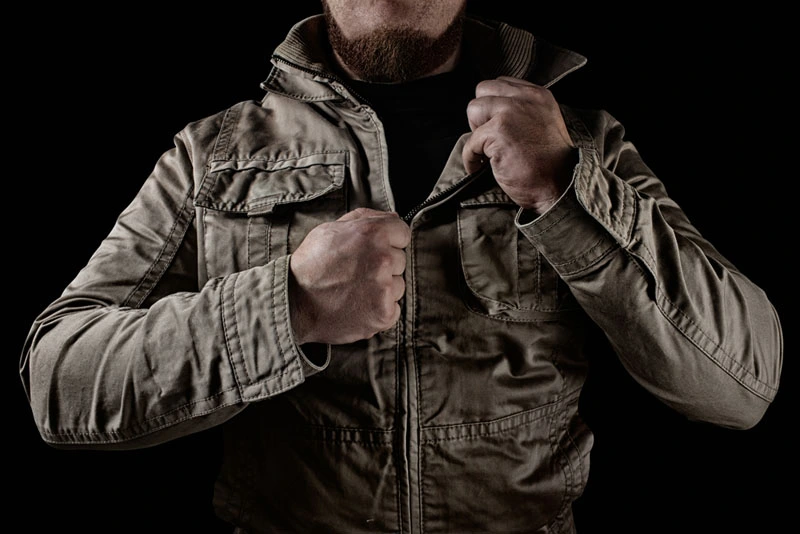
Multiple purpose-built pockets keep essential items accessible without a bag: magazine and tool pockets on pants, low-profile chest and sleeve pockets on shirts and jackets, and secure zip or hook-and-loop closures so nothing falls out when you move.
4. Mobility Built Into the Cut
The design caters to agility for people constantly on the move. Articulated knees, gusseted seams, and stretch panels let you climb, kneel, and reach without the fabric binding, a balance of comfort and function that standard workwear rarely gets right.
5. Weather, UV, and Flame Protection
Reinforced panels at critical areas add protection, and weather-resistant finishes shield you from rain and sun. Many pieces also include built-in UV protection and, in some product lines, flame-resistant treatments for anyone working around heat or open flames, which are worth checking for, especially if you’re buying for outdoor or high-exposure use, rather than assuming they’re standard.
6. Comfort and Moisture Management
Breathable, moisture-wicking fabrics are what make tactical clothing wearable for a full shift or a full day outdoors rather than just a photo. Ventilated panels and sweat-wicking liners pull moisture away from the skin during heavy activity, which matters as much for comfort as for performance, since clothing that traps heat and sweat gets abandoned, no matter how durable it is.
7. Versatility Across Environments
Tactical clothing adapts to different terrains and climates. In practice, that means a jacket with a zip-out liner for a cold morning that warms into an 80-degree afternoon, or vented underarm panels that open during heavy exertion and close in the wind. For colder climates specifically, layering with proper winter tactical clothing keeps the same mobility and storage intact without sacrificing warmth. It also increasingly means concealment-focused design: camouflage patterns for the field, stealth-oriented muted colorways, and low-profile cuts that don’t read as “tactical” at a glance, for anyone who wants the functionality without looking the part.
Who’s Wearing Tactical Clothing Now
For military and law enforcement, tactical uniforms are working equipment. In high-pressure operations, on the battlefield or during law enforcement interventions, they support performance and provide safety features regular clothing can’t.
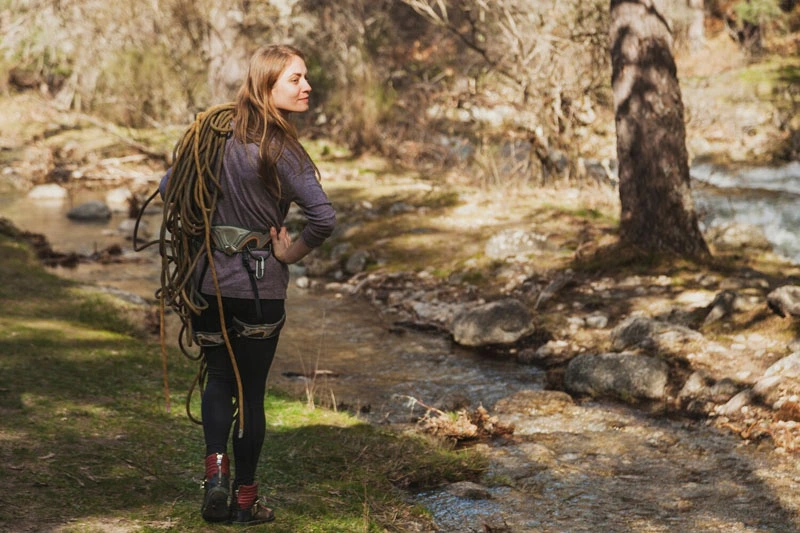
Outside those fields, civilians have embraced tactical apparel for the same reasons. People gearing up for outdoor trips rely on tactical vests and pouches, athletes value the ergonomic designs, and for many it simply fits into everyday life as more capable clothing. Movies and TV have pushed tactical styling into mainstream fashion, but the practical benefits are what keep people wearing it.
Why Civilians Buy Tactical Gear
Civilians buy tactical gear for the same functional reasons professionals do, not for the styling. The most common drivers are storage without a bag (pockets replace a backpack for a hike, a range day, or daily carry), durability for hobbies that are hard on clothing (hunting, off-roading, camping, home projects), and comfort features like moisture-wicking fabric and articulated knees that standard casual clothing skips. Preparedness-minded buyers also value tactical layers for their weather resistance and quick-access pockets while traveling. If you’re shopping for your own kit, these tactical gear picks for civilians are a good starting point. The category has grown alongside outdoor and self-reliance trends, but the purchase decision usually comes down to whether the wearer needs more durable, functional clothing than a retail store offers.
Historically a male-centric category, tactical clothing is also shifting. With more women in combat roles, law enforcement, and outdoor pursuits, brands now offer tactical clothing designed for women in cut and fit, not just resized men’s gear.
Professional Duty Uniforms Compared to Casual Tactical Wear
Not all tactical clothing is built to the same standard, and the gap matters most between duty uniforms and casual tactical wear.
Duty uniforms, the kind issued to law enforcement, corrections, or security personnel, are built around a short list of non-negotiables: consistent fit across a roster of body types, fabric that survives daily wear and frequent washing without breaking down, pockets placed for radio and duty belt access rather than convenience, and compliance with agency specifications for color, insignia placement, and flame resistance where required. Fit is engineered for uniformity and equipment carry, not personal style.
Casual tactical wear borrows the same construction, reinforced knees, ripstop or Cordura fabric, functional pockets, but drops the standardization requirements. Fit runs closer to everyday clothing, colorways lean toward muted civilian tones rather than issue colors, and pocket placement favors a phone, wallet, and everyday-carry gear over radio mounts.
The features that matter most stay the same either way: fabric durability, stitching at stress points, and pocket placement that matches how the piece will actually be used. The real difference is standardization. Choose duty-grade gear when uniformity, agency compliance, or daily institutional wear is the requirement; choose casual tactical wear when the priority is comfort and function for personal use.
What to Buy First
If you’re starting from zero, build in this order:
- Tactical pants. They deliver the biggest upgrade over regular clothing: reinforced knees, real pockets, and durable fabric, and they get worn the most.
- A rigid belt. A proper tactical belt carries tools, pouches, or a holster without sagging the way a dress belt does.
- Footwear. Boots or trail-rated shoes matched to your terrain do more for all-day performance than any upper-body piece.
- A shell or softshell jacket. Weather protection with functional pockets rounds out a working setup.
Add vests, pouches, and specialty layers once you know how you actually use the basics.
Must-Have Features to Look For When Buying
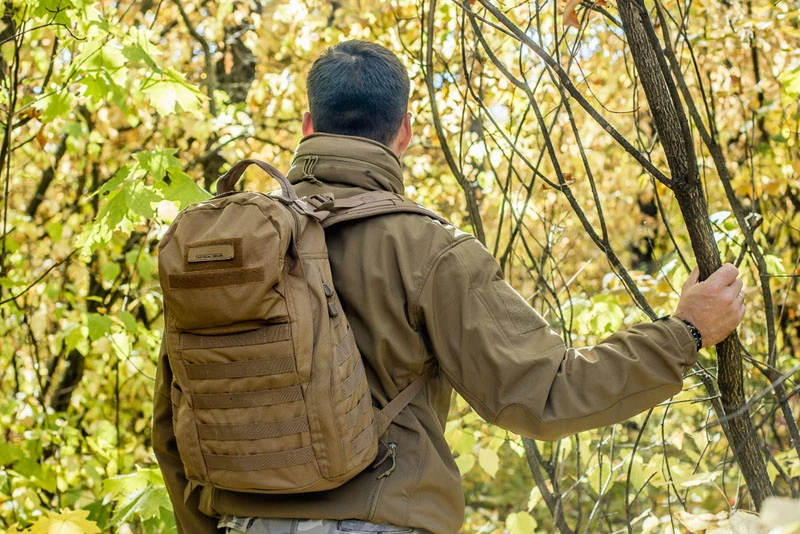
Not every “tactical” label means the same thing. Before you buy, check for: reinforced knees and seat panels, adjustable waist and cuffs for layering, at least one concealed-carry-friendly pocket if that matters to you, moisture-wicking liner fabric, camouflage or solid colorways suited to how you’ll actually use the piece, and a fabric weight suited to your climate (lighter ripstop for heat, heavier Cordura blends for cold or abrasive terrain).
How to Choose a Trustworthy Tactical Clothing Brand
Tactical apparel spans a wide price range, and the difference between a budget knockoff and a properly built garment usually shows up exactly where it matters: stitching, fabric grade, and hardware.
A few signals separate trustworthy brands from the rest. Material sourcing: brands that specify fabric by name (genuine Cordura, milspec ripstop) rather than a vague “tactical fabric” label are giving you something you can actually verify. Stitching and reinforcement: look for bar-tacked stress points and double stitching at pockets and seams, not just a single pass. Track record with professional buyers: brands carried by law enforcement suppliers, military surplus retailers, or first-responder outfitters have typically cleared a higher durability bar than brands sold only through general marketplaces. Warranty and return policy: a brand confident in its stitching and fabric usually backs it with a real warranty, not just a short return window.
Premium tactical apparel tends to justify its price through fabric grade and reinforced construction that gives it real resilience over years of hard use, where budget versions often fail at the seams or lose shape within months. That doesn’t mean the most expensive option is always right. For occasional or light use, a mid-range piece from a brand with consistent reviews and clear fabric specs is usually enough. For daily, high-wear, professional, or duty-grade use, paying for verified materials and construction pays off in the garment lasting years rather than months.
Caring For and Storing Your Tactical Gear
Every piece of waterproof tactical gear, from shells to bags, needs regular care. Wash according to fabric-specific guidelines to protect coatings and treatments; that’s what keeps the performance features working for the life of the garment.
Why Proper Hanging Matters for Reinforced Gear
Tactical clothing is heavier and stiffer than everyday fabric. Reinforced knees, structured shoulders, and attached hardware add real weight. Standard wire or thin plastic hangers bend, sag, or snap under that load over time, stretching shoulders and warping the fit.
Standard hangers bend and sag under the weight of reinforced gear over time. Shop Tough Hook’s heavy-duty hangers built for tactical clothing and keep every piece in the shape it was built to hold.
Conclusion
Tactical clothing earns its keep through durability, functional storage, weather adaptability, and comfort under real use, not through the label alone. Whether you need duty-grade gear, casual tactical wear, or something that outperforms standard workwear, choose it for the features that actually matter for how you’ll use it, and take care of it properly (including how you store it) so it holds up as long as it’s built to.
Frequently Asked Questions
What’s the difference between tactical clothing and combat gear?
Combat gear is built specifically for warfare; tactical clothing borrows its durability and functional design but is designed for versatility across military, law enforcement, first-responder, and civilian use.
Is tactical clothing worth it for everyday civilian use?
Yes, for anyone who wants more durable, functional clothing for outdoor activities, work, or daily carry, the reinforced construction and storage features hold up better than standard clothing.
What fabric makes tactical clothing durable?
Cordura and ripstop nylon are the two most common, both chosen for tear and abrasion resistance, often paired with reinforced stitching at stress points.
How should you wash and store tactical clothing?
Follow fabric-specific washing instructions to protect coatings and treatments, and hang reinforced pieces on a heavy-duty hanger rather than a standard one to keep their shape and shoulder structure intact.
What should you look for when buying tactical clothing?
Reinforced knees and seams, adjustable fit for layering, moisture-wicking fabric, and a weight suited to your climate.
What is the difference between tactical clothing and workwear?
Workwear is built around a specific job hazard like heat or high visibility, while tactical clothing is built around movement and gear storage, with articulated cuts, stretch panels, and pockets sized for tools, a radio, or a firearm.
Is tactical clothing different for professional duty use versus casual wear?
Yes. Duty uniforms are built for uniform fit, agency compliance, and daily institutional wear, while casual tactical wear uses the same construction with a closer-to-everyday fit and civilian colorways.