
Waterproof tactical items are indispensable in many situations where moisture and water exposure are prevalent. From military operations to organized military gear and adventure sports, these items offer protection and functionality, ensuring that equipment remains usable and individuals remain prepared. This guide covers the nuances of these waterproof tactical essentials, including what to do once that gear gets wet.
Ready to upgrade your gear storage? The Original Tough Hook Tactical Hanger is built to handle the weight and wear of tactical and outdoor gear day after day, wet or dry.
Waterproof Materials and Technology: What Makes Gear Water-Repellent
Not every product labeled water-repellent works the same way, and knowing the difference helps when comparing sports apparel with water-repellent features against true waterproof tactical gear. Three things do most of the work: surface coatings, waterproof membranes, and seam construction.
Durable Water-Repellent (DWR) Coatings
A DWR coating is a thin treatment applied to the outer fabric that makes water bead up and roll off instead of soaking in. It shows up on tactical outerwear and on general sports apparel with water-repellent features alike, but DWR wears down with abrasion, dirt, and washing, so it needs periodic reapplication to keep performing.
Waterproof-Breathable Membranes
Underneath the outer shell, a waterproof-breathable membrane blocks liquid water while still letting sweat vapor escape. This is what separates a genuinely waterproof jacket from one that is only water-resistant, and it is the main reason a quality tactical shell costs more than a basic DWR-treated layer. Many of these membranes are windproof as well, cutting wind chill in addition to blocking rain.
Taped Seams and Fabric Weight
Every stitch hole is a potential leak point, so fully taped seams use heat-sealed tape over the stitching to keep water out, especially at shoulders, hoods, and pack flaps where rain collects. Fabric weight, measured in denier, adds another layer of protection: higher-denier nylon resists abrasion and tearing better, which matters for rugged, durable gear meant to survive rough handling in the field.
Waterproof Tactical Clothing: Beyond The Basics
Clothing is our primary barrier against external elements. When it comes to tactical operations or outdoor adventures, it’s not just about staying dry; it’s about having clothing that performs under pressure.
- Jackets & Pants: A staple in waterproof gear, these items are often crafted with nylon or other water-resistant fabrics. Modern jackets come with features like sealed zippers, patches for personalization, and pockets placed for functionality. Pants provide comfort while ensuring the capability to withstand harsh conditions.
- Footwear: Waterproof boots and shoes are pivotal. A good pair combines durability, comfort, and safety. They keep feet dry while offering solid ground traction. A must for any tactical job.
- Gloves & Headwear: Keeping hands and heads dry can significantly influence performance. Waterproof gloves offer both protection and dexterity. Hats and headgear shield against rain, ensuring visibility remains clear.
Breathability, Comfort, and Moisture-Wicking Layers
Staying dry from the outside is only half the job. Comfortable waterproof breathable equipment depends as much on what’s worn underneath a shell as on the shell itself.
- Moisture-Wicking Base Layers: Apparel built for military training and long field days needs to move sweat away from skin before it reaches the waterproof outer layer. Synthetic or merino wool base layers marketed as moisture-wicking, tough apparel keep the body dry from the inside even when the outer shell is doing its job.
- Breathability Ratings: A good waterproof-breathable membrane lets vapor escape rather than condensing inside the jacket, which is why two waterproof jackets can feel completely different after an hour of movement. Checking the breathability rating alongside the waterproof rating gives a clearer picture of real-world comfort.
- Layering Systems: Combining a wicking base layer, an insulating mid layer, and a waterproof-breathable outer layer, often called a waterproofing wear system, adapts better to changing weather and exertion levels than a single heavy garment.
Tactical Waterproof Tools and Accessories
Beyond clothing, various tools and accessories are crucial in surviving wet conditions. These items can range from knives to hydration systems.
- Knives & Tools: A waterproof tactical knife is often made of high-quality stainless steel, ensuring longevity even in wet conditions. Tools, however, account for a lot more – from nylon-based patches to multi-functional tools that serve many purposes.
- Hydration Systems: Canteens, bottles, and other hydration products ensure clean water is always within reach. Some packs even offer built-in filtration technology.
- Lighting: Waterproof flashlights, headlamps, and even night-vision goggles ensure that visibility is never compromised, regardless of the weather. Always look for products with positive reviews concerning waterproofing.
How Water-Resistant Are Tactical Pouches and Other Small Gear?
Pouches, mag carriers, and small utility cases don’t always get the same waterproofing attention as jackets and packs, but they hold gear that is just as vulnerable to moisture.
- Material: Most tactical pouches use the same nylon fabric as packs, which resists light water on its own but is not sealed at the seams.
- Closures: Roll-top or covered lid closures with hook-and-loop or buckle fasteners keep out rain far better than open-top pouches.
- Realistic Expectations: Even a pouch labeled water-resistant will let moisture through with prolonged exposure or submersion. For contents that cannot get wet, an additional zip-lock bag or dry sack inside the pouch is the safer approach.
Waterproof Storage & Carrying Gear
Storage is pivotal when it comes to safeguarding items from water. From backpacks to cases, these products help keep contents dry.
Bags & Packs
Tactical backpacks and packs often come with waterproofing features. Look for bags with sealed zippers, nylon fabric, and water-resistant patches. Holsters and cases also fall under this category, ensuring tools and weapons remain dry.
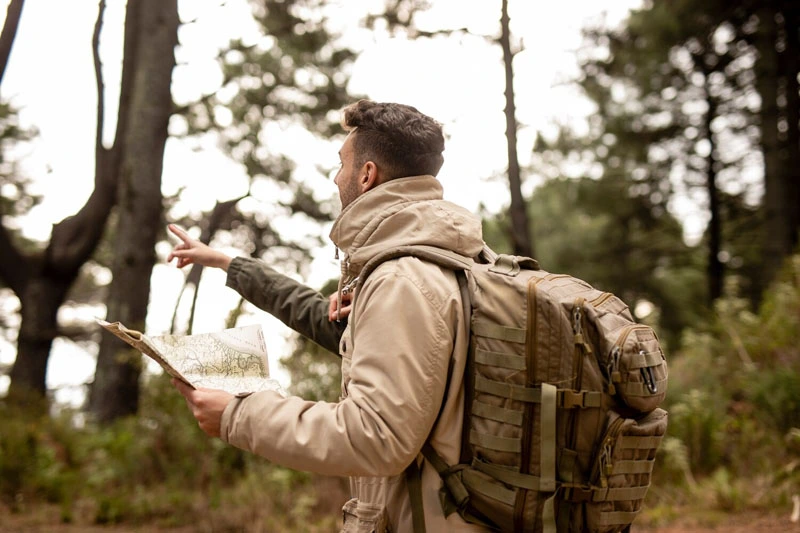
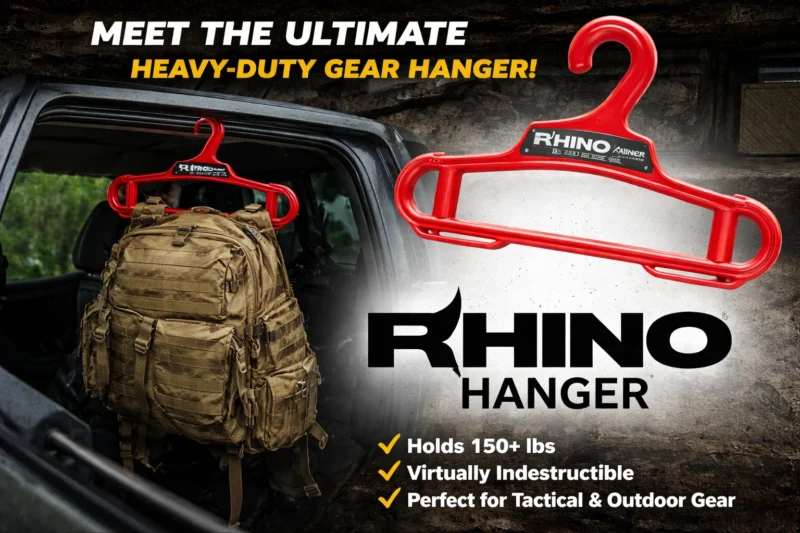
Built for the weight of wet gear: The Rhino Hanger is rated to hold heavy, saturated gear without bending or snapping, so wet jackets, vests, and packs keep their shape while they dry instead of sagging on a standard hanger.
Durability: What Makes Gear Survive Harsh Environments
Durability and waterproofing solve different problems, though buyers usually ask about both at once. Which military gear accessories offer the most durability in harsh conditions usually comes down to three factors: fabric weight, hardware quality, and reinforcement at stress points.
- Fabric Weight and Weave: Higher-denier nylon and ripstop weaves resist tearing and abrasion better than lightweight fabrics, which matters for gear that gets dragged, dropped, or pressed against rough terrain.
- Reinforced Stress Points: Elbows, knees, pack bottoms, and pouch corners wear out first, so look for double-stitched or bar-tacked reinforcement in these areas.
- Corrosion-Resistant Hardware: Rugged zippers, buckles, and D-rings that resist rust and salt exposure keep gear functional through repeated wet-dry cycles, which matters most for utility and combat use in coastal or humid, survival-type environments.
Common Mistakes That Damage Wet Tactical Gear
Even good waterproof gear can be ruined by how it’s handled after exposure:
- Drying with direct heat. Radiators, dryers, and direct sun can warp waterproof membranes and degrade seals over time.
- Folding or bagging gear while still damp. Trapped moisture is exactly what causes mildew and odor, and it happens fast in a closed bag.
- Ignoring seams and zippers. These are the first points where waterproofing fails; grit and salt left in zippers accelerate wear.
- Stacking wet items on top of each other. This traps moisture against every layer and slows drying across the whole pile, not just the top item.
- Using flimsy hangers for heavy, wet gear. Standard hangers bend, snap, or fail to hold shape, letting jackets and gear dry misshapen or fall altogether.
Why Proper Hanging and Storage Matter After Water Exposure
Once gear is wet, how you store it while it dries matters as much as the waterproofing itself. Wet gear left in a pile or on a weak hanger holds moisture longer, which is exactly what leads to mildew, material breakdown, and shortened gear lifespan. A heavy-duty hanger built for wet gear holds shape under weight, resists corrosion, and lets air circulate around the item instead of trapping moisture against a shelf or the inside of a bag. This is the difference between gear that dries out clean and gear that comes out of storage smelling like mildew or showing early wear. For more on how storage choices affect long-term durability, see why heavy-duty hangers matter for wet gear.
Maintenance and Care of Waterproof Tactical Gear
Proper maintenance can prolong the life of waterproof tactical items, ensuring they remain effective and dependable when needed most.
- Cleaning: Over time, dirt and residue can compromise a product’s waterproofing capabilities. Gentle cleaning, using the right products, can rejuvenate waterproof qualities.
- Drying: Air-dry gear fully before storing it, away from direct heat. For wetsuits specifically, proper drying and storage prevents the same mildew and breakdown issues that affect other wet tactical gear. The same applies to waders and other wet outdoor gear.
- Storage: Ensure items are stored in a cool, dry place when not in use. For items like boots and jackets, ensure they are completely dry before storing to prevent mold or mildew buildup. See more tactical gear storage ideas for setting up a dedicated drying and storage space.
- Regular Checks: Especially for mission-critical items like body armor and tools, periodic inspections ensure everything remains in top condition. Checking for any tears, malfunctions, or compromised waterproofing can prevent unpleasant surprises later.
Conclusion
With the ever-growing range of waterproof tactical items available, understanding what’s right for your needs is crucial, but how you dry, hang, and store that gear afterward is what determines how long it actually lasts. Always prioritize quality and functionality when choosing clothing, tools, or accessories, and give equal thought to how you store it once it’s wet. Stay dry, stay prepared, and always be ready to tackle any challenge that comes your way.
Frequently Asked Questions
Can I make a non-waterproof item water-resistant?
Yes, using water-resistant sprays and treatments can enhance an item’s resistance to water, but results may vary.
What’s the difference between water-resistant and waterproof?
Water-resistant items can handle light moisture, while waterproof items can endure more intense water exposure without penetration.
How do I test a product’s waterproof claim?
Initiate a controlled environment test, like submerging or spraying water, to check for any leaks or dampness on the item.
How do I dry wet tactical gear without damaging it?
Air-dry away from direct heat sources like radiators or dryers, which can warp waterproof membranes and weaken seals. Let gear fully dry before storing or hanging it.
Why does wet gear need heavy-duty hangers instead of regular hangers?
Standard hangers can bend or fail under the weight of wet gear and don’t hold shape well, which lets moisture sit against the material longer. Heavy-duty hangers support the weight and allow better air circulation while gear dries.
What ruins waterproof tactical gear the fastest?
Storing gear while still damp is the most common cause of damage; it leads to mildew, odor, and material breakdown far faster than normal wear. Direct heat drying and neglected seams or zippers are close behind.
What materials are used in waterproof tactical clothing?
Most waterproof tactical gear combines a nylon or ripstop outer fabric, a DWR coating, and a waterproof-breathable membrane, with taped seams sealing the stitching. Higher-denier fabrics and reinforced stress points add extra durability for rugged use.
Are waterproof tactical clothes breathable?
Yes, when they use a waterproof-breathable membrane rather than a solid, non-breathable coating. Breathability lets sweat vapor escape while still blocking rain, which keeps the wearer comfortable during heavy movement.