

Every experienced outdoorsman knows that the gear you carry can make or break a trip, and the pack that holds it all matters more than most people think. So, what is a tactical backpack? It is a rugged, military-inspired pack built around durable materials, organized compartments, and modular MOLLE webbing, designed to carry essential gear efficiently through hiking, camping, hunting, fishing, and everyday use.
The word “tactical” often brings to mind military and police operations, but the same design priorities that serve soldiers in the field also serve hikers, hunters, campers, and anyone who wants a bag that holds up. This guide explains what makes a backpack tactical, how it compares to a regular hiking backpack, which features are worth paying attention to, and how to care for one so it lasts for years.
What Is a Tactical Backpack?

A tactical backpack is a pack modeled on military load-carrying designs. Instead of one large main pocket, it is built for organization and quick access, with several dedicated compartments, reinforced stitching, and external attachment points for extra pouches and tools.
These packs are designed for specific roles. Outdoorsmen use them for packing the right hiking gear, for a first camping trip, and for carrying tackle and layers on the water with fishing tips for staying high and dry. In every case, the goal is the same: give the user fast, reliable access to the items that matter most.
Tactical Bag Meaning: Where the Design Comes From
When people search for the meaning of a tactical bag, they are usually asking why these packs look and work so differently from everyday backpacks. The answer is their military roots. A military tactical backpack is built to carry a soldier’s essential load in the field, so every part of the design focuses on reliability, quick access, and the ability to adapt to a changing mission.
The MOLLE webbing system became standard in U.S. military load-carrying equipment because it let troops arrange pouches to suit each task. Civilian tactical backpacks borrow that same approach, along with rugged fabrics, heavy-duty zippers, and reinforced grab handles. That is why a tactical backpack feels more like a piece of field equipment than a fashion accessory. If you want to see how the same thinking applies to keeping a full kit in order, our article on keeping military gear organized covers it in more detail.
In practice, “tactical” simply describes a bag designed for function first: organized storage, durable construction, and a modular layout you can change for hiking, survival kits, range days, or travel.
Tactical Backpack vs Regular or Hiking Backpack
A standard backpack is usually built for school, work, or light travel. A tactical backpack offers specialized compartments, MOLLE webbing, and heavier construction, which makes it better suited to sports and outdoor use. Compared with a dedicated hiking backpack, the differences come down to priorities:
| Feature | Tactical Backpack | Typical Hiking Backpack |
|---|---|---|
| Main priority | Durability, organization, and modular setup | Light weight and carrying comfort over long distances |
| Exterior | MOLLE webbing for attaching pouches and tools | Usually smooth panels with fewer attachment points |
| Organization | Many dedicated pockets and compartments | Fewer, larger compartments |
| Materials | Heavier, abrasion-resistant fabrics | Lighter fabrics to save weight |
| Best for | Day hikes, hunting, camping, travel, and everyday carry | Long-distance and multi-day trekking where every ounce counts |
If you mostly take day hikes, hunt, or want one pack that also works for travel and daily use, a tactical backpack is a strong choice. If you are covering long distances over several days, a lighter hiking pack may be more comfortable. Many outdoorsmen own both and choose based on the trip.
Types of Tactical Backpacks
Tactical backpacks come in several styles, and the right one depends on how long you will be out and how much you need to carry.
Small Tactical Backpacks and Day Packs
A small tactical backpack is built for short hikes, everyday carry (EDC), commuting, or the gym. It holds water, a light layer, a first aid kit, and personal items without adding bulk. Many people use a compact tactical backpack as a gym bag because the separate compartments keep clean clothes away from shoes and training gear.
Assault Packs and Three-Day Packs
The term assault pack comes from military use and usually refers to a mid-sized pack for a full day or overnight in the field. A three-day pack offers more capacity for extra clothing, food, and shelter, which makes it a popular choice for weekend camping and hunting trips.
Sling Bags and Chest Packs
A tactical sling bag rides over one shoulder and swings to the front for fast access, while a chest pack sits on your torso and keeps small essentials within reach. Both work well alongside a larger backpack or on their own for light carry.
Hydration Packs
Hydration packs are slim tactical packs built around a water bladder. They suit running, cycling, and fast day hikes where staying hydrated matters more than carrying a large load.
Key Features of a Tactical Backpack
Enhanced Durability and Weather Resistance

- Materials built to last: Tactical backpacks typically use heavy-duty nylon or polyester that resists abrasion, tears, and everyday wear. That makes them suitable for rough terrain, brush, and wet environments. They come in a range of colors, including black, green, brown, grey, and camouflage patterns.
- Protection from the weather: Whether you are camping or hunting, conditions can change quickly. Weather-resistant fabrics and coatings help protect your gear from rain, snow, and harsh sun. Keep in mind that water-resistant is not the same as waterproof, so check the specifications if you need full protection.
Organized Compartments and Pockets
- A place for everything: Each pouch and compartment in a tactical bag serves a purpose. Dedicated pockets for a camera, laptop, first aid kit, or navigation tools keep items secure and easy to reach.
- Faster access in the field: When every item has its own spot, you spend less time digging through your pack and more time on the trail or in the stand.
MOLLE Webbing and Modular Setup
- What MOLLE means: MOLLE stands for Modular Lightweight Load-carrying Equipment. It is a grid of webbing, originally developed for military gear, that lets you attach compatible pouches, holders, and accessories to the outside of the pack.
- Customizable for each activity: MOLLE lets you change the layout based on the trip. You might add a water bottle pouch for hiking, a utility pouch for fishing tackle, or a medical pouch for an emergency kit.
Ergonomic Design and Comfort
- Built for long carries: Padded shoulder straps and back panels help make longer carries more comfortable and can reduce the risk of muscle strains.
- Strap adjustments and load distribution: Adjustable shoulder straps, sternum straps, and hip belts spread the weight more evenly across your body, which helps limit back discomfort and shoulder strains during long hiking or camping trips. Tighten the straps so the pack sits close to your back, with the heaviest items packed nearest your spine.
Security Features
- Concealed compartments for valuables: For those traveling with valuable items or equipment, concealed or low-profile compartments add an extra layer of security.
- Hydration compatibility: Many tactical backpacks include a sleeve and port for a hydration bladder, so you can drink without stopping to unpack. Check the specific model if this matters to you.
How Outdoorsmen Use Tactical Backpacks

Whether you are moving through dense forest or crossing open desert, choosing the right tactical backpack for the environment makes a real difference. Here is how different outdoorsmen tend to put them to work:
- Tactical hiking: Day hikers value the organization and durability for carrying water, layers, snacks, and navigation tools on rough trails.
- Camping: Separate compartments keep cooking gear, fire starters, and personal items apart, so camp setup goes faster.
- Hunting and fishing: Earth-tone and camouflage colors blend into the landscape, and MOLLE pouches hold calls, tackle, knives, and small tools.
- Travel and everyday carry: A well-organized tactical bag works as a commuter or travel pack, with room for a laptop and daily essentials. It also doubles as a gym bag, and our guide to organizing gym accessories shows how to store training gear once you are home.
- Emergency preparedness: Many people keep a packed tactical backpack ready as a grab-and-go kit for emergencies, which fits the approach in our article on grab-and-go storage.
For more ideas on what to carry, see our list of tactical gear for civilians and our guide to waterproof tactical essentials.
Tactical Hiking: Using a Tactical Backpack on the Trail
Tactical hiking simply means heading out with gear organized the way a field operator would organize it: everything has a set place, the load is balanced, and the most important items are reachable without taking the pack off. A tactical backpack is a natural fit for this approach on day hikes and shorter overnight trips.
- Plan your loadout: Decide what goes in each compartment before you leave and keep it consistent from trip to trip. Our guide to a structured gear loadout explains why this habit saves time.
- Keep essentials accessible: Use MOLLE pouches or hip belt pockets for a map, compass, headlamp, knife, and snacks so you can grab them on the move.
- Stay hydrated: If your pack has a hydration sleeve, carry a bladder in addition to a water bottle for longer routes.
- Pack for the weather: Keep a rain shell and a rain cover near the top of the pack, since even a weather-resistant fabric can soak through in a heavy storm.
- Carry a basic survival kit: A small kit with a fire starter, emergency blanket, whistle, and first aid supplies is worth the extra weight on any trail.
Setting up your gear at home makes trail days easier. A grab-and-go gear wall keeps your pack loaded and ready, and after a muddy day, these tips on storing wet hiking gear help prevent long-term damage.
Carrying Range Gear and Standard Firearms in a Tactical Backpack
Some tactical backpacks are designed with range days and concealed carry (CCW) in mind. These models may include a dedicated, low-profile compartment sized for standard firearms, along with pockets for magazines, eye and ear protection, and cleaning supplies. Others are built to carry range gear only, while rifles travel in a separate case.
- Check the compartment design: If a pack is marketed for concealed carry, confirm the compartment size, closure, and whether it can be locked before relying on it.
- Know the law: Rules for carrying and transporting firearms vary by state and by location, including parks, trails, and public transport. Always follow local laws and the rules of the range or property you are visiting.
- Prioritize safe storage: When you get home, remove firearms from the pack and store them securely according to your local requirements. Store the backpack and range gear separately in a dry, organized space, such as the setups in our storage ideas for tactical equipment.
How to Choose the Right Tactical Backpack
The best tactical backpack is the one that fits your body and your trips. Before you buy, consider these points:
- Size and capacity: Match the pack to the length of your trips. A smaller day pack works for short hikes and daily carry, while overnight or multi-day trips call for a larger pack. Capacity is usually listed in liters.
- Fit: Look for adjustable shoulder straps, a sternum strap, and a hip belt. A pack that fits your torso carries much better than one that is simply larger.
- Materials and construction: Check the fabric, the zippers, and the stitching at stress points such as strap anchors and grab handles.
- Organization: Think about what you carry most often and make sure the compartment layout suits it.
- Empty weight: Heavier fabrics add durability but also add weight. Balance toughness against how far you plan to carry the pack.
- Color: Choose earth tones or camouflage for hunting, and a neutral color if you want a lower profile for travel or daily use.
Tactical backpacks suit both men and women, and many brands offer different sizes and strap designs for a better fit. Our article on tactical gear for women covers more options. If you are building a full kit, our guide to choosing the best tactical equipment is a useful next step.
Tactical Backpacks for Women and Smaller Frames
A tactical backpack for women should be chosen on fit rather than on style alone. Because torso length and shoulder width vary from person to person, a pack that carries well on one body can feel awkward on another.
- Torso length: Look for packs with an adjustable back panel or offered in more than one size so the hip belt sits on your hips, not your waist.
- Shoulder straps: Narrower or contoured shoulder straps can sit more comfortably and reduce rubbing.
- Sternum strap position: An adjustable sternum strap that slides up and down lets you find a comfortable position across the chest.
- Capacity: A small or mid-sized tactical backpack is often easier to carry on a smaller frame than an oversized pack that ends up half empty.
How Much Weight Can a Tactical Backpack Hold?
There is no single answer, because carrying capacity depends on the pack’s volume, frame, fabric, and strap system. A small day pack is designed for light loads, while a larger pack with a supportive frame and padded hip belt can handle more weight comfortably.
- Check the manufacturer’s guidance: Many brands list a capacity in liters, and some list a recommended load. Treat those figures as limits, not targets.
- Use the hip belt: A well-fitted hip belt moves much of the load from your shoulders to your hips, which matters most as weight increases.
- Pack smart: Keep heavy items centered and close to your spine, medium items above them, and light items in the outer pockets.
- Inspect stress points: Strap anchors, zippers, and grab handles take the most strain. Look for reinforced stitching, and check the warranty before you buy.
How to Adjust Tactical Backpack Straps for Comfort
Even the best pack feels heavy if the straps are set up incorrectly. Use this order each time you load a tactical backpack for a long carry:
- Loosen everything: Start with all straps loose and put the loaded pack on.
- Set the hip belt: Position the hip belt over your hip bones and tighten it so it carries most of the weight.
- Tighten the shoulder straps: Pull them snug so the pack sits close to your back without digging into your shoulders.
- Adjust the load lifters: If your pack has them, pull the straps at the top of the shoulder straps to bring the load closer to your body.
- Clip the sternum strap: Set it a few inches below your collarbone to keep the shoulder straps in place.
- Recheck on the move: Small adjustments after the first few minutes of walking make a big difference over a full day.
Good habits at home help too. Storing heavy gear at a comfortable height reduces lifting and bending, as covered in our article on ergonomics in gear storage.
Durability and Sustainability
- Environment-friendly materials: Some tactical backpack makers now offer recycled or lower-impact fabrics. If this matters to you, check the product details before you buy.
- Durability reduces waste: A well-made tactical backpack that is cared for properly can last for years, which means fewer replacements and less waste.
How to Clean and Store a Tactical Backpack
- Ensuring longevity: Proper cleaning and storage can substantially extend your backpack’s lifespan and keep it looking sharp.
- Cleaning tips: Empty every pocket, shake out dirt and debris, and spot clean with mild soap and a soft brush. Rinse with clean water and avoid harsh detergents that can damage coatings.
- Dry it completely: Let the pack air dry fully, with all compartments open, before storing it. Packing it away damp can lead to mildew and odors.
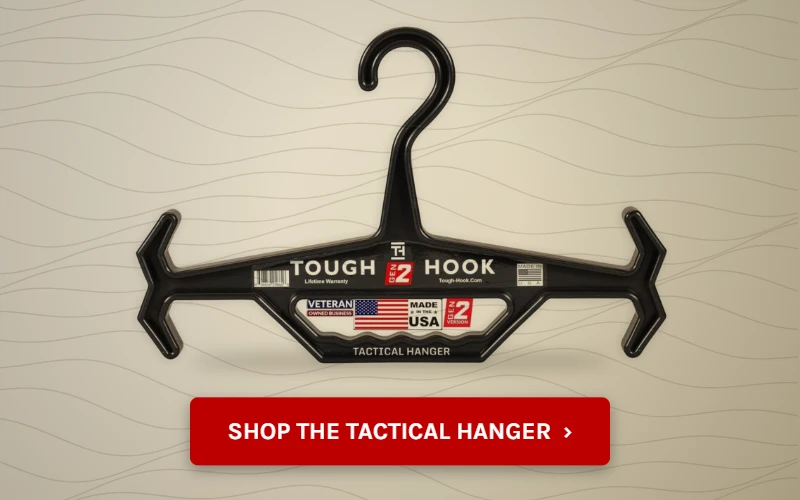
- Store it off the floor: Hanging your pack keeps it dry, helps it hold its shape, and makes it easy to grab for the next trip. A sturdy tactical hanger is built to handle heavier gear, and the Rhino hanger or XL hanger can support bulkier loads. Hikers who want more ideas can read why tactical hangers are a hiker’s best friend. For step-by-step advice, read how to store backpacks after a trek and how to hang loaded bags without stressing the seams.
- Regular checks: Although these backpacks are built tough, inspect zippers, buckles, and seams periodically so small issues do not turn into failures on the trail.
If you are setting up a home base for your kit, our guide to creating a dedicated tactical gear storage space shows how to keep packs, vests, and outerwear organized and ready.
Frequently Asked Questions
What is a tactical backpack used for?
A tactical backpack is used to carry gear in an organized, durable way. Outdoorsmen use them for hiking, camping, hunting, fishing, travel, everyday carry, and emergency kits.
What makes a backpack tactical?
A backpack is considered tactical when it follows military-inspired design: heavy-duty materials, reinforced stitching, multiple dedicated compartments, and MOLLE webbing for attaching extra pouches and accessories.
Is a tactical backpack good for hiking?
Yes, especially for day hikes and shorter trips. Tactical backpacks offer durability and organization, though they are often heavier than lightweight hiking packs designed for long, multi-day treks.
Can tactical backpacks resist water completely?
Many are water-resistant, but not all are fully waterproof. Check whether a particular model is rated waterproof, or use a rain cover or dry bags for complete protection.
How many compartments does a tactical backpack have?
It depends on the model. Small tactical backpacks may have only a few pockets, while larger packs often include a main compartment, a laptop or hydration sleeve, admin pockets, and external MOLLE pouches. Choose a layout that matches the gear you carry most.
Can I use a tactical backpack for everyday use or the gym?
Yes. A small tactical backpack works well for everyday carry, commuting, travel, and the gym because its compartments keep clothes, electronics, and accessories separated.
Can a tactical backpack carry firearms?
Some tactical backpacks include a concealed carry compartment sized for standard firearms. Laws on carrying and transporting firearms vary by location, so always check and follow local rules.
How long does a tactical backpack last?
With regular cleaning, complete drying, and proper storage off the floor, a well-made tactical backpack can last for many years of regular use.
Keep Your Tactical Backpack Ready for the Next Adventure
A good tactical backpack is an investment in every trip you take. Once you have the right pack, store it properly so it is clean, dry, and ready to go. Our heavy-duty hangers are made in the USA to keep packs, vests, and outdoor gear organized between adventures. Shop our heavy-duty hangers and give your gear a dedicated place to hang.