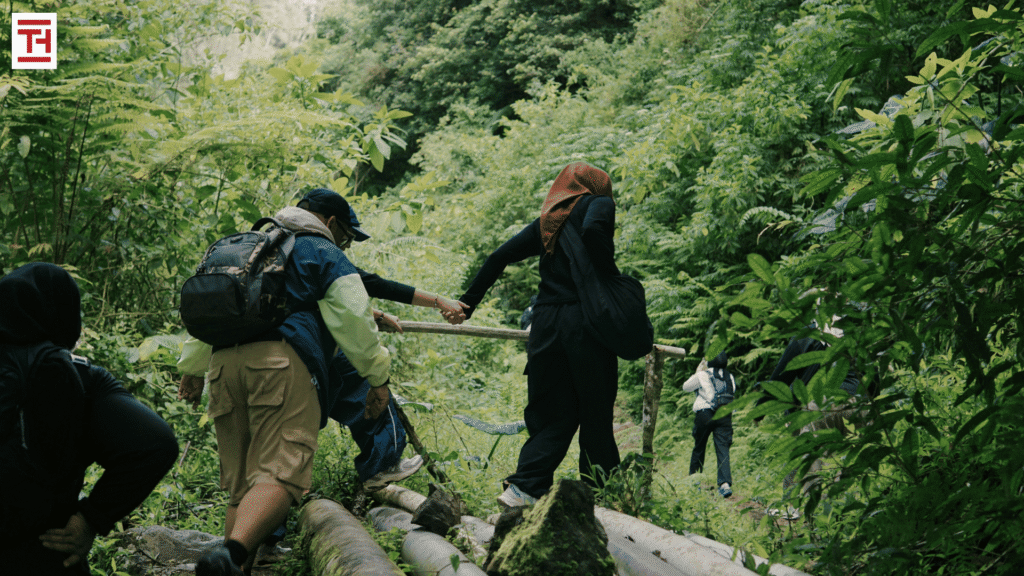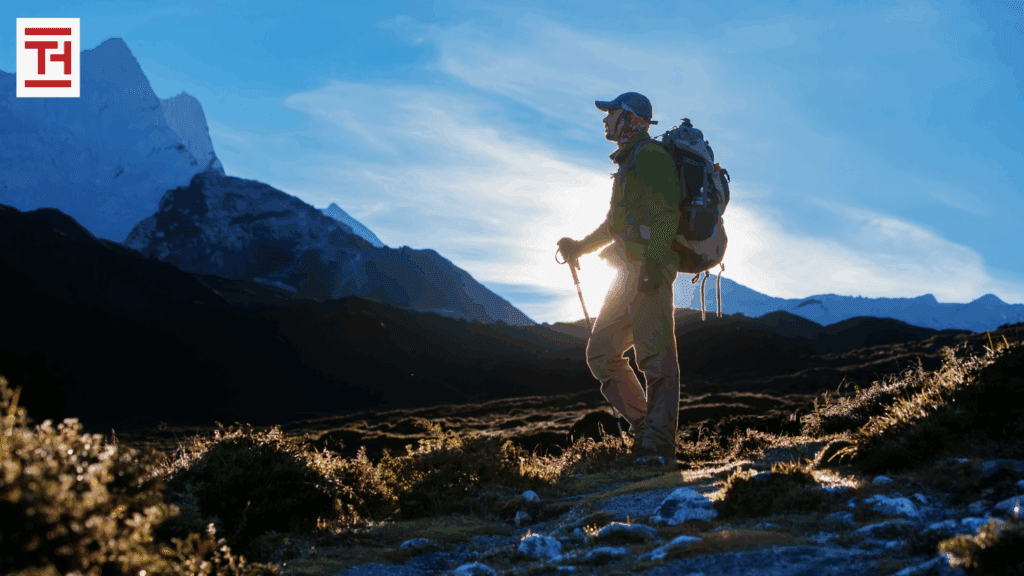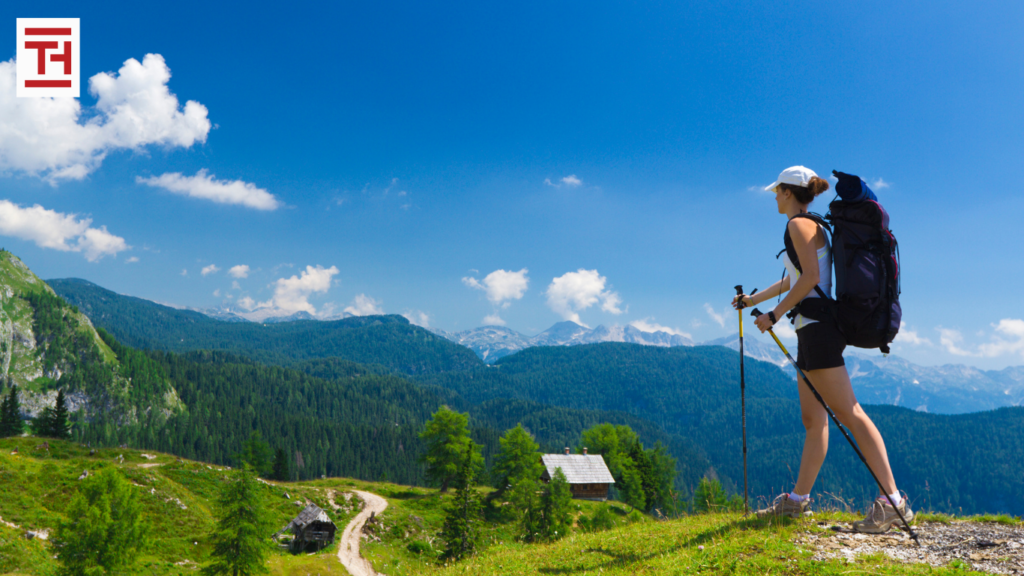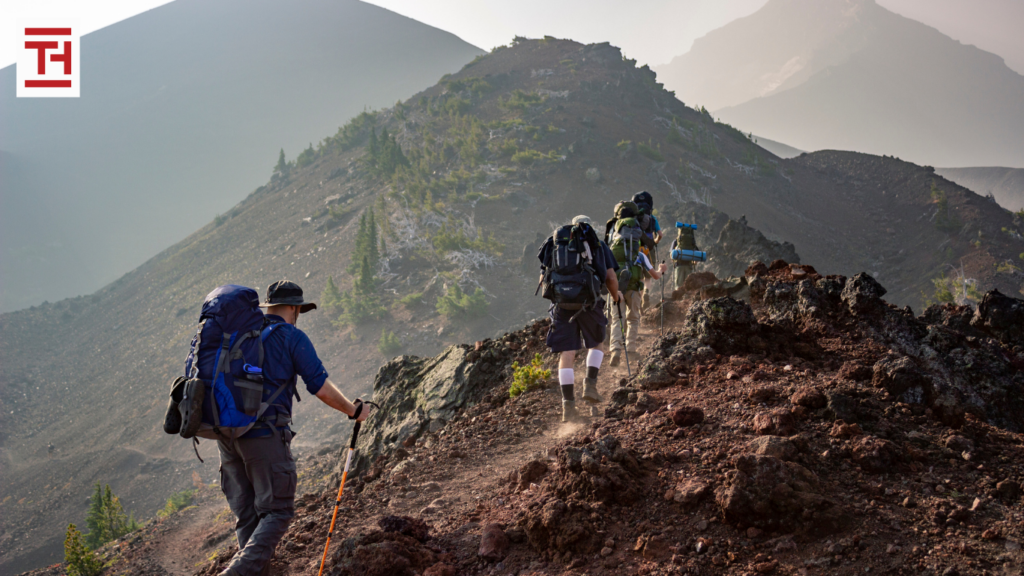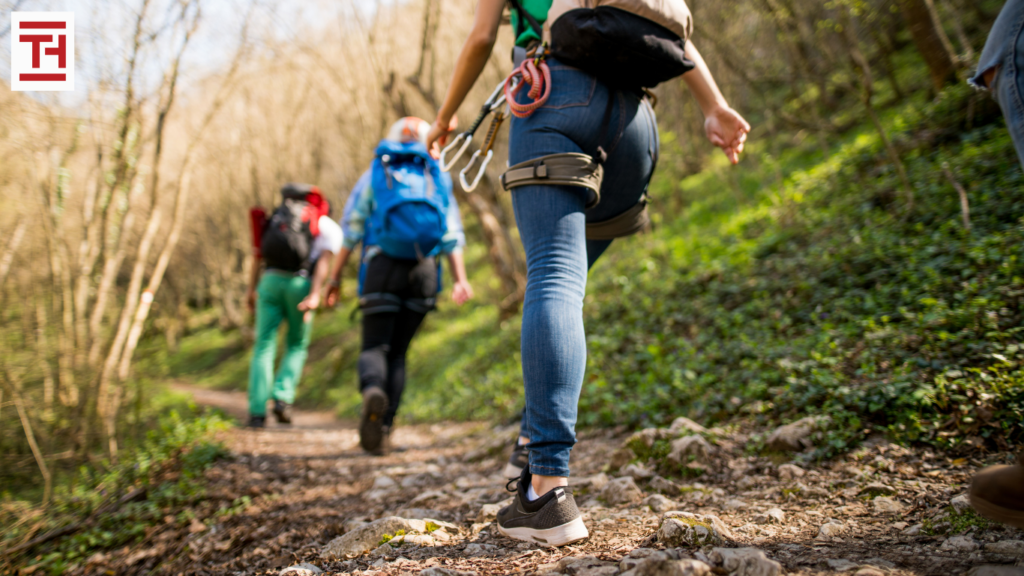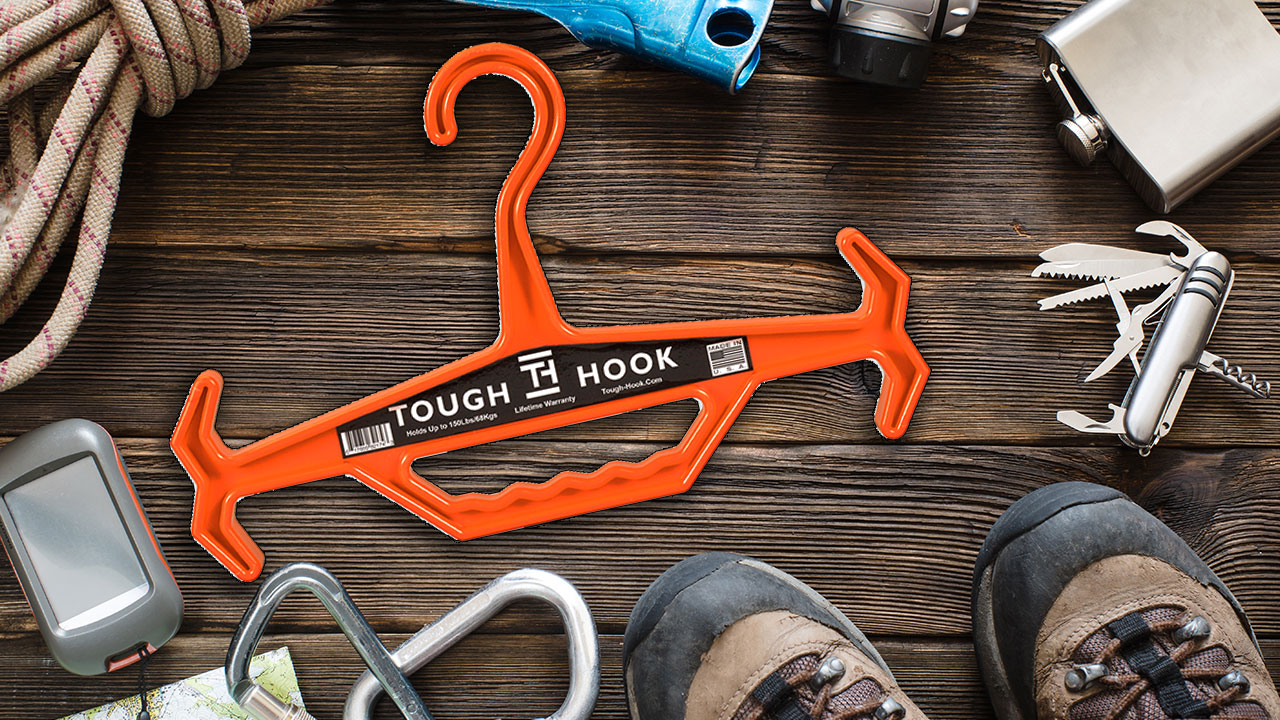
Whether you’re a beginner or an experienced hiker, having the right hiking gear is absolutely essential.
What’s more, the correct equipment is not only about having a good time. The right hiking gear (everything from shoes to a reliable hanger such as Tough Hook) also protects your safety. Let’s take a look at a few essential items for an enjoyable and safe hike, as well as some other tips for a top-notch trail experience.
Complete Hiking Gear Checklist
Not sure what to pack? Use this quick checklist before you hit the trail, then keep reading for the details behind each item.
- Moisture-wicking base layer and weather-appropriate outer layers
- Broken-in hiking shoes or boots, plus a spare pair of socks
- Food and at least half a liter of water for every hour on the trail
- A trail hook for hanging gear, wet clothing, or trekking poles
- A properly fitted backpack
- First aid kit, sunscreen, and insect repellent
- Portable phone charger, plus a plan you’ve shared with someone before you leave
Hiking Gear Essentials: Shoes and Clothing
Wearing the right equipment is the most important step you can take to protect your health while hiking. More goes into this than you might think, including air temperature and the elements you’re likely to encounter while on the trail.
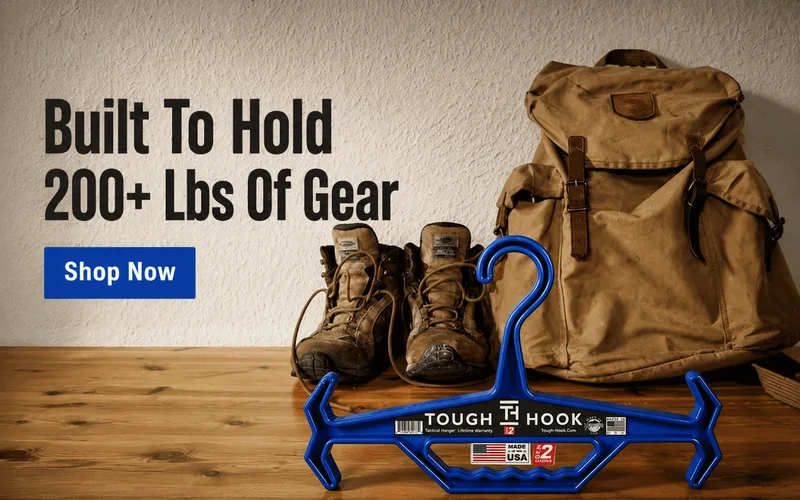
No matter the weather, we highly recommend moisture-wicking fabrics close to your skin. Wear breathable fabrics such as cotton in warmer weather and insulating fabrics in winter and autumn.
After your base layer comes your hiking layers. Even in warm weather, consider wearing long sleeves and pants to protect your skin from scrapes and exposure to the sun.
Depending on the weather, you may need an additional layer of insulation on top of your hiking layers. Consider your ease of movement while wearing them as well as their weight. Even in warm weather, it is a good idea to bring along a rain jacket or some weather-protective gear if it’s cloudy or you’re going into higher elevations.
Finally, footwear is the most important piece of clothing for hiking. This includes socks and shoes. We recommend visiting a hiking or outdoor supply store with knowledgeable staff so that you can get advice on your needs as well as try shoes on in the store to make sure they fit perfectly. Be sure to bring along the socks you plan to wear while hiking or plan on buying those at the store as well.
Hiking Gear Essentials: Food and Water

You also need to make sure that you bring along an adequate supply of food and water for your hike. For food, most people need to consume about 200 to 300 additional calories for every hour of vigorous exercise.
This is on top of your normal meals. There are many brands of tasty energy bars and granola bars available. Nuts and seeds also make great trail snacks since they are calorie-dense.
You need about half a liter of water every hour for a moderate hike in moderate temperatures. You should add to that if it is particularly warm or if your hike is more strenuous. You may want to consider a water treatment system or a bottle if you’re going to be hiking for long durations; carrying a lot of water is heavy.
Choosing the Right Hiking Hook for Your Pack
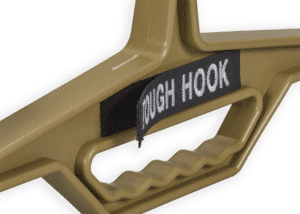
A hiking hook might not be the first item that comes to mind when you’re packing, but it earns its spot on the trail fast. Clip one to a trekking pole, a pack strap, or a tree branch at a rest stop and you have an instant place to hang wet clothing, a food bag, trekking poles, or a camera, without setting anything on the ground.
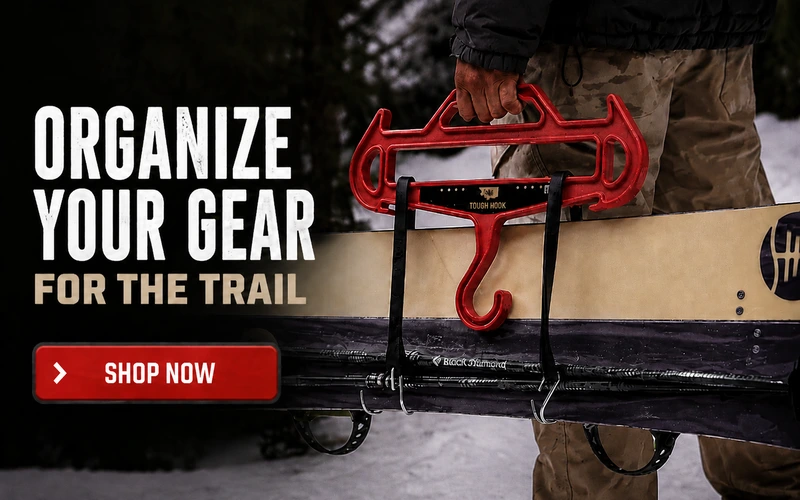
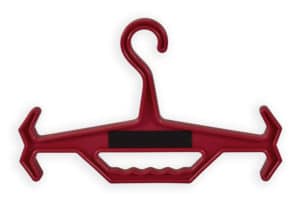
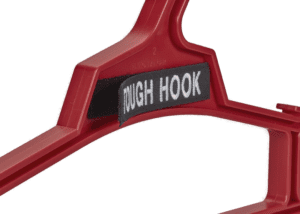
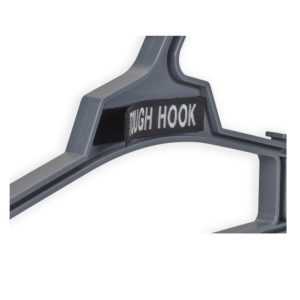
When you’re choosing a hiking hook, weight capacity and portability matter most. A Tough Hook holds up to 150 pounds and flips flat for easy storage in a pack or pocket, which makes it practical for hiking as well as other outdoor activities such as scuba diving.
For trekking trips where every ounce counts, a hook is worth the small amount of pack space it takes up. It keeps gear off wet ground, frees up your hands at a water break, and works just as well hanging from a fence rail at the trailhead as it does deep in the backcountry.
Hiking Gear Essentials: Backpacks
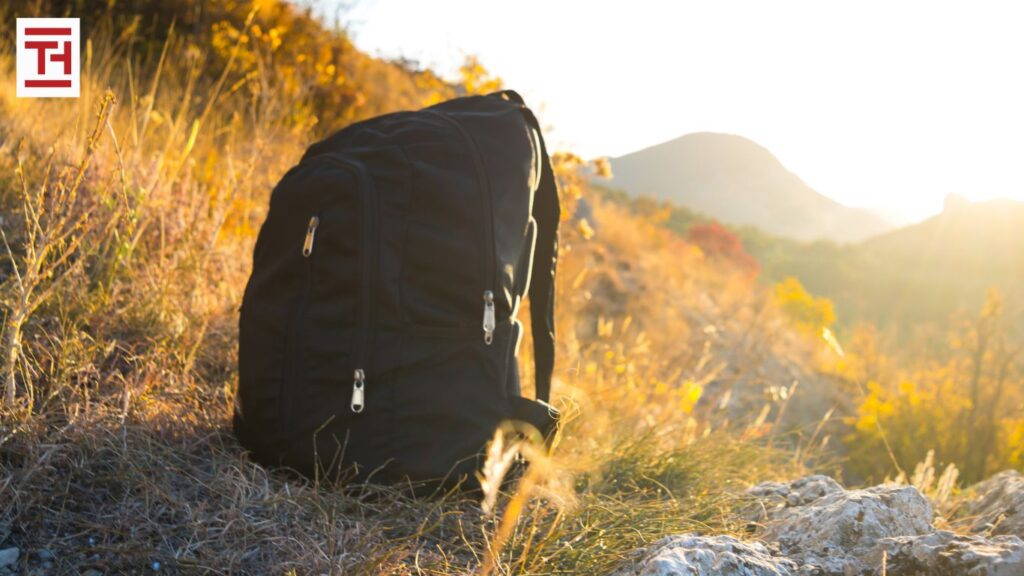
Another vital piece of hiking gear is a backpack. There are tons of hiking backpacks available for a variety of different needs. Serious hikers often own more than one backpack and choose between them based on the length and difficulty of the hike. Many also come with a bladder for easy water carrying and hydration on the trail.
When trying one on, load it with some weight and adjust the hip belt and shoulder straps until it sits comfortably, since fit matters more than capacity for a comfortable hike.
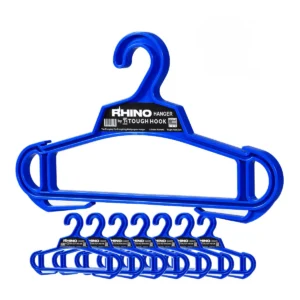
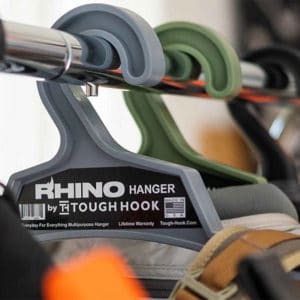

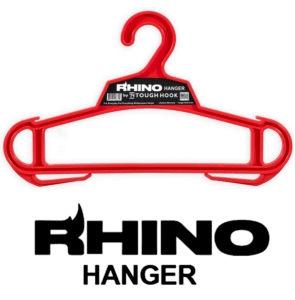
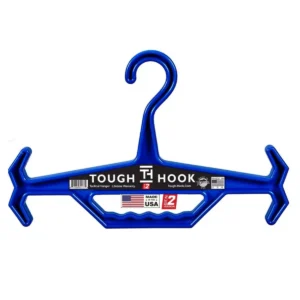
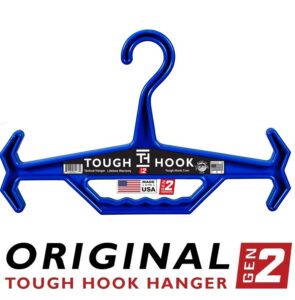
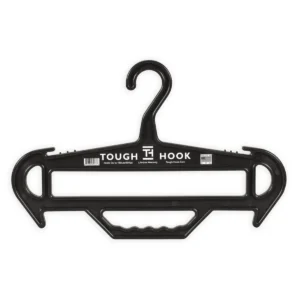
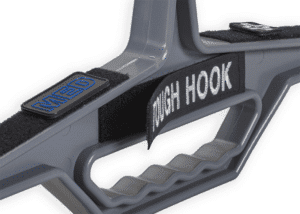
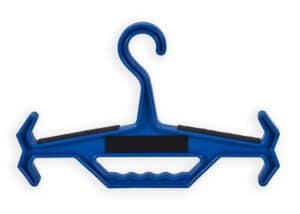
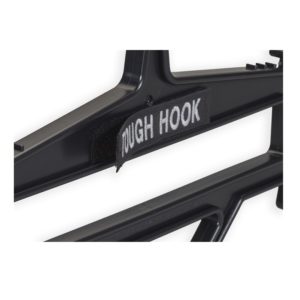


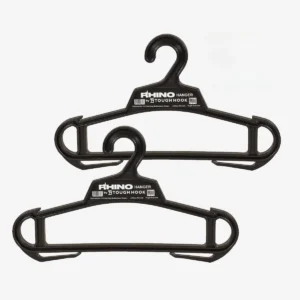
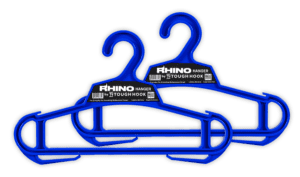
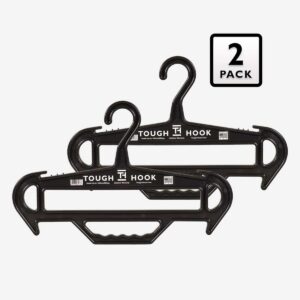
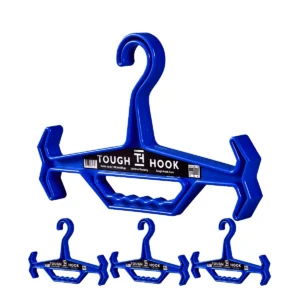
2 Pack RHINO Heavy Duty Clothes Hanger Bundle
Original price was: $27.95.$23.95Current price is: $23.95.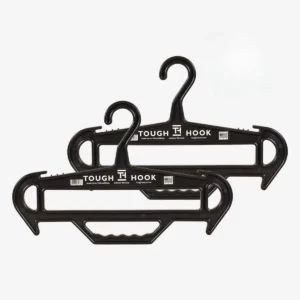
Hiking Tips
Next, let’s finish up with some important tips to make sure your hike is as enjoyable as possible.
- Consider packing a first aid kit, insect repellent, sunscreen, change of socks, additional layers, and extra food and water, just in case.
- Bring toilet paper and a sealable plastic bag in case you need to take care of business.
- Be sure to bring a portable cell phone charger, but prepare to be without cell reception. Let someone know where you’re going and when you plan to return.
- When on the trail, hikers climbing uphill have the right of way. Hikers usually have the right of way over bikers, but horses have the right of way before everyone else.
- If you’re going to bring a dog, make sure the trail is dog-friendly and keep them leashed at all times. Bring plenty of food and water for them, as well.
Perhaps most importantly, leave no trace. This means that when you leave the trail to head home, there should be no evidence left behind that you were there. Very often, having the right hiking gear, including a backpack, hanger, and clothing, along with you can help you do what’s necessary to preserve the pristine beauty of nature. Feel free to pass all of this advice along by sharing the article or letting us know what you think!