
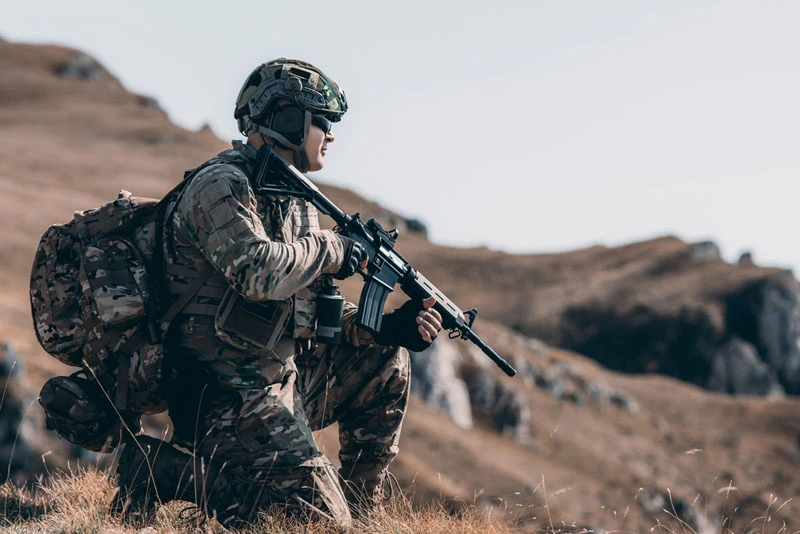
Preparedness starts with having the right tactical gear, which can make a critical difference. Whether navigating an urban emergency or embarking on a rugged outdoor adventure, the right equipment keeps you protected, organized, and ready for any situation. This guide covers the essential civilian tactical gear and the military gear for civilians that has crossed over into everyday use, from sturdy backpacks to plate carriers, and explains how to store and organize each item so it stays ready when you need it.
Types of Tactical Gear for Civilians
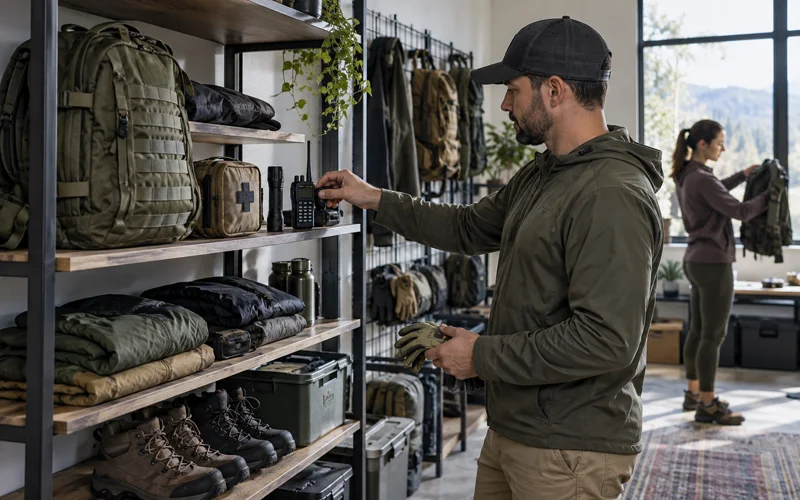
Civilian tactical gear covers numerous options that prioritize functionality, durability, comfort, and performance. Whether you are an outdoor enthusiast, a law enforcement professional, or someone who values preparedness, having the right gear makes a significant difference in challenging situations.
Most of what shoppers call “military gear for civilians” is actually civilian-legal equipment built to the same design principles as issued gear: MOLLE webbing, ripstop fabric, and modular pouches, without restricted features like true military-grade armor certification.
The line between the two categories comes down to materials, certification, and legality in your state, not just the color or cut of the item. Once you own the gear, how you organize and store it matters just as much as the buying decision; our guide on what civilians can learn from military gear organization covers the storage discipline that keeps this equipment mission-ready.
Essential Tactical Clothing
Clothing is where most civilians start building a tactical kit, since it touches everything else you wear or carry. Pants, jackets, and boots built for movement and abuse hold up to hiking, kneeling, and rough handling in a way regular clothing does not, and the reinforced fabric pays for itself over a few seasons of hard use. The pieces below cover the core wardrobe, from protective vests down to footwear.
1. Plate Carriers and Tactical Vests
A plate carrier is one of the most important pieces of protective equipment a civilian can own for emergency preparedness. Modern civilian-legal plate carriers from brands such as Ferro Concepts, Crye Precision, and Shellback Tactical offer MOLLE webbing for attaching pouches, adjustable cummerbunds for a secure fit, and modular designs that let you configure the carrier for your specific needs. When choosing a plate carrier, confirm the protection rating matches your intended use, check that it is legal in your state, and look for lightweight materials that do not restrict movement.
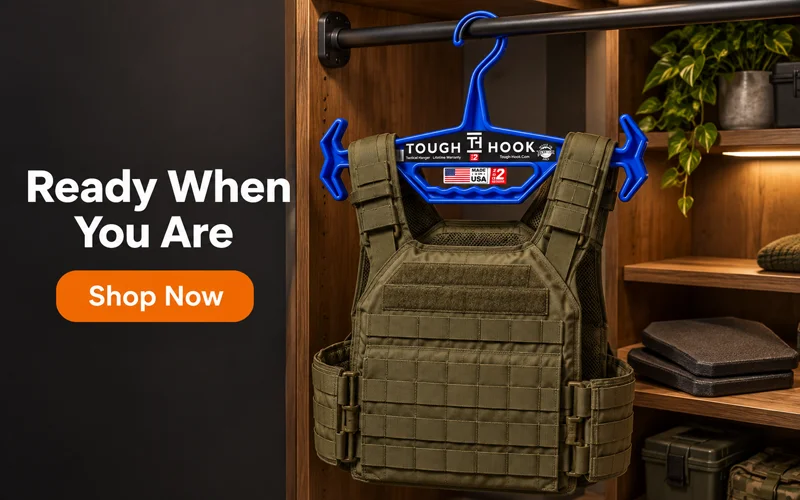
Storage tip: Plate carriers should be stored without plates inside to avoid stressing the straps and shoulder material over time. A heavy-duty hanger rated for the carrier’s weight keeps it ventilated and ready.
How to store a plate carrier: Hang the carrier without plates on a Tough Hook tactical hanger. Remove plates and store them flat. Keep the carrier in a cool, dry area away from direct sunlight to protect the ballistic material. See our breakdown of why plate carriers need a purpose-built hanger for more on how the wrong hardware shortens a carrier’s life.
2. Tactical Pants
5.11 Stryke Pants are a top pick for civilian tactical pants. Made from durable cotton and ripstop fabric, they offer ample storage pockets for carrying essential gear. Their flexible design ensures a full range of motion during physical activities.
How to store tactical pants: Ripstop and reinforced-fabric pants hold their shape best when hung rather than folded. Heavy-duty pant hangers from Tough Hook prevent crease damage to the reinforced knee panels and keep multiple pairs organized in a closet or locker.
3. Tactical Boots: What to Look For
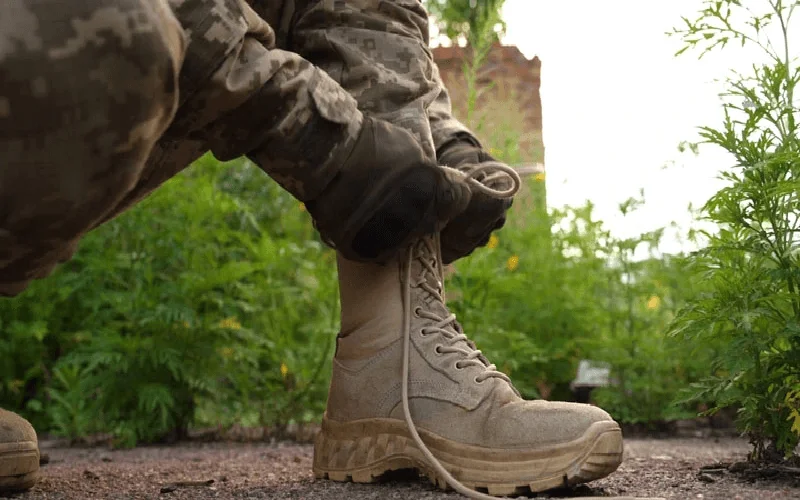
Bates Tactical Sport 2 Boots are a strong option for civilians. These boots feature a slip-resistant outsole, a lightweight energy-returning midsole for shock absorption, and a form-fitting insole for support and comfort. When selecting tactical boots, prioritize slip-resistant outsoles, ankle support, and breathable construction for your primary environment.
How to store tactical boots: Always air-dry boots completely before storage to prevent mold and odor. Stand them upright or use a boot tree to hold the shaft shape. Store away from direct heat sources that can crack the rubber outsole.
4. Tactical Jackets and Shirts
Tactical polos, shirts, and jackets are versatile apparel suitable for a range of environments and duty scenarios. Look for moisture-wicking capabilities, hidden pockets, and reinforced stitching. A waterproof tactical jacket is a valuable addition for outdoor use, providing multiple pockets for maps, compasses, and fire-starting kits. Jackets, hoodies, and balaclavas round out a complete tactical clothing loadout for varying weather conditions.
What to Look for in Tactical Clothing
- Ripstop or reinforced fabric for rugged durability.
- Moisture-wicking and breathable materials for comfort during prolonged wear.
- Camouflage or multicam patterns for outdoor concealment applications.
- Articulated knees and gusseted crotch for full range of motion.
How to store tactical jackets and vests: Heavy jackets and vests lose their shoulder shape on thin wire hangers. Tough Hook heavy-duty hangers are designed to support the weight of layered tactical outerwear, keeping shoulders formed and gear ready to grab quickly.
5. Tactical and Duty Belts
A rigid tactical or duty belt gives you a hands-free way to carry a holster, magazine pouches, or a multi-tool without loading down a backpack. Unlike a standard dress belt, a tactical belt uses a stiffened inner core so it holds its shape under the weight of a loaded pouch instead of sagging. Pair it with a plate carrier or worn on its own under a jacket, it is one of the simplest upgrades for everyday-carry setups.
How to store a tactical belt: Coil the belt loosely rather than folding it sharply, which can crease or weaken the inner stiffener over time. Hang it over a hook or a hanger’s crossbar alongside the rest of your kit so it stays visible and ready to grab.
Tactical Backpacks and Bags
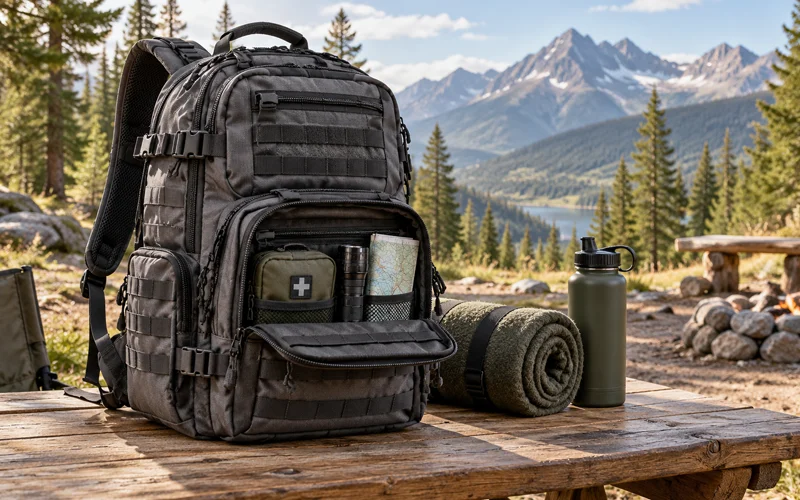
A good backpack is what turns a pile of gear into something you can actually carry. Civilians building out a tactical kit need a bag that keeps weight close to the body, organizes smaller items so they are easy to find under pressure, and holds up to daily loading and unloading without the seams giving out. The right size and layout depend on the job: a slim daypack works for EDC, while hiking, camping, or bug-out use calls for more capacity and a frame built for heavier loads. The picks below cover both ends of that range.
6. Tactical Backpacks: Features and Recommendations
A tactical backpack is essential for carrying your equipment and supplies. The 5.11 RUSH 12 2.0 Backpack is highly recommended due to its durable construction, spacious compartments, MOLLE webbing for attachments, and comfortable padded straps. Tactical backpacks and bags are the backbone of any civilian preparedness kit, offering organized storage for everything from first aid kits to sleeping bags and tents during extended outdoor operations.
Imagine hiking through rough terrain with the NIKE SFB B1 Boots on your feet, the 5.11 Stryke Pants allowing you to move effortlessly, and the 5.11 RUSH 12 2.0 Backpack securely carrying your necessary gear. Such a setup ensures you are prepared for any situation that may arise.
Top Tactical Backpack Options
Tactical backpacks have gained popularity due to their durability and functionality, making them suitable for military, law enforcement, or emergency use. They also serve well for Everyday Carry (EDC).
- GORUCK GR2: Best overall. Features a rugged laptop compartment, clamshell-opening design, and TSA carry-on compliance.
- Kelty Redwing: A solid budget option with waterproof materials and a hybrid U-zipper design.
- Brown Buffalo Conceal 21L: DWR-coated X50 X-Pac material with padded breathable mesh back panel, ideal for everyday carry.
- Kifaru Stryker XL: Best for heavy loads. 500D DWR-coated CORDURA with optimal weight distribution.
- 5.11 All Hazards Nitro: 1050D nylon with MOLLE and SlickStick webbing, hydration bladder compatibility, and an expandable helmet pouch.
- Eberlestock Switchblade: 28L capacity, ventilated back panel, PALS webbing, and military ballistic nylon construction.
How to store a tactical backpack: Empty and air out your pack after each use. Store it loosely packed or hanging rather than compressed, which can damage the frame. Keep buckles and zippers unclipped to prevent tension on the hardware over time. For a closer look at pack-specific storage, see how to store a backpack properly after a trip.
Putting Together a Complete Civilian Tactical Outfit
A civilian tactical outfit is really just the pieces above worn together with a plan, not a single product you buy off a shelf. Start from the base layer out: moisture-wicking clothing, then tactical pants, then a plate carrier or vest if your situation calls for one, then an outer jacket for weather. A tactical belt closes the gap between clothing and gear, giving you a place to mount a holster or pouches without loading everything onto a backpack.
Civilians building a full loadout, sometimes described as an operator kit or civilian tactical uniform, tend to make the same mistake: buying every piece at once instead of building around how the gear will actually be used. A day-to-day EDC outfit needs far less than a dedicated bug-out kit, and a hiking loadout prioritizes different items than an urban self-defense setup. Decide on the primary use case first, then add pieces in the order they get used most: clothing and footwear, a way to carry tools, and only then specialty protective gear.
Once a full outfit is assembled, fabric stress becomes the main threat to its lifespan. Reinforced knees, structured shoulders, and attached hardware all add weight that a standard hanger cannot support; see our notes on preventing fabric stress and deformation in tactical apparel for how that shows up over time.
How to Store Your Tactical Gear Properly
Storing your gear correctly extends its lifespan, keeps it mission-ready, and protects your investment. Here are the key storage principles that apply across all tactical categories.
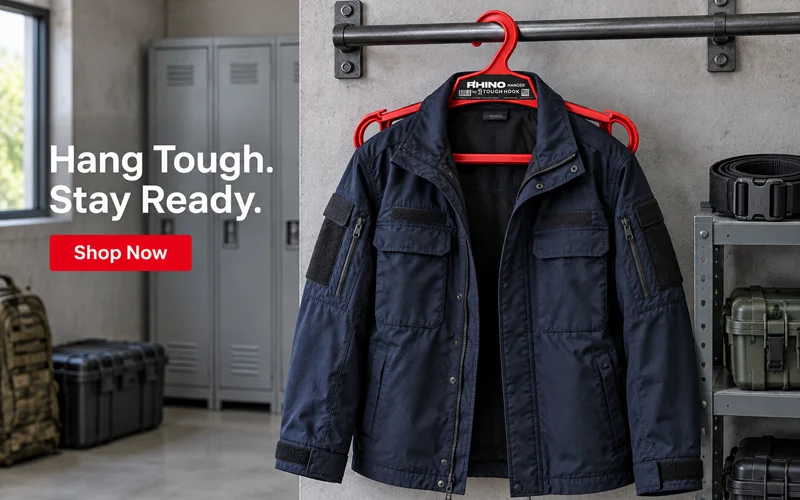
Use the Right Hanger for the Job
Standard wire or plastic clothes hangers are not built for the weight of tactical gear. A plate carrier, heavy jacket, or duty belt can weigh several pounds, and a flimsy hanger will bend, break, or permanently deform the shoulder material of your clothing. Tough Hook tactical hangers are built specifically for this load, rated for heavy gear and designed to maintain the shape of vests, jackets, and carriers.
Air Before Storage
Any gear that has been worn, especially in physical situations, should be aired out completely before going into a closet or storage bag. Storing damp gear encourages mold growth, fabric breakdown, and odor that is very difficult to remove from technical materials. Hang gear in a ventilated space for at least a few hours before putting it away.
Separate Plates from Carriers
Ceramic and polyethylene armor plates should not be stored inside a carrier long-term while the carrier is hanging. The weight puts stress on the shoulder straps and cummerbund over time. Store plates flat and separately, and hang the empty carrier on a proper heavy-duty hanger.
Control Environment
UV light degrades fabrics, webbing, and Cordura over time. Keep gear away from windows or use opaque storage. Humidity accelerates corrosion on metal components including buckles, clasps, and zipper pulls. A cool, dry, ventilated space is ideal for long-term storage of any tactical kit.
Organize by Use Frequency
Gear you reach for regularly should be hung and visible, not packed into bags at the back of a shelf. A wall-mounted hanger system lets you see your full kit at a glance, check for damage, and grab what you need without digging through bins. Tough Hook offers wall-mount configurations specifically designed for this kind of organized ready-access storage.
Protective Gear and Personal Safety Equipment
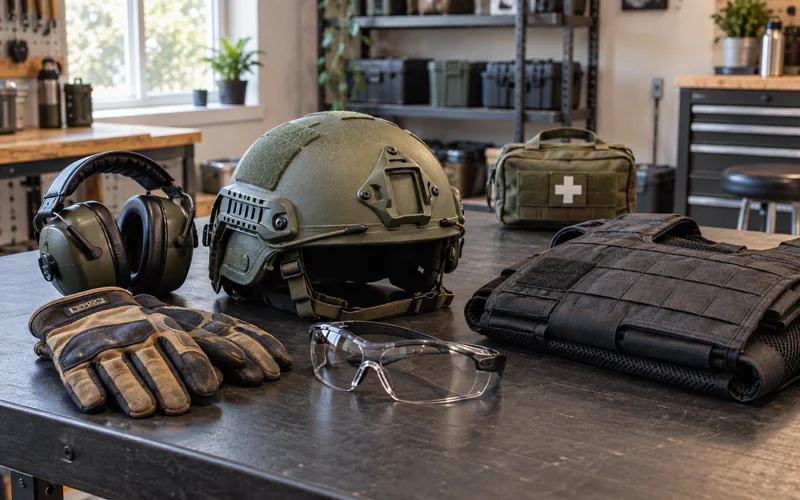
Beyond clothing and carry gear, a civilian tactical kit usually includes something dedicated to personal safety, whether that is body armor, a personal alarm, or a reliable flashlight. These items are the ones most people hope never to need, which makes it easy to buy the wrong thing or skip proper storage altogether. The options below cover the range from lightweight everyday tools to more serious protective equipment.
Personal Protection Options for Civilians
Personal protection equipment and everyday tactical gadgets have become increasingly important for civilians focused on safety and preparedness. Body armor, plate carriers, and vests are no longer limited to military and law enforcement use. Finding gear that is discreet, portable, and easy to integrate into daily routines is key.
- She’s Birdie Safety Alarm: A lightweight personal alarm that emits a loud sound and flashes a strobe light when activated. No charging required, making it a reliable everyday carry option for personal protection.
- Saber Door and Window Alarm Kit: Versatile home and travel security device installable with adhesive pads. Emits a loud alarm when triggered, suitable for hotel rooms, dorms, and vehicles.
- GearLight Tactical Flashlights: High-powered flashlights that provide visibility in dark situations and can deter potential threats. Useful as an improvised tool in non-permissive environments.
- Get Flare Personal Safety Bracelet: Connects to an app via Bluetooth, allowing you to trigger pre-recorded calls or send GPS location to contacts or emergency services. Water-resistant and requires no charging.
Body Armor and Plate Carrier Considerations
When selecting body armor or a plate carrier for civilian use, ensure the product is legal in your state and rated for your intended level of protection. Look for adjustable straps, MOLLE integration for pouches and accessories, and lightweight construction that does not restrict mobility. A tactical or ballistic helmet is worth the same legal check as body armor before buying, since availability and civilian ownership rules vary by state. Many tactical gear buyers also invest in safety equipment, including holsters and individual first-aid kits (IFAKs), as part of their protective loadout.
- Many shoppers who buy tactical gear own more than one type of item, from vests and backpacks to boots, gloves, and belts.
- Safety equipment, including holsters and individual first aid kits (IFAKs), consistently rank among the most prioritized civilian tactical purchases.
- Demand for civilian tactical gear has grown steadily, driven by interest in outdoor activities and emergency preparedness planning.
Choosing Footwear for Different Tactical Environments
Not every situation calls for a full-height boot. Tall tactical boots make sense for rough terrain, cold weather, or any setting where ankle support matters most, but they add weight and break-in time that is not always worth it. Low-top tactical shoes trade some ankle support for a lighter, faster feel, and work well for urban EDC, range days, or warm-weather travel where you are on pavement more than rocky trails. If you are building out more than one setup, rotating between two pairs also gives boots and shoes time to fully dry between wears, which extends the life of both the outsole and the internal cushioning.
Tactical Knives and Multi-tools
A knife or multi-tool rounds out a civilian tactical kit for the small, everyday jobs a plate carrier or backpack cannot handle: cutting cordage, opening packaging, or basic field repairs. Blade quality and handle construction matter more here than in most other gear categories, since this is the one tool you are likely to have on you at all times.
Selecting the Right Knife and Tools
Knives and multi-tools are essential field accessories for any civilian tactical kit. When choosing the right knife, consider blade material, handle construction, and intended use. Here are recommended options:
- Best Tactical Knife: Ka-Bar USMC Fighting and Utility Knife. Renowned for its 1095 Cro-Van steel construction, full tang design, and leather sheath for secure storage.
A Note on Firearms
Firearms are a serious responsibility. If you choose to include a firearm in your preparedness kit, research your state and local laws thoroughly, complete a certified safety course, and store it securely in a proper safe or locked case. Visit manufacturer websites directly for current model information: Ruger.com, Mossberg.com. Responsible ownership and ongoing training are non-negotiable.
Flashlights and Headlamps
Tactical flashlights are a standard and essential component of any civilian preparedness kit. High-output flashlights with strobe settings can disorient potential threats while providing critical illumination in low-light situations. Headlamps free up both hands for tasks during camping, emergency response, or navigation. When selecting flashlights, look for durable, waterproof construction and a runtime that suits extended field use.
Recommended Flashlight Features
- High lumen output for maximum range and visibility.
- Strobe mode for disorienting potential threats.
- Waterproof and rugged casing for outdoor durability.
- Multiple power modes to conserve battery during long operations.
First Aid and Emergency Kits
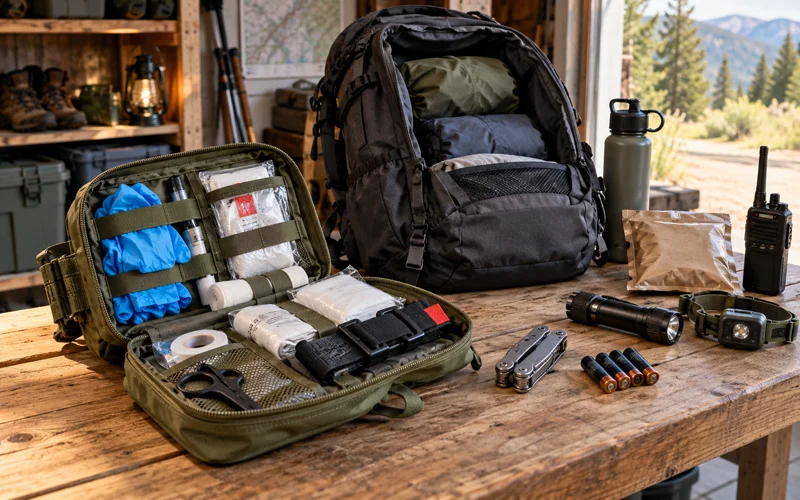
A well-stocked first aid and emergency kit is a non-negotiable component of any civilian tactical loadout. Individual First Aid Kits (IFAKs) include tourniquets, wound dressings, and basic medical supplies for field emergencies. A comprehensive bug-out bag or three-day pack for self-sustainment should contain water filtration systems, long-lasting food rations, multi-purpose tools including fire starters, first aid supplies, communication devices such as portable radios, flashlights and headlamps, spare batteries, and defensive equipment if necessary.
Key Features of Tactical Gear
Several key features set tactical gear apart from standard equipment. These are carefully designed to enhance the effectiveness and safety of individuals during outdoor operations, duty scenarios, or tactical missions.
Mobility and Ease of Carry
In tactical operations, mobility is crucial for maneuverability and responsiveness. Tactical gear is designed to allow users to move freely while carrying essential equipment. Lightweight materials, ergonomic designs, and adjustable features in plate carriers and chest rigs enhance mobility. Specialized pockets, pouches, and MOLLE attachment points facilitate efficient organization and rapid access to essential items.
Durability and Functionality
Durability is a paramount feature of tactical gear. Rugged materials such as reinforced nylon and ripstop fabric ensure long-lasting performance under demanding conditions. Functionality is equally important, as every item in a tactical kit should serve a clear purpose.
Tactical clothing is designed with articulated knees for enhanced mobility and ripstop materials to prevent tearing. Pockets are strategically placed for easy access to essential equipment, ensuring users can respond swiftly in the field. The MOLLE (Modular Lightweight Load-carrying Equipment) system provides a versatile platform for attaching additional pouches or accessories and remains a standard feature across quality tactical gear.
Quick-Release and Safety Mechanisms
Quick-release mechanisms are integrated into various pieces of tactical gear to enhance safety and ease of use. These mechanisms allow users to shed equipment rapidly in emergencies or when transitioning between tasks. A reliable quick-release system adds an important layer of convenience and safety during high-pressure scenarios.
Tactical Gear Use in Different Scenarios
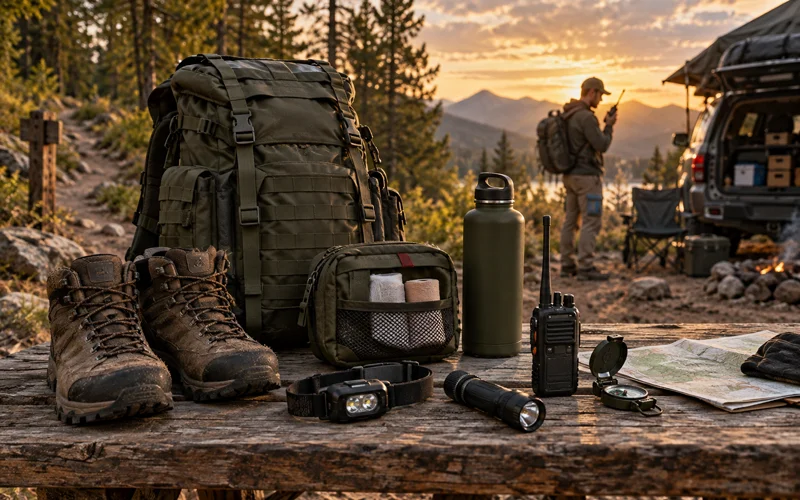
Tactical gear serves a variety of purposes depending on the specific scenario. Whether for outdoor adventures, emergency preparedness, or self-defense, having the right equipment and accessories significantly improves your safety and effectiveness.
Outdoor Adventures: Hiking, Camping, and Hunting
For hiking, camping, and hunting, tactical gear provides essential tools for survival. A durable backpack with MOLLE panels allows easy attachment of additional pouches for water bottles, navigation tools, first aid kits, and emergency food supplies. A versatile multitool is invaluable for equipment repairs and camp tasks.
Protective gear like gloves and knee pads add comfort and safety on rugged terrains. A waterproof, durable tactical jacket with multiple pockets provides easy access to essentials such as maps, compasses, fire-starting kits, and extra ammunition when needed.
Emergency Preparedness and Bug-Out Planning
For emergency preparedness, a well-stocked bug-out bag is a staple for many civilians. This bag contains items such as water filtration systems, long-lasting food rations, multi-purpose tools, first aid supplies, communication devices, flashlights, spare batteries, and defensive equipment. These essentials ensure you have the tools to sustain yourself during evacuation scenarios or extended periods without access to external resources.
Self-Defense and Personal Safety
In self-defense situations, items such as a concealed-carry holster, a tactical flashlight with a strobe setting, non-lethal self-defense tools like pepper spray or stun guns, and personal alarms can provide an added layer of security. Responsible ownership and proper training are essential. The primary goal of tactical gear in self-defense scenarios is to preserve personal safety while avoiding confrontation whenever possible.
Tactical Gear for Urban Environments and Everyday Carry
Urban tactical gear serves a different purpose than a backcountry loadout. In a city or suburban setting, the priority shifts from carrying everything you might need to carrying a compact, low-profile set of tools you will actually reach for: a slim EDC backpack or sling bag, a flashlight, a multi-tool, and a first aid kit sized for a commute rather than a multi-day trip. Concealment matters more in urban settings too, since a low-profile jacket or bag draws less attention than a full plate carrier worn on the street.
This is also where tactical-style organization has moved into everyday life, well beyond military and law enforcement use. The same MOLLE panels, quick-access pockets, and durable fabrics that work in the field translate directly to a daily commute, a gym bag, or a car kit, without needing to look tactical at all.
Legal Considerations for Civilians
Most tactical gear, including backpacks, apparel, boots, gloves, and multi-tools, is legal for civilian ownership in the United States. However, certain items such as body armor, firearms, and specific knife types are subject to state and local regulations. Before purchasing any tactical item, research the laws in your state and locality. Ensure you have the appropriate licenses or permits where required, and seek proper training for any item used for self-defense or emergency response. When in doubt, consult a legal professional familiar with your state’s laws on tactical gear and personal protection equipment.
Best Tactical Gear for Civilians: Budget vs. Premium
Not every piece of a tactical kit needs to be top-of-the-line, but a few items are worth prioritizing. Plate carriers, boots, and anything that touches your safety directly are where paying for verified materials and construction pays off, since failure at a stress point matters most on these items. Backpacks, belts, and general-purpose accessories are more forgiving; a solidly built budget option can perform well for years if it is not carrying a heavy, awkward load daily.
A useful way to think about it: buy once for gear you are betting your safety on, and buy smart, not necessarily expensive, for everything else. The same logic applies to the hardware that stores it. Standard hangers and hooks are a false economy against heavy, reinforced gear; see why heavy-duty hangers outperform regular hangers for tactical loads before deciding where to cut costs.
How to Choose the Right Tactical Gear for You
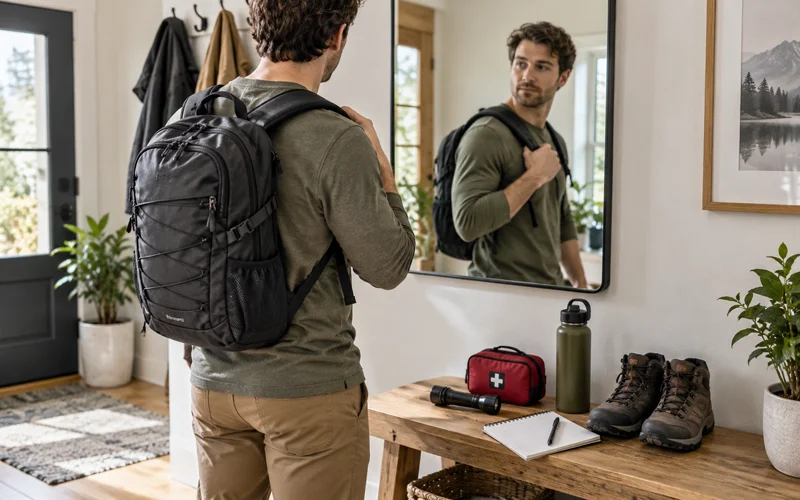
Choosing the right tactical carry gear starts with assessing the risks and scenarios most relevant to your life. Consider what items help mitigate those risks while fitting your daily routine. Practicality and comfort should drive every purchase decision. If a piece of gear is not comfortable or convenient to carry, it will not be available when you need it most. Always verify local laws and regulations regarding specific items, especially firearms, body armor, and knives. Read reviews from reliable sources and prioritize gear with proven durability before making a purchasing decision.
Once your kit is assembled, the way you store it determines whether it stays ready or quietly wears out in a pile on the closet floor. Tough Hook’s heavy-duty hangers are built to carry the weight of plate carriers, jackets, and duty belts without bending or losing shape, so the gear covered in this guide stays organized and grab-ready between uses.
Frequently Asked Questions
What is tactical gear for civilians?
Tactical gear for civilians includes clothing, footwear, backpacks, protective equipment, and tools designed for durability and performance. Common uses include outdoor activities, emergency preparedness, and self-defense. Items often feature MOLLE attachment systems, moisture-wicking fabrics, and rugged construction.
Is tactical gear legal for civilians to own?
Most tactical gear, such as backpacks, boots, vests, gloves, and multi-tools, is legal for civilians in the United States. Firearms, body armor, and certain knives are subject to state and local regulations. Always verify local laws before purchasing or carrying any item.
What’s the difference between military gear and civilian tactical gear?
Military gear for civilians usually means equipment built to the same design language as issued gear, MOLLE webbing, ripstop fabric, plate carrier cuts, but sold in a civilian-legal version. True military-issue gear is procured under government contracts, meets specific certification standards, and in some cases is not legal for civilians to own or carry. Civilian tactical gear borrows the look and functionality while staying within state and federal regulations.
What are the best tactical backpacks for civilians?
Top options include the GORUCK GR2, 5.11 RUSH 12 2.0, Kelty Redwing, and Kifaru Stryker XL. Look for durable construction, MOLLE webbing, multiple compartments, and padded straps for comfort during extended carry.
How much does quality tactical gear cost?
Civilians typically spend a modest amount annually on tactical gear upgrades and accessories. Entry-level items are affordable, while premium backpacks, body armor, and boots can cost significantly more. Many civilian buyers prioritize durability over price when making purchasing decisions.
What maintenance does tactical gear require?
Regularly clean clothing, boots, and backpacks according to manufacturer instructions. Inspect gear for wear, fraying, or damage after each use. Lubricate metal components such as knife blades and zippers, and store gear in a cool, dry area away from direct sunlight to maximize lifespan and performance.
Can you wear tactical gear in public?
In most of the United States, wearing tactical-style clothing such as pants, jackets, or boots in public is legal and common among civilians. Items that carry more scrutiny are body armor, plate carriers worn openly, and anything that could be mistaken for a uniform or a badge, since some states and municipalities restrict these in specific settings. Check your local laws before wearing protective gear or anything resembling a uniform in public.