
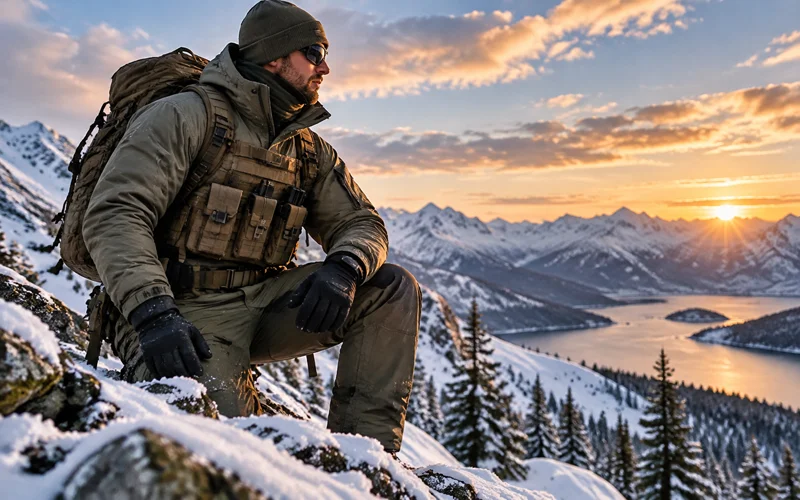
Tactical winter clothing has to do more than keep you warm. It has to hold up under load, movement, and repeated exposure to snow, wind, and ice, which is what separates true tactical clothing from a regular winter coat. This guide covers how to layer, how military cold-weather standards shape winter tactical gear, and what to look for in boots, gloves, heavy-duty pieces, and arctic-rated clothing. It also covers how to store bulky winter gear so it keeps its shape between wears.
Keep your gear mission-ready between wears. The Tough Hook Tactical Hanger™ is designed to hold over 200 lbs of clothing and heavy equipment, is made in the USA, and is backed by a lifetime warranty, so loaded jackets, vests, and pants keep their shape in the closet.
What Is Tactical Winter Clothing?
Tactical winter clothing is cold-weather clothing designed around work that involves carrying gear and moving in it. Compared with a standard winter jacket, it typically adds reinforced stress points, a cut that allows kneeling and reaching, and pocket space for equipment, all built on a layered insulation system.
A garment built to hold up under a loaded plate carrier and a rucksack in freezing conditions is a different product from a civilian ski jacket that happens to look tactical. If you are shopping with a military or law-enforcement use case in mind, that difference is worth checking for.
How Military and Special Operations Standards Shape Winter Tactical Gear
Most of what defines modern winter tactical clothing traces back to military cold-weather doctrine. The U.S. Army’s Extended Cold Weather Clothing System (ECWCS) organizes gear into layers, from a moisture-wicking base through insulating mid layers to a windproof, weatherproof shell. That same layered logic is what commercial tactical brands build their winter lines around today.
Special operations units train and operate in some of the coldest environments on earth, which means their cold weather military gear gets tested against conditions most buyers will never see: sustained sub-zero exposure, high wind, and long hours of low activity where body heat alone isn’t enough. Military winter gear is built as a system rather than a single coat, and that is the idea worth borrowing. For a broader look at the basics, see this guide to military tactical gear.
Military Winter Gear, Winter Combat Gear, and Army Winter Clothing
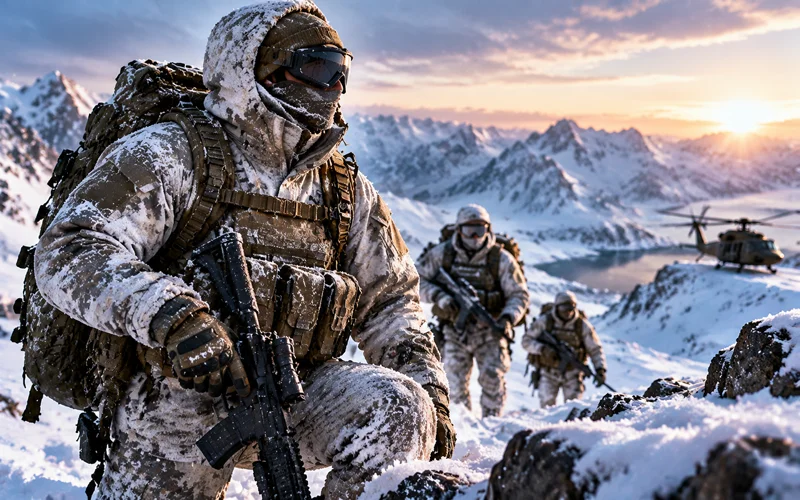
Military winter gear, army winter clothing, and winter combat gear all follow the same idea: a system of layers rather than one heavy coat. In the ECWCS Gen III system, gear is organized into seven levels, running from lightweight base layers at Level 1 to insulated extreme-cold pieces at Level 7, with a fleece mid layer around Level 3 and a waterproof shell around Level 6. Exact garments vary by generation and issue, so check the specific item before assuming a level.
Civilian tactical winter clothing borrows that structure: a wicking base layer, a fleece or insulated mid layer, and a windproof, waterproof shell, with a heavier insulated parka held back for static, extreme-cold use. That is why a winter military set is usually a kit of matched pieces rather than a single jacket. For field examples, see tactical gear in military training exercises.
Why Cold Weather Demands a Layered System
Cold weather has a big impact on physical performance. The body struggles to maintain its core temperature, leading to reduced stamina and increased susceptibility to cold-related ailments. Moisture management and thermal regulation matter just as much. Wet clothing in sub-zero temperatures can be life-threatening, which is why base layers such as thermals and long underwear are critical.
The CDC notes that hypothermia can happen even above 40°F when a person becomes chilled from rain, sweat, or cold water, and it recommends dressing in several layers of loose-fitting clothing. That makes the right tactical cold weather gear a safety requirement as much as a comfort one.
The Three-Layer System for Tactical Winter Clothing
This breakdown follows what’s often called the three-layer system: base, insulation, and shell. It’s the standard framework tactical and military cold-weather gear is built around. Each layer has one job, and the system works best when you can add or remove layers as activity and temperature change.
Base Layer
The base layer shirt and bottoms sit against the skin and wick moisture away so you stay dry. These items are often made of wool or synthetic materials, and thermals or long underwear are the usual choice for both tops and bottoms.
Insulating Mid Layer
The mid layer provides warmth. Whether you choose down insulation or a synthetic variety, the purpose stays the same: trapping heat close to the body. Some jackets include a zip-out liner, which lets one shell cover several temperature ranges A brushed fleece sweater layer or a hoodie also works here. The built-in hood can be raised during sudden weather changes, offering additional protection without adding another piece of gear.
Outer Shell
The outer layer, usually a jacket, coat, or shell, protects against wind and water. A winter tactical jacket is the usual choice here, ideally with adjustable cuffs and a hood that fits over a cap. Breathability matters as much as protection: vents or zips let you release heat during activity so sweat does not soak the base layer. Waterproofing matters because damp layers lose warmth, so check whether a shell is waterproof, only water resistant, or windproof before you buy. For gear built to shed rain and snow, see these waterproof tactical essentials.
Wool vs. Synthetic: Choosing Cold-Weather Materials
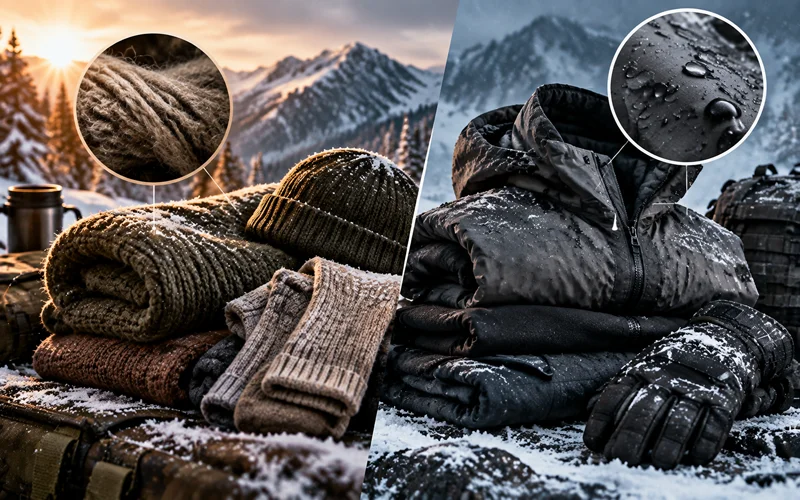
The right material depends on the activity, the environment, and personal preference. Here is how the two main options compare:
- Wool: Natural fibers like wool have been used for centuries. They offer excellent warmth and moisture-wicking properties, retain warmth even when damp, and resist odor.
- Synthetics: Synthetic fabrics and insulation dry faster, often have a lighter profile, and typically cost less. Waterproof, breathable synthetic shells add wind and water protection.
For cold-weather-specific needs, merino wool base layers and fleece mid-layers are common choices for their warmth-to-weight ratio, and a parka-style outer layer adds coverage in the coldest, most static conditions, such as extended sentry duty or observation posts.
Winter Tactical Pants and Bottom Layers
Cold-weather protection doesn’t stop at the jacket. Insulated tactical pants, softshell pants with a brushed interior, and midweight fleece-lined bottoms all serve the same purpose as an upper-body mid layer: trapping heat close to the body without restricting movement.
If you will be kneeling, climbing, or reaching, look for articulated knees and stretch panels, since a cut that moves with you keeps bulky layers from limiting mobility. For extreme cold, insulated bibs extend coverage up the torso and close the gap where a jacket and pants would otherwise separate, which matters most when kneeling, crawling, or sitting for long stretches.
Base-layer bottoms, usually merino wool or a synthetic long john, go underneath any of these to manage moisture the same way a base-layer top does. Fit matters as much as insulation here: bottoms that are too tight restrict circulation and reduce warmth, while bottoms that are too loose let cold air move in with every step.
Tactical Footwear for Winter Operations
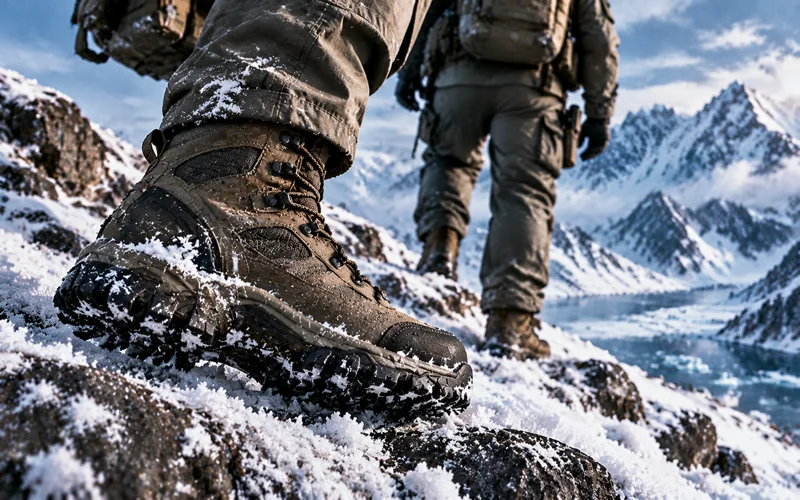
Cold feet can spell disaster in tactical operations. Keeping feet dry and warm is essential for mobility and overall comfort. Winter boots come in various forms, so match the boot to the environment: tread patterns designed for snow and ice, waterproof properties, and insulation are the features that matter most.
For a closer look at the basics, see why tactical boots are essential. Socks matter as much as the boot itself. A moisture-wicking liner sock paired with a heavier wool or synthetic outer sock keeps feet dry while adding insulation, and packing a spare dry pair is standard practice for any extended time outdoors.
Gloves, Mittens, Hats, and Other Cold-Weather Accessories
Beyond jackets and pants, accessories matter more than most people expect. The CDC lists the nose, ears, toes, cheeks, chin, and fingers among the body parts most often affected by frostbite, so those are the areas to cover first.
Gloves and Mittens
Tactical gloves combine dexterity with protection, ensuring hands remain functional in freezing temperatures. In the coldest conditions, mittens trap more heat than gloves because fingers share warmth rather than losing it individually, though they sacrifice fine dexterity. A thin liner glove underneath adds warmth without bulk, and that layering is what makes cold weather gloves practical for tactical work.
Head, Neck, and Face Coverage
Balaclavas, neck gaiters, and hats shield the most vulnerable areas, with beanies being a popular choice. A good scarf protects the neck from icy winds, and earmuffs cover ears that are easy to overlook until they hurt. Sunglasses and goggles manage glare from the snow, ensuring visibility remains unhindered.
Heavy-Duty Winter Tactical Clothing: When to Choose Heavyweight Gear
Not every cold-weather job calls for the same weight of gear, and “heavy winter clothing” covers a wide range. Heavy-duty winter tactical clothing is built around tougher outer fabrics, typically higher-denier ripstop or abrasion-resistant weaves, reinforced stitching at stress points like knees, elbows, and shoulder seams, and a heavier fill weight in the insulation layer.
That construction matters when the gear is doing more than sitting on a hanger: it’s carrying a plate carrier, rubbing against a rucksack frame, or catching on brush and gravel. Heavyweight winter clothing also tends to run bulkier by design, trading some mobility for a wider margin of warmth in genuinely harsh conditions.
That trade-off makes sense for static positions, extended outdoor shifts, or vehicle-based operations where movement is limited and heat retention matters more than agility. For anything involving sustained physical activity, a midweight, more athletic-cut layer paired with a heavy-duty outer shell usually performs better than one all-heavy system.
Tactical Snow Gear for Deep Snow and Wet Conditions
Snow adds a problem that dry cold does not: moisture. Tactical snow gear has to shed wet snow, resist melt, and stay warm when you are kneeling, crawling, or sitting in it. A waterproof winter tactical jacket over an insulating mid layer handles most of it, and insulated bibs or waterproof shell pants keep the lower body dry.
Three details matter most in deep snow: boots with snow-rated tread and waterproofing, cuffs and closures that seal out snow at the wrists and ankles, and eye protection. Goggles cut glare from the snow, and a gaiter or a high boot shaft can help keep snow out of the boots. Heavy snow gear is bulkier by design, so pair it with a midweight layer underneath when you need to keep moving. When the season ends, see how to store snow boots and organize winter gear so wet gear dries and keeps its shape.
Wearing Winter Clothing With Plate Carriers, Packs, and Duty Belts
Winter layers change how load-bearing equipment fits. A plate carrier, rucksack, or duty belt that sits well over a t-shirt can feel tight over a fleece and a shell, so size and adjust it with your winter layers on. A midweight mid layer with a cut that allows reaching usually keeps mobility better than one very thick garment.
- Body armor and carriers: Check that straps and closures adjust over the outer layers, and that shoulder seams are reinforced where the weight rests.
- Packs and rucksacks: Straps add pressure on the shoulders and back, so avoid stiff seams under them. A tactical backpack should also clear your hood and collar.
- Pockets and pouches: Keep them reachable with gloves on, and check that carrier straps do not block chest pockets.
- Helmets and hats: A thin beanie or liner fits under a helmet, while a bulkier hat or cap may not.
- Hydration: Water and hydration tubes can freeze, so keep them close to the body under the outer layer.
- Cuffs: Adjustable cuffs let you seal gloves in or vent heat as your activity changes.
Arctic-Rated Gear and Extreme Cold Weather Considerations

Standard winter tactical clothing and arctic-rated gear aren’t interchangeable. Arctic gear is built and rated for sustained sub-zero temperatures and severe wind chill, where the combination of cold and wind speed can drop exposed skin’s effective temperature far below the air temperature alone.
The National Weather Service’s wind chill chart is the standard reference for how quickly that combination becomes dangerous, and frostbite on exposed skin can set in within minutes once wind chill drops into the extreme range. That’s the gap arctic tactical gear is designed to close: heavier fill weights, windproof shells with sealed seams, and insulated accessories built for hours of static exposure rather than short bursts of activity.
Someone shopping for tactical winter gear for a typical cold-climate assignment usually doesn’t need a full arctic-rated system, but anyone heading into genuinely extreme cold, high altitude, or polar conditions should treat “arctic-rated” as a real spec to check, not just a marketing term.
Cold Weather Gear vs. Arctic Gear: Which Do You Need?
Cold weather gear, heavy-duty gear, and arctic gear sit on a scale, and the right pick depends on how cold it gets and how much you move.
- Cold weather gear: A layered system of base, mid layer, and shell that fits typical winter conditions and active work.
- Heavy-duty winter gear: Tougher fabrics, reinforced stitching, and a heavier fill, built for carrying loads and rough use.
- Arctic weather gear: Rated for sustained sub-zero temperatures and severe wind chill, with windproof, sealed-seam shells and heavier fill for long static exposure.
Arctic winter gear also asks more of the accessories. Insulated gloves or mittens, a balaclava, and insulated boots matter most when wind chill is the main threat. If you are unsure, start with a solid cold weather gear system and add arctic-rated pieces only for conditions that call for them.
Caring for and Storing Tactical Winter Gear
Tactical gear isn’t cheap, and cold-weather pieces are bulkier and heavier than most clothing, so how you clean and store them decides how long they last.
Cleaning and Repair
Proper washing and drying extend the life of these products, so follow the care label on each piece. Regular maintenance, whether a jacket, pair of pants, or gloves, ensures they remain effective. Minor damage, if addressed promptly, can prevent costly replacements.
Storing Bulky Winter Gear Between Wears
Heavy-duty winter tactical clothing carries real weight, and a loaded parka or insulated bib left on a flimsy hanger loses its shape fast. A hanger built for real weight keeps a loaded winter jacket or vest from sagging in the closet. The Tough Hook Tactical Hanger™ and the RHINO are each rated for over 200 lbs, made in the USA, and backed by a lifetime warranty. For setup ideas, see these tips to store tactical gear or browse Tough Hook’s heavy-duty hangers. Loaded vests and carriers need the same support, so see these plate carrier hangers and hangers for bulky jackets.
Building a Complete Winter Tactical Outfit for Duty, Hunting, or Hiking
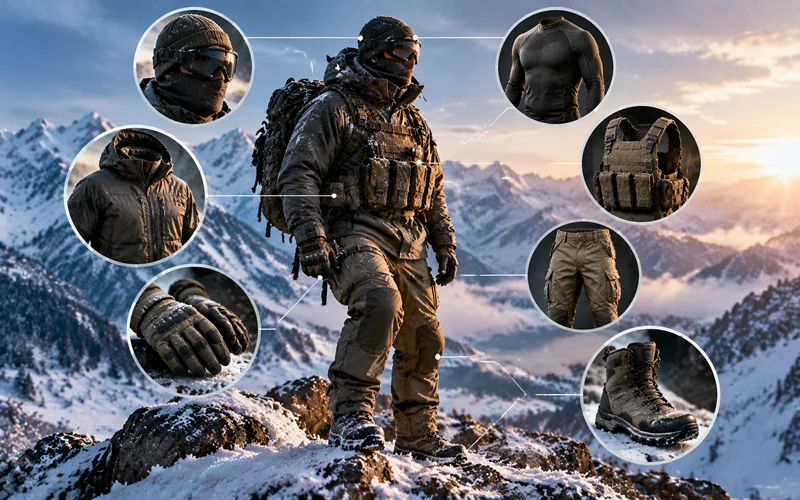
A complete winter tactical outfit is a set of matched pieces that work together. Tactical winter clothing is no longer only for the military: first responders, hunters, hikers, and everyday civilians wear it for the same reasons professionals do.
- Head and face: A beanie or cap, a balaclava or neck gaiter, and goggles when snow glare is a problem.
- Upper body: A moisture-wicking base layer shirt, a fleece or insulated mid layer, and a winter tactical jacket with a windproof, waterproof shell.
- Lower body: Base-layer bottoms under insulated tactical pants or bibs.
- Hands: Liner gloves under insulated tactical gloves, or mittens for extreme cold.
- Feet: Insulated, waterproof boots with wool or synthetic socks and a spare dry pair.
- Load and storage: A pack, carrier, or belt sized over the layers, and a heavy-duty hanger for the whole set.
Choose camouflage or solid, muted colors depending on how you will use the outfit. For hunting, see tactical gear for hunting. For everyday use, these picks for tactical gear for civilians are a good starting point, and tactical gear for women covers cuts and fits built for women.
How to Choose Tactical Winter Clothing
Before you buy, run through this short checklist:
- Match the weight to the job: midweight, athletic-cut layers for sustained activity, heavyweight gear for static or vehicle-based work.
- Check for reinforced stitching at the knees, elbows, and shoulder seams if the gear will carry a plate carrier or rucksack.
- Pair a moisture-wicking base layer with an insulating mid layer and a windproof, weatherproof shell.
- Try the fit with every layer on: too tight restricts circulation, too loose lets cold air in.
- Cover hands, feet, and head, and pack a spare pair of dry socks.
- Treat “arctic-rated” as a spec to verify, and only pay for it if you are heading into extreme cold.
- Make sure packs, carriers, and belts still fit over the layers, and that the fabrics are durable enough for the way you will use them.
- Plan storage before the gear arrives, since heavy pieces need a hanger rated for the load.
Building a Winter Kit That Lasts
Tactical winter clothing isn’t merely about facing the cold; it’s about outlasting it. Start with the three layers, match the weight of the gear to the job, protect your hands, feet, and head, and store heavy pieces properly so they keep their fit. Look beyond the price tag and invest in quality, because it supports both comfort and safety.
Frequently Asked Questions
Quick answers to common questions about tactical winter clothing and gear.
What is tactical winter clothing?
Tactical winter clothing is cold-weather clothing built for people who carry gear and work outdoors, combining a layered insulation system with reinforced construction, a cut that allows movement, and pocket space for equipment.
How many layers of clothing do I need for winter tactical operations?
Most cold-weather operations call for three layers: a moisture-wicking base layer, an insulating mid layer, and a weatherproof outer shell. Add or remove layers based on activity level and temperature rather than sticking to a fixed number.
Is wool or synthetic insulation better for cold-weather missions?
Wool retains warmth even when damp and resists odor, while synthetic insulation dries faster and typically costs less. Many operators combine a wool base layer with a synthetic or down mid layer to get both advantages.
Is tactical winter clothing waterproof?
Not automatically. Waterproofing varies by garment, so check the product details for waterproof, water-resistant, or windproof ratings. A common approach is an insulating mid layer under a waterproof, windproof shell so the insulation stays dry.
What should I wear on my feet for winter tactical operations?
Pair insulated, waterproof boots with moisture-wicking socks, and pack a spare dry pair. Wet feet lose heat far faster than dry ones, so keeping them dry matters as much as insulation.
How do I keep my hands warm without losing dexterity in the cold?
Look for tactical gloves with touchscreen-compatible fingertips and a thin liner glove underneath for added warmth without bulk. Mittens trap more heat than gloves when dexterity isn’t required for the task at hand.
Do tactical gloves offer touchscreen compatibility?
Many modern tactical gloves allow users to operate devices without removing them. It’s a blend of convenience and protection.
Are there battery-operated heated winter tactical clothes?
Yes, some tactical gear comes with battery-operated heating elements. These provide additional warmth, especially in extremely cold conditions.
Can I repair tears in my tactical gear at home?
Minor tears can often be repaired with sewing or patch kits. For significant damage, consider professional repair or replacement.
What makes clothing “heavy-duty” for winter tactical use?
Heavy-duty winter tactical clothing uses tougher, higher-denier outer fabrics, reinforced stitching at stress points, and a heavier insulation fill than standard cold-weather wear, built to hold up under a loaded plate carrier or rucksack rather than casual use alone.
What cold-weather standards do military and special operations units use for their gear?
Military cold-weather systems, such as the U.S. Army’s Extended Cold Weather Clothing System (ECWCS), organize gear into a moisture-wicking base layer, insulating mid layers, and a windproof, weatherproof outer shell, the same layering framework most tactical winter clothing is built around today.
What does “arctic-rated” mean for tactical winter gear?
Arctic-rated gear is built for sustained sub-zero temperatures and severe wind chill, with heavier insulation and sealed, windproof shells designed for hours of static cold exposure rather than short bursts of activity.
Can I use standard winter gear for tactical purposes?
For light use, often yes. For carrying a pack, plate carrier, or duty belt, standard winter gear may lack reinforced stress points, usable pockets, and room to move, so check those features before you buy.
How important is waterproofing in a winter tactical jacket?
Waterproofing matters most in wet snow, sleet, and rain, because damp layers lose warmth. Look for a waterproof or water-resistant shell with vents or zips so sweat can escape and the base layer stays dry.
How do I stay mobile in bulky winter tactical gear?
Use a midweight mid layer under a heavy-duty shell instead of one very thick garment, look for articulated knees and stretch panels, and size packs, carriers, and belts with your winter layers on.
Who wears tactical winter gear besides the military?
Law enforcement, first responders, hunters, hikers, and everyday civilians wear tactical winter gear for its durability, pocket space, and weather protection.
How should I store heavy winter tactical clothing?
Hang parkas, vests, and insulated bibs on a hanger rated for the weight, because standard hangers bend under a heavy load and stretch shoulders over time. The Tough Hook Tactical Hanger and RHINO Hanger are each rated for over 200 lbs.