
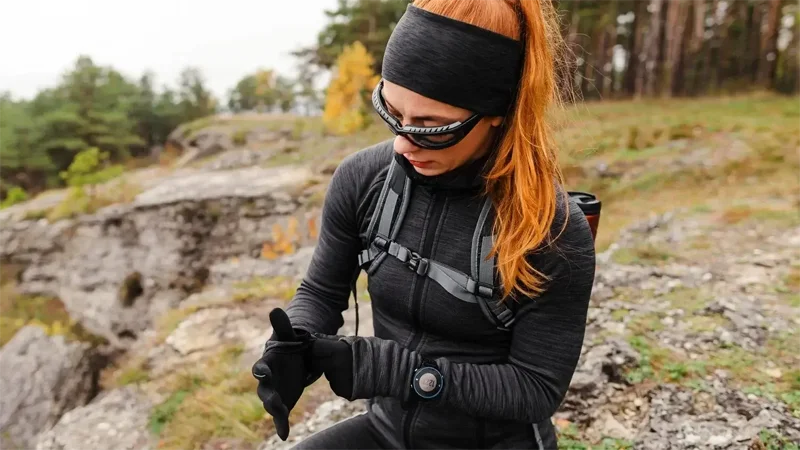
Tactical gear for women has moved well past a smaller cut of men’s equipment. Women now make up a fast-growing share of buyers in military, law enforcement, EMS, and tactical outdoor gear, and the market has shifted with them. Gear built on a men’s pattern and simply resized no longer cuts it. Today’s best options are engineered around the female form from the ground up: contoured armor panels, torso-specific pack sizing, and holsters cut for real body curves, not just smaller versions of the same mold.
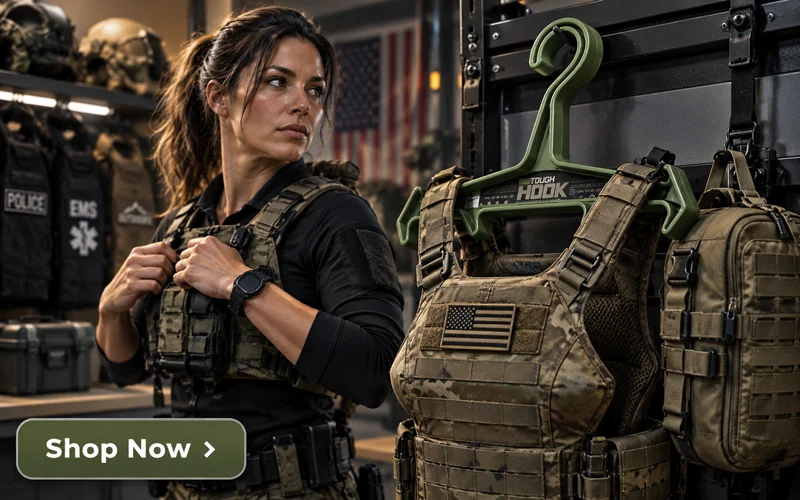
Overview of Tactical Gear for Women
Tactical gear for women encompasses a wide range of apparel, footwear, and equipment designed to fit the female form while delivering the durability, performance, and mobility required by demanding field conditions. From boots and vests to backpacks, holsters, and protective accessories, the category has expanded significantly to meet the needs of military personnel, law enforcement officers, outdoor enthusiasts, and civilians who prioritize safety and utility in their gear.
“Tactical gear” and “military accessories” often get used interchangeably, but they cover slightly different ground: tactical gear usually means the core functional pieces (apparel, footwear, armor, holsters, packs) while military accessories are the smaller supporting items, like belts, gloves, eyewear, and patches, that complete a loadout.
Once you’ve built out a kit, how you store it between uses matters almost as much as what you bought. See our tactical gear storage tips so apparel, armor, and duty gear hold their shape over years of regular use.
Overcoming the One Size Fits All Misconception
Historically, tactical equipment bore a one-size-fits-all hallmark. This misconception not only overlooked the anatomical distinctions between genders but also dismissed the specific needs and preferences of female professionals and enthusiasts. Fit and comfort are as important as rugged durability when women select their equipment.
The Physiological Differences and Impact on Gear Design
The female form, with its unique curvature and stature, requires tactical gear that is tailored to its physiology. This is not merely about aesthetics but about functionality, comfort, and performance. Women’s tactical apparel, vests, and carriers are now engineered with adjustable fits, contoured panels, and lighter materials that accommodate a broader range of body types without sacrificing protection or utility.
Clothing Essentials: Tactical Apparel for Women

Tactical clothing for women has undergone a remarkable evolution. Modern designs ensure durability while incorporating flexible fabric that accommodates the female form without compromising functionality. See our guide on what makes tactical clothing worth the investment for a closer look at the fabrics and construction details that separate real tactical apparel from fashion knockoffs.
Pants, Shirts, Jackets, and Layering Options
The foundation of any woman’s tactical wardrobe starts with the right pants and shirts. Women’s tactical pants are designed with articulated knees, deep cargo pockets, and reinforced stitching for rugged field use. Moisture-wicking shirts and breathable base layers help regulate body temperature during intense activity, while lightweight jackets and hoodies provide versatile layering options for varying outdoor conditions. T-shirts and pullovers built from durable ripstop or stretch fabric round out the everyday tactical apparel range. Many collections also include duty uniforms designed specifically for women in law enforcement and military roles.
Camouflage and Color Choices Tailored for Women
Beyond the traditional camouflage, there is a broad range of color choices available for women today. These range from muted earthy tones to more versatile neutral hues, ensuring there is an option for every environment and operational requirement. Patches and embellishments are also widely available for customization of uniforms and jackets.
Tactical Suits & Duty Uniforms for Women: Building a Complete Outfit
Individual pieces matter, but a lot of searches for women’s gear are really asking about the whole outfit: a tactical suit or duty uniform, not just a single item. A complete tactical or combat outfit for women typically pairs a fitted pant, a duty or field shirt, an outer layer suited to the climate, and a belt system that carries a holster and duty gear without shifting.
One question that comes up often: are women’s tactical uniforms actually designed differently from men’s, or is it just a smaller cut? The honest answer is both, depending on the piece. Duty pants and shirts are genuinely re-patterned, with a different rise, hip room, and shoulder slope to match a female frame. Some uniform components, like a patrol cap or a web belt, are closer to unisex and just need to be available in smaller sizing.
Law enforcement, military, and EMS professionals looking for apparel built specifically for their role should check whether a uniform line is patterned for women or simply offered in extra-small men’s sizing. The difference shows up in how the uniform sits under body armor and a duty belt over a full shift.
Combat and duty uniforms built for women also tend to coordinate more deliberately with body armor and belt systems than off-the-rack combat-style clothing, since the whole outfit has to work as a system rather than as separate items that happen to be worn together.
Who Wears Tactical Gear: Military, Combat, and Law Enforcement Roles
Tactical and combat-ready gear built for women now serves a wide range of roles, not just one job title. Active-duty military personnel need combat apparel that holds up to field conditions and still passes a uniform inspection. Law enforcement officers need duty gear that sits correctly under a vest for a full shift.
First responders and EMS crews need gear that survives repeated washing and hard use call after call. Outdoor users, hunters, and civilian preparedness buyers look for the same durability and fit benefits without the uniform-compliance requirements that military and police roles carry. See our picks for civilian tactical gear if you fall into that last group.
Commando-style and combat-focused apparel in particular tends to prioritize mobility and load-bearing capacity over the polish expected in a standard duty uniform, which is why army and combat units often outfit differently than a patrol officer working a desk shift. Whatever term you search under, women’s tactical gear, ladies’ tactical gear, or gear for a specific role, the fit principles covered throughout this guide (torso length, hip curve, chest contouring) apply across the board.
Footwear Options for Women in Tactical Roles
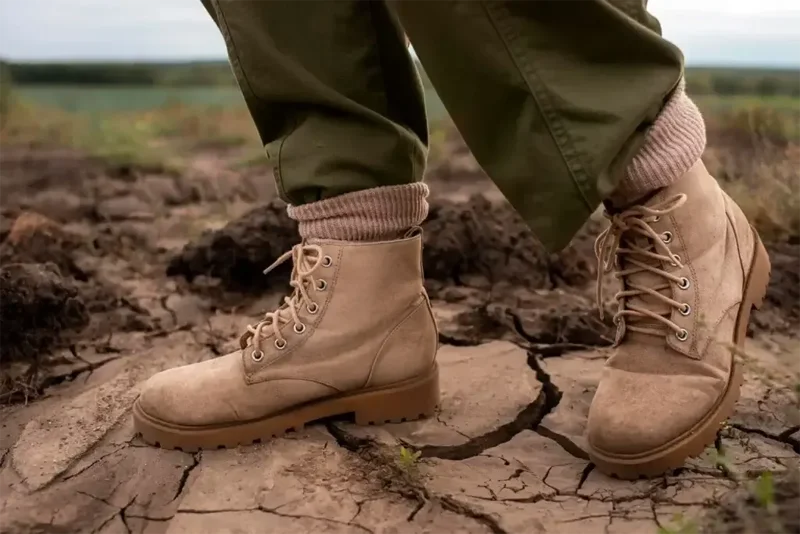
Footwear plays a pivotal role in any tactical operation. Demand continues to grow for purpose-built women’s footwear across military, law enforcement, and outdoor markets.
Women’s Tactical Boots: Stability Meets Comfort
Women’s boots specifically need to offer stability, grip, and comfort. A genuine women’s-specific anatomical design, not just a smaller men’s size, means a narrower heel cup and a different arch shape, which matters over a full shift for law enforcement duties. Modern designs incorporate breathable fabric, ensuring feet remain dry and comfortable even during prolonged wear.
Ankle support is a critical feature for those navigating challenging terrains, combined with a high-traction tread design that ensures women can traverse any landscape with confidence. Selecting the right material makes a meaningful difference. Breathability ensures that moisture is wicked away, preventing discomfort and maintaining foot health across long missions.
Shoes and lightweight footwear options are also available for lower-intensity operations or training environments. See why the right tactical boots matter for a closer look at what separates a purpose-built boot from a repurposed civilian one.
Protective Gear and Armor
Gone are the days when women had to wear vests designed for men. Women’s tactical vests now merge design with utility, offering pockets and pouches tailored to women’s needs, ensuring ammunition, magazines, and accessories are always within easy reach.
Importance of Proper Fit for Body Armor
Ill-fitting body armor not only hampers movement but also compromises safety. For women, this means gear that fits the torso snugly, offers comprehensive protection, and does not impede mobility. When shopping for plate carriers, look beyond chest size alone: torso length is the fit variable most often overlooked, and a carrier sized only to the chest will ride up or press into the abdomen even if the width is right.
Contoured or “darted” front panels help a carrier sit level against the body instead of bridging across the chest. Women should also seek adjustable straps, a cummerbund with waist-level adjustment, ergonomic design, and MOLLE (Modular Lightweight Load-carrying Equipment) integration. These features ensure maximum comfort and functionality during rigorous combat and duty operations.
Women in frontline military and combat roles have specific equipment requirements, and each piece of body armor is crucial to their safety and efficiency. In combat scenarios, every second counts, making gender-specific design a matter of performance and protection, not preference. After each use, hang plate carriers and tactical vests on a heavy-duty hanger in a ventilated space to air out fully before storage. Using a hanger sized for plate carriers as part of a dedicated tactical gear storage setup preserves the shape and significantly extends the life of body armor compared to folding or piling it.
Holsters and Weapon Accessories
Modern holsters for women come in various designs to suit different duty requirements and personal preferences. Body shape affects both the position and the angle (cant) that actually work; a holster built without that in mind will print, shift, or slow the draw.
- Hip, Thigh, and Concealed Carry: Whether it is a hip holster, a thigh holster, or one designed for concealed carry, there is an option to suit every requirement. For appendix-inside-the-waistband (AIWB) carry specifically, an added claw or wedge attachment can tuck the grip closer to the body on a narrower frame, improving both concealment and comfort. Belts and carriers that integrate with these holsters are also widely available, ensuring a secure and accessible loadout.
- Balancing Comfort and Quick Access: A holster is not just about carrying a weapon; it is about drawing it efficiently when needed. This balance between comfort and quick access is essential for women in tactical roles, ensuring they are always prepared regardless of the situation.
Tactical Backpacks and Bags
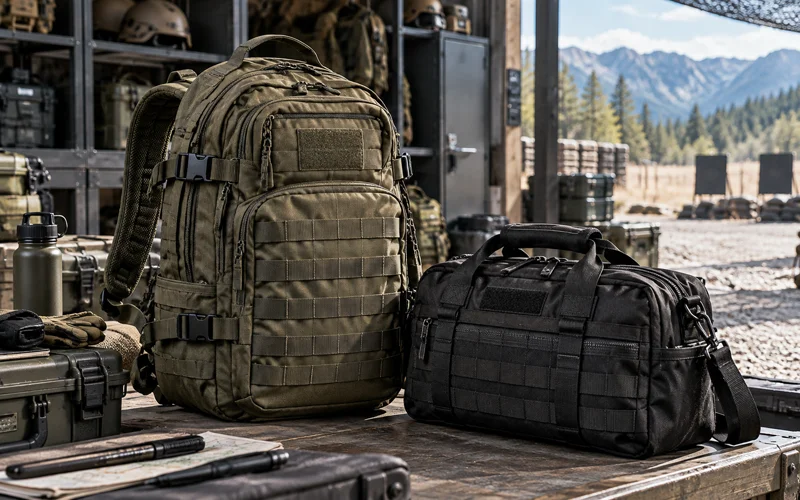
A tactical backpack is more than just a storage solution: it’s a load-distribution system. The fit variable that matters most is torso length, not overall height: a pack sized for the wrong torso length puts the hip belt in the wrong place, shifting the load onto the shoulders instead of the hips and causing strain over a long carry.
Women-specific designs consider the female anatomy, with a hip belt shaped to sit correctly on a narrower pelvis and shoulder straps set closer together, ensuring the load does not strain the back or shoulders. Many women’s tactical backpacks now include modular storage options, making them highly versatile for field operations, outdoor adventures, and everyday carry. Bags and sling options round out the category for lighter-duty needs.
Backpacks vs. Sling Bags: Making an Informed Choice
While backpacks offer more storage capacity, sling bags provide faster access to essentials. Depending on the mission or activity, women can choose the option that best matches their operational needs while keeping all essentials within easy reach.
Military & Tactical Accessories for Women
Beyond the core apparel and armor, a complete kit depends on the smaller accessories that get overlooked until they’re missing in the field. See our roundup of outdoor tactical accessories for more on rounding out a full loadout, or our overview of military tactical gear essentials for the fundamentals that apply regardless of who’s wearing the kit.
- Eyewear: Polarized, impact-rated sunglasses protect against glare, debris, and UV exposure during extended outdoor or duty use.
- Gloves: Tactical gloves sized specifically for smaller hands, not just a men’s small, preserve dexterity for weapon handling and fine tasks. Look for true XS/S sizing with a slimmer finger profile.
- Belts: A rigid, web-style duty or range belt needs to be available in smaller sizing (down to roughly a size 24) to sit correctly on a narrower waist.
- Headwear: Boonie hats, patrol caps, and ball caps suited to duty, range, or field use for sun protection and uniform compliance.
- Patches, insignia, and identification: Unit patches, rank insignia, and name tapes for uniform customization and duty compliance.
- Watches and instruments: Duty-rated, shock-resistant watches and compasses built for field conditions rather than fashion wear.
Communication and Duty Gear
Radios, phones, and medical supplies need a home on the body that doesn’t interfere with a vest or belt-mounted holster. Small MOLLE-compatible pouches and cases for carrying radios, communication devices, and first-aid supplies are a practical addition to any duty loadout, letting you mount gear directly to a belt, vest, or pack instead of digging through a bag.
Which Items Need a True Redesign vs. Just the Right Size
Not every piece of gear needs a fundamentally different design for women; some just need to be available in the right size. Body armor, holsters, tactical pants, and backpacks genuinely benefit from female-specific engineering (torso length, hip curve, chest contouring). Gloves, boots, and web belts are mostly a sizing issue: the deciding factor is whether a brand’s size range actually goes small enough, not whether the structural design changes.
Knives, Multi-tools, and Accessories

Utility belts with modular attachment systems allow women to customize their loadout, ensuring all essentials are easily accessible. Knives and multi-tools are practical field accessories that complement any tactical kit, offering versatile utility across a wide range of tasks.
Gloves, Knee Pads, and Other Protective Accessories
Protective accessories, from tactical gloves that ensure a firm grip on weapons to knee pads that cushion during stealth maneuvers, play an essential role in a tactical scenario. They provide an added layer of protection, ensuring women can perform optimally without risking injury. Cases and pouches for carrying additional equipment and communication devices are also useful additions to a complete women’s tactical kit.
Fitness and Training Equipment
Staying fit is essential for anyone in a tactical role. Women have specific fitness needs, especially when preparing for demanding field conditions. Resistance bands, weighted vests, and other rugged training aids ensure women can train effectively, building the strength and endurance required for real-world operations. A survival kit tailored for women also includes standard first aid essentials alongside hygiene products, ensuring readiness for prolonged outdoor operations.
Adapting to Climate: Tactical Gear for Various Environments
- Hot Weather Gear: Hot environments can be challenging, but women can remain cool and comfortable with moisture-wicking clothing and well-ventilated, breathable gear designed for high-performance outdoor use.
- Cold Weather Gear: With the right layering system, women can stay warm without restricting movement. Lightweight insulated jackets, thermal base layers, and adjustable outerwear make it possible to stay functional and comfortable in extreme cold.
Caring for and Maintaining Your Tactical Gear
Tactical gear is an investment, and how it’s stored between uses affects how long it holds up as much as how it’s built. A few habits make the biggest difference:
- Air out before storing: Sweat and moisture trapped in fabric or foam padding break down materials and encourage odor over time. Let apparel, vests, and armor dry fully before putting them away.
- Hang, don’t fold or pile: Folding or stacking plate carriers, vests, and duty belts creases padding and webbing and can deform armor over time. A heavy-duty hanger built for tactical gear keeps the shape intact and keeps everything visible and ready to grab.
- Check hardware regularly: Buckles, MOLLE webbing, and holster retention points see the most wear. A quick visual check before each use catches small issues before they become failures in the field.
- Follow the material’s care instructions: Ripstop, nylon webbing, and armor materials often have different cleaning requirements than standard clothing, so check the manufacturer’s guidance rather than defaulting to a regular wash cycle.
Brands Specializing in Women’s Tactical Gear
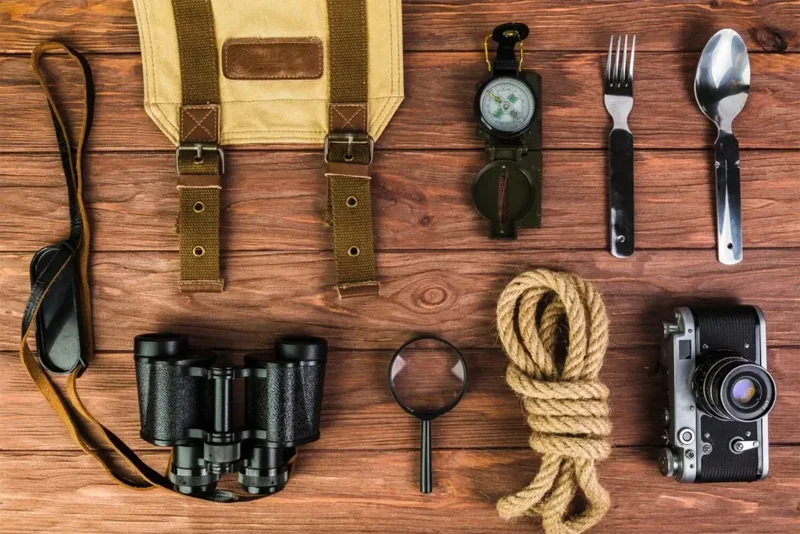
A growing number of brands now offer dedicated women’s tactical gear collections with purpose-built sizing, ergonomic designs, and gender-specific features. When evaluating brands, look for those with a proven track record in military and law enforcement apparel, transparent size charts, and strong customer service support. Reading reviews from women who have used the gear in the field provides some of the most reliable information available when making a purchase decision.
What to Look for When Buying Women’s Tactical Gear
- Quality and Durability: Not all tactical gear is equal. Focus on brands that use rugged, durable materials with reinforced construction. Investing in quality upfront typically reduces the cost of replacement over time.
- Fit and Sizing: Always check size charts and, where possible, try gear before purchasing. Women’s tactical pants, vests, and boots fit differently across brands, so accurate sizing is essential for both comfort and safety.
- Warranty and Customer Support: A solid warranty reflects a brand’s confidence in their products. Strong customer service and clear return policies add further reassurance when making higher-priced purchases.
- Gear Maintenance: Keep tactical clothing, footwear, and accessories clean and properly stored after every use. Understanding the care requirements for each item extends its lifespan and maintains peak performance in the field.
Frequently Asked Questions
Why is moisture-wicking important in tactical clothing?
Moisture-wicking materials keep users dry and comfortable, especially during intense activities or in humid outdoor environments. This feature also prevents skin irritations and supports overall performance during prolonged wear.
How do I balance quality and budget when shopping for tactical gear?
Research products, read reviews, and determine which items are worth a higher investment. Core pieces like boots, vests, and carriers directly affect safety and performance, making them worth prioritizing in your budget.
Can women use men’s tactical gear effectively?
While possible in some cases, men’s tactical gear is generally not optimized for the female form. Ill-fitting body armor and footwear can compromise mobility and protection. Women-specific designs consistently deliver better comfort, fit, and field performance.
Are women’s tactical uniforms designed differently from men’s?
For core pieces like pants and shirts, yes: the rise, hip room, and shoulder slope are genuinely re-patterned to fit a female frame, not just resized. Some uniform components, like belts and patrol caps, are closer to unisex and mainly need to be offered in smaller sizing. When apparel is built specifically for law enforcement, military, or EMS roles, check whether the women’s line is re-patterned or just downsized before assuming it will sit right under armor or a duty belt.
What military accessories and gear round out a complete women’s tactical kit?
Beyond core apparel and armor, a complete kit typically includes properly sized gloves, a duty belt, eyewear, headwear, a watch or field instrument, and MOLLE-compatible pouches for radios or medical supplies. Prioritize the pieces that see the most physical wear or affect safety first (gloves, belts, and eyewear) before adding smaller customization items like patches.
Are there tactical gear rental services?
Some specialized providers offer rental services for high-end or less frequently used equipment, which can be a practical option for those with short-term needs or budget constraints.
Which professions and activities use tactical gear built for women?
Tactical gear for women spans military, law enforcement, EMS and firefighting, and outdoor or preparedness use. Combat and commando-style apparel emphasizes mobility and load-bearing capacity, duty uniforms for law enforcement prioritize a professional and uniform-compliant fit, and civilian versions focus on durability and comfort without those compliance requirements.
How do I find the right size in women’s tactical gear?
Start with accurate measurements of your chest, waist, hips, and inseam, then compare them against each brand’s size chart rather than assuming your usual clothing size will translate. Women’s tactical brands size differently from one another and from civilian apparel, so checking the chart for each new brand is worth the extra minute.
How should I size a plate carrier or body armor?
For plate carriers and body armor, look for torso length measurements in addition to chest size, as a vest that fits the chest but not the torso length will shift and restrict movement during use. When possible, try gear in person or order from brands with straightforward return policies so you can test fit under realistic conditions before committing.