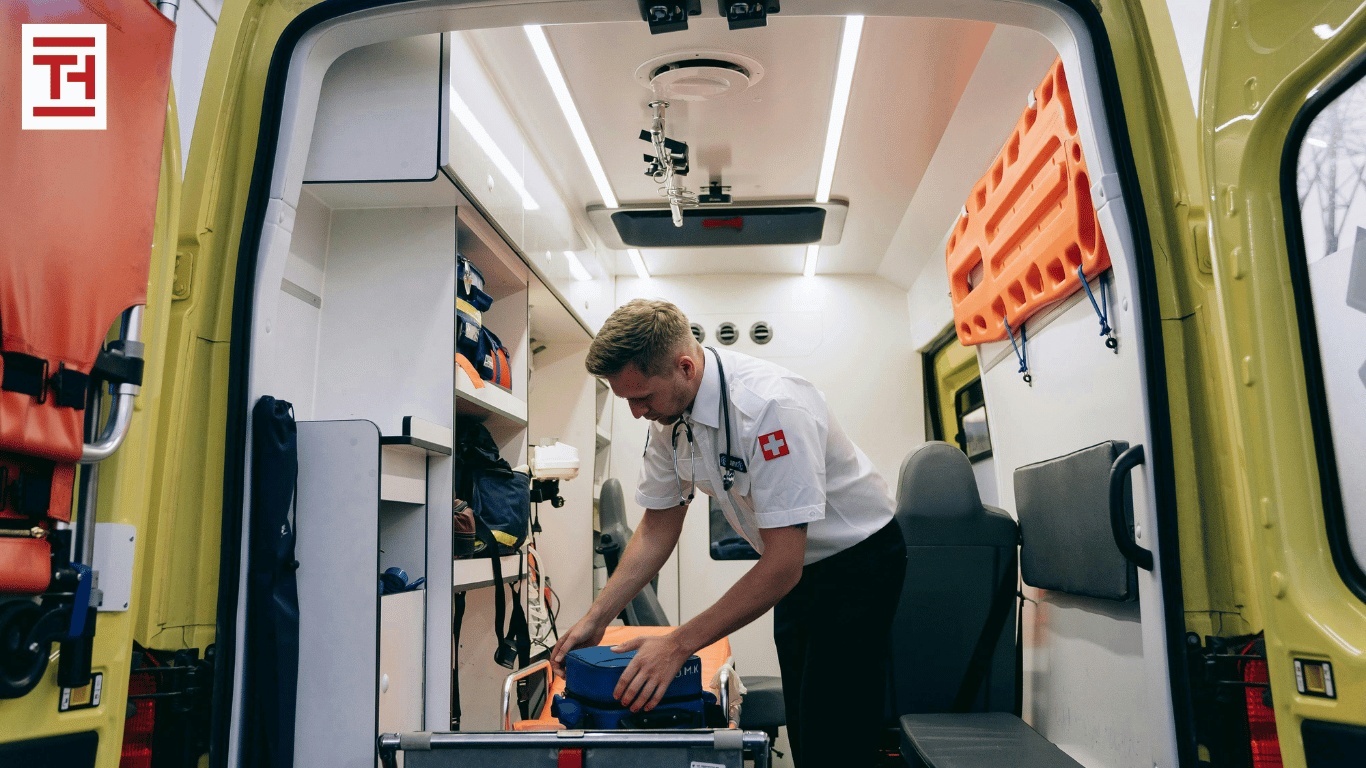
In the high-stakes environment of emergency medical services, the focus is rightfully placed on the immediate stabilization and transport of patients. However, a silent danger persists long after the ambulance doors close and the sirens fade. EMS providers are frequently exposed to blood, bodily fluids, hazardous chemicals, and airborne pathogens during the course of a single shift. When this contaminated gear is brought back into the station, the living quarters, or even a personal vehicle, the risk of cross-contamination increases exponentially. Implementing a structured Clean-to-Dirty system is not merely a matter of hygiene; it is a critical component of occupational health and safety.
Understanding the Cross-Contamination Risk
The reality of modern EMS operations involves constant contact with high-touch, high-risk environments. From the back of a cramped ambulance to the unpredictable conditions of an emergency scene, personal protective equipment (PPE) and uniform components act as a sponge for hazardous materials. When a provider returns to the station, the tendency is often to shed gear quickly to transition into a rest period or to complete paperwork. If that gear is placed on clean surfaces, hung in communal lockers, or taken home, the contaminants are transferred to those environments. This cycle compromises not only the individual provider but also their colleagues and family members. By establishing a formalized Clean-to-Dirty protocol, agencies can physically and procedurally separate contaminated items from clean environments, effectively breaking the chain of infection.
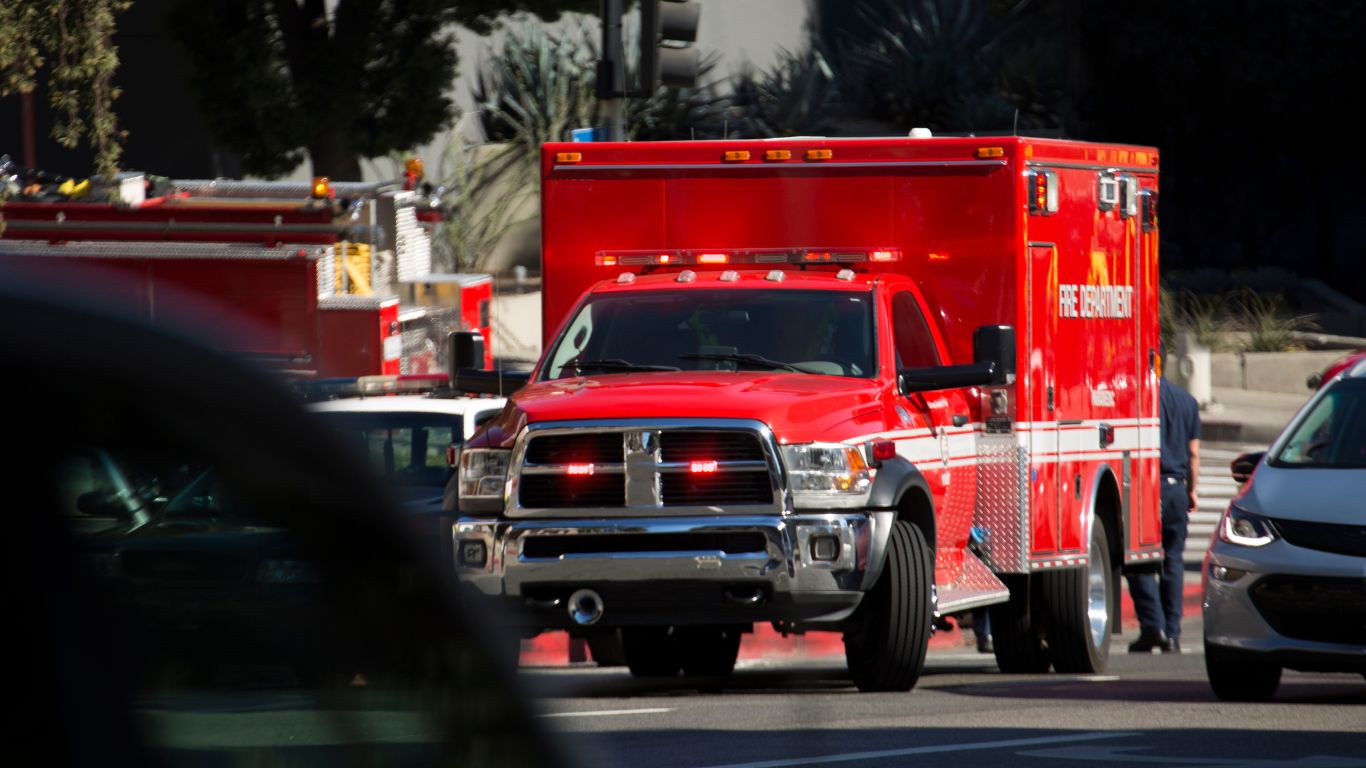
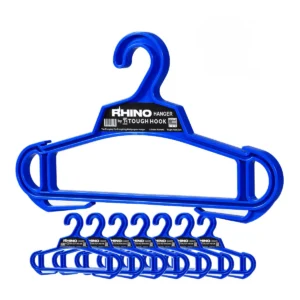


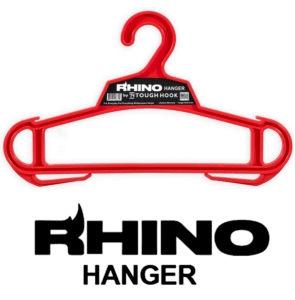
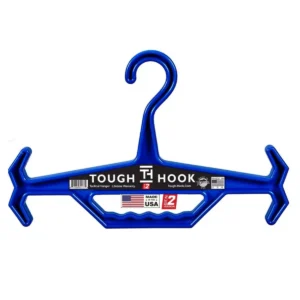

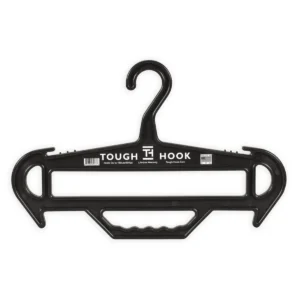

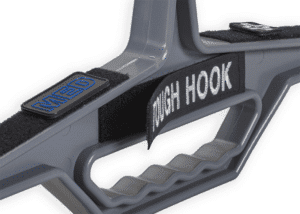
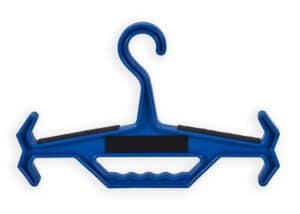
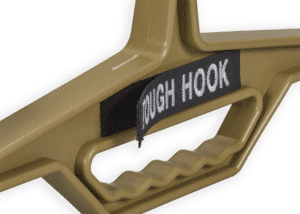
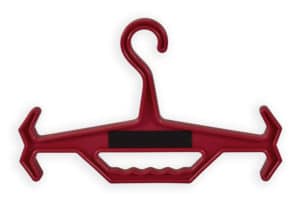
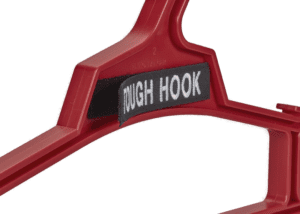




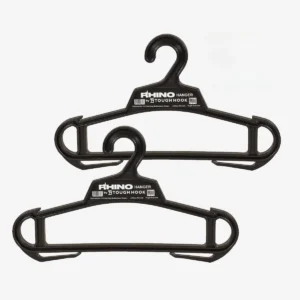
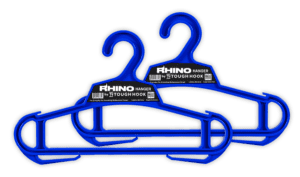
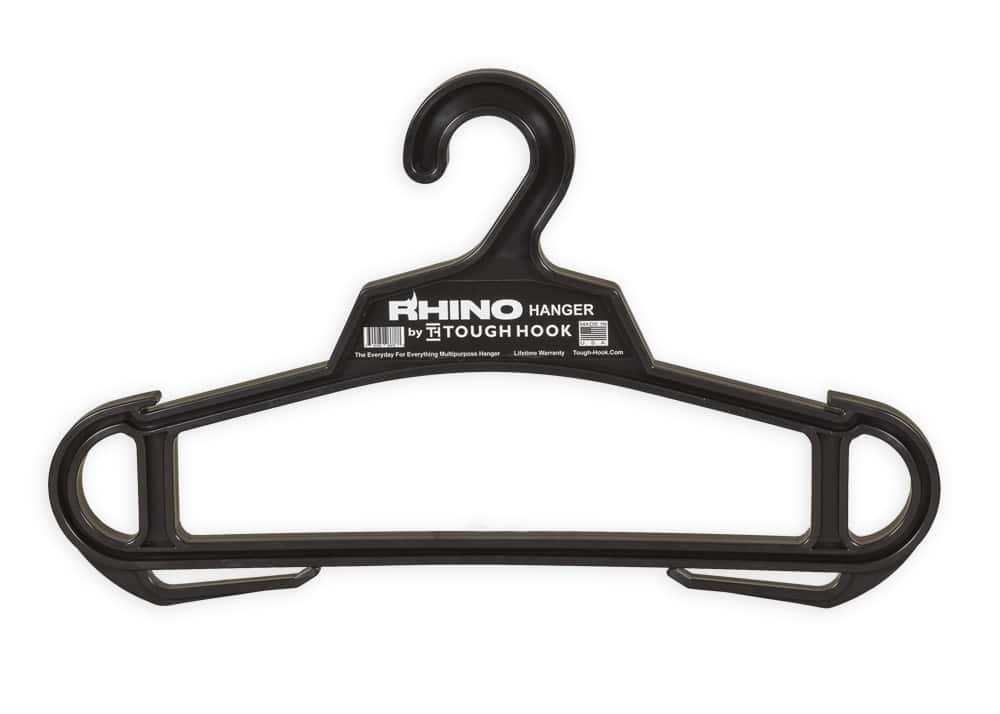
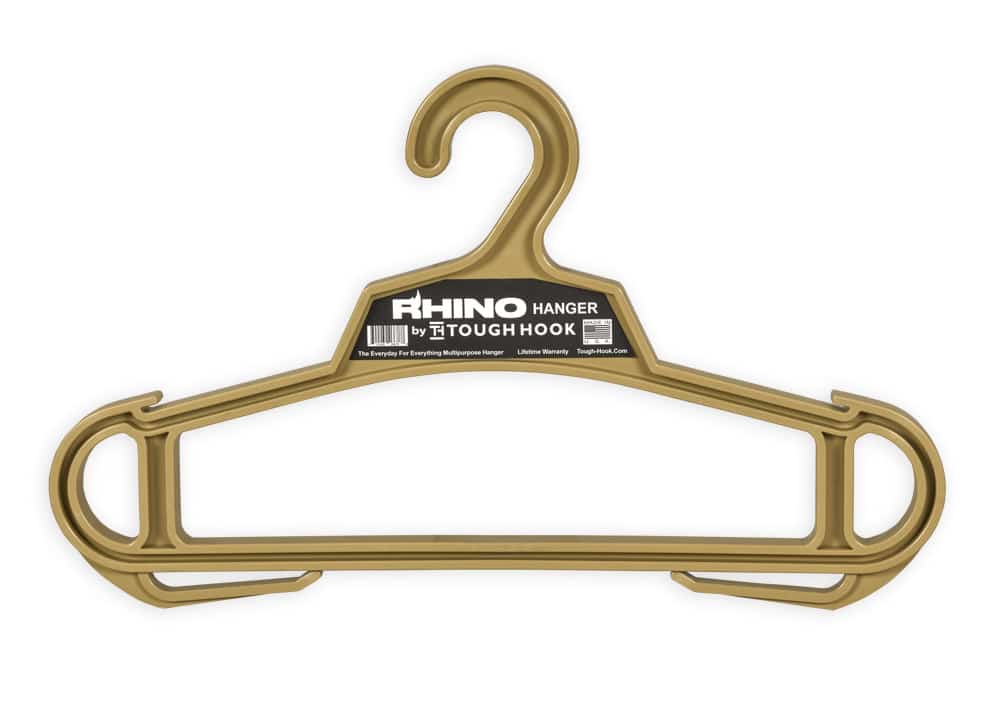
2 Pack RHINO Heavy Duty Clothes Hanger Bundle
Original price was: $27.95.$23.95Current price is: $23.95.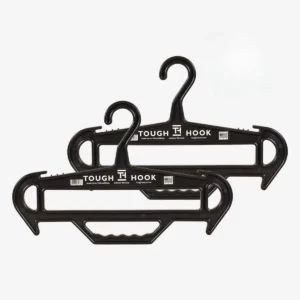
Foundations of the Clean-to-Dirty Workflow
A successful decontamination protocol relies on the clear delineation of space and the strict categorization of equipment. The primary goal is to ensure that contaminated gear never breaches the boundary of clean areas.
The designated decontamination zone should be located as close to the ambulance bay as possible, ideally in a transition room or an exterior-accessible area. This zone needs to be equipped with the necessary supplies for immediate gear cleaning and sanitization. Establishing these zones allows for the following:
-
Immediate assessment of gear condition: Personnel must evaluate which items require deep cleaning and which can be disinfected on the spot.
-
Physical separation of zones: Establishing a clear path from the “dirty” bay to the “clean” living areas prevents accidental cross-over.
-
Standardized cleaning protocols: Every member of the team should know exactly which disinfectants are appropriate for specific materials, such as turnout gear, ballistic vests, and uniform components.
The Role of Proper Storage and Equipment Management
One of the most overlooked aspects of the Clean-to-Dirty system is how gear is stored between calls. Many providers simply toss heavy vests and coats into lockers where they remain damp and bunched up. This environment is ideal for the proliferation of bacteria, mold, and odors. Furthermore, if a piece of gear is even slightly contaminated, storing it in a bunched-up manner allows those contaminants to permeate deeper into the fabric and spread to other items in the locker.
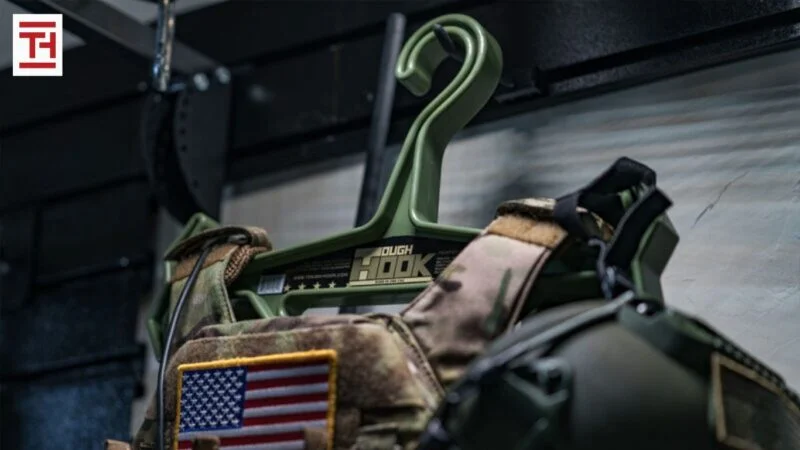
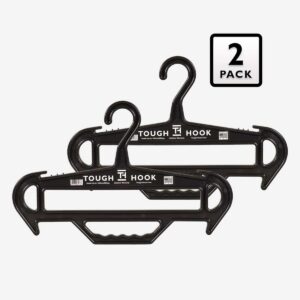
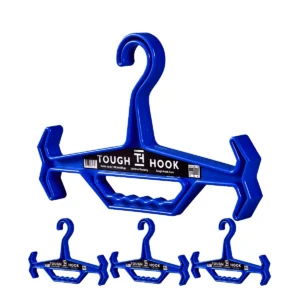
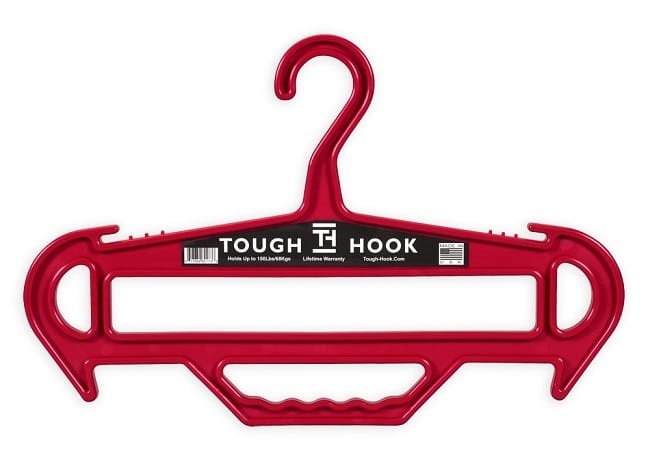
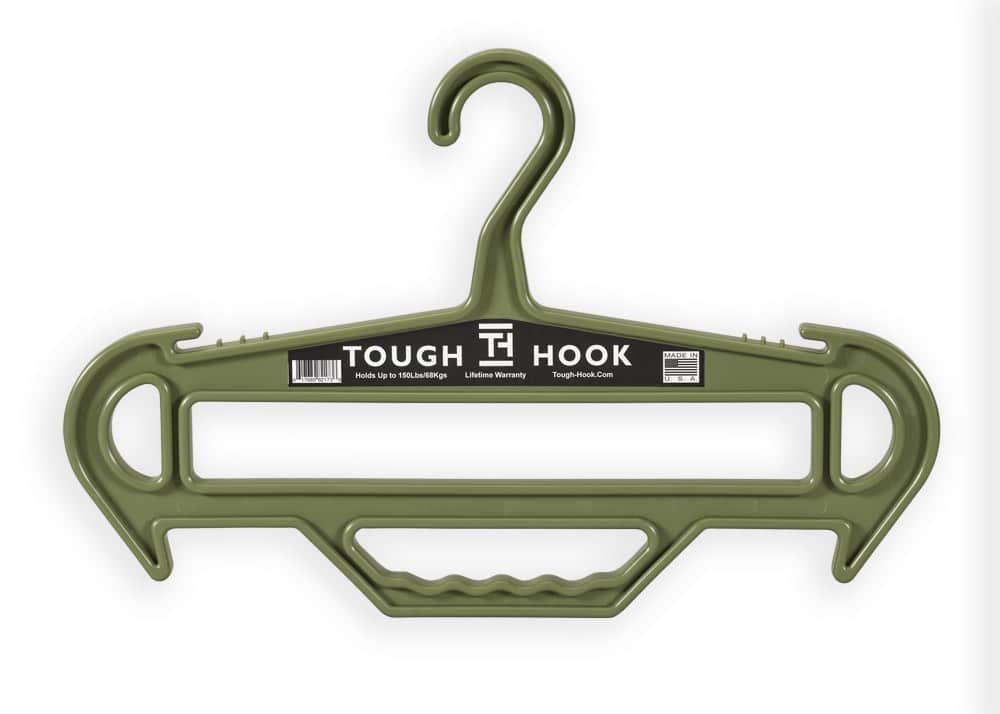
This is where the implementation of professional-grade, heavy-duty hangers becomes a cornerstone of an effective decontamination strategy. Companies like Tough Hook have revolutionized how EMS professionals manage their equipment. Tough Hook offers specialized clothing and equipment heavy-duty hangers designed to handle the immense weight of modern EMS gear, including fully loaded tactical vests, heavy coats, and duty belts. By utilizing these robust hangers, providers can ensure their gear is properly ventilated and suspended, rather than piled on the floor or jammed into a locker. Proper ventilation is essential for the drying process, which is often the first step in neutralizing certain contaminants. When gear is hung correctly, it allows disinfectants and cleaning agents to reach all surfaces, ensuring a more thorough clean.
Best Practices for EMS Gear Decontamination
Maintaining a safe environment requires consistent adherence to a set of best practices. Consistency is the difference between a high-functioning safety culture and a disorganized approach that invites risk.
-
Establish a multi-stage cleaning process: Pre-clean gear to remove gross contamination, followed by a thorough disinfection step using EPA-registered products appropriate for bloodborne pathogens.
-
Prioritize gear drying: Never store damp gear. Using heavy-duty hangers ensures that air circulates around the garment, preventing moisture buildup and significantly reducing the likelihood of bacterial growth.
-
Incorporate specialized hanger systems: Integrate Tough Hook hangers into your station’s locker design to ensure that heavy, bulky items maintain their shape and receive adequate airflow, which is critical for equipment longevity and hygiene.
-
Maintain a strict ‘No-Home’ policy: Implement a policy where gear that has been on duty never enters the private vehicle or personal living space of the provider.
-
Regular inspection intervals: Routinely inspect all gear for wear and tear that might harbor contaminants, ensuring that cleaning protocols are still effective for the integrity of the materials.
Building a Culture of Accountability
The Clean-to-Dirty system is only as effective as the people who follow it. Cultural shifts in EMS often start with leadership prioritizing safety over convenience. When supervisors emphasize the importance of gear decontamination and provide the necessary tools, such as proper cleaning stations and reliable equipment like Tough Hook hangers, the workforce is more likely to adopt these habits.
Education is also paramount. Training sessions should clearly outline the long-term health risks associated with persistent exposure to contaminants. By framing decontamination as a proactive measure for long-term health rather than just an extra chore at the end of a shift, agencies can foster greater compliance. It is important to remember that gear that is well-maintained and correctly stored will last longer, protecting the agency’s financial investment while also protecting the life and health of the provider.
Moving Forward with Safety
The adoption of a formal Clean-to-Dirty system represents a significant step forward in the professionalization and safety standards of EMS. As the industry continues to evolve, the emphasis on protecting the provider from occupational hazards must keep pace. By integrating clear workflow procedures with the use of high-quality equipment management solutions like Tough Hook hangers, EMS agencies can significantly reduce the risk of cross-contamination.
Taking these steps ensures that when a shift ends, the hazards of the job stay at the station, allowing providers to return home safely to their families. The goal is a healthier, more resilient workforce that is prepared to face the demands of the next call with equipment that is clean, secure, and ready for action.