Hangers do more than keep a closet tidy. The material a hanger is made from decides how much weight it can carry, how well it holds a garment’s shape, and how long it lasts before it bends, cracks, or rusts. If you have ever found a coat on the closet floor under a snapped hook, you already know that not every hanger is built for every job.
This guide compares the most common hanger materials (plastic, wire, velvet, wood, heavy-duty metal, and high-impact polypropylene) by strength, weak points, and best use, so you can see which hanger material is most durable for the clothes and gear you actually own.
Hanger Durability at a Glance
| Material | Relative Load Capacity | Common Weak Point | Best For |
|---|---|---|---|
| Standard Plastic | Low | Hooks and shoulders crack under sustained weight | Shirts, blouses, light tops |
| Wire (Metal) | Low | Bends easily and loses its shape | Dry cleaning returns, short-term use |
| Velvet | Low to moderate | Thin core can snap; flocked coating wears off | Skirts, dresses, slippery fabrics |
| Wood | Moderate to high | Can warp or crack in damp conditions | Suits, coats, structured jackets |
| Heavy-Duty Metal | High | Rusts if the coating is chipped or missing | Coats, uniforms, outerwear |
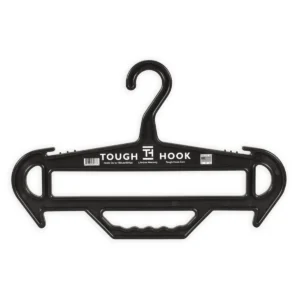
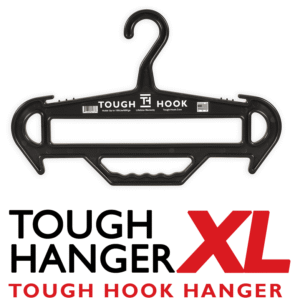
| High-Impact Polypropylene (our heavy-duty hangers) | Rated to 200 lbs | I-beam construction built for heavy loads | Tactical gear, uniforms, heavy equipment |
What Are Hangers Made Of?
Most hangers sold for home closets are made from one of a handful of materials. Knowing what is inside a hanger tells you a lot about how it will hold up:
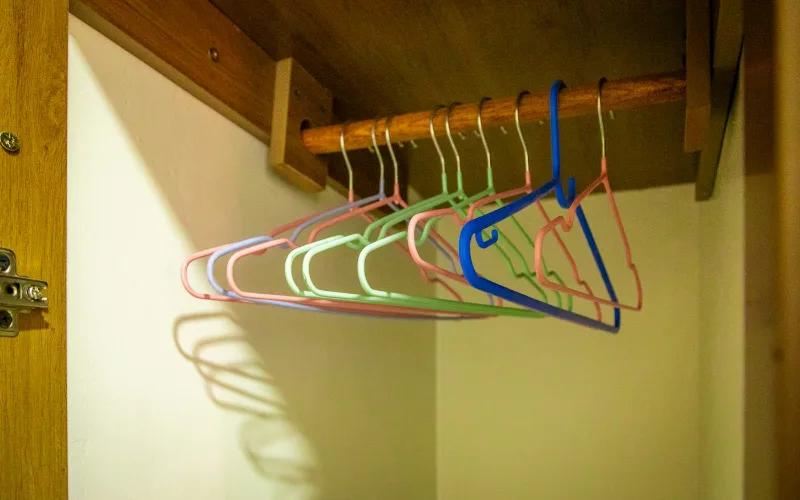
- Plastic hangers: Lightweight and affordable, these are molded from common polymers. Thin, rigid plastic tends to be brittle and can snap at the hook, while thicker polypropylene flexes slightly under load instead of cracking. Not all plastic hangers are equal, and some plastic hangers are best avoided for anything heavier than a shirt.
- Wire hangers: Bent from thin steel wire, often painted or covered in paper. They are often given away by dry cleaners and work for lightweight items, but offer limited support and durability.
- Heavier metal hangers: Made from thicker steel rod, chrome-plated steel, or aluminum. Many have a powder or rubber coating that resists rust and helps keep clothes from slipping.
- Wooden hangers: Usually cut from hardwood, with cedar a popular choice for its natural scent. They offer a premium look and feel and are valued for holding the shape of suits, coats, and structured garments.
- Velvet hangers: A slim plastic core covered in a flocked velvet coating that grips fabric. They are ideal for skirts, dresses, and pants, and their slim design helps maximize closet space.
- Padded hangers: Foam padding wrapped in satin or fabric, made for delicate knits and lingerie rather than heavy loads.
- Acrylic hangers: Clear, rigid hangers often used in boutiques and retail store displays for their clean look. They are stylish but can crack if dropped or overloaded.
- Rubber-coated hangers: Metal or plastic hangers with a rubber finish that adds a non-slip grip for straps, tops, and slippery fabrics.
- Heavy-duty hangers: Built for heavier garments and gear from thicker metal, solid wood, or high-impact polymers such as high-impact polypropylene. They are used for coats, jackets, uniforms, and other bulky items.
In homes and stores today, the three materials clothes hangers are most commonly made from are plastic, wood, and metal. Velvet, padded, rubber-coated, and acrylic designs are usually variations built on one of those three.
Material is only part of the story. For a closer look at how each one treats the clothes it holds, read our guide on how different hanger materials affect your clothes.
What Metal Are Coat Hangers Made Of?
When people ask what metal coat hangers are made of, the answer is almost always steel. The type of steel, its thickness, and the finish on top decide how strong the hanger is and how kind it is to your clothes.
- Low-carbon steel wire: The classic dry cleaner hanger. It is cheap and easy to bend into shape, which is exactly why it bends out of shape under a heavy coat.
- Chrome-plated steel: Often made from solid or tubular steel with a bright chrome finish. It is common in retail stores, hotels, and modern closets, and is sturdier than wire.
- Stainless steel: Resists rust without a coating, which makes it useful in humid spaces such as laundry rooms.
- Aluminum: Lighter than steel and naturally corrosion resistant, but softer, so thin aluminum hangers can bend under heavier loads.
- Iron: Wrought iron is mostly used for decorative hooks and racks rather than everyday clothes hangers.
Most metal hangers also carry a coating. Powder coating and paint help resist rust, while rubber or PVC coatings add a non-slip grip. Thick metal is strong, but a bare, narrow metal edge can still mark delicate fabrics, so silk, knits, and sweaters are usually better on padded, velvet, or wide-shouldered hangers.

Factors Affecting Hanger Durability
When comparing normal hangers and heavy-duty hangers, several durability factors come into play. Understanding these will help you make the right choice for your wardrobe and storage needs.
Materials Used in Hanger Construction
Metal: Metal hangers are generally more durable than plastic or wooden ones, especially when made from thicker gauge wire or solid metal. Heavy-duty metal hangers are often constructed from thicker materials to withstand the weight of heavier garments. A good anti-rust coating helps them hold up in damp environments, making coated metal a sensible long-term option.
Wood: Wooden hangers are sturdy and well suited to heavier clothing, but they can warp or crack over time, especially when exposed to moisture or excessive weight. Their broad shoulders help garments keep their shape better than thin plastic hangers do.
Plastic: Standard plastic hangers are the least durable of the main hanger types. They are fine for everyday shirts and lightweight clothing, but they fall short on strength for coats, uniforms, or any gear hung by its straps. High-impact polypropylene is the exception, because it is engineered to carry far heavier loads than ordinary molded plastic.
Construction Quality
Seams and welds: Look for hangers with well-welded or reinforced seams. Loose or weak joints are a common source of breakage under regular use.
Hooks: The hook is a critical component of any hanger. It should be sturdy and securely attached to the hanger body. Heavy-duty hangers often have reinforced hooks to prevent bending or breaking under heavy loads.
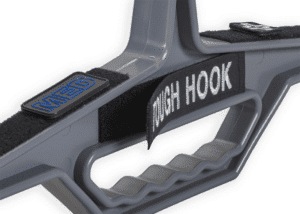
Body design: How a hanger spreads weight matters as much as what it is made of. Our heavy-duty hangers use an I-beam construction that carries the load through the full body of the hanger. To learn more about why shape and load spread matter, see understanding load distribution and shoulder support.
Hanger Materials Compared Head to Head
Most shoppers are not choosing from every material at once. They are usually deciding between two. Here is how the most common matchups compare on durability.
Wooden Hangers vs Plastic Hangers
For durability, wood beats standard plastic. Wooden hangers support heavier garments without bowing, and their wider shoulders keep suits and coats from developing creases or shoulder bumps. Standard plastic hangers are lighter and cheaper, but they are more likely to snap or deform under weight. The trade-off is that wood takes up more closet space and needs a dry environment to avoid warping.
Metal Hangers vs Plastic Hangers
It depends on the metal. A thin wire hanger is no stronger than a cheap plastic one and bends just as easily. A heavy-duty metal hanger with a rust-resistant coating, on the other hand, carries far more weight than standard plastic and resists wear and tear well. Metal is a better choice for coats and outerwear, as long as the coating stays intact.
Velvet Hangers vs Plastic Hangers
Velvet hangers win on grip and space savings, which makes them popular for slippery fabrics and tight closets. They are not built for weight, though. Their slim core can snap under heavy coats, and the flocked coating wears down over time. For lightweight clothing, velvet is a good fit. For heavy garments, neither velvet nor standard plastic is the right tool.
Why Wire Hangers Fall Short
Wire hangers are cheap and everywhere, but they are a poor long-term choice. Their thin profile concentrates weight on a narrow point, which can stretch shoulders and leave marks on knits. They bend out of shape easily, and uncoated wire can rust and stain clothing in a damp closet. They are best kept for short-term use only.
High-Impact Polypropylene Hangers
Not all plastic is weak. Hangers made from high-impact polypropylene offer load capacity that standard plastic hangers cannot match, without the rust risk of uncoated metal or the moisture concerns of wood. Our heavy-duty hangers are made from this material and are rated to 200 lbs, which is why they are used for tactical gear, uniforms, and heavy equipment that ordinary hangers cannot handle.
Choosing Durable Wooden Hangers
Wooden hangers for clothes are one of the most popular hanger types, and for good reason. A well-made wooden hanger can serve a wardrobe for years. Not every wooden hanger is built the same way, though, so it helps to know what separates a durable one from a flimsy one.
What to Look For in a Wooden Hanger
- Solid hardwood: Beech, maple, and similar hardwoods hold up better than soft or thin laminated wood. Cedar is softer but adds a natural scent many people like in closets.
- A sealed finish: Lacquer or varnish helps protect the wood from moisture, which reduces the risk of warping and cracking.
- Wide, contoured shoulders: Broader shoulders support the full shape of coats and suit jackets and help prevent shoulder bumps.
- A secure hook: Look for a thick metal hook that is firmly anchored in the wood. A swivel hook makes it easier to hang the garment facing the right way.
- A trouser bar or clips: A non-slip bar or built-in clips let one hanger hold a full suit, including the trousers.
For heavy duty wooden coat hangers, the thickness of the body and the strength of the hook joint matter more than the look of the wood. If you hang very heavy outerwear or gear, compare a wooden hanger’s design against a load-rated heavy-duty option before you buy.
What Makes a Hanger Heavy-Duty?
A heavy-duty hanger, sometimes simply called a heavy hanger, is designed to carry more weight than an everyday closet hanger without bending, bowing, or breaking. The term is about strength and design, not just how much the hanger itself weighs. Hanger design affects function as much as material does:
- Stronger material: Thick steel, solid hardwood, or high-impact polymers instead of thin wire or brittle plastic.
- A reinforced hook: The hook joint is where most hangers fail, so heavy-duty designs strengthen it.
- A load-spreading shape: Wider shoulders and a rigid body spread weight across the garment and the hanger, which improves stability.
- A stated load rating: A clear weight rating tells you what the hanger is built to hold. Our heavy-duty hangers are rated to 200 lbs.
No hanger is truly unbreakable, but design and materials make a big difference to how long one lasts. That is why our hangers are backed by a lifetime warranty.
Load-Bearing Capacity of Different Hangers
Load capacity is one of the clearest measures of hanger durability. Understanding the limits of different hanger types helps you match the right hanger to each garment in your wardrobe.
Hanger Weight Capacity by Type
- Standard wire hangers: Best suited for shirts and lightweight items. They bend quickly once a garment has any real weight.
- Plastic hangers: Suitable for everyday clothing like shirts, pants, and light jackets. Capacity varies widely by design and thickness, so it is worth knowing how many pounds a plastic hanger can hold before you load one up with a winter coat.
- Wooden hangers: A reliable choice for suits, coats, and heavier garments, provided they are kept dry.
- Heavy-duty metal hangers: Designed for higher loads such as coats, uniforms, and outerwear.
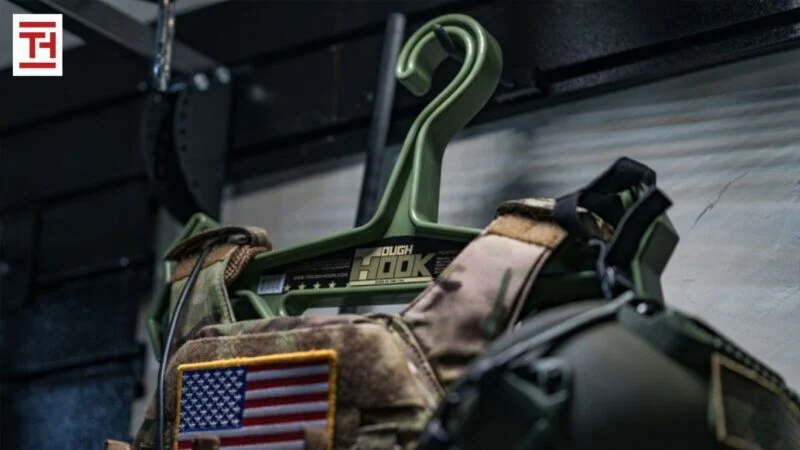
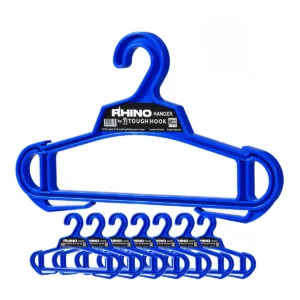
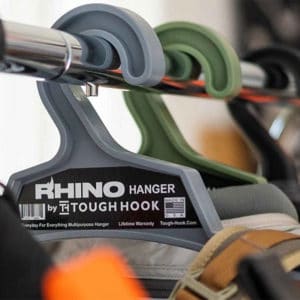
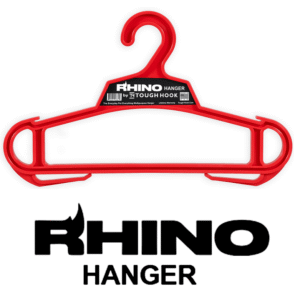
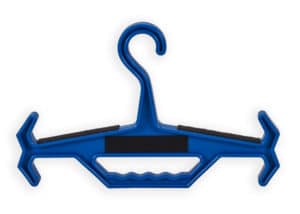
- High-impact polypropylene heavy-duty hangers: Our RHINO heavy-duty hanger is rated to hold up to 200 lbs, making it suited to plate carriers, turnout gear, scuba equipment, and other loads that would bend or break a standard hanger.
Standard Hanger Sizes: How Long Is a Hanger?
Durability is not only about material. A hanger that is the wrong size for a garment puts stress on the fabric and on the hanger itself.
- Standard adult hangers: Most adult clothes hangers measure about 16 to 18 inches across, with 17 inches being a common size for shirts, tops, and jackets.
- Children’s hangers: Noticeably shorter, so small garments are not stretched at the shoulders or neckline.
- Suit and coat hangers: Some wooden and heavy-duty hangers are wider or have thicker shoulders to fill out tailored jackets and heavy coats.
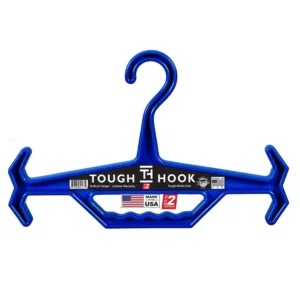
As a reference point, our RHINO hanger measures 17.75 inches long and our Original tactical hanger measures 16 inches, so both sit within the standard adult hanger range. A hanger that is too wide stretches the shoulders of a garment, while one that is too narrow lets the fabric droop and crease.
Best Hanger Materials for Pants, Skirts, Sweaters, and Accessories
Different garments put different demands on a hanger. Choosing the right material and design for each type of clothing protects the fabric and keeps the hanger from wearing out early.
- Pants and trousers: Hangers with a non-slip bar, rubber coating, or clips hold trousers without sliding. Wooden hangers with a trouser bar and velvet hangers both work well.
- Skirts: Clip hangers grip the waistband. Look for clips with padded or rubber-lined jaws so they do not leave marks, and a sturdy body that does not flex when the clips are full.
- Sweaters and knits: Heavy knits can stretch out on any hanger, so many people fold them. If you hang sweaters, padded or wide-shouldered hangers spread the weight better than thin wire or plastic.
- Delicates: Padded hangers with foam and satin covers are gentle on silk, lingerie, and fine fabrics.
- Scarves, belts, and accessories: Multi-loop or tiered hangers keep accessories in one place and free up drawer space.
- Space-saving closets: Slim velvet hangers take up the least rail space for lightweight clothing. For heavier items, fewer, stronger hangers are a better use of closet space than crowding thin ones.
- Travel: Lightweight, rigid hangers that will not snap in a packed bag or garment bag are the most practical. See how a single strong hanger can streamline your suitcase.
Impact of Environmental Conditions on Durability
Environmental factors play a significant role in how long a hanger lasts. Closet conditions, humidity levels, temperature changes, and exposure to moisture all affect the material performance and lifespan of hangers.
Key Environmental Factors
- Humidity and moisture: Wooden hangers exposed to high humidity over time can warp, swell, or crack. Metal hangers without rust-resistant coatings will corrode in damp closets or storage areas.
- Temperature changes: Standard plastic hangers can turn brittle in cold environments and warp or soften in heat. This limits their reliability in garage closets, storage units, or seasonal storage areas.
- UV exposure: Prolonged sunlight can degrade plastic and fade wood. Storing hangers in enclosed closets away from direct light helps preserve them. If your gear lives outdoors or near windows, it helps to understand why UV-resistant hanger materials matter.
- Overloading: Consistently hanging items beyond a hanger’s capacity speeds up wear and increases the risk of breakage. Matching hanger type to garment weight is one of the simplest ways to extend hanger lifespan.
Testing Methods for Hanger Strength
Understanding how hangers are tested for durability helps you evaluate manufacturers’ claims and make more informed purchasing decisions.
Common Durability Tests
- Load capacity test: Hangers are loaded with incremental weights to find the point at which bending, cracking, or hook failure occurs. This directly measures load-bearing capacity.
- Flex and fatigue test: The hanger body is bent repeatedly to see how the material handles fatigue over time.
- Corrosion resistance test: Metal hangers are exposed to moisture and salt spray to evaluate how well coatings and finishes hold up.
- Drop and impact test: Hangers are dropped onto hard surfaces to check whether the hook, body, or joints crack or deform. This simulates real-world use in busy closets and storage areas.
Common Wear and Tear Issues
Knowing the most common failure points helps you spot when a hanger needs replacing and what to avoid when buying new ones.
Signs a Hanger Is Wearing Out
- Bent or deformed hooks: A hook that no longer sits straight on a rail is under structural stress and may fail unexpectedly under load.
- Cracks in the body: Visible cracks in plastic or wooden hangers mean weakened structural integrity. Replace cracked hangers right away, as they can damage clothing and drop items without warning.
- Rust or corrosion on metal: Rust weakens metal hangers and can stain clothing. Replace any metal hangers showing visible rust.
- Warping: Warped wooden or plastic hangers no longer support garments evenly, which can lead to creases, stretched shoulders, or misshapen clothing.
- Fraying coatings: On velvet or coated wire hangers, a peeling coating reduces grip and can snag delicate fabrics.
If several of these sound familiar, read our guide to the signs it is time to upgrade your hangers.
Maintenance Tips to Extend Hanger Life
Proper care can extend the lifespan of your hangers and protect the clothes they hold.
Practical Hanger Care Tips
- Keep closets dry: Moisture is one of the biggest threats to hanger durability. Use a dehumidifier or moisture absorber in closets prone to dampness to protect both wooden and metal hangers.
- Do not overload: Hanging several heavy garments on one hanger beyond its capacity speeds up wear and increases the risk of breakage. Spread heavy clothing across several hangers when possible.
- Clean regularly: Wipe down metal and plastic hangers periodically to remove dust. For wooden hangers, a light application of wood conditioner helps prevent drying and cracking.
- Inspect periodically: A quick check every few months can catch early signs of wear before they become a bigger problem.
- Store unused hangers properly: Stack or bundle them in a dry, covered area rather than leaving them loose in a damp garage or basement.
Materials for Coat Hooks, Closet Organizers, and Clothing Racks
The same material choices that affect hanger durability also apply to the hardware your hangers live on. If a coat hook pulls out of the wall or a rack bends under the load, even the strongest hanger cannot help.
Coat Hooks
Coat hooks are most often made from steel, cast metal such as zinc alloy, solid wood, or plastic. Metal hooks carry the most weight, especially when screwed into wall studs. Wooden hooks work well for everyday coats but can split if overloaded. Plastic and adhesive hooks are best for light items such as hats, scarves, and keys. For an entryway that handles heavier loads, see this simple hanging system for bags, coats, and gear.
Hanging Closet Organizers
Fabric hanging closet organizers are light and flexible but can sag over time, especially when loaded with shoes or folded sweaters. Organizers with rigid shelves or reinforced stitching hold their shape longer.
Clothing Racks
For clothing racks, including industrial and commercial models, steel tubing is the most durable option. Thicker tubing, solid welds, and locking casters improve stability, while chrome or powder-coated finishes resist rust. Lightweight aluminum and thin tubular racks are easier to move but carry less weight. Whatever rack you use, match it with hangers that can carry the same load.
Sustainable and Eco-Friendly Durable Hangers
Sustainable hanger options have become more popular as shoppers pay closer attention to waste. Durable, eco-friendly hangers are a practical choice for long-term wardrobe organization.
- Bamboo hangers: Bamboo is a rapidly renewable material with strength comparable to traditional wood. Bamboo hangers are biodegradable and hold their shape well under regular use.
- Recycled plastic hangers: Some manufacturers now make hangers from post-consumer recycled plastic, reducing waste while still handling everyday clothing.
- Long-life heavy-duty hangers: Buying fewer, stronger hangers means fewer replacements and less waste over time. Learn more about choosing hangers that last for years.
When a hanger does reach the end of its life, try to keep it out of the trash. Many dry cleaners accept wire hangers for reuse, and some retailers take back plastic hangers. Check with your local recycling program before putting hangers in curbside bins, since many programs do not accept them.
[/vc_column_text][/vc_column][/vc_row]


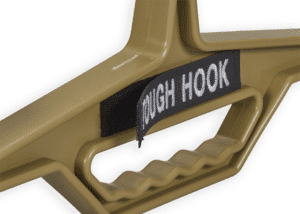
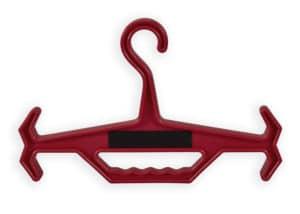
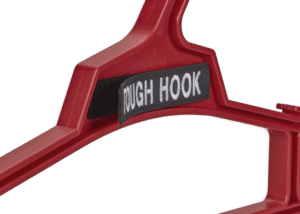
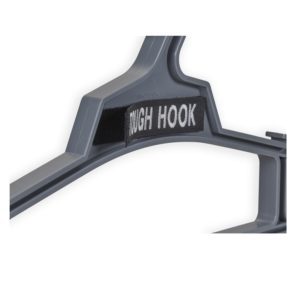
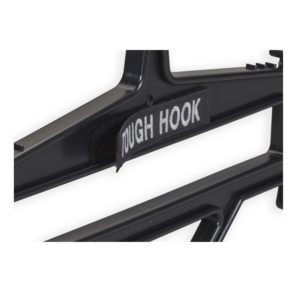


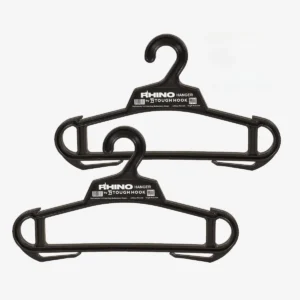
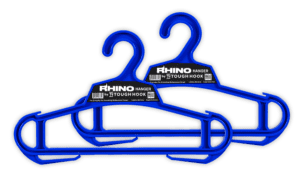
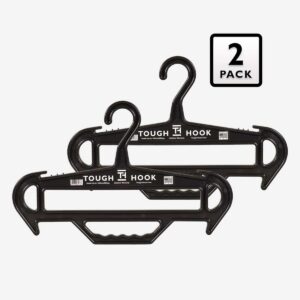
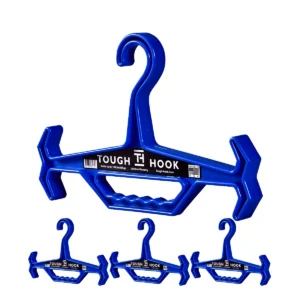
2 Pack RHINO Heavy Duty Clothes Hanger Bundle
Original price was: $27.95.$23.95Current price is: $23.95.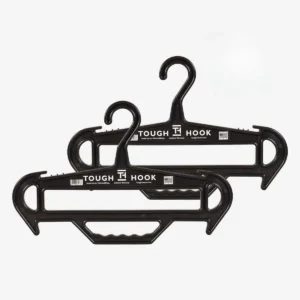
How Our Heavy-Duty Hangers Compare
Standard hangers, whatever the material, share a common ceiling: they are designed for closet-weight clothing, not real-world gear. A winter coat, body armor, a loaded tactical vest, or scuba equipment can quickly exceed what plastic, wire, or most wooden hangers can safely hold over time.
Our hangers are made from high-impact polypropylene with an I-beam construction, and they are rated to hold 200 lbs. They are manufactured in the USA and backed by a lifetime warranty.
That capacity is why our hangers are used by military personnel, law enforcement officers, firefighters, scuba divers, and outdoor enthusiasts who need to hang gear that standard hangers were never built to hold.

Which Hanger Material Should You Choose?
The most durable hanger material for you depends on what you hang. Use this as a quick guide:
- Light shirts, blouses, and tops: Standard plastic or velvet hangers are usually enough.
- Suits, tailored jackets, and structured garments: Wooden hangers help preserve shape, as long as the closet stays dry.
- Coats and heavy outerwear: Heavy-duty metal or high-impact polypropylene hangers carry the weight without bowing.
- Uniforms, tactical gear, and equipment: A load-rated heavy-duty hanger is the safest choice.
Why Choose Heavy-Duty Hangers?
- Greater durability: Heavy-duty hangers are built from stronger materials and heavier construction, so they keep performing through years of regular use.
- Support for heavier garments: They handle coats, jackets, and other bulky items without bending or breaking.
- Protection for your clothes: Sturdy support helps prevent stretching, sagging, and lost shape, which matters most for suits, tailored jackets, and structured garments stored long-term.
- Cost-effective over time: They may cost more upfront, but stronger hangers mean fewer replacements and less damage to your clothing.
- Resistance to wear and tear: Reinforced hooks and stronger materials stand up to the everyday wear that quickly degrades standard options.
Still weighing up the switch? Our comparison of heavy-duty hangers vs regular hangers covers the differences in more detail.
Find the Right Heavy-Duty Hanger
We design heavy-duty hangers for people who hang more than everyday clothing. Whether you are organizing a wardrobe of heavy coats or storing uniforms and equipment, you can browse our full range of heavy-duty hangers and choose the size and pack that fits your closet.
A durable hanger is a small purchase that protects much more expensive clothing and gear. Choose the material that matches the weight you hang, and your hangers and your wardrobe will both last longer.
Frequently Asked Questions
What hanger material is the most durable?
For heavy loads, heavy-duty hangers made from thick coated metal or high-impact polypropylene are the most durable. Wood is a strong choice for suits and coats if it is kept dry. Standard plastic, velvet, and wire hangers are the least durable and are best kept for lightweight clothing.
What are hangers made of?
Most hangers are made from plastic, steel wire, heavier metals such as chrome-plated steel or aluminum, wood, or velvet-covered plastic. Padded hangers use foam wrapped in satin or fabric, and heavy-duty hangers use thicker metal, solid wood, or high-impact polymers such as polypropylene.
Are wooden hangers better than plastic?
For durability and garment shape, yes. Wooden hangers support heavier garments than standard plastic hangers and their wider shoulders help suits and coats keep their shape. Plastic hangers are lighter, cheaper, and fine for everyday shirts, but they are more likely to bend or snap under weight.
Are metal hangers better than plastic?
It depends on the type of metal hanger. Thin wire hangers bend as easily as cheap plastic ones. Heavy-duty metal hangers with a rust-resistant coating are much stronger than standard plastic and work well for coats, uniforms, and outerwear.
Are velvet hangers better than plastic?
Velvet hangers are better for grip and saving space, so they suit slippery fabrics and tight closets. They are not built for weight, and their slim core can snap under heavy coats. For heavy garments, a heavy-duty hanger is a better choice than either velvet or standard plastic.
Why are wire hangers bad for clothes?
Wire hangers concentrate weight on a thin point, which can stretch shoulders and leave marks on knits. They bend out of shape easily, and uncoated wire can rust and stain clothing in damp closets.
How can I extend the life of my hangers?
Keep closets dry to prevent rust and warping. Avoid overloading hangers beyond their capacity. Clean them periodically and inspect them every few months for cracks, bent hooks, or rust. Replace damaged hangers promptly and store unused hangers in a dry area.
What is the difference between a standard hanger and a heavy-duty hanger?
Standard hangers are designed for everyday clothing. Heavy-duty hangers use stronger materials such as thicker metal, solid wood, or high-impact polymers to support heavier garments and gear. Our heavy-duty hangers are rated to hold 200 lbs.
How long is a standard hanger?
Most standard adult clothes hangers are about 16 to 18 inches wide, with 17 inches being a common size. Children’s hangers are shorter, and some suit and coat hangers are wider to support tailored shoulders.
What metal are coat hangers made of?
Most metal coat hangers are made from steel. Wire hangers use thin low-carbon steel wire, while sturdier hangers use thicker chrome-plated or stainless steel. Some lightweight hangers are made from aluminum, and many metal hangers have a powder, paint, or rubber coating.
What does heavy-duty hanger mean?
A heavy-duty hanger is designed to carry more weight than an everyday hanger without bending or breaking. It uses stronger materials, a reinforced hook, and a load-spreading shape, and it often has a stated weight rating. Our heavy-duty hangers are rated to 200 lbs.
What are the best hangers for pants and skirts?
For pants, hangers with a non-slip bar, rubber coating, or clips work best. For skirts, clip hangers with padded or rubber-lined jaws grip the waistband without leaving marks. Velvet hangers and wooden hangers with trouser bars are also good choices.