Hiking season is a breath of fresh air, a time for adventure on trails old and new. But when the trails grow quiet and the weather turns, what becomes of your cherished hiking gear? Improper storage can lead to damage, premature wear, and a frustrating scramble to find everything when spring returns. This article will guide you through the best practices for storing your seasonal hiking gear, including how to choose the right heavy-duty hangers, so it stays in top condition and your space remains organized.
Why Proper Hiking Gear Storage Matters
Investing in quality hiking gear and equipment is an investment in your outdoor experiences. Neglecting its storage can compromise its functionality and longevity. Moisture, pests, and improper folding can wreak havoc on fabrics, zippers, and delicate components. Proper storage not only protects your gear but also streamlines your preparations for future adventures.
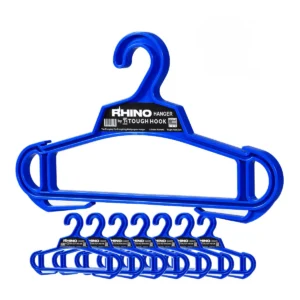
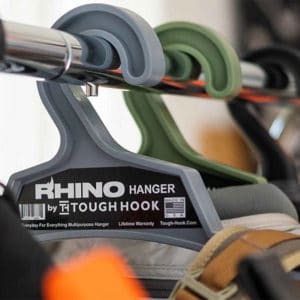

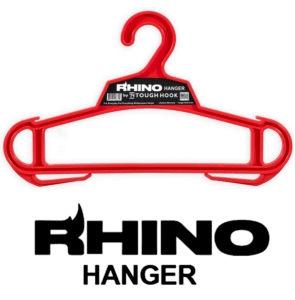
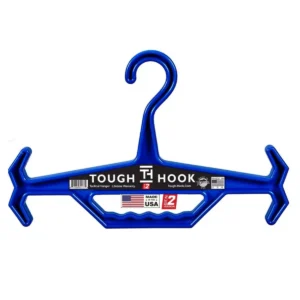

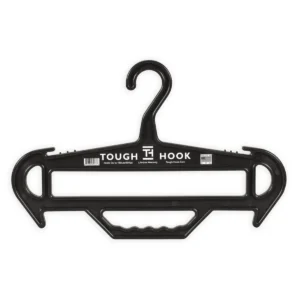
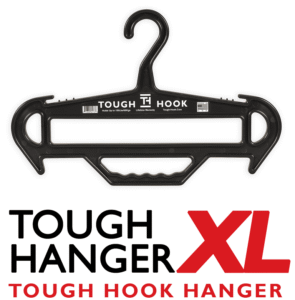
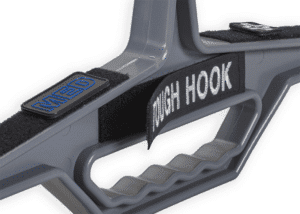
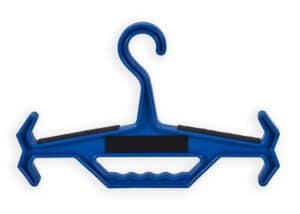
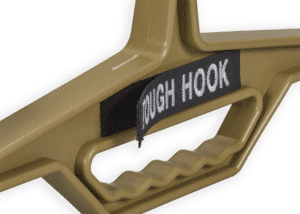
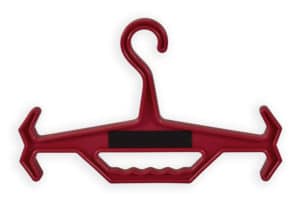
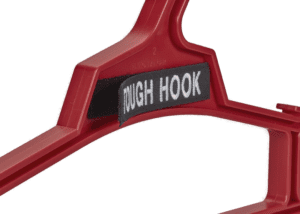
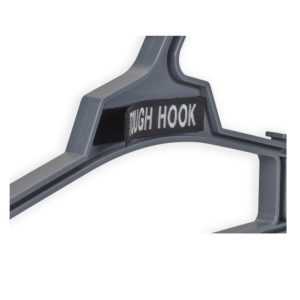
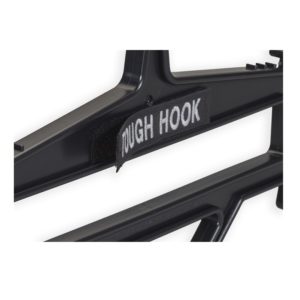


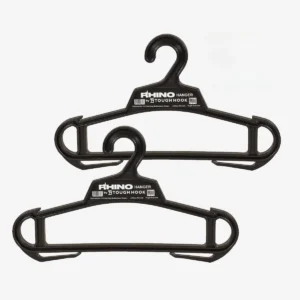
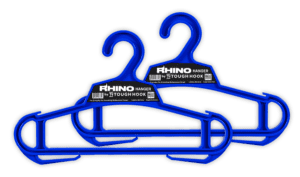
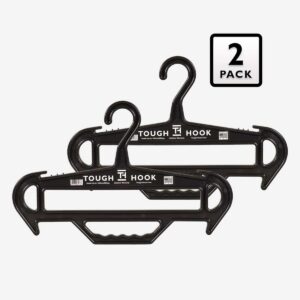
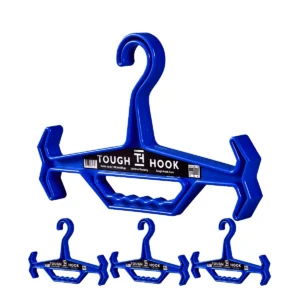
2 Pack RHINO Heavy Duty Clothes Hanger Bundle
Original price was: $27.95.$23.95Current price is: $23.95.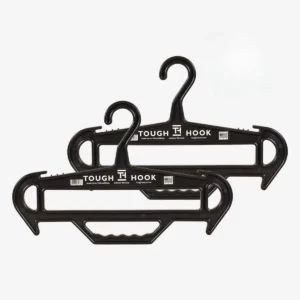
Choosing Where to Set Up Your Hiking Gear Storage Space
Before you clean or sort anything, pick the spot your hiking gear and equipment will actually live. A garage gives you the most floor and wall space for hanging heavy packs and shells, but temperature swings mean anything electronic or leather needs extra protection there. A closet or spare room holds a steadier temperature, which suits boots, hydration reservoirs, and electronics best.
Renters or apartment dwellers without a garage or closet to spare can look at a small climate-controlled storage unit, or fall back on a slim shelf, a stack of drawers, and a few wall hooks to keep gear off the floor. Wherever you land, aim for a spot with airflow and away from direct sun. For a broader rundown of setting up a system that stops gear from going missing between trips, see our guide to smarter camping gear storage.
Clean Your Hiking Gear Before Storing It
Before anything else, ensure your gear is impeccably clean. Dirt, mud, and sweat can degrade materials over time.
-
Boots: Remove dirt with a soft brush and mild soap. Allow them to air dry completely, away from direct heat. Condition leather boots to prevent cracking: Apply a leather conditioner and let it absorb.
-
Clothing: Wash all hiking apparel according to the manufacturer’s instructions. Pay close attention to waterproof and breathable fabrics, which often require specialized detergents.
-
Backpacks: Empty all compartments and vacuum out debris. Wipe down the exterior with a damp cloth and mild soap. For stubborn stains, use a specialized gear cleaner.
-
Tents and Sleeping Bags: Ensure these items are completely dry before storing. Any residual moisture can lead to mold and mildew. Air them out thoroughly in a shaded area.
-
Trekking Poles: Wipe down the poles and ensure they are fully retracted. Check for any damage or loose components.
- Hydration Packs and Reservoirs: Empty completely and rinse with warm water and a reservoir-cleaning tablet or a mild vinegar solution. Let the bladder air dry fully inverted, or store it with the fill opening propped open. Sealing a damp reservoir is one of the fastest ways to grow mold inside a bladder you can’t easily inspect.
How to Organize Hiking Gear for Efficient Storage
Once everything is clean and dry, it’s time to organize. This step is crucial for maximizing space and minimizing clutter.
-
Grouping Similar Items: Categorize your gear. Keep all clothing together, boots in one location, and accessories in another. This makes it easier to find what you need when the next season arrives.
-
Utilizing Storage Bins and Bags: Use clear, airtight plastic bins or fabric storage bags to protect your gear from dust, pests, and moisture. Label each container for easy identification.
-
Maximizing Vertical Space: Utilize shelves, racks, and wall-mounted storage solutions. This keeps items off the floor and prevents them from getting crushed.
-
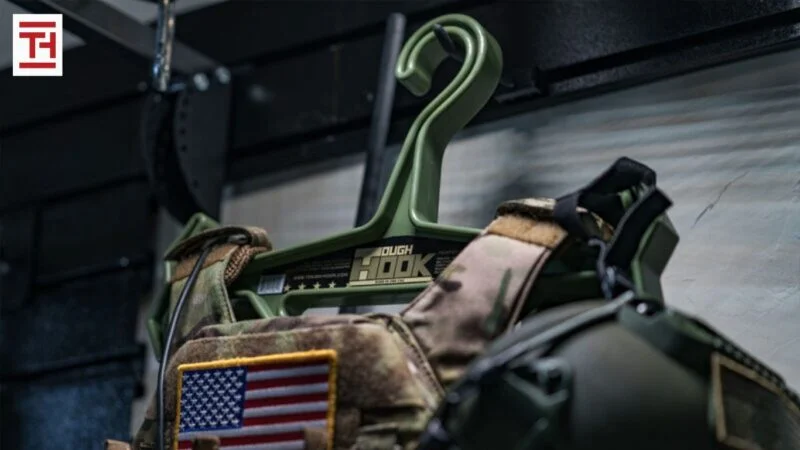
Hanging Solutions for Heavy or Bulky Gear: For items that benefit from hanging, such as backpacks, rain gear, and certain clothing items, use heavy-duty hangers. This is where Tough Hook comes in. Our hangers are designed to handle the weight of heavy gear, ensuring it stays off the floor and maintains its shape. Keep heavy hiking gear organized with Tough Hook’s heavy-duty hiking gear hangers.
- Organizing Gear in a Small Space: Not everyone has a garage. If you’re working with a closet or a single wall, sort gear by how often you use it: seasonal or rarely-used items go highest, boots and heavy bins stay lowest since the floor is the strongest, most stable shelf you have, and anything you’ll grab weekly stays at arm level. A slim wall-mounted hook rail or hanger bar does more for a small space than a bin ever will, since it uses vertical wall space the floor plan doesn’t have to spare. See more vertical storage hacks for small spaces.
Should You Hang, Fold, or Roll Your Hiking Gear?
The right method depends on the item, not a single rule for all hiking gear:
| Item | Best Method | Why |
| Rain jackets, shells, insulated layers | Hang | Prevents crushed insulation and keeps waterproof membranes from creasing at the same fold lines every season. |
| Loaded or empty backpacks | Hang | Folding compresses foam back panels and frame sheets; hanging keeps the frame’s shape intact. |
| Base layers, socks, technical tees | Fold or roll | These fabrics resist creasing and take up less space rolled in a bin. |
| Sleeping bags | Store loose, uncompressed | Long-term compression breaks down insulation loft. |
| Tents | Store loose, loosely folded | A tight, repeated fold weakens waterproof coatings along the crease. |
How to Store Specific Types of Hiking Gear
Each type of hiking gear has unique storage requirements.
-
Boots: Store boots in a cool, dry place away from direct sunlight. Stuff them with newspaper or boot trees to maintain their shape. The same cool, dry spot works for hiking shoes and trail runners, though their lighter mesh uppers dry out faster and need less stuffing to hold their shape.
-
Clothing: Fold clothing neatly and store it in airtight bags or bins. For waterproof and breathable fabrics, avoid tightly packing them, as this can compress the membranes. You can also hang items like rain jackets using Tough Hook hangers, which are built to handle the weight. Choose a heavy-duty hanger for technical outerwear to keep waterproof membranes from creasing at the same fold line every season. See more on preserving technical hiking fabrics.
-
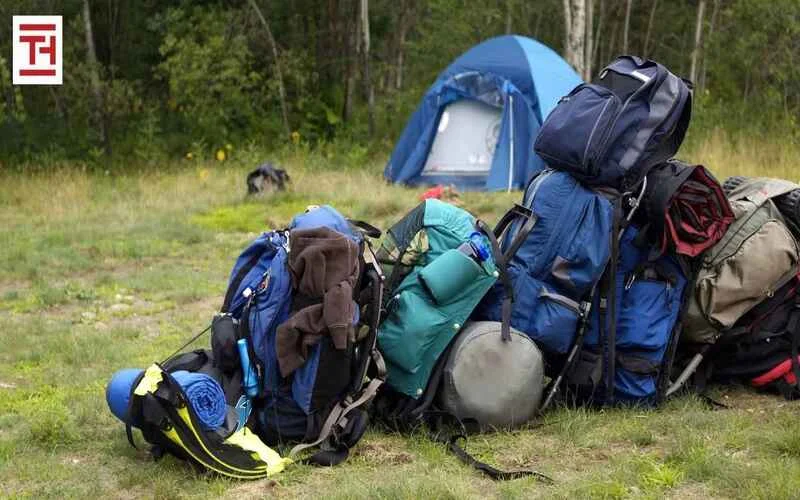
Backpacks: Empty all compartments and store the backpack in a large storage bag or bin. Avoid storing it folded, as this can create creases and weaken the fabric. Hanging the backpack using a Tough Hook hanger can help maintain its form and prevent compression. Store heavy backpacks without bending or breaking with a heavy-duty backpack hanger built for bulkier loads. For a deeper dive, see our full backpack storage guide.
-
Tents and Sleeping Bags: Store these items loosely in large cotton or mesh bags to allow them to breathe. Avoid storing them in plastic bags, as this can trap moisture. Store them in a cool, dry place away from direct sunlight. See our off-season tent and sleeping bag storage guide for more detail.
-
Trekking Poles: Retract the poles to their shortest length and store them in a protective bag or case. See more on trekking essentials storage.
- Hydration Packs and Reservoirs: Store cleaned, fully dried reservoirs with the fill port open, ideally hung or laid flat rather than crushed inside a stuffed pack. Trapped moisture in a folded bladder is one of the more common causes of a musty-tasting reservoir the following season.
-
Electronics (GPS, Headlamps, etc.): Remove batteries to prevent corrosion. Store electronics in a cool, dry place.
Hiking Backpack Storage Ideas for Any Space
If you’re looking for hiking backpack storage ideas beyond a single hanger, a few setups work well depending on how much room you have:
- Pegboard Panel: A pegboard mounted on a garage or mudroom wall lets you hang backpacks, trekking poles, and smaller accessories on movable hooks, so the layout can change as your gear collection grows.
- Wall-Mounted Hook Rail: A single rail of sturdy hooks near an entryway keeps a loaded pack ready to grab, and pairs well with wall-mounted heavy-duty hangers for jackets stored next to it.
- Closet Rod Storage: An open closet rod can hold a backpack by its haul loop or top handle, though a dedicated hanger keeps the frame straighter than a rod alone.
- Under-Shelf Hooks: Screw-in hooks mounted under an existing shelf add hanging storage without giving up floor space, useful for apartments or shared closets.
- Attaching Trekking Poles for Transport: If poles travel strapped to the outside of the pack between trips, thread them through the compression straps and cinch until snug so they don’t shift or fall loose while the pack is stored or carried.
Where to Store Hiking Boots at Home
Hiking boots and shoes do best somewhere they can breathe, which rules out a few storage spots home hikers reach for by default.
- Open Shelving or a Boot Rack: A rack or shelf near the entryway lets air circulate around the leather and mesh, which helps prevent the musty smell that builds up in a closed container.
- Boot Trays: A tray or mat catches dried mud and keeps boots off carpet or hardwood, useful right by the door for boots worn often.
- Storage Containers, With Ventilation: If boots need to go into a bin for the off-season, choose one with ventilation holes rather than a fully sealed container, and only pack them once they’re completely dry.
- Avoid the Closet Floor: Boots left directly on a closet floor are more likely to pick up moisture from the surrounding air and are easy to forget about until the next season.
Storing Hiking Apparel with Secure Storage Pockets
Many hiking pants, shells, and vests are built with zippered or snapped storage pockets for a phone, map, or snacks. Those pockets need a bit of extra attention before they go into storage:
- Empty Every Pocket: Check hip belt pockets, chest pockets, and hidden zip pockets for wrappers, trail snacks, or coins before folding or hanging the item, since leftover food residue attracts pests.
- Leave Zippers Fully Closed or Fully Open: Storing a pocket half-zipped puts constant strain on the zipper teeth and slider. Pick fully closed or fully open, not in between.
- Hang Apparel with Structured Pockets: Cargo pants, vests, and jackets with multiple pockets hold their shape better on a hanger than folded in a bin, where stacked pockets can crease and stretch out of shape. This is another spot where a heavy-duty hanger built for technical outerwear earns its keep.
- Check Elastic and Drawcords: Pocket flaps and hem drawcords with elastic should be stored unstretched, since elastic left under tension for months loses some of its recoil.
Preventing Mold, Mildew, and Pest Damage
Mold and mildew need moisture to grow, and anything packed away even slightly damp is at risk, especially in sealed plastic bins. Keep storage areas below roughly 60% relative humidity where possible, favor breathable cotton or mesh bags over airtight plastic for tents and sleeping bags, and never store gear you’re not fully confident is dry. (Source: EPA – A Brief Guide to Mold, Moisture, and Your Home.) Pests are drawn to food residue and salt from sweat, so a genuinely clean item is also a pest-resistant one. Cedar blocks or sachets in bins add a mild additional deterrent without chemicals.
Short-Term vs. Long-Term Storage
A few weeks between weekend trips doesn’t call for the same treatment as a full off-season. For short gaps, gear can stay assembled and ready near the door. For anything longer than a month, fully clean and dry each item, decompress sleeping bags and tents from their stuff sacks, and switch bulkier items from bins to hanging storage so nothing sits under sustained weight or compression for months at a time.
Seasonal Storage: Summer vs. Winter
Summer storage means protecting gear from heat and UV, which degrade synthetic fabrics and elastic components. Keep bins out of direct sun and away from hot attics or car trunks. Winter storage is more about moisture and cold: let snow- or rain-soaked gear dry completely indoors before it goes into a bin, since freezing trapped moisture can damage zippers, seams, and fabric coatings over a long winter in an unheated space.
Maintaining Your Gear During the Off-Season
Even when your gear is stored, occasional maintenance is essential.
-
Periodic Inspection: Check your gear every few months for signs of damage or deterioration. Look for mold, mildew, tears, or broken components.
-
Air Out Gear: On a dry, sunny day, air out your tent, sleeping bag, and other items that have been stored for an extended period. This helps to prevent musty odors and keeps materials fresh.
-
Reapply Waterproofing: If necessary, reapply waterproofing treatments to rain gear and tents. Follow the manufacturer’s instructions for best results.
Common Hiking Gear Storage Mistakes to Avoid
- Packing gear away even slightly damp “because it’ll dry in the bin.” It won’t, and this is the single biggest cause of mold.
- Compressing sleeping bags and tents into their stuff sacks for months at a time instead of just the season.
- Storing anything directly on a garage or basement floor, where it picks up moisture and pests.
- Leaving batteries inside electronics between seasons.
- Folding loaded or empty backpacks instead of hanging them.
Pre-Storage Checklist
- All gear cleaned and completely dry
- Hydration reservoirs rinsed, dried, and opened
- Batteries removed from electronics
- Sleeping bags and tents uncompressed, stored loose
- Backpacks and jackets hung, not folded
- Bins labeled and off the floor
Getting Gear Ready for Next Season
- Inspect for mold, cracks, or worn seams before the first trip out
- Reapply waterproofing to jackets, boots, and tents
- Replace batteries and test electronics
- Re-check trekking pole locks and tent pole shock cords
Why Tough Hook Hangers Are Built for Heavy Hiking Gear
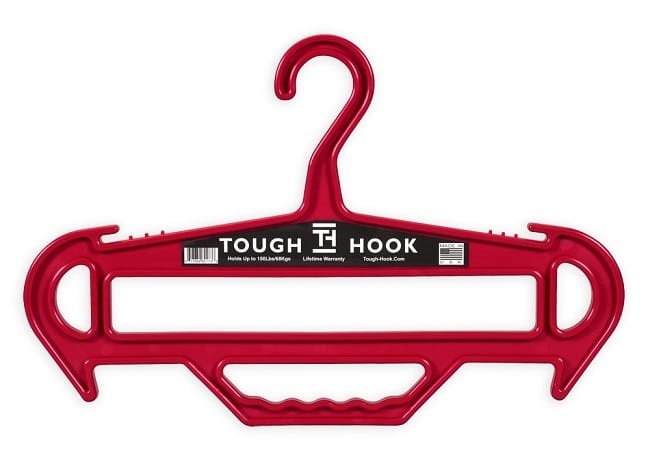
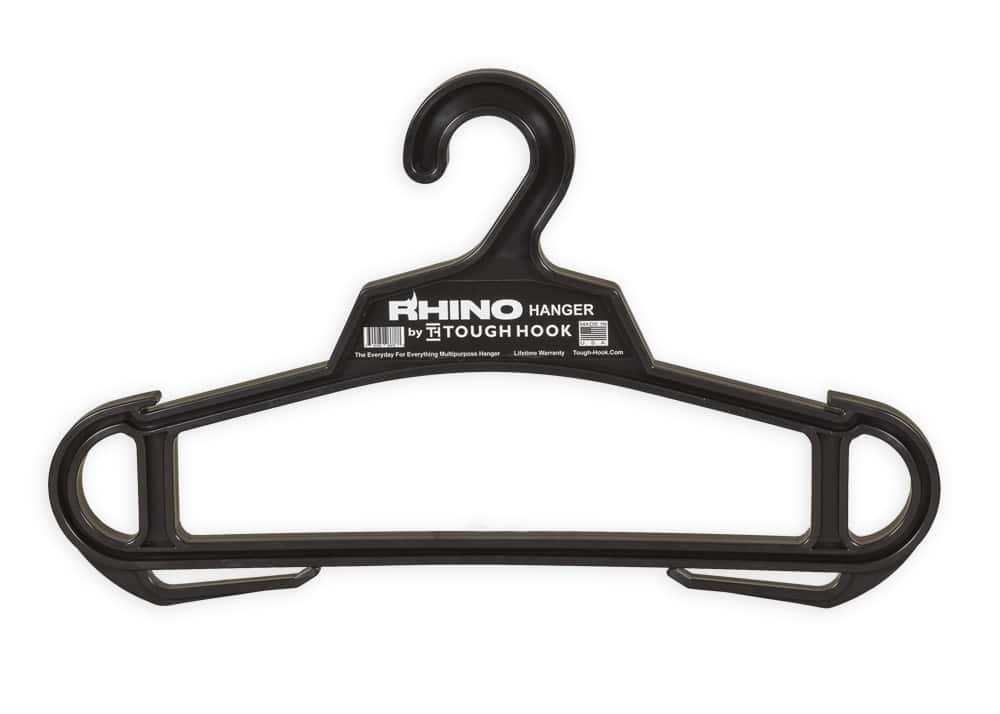
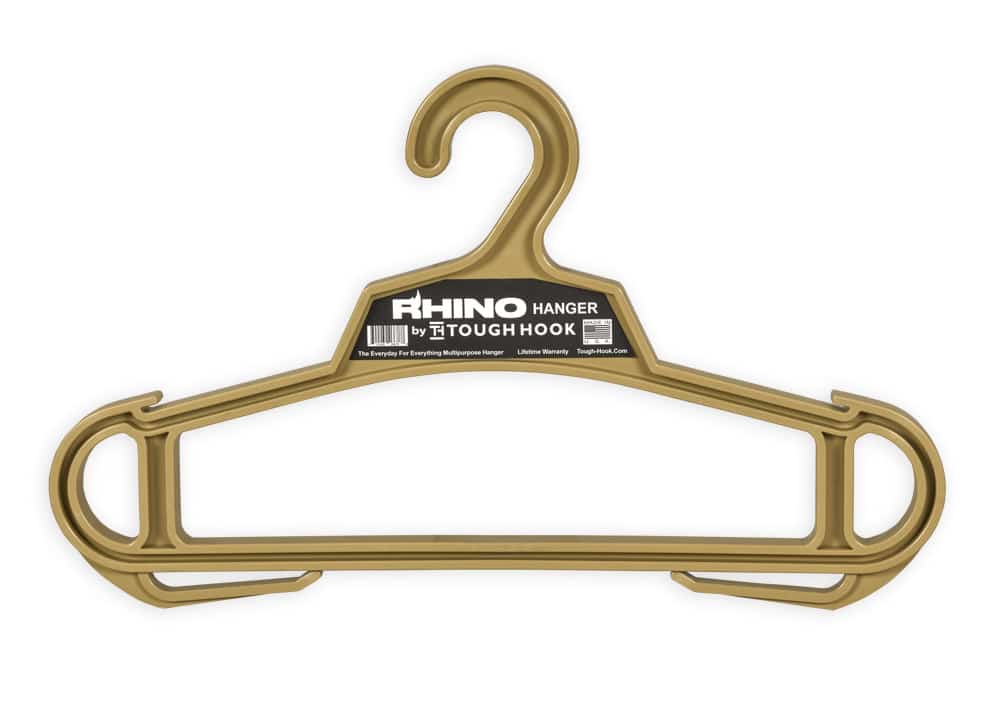
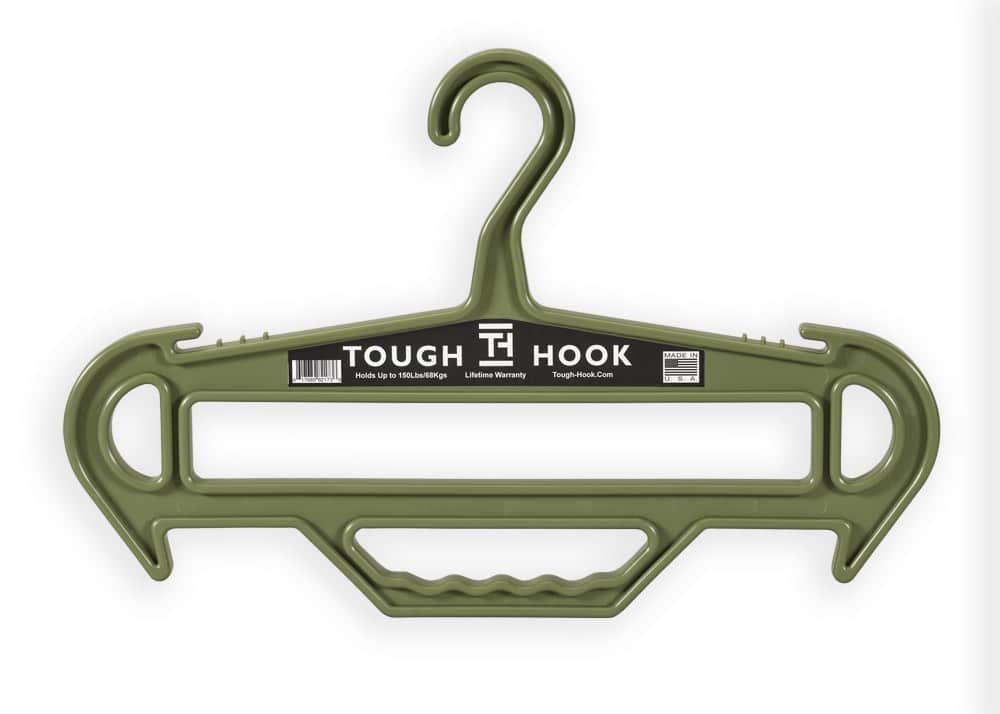
When it comes to storing heavy and bulky hiking gear, standard hangers simply won’t cut it. Tough Hook hangers are designed to handle the weight of your backpacks, tactical gear, and heavy outerwear. Their robust construction and unique I-beam design ensure that your gear stays securely hung, preventing damage and maximizing space. Using Tough Hook hangers for your backpacks and rain gear keeps them off the floor, maintains their shape, and allows for proper ventilation.
Storing your seasonal hiking gear properly ensures that it remains in peak condition, ready for your next adventure. By following these tips and utilizing quality storage solutions like Tough Hook hangers, you can conquer the clutter and protect your investment. A well-organized storage system not only extends the life of your gear but also makes preparing for your next hike a breeze.
Frequently Asked Questions
How do I organize gear efficiently in a hiking backpack?
Pack by frequency of use: items you need on the trail, like a map, snacks, or layers, go in outer pockets, and items you only need at camp go at the bottom. Use the same layout every trip so packing becomes automatic.
How long can hiking gear stay in storage?
Cleaned and fully dry gear can be stored safely for an entire off-season. The risk isn’t duration, it’s storing anything damp or leaving sleeping bags and tents compressed for the full stretch.
Should hiking gear be hung or folded for storage?
Hang backpacks, jackets, and shells to protect their shape and waterproofing. Fold or roll base layers and technical tees. Store sleeping bags and tents loose, never compressed long-term.
Where’s the best place to store hiking gear at home?
A garage gives you the most room to hang bulky packs and shells, though temperature swings mean electronics and leather need extra protection there. A closet or spare room holds a steadier temperature and suits boots, hydration reservoirs, and electronics better. Without either, a small storage unit or a few wall hooks and drawers can keep gear organized and off the floor.
How do I stop mold from growing on stored hiking gear?
Make sure everything is completely dry before it’s packed away, favor breathable storage bags over sealed plastic bins for tents and sleeping bags, and keep humidity in the storage area below roughly 60%.
Do I need to store hiking gear differently in summer vs. winter?
Yes. Summer storage should avoid heat and direct sun, which degrade synthetic fabrics and elastic. Winter storage should focus on making sure nothing goes into the bin still damp from snow or rain, since trapped moisture can freeze and damage zippers and seams.
Where should I store hiking boots at home?
Choose a spot with airflow, like an open shelf or boot rack near the entryway, rather than a sealed bin or the closet floor. If boots do need to go into a container for the off-season, pick one with ventilation and make sure they’re fully dry first.
How do I attach trekking poles to my backpack for storage or transport?
Retract the poles fully, then thread them through the pack’s compression straps and cinch until snug so they can’t shift or fall loose. For actual off-season storage, keep poles in their protective case rather than strapped to the pack.
What’s the best way to store hiking apparel with multiple pockets?
Empty every pocket, close or fully open all zippers rather than leaving them half done, and hang structured items like cargo pants and multi-pocket jackets instead of folding them so the pockets keep their shape.