Outdoor sports invigorate the soul and challenge the body, but your equipment takes the real punishment. Whether you climb, ski, paddle, cycle, or play team sports, the way you maintain sports equipment between sessions (how you clean, inspect, repair, store, and hang it) directly affects how long it lasts and how safe it is to use.
This guide covers the full maintenance routine for outdoor and team sports equipment: what to check before every use, how to clean and sanitize each material correctly, how to repair damaged sports gear and when to replace it instead, when to retire safety-critical gear, and the right way to store and hang everything at home, from bikes to backpacks.
Why Sports Equipment Maintenance Matters
Tossing your climbing harness in a pile, leaving a damp wetsuit crumpled in a bag, or leaning skis against a wall might feel convenient in the short term. Over time, these habits lead to real problems.
- Damage and Degradation: Improper cleaning and storage can cause equipment to become misshapen, compressed, or torn, leading to material degradation and reduced functionality.
- Safety Hazards: Damaged equipment can compromise your safety during your outdoor adventures. A frayed climbing rope or a ski binding that does not function correctly can have severe consequences. This is why safety-critical gear needs inspection and retirement schedules, not just cleaning.
- Reduced Lifespan: Neglecting proper care accelerates wear and tear, forcing you to replace gear more frequently and incurring unnecessary costs.
- Cluttered Spaces: Poor storage habits contribute to cluttered garages, basements, and closets, making it difficult to find what you need.
Investing a small amount of time in regular maintenance protects your equipment and ensures it is always ready for your next outing. It also gives you the opportunity to catch damage early and arrange repairs before a trip, not during one.
The Core Maintenance Routine: Clean, Dry, Inspect, Store
Nearly every piece of sports equipment follows the same basic maintenance cycle after use. The details change by material and sport, but the sequence does not:
- Clean it. Remove sweat, dirt, sand, salt, and mud before they have a chance to work into seams, fabric fibers, or moving parts.
- Dry it fully. Air dry in a ventilated space out of direct sun before you put anything away. Trapped moisture is the single biggest cause of mold, mildew, and material breakdown in stored gear.
- Inspect it. Check stitching, straps, buckles, frames, and safety components for wear while the item is out and easy to see.
- Store or hang it correctly. Use hardware and a location suited to the item’s weight and material so it holds its shape between uses.
How often each step happens depends on the gear:
- After every use: Rinse or wipe down, dry fully, hang or rack (helmets, wetsuits, PFDs, cleats, gloves, waders).
- Weekly, if used regularly: Deeper clean, chain lubrication, string tension checks, ball pressure checks.
- Monthly: Full visual inspection of straps, stitching, bindings, and hardware; check storage hooks and brackets for corrosion or looseness.
- Start and end of each season: Deep clean, wax or condition as needed, professional servicing where required, and repair before storage rather than after.
- Annually or on a manufacturer schedule: Review safety-critical gear (ropes, harnesses, helmets, PFDs) against age and use to decide whether it’s time to retire it, covered in more detail below.
What to Check Before Using Sports Equipment
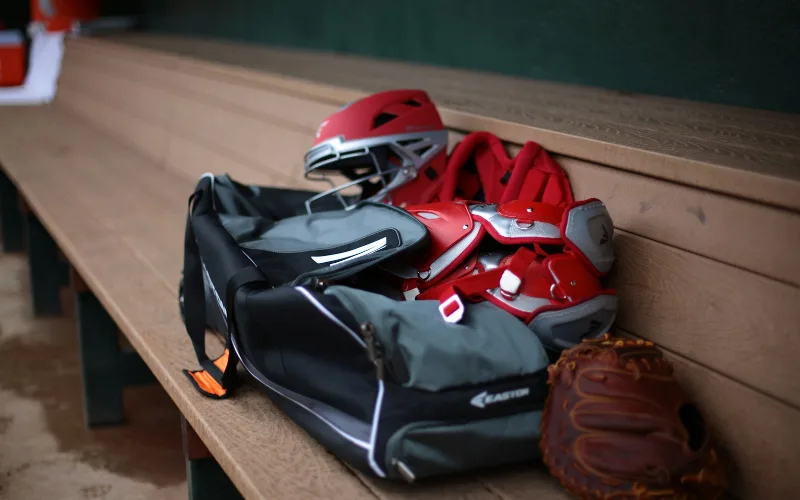
When it comes to safety, the most important thing to check before using any piece of sports equipment is its condition. Color, brand, and price say nothing about whether a helmet, harness, or pad will protect you today. A quick pre-use check takes less than a minute and catches most problems before they turn into injuries:
- Structure: Look for cracks, dents, splits, or warping in shells, frames, shafts, and blades.
- Straps, buckles, and closures: Make sure they fasten securely, adjust properly, and show no fraying or torn stitching.
- Padding and liners: Foam should spring back when pressed. Flattened, cracked, or crumbling padding no longer absorbs impact properly.
- Fit: Protective gear only works when it fits. Check that helmets, pads, and boots still fit snugly, especially for growing kids.
- Moving parts and hardware: Bindings, brakes, wheels, and zippers should move freely and lock where they are supposed to.
Buying second-hand sports equipment safely
Used gear can be a smart way to save money, but apply the same checks before you buy. Be cautious with safety-critical items whose history you cannot verify. A used helmet may have taken an impact that left no visible mark, and a used climbing rope or harness may have been exposed to chemicals or hard falls. These are usually worth buying new. Bats, rackets, sticks, bags, and most non-protective gear are generally safer second-hand buys once inspected.
Cleaning Sports Equipment by Material
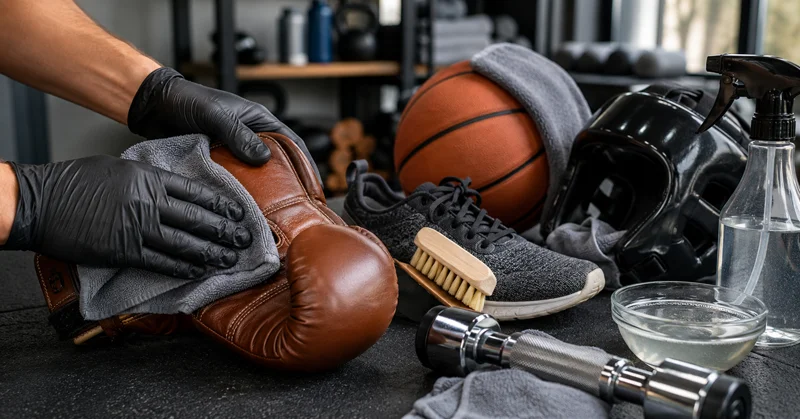
Using the wrong cleaning method is one of the fastest ways to shorten the life of otherwise well-maintained gear. Match the method to the material:
- Leather (baseball gloves, some cleats and grips): Wipe down with a barely damp cloth, then let it air dry away from direct heat. Once dry, work in a small amount of leather conditioner or glove oil to keep the material supple and prevent cracking. Avoid soaking leather or drying it near a heater, which causes it to stiffen and crack.
- Synthetic fabric and mesh (jerseys, packs, shoes): Hand wash or use a gentle machine cycle with mild detergent. Skip fabric softener on technical fabrics, since it can clog the moisture-wicking fibers. Air dry rather than tumble dry to protect elastic and coatings.
- Neoprene (wetsuits, some gloves and boots): Rinse with fresh water only, no hot water and no harsh detergent. Neoprene glue and seams break down with heat and chemical exposure, so mild wetsuit-specific cleaner is worth the small extra cost for suits you plan to keep for years.
- Foam padding (helmets liners, shoulder pads, shin guards): Wipe with a damp cloth and mild soap rather than submerging. Saturating foam padding can trap moisture inside the shell where it cannot fully dry, leading to odor and mildew.
- Metal hardware (buckles, zippers, bike components, ski edges): Clean and dry thoroughly, then apply a light coat of appropriate lubricant or corrosion inhibitor before long-term storage. This matters most in humid climates or coastal areas where salt air accelerates rust.
- Carbon fiber and composite frames (bikes, paddles, some rackets): Use mild soap and water only. Avoid solvents and harsh degreasers on the frame itself, and inspect for stress cracks or delamination rather than just cosmetic scuffs, since composite failure is not always visible as a dent.
- Rubber grips and soles: Wipe clean and let dry naturally. UV exposure over time makes rubber brittle, so keep rubber-gripped gear out of direct sun when not in use.
How to Sanitize Sports Gear and Remove Odors
Cleaning removes dirt. Sanitizing deals with the sweat, bacteria, and germs that cause odor and can spread between users. Gear that touches skin, such as pads, gloves, helmets, and shoes, needs both.
- Air it out immediately: Never leave sweaty gear zipped inside a gym bag. Odor-causing bacteria thrive in warm, damp, enclosed spaces, so open the bag and hang everything as soon as you get home.
- Wash what you can: Remove liners, insoles, and removable pads and wash them according to the label. Many jerseys, base layers, and some pads can go through a gentle machine cycle.
- Disinfect hard surfaces: Wipe helmet shells, shin guard shells, and hard grips with a disinfectant wipe or a mild disinfectant spray, following the manufacturer’s guidelines so you do not damage coatings or foam.
- Deodorize shoes and bags: A light sprinkle of baking soda left overnight in shoes, skates, or an empty gym bag helps absorb lingering odor. Shake it out before the next use.
- Avoid harsh chemicals: Bleach and strong solvents can weaken technical fabrics, foam, and elastic. Use them only where the manufacturer allows.
Good airflow does most of the work. For more on drying gear quickly, see our guide to better hanging for damp or sweaty gear.
How to Store Sports Equipment at Home: Choosing the Right Location
Before you install a single hook or rack, choosing the right location is essential. The area you select determines how accessible your gear is and how well it holds up over time.
Garage wall storage
The garage is the most popular location for storing sports equipment. Wall storage keeps items off the floor, saves space, and makes everything easy to find. Use sturdy wall brackets mounted into studs for heavier gear like bikes, plate carriers, and expedition backpacks. Arrange gear by sport or by how often you use it, keeping frequently needed items at eye level and seasonal gear higher up.
Ceiling storage and overhead racks
Ceiling hooks and overhead racks work well for bulkier items like bikes, kayaks, paddleboards, and camping gear. These systems use brackets anchored into ceiling joists and can hold significant weight when installed correctly. Pulley-based hoists make it much easier to raise and lower kayaks and bikes in a standard garage.
Weatherproof storage areas
For gear stored in outdoor sheds or open garages, weatherproofing your storage area is critical. Moisture, UV exposure, and temperature swings all degrade materials quickly. Use weatherproof shelving, sealed bins, and covered racks, and arrange the space so water cannot pool beneath gear after rain.
Dedicated sports rooms
Families with kids who play multiple sports benefit from a dedicated storage room with labeled shelves, bins, and hooks for each sport. Clear labeling makes it easy for everyone to find and return gear, which reduces the chance of items ending up on the floor. Our guide to building a sports gear storage system that grows with your athlete walks through the setup.
Closets, entryways, and apartments
Not every home has a garage. In apartments and smaller homes, a hall closet, mudroom, or entryway wall can still hold a well-organized gear zone. Use heavy-duty hangers for jackets, vests, and packs, over-the-door hooks for helmets and bags, and a boot tray to catch water and mud. Keep wet gear out of closed closets until it is fully dry. For more ideas, see our guide to entryway organization for busy families.
Choosing the Right Hangers for Heavy Sports Gear
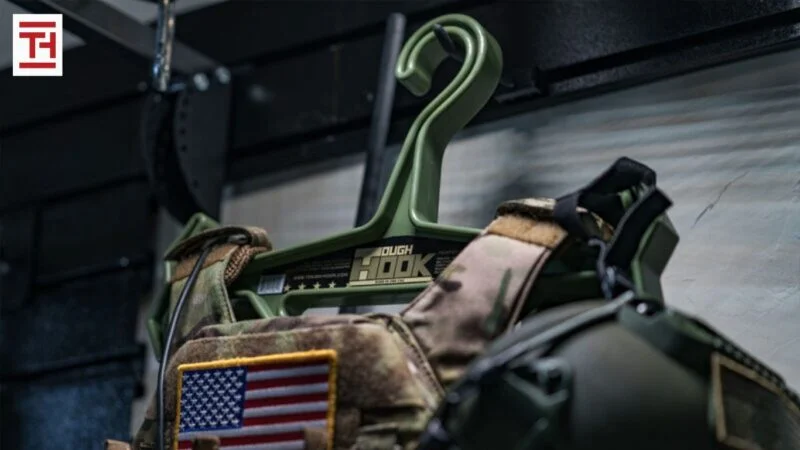
One of the most overlooked aspects of sports equipment maintenance is hanger quality. Standard wire hangers are built for lightweight clothing. They bend, break, and deform under the weight of backpacks, wetsuits, tactical vests, or ski jackets, damaging the gear itself at the shoulder points where weight concentrates.
Our hangers are engineered specifically for heavy, load-bearing gear. Their wide shoulder profile spreads weight across jackets, vests, and carriers, and their high-impact polypropylene, I-beam construction gives them a 200 lb load rating, enough for body armor, plate carriers, and fully loaded backpacks. Every hanger is manufactured in Bozeman, Montana, by a team that includes men and women who have served in law enforcement, the military, and first response. You can learn more about who we are.

Here is why choosing the right hangers is part of a real maintenance routine, not just an organizational nicety:
- Strength and Durability: Built to withstand the weight of heavy items like backpacks, ski boots, and body armor, preventing bending or breakage.
- Shape Retention: Wide, ergonomic designs help maintain the original shape of your equipment, preventing creases, folds, and pressure points that cause damage over time.
- Air Circulation: Hanging allows optimal air circulation, which is essential for drying damp gear and preventing mold and mildew growth.
- Organization and Accessibility: Dedicated hangers keep your equipment organized, making it easy to find what you need quickly.
For fitness and gym equipment storage, including tips to organize CrossFit equipment, see our dedicated guide on fitness equipment hangers and storage. For football and team sports gear specifically, our football gear hanger guide covers how to organize pads, helmets, and jerseys. Browse all sports equipment hanger solutions to find the right fit for your kit.
Tip for garage installation: Always mount hanger bars and brackets into wall studs, not drywall alone. Use a stud finder before drilling, and choose hardware rated above the maximum weight you plan to hang.
How to Maintain and Hang Specific Types of Sports Equipment
Cleaning, inspection, and hanging technique all vary by equipment type. Here is how to handle the most common categories of outdoor sports gear.
Backpacks and bags
Empty your pack completely and shake out debris after every trip. Spot-clean fabric with mild soap and water, and let it dry fully before storing, since trapped moisture inside a packed bag breeds mildew fast. Hang using a heavy-duty hanger inserted through the haul loop, which prevents compression of the pack’s structure and lets the fabric breathe between uses. Store away from direct sunlight, which degrades coatings and fabric dyes over time.
Climbing gear: ropes, harnesses, and slings
Wipe down ropes and harnesses with a damp cloth after dirty or sandy climbs, and hand wash occasionally with a rope-specific or mild detergent. Inspect the full length of the rope by feel before and after each climb for soft spots, flat spots, or fuzzing, and inspect harness webbing and stitching before every use. Climbing ropes should be loosely coiled and hung over a rope-specific hanger or a large smooth carabiner, never in direct sunlight or near heat sources, since UV exposure degrades nylon fibers even through a rope bag.
Age matters as much as visible wear here. Most rope, harness, and sling manufacturers set a maximum shelf life of around 10 years from the manufacture date, even for gear that has never been used, because nylon fibers degrade slowly over time regardless of storage conditions. Gear in regular use should be retired much sooner, often within one to a few years depending on frequency of use and fall history. Retire any item immediately if you find a core shot, significant sheath damage, chemical contamination, or a harness that has taken a hard fall.
Wetsuits and drysuits
Rinse with fresh water after every session, then turn the suit inside out and hang it on a wide, sturdy hanger. Avoid hanging by the shoulders on a hanger that is too narrow, since this creates pressure points that crack neoprene over time. The ideal wetsuit hanger has a broad, padded shoulder profile that distributes weight across the full shoulder span. Ensure the suit is fully dry before storing long-term, and keep it away from heat sources, ozone-generating equipment like electric motors, and direct sunlight, all of which degrade neoprene quickly. Our step-by-step guide covers how to dry and store a wetsuit.
Skis, snowboards, and bindings
Skis and snowboards are the classic sports equipment with bindings, and the bindings deserve as much attention as the bases. After each day, wipe the base, edges, and bindings dry to prevent rust on the steel edges. Wax the base regularly so it glides well and resists drying out, and keep edges sharp and free of burrs. Check that bindings are tight on the deck or ski and that nothing is cracked or loose. Release settings on ski bindings should be adjusted and tested by a certified shop technician, not set by guesswork. For off-season storage, apply a thick layer of storage wax, back off binding spring tension if the manufacturer recommends it, and store skis and boards in a cool, dry place out of direct sunlight. See the right way to store winter sports gear between seasons for more detail.
Ski and snowboard boots
Wipe down shells and buckle hardware after each day on the mountain. Buckle boots loosely and hang them upside down through the carry straps or boot loops, which lets residual moisture drain from the liner and helps the shell keep its shape. Avoid storing boots in direct sunlight or near extreme heat. For off-season storage, remove the liners and store them flat inside the shell to prevent permanent compression of the foam.
Ski and snowboard outerwear
Close all zippers and Velcro closures before hanging technical jackets and pants. Use sturdy hangers that support the garment’s full weight without creating shoulder pressure points. Hanging prevents creasing in waterproof membranes and lets DWR coatings recover between uses. Reapply a DWR treatment at the start of the season if water has stopped beading on the fabric surface, and make sure garments are completely dry before closing them away.
Cycling gear: helmets, jerseys, and bikes
Hang helmets by their chin straps on a sturdy hook, never on a narrow hook that presses into the foam liner. For the bike itself, wipe down the frame after wet or muddy rides, and keep the drivetrain clean: wipe the chain, apply a bike-specific chain lubricant, then wipe off the excess so it does not attract grit. A dry, squeaking chain wears the drivetrain far faster than a properly lubricated one. Check tire pressure regularly, since underinflated tires increase rolling resistance and rim damage risk. Store bikes on ceiling brackets or wall-mounted hooks to protect the frame from being knocked over; horizontal wall hooks store one bike flat against the wall, while vertical wall hooks save more wall space but require lifting the bike to shoulder height.
Skates and blades
Wipe ice skate blades dry immediately after use, since leaving moisture on the steel is the fastest way to invite rust, and use blade guards for walking but not for long-term storage, since soft guards can trap residual moisture against the steel. Have blades sharpened based on how they feel on the ice rather than a fixed schedule; if you notice slipping on turns or difficulty holding an edge, it is time. Inline and quad skate bearings should be wiped down and occasionally re-lubricated to keep wheels spinning freely.
Water sports gear: PFDs and life vests
Rinse your PFD with fresh water after every use, then hang it on a wide, sturdy hook to dry completely before storage. Avoid folding or compressing PFDs, since this can damage the flotation foam and reduce buoyancy over time. Store in a cool, dry location away from direct sunlight, and inspect buckles, zippers, and foam condition at the start of each season. Retire any PFD with torn fabric, broken hardware, or foam that feels stiff, brittle, or noticeably compressed, since foam buoyancy loss is not always visible from the outside.
Camping gear: tents and sleeping bags
Tents should be thoroughly dried before storage. Loosely fold or roll the body and fly per the manufacturer’s instructions, and never store a damp tent in a compression sack, since this promotes mold and seam tape delamination. Sleeping bags should be stored uncompressed in large breathable storage sacks to maintain loft and insulation. Tent poles can be hung on wall hooks to keep them organized and off the floor. For a full off-season routine, read our guide to storing tents, sleeping bags, and camping essentials.
Fishing waders
Rinse waders inside and out with fresh water after every use. Hang upside down using sturdy hangers with clips to allow complete drying before storage. Avoid repeatedly folding waders along the same crease lines, which weakens the material at those points. Store in a cool, dry location out of direct sunlight, and inspect for pinholes or delamination at seams at the start of each season.
Team sports equipment: bats, rackets, balls, cleats, and gloves
Baseball bats, tennis rackets, and lacrosse sticks can all be hung on wall racks or individual hooks to stay accessible and off the floor. For racket sports, restring based on how much you play and how the strings feel, since tension and playability degrade well before strings visibly snap; a general guide is to restring as many times per year as you play per week. Re-wrap worn grips when they lose tackiness. Baseball and softball gloves benefit from an occasional light coat of glove oil or leather conditioner worked into the pocket and hinge points to keep the leather from drying out and cracking; avoid soaking a glove or drying it near heat. Check ball pressure periodically on inflatable balls, since a soft ball changes how it plays and can develop flat spots if stored under pressure. Cleats should be hung by their laces, gloves and accessories on smaller hooks, and balls stored in mesh bins or wall-mounted ball racks. Labeled bins for each child’s gear reduce clutter and speed up pre-game prep for families with kids in multiple sports.
Basketballs, soccer cleats, and running shoes
Basketballs and other inflatable balls last longest when stored indoors at room temperature, inflated to the pressure printed near the valve, and kept out of hot cars and freezing garages, since temperature extremes affect both pressure and the cover material. Store them on a ball rack or in a mesh bin rather than under heavy items that can flatten one side. For basketball gear in general, keep indoor court shoes for indoor use only so the outsoles keep their grip longer, and wash jerseys and shorts inside out in cold water so numbers and logos last.
Soccer cleats should have mud knocked off and studs cleaned after each game. Loosen the laces, remove the insoles, stuff the shoes with newspaper to absorb moisture and hold their shape, and let them air dry at room temperature. The best place to dry soccer cleats is a ventilated spot away from heaters and direct sun, which can crack leather and weaken glue. Running shoes follow the same rule: dry them naturally with the insoles out, and rotate between pairs if you run often so each pair dries fully between runs.
Protective pads for hockey, softball, and football
Protective pads absorb sweat every session, so they need airing out after every use, not just occasional washing. Open all straps, hang pads where air can reach both sides, and wash removable liners according to the label. Inspect hard shells for cracks and foam for compression at the start of each season. Replace pads that no longer fit, have cracked shells, or have foam that stays flat when pressed, since worn padding cannot protect the way it was designed to. Our athlete’s storage system shows how to keep pads ready between sessions.
Golf bags
Golf bags are heavy and awkward to store on the floor. Use a dedicated wall bracket or heavy-duty hook to hang or lean the bag securely, protecting the bag while keeping clubs accessible. Wipe down clubheads and grooves after each round, since packed dirt in the grooves reduces spin and control, and replace grips periodically once they feel slick or hard, which affects control more than most golfers expect. To prevent rust on golf clubs, dry the clubheads and shafts before putting headcovers back on, and never leave the bag in a damp trunk or garage after a wet round.
How to Care for Outdoor Sports Accessories
Outdoor sports accessories are small, easy to forget, and often the first items to fail. A few minutes of care after each outing keeps them in good condition for many seasons.
- Goggles and sunglasses: Rinse off salt, sand, and grit with fresh water before wiping, then dry the lenses with a microfiber cloth. Wiping a dry, dirty lens scratches it, and many goggle lenses have an anti-fog coating on the inside that should only be blotted, never rubbed. Store them in a soft case.
- Gloves and mittens: Turn them inside out to air dry after use and keep them away from radiators and heaters. Condition leather gloves occasionally, and reapply a water-repellent treatment to ski gloves when water stops beading.
- Headlamps and electronics: Remove batteries before long-term storage to prevent corrosion, wipe off moisture, and check seals and battery doors at the start of each season.
- Water bottles and hydration bladders: Rinse and empty them after every use, then hang bladders open to dry fully. Trapped moisture inside a hydration bladder is a common source of mold and odor.
- Trekking poles: Separate the sections, wipe them dry, and let them air out so moisture does not get trapped inside and corrode the locking mechanisms.
- Straps, leashes, and small hardware: Rinse after saltwater or muddy use, dry fully, and check buckles and clips for cracks before the next outing.
Keep accessories together by sport in labeled bins or hanging pouches so nothing gets lost between trips.
Gear Maintenance for Outdoorsmen: Hunting, Fishing, and Field Gear
Hunters, anglers, and backcountry campers put their equipment through mud, rain, saltwater, and long stretches in storage. The same clean, dry, inspect, store routine applies, with a few gear-specific steps.
Boots
Brush off mud after every trip, remove the insoles, and let boots dry naturally at room temperature. Condition leather boots periodically and reapply a waterproofing treatment when water stops beading on the surface. For more on dealing with muddy gear, see our guide to storing muddy and wet hiking gear without long-term damage.
Fishing reels and rods
Rinse reels and rods with fresh water after saltwater trips, dry them fully, and apply a light coat of reel oil or grease to moving parts as the manufacturer recommends. Loosen the drag before storage and check rod guides for cracks or grooves that can fray line. Our fishing gear storage solutions cover how to keep rods and reels organized.
Technical apparel and fishing shirts
Wash technical sports garments, including quick-dry fishing shirts and base layers, in cold water with a mild detergent, skip fabric softener, and hang them to dry. Heat and softener both reduce the fabric’s ability to wick moisture. Our guide to preserving technical fabrics goes deeper on outdoor apparel care.
Knives, multi-tools, and camp stoves
Clean and dry blades and tools after use, then apply a thin coat of oil to prevent rust. Remove fuel canisters from stoves before storage, clean burners and jets, and check hoses and seals for cracks before your next trip.
Selecting Appropriate Hooks, Racks, Brackets, and Shelving

Choosing the right hardware for installation is just as important as knowing where to hang your gear. The wrong hook or bracket can fail under load, damage your wall, or cause equipment to fall and be damaged.
- Weight Capacity: Always check the weight rating of hooks, racks, and brackets before installation. Heavy items like skis, bikes, and expedition packs require hardware rated for significant loads.
- Wall Type: Studs, drywall, concrete, and wood each require different mounting hardware. Use a stud finder before drilling, and choose anchors appropriate for your wall type.
- Material and Durability: In garages and sheds, humidity and temperature changes can corrode low-quality metal hooks. Choose powder-coated steel or heavy-duty plastic for long-lasting durability.
- Spacing and Arrangement: Group similar sports equipment together to make everything easier to find and keep your storage space organized.
- Ceiling Mounts: For large items like kayaks, paddleboards, and bikes, ceiling-mounted pulley systems or overhead racks anchored to joists can safely support significant weight.
Inspecting Gear and Knowing When to Retire It
Cleaning keeps gear pleasant to use; inspection is what actually catches the problems that lead to injury. Build a quick visual and hands-on check into your routine, looking for fraying, tears, cracks, loose stitching, corrosion, and any part that no longer moves or locks the way it should.
Safety-critical gear deserves a firmer replacement standard than “it still looks fine”:
- Helmets: Replace a helmet immediately after any significant impact, even if you cannot see damage, since the foam liner is designed to compress once to absorb energy and cannot reliably do it a second time. Beyond impacts, many manufacturers recommend replacing a helmet every few years due to UV exposure, heat, and material aging, though the exact interval varies by brand and sport, so check the date stamp or sticker inside your specific helmet.
- Climbing ropes, harnesses, and slings: As noted above, most manufacturers cap the shelf life at roughly a decade from the manufacture date regardless of use, with heavily used gear needing retirement much sooner. Inspection findings should override the calendar in either direction.
- PFDs and life vests: Retire any PFD with compressed, waterlogged, or stiff foam, broken hardware, or torn fabric, since buoyancy loss is not always visible from the outside.
- Mouthguards: Replace each season, or sooner if the material has thinned, torn, or no longer fits snugly.
When in doubt on any safety-critical item, retire it. The cost of a replacement is small compared to the cost of a failure.
How to Repair Damaged Sports Gear (or Decide to Replace It)
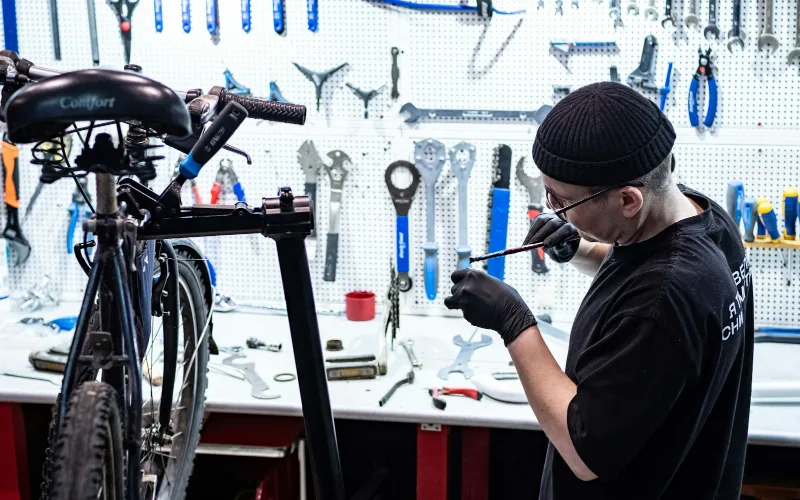
Not every worn item needs to go straight in the trash, and not every repair is worth attempting yourself. A few questions help make the call:
- Is it safety-critical? Structural repairs on climbing gear, PFDs, helmets, or ski bindings should go to a certified technician or the manufacturer, not a DIY fix, since a repair that looks fine can still fail under load.
- Does repair cost less than replacement? Restringing a racket, re-gripping a bat, resoling a boot, or patching a wader seam is usually far cheaper than buying new. A cracked frame or a helmet that has taken a real hit usually is not worth repairing.
- Are parts available? Standardized parts like grips, laces, and straps are easy to source. Proprietary components on older gear may not be.
- Is it purely cosmetic? Scuffs and fading rarely affect function and are not worth chasing with aggressive repairs that could do more harm than good.
Simple maintenance like cleaning, lubricating, and re-gripping is safe to do yourself. Anything involving structural repair on load-bearing or safety gear is worth a professional’s judgment.
Common sports gear repairs you can do yourself
For non-safety-critical gear, a basic repair kit handles most everyday damage. Always clean and dry the area before repairing it, and follow the instructions on the repair product.
- Small fabric tears: Patch jackets, packs, and tents with adhesive repair tape or iron-on or sew-on patches made for technical fabrics.
- Wetsuit nicks and tears: Close small cuts in neoprene with neoprene cement, letting it cure fully before the next session.
- Leaking seams: Reseal tent, wader, and rain gear seams with a seam sealer suited to the fabric.
- Worn grips: Re-wrap bats, rackets, sticks, and golf clubs with new grip tape or replacement grips.
- Broken laces, straps, and buckles: Replace them with matching parts rather than tying knots that can slip under load.
- Punctured balls: Small punctures in some inflatable balls can be fixed with a plug or patch kit designed for that type of ball.
- Loose stitching: Restitch bags and non-load-bearing seams with heavy-duty thread, or take boots and gloves to a cobbler or glove repair shop.
If a repair would affect how a helmet, harness, rope, PFD, or binding performs under load, stop and replace it or take it to a certified technician instead.
Maintaining Shared and Team Sports Equipment
Coaches, schools, and facility staff face an extra challenge: equipment that passes through many hands. Shared gear wears faster and spreads germs more easily, so it needs a clear system.
- Assign responsibility: Make one person or role responsible for checking equipment in and out, and for flagging damage.
- Sanitize between users: Wipe down shared helmets, pads, grips, and balls after each session, and give athletes their own items where possible for gear worn against the skin.
- Keep inspection records: Log inspection dates and any issues for helmets and protective gear, along with purchase dates for items with manufacturer age limits.
- Store by team and size: Label hooks, bins, and shelves so gear returns to the same place and can dry properly between practices.
- Remove damaged gear immediately: Pull anything cracked, torn, or poorly fitting out of rotation until it is repaired or replaced.
For layout ideas, see our guide to gear storage for school athletics.
Seasonal Maintenance Checklist
Different points in the year call for different maintenance priorities.
- Start of season: Clean and inspect everything before first use. Wax ski bases and check edges, apply DWR to outerwear if water no longer beads, check bindings, and replace anything flagged during off-season inspection so problems are caught before they cost you a day out.
- Mid-season: Keep up with after-use cleaning and drying, and do a quick inspection pass every few weeks on gear getting heavy use, particularly straps, buckles, and moving parts.
- End of season: Deep clean everything before long-term storage. Never store damaged equipment with the intention of fixing it later; repair before it goes away so it is ready when the season comes back around.
- Off-season protection: Use dust covers, sealed bins, or breathable bags to protect against dust, pests, and moisture. Label every bin and shelf so you can find items quickly when the season changes.
How to Make Sports Equipment Last Longer
Regular upkeep is the biggest factor in sports equipment longevity, but a few habits go further to preserve performance and prevent early deterioration.
Use protective covers and cases
Racket covers, bat sleeves, ski and board bags, helmet bags, and padded cases protect gear from dust, scratches, and knocks during transport and storage. Choose breathable covers for anything that might still hold moisture, and save sealed bins for items that are completely dry.
Lubricate moving parts and check fasteners
Bike chains, skate bearings, reel mechanisms, zippers, and buckles all last longer with light, regular lubrication using the product the manufacturer recommends. At the same time, check screws, bolts, and other fasteners on bindings, helmets, and frames, and tighten anything that has worked loose.
Protect gear from weather and temperature extremes
Heat, cold, sunlight, and humidity all speed up material breakdown. Avoid leaving equipment in hot cars, uninsulated sheds, or freezing garages for long periods, and bring it indoors or into a weatherproof storage area between seasons. Our guide to UV, moisture, and dirt control storage explains how to set up protection for outdoor gear.
Use gear only for its intended purpose
A practice bat used to hit rocks, a climbing rope used for towing, or a helmet used as a step stool all take damage the gear was never designed to handle. Following the manufacturer’s guidelines on handling and use is one of the simplest ways to protect your equipment.
Know when to seek professional servicing
Some maintenance is best left to a specialist: ski binding adjustments, bike tune-ups, racket restringing, skate sharpening, and any structural repair to safety gear. Scheduling professional service before the season starts reduces downtime when you are ready to play.
Sports Equipment Maintenance Tools and Supplies
A small maintenance kit makes it easier to keep up with care after every session. Most households only need a few basics:
- Cleaning: Microfiber cloths, a soft brush, mild soap or detergent, and a bucket or spray bottle for fresh water.
- Sanitizing: Disinfectant wipes or a mild disinfectant spray that is safe for the materials you own, plus baking soda for odor control.
- Conditioning and protection: Leather conditioner or glove oil, a waterproofing or DWR spray, and wax for skis and snowboards.
- Lubrication: Bike chain lube, a light general-purpose oil, and reel oil or grease if you fish.
- Repair: Adhesive repair patches, seam sealer, neoprene cement, grip tape, spare laces and straps, and a basic set of screwdrivers and hex keys.
- Inspection: A pump with a pressure gauge for balls and tires, and a notebook or phone note to log inspection dates for safety gear.
Always check that a cleaning or care product is safe for the specific material before you use it.
Common Sports Equipment Maintenance Mistakes to Avoid
- Storing gear wet: Putting damp equipment into a bag, bin, or closet is the fastest route to mold, mildew, and odor.
- Using heat to speed up drying: Heaters, hair dryers, and tumble dryers can warp shells, crack leather, weaken glue, and damage neoprene and foam.
- Machine washing everything: Many jerseys and liners can go in the washing machine, but helmets, most hard pads, leather gloves, and anything the label says to hand wash should not.
- Ignoring small problems: A loose strap, a small tear, or a wobbling binding is easy to fix early and expensive to fix after it fails.
- Overloading hooks and hangers: Hardware or hangers that are not rated for the weight can bend, break, or pull out of the wall.
- Skipping safety gear retirement: Using helmets, ropes, or PFDs past their safe life because they still look fine increases the risk of injury.
Safety Considerations for Hanging and Storing Sports Equipment
Improperly installed hooks or overloaded racks are not just inconvenient. They can cause serious injury and expensive damage to the gear they are meant to protect.
- Weight Limits: Never exceed the weight limit of any hook, rack, or bracket. Distribute heavy items across multiple points rather than concentrating load in one area.
- Secure Installation: All wall brackets and ceiling mounts must be anchored into studs or joists, not just drywall. Test every installation before loading it with gear.
- Childproofing: In garages and storage areas used by kids, keep heavy and sharp items like bats, rackets, and tools on high hooks or locked shelves. Use labeled bins at a safe height for kids’ accessories so they can find and return their own gear without pulling items off overhead racks.
- Inspect Storage Hardware: Just like your sports equipment, inspect your storage hardware regularly for corrosion, cracking, or loosening.
Keep Your Sports Equipment Ready for Every Season
By combining proper cleaning and inspection habits with timely repairs and the right hanging and storage setup, you can significantly extend the lifespan of your sports equipment and keep it ready every time you need it. Quality heavy-duty hangers are a small cost compared to replacing gear that failed due to improper storage. Browse our full range of heavy-duty hangers, or reach out to our team with questions about your specific setup.
Frequently Asked Questions
How do I maintain sports equipment properly?
Follow the same basic cycle for every item: clean it after use to remove sweat, dirt, or salt, dry it fully before storing, inspect straps, stitching, and hardware for wear, then store or hang it correctly for its material and weight. How often you repeat each step depends on the gear, ranging from after every use for wet or worn items to seasonally for deeper servicing.
What should you always check before using sports equipment?
Always check the condition of the equipment before use. Look for cracks, dents, or warping, make sure straps, buckles, and closures fasten securely, check that padding springs back, and confirm that protective gear still fits. Color, brand, and price do not tell you whether gear is safe to use.
How do I repair damaged sports gear?
Clean and dry the damaged area first, then use the right repair product: adhesive patches for fabric tears, neoprene cement for wetsuits, seam sealer for leaking seams, new grips for worn handles, and replacement laces, straps, or buckles. Structural damage to helmets, harnesses, ropes, PFDs, or bindings should go to a certified technician or be replaced.
How do I get rid of odor in sports gear?
Air gear out immediately after use instead of leaving it in a closed bag, wash removable liners and insoles according to the label, and wipe hard surfaces with a disinfectant that the manufacturer allows. Baking soda left overnight in shoes, skates, or an empty gym bag helps absorb lingering odor.
How do I maintain ski and snowboard bindings?
Wipe bindings dry after each day, check that mounting screws are tight and no parts are cracked or loose, and have ski binding release settings adjusted and tested by a certified shop technician. Before off-season storage, clean them, back off spring tension if the manufacturer recommends it, and store them in a cool, dry place.
How do I care for my sports gear to extend its lifespan?
Clean and fully dry gear after every use, inspect it regularly, and store it in a cool, dry place out of direct sunlight. Use protective covers and cases, lubricate moving parts, tighten loose fasteners, use each item only for its intended purpose, and schedule professional servicing for bindings, bikes, and rackets before the season starts.
How do I care for outdoor sports accessories?
Rinse off sand, salt, and dirt after each outing, dry everything fully, and store accessories in cases or labeled bins. Blot goggle lenses instead of rubbing them, air dry gloves away from heaters, remove batteries from headlamps before storage, and hang hydration bladders open so they dry completely.
Can I machine wash my sports equipment?
Some of it. Jerseys, base layers, many removable liners, and some soft pads can go through a gentle machine cycle if the label allows it. Helmets, most hard pads, leather gloves, and anything labeled hand wash only should be cleaned by hand with a damp cloth and mild soap.
How should I wash sports uniforms?
Turn uniforms inside out, wash them in cold water with a mild detergent, and skip fabric softener on technical fabrics. Hang them to dry instead of using a hot dryer, which can fade colors, crack printed numbers, and shrink the fabric.
How often should I clean my sports equipment?
Wipe down or rinse gear that touches your body or the ground after every use, since sweat, salt, and dirt cause the most damage when left to sit. Do a deeper clean weekly for equipment in regular rotation, and a full clean and inspection at the start and end of each season for everything else.
How do I know when to replace safety equipment like helmets and climbing ropes?
Replace a helmet immediately after any significant impact, even without visible damage, and check the manufacturer’s age-based replacement guidance for gradual wear. For climbing ropes, harnesses, and slings, most manufacturers cap shelf life at roughly a decade from manufacture regardless of use, with heavily used gear needing retirement much sooner based on inspection and fall history.
Can I repair sports equipment myself, or should I use a professional?
Routine maintenance like cleaning, lubricating, re-gripping, and restringing is safe to do yourself. Structural repairs on safety-critical gear, such as ski bindings, climbing equipment, helmets, or PFDs, should go to a certified technician, since a repair that looks fine can still fail under load.
How do I clean and condition a leather baseball glove?
Wipe the glove down with a barely damp cloth and let it air dry away from direct heat. Once dry, work a small amount of glove oil or leather conditioner into the pocket, laces, and hinge points to keep the leather supple. Avoid soaking the glove or drying it near a heater, both of which cause the leather to stiffen and crack.
How do I maintain a bike chain and drivetrain?
Wipe the chain clean after wet or muddy rides, apply a bike-specific chain lubricant, then wipe off the excess so it does not attract grit. A dry or dirty chain wears the whole drivetrain faster than a properly lubricated one, so this is worth doing regularly rather than only when the chain starts to squeak.
What type of hooks are best for heavy sports gear?
Powder-coated steel or heavy-duty polymer hooks rated for the weight of the item you are storing. For clothing, vests, and gear with shoulder straps, a wide-profile heavy-duty hanger is better than a standard hook because it distributes weight evenly and prevents shape deformation.
Can I hang wet sports equipment?
Yes, and you should. Hanging wet gear in a ventilated area is the correct way to dry it. The key is to hang it where air can circulate freely on all sides, away from direct heat sources that can damage the material. Once fully dry, move the gear to its normal storage position.
What storage conditions best protect sports equipment?
Cool, dry, and well-ventilated. Avoid direct sunlight, extreme temperatures, and high humidity. For items stored in outdoor sheds or open garages, use weatherproof shelving and sealed bins to protect against moisture and UV exposure.
How do I prevent rust on metal sports gear components?
Clean and dry metal components thoroughly after each use. Apply a light coat of appropriate lubricant to bike chains, ski bindings, and zipper pulls before long-term storage. Store gear in a dry, ventilated environment and inspect metal parts for early signs of corrosion at the start of each season.
How do you organize sports equipment in a small garage?
Use a combination of wall storage, ceiling racks, and labeled bins. Mount heavy items on wall racks anchored into studs, and use ceiling-mounted hooks for bikes and kayaks to free up wall space. Group accessories into labeled bins on shelves so family members can find and return gear without creating clutter.
How should fishing rods be stored?
Store fishing rods horizontally on padded wall brackets or vertically in a rod rack, away from areas where they could be knocked over. Loosen the drag on reels before storage to prevent spring fatigue, and wipe down guides and clean reels before hanging them away for the off-season.