The allure of the great outdoors often starts with a spark of inspiration, a sudden desire to escape the confines of city life and immerse oneself in the raw beauty of nature. Yet, for many enthusiasts, the transition from that initial spark to actually hitting the trail is frequently dampened by a tedious, time-consuming hurdle: the gear hunt. We have all been there, frantically tearing through storage closets, checking under beds, and digging into the depths of plastic bins, trying to track down a specific rain shell, a headlamp, or that one essential carabiner. This frantic scramble not only consumes valuable time that could be spent on the trail, but it also creates unnecessary stress before an adventure has even begun. Mastering the art of trip preparation is not about having more gear, but about developing a system that keeps your equipment organized, accessible, and ready for action. By implementing simple organizational structures, you can reclaim your time, reduce pre-trip anxiety, and ensure you are always prepared to answer the call of the wild.
The Foundation of Organized Adventure
The primary reason most outdoor enthusiasts struggle with gear preparation is a lack of a centralized storage system. When items are scattered across various rooms or packed into haphazardly labeled boxes, the mental energy required to assemble a pack becomes immense. To streamline this process, you must designate a permanent home for every piece of equipment. This does not necessarily require a dedicated gear room, although that is the ideal. A corner of a closet, a set of industrial shelving in the garage, or a series of clear, well-labeled bins can work effectively. The goal is visibility and proximity. When everything has a place, you no longer spend precious minutes searching; instead, you spend them refining your packing list and mentally preparing for the journey ahead.

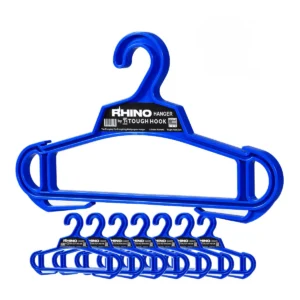
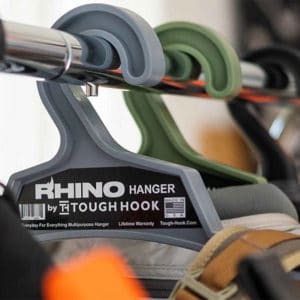

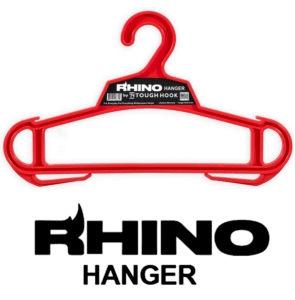
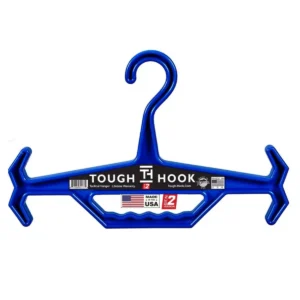
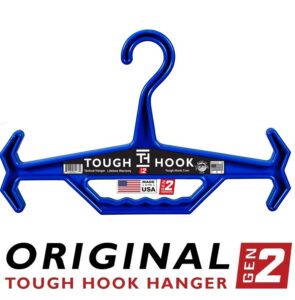
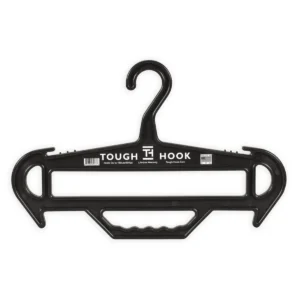
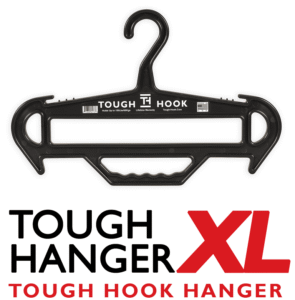
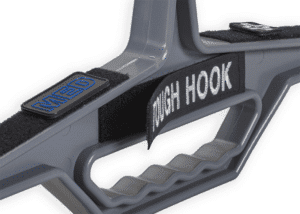
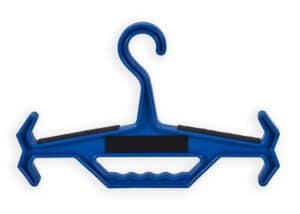
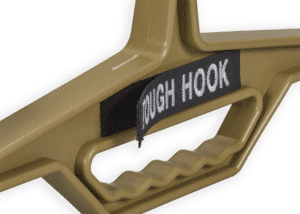
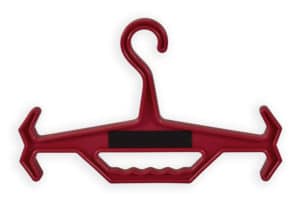
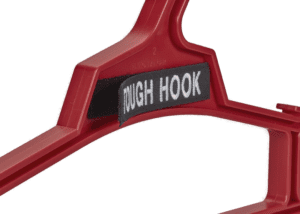
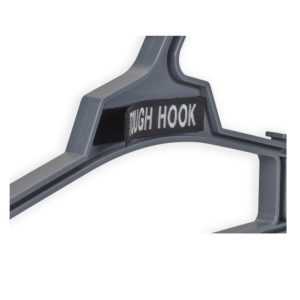
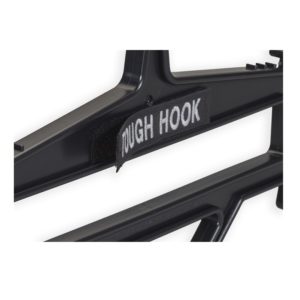


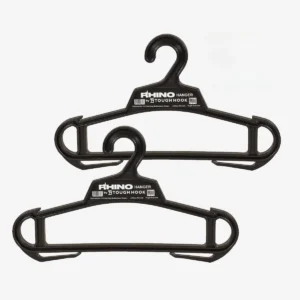
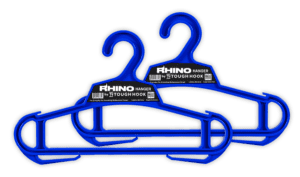
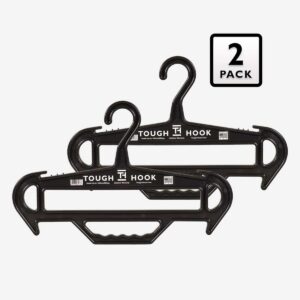
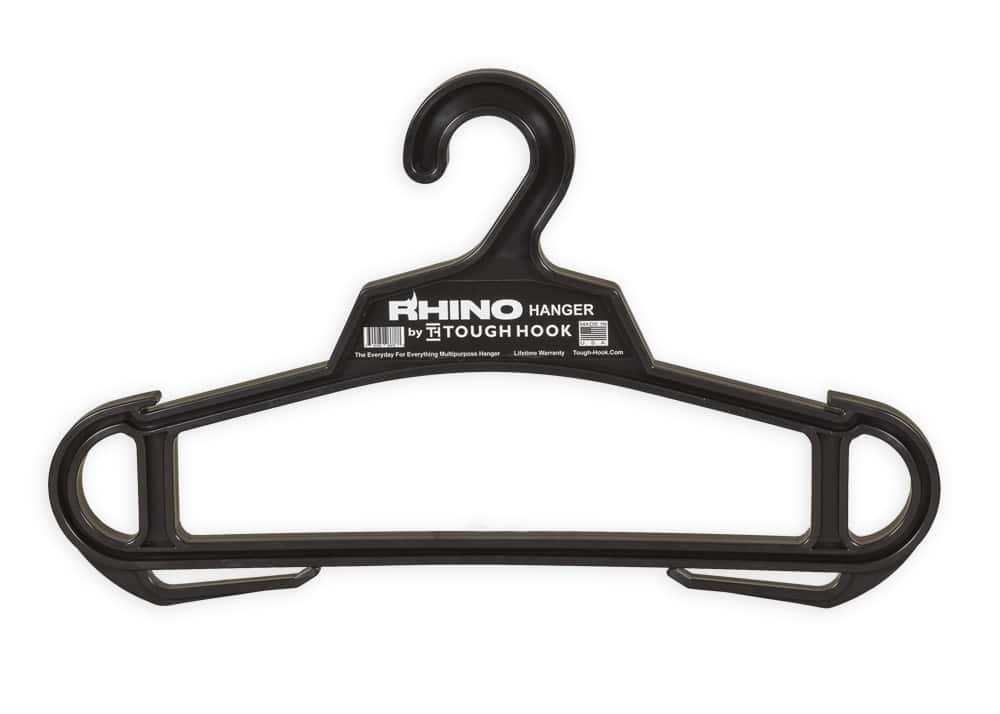
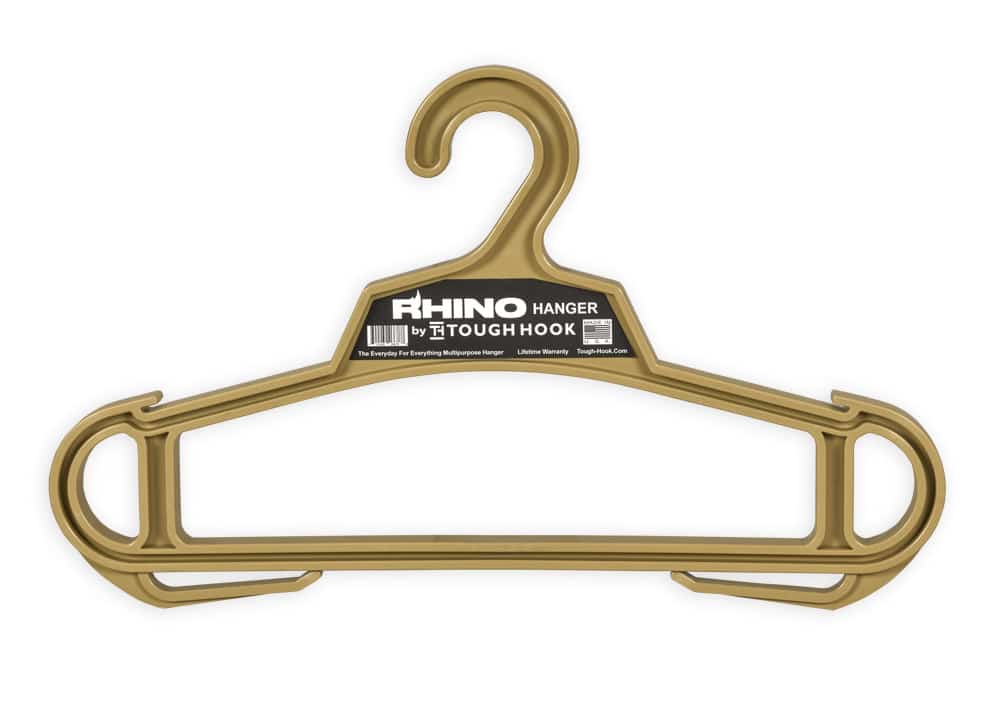
2 Pack RHINO Heavy Duty Clothes Hanger Bundle
Original price was: $27.95.$23.95Current price is: $23.95.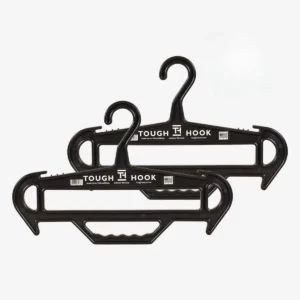
Investing in Quality Storage Solutions
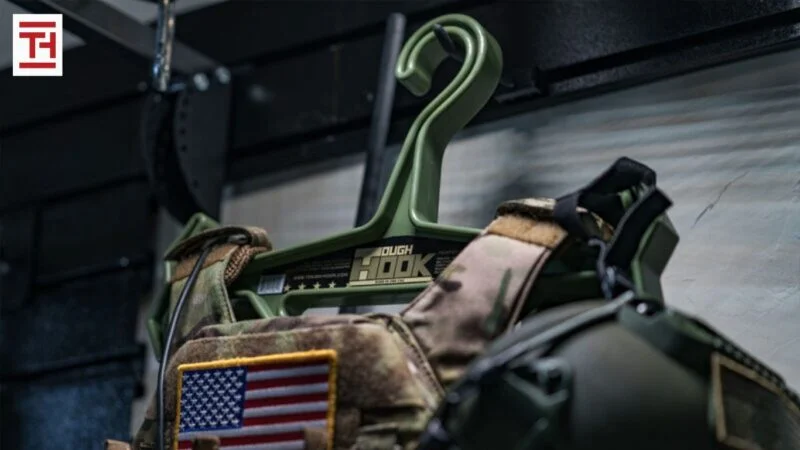
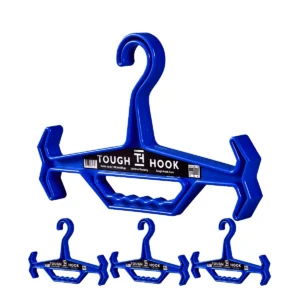
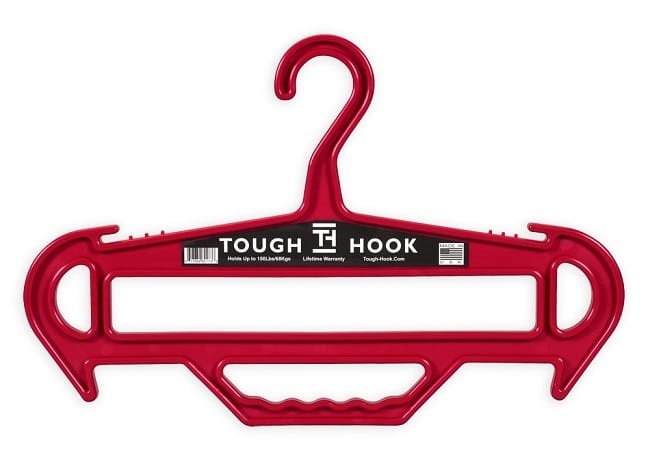
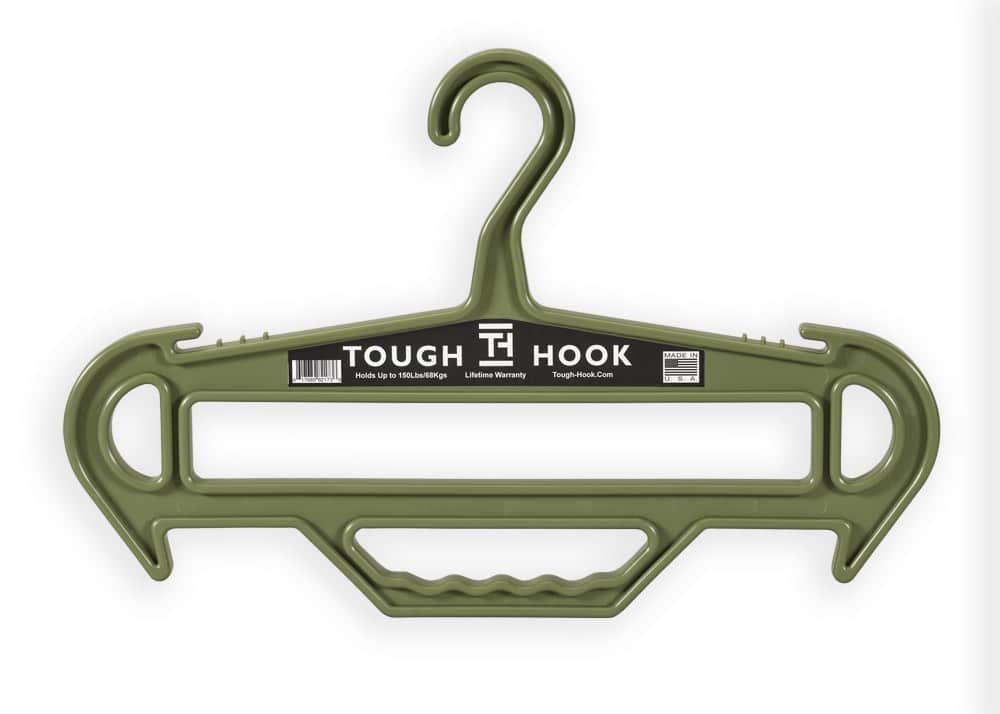
Organization is heavily reliant on the right tools. While many people focus entirely on the performance gear itself, they often neglect the infrastructure required to maintain it. This is where high-quality organizational tools come into play. For instance, heavy-duty clothing and equipment, such as rain gear, snow jackets, or tactical vests, require specialized care to maintain their shape and integrity. Placing these items on flimsy plastic hangers often leads to distorted shoulders and damaged fabrics over time. This is where Tough Hook, a company dedicated to high-quality, heavy-duty hangers, proves to be an essential partner in your organizational strategy. By utilizing robust hangers specifically designed to support the weight of heavy outdoor equipment, you ensure that your gear remains in optimal condition, ready for the next excursion. A simple upgrade to specialized hangers can significantly extend the lifespan of your expensive technical clothing and make it far easier to access your equipment quickly when the time comes to pack.
Creating a Standardized Packing Protocol
Once your storage is sorted, the next step in avoiding the gear hunt is to create a standardized packing protocol. Relying on memory is the fastest way to forget a crucial item or bring along unnecessary weight. Instead, develop a set of master checklists categorized by the type of activity. You might have separate lists for backpacking, day hiking, car camping, or winter sports. Having these lists digitally accessible, perhaps in a note-taking app on your phone, allows you to quickly pull them up and check off items as you pack. A well-constructed checklist should be dynamic, meaning you should refine it after every trip. If you found that you did not use a particular item, remove it or move it to a category for optional gear. If you found yourself missing a piece of equipment, add it to your master list immediately upon returning home. This iterative process turns preparation into a seamless, automated task rather than a chaotic chore.
The Importance of Post-Trip Maintenance
The most effective preparation actually happens after you return from your trip. The period immediately following an outdoor adventure is critical for ensuring that your gear remains ready for the next outing. Many people fall into the trap of dumping their pack in a corner and promising to organize it later. This delay is precisely what leads to the gear hunt when the next trip arrives. To break this cycle, adopt a post-trip routine that includes the following steps:
Clean and dry all equipment thoroughly: Moisture is the enemy of high-quality gear, and neglecting to dry out items like tents or boots can lead to mold and material degradation. Inspect gear for damage: Checking for tears, frayed straps, or broken buckles while the experience is fresh allows you to make necessary repairs or replacements long before your next departure. Restock and reorganize: Return every piece of gear to its designated location immediately. Utilize proper hanging storage: For jackets, pants, and vests, return them to their designated heavy-duty hangers, such as those provided by Tough Hook, to maintain their shape and readiness.
By treating the end of one trip as the beginning of the next, you eliminate the frantic scrambling that defines poor planning. When you unpack, clean, and store your gear immediately, you are essentially setting up your future self for a stress-free departure.
Streamlining Your Packing Process with Kits
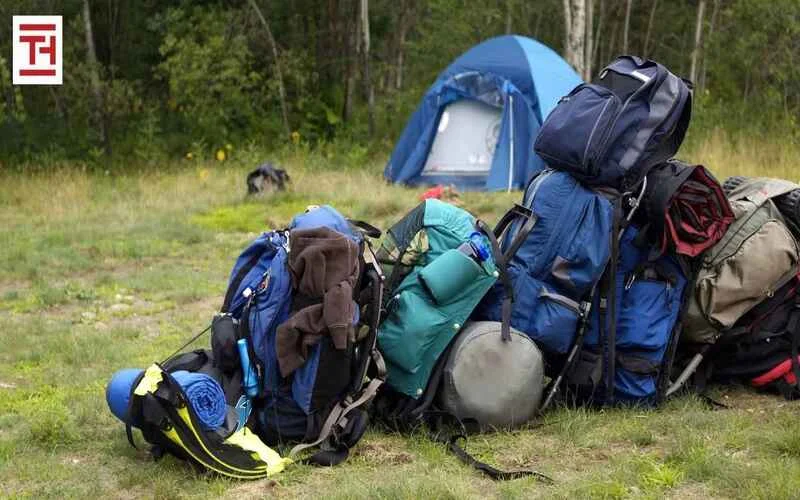
Another advanced method for faster preparation is the creation of modular kits. Instead of assembling your entire pack from scratch every time, group essential gear into smaller, organized bags that can be grabbed and thrown into your pack. Common modular kits might include:
A camp kitchen kit: This contains your stove, fuel, eating utensils, spices, and a small cleaning kit, all packed together in a dedicated stuff sack. A personal hygiene and first-aid kit: This should be kept fully stocked and ready to go at all times to avoid last-minute trips to the pharmacy. A navigation and repair kit: This holds your map, compass, headlamp, batteries, multi-tool, and basic gear repair patches.
When your gear is already bundled into these logical units, the process of packing is reduced to selecting the kits appropriate for the specific trip. This dramatically reduces the number of individual decisions you have to make, thereby minimizing the chance of error and significantly increasing your speed.
Final Thoughts on Sustainable Habits
Avoiding the gear hunt is not about reaching perfection, but about establishing consistent, sustainable habits. It requires an initial investment of time to set up your storage, acquire the right organizational tools like heavy-duty hangers from Tough Hook, and build your digital checklists. However, the dividends paid in time saved, reduced stress, and increased frequency of outdoor trips are immeasurable. By prioritizing the organization of your equipment, you are prioritizing your time outdoors, ensuring that every minute you spend is focused on the beauty of the landscape rather than searching for lost items in the dark corners of your home. Start small, implement one of these systems this weekend, and watch how quickly your preparation process becomes a simple, efficient part of your routine.