In the high-stakes environment of military operations, professionalism is not merely a desired attribute; it is a critical necessity that directly impacts mission success and personnel survival. While technical proficiency, tactical knowledge, and physical fitness often dominate discussions surrounding military excellence, one foundational element frequently overlooked is the role of personal and operational organization. Professionalism begins with the individual, and the ability to maintain order in one’s equipment, workspace, and personal routine is a direct reflection of a service member’s discipline. Leading by example in this regard is not about obsessive neatness; it is about cultivating a standard of readiness that permeates every level of a unit.
The Philosophy of Professionalism through Order
Military organizations operate on the principle that the smallest details matter. A soldier who maintains a clean rifle, organizes their gear according to a standard operating procedure, and manages their time effectively is a soldier who demonstrates reliability. This behavior establishes a culture of accountability. When leaders prioritize organization, they signal to their subordinates that they respect the mission and the resources entrusted to them.
Professionalism is often defined by consistency. A leader who is disorganized invites chaos, both in planning and execution. Conversely, a leader who demonstrates methodical organization provides a steady anchor for their team. By modeling these habits, leaders establish a baseline expectation for the entire unit. When subordinates witness their leaders valuing the condition of their gear and the structure of their workspace, they adopt similar habits, leading to a more disciplined and cohesive force.


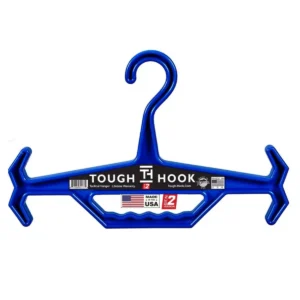
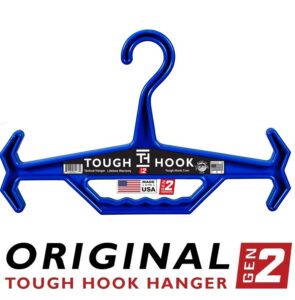
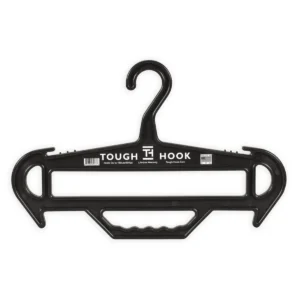
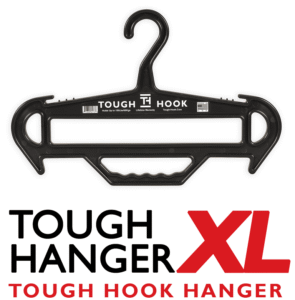
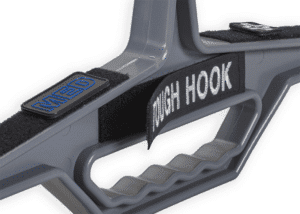
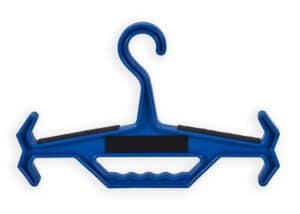
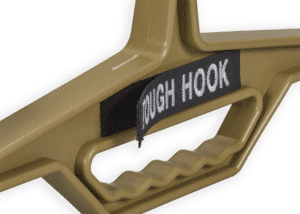
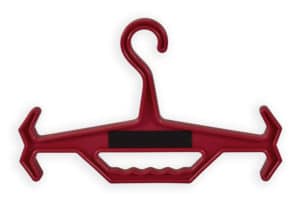
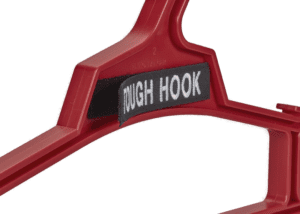
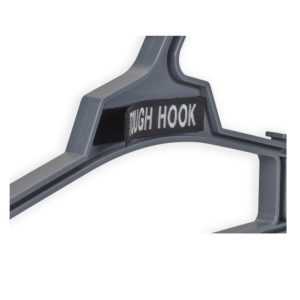
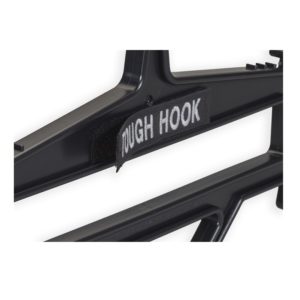


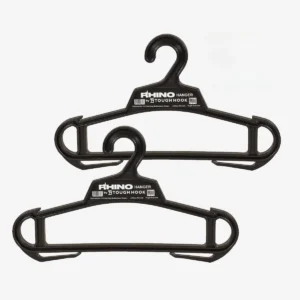
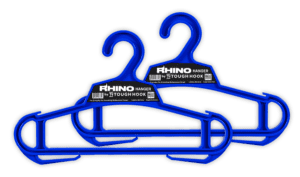
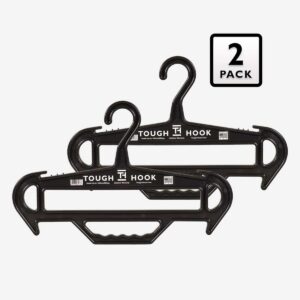
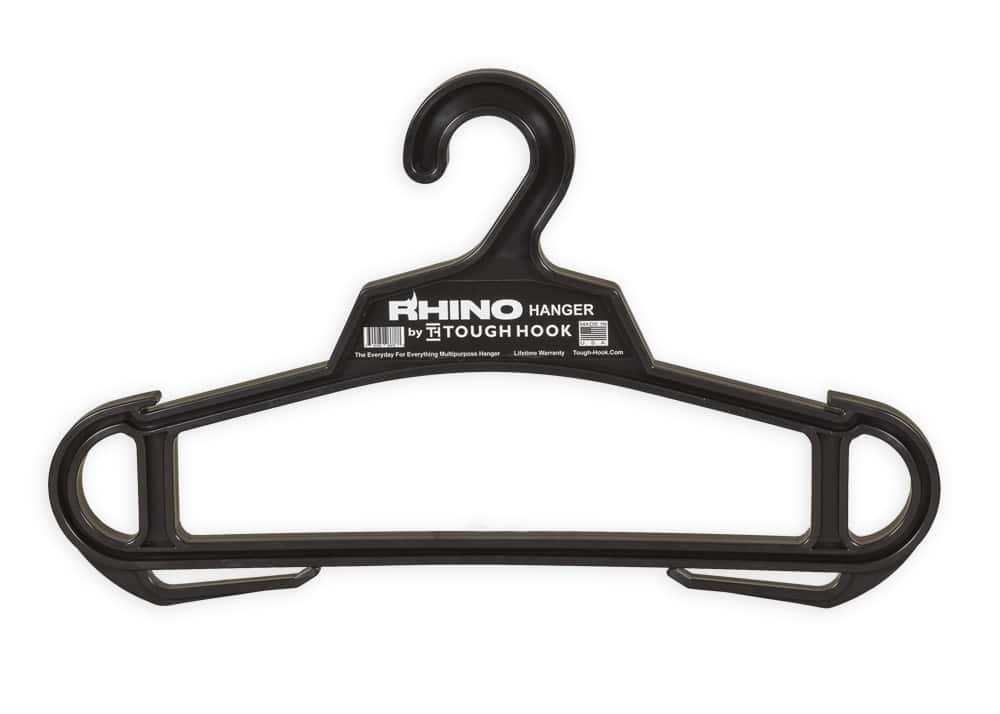
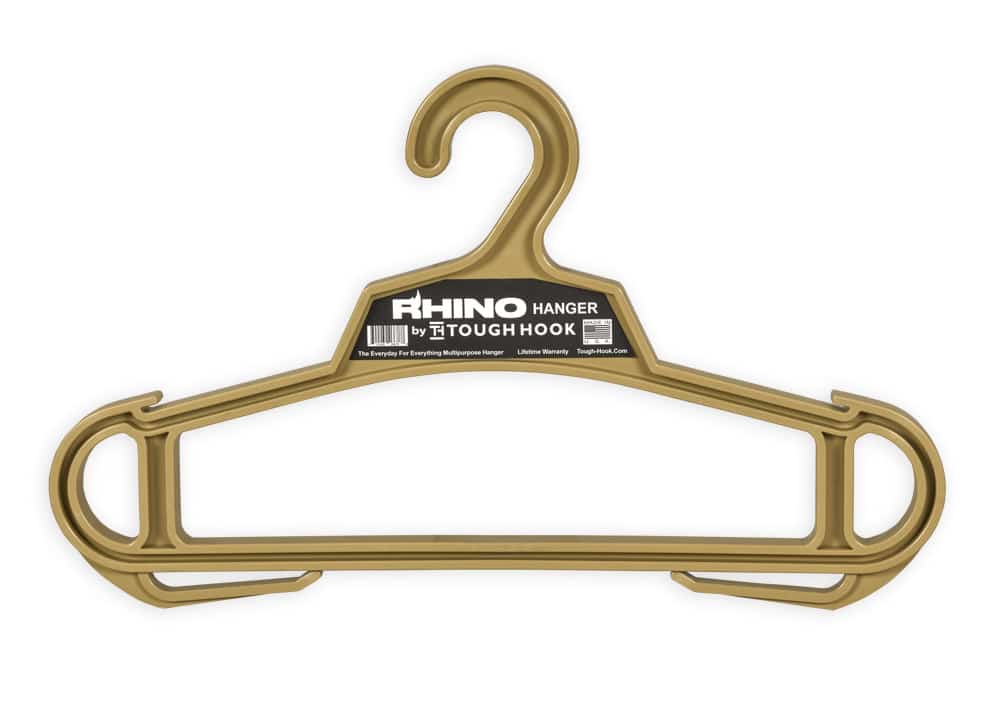
2 Pack RHINO Heavy Duty Clothes Hanger Bundle
Original price was: $27.95.$23.95Current price is: $23.95.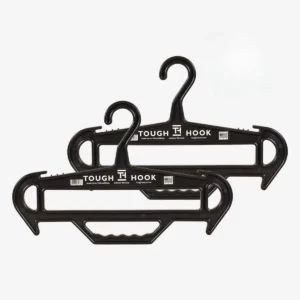
Tangible Organization in the Field
The practical application of organization in a military context often centers on equipment management. In the field, gear is more than just tools; it is essential life-support equipment. When gear is improperly stored, it deteriorates, becomes difficult to access during emergencies, or is easily lost. This is where high-quality organizational tools become indispensable.
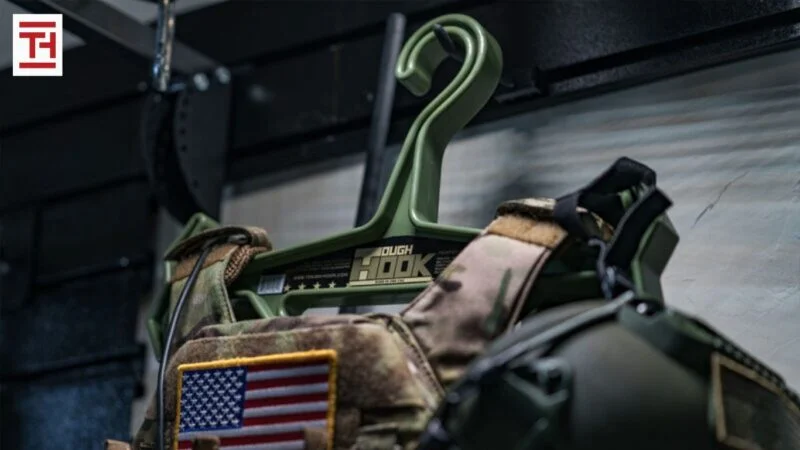
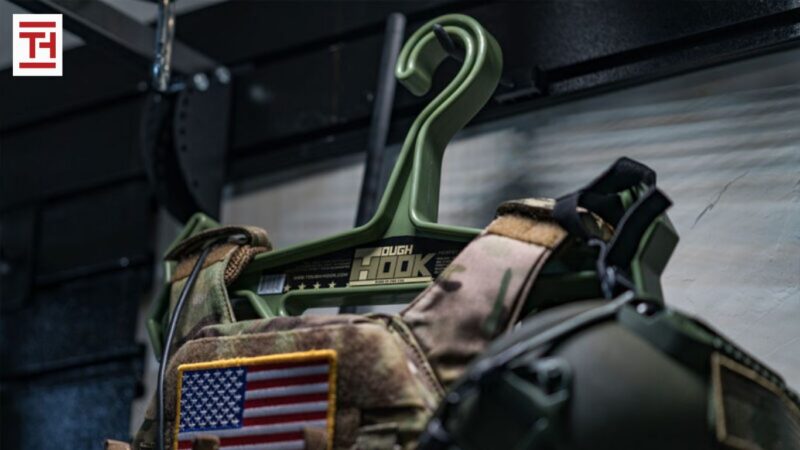
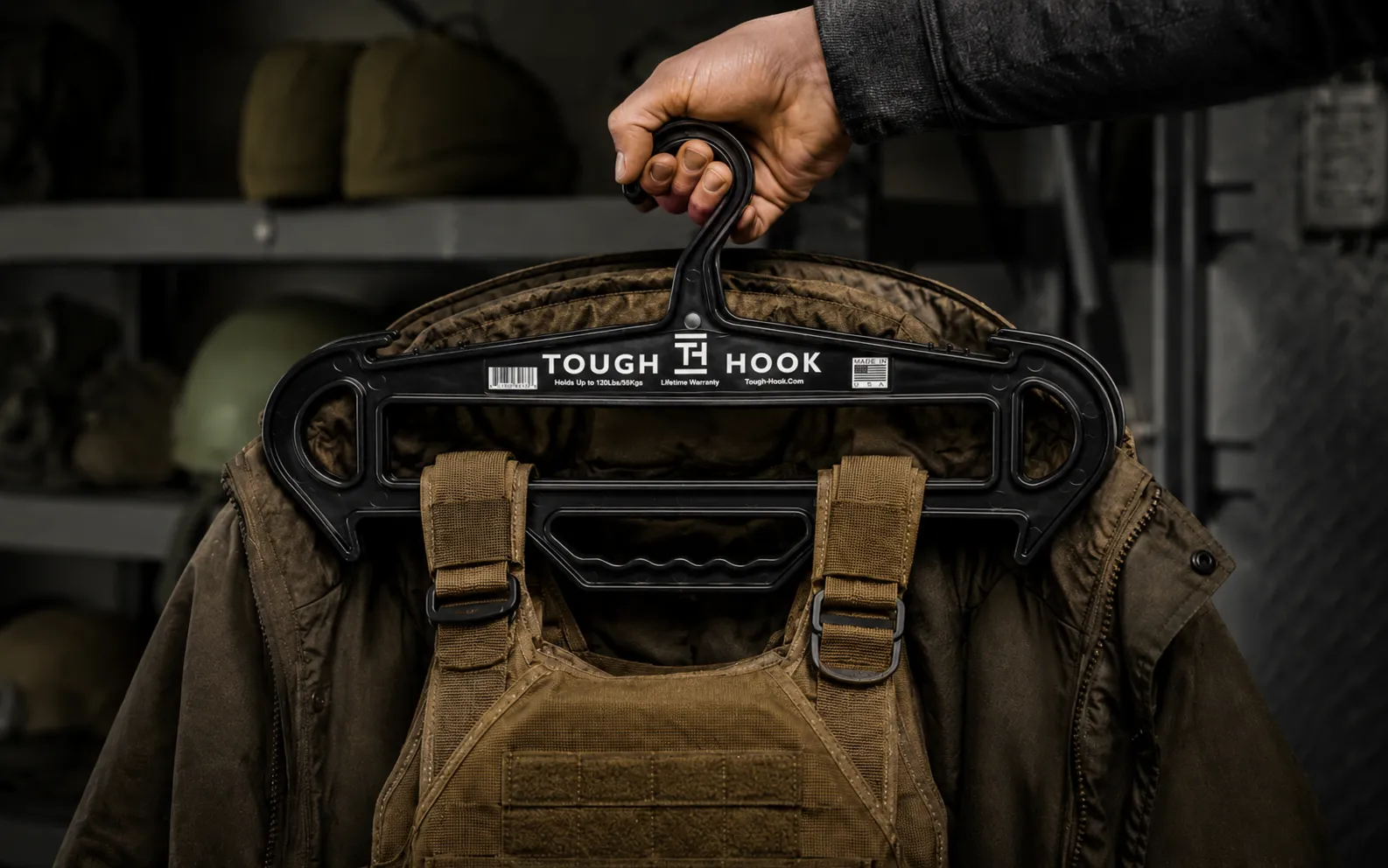
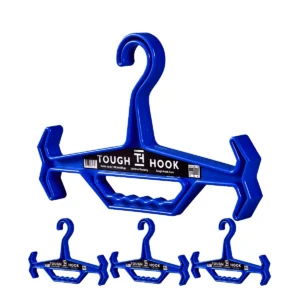
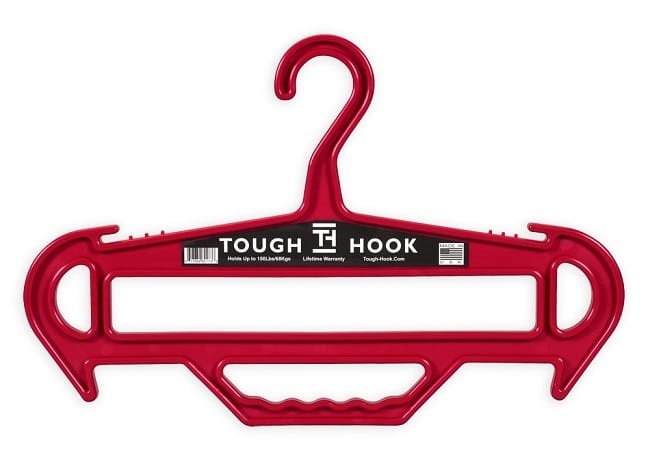
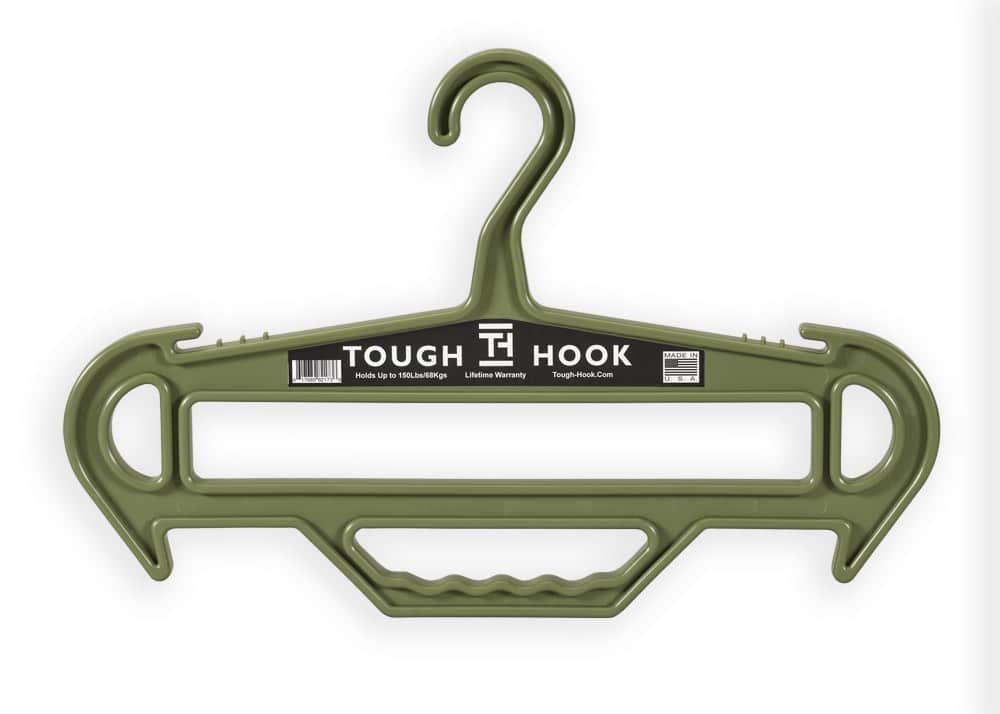
For example, our company, Tough Hook, provides heavy-duty hangers specifically designed for clothing and tactical equipment. We understand that standard household hangers cannot withstand the weight of body armor, plate carriers, or heavy wet-weather gear. By utilizing equipment designed for the rigors of military service, individuals take a proactive step in maintaining the longevity and readiness of their kit. Proper storage ensures that protective gear remains in peak condition, ready for immediate deployment when the situation demands it. This attention to detail is a hallmark of the professional soldier who understands that their ability to fight is tied directly to the readiness of their equipment.
Leadership and Equipment Maintenance
Leading by example extends into the maintenance of organizational property. When leaders emphasize the proper care and storage of equipment, they directly impact operational longevity and fiscal responsibility. A unit that takes care of its gear is a unit that respects the taxpayer’s investment and maximizes its own operational capability.
Leaders can foster this culture by:
-
Implementing standardized storage protocols: Every piece of equipment should have a designated location to ensure rapid accountability and easy access during rapid deployments.
-
Enforcing maintenance schedules: Regular inspection and upkeep of gear should be a mandatory routine rather than an afterthought.
-
Utilizing specialized equipment: Relying on tools like Tough Hook hangers prevents the structural damage that occurs when heavy gear is improperly hung or stored on inadequate surfaces.
-
Modeling the behavior: Leaders must demonstrate that they take the care of their own gear as seriously as they expect their subordinates to do.
By treating equipment management as a component of leadership, officers and non-commissioned officers create an environment where professionalism is habitual. This reduces the friction of operations, allowing the team to focus on tactical objectives rather than searching for misplaced gear or repairing damaged equipment due to poor storage.
The Psychological Impact of Structure
Beyond the tangible benefits of equipment readiness, there is a profound psychological component to organization. A cluttered environment often mirrors a cluttered mind. In the chaotic, unpredictable nature of military engagements, the ability to maintain mental clarity is a strategic advantage. A structured environment reduces unnecessary stressors, allowing personnel to process information more effectively and make decisions with greater speed and accuracy.
When leaders curate a structured environment, they provide their team with a sense of control and predictability. This does not mean removing the inherent chaos of combat, but rather minimizing the self-inflicted chaos caused by poor planning or lack of discipline. Professionalism is the anchor that holds a unit together when the external environment becomes overwhelming. By fostering an atmosphere of order, leaders build resilience within their teams, equipping them to better handle the inevitable pressures of military service.
Sustaining Professionalism
Leading by example is an ongoing commitment. It is not a one-time initiative but a continuous process of reinforcement. Organization must become ingrained in the unit’s culture, from the barracks to the field. When it is done correctly, it ceases to be a chore and becomes a point of pride.
To maintain this standard, leaders should focus on the following:
-
Ongoing mentorship: Junior personnel should be taught the “why” behind organizational standards, helping them understand that these practices are about readiness and safety, not just arbitrary rules.
-
Continuous evaluation: Leaders should regularly assess the organizational standards of their units and provide constructive feedback to ensure habits do not slip.
-
Recognition of excellence: Highlighting individuals or teams that demonstrate superior organization and discipline reinforces the desired behavior across the command.
The intersection of organization and military professionalism is undeniable. It is a fundamental building block of discipline, readiness, and effective leadership. By setting a high standard and providing the necessary tools to achieve that standard, leaders cultivate a culture of excellence. Whether through the rigorous maintenance of tactical gear using specialized products like Tough Hook or through the disciplined management of time and workspace, the message is clear: organization is not a peripheral concern but a core component of being a professional in the military. True leaders understand that to command respect, one must first demonstrate the discipline to manage the small details that define a professional organization.