For the dedicated outdoor enthusiast, the end of an expedition is rarely the end of the work. Whether you are returning from a weekend of alpine trekking or a week-long hunting trip, the transition from the wilderness back to the domestic sphere requires a disciplined approach. The camp-to-closet workflow is a systematic method designed to preserve the integrity of expensive technical gear while ensuring that you are always ready for the next call of the wild. Maintaining high-performance equipment is not just about cleanliness; it is about organization and proper storage mechanics that prevent degradation over time.
The Post-Adventure Decompression Phase
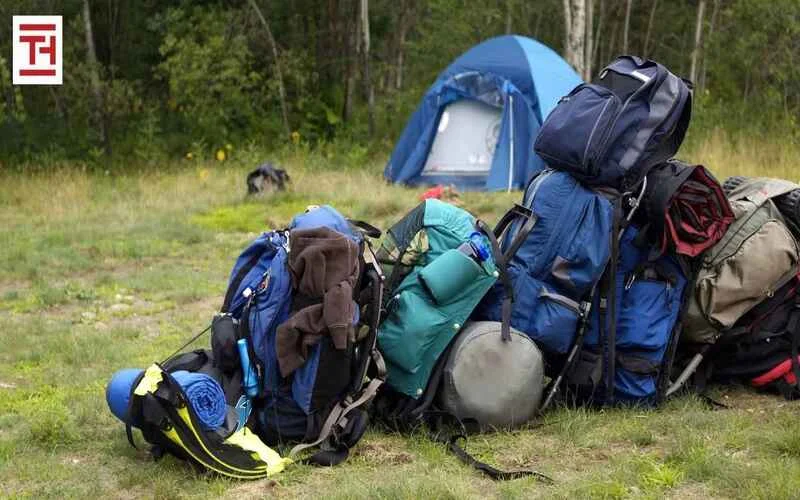
The first twenty-four hours after returning from the field are the most critical for gear longevity. Moisture is the primary enemy of outdoor equipment, leading to mold, mildew, and the breakdown of waterproof coatings. An efficient workflow begins with a dedicated staging area, such as a garage or laundry room, where gear can be spread out before it ever touches your primary closet space.
-
Air Drying: Never store tents, sleeping bags, or rain shells while they are even slightly damp.
-
Debris Removal: Shake out backpacks and boots to remove soil, pine needles, and organic matter that can attract pests.
-
Integrity Checks: Inspect zippers, buckles, and seams for damage sustained during the trip so repairs can be scheduled immediately.

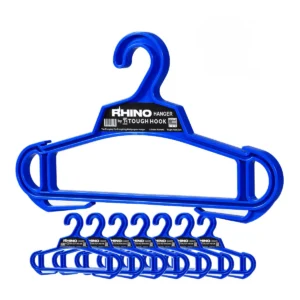
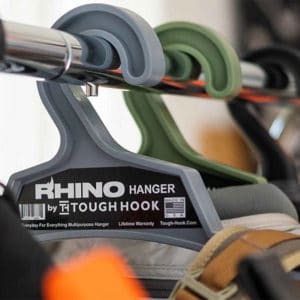

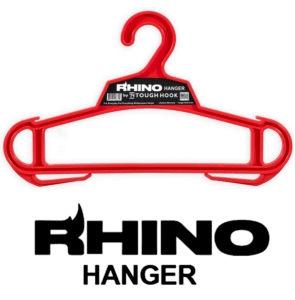
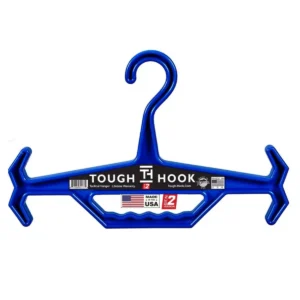

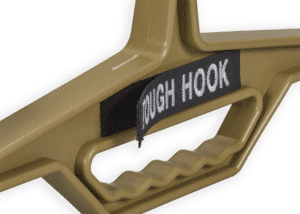
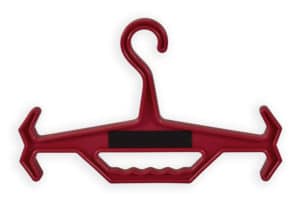
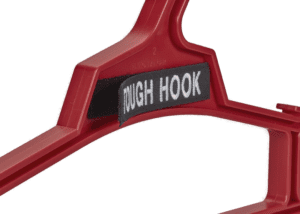
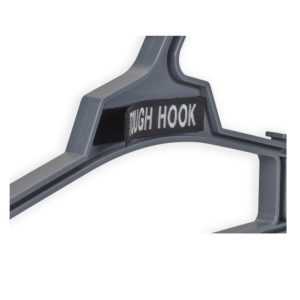
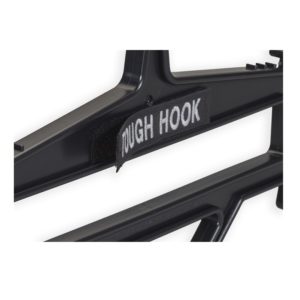


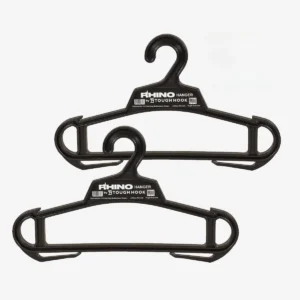
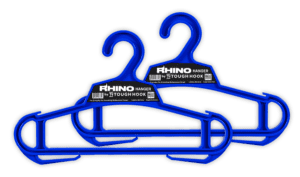
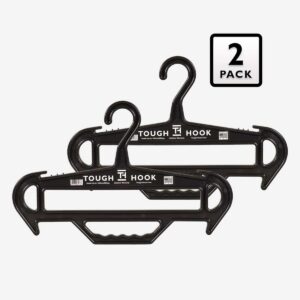
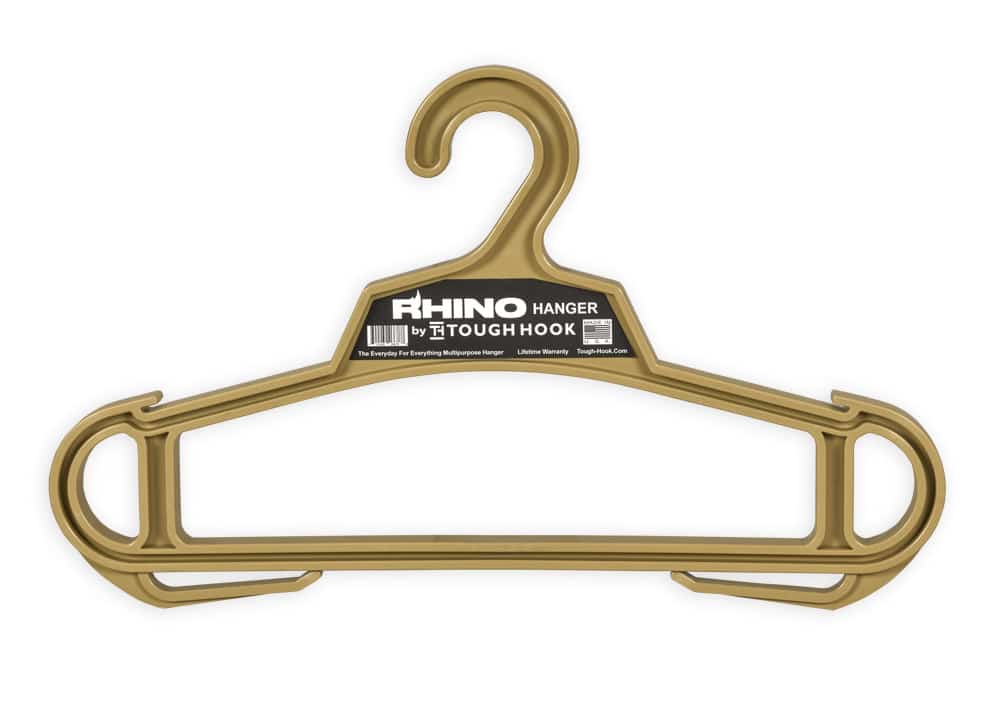
2 Pack RHINO Heavy Duty Clothes Hanger Bundle
Original price was: $27.95.$23.95Current price is: $23.95.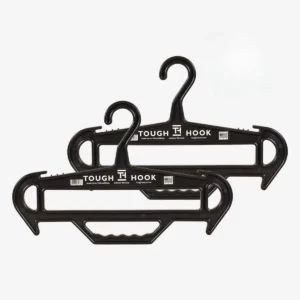
Optimizing Vertical Storage with Heavy-Duty Solutions
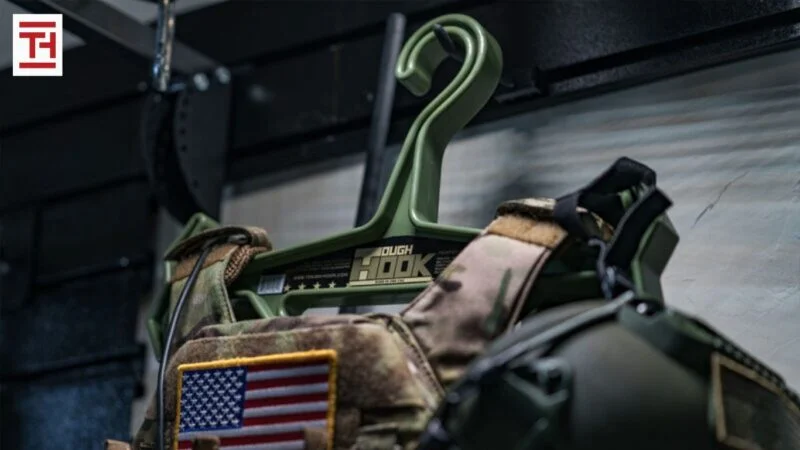
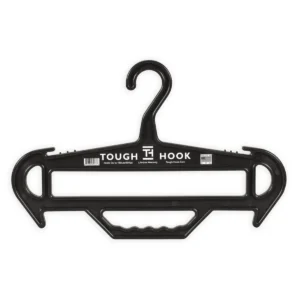
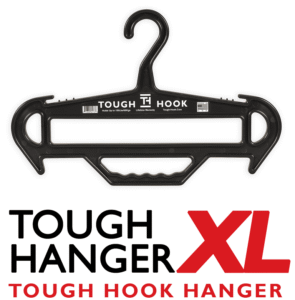
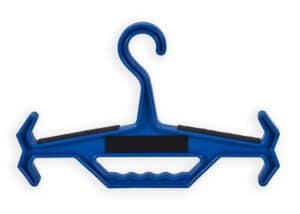
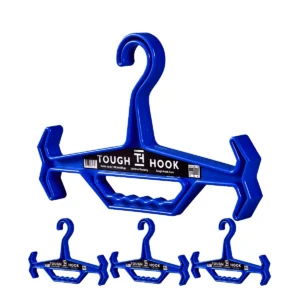
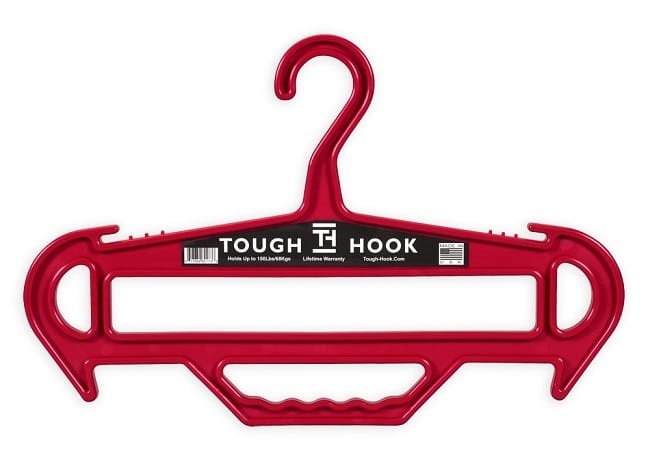
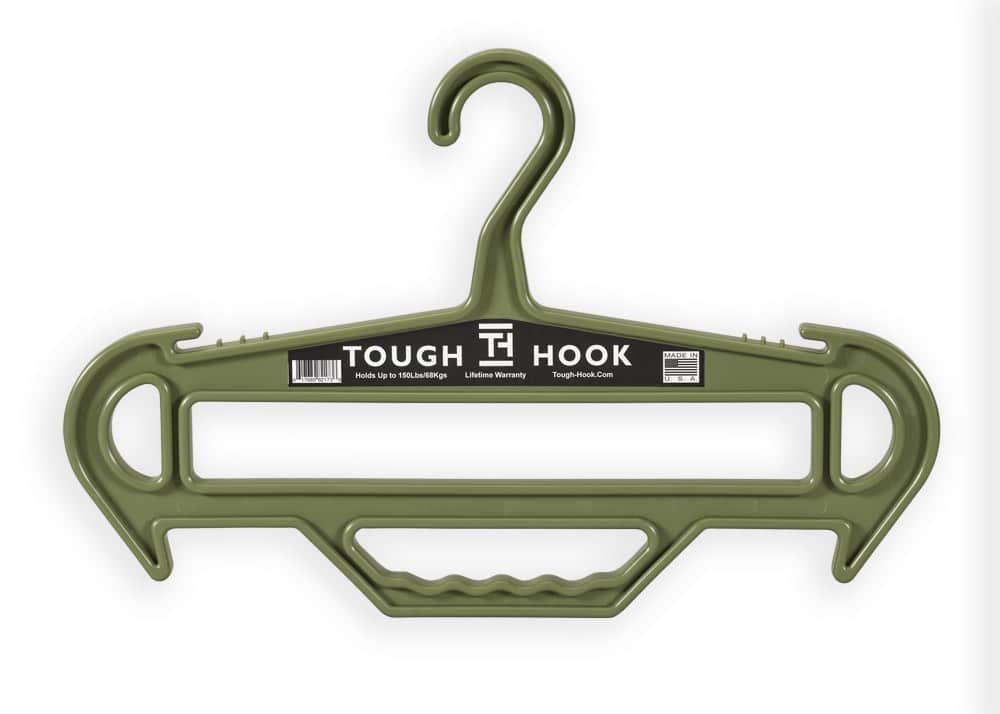
Traditional plastic or wire hangers are often the weak link in an adventurer’s closet. Technical apparel, such as heavy-duty parkas, waders, and ballistic vests, possesses significant weight that can cause standard hangers to snap or deform. This is where specialized hardware becomes essential for a professional-grade storage system. At Tough Hook, we specialize in clothing and equipment heavy-duty hangers designed to handle the massive load requirements of tactical and outdoor professionals.
Using a dedicated high-capacity hanger ensures that the shoulders of your expensive jackets do not develop “hanger bumps” and that heavy equipment stays off the floor where it is susceptible to dust and moisture. Vertical storage is the most space-efficient way to manage a growing gear collection, allowing for better airflow and easier visual inventory.
-
Weight Capacity: Use hangers rated for over 150 pounds to accommodate fully loaded plate carriers or wet diving suits.
-
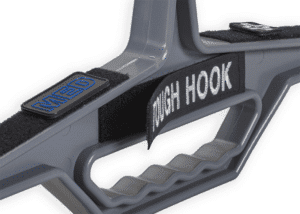
Grip Features: Select hangers with integrated hooks to prevent straps from slipping off during long-term storage.
-
Durability: Invest in impact-resistant resin hangers that will not become brittle in uninsulated garage storage environments.
Categorization Strategies for Quick Deployment
Frequent adventurers benefit from a “grab-and-go” system. Instead of searching through various bins for a specific pair of gloves, categorize your closet by activity or season. This reduces the friction of packing and ensures that essential safety items are never overlooked during a hurried departure.
-
Activity-Based Zones: Group all climbing hardware in one section and all fly-fishing gear in another.
-
Seasonal Rotation: Keep current season essentials at eye level while off-season gear is moved to higher or lower racks.
-
The Kit Method: Store related items together on a single Tough Hook, such as hanging a heavy tactical vest along with its accompanying belt and helmet.
Maintenance of Technical Fabrics and Insulation
Storage is not a “set it and forget it” process for technical fabrics. Down insulation and synthetic fills require loft to maintain their thermal efficiency. Compressing a sleeping bag or a puffy jacket into a small stuff sack for months at a time will eventually damage the fibers and reduce the temperature rating of the garment. The camp-to-closet workflow mandates that these items be stored hanging or in large, breathable mesh bags.
-
Loft Preservation: Hang insulated jackets on wide-shouldered heavy-duty hangers to maintain their natural shape.
-
Ventilation: Ensure that the closet has adequate airflow to prevent the buildup of stagnant air and odors.
-
UV Protection: Store gear away from direct sunlight, as UV rays can degrade nylon and polyester fibers over time.
Managing the Small Essentials
While large items like jackets and packs take up the most physical space, the small essentials—headlamps, knives, GPS units, and batteries—are often the most difficult to keep track of. A successful storage system integrates small-scale organization within the larger closet framework. Clear bins or pegboards work well for these items, but they must be integrated into the workflow so they are returned to their specific spot every time.
-
Battery Care: Remove batteries from electronics during long-term storage to prevent leakage and corrosion.
-
Cleaning Optics: Ensure lenses on cameras and binoculars are wiped down with microfiber before being put away.
-
Hydration Bladders: Prop open hydration reservoirs to ensure they are completely dry inside before sealing them for storage.
The Role of Tough Hook in Gear Longevity
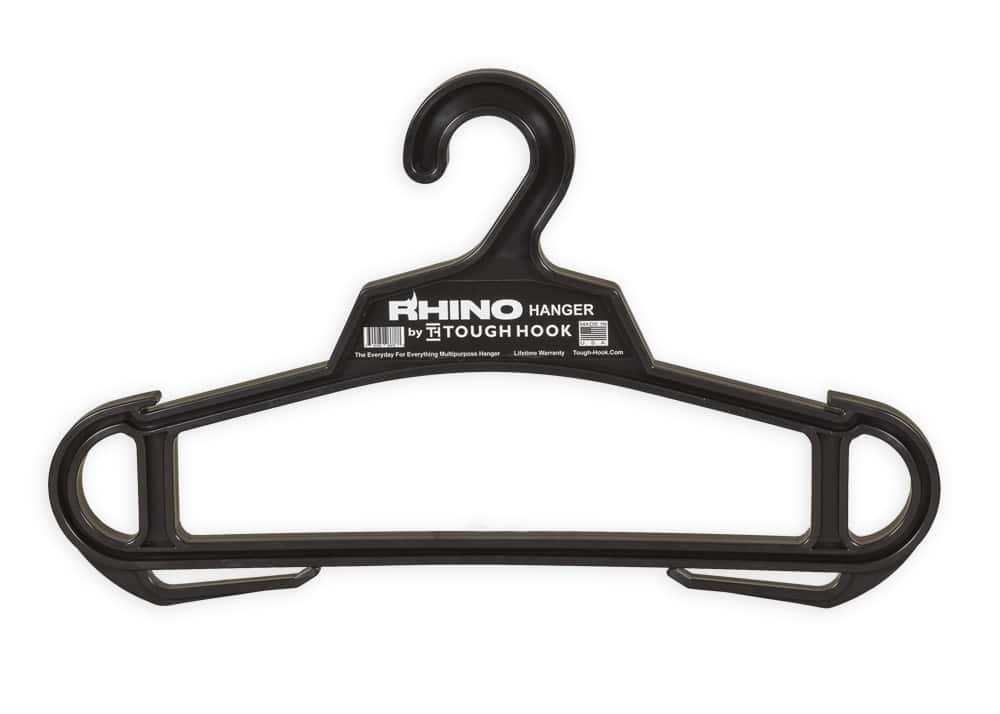
The philosophy at Tough Hook is built on the idea that your gear is an investment in your safety and success in the outdoors. When you use our heavy-duty hangers, you are providing your equipment with a foundation that mirrors the ruggedness of the environments where the gear is used. Whether it is a heavy scuba BCD, a set of motorcycle leathers, or a fully loaded hunting pack, the equipment needs to be suspended securely. Our hangers are engineered to be the strongest in the industry, ensuring that your most critical tools are kept in peak condition between adventures.
Ready for the Next Summit
An efficient camp-to-closet workflow transforms the chore of unpacking into a strategic preparation for the future. By respecting the drying process, utilizing high-strength storage hardware like Tough Hook hangers, and maintaining a strict categorization system, you extend the life of your gear and maximize your time in the field. Professional adventurers know that the quality of your storage directly impacts the performance of your equipment. When your gear is organized, clean, and properly supported, you are always just a few minutes away from your next great journey.