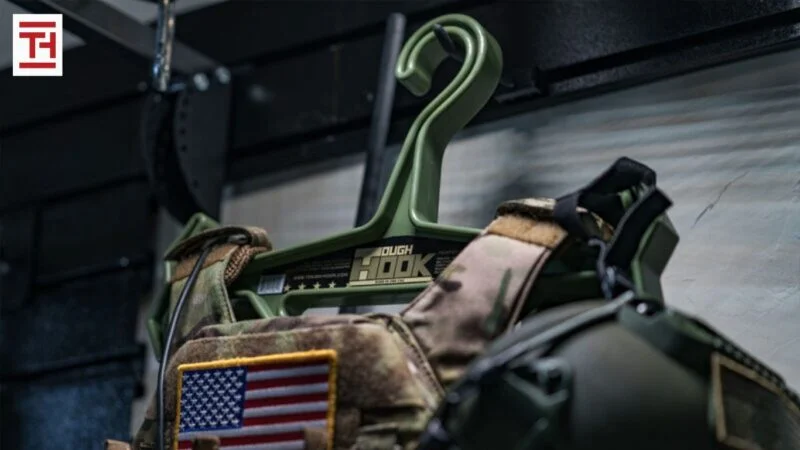
In the high-stakes environments of public safety, military operations, and industrial manufacturing, the concept of efficiency engineering is often discussed in terms of software, logistics, or machinery. However, one of the most overlooked aspects of operational readiness is the physical organization of the staging area. Station efficiency engineering focuses on the micro-movements and spatial configurations that dictate how quickly a professional can transition from a state of rest to active duty. At the heart of this discipline lies the wall-mounted tactical hanger system, a specialized infrastructure designed to manage heavy-duty gear during rapid shift rotations. For organizations that rely on heavy PPE, body armor, and specialized uniforms, the transition between personnel must be seamless. This is where the integration of high-capacity hardware, such as the solutions provided by Tough Hook, becomes a critical component of a station’s structural workflow.
The Science of Spatial Organization in Shift Rotations
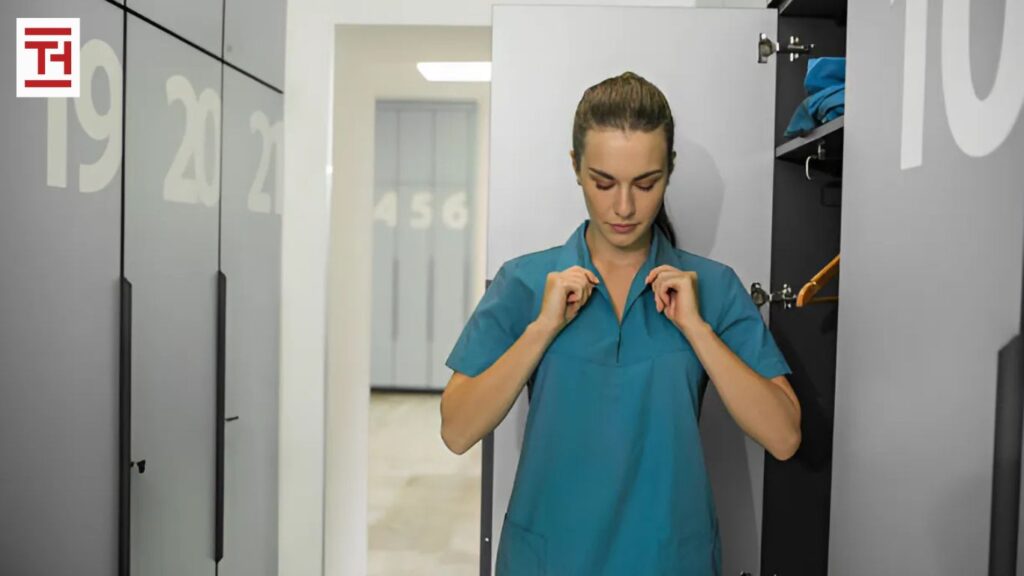
When a shift ends, the departing officer or technician is often physically exhausted. Without a dedicated, engineered system for gear storage, equipment is frequently draped over chairs, slumped in lockers, or left in gear bags where moisture and compression can damage expensive materials. This lack of organization creates a “friction cost” for the incoming shift. Efficiency engineering seeks to eliminate this friction by creating a standardized, wall-mounted staging area. By utilizing heavy-duty hangers capable of supporting sixty to one hundred pounds of dead weight, a station can ensure that every piece of equipment is exactly where it needs to be, aired out, and ready for immediate deployment.
The implementation of a wall-mounted system offers several engineering advantages over traditional locker storage:
-
Increased Airflow: Vertical suspension allows for 360-degree air circulation around body armor and turnout gear, which is essential for moisture wicking and hygiene.
-
Visual Inventory: Supervisors can conduct a rapid visual sweep of the staging area to ensure all critical life-safety equipment is present and accounted for.
-
Reduced Floor Obstructions: By moving gear to the walls, the station floor remains clear of tripping hazards, improving the overall safety of the environment.
-
Standardization of Prep: Every member of the team follows the same ergonomic pattern for gear retrieval, which builds muscle memory and reduces “turnout time” during emergencies.

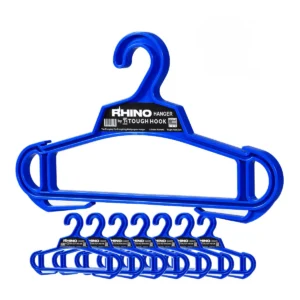
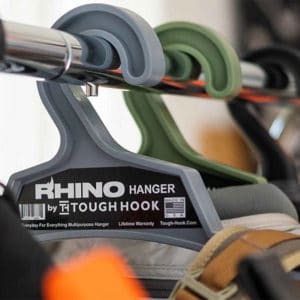

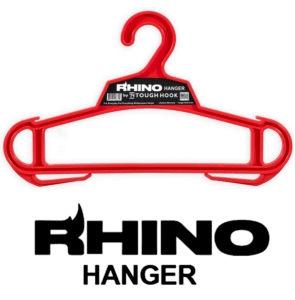
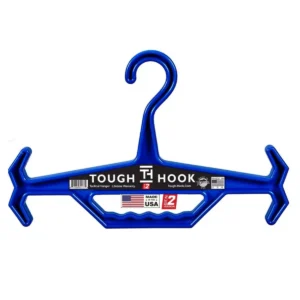

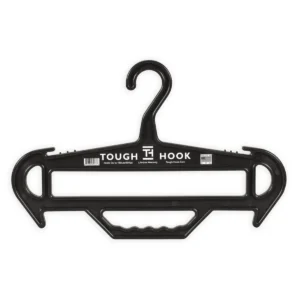
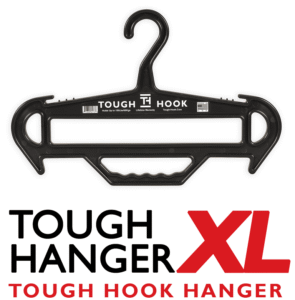
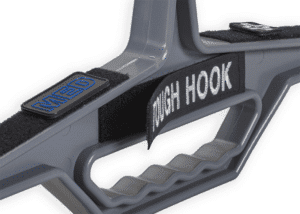
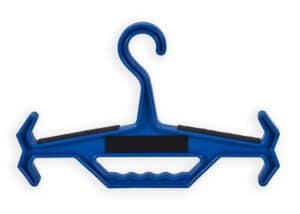
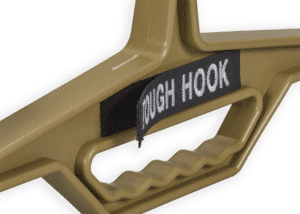
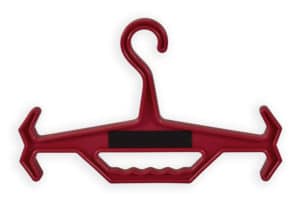

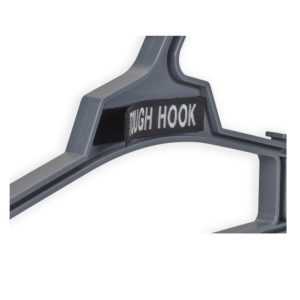
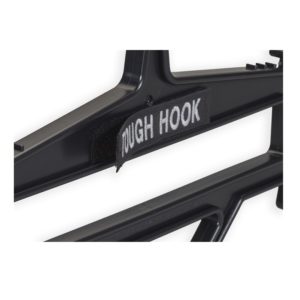


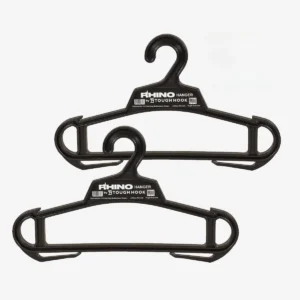
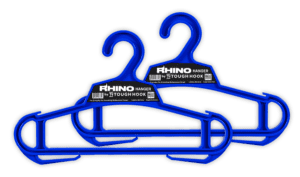
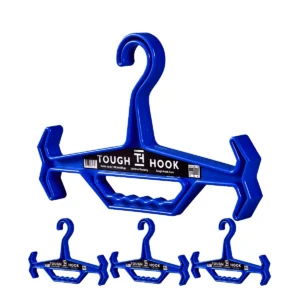
2 Pack RHINO Heavy Duty Clothes Hanger Bundle
Original price was: $27.95.$23.95Current price is: $23.95.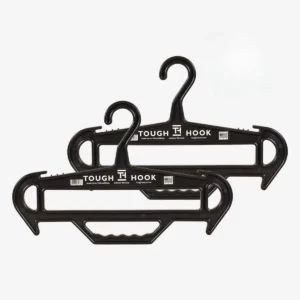
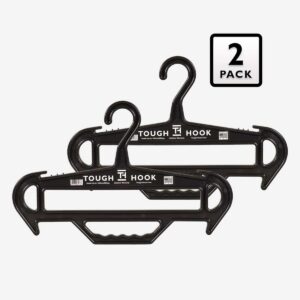
Engineering Durability for High-Stress Environments
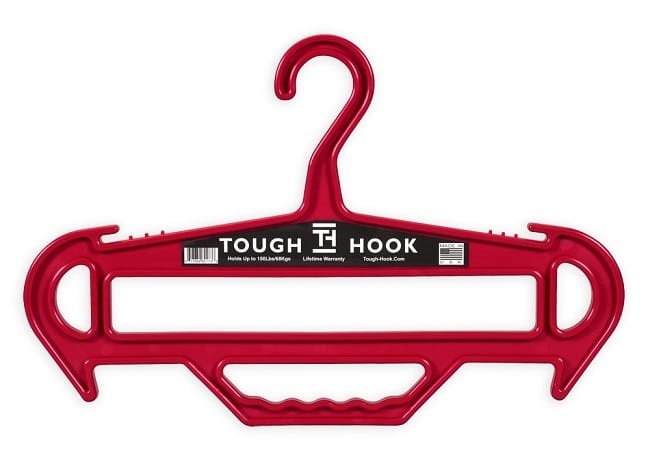
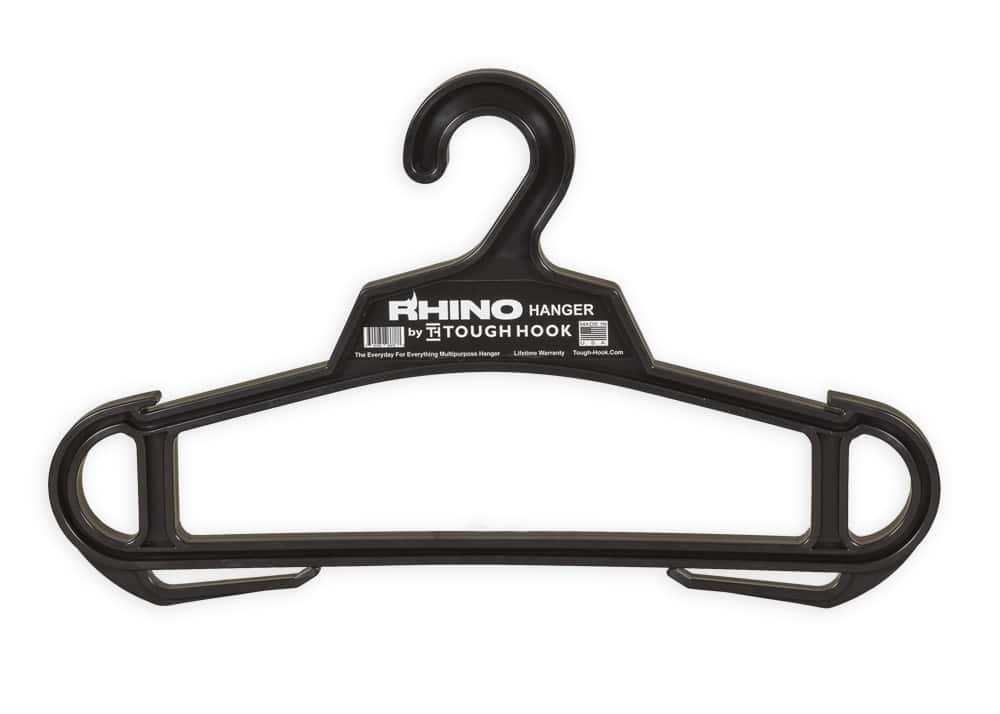
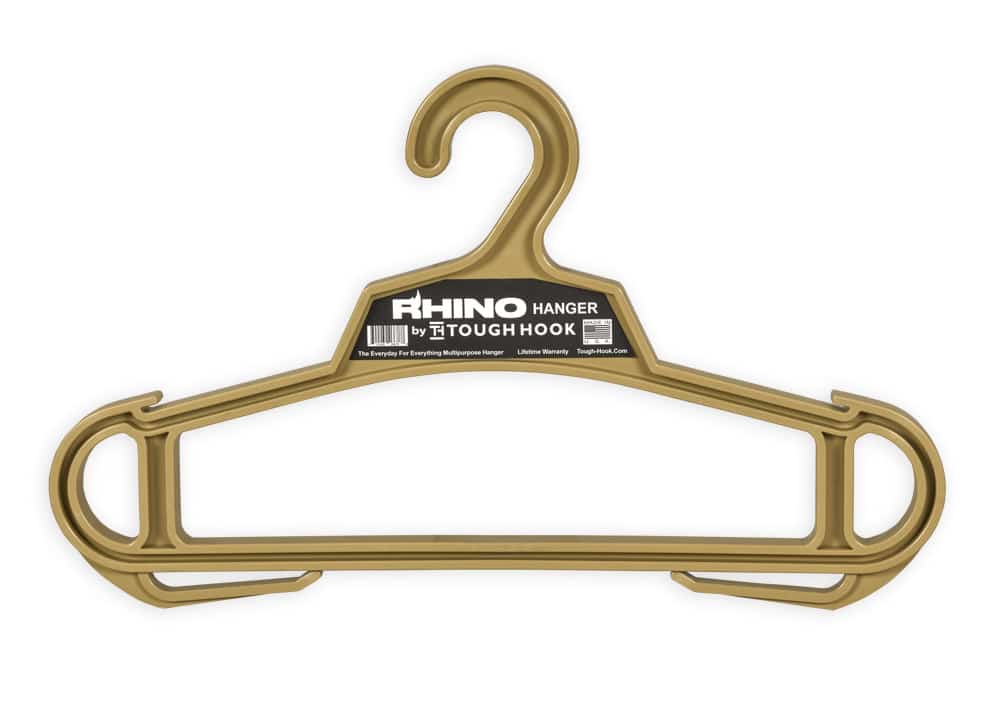
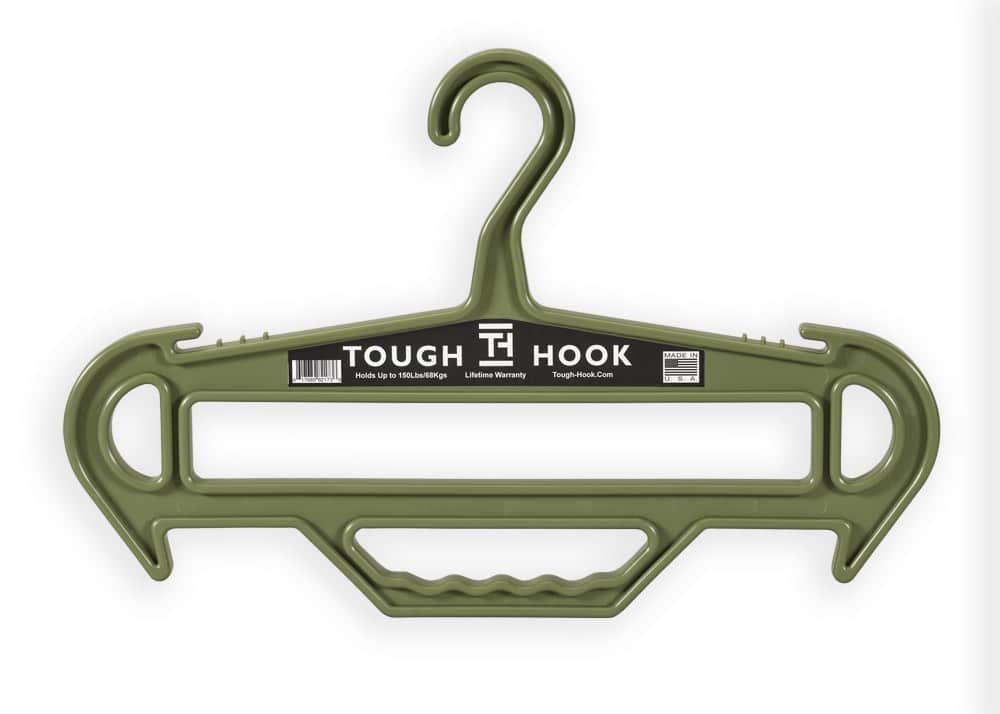
Not all hanging systems are created equal. In an industrial or tactical setting, a standard consumer-grade hanger is a liability rather than a tool. Efficiency engineering requires components that can withstand the rigors of 24/7 operations. Tough Hook has addressed this specific need by manufacturing hangers from high-impact, industrial-grade materials that do not flex or snap under the weight of plate carriers, scuba BCDs, or heavy cold-weather flight gear. A wall-mounted system is only as strong as its weakest link; therefore, the hangers themselves must be treated as structural components of the station’s architecture.
The engineering specifications for a tactical hanger system should prioritize several key factors:
-
Load-Bearing Integrity: The hanger must support the full weight of a completely outfitted kit without deformation over time.
-
Ergonomic Grip Points: Integrated handles allow for the easy transport of the gear from the wall mount to a vehicle or a different staging area without the need to unhook the equipment.
-
Impact Resistance: In the chaos of a shift change, gear is often handled roughly. Hangers must be shatterproof to prevent equipment from falling to the floor.
-
Reversible Utility: The ability to flip a hanger to accommodate different shoulder strap configurations or specialized equipment loops adds a layer of versatility to the system.
Impact on Personnel Health and Equipment Longevity
Beyond the immediate benefits of speed and organization, station efficiency engineering has a profound impact on the long-term health of both the personnel and the equipment. Body armor and heavy tactical vests are significant investments. When these items are stored improperly, the internal ballistic panels can bunch or crease, potentially compromising their protective integrity. Furthermore, gear that is not allowed to dry properly becomes a breeding ground for bacteria and mold, leading to skin irritations and respiratory issues for the wearer.
A wall-mounted hanger system facilitates a “clean-dry-staged” workflow that preserves the lifespan of the equipment:
-
Fiber Preservation: Keeping heavy garments suspended prevents the stretching or tearing of seams that occurs when gear is piled or hung on narrow, flimsy hooks.
-
Odor Mitigation: Open-air hanging is the most effective passive method for reducing the buildup of sweat-induced odors in synthetic fabrics.
-
Ergonomic Retrieval: By mounting hangers at shoulder height, personnel can “step into” their gear, reducing the need for heavy lifting from floor level, which protects the lower back.
-
Micro-Climate Control: Strategic placement of wall mounts near HVAC vents or dehumidifiers can further accelerate the drying process for wet-weather gear.
Implementing a Wall-Mounted Strategy
For station commanders or facility managers looking to upgrade their efficiency, the transition to a wall-mounted tactical system should be approached as a modular engineering project. It is not merely about adding hooks to a wall; it is about analyzing the “path of travel” for a professional entering the building. The system should be placed in a high-traffic transition zone, usually between the locker room and the vehicle bay. This ensures that the equipment is the last thing put on before departure and the first thing hung up upon return.
To maximize the effectiveness of a Tough Hook-based system, consider the following installation parameters:
-
Stud-Mounted Rails: Always secure the mounting hardware into structural studs or use heavy-duty backing boards to support the cumulative weight of multiple kits.
-
Spaced Intervals: Maintain at least twenty-four inches of horizontal space between hangers to ensure adequate airflow and prevent gear from overlapping.
-
Height Optimization: Mount the system at a height that allows the longest garment to hang freely without touching the floor.
-
Categorical Labeling: Use color-coded hangers or labeled wall plaques to designate specific gear types or individual personnel assignments.
The ROI of Specialized Hardware
In the world of professional response and industrial labor, time is the most valuable commodity. While a hanger might seem like a simple object, a specialized tool like the Tough Hook is a force multiplier. By treating the storage of gear as a matter of station efficiency engineering, organizations can reduce equipment replacement costs, improve employee morale, and, most importantly, shave seconds off their response times. A wall-mounted tactical hanger system is an investment in the structural readiness of the team, ensuring that when the bell rings or the whistle blows, the gear is as ready as the person wearing it.
The philosophy of Tough Hook is rooted in the belief that nothing should fail when lives are on the line. By moving away from makeshift storage solutions and toward engineered, high-capacity wall systems, stations can achieve a level of professionalism and order that reflects the importance of their mission. Efficiency is not an accident; it is a result of deliberate design and the right equipment.