Maintaining readiness for reserve units presents a unique set of logistical challenges. Unlike active-duty components that utilize their gear on a daily basis, reserve units often keep high-value equipment in storage for weeks or months at a time. This period of inactivity is not a neutral state for gear; rather, it is a window where environmental factors, improper weight distribution, and chemical breakdown can compromise the integrity of life-saving equipment. To ensure that every vest, uniform, and tactical belt is ready for immediate deployment, a rigorous approach to long-term storage is essential.
The Science of Material Decay in Storage
Equipment degradation is often a silent process. Many modern tactical materials, such as Cordura nylon, Kevlar, and high-density polymers, are designed for extreme durability during use but remain susceptible to environmental stressors when static. Understanding these stressors is the first step in preventing the loss of thousands of dollars in inventory.
-
Hydrolysis and Humidity: Excessive moisture in the air can cause certain polyurethane coatings to break down, leading to a “sticky” texture and a loss of water resistance.
-
Ultraviolet Radiation: Even indirect sunlight in a warehouse can weaken the molecular bonds in synthetic fibers, causing them to become brittle over time.
-
Oxidation: Metal components on belts and carriers can develop corrosion if exposed to stagnant air and fluctuating temperatures.
-
Compression Set: When heavy equipment is folded or stacked, the internal fibers and foams can lose their “memory,” resulting in a permanent loss of shape and protective capability.
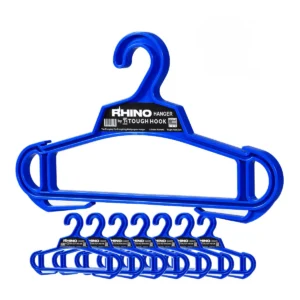
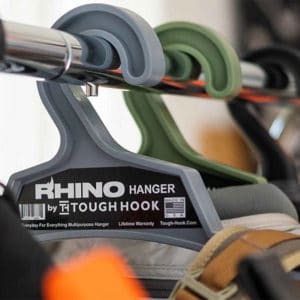

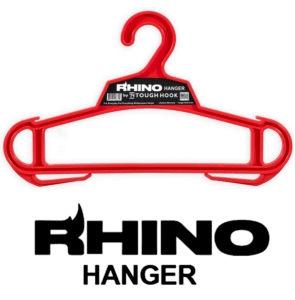
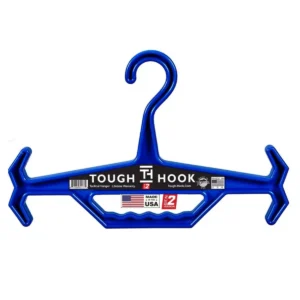

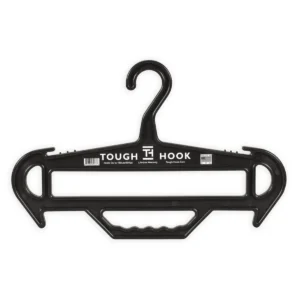
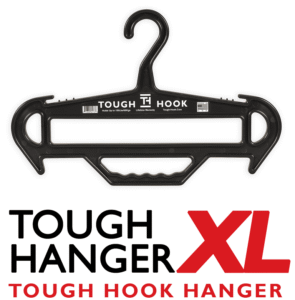
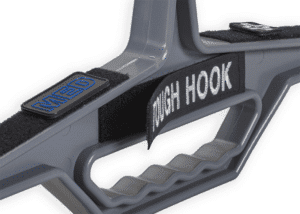
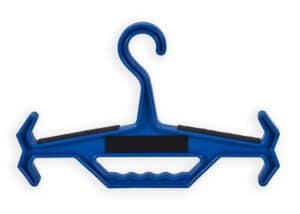
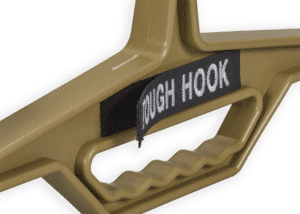
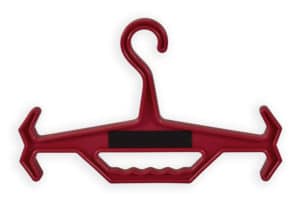
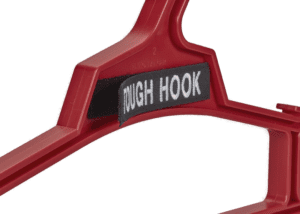
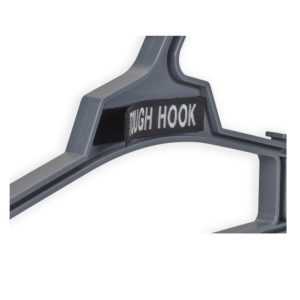
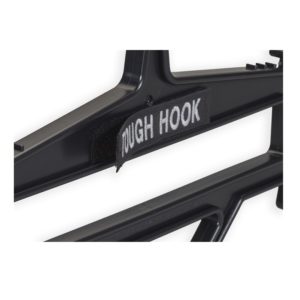


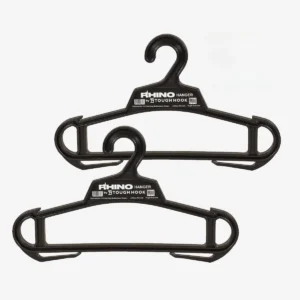
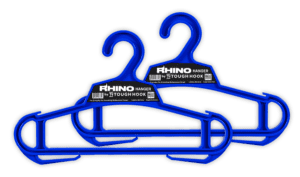
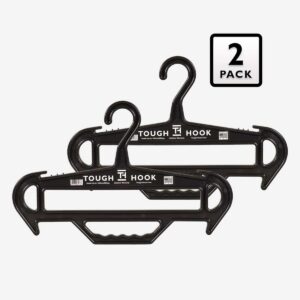
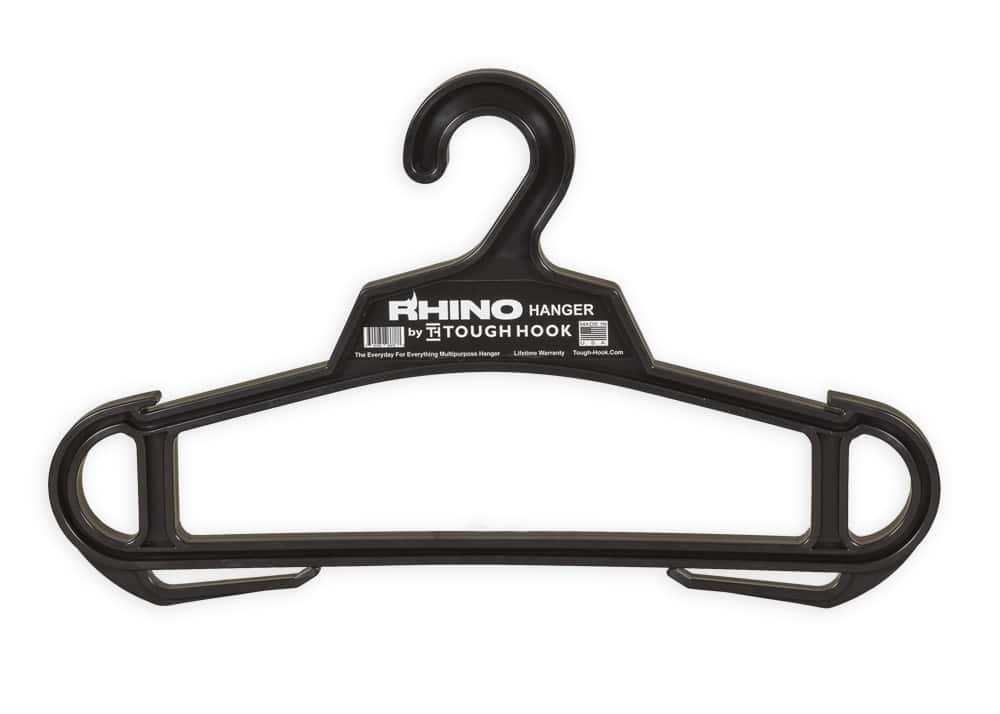
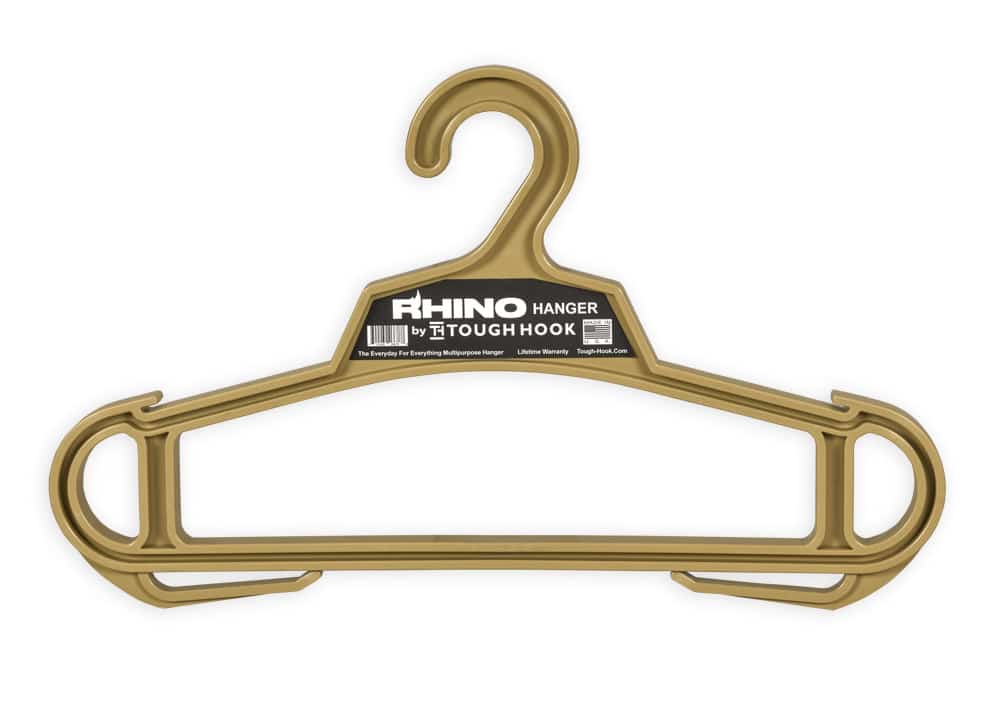
2 Pack RHINO Heavy Duty Clothes Hanger Bundle
Original price was: $27.95.$23.95Current price is: $23.95.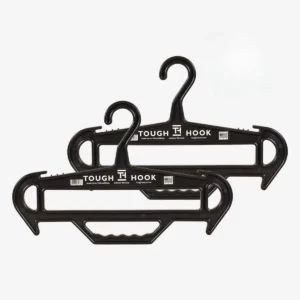
Optimization of the Storage Environment
The warehouse or locker room where reserve equipment is kept must be treated as a controlled environment. Simply placing gear in a bin and forgetting about it until the next drill weekend is a recipe for equipment failure.
-
Climate Control: Maintaining a consistent temperature and low humidity level is the most effective way to prevent mold and mildew growth.
-
Air Circulation: Stagnant air allows pockets of moisture to settle on gear. Utilizing fans or ensuring that storage racks are not pushed directly against walls can improve airflow.
-
Pest Management: Rodents and insects are attracted to the salt and organic residue left on unwashed equipment. Regular inspections of the storage perimeter are mandatory.
Proper Hanging vs. Folding Protocols
One of the most common mistakes in long-term storage is the habit of folding heavy tactical gear. While folding may save space, it creates permanent crease lines that weaken the fabric and can cause internal ballistic panels to shift or clump. To maintain the structural integrity of professional gear, hanging is the industry standard.
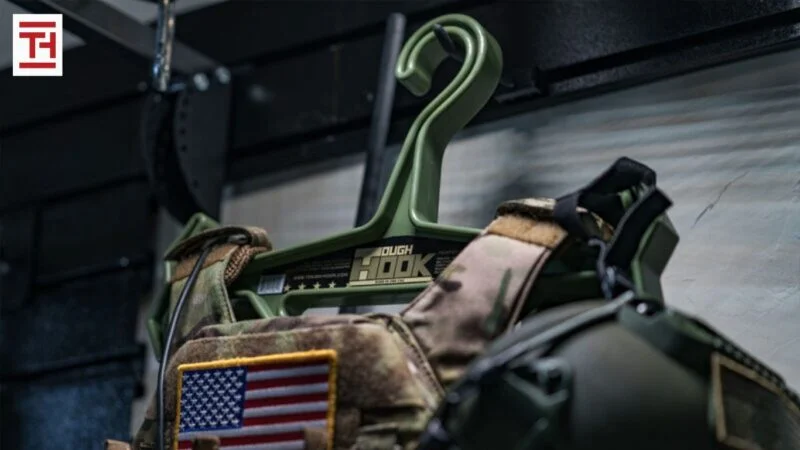
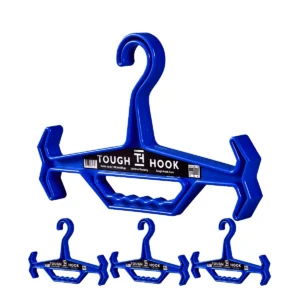
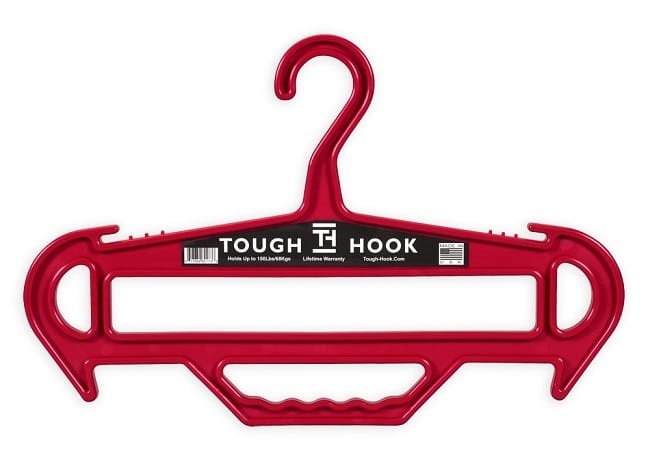
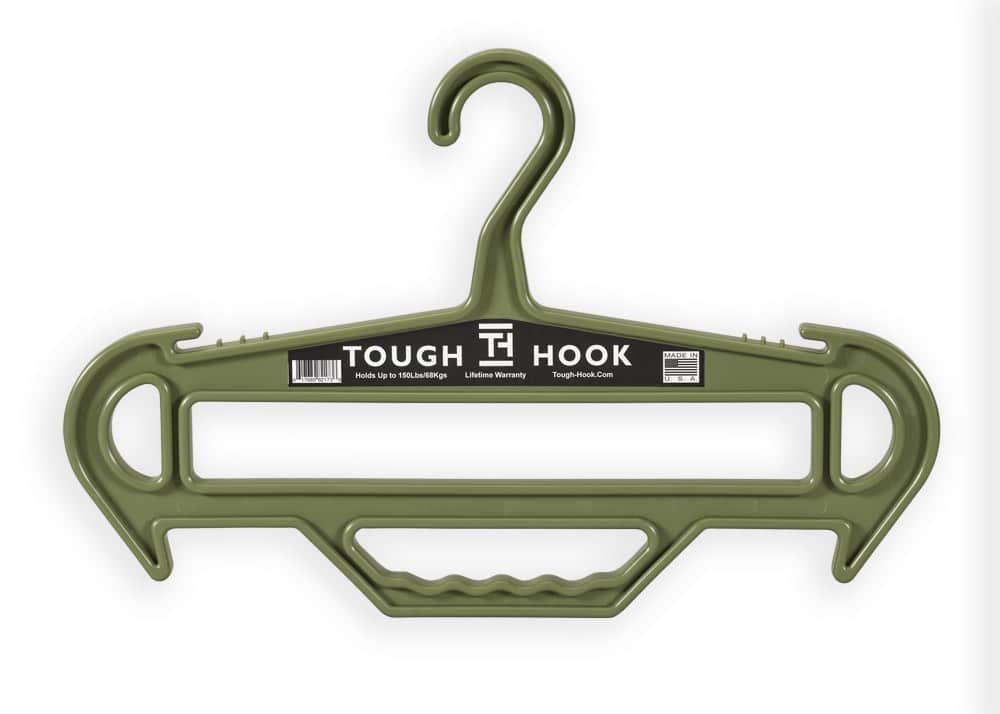
However, standard plastic or wire hangers are entirely inadequate for this task. A standard plate carrier or a fully loaded tactical vest can weigh anywhere from 20 to 50 pounds. Using a flimsy hanger causes the “shoulders” of the garment to stretch and distort. This is where specialized equipment becomes a necessity. Our company, Tough Hook, manufactures heavy-duty hangers specifically engineered to support the massive weight of body armor, weighted vests, and heavy cold-weather gear. By using a hanger designed for high-capacity loads, you ensure that the weight is distributed evenly across the shoulder straps, preventing the thinning of material that occurs with inferior storage methods.
Step-by-Step Pre-Storage Checklist
Before any piece of equipment is placed into long-term storage, it must undergo a cleaning and inspection process. Storing gear that is soiled with sweat, dirt, or salt will accelerate the degradation of the materials.
-
Deep Cleaning: Use mild detergents to remove body oils and salts, as these chemicals can eat through stitching over time.
-
Complete Desiccation: Never store equipment that is even slightly damp. Allow gear to air dry completely in a shaded, well-ventilated area.
-
Fastener Maintenance: Ensure all hook-and-loop fasteners are closed to prevent them from snagging on other materials and to keep them free of debris.
-
Hardware Lubrication: Apply a very light coat of specialized lubricant to metal zippers and buckles to prevent seizing due to oxidation.
Specialized Care for Ballistic and PPE Gear
Personal Protective Equipment (PPE) requires the most attention because its failure has the highest stakes. Ballistic inserts are particularly sensitive to how they are positioned during periods of non-use.
-
Flat or Vertical Positioning: If not worn, ballistic panels should either be stored flat or hung inside their carriers using a heavy-duty hanger like those from Tough Hook.
-
Panel Rotation: For units that store gear for years, rotating the orientation of the gear every few months can help prevent “settling” of internal materials.
-
Avoid Chemical Exposure: Keep gear away from cleaning solvents, fuels, and exhaust fumes, as the vapors can degrade the chemical composition of ballistic fibers.
The Role of Heavy-Duty Hardware in Gear Longevity
The physical hardware used to hold the gear is just as important as the gear itself. When a hanger fails in a storage locker, the equipment falls to the floor, where it is more susceptible to dust, moisture, and pests. Furthermore, the impact of a 40-pound vest hitting a concrete floor can damage ceramic plates or sensitive electronics mounted to the carrier.
Tough Hook hangers are built to withstand the rigors of military and first-responder environments. They feature a patented design that allows for easy transport and a load capacity that exceeds 150 pounds. This level of over-engineering is required for reserve units that cannot afford to replace damaged equipment due to poor storage infrastructure. By investing in high-quality hangers, a unit effectively extends the life cycle of its most expensive assets.
Implementing a Monthly Inspection Cycle
A “set it and forget it” mentality is the enemy of readiness. Reserve units should implement a monthly inspection schedule to catch signs of degradation before they become irreparable.
-
Visual Inspections: Check for any discoloration, frayed stitching, or signs of “dusting” on plastic components.
-
Tactile Testing: Feel the material for any changes in flexibility or the presence of grit that might indicate fiber breakdown.
-
Functional Checks: Open and close all buckles and zippers to ensure they operate smoothly and have not become encrusted with oxidation or debris.
Preventing equipment degradation for reserve units is a matter of discipline and using the right tools for the job. By controlling the storage environment, cleaning gear before it is put away, and utilizing heavy-duty support systems like Tough Hook hangers, units can ensure their equipment remains in peak condition. Long-term storage does not have to result in the loss of gear; with the correct protocols in place, equipment can be preserved for years of reliable service.