As the seasons shift, so does the equipment that fuels our passions. Whether you are transitioning from the powder-covered slopes of the Rockies to the sun-drenched trails of the Appalachians or moving from deep-sea diving to high-altitude mountaineering, your gear represents a significant investment. Proper storage is not just about organization; it is about preserving the structural integrity and performance of your equipment. When gear fails in the field, it is often due to degradation that occurred while it was sitting in a closet or garage. Utilizing high-quality storage solutions, such as the specialized products from Tough Hook, ensures that your heavy-duty equipment remains ready for action. This guide explores the nuances of storing seasonal gear to maximize its lifespan and reliability.
The Science of Storing Winter Equipment
Winter gear is designed to withstand extreme cold and moisture, but it is surprisingly vulnerable when stored in stagnant, indoor environments. The primary enemies of winter equipment are residual moisture and compression. Before any item is placed into long-term storage, it must be meticulously cleaned and completely dried to prevent the growth of mold and mildew.
-
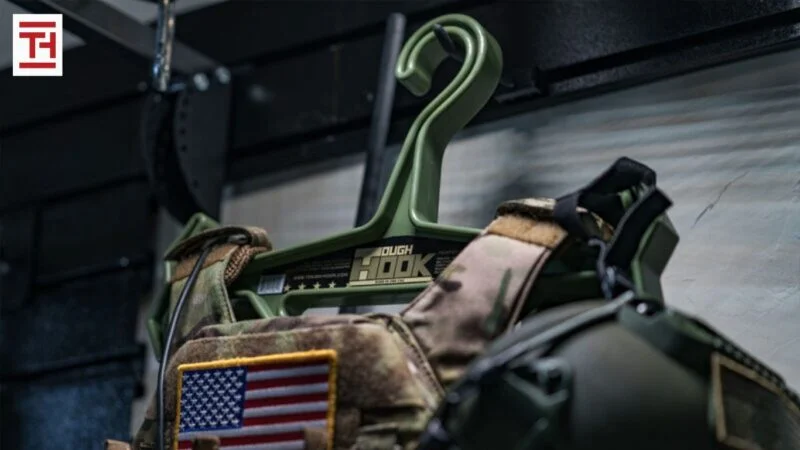
Outerwear and Insulated Jackets: Always wash technical shells and down jackets according to the manufacturer’s instructions. Use a technical wash rather than standard detergent to preserve the Durable Water Repellent (DWR) coating. Once clean, never store high-loft items in compression sacks. Constant compression breaks down the feathers or synthetic fibers, permanently reducing the garment’s ability to trap heat. Instead, hang these items on heavy-duty hangers that can support the weight of wet or bulky materials without warping.
-
Ski and Snowboard Hardware: Tuning your equipment before storage is a critical step often overlooked. Apply a thick layer of storage wax to the base to prevent the P-tex from drying out and the edges from rusting. Back off the tension on your ski bindings to preserve the life of the internal springs.
-
Boots and Liners: Remove the liners from your ski or snowboard boots to ensure the interior shells are bone dry. Buckle the boots loosely to help them maintain their shape over several months of inactivity.
-
Avalanche Safety Gear: Remove batteries from beacons and shovels to prevent corrosion from leaks. Store your probe in its bag in a vertical position to avoid bending the tension cables.

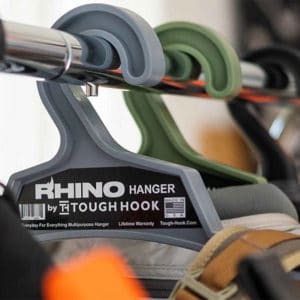

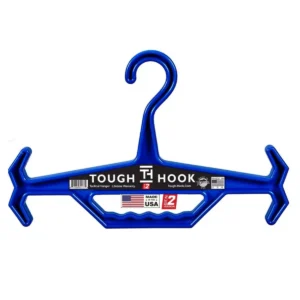

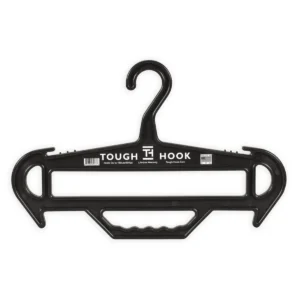

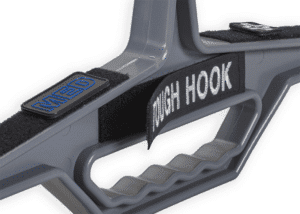
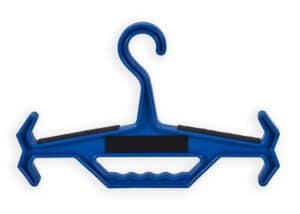
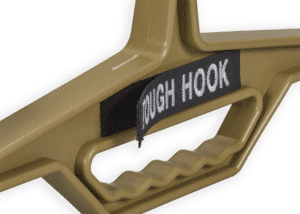
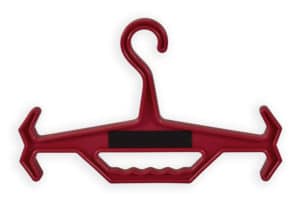
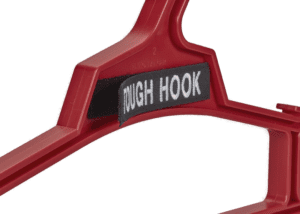
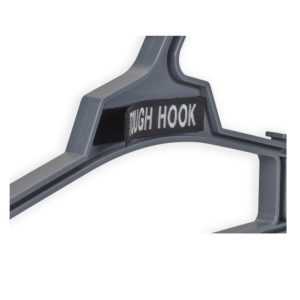
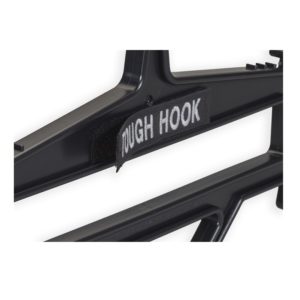


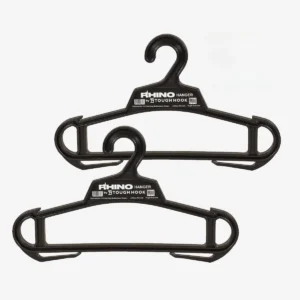
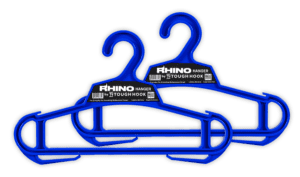
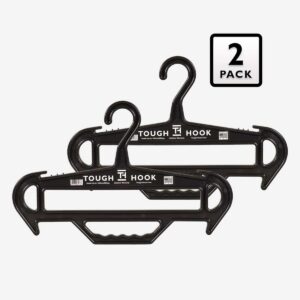
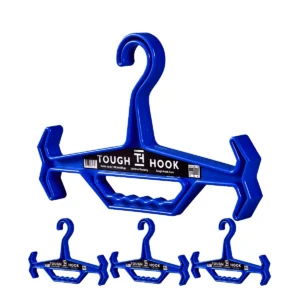
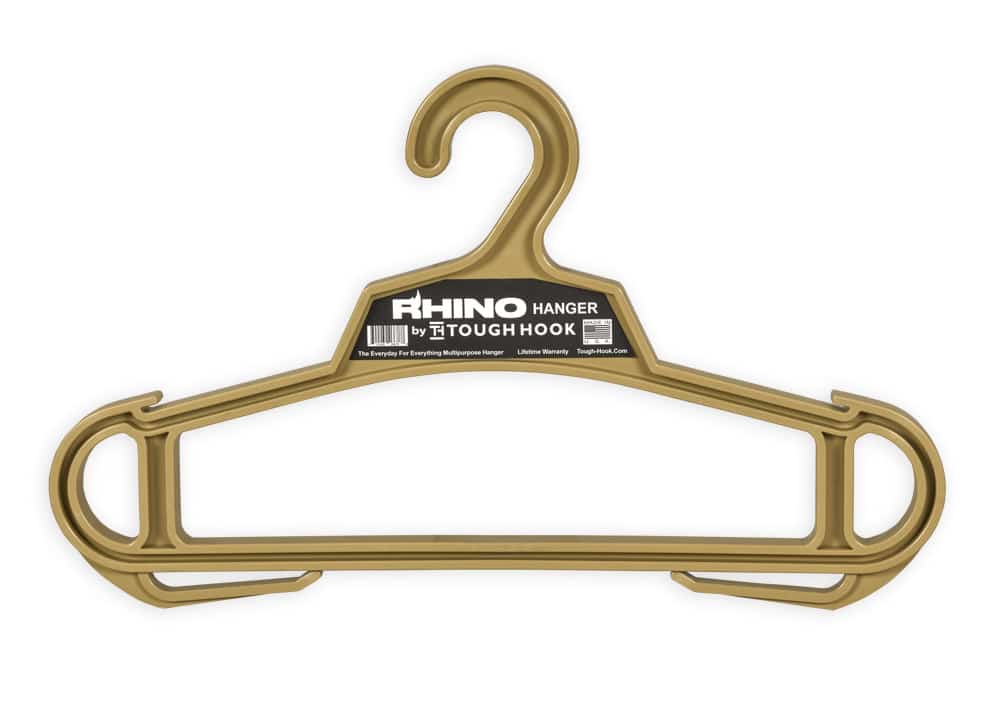
2 Pack RHINO Heavy Duty Clothes Hanger Bundle
Original price was: $27.95.$23.95Current price is: $23.95.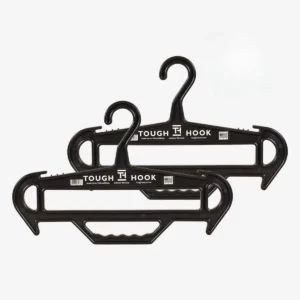
Managing Summer Gear for Longevity
Summer adventures often involve heat, salt, and UV exposure. While summer gear might seem more resilient than heavy winter parkas, the materials used—such as lightweight nylon, rubber, and neoprene—are susceptible to dry rot and UV degradation if stored improperly.
-
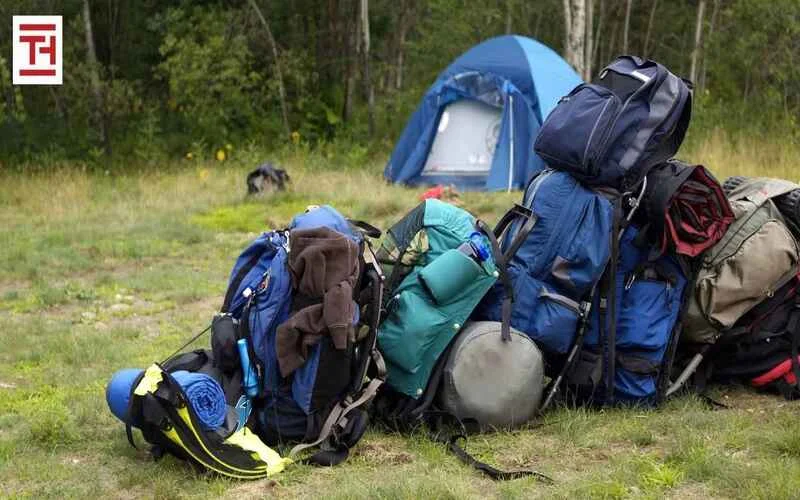
Tents and Sleeping Bags: Never store a tent while it is even slightly damp. A single drop of water can ruin a high-end tent with mildew in a matter of weeks. Like winter sleeping bags, summer bags should be stored loose in a large cotton storage sack or hung up.
-
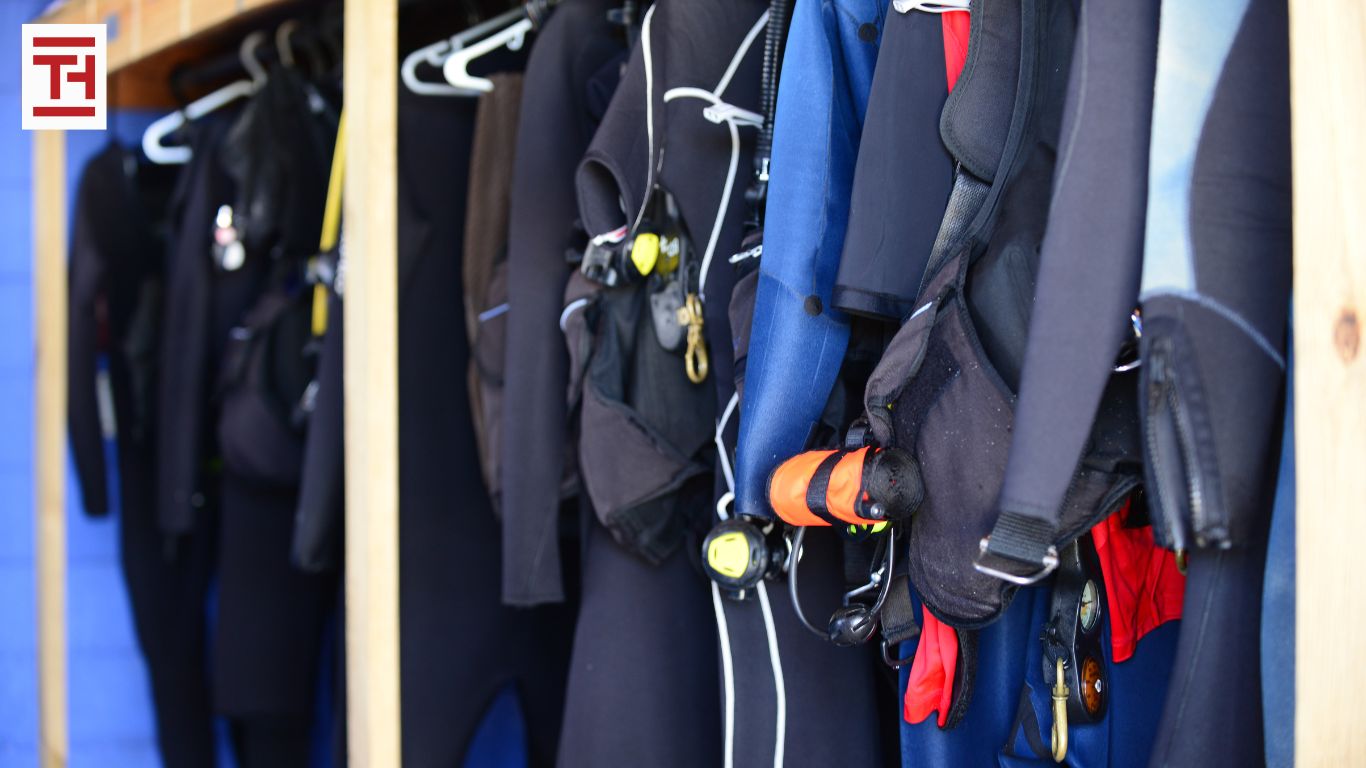
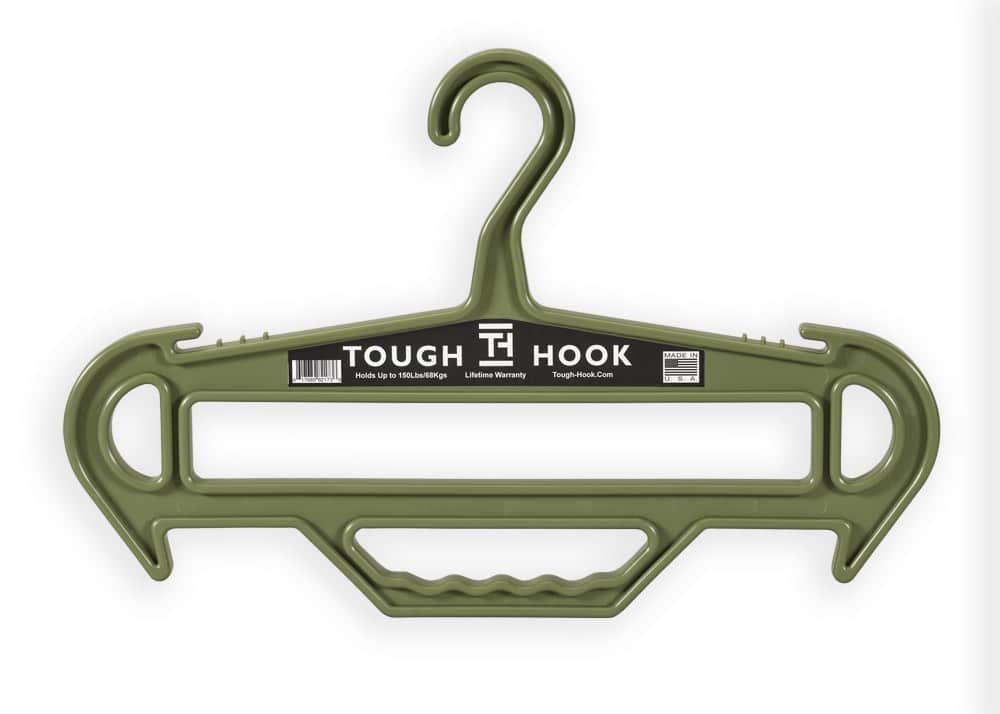
Water Sports Equipment: Wetsuits, life jackets, and drysuits require specific care. Rinse them thoroughly with fresh water to remove salt and chlorine. These items are heavy and can be easily damaged by thin, plastic hangers that create “shoulder bumps” or tear the neoprene. Using a Tough Hook hanger is essential here, as it is designed to handle the substantial weight of wet tactical or scuba gear without compromising the material’s shape.
-
Climbing Gear: Inspect your ropes and harnesses for any signs of fraying or chemical exposure. Store climbing soft goods in a cool, dark, and dry place, away from any household chemicals or direct sunlight, which can weaken the nylon fibers.
-
Hydration Bladders: Clean bladders with a mixture of baking soda and water. Ensure they are completely dry before sealing them, or store them in the freezer to prevent bacterial growth.
The Role of Heavy-Duty Support
The biggest mistake outdoor enthusiasts make is treating their high-performance gear like everyday clothing. Standard residential hangers are designed for shirts and light jackets; they are not engineered for a twenty-pound suit of body armor, a soaked wetsuit, or a heavy winter parka.
-
Structural Integrity: Heavy gear puts immense stress on the shoulder area of a garment. A flimsy hanger will bend, causing the garment to misshape or the fabric to stretch and thin over time.
-
Airflow Management: Gear that is hung up allows for better air circulation than gear shoved into plastic bins. Airflow is the best defense against the “musty” smell that often plagues seasonal equipment.
-
Organization Efficiency: Using a dedicated, heavy-duty hanger allows you to keep your kits together. You can hang a vest, jacket, and accessories on a single Tough Hook, making your transition between seasons seamless.
-
Durability of Tools: High-quality hangers are an investment in your investment. By choosing a hanger that is virtually indestructible, you ensure that your gear remains off the floor and away from pests or damp concrete.
Optimizing Your Storage Environment
Where you store your gear is just as important as how you store it. While garages and attics are convenient, they are prone to extreme temperature fluctuations and humidity.
-
Climate Control: Whenever possible, store your gear in a climate-controlled environment. Drastic heat can degrade the adhesives in hiking boots and the waterproof membranes in technical shells.
-
Light Exposure: UV rays are destructive. Even if you are storing gear indoors, keep it away from windows. Prolonged exposure to sunlight can bleach fabrics and weaken the molecular bonds in plastics and rubbers.
-
Pest Prevention: Use airtight bins for soft goods that cannot be hung. For items that are hanging, ensure the storage area is clean and clear of moths or rodents that might find your down insulation to be excellent nesting material.
-
Accessibility: Store your “transition” gear in a place that is easy to reach. As the seasons begin to blend, having your mid-weight layers easily accessible on a sturdy hook prevents you from having to dig through deep storage during a surprise cold snap or early spring heatwave.
Final Inspection and Maintenance
Before you close the door on your seasonal gear, perform one final audit. Check for broken zippers, missing buttons, or small tears. It is much easier to send a jacket in for repair during the off-season than it is to realize it is broken on the first day of your next trip.
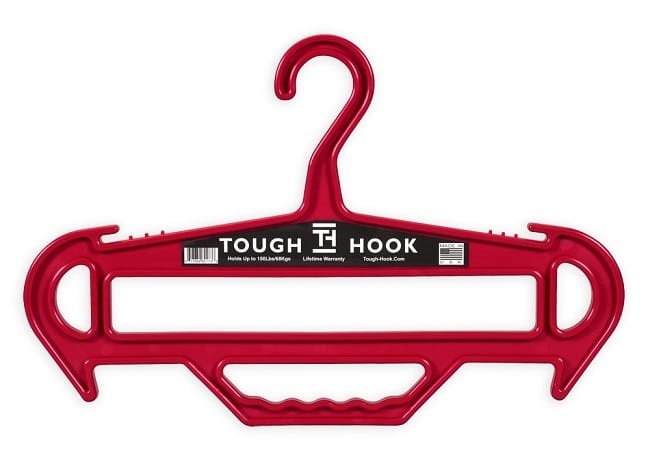
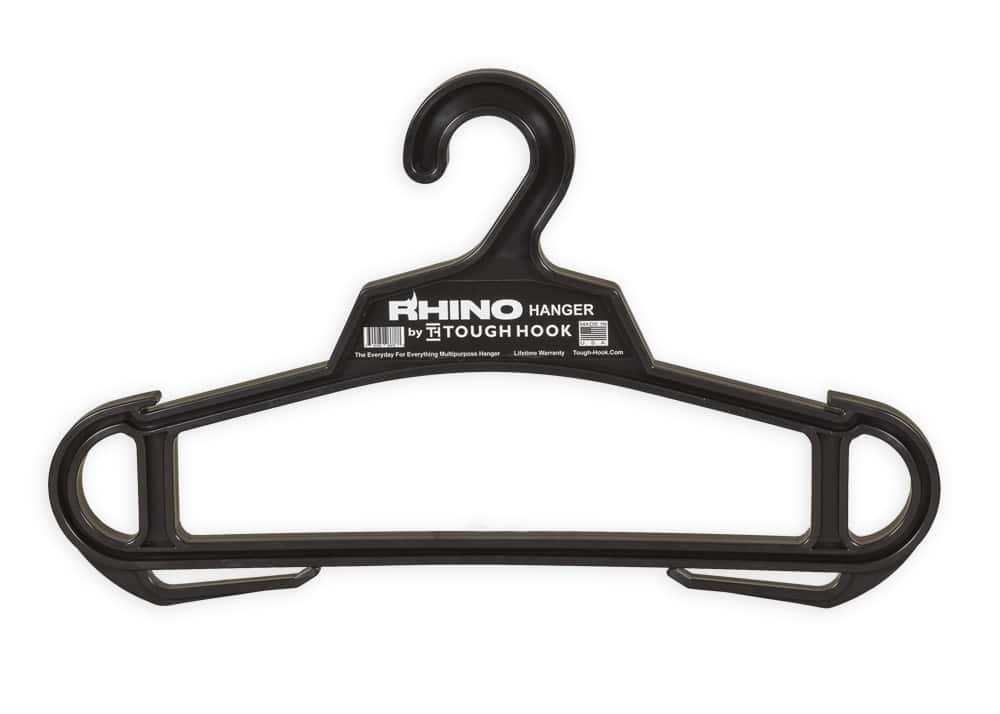
Properly storing your equipment is a mark of a true professional. It shows respect for the tools that keep you safe and comfortable in the wild. By utilizing the right techniques and heavy-duty hardware like Tough Hook hangers, you ensure that your gear survives the “off-season” in peak condition. Whether you are a diver, a skier, or a tactical professional, your equipment is an extension of yourself. Give it the support it deserves, and it will support you when you are miles away from civilization. Taking these steps now saves time, money, and potentially your life during your next adventure.