Professional operators, first responders, and outdoor enthusiasts often invest thousands of dollars in high-performance equipment. Whether it is a ballistic vest, a heavy-duty wetsuit, or specialized fire-retardant turnouts, the integrity of this gear is not just a matter of convenience; it is a matter of safety. However, many individuals overlook the most critical phase of gear management: storage. The way equipment is stored between uses determines its structural longevity and its ability to perform under pressure. Understanding the science of gear preservation requires a deep dive into how shape, weight distribution, and material science interact with environmental stressors.
The Mechanical Stress of Improper Weight Distribution
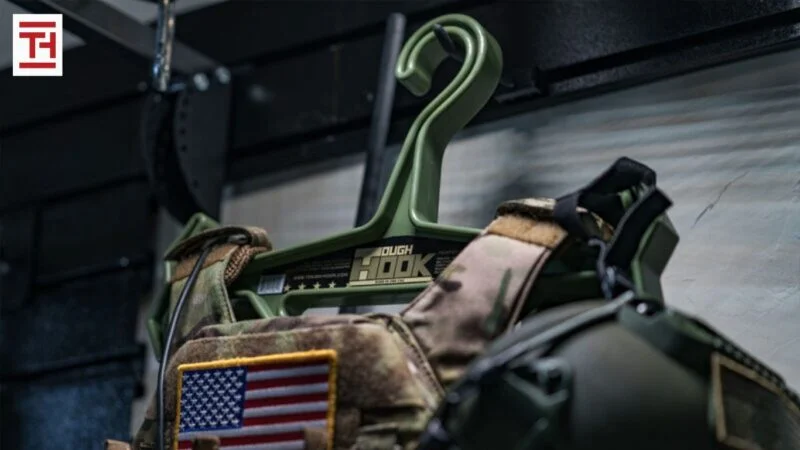
When heavy equipment is hung on a standard consumer-grade hanger, a concentrated point of failure is created. Most retail hangers are designed for lightweight garments like shirts or light jackets. When subjected to the 20 to 50 pounds of a fully loaded plate carrier or a soaked drysuit, these hangers flex and eventually snap. More importantly, the gear itself suffers.
The physics of “creep” or cold flow is a significant concern in gear preservation. This occurs when a solid material moves slowly or deforms permanently under the influence of persistent mechanical stresses. If a heavy vest is hung on a thin hanger, the entire weight of the unit is concentrated on two narrow points at the shoulders. Over time, this constant pressure causes the internal fibers of the gear to stretch and thin out.
-
Stress Concentration: Narrow hangers create high-pressure points that can tear through inner linings.
-
Tensile Strain: Constant downward pull on heavy fabrics can permanently alter the fit of the equipment.
-
Hardware Fatigue: Buckles and adjustment straps can become warped if the weight is not supported evenly across the frame.
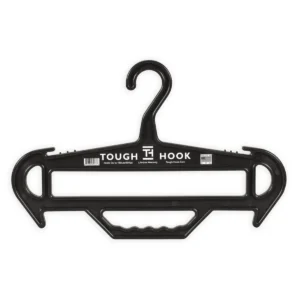
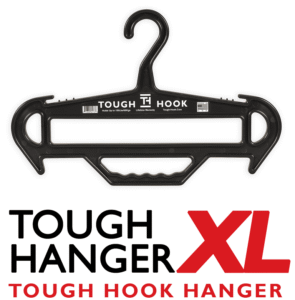
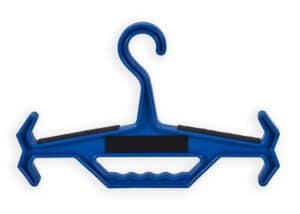
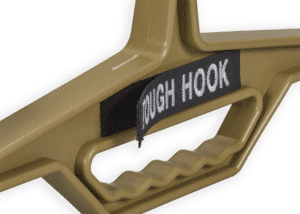
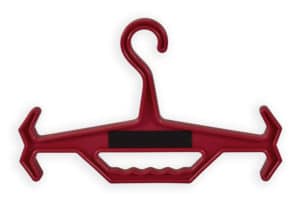
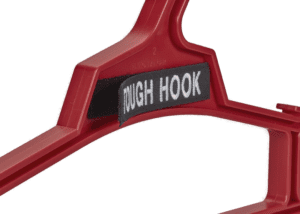
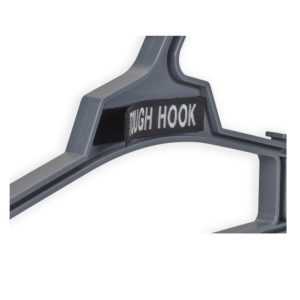
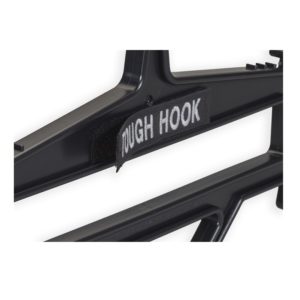
To combat these physical forces, it is essential to use a support system designed for high-load capacities. Tough Hook hangers are engineered to handle the extreme weight of tactical and industrial gear, ensuring that the hanger itself does not become the weak link in your equipment’s lifecycle.

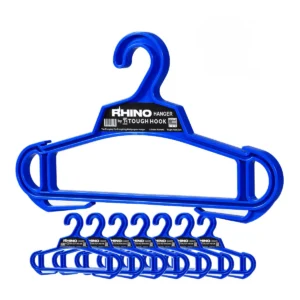
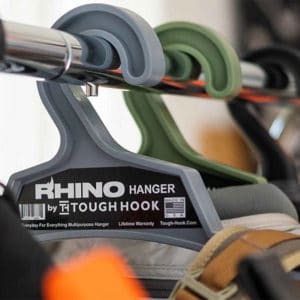

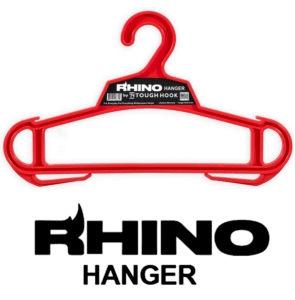
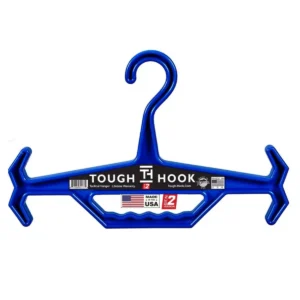



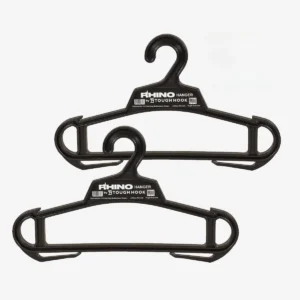
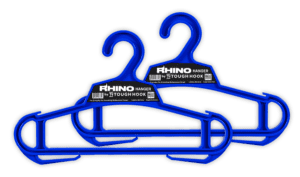
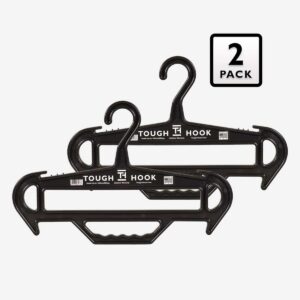
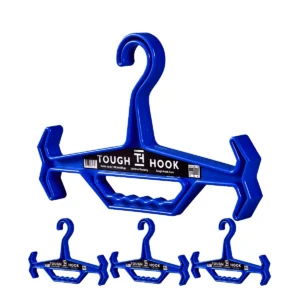
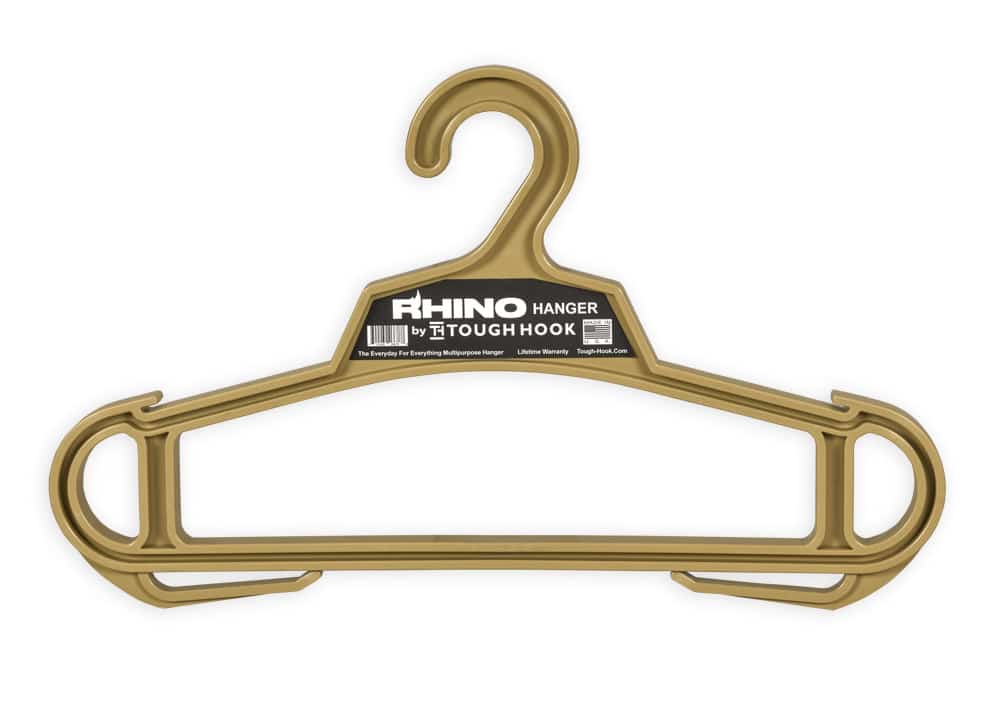
2 Pack RHINO Heavy Duty Clothes Hanger Bundle
Original price was: $27.95.$23.95Current price is: $23.95.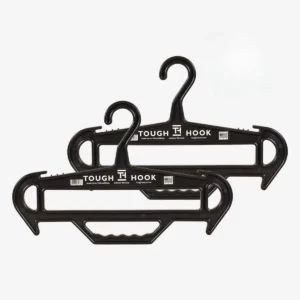
Preserving the Anatomical Shape of High-Performance Gear
The shape of your gear is not just for aesthetics; it is designed to fit the human body and provide maximum protection or utility. When gear loses its shape, its functionality is compromised. For example, a ballistic vest must sit perfectly against the torso to ensure that the armor plates cover the vital organs correctly. If the shoulder straps are stretched or the carrier is bunched during storage, the plates may shift, leaving the user vulnerable.
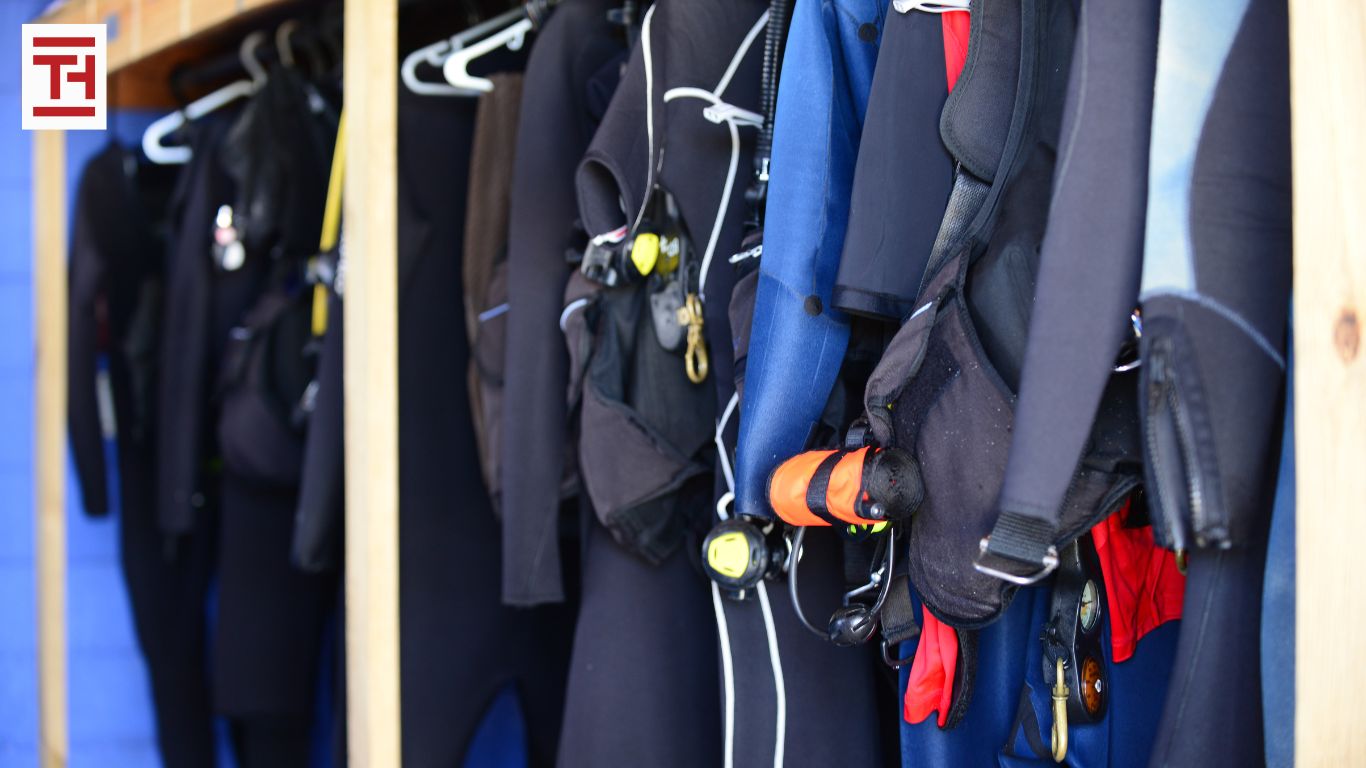
Shape retention is particularly vital for equipment made of molded or stiffened materials. Scuba gear, heavy leather motorcycle suits, and chemical suits often have pre-formed shapes. Storing these items flat can cause creases that eventually become cracks. Conversely, hanging them on inadequate supports causes the “shoulder bump” phenomenon, where the material deforms to the shape of the hanger.
-
Airflow Cavity: Maintaining the open shape of a garment allows for internal air circulation.
-
Structural Alignment: Keeping the shoulders of a suit or vest wide prevents the front and back panels from compressing together.
-
Load Distribution: A wider hanger frame mimics the human shoulder, spreading the weight across a larger surface area to prevent sagging.
By utilizing specialized hangers from Tough Hook, users can maintain the original silhouette of their equipment. This ensures that every time the gear is donned, it fits exactly as the manufacturer intended, providing the necessary range of motion and protection.
Material Science and Environmental Degradation
The materials used in modern gear—such as Cordura, Kevlar, neoprene, and high-density polymers—are incredibly durable but are still susceptible to environmental degradation. The two primary enemies of these materials are moisture and UV exposure.
Moisture is the most immediate threat. After a long shift or an outdoor excursion, gear is often damp with sweat, rain, or lake water. If this moisture is trapped in the folds of a collapsed garment, it creates a breeding ground for mold and mildew. These biological agents do more than just create a foul odor; they can actually digest the organic or synthetic fibers of the gear, leading to catastrophic material failure.
-
Hydrolysis: Some synthetic coatings can break down chemically when exposed to prolonged moisture.
-
Microbial Growth: Mold can penetrate deep into foam padding and fabric weaves, making it nearly impossible to fully sanitize.
-
Oxidation: Metal components, such as zippers and D-rings, are prone to corrosion if the surrounding fabric remains wet.
Effective preservation requires an environment where moisture can evaporate quickly. This is achieved by hanging gear in a way that maximizes surface area exposure. When equipment is hung properly on a heavy-duty hanger, it stays open, allowing air to pass through the interior and exterior surfaces simultaneously.
The Role of Specialized Equipment in Longevity
The transition from “storage” to “preservation” happens when you choose tools designed for the specific needs of your gear. Using a Tough Hook is a deliberate decision to extend the life of your investment. These hangers are constructed from high-impact resins that are resistant to the elements, meaning they will not corrode or degrade even in harsh environments like locker rooms, garages, or mobile command units.
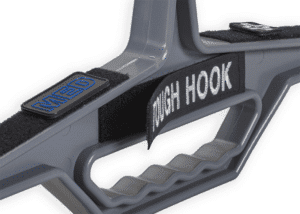
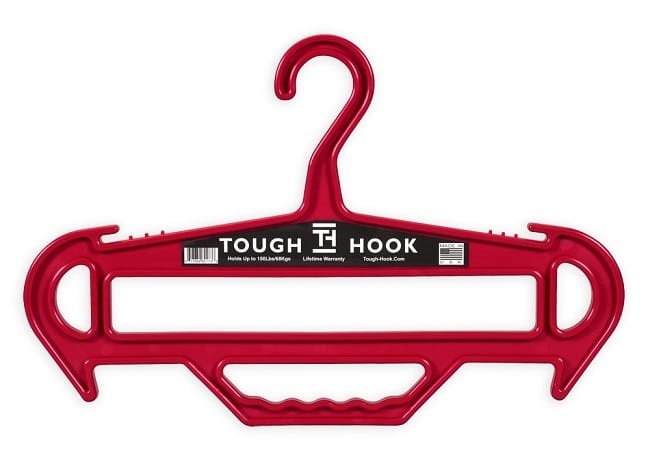
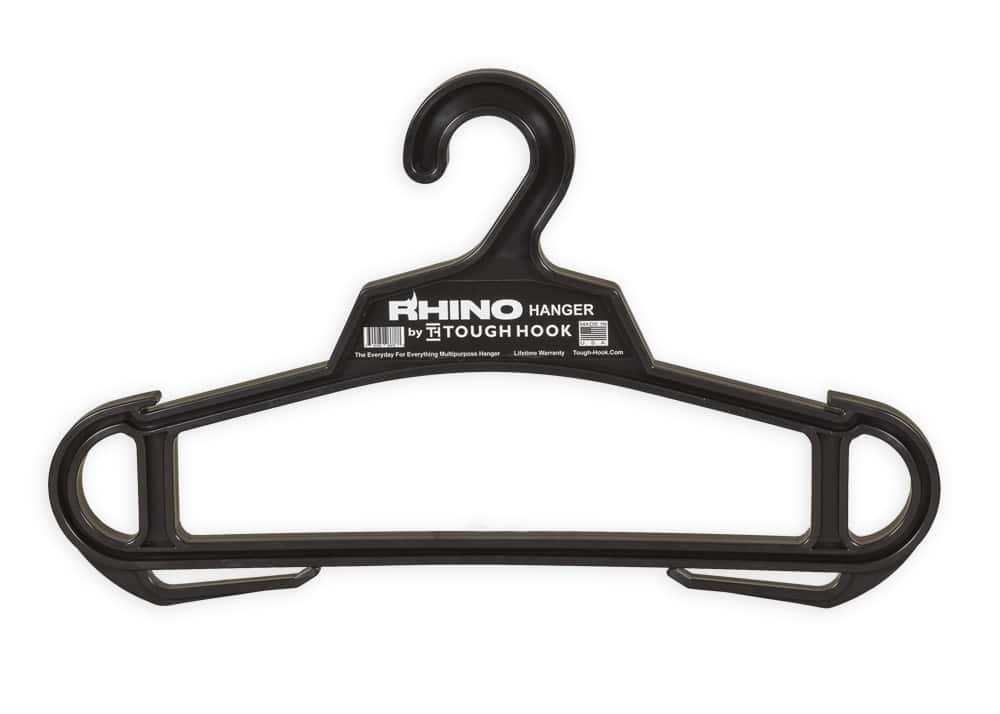
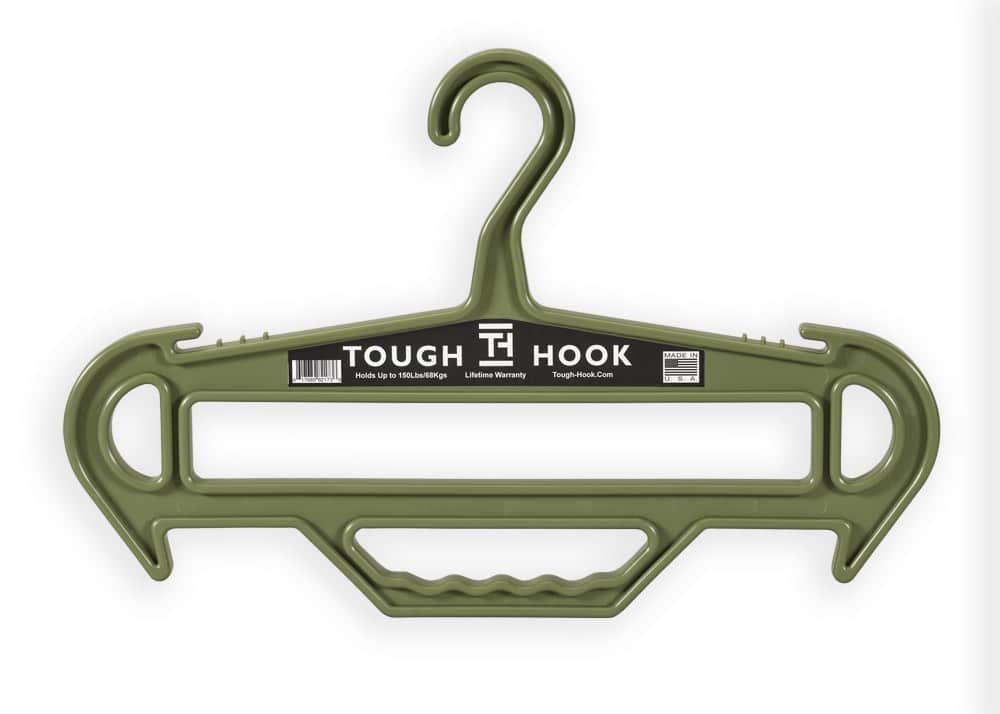
Furthermore, the design of a specialized hanger often includes features that traditional hangers lack. For instance, the ability to flip the hanger over and use it as a carry handle is a functional innovation that reduces the need to manhandle the gear itself. Frequent gripping and pulling on the fabric of a vest or suit can cause “fabric fatigue” over time. Using an integrated handle allows for the safe transport of heavy loads without putting stress on the garment’s seams.
-
Chemical Resistance: High-quality hangers are often resistant to oils and cleaning agents.
-
Impact Durability: Specialized hangers can withstand being dropped or tossed into a trunk without breaking.
-
Integrated Utility: Features like grip-tabs prevent gear from sliding off, even if the storage area is in motion, such as in a vehicle or boat.
A Strategic Approach to Gear Care
The science of gear preservation is a combination of physics and chemistry. By managing the physical forces of weight and shape, and by controlling the chemical risks of moisture and material breakdown, you can significantly extend the usable life of your professional equipment. It is far more cost-effective to invest in a superior hanging system than it is to replace a piece of damaged or degraded gear that failed because of poor storage habits.
Properly maintained gear is more comfortable, more reliable, and safer. Whether you are a police officer, a diver, or a dedicated hiker, your equipment is an extension of your capabilities. Treat it with the respect it deserves by using a Tough Hook to ensure it is always ready for the next mission.