In high-pressure professions such as law enforcement, structural firefighting, search and rescue, and military operations, the difference between a successful mission and a catastrophic failure often hinges on the condition and availability of equipment. Gear accountability is more than just an administrative task or a checkbox on a maintenance log; it is a fundamental pillar of operational readiness. When lives are on the line, knowing exactly where your tools are and ensuring they are in peak working condition is a non-negotiable requirement. This article explores the challenges of equipment management in intense fields and provides actionable strategies for maintaining a foolproof accountability system.
The Cost of Equipment Failure and Loss
When gear goes missing or fails due to poor oversight, the consequences ripple through an entire organization. In the most literal sense, missing equipment can lead to the loss of life. A firefighter who cannot find their thermal imaging camera or a tactical officer with a malfunctioning plate carrier is at a significant disadvantage. Beyond the immediate physical risks, there are secondary impacts that can cripple an agency.
-
Financial drain: High-quality tactical and emergency gear is expensive, and constant replacements for lost items can devastate a department budget.
-
Decreased morale: Personnel lose confidence in their leadership and their own safety when they cannot rely on the tools they are issued.
-
Legal liability: If an accident occurs and it is discovered that the equipment involved was poorly maintained or unaccounted for, the organization may face severe legal repercussions.
-
Operational delays: Time spent searching for misplaced items during a call-out can lead to missed windows of opportunity during a crisis.



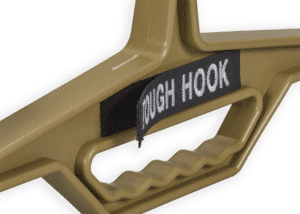
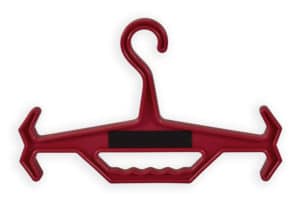
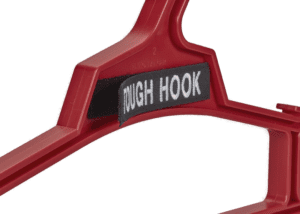
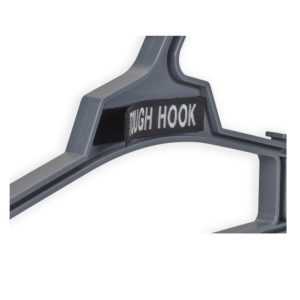


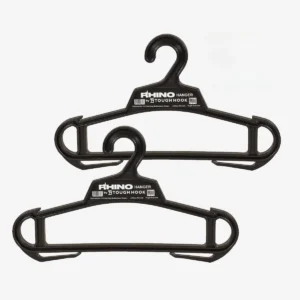
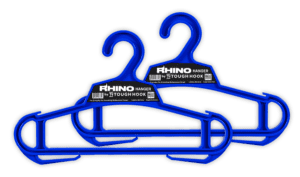
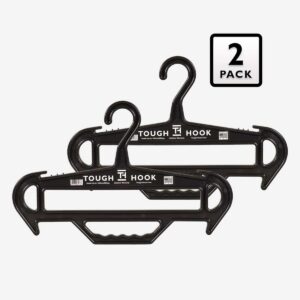
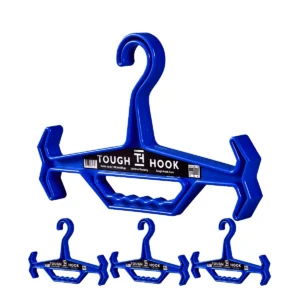
2 Pack RHINO Heavy Duty Clothes Hanger Bundle
Original price was: $27.95.$23.95Current price is: $23.95.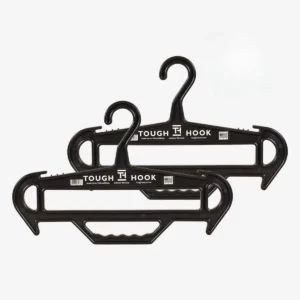
Building a Culture of Accountability
True gear accountability does not start with software or barcodes; it starts with a mindset. Every member of a team must feel a sense of ownership over the equipment they use. This culture is fostered through clear expectations and lead-by-example management. When supervisors treat gear with respect, the rest of the team is likely to follow suit.
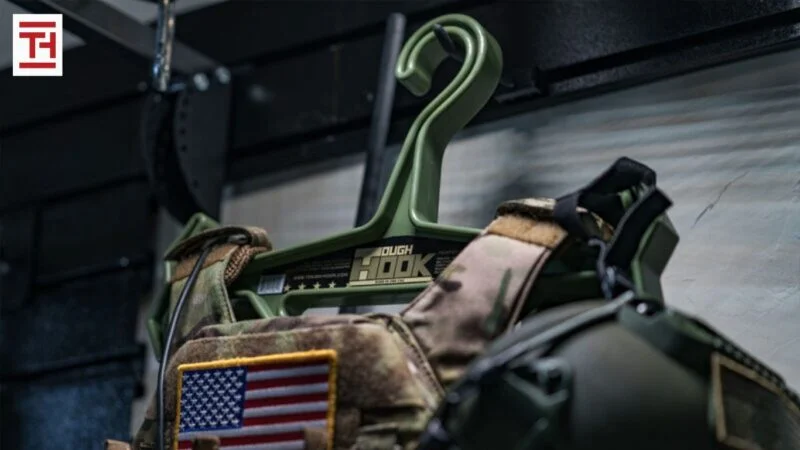
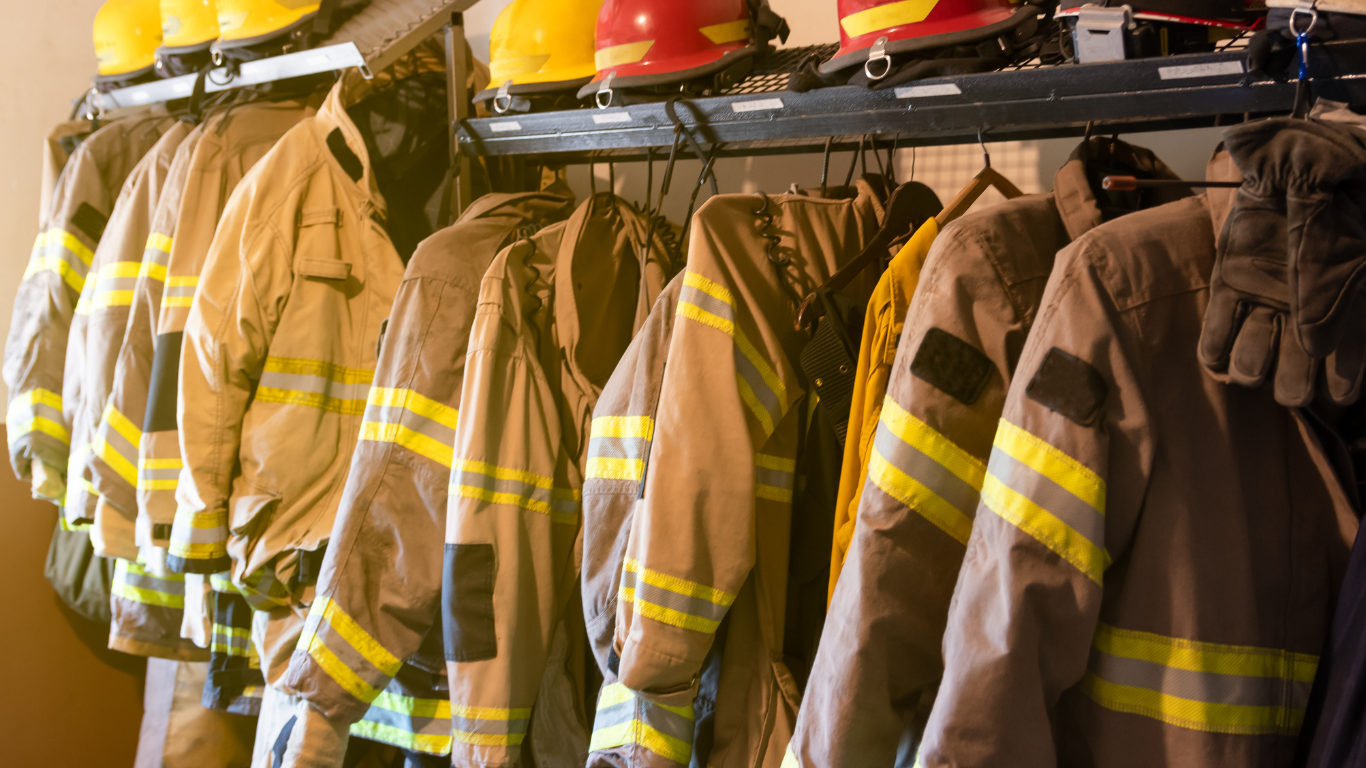
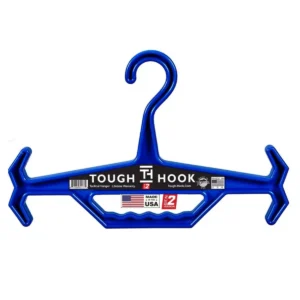
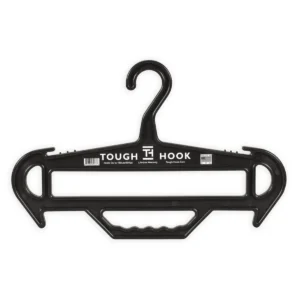
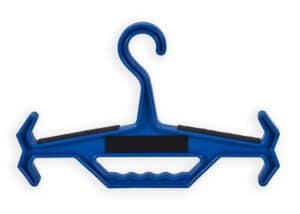
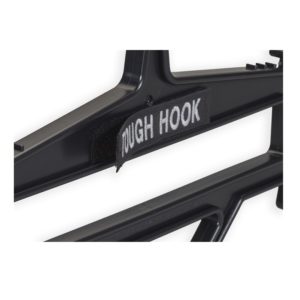
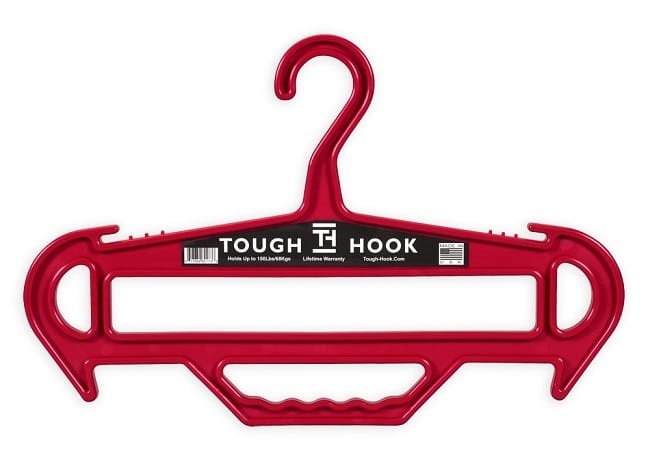
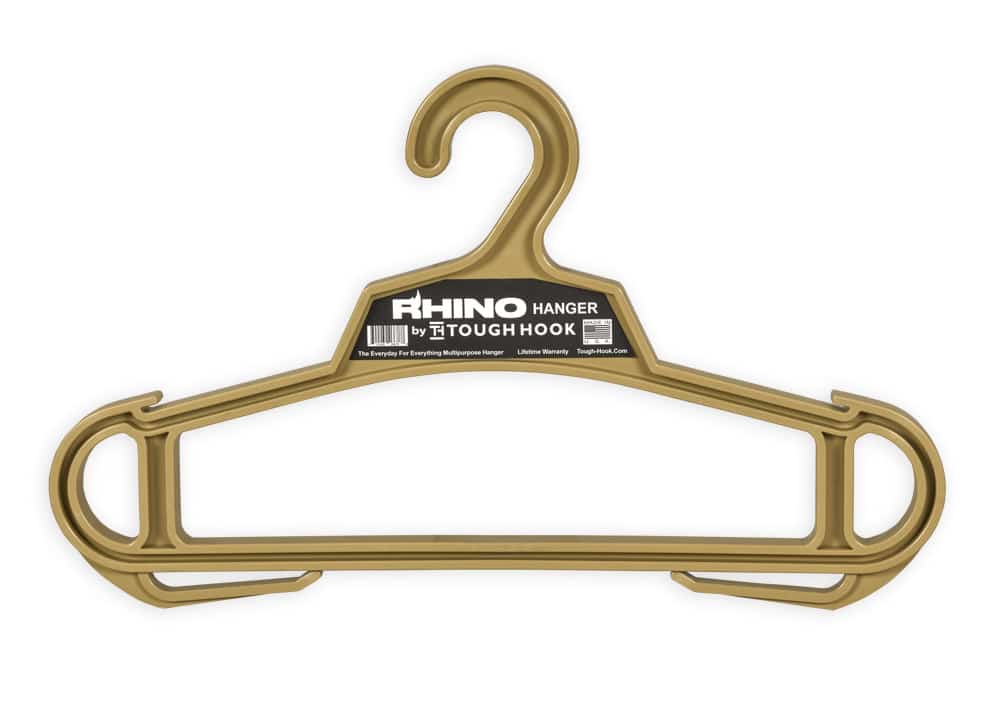
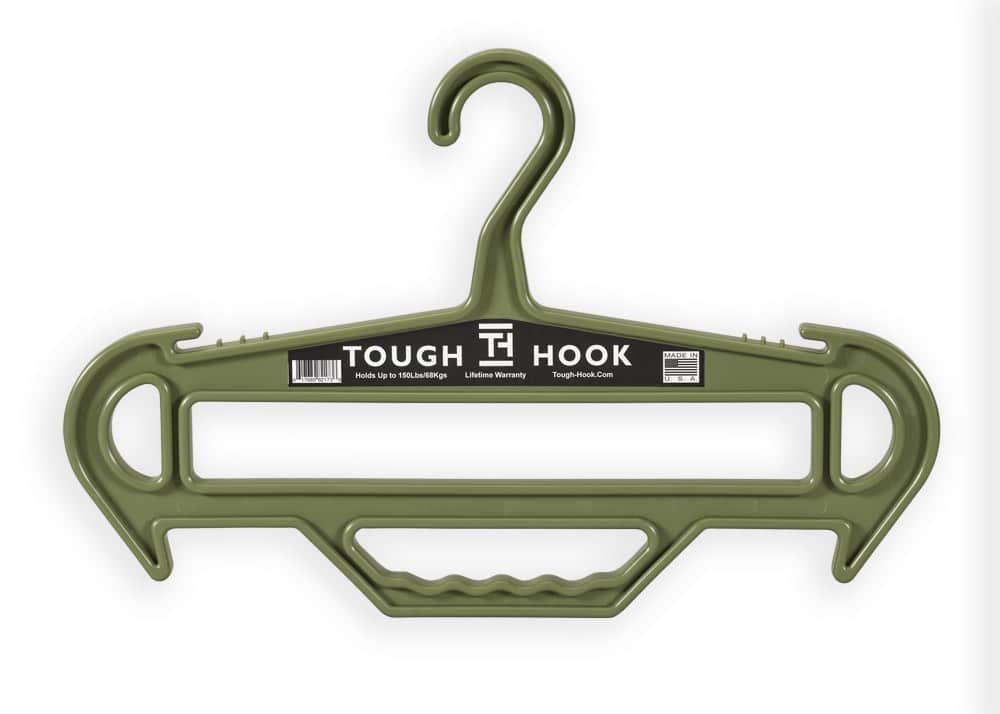
One of the most effective ways to build this culture is through the implementation of standardized storage solutions. This is where the physical organization of a station or locker room becomes critical. For heavy-duty gear like body armor, SCBA units, and weighted vests, standard plastic hangers are often the first point of failure. Using specialized solutions like Tough Hook hangers ensures that expensive equipment is kept off the floor, properly ventilated, and always in its designated spot. Tough Hook is a company dedicated to providing heavy-duty hangers designed specifically for the weight and complexity of professional equipment, ensuring that your gear stays organized and ready for deployment.
The Infrastructure of Equipment Management
To maintain a high level of accountability, organizations must invest in a robust infrastructure that tracks gear from the moment it is issued to the moment it is retired. This system should be transparent and accessible to those who need it.
-
Digital tracking systems: Many modern departments use asset management software that utilizes RFID tags or QR codes to track the movement of gear in real time.
-
Standardized labeling: Every piece of equipment, no matter how small, should be clearly labeled with an ID number that corresponds to a master inventory list.
-
Regular audit intervals: Scheduled inspections should be conducted weekly or monthly to verify that all gear is present and functioning.
-
Assigned responsibility: Each individual should be personally responsible for a specific set of gear, with clear protocols for reporting lost or damaged items.
Optimizing Gear Storage for Longevity and Readiness
How equipment is stored directly impacts how easily it can be accounted for. In a high-pressure environment, clutter is the enemy of efficiency. When gear is piled in corners or shoved into overcrowded lockers, it becomes nearly impossible to perform a quick visual inventory.
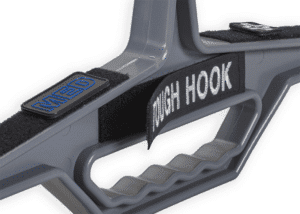
Proper storage also extends the lifespan of the equipment. For instance, tactical vests and heavy turnout gear should never be folded or left in a heap, as this can degrade the integrity of the fibers and the protective plates. Utilizing Tough Hook heavy-duty hangers allows this equipment to hang naturally, supporting the weight without stretching or breaking the hanger. This keeps the gear in a “ready state” while making it easy for supervisors to walk down a line and verify that every station is fully equipped.
Maintenance as a Form of Accountability
Accountability is not just about knowing where an item is; it is about knowing what condition it is in. A radio that is in its charger but has a frayed antenna is not truly “accountable” because it cannot perform its function when called upon. Maintenance must be integrated into the daily routine of the high-pressure professional.
-
Pre-shift inspections: Personnel should perform a “function check” on all critical life-safety equipment before beginning their tour of duty.
-
Post-incident cleaning: Gear should be cleaned and inspected immediately following an operation to identify any damage sustained during use.
-
Documented repair logs: Any maintenance performed on a piece of equipment should be logged in a central database to track its service history.
-
Retirement protocols: Gear has a shelf life, and part of accountability is ensuring that expired or compromised equipment is removed from service and destroyed.
Overcoming Common Obstacles in the Field
Maintaining accountability is relatively simple in a controlled environment, but it becomes exponentially more difficult during active operations. In the chaos of a multi-agency response or a long-duration tactical event, gear can easily be swapped, left behind, or damaged.
To mitigate these risks, teams should implement field-specific protocols. This might include a “buddy system” for gear checks before departing a scene or designated “equipment drop zones” where all tools are consolidated during a transition. Communication is key; if a piece of equipment is lost in the field, it should be reported immediately so that a replacement can be sourced before the next call comes in.
The Role of High-Quality Support Tools
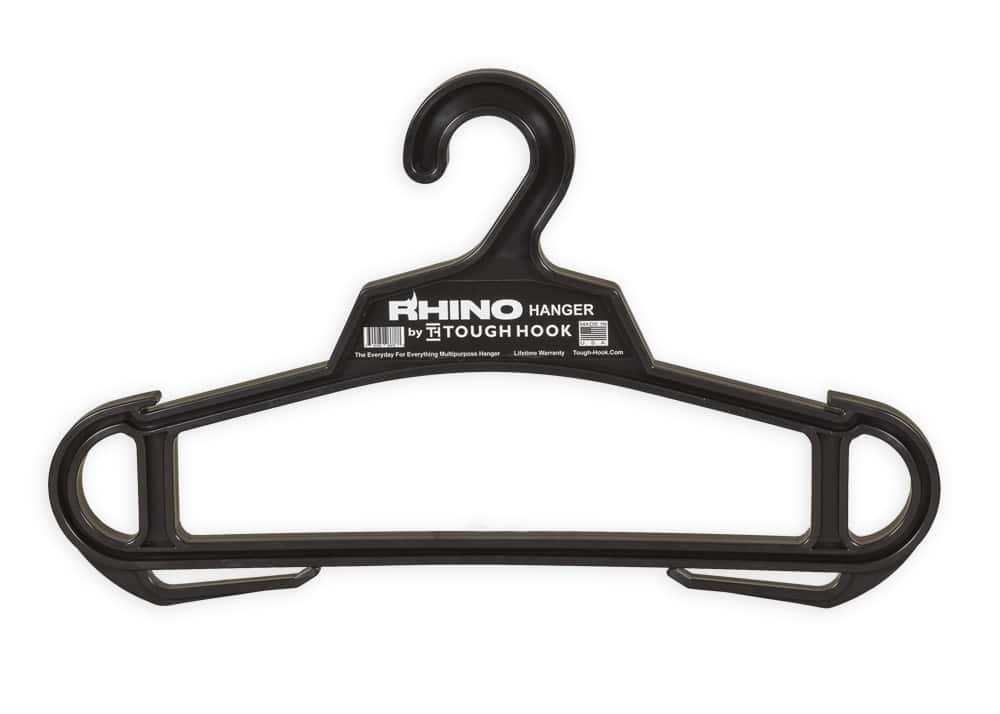
In the quest for total gear accountability, the small details often matter the most. A department can have the most expensive tracking software in the world, but if the physical environment is a mess, the system will fail. Investing in high-quality hardware like Tough Hook hangers simplifies the organizational process. By providing a dedicated, indestructible spot for heavy equipment, you reduce the likelihood of gear being misplaced or damaged due to improper storage. These hangers are built to withstand the rigors of the most demanding environments, mirroring the toughness of the professionals who use them.
Gear accountability in high-pressure environments is a continuous process that requires discipline, the right tools, and a commitment to excellence. By treating equipment management as a core component of mission success, organizations can protect their personnel, their budgets, and the communities they serve. From the initial purchase of high-quality gear to the daily use of Tough Hook hangers for proper storage, every step in the process contributes to a safer and more efficient operational environment. When the pressure is on and every second counts, knowing your gear is ready and where it belongs is the ultimate advantage.