Tactical apparel is engineered to perform under the most grueling conditions imaginable. Whether it is a ballistic vest, a fire-resistant flight suit, or a moisture-wicking combat shirt, these garments are built with advanced textiles designed for protection and utility. However, the very features that make tactical gear effective also make it heavy and structurally complex. Without proper care and storage, the integrity of the fabric can degrade, leading to permanent deformation and a loss of protective capabilities. Maintaining the structural health of tactical uniforms is not merely a matter of aesthetics; it is a critical requirement for operational readiness.
The Mechanics of Fabric Stress and Deformation
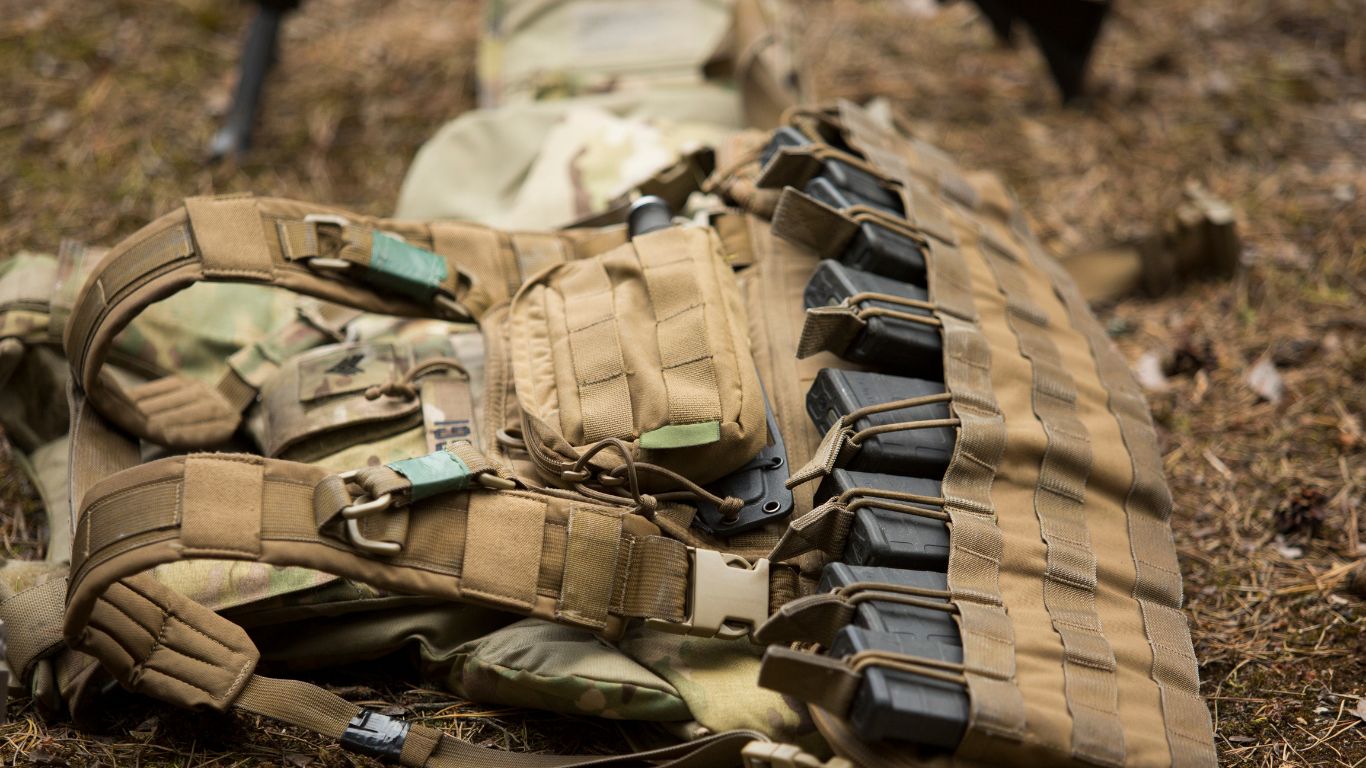
Fabric stress occurs when the fibers of a garment are pulled beyond their natural elastic limit for an extended period. In tactical settings, this is often caused by the sheer weight of integrated armor, loaded pockets, and specialized equipment. When a heavy uniform is hung on a standard wire or plastic hanger, the narrow surface area of the hanger creates localized pressure points. Over time, this leads to several types of structural failure:
-
Fiber Thinning: The constant downward pull on a thin hanger stretches the yarns, making the fabric thinner and more susceptible to tearing.
-
Shoulder Bumping: Inelastic deformation at the shoulder seams creates permanent protrusions that interfere with the fit of the garment.
-
Delamination: For waterproof or flame-resistant treated fabrics, prolonged stretching can cause specialized coatings to crack and peel away.
-
Stitching Strain: The weight of the garment pulls at the seams, eventually weakening the threads and causing the garment to lose its shape or fail entirely.
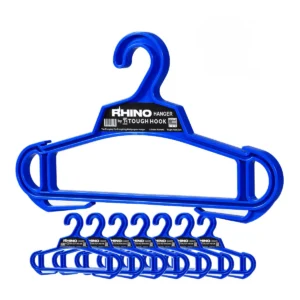
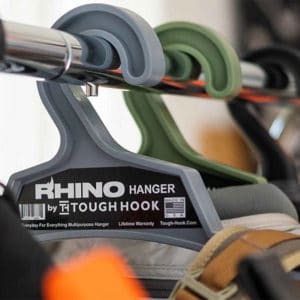

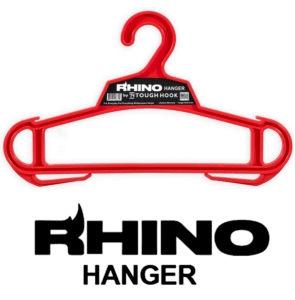
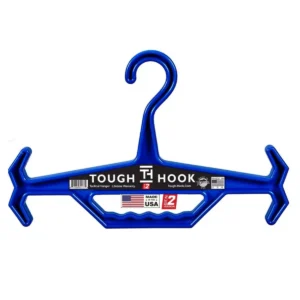
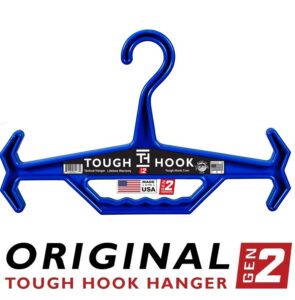
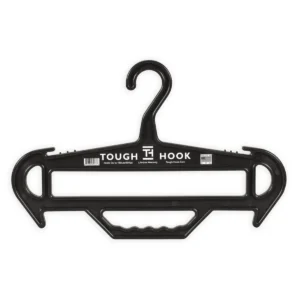
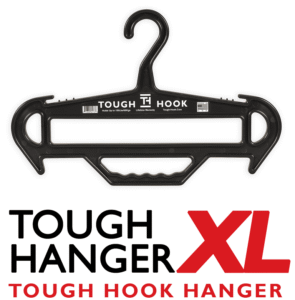
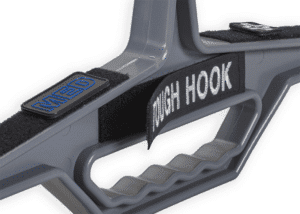
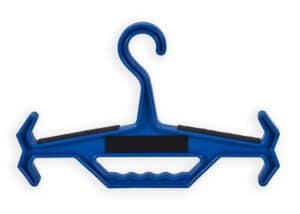
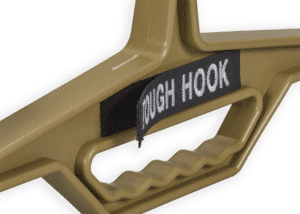
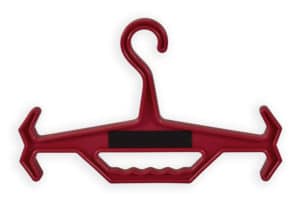
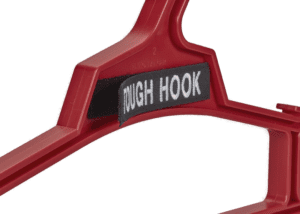
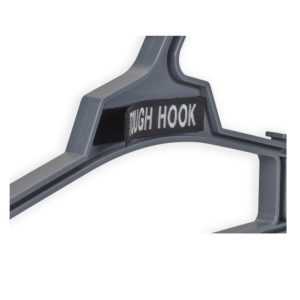
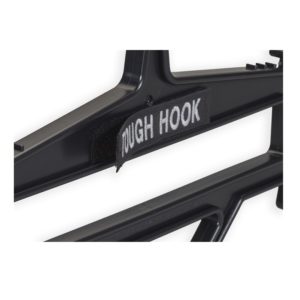


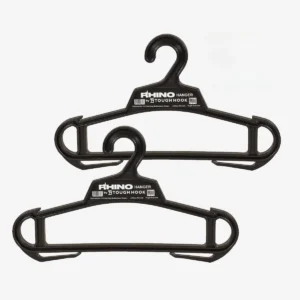
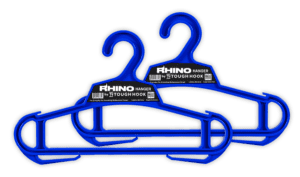
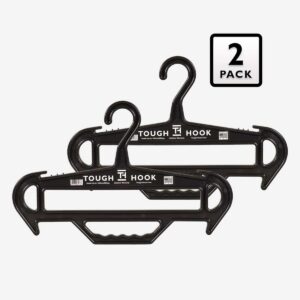
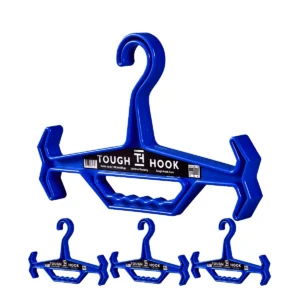
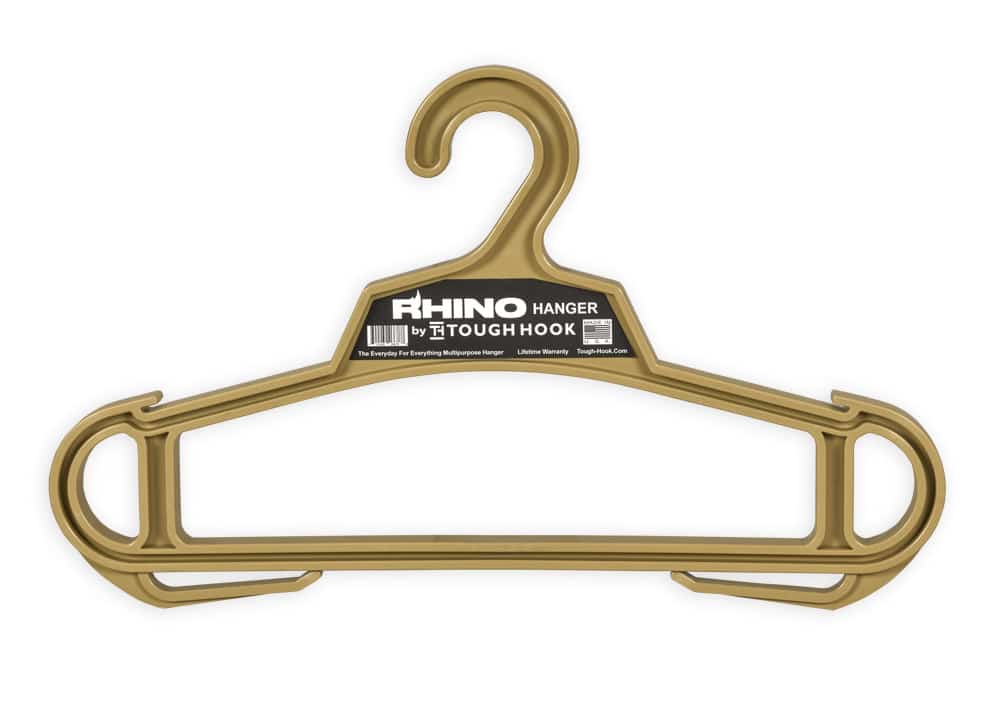
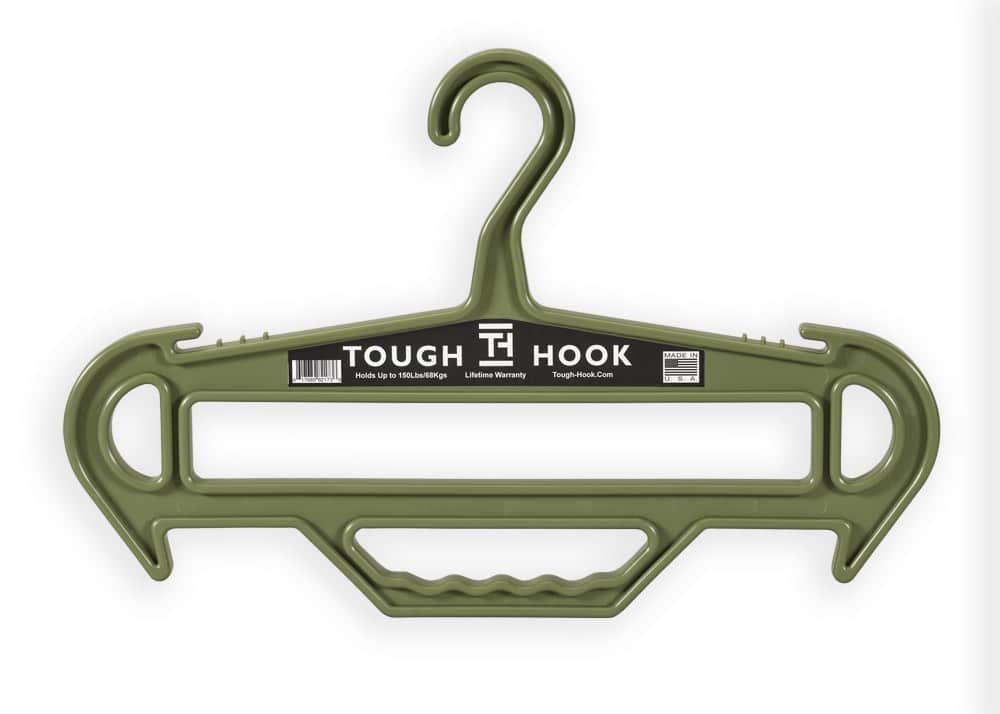
2 Pack RHINO Heavy Duty Clothes Hanger Bundle
Original price was: $27.95.$23.95Current price is: $23.95.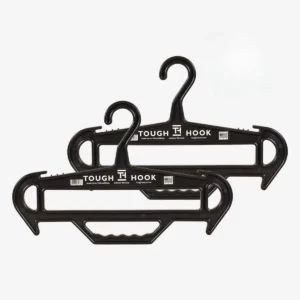
Strategies for Mitigating Fabric Stress
Preventing the degradation of tactical apparel requires a proactive approach to storage and maintenance. Tactical professionals must treat their uniforms as pieces of equipment rather than simple clothing items. By implementing specific care protocols, the lifespan of these high-cost assets can be significantly extended.
-
Utilize Wide-Shouldered Support: A wider base for hanging ensures that the weight of the uniform is distributed across a larger surface area, reducing the risk of fiber stretching.
-
Minimize Load Duration: Whenever possible, remove heavy plates and equipment from the garment before long-term storage to relieve the constant tension on the fabric.
-
Controlled Drying Environments: Never dry tactical apparel in high-heat industrial dryers, as excessive heat can weaken the chemical bonds in synthetic fibers and accelerate deformation.
-
Horizontal Storage for Knits: For extremely heavy knit base layers, storing the items flat can prevent the vertical stretching that occurs when hanging.
The Role of Engineering in Storage Solutions
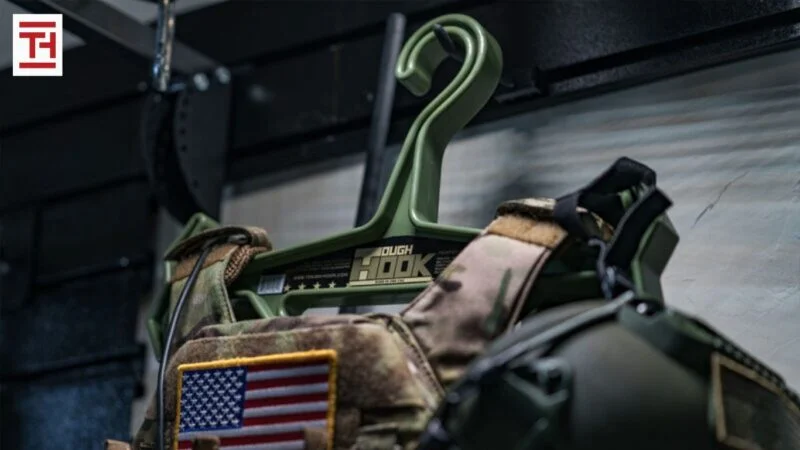
Standard consumer-grade hangers are entirely inadequate for the demands of the tactical industry. A standard plastic hanger is designed to hold a three-ounce cotton shirt, not a twenty-pound plate carrier or a heavy-duty tactical jacket. When a hanger flexes or breaks under load, it creates uneven stress across the garment. This is where specialized equipment becomes a necessity for maintaining uniform integrity.
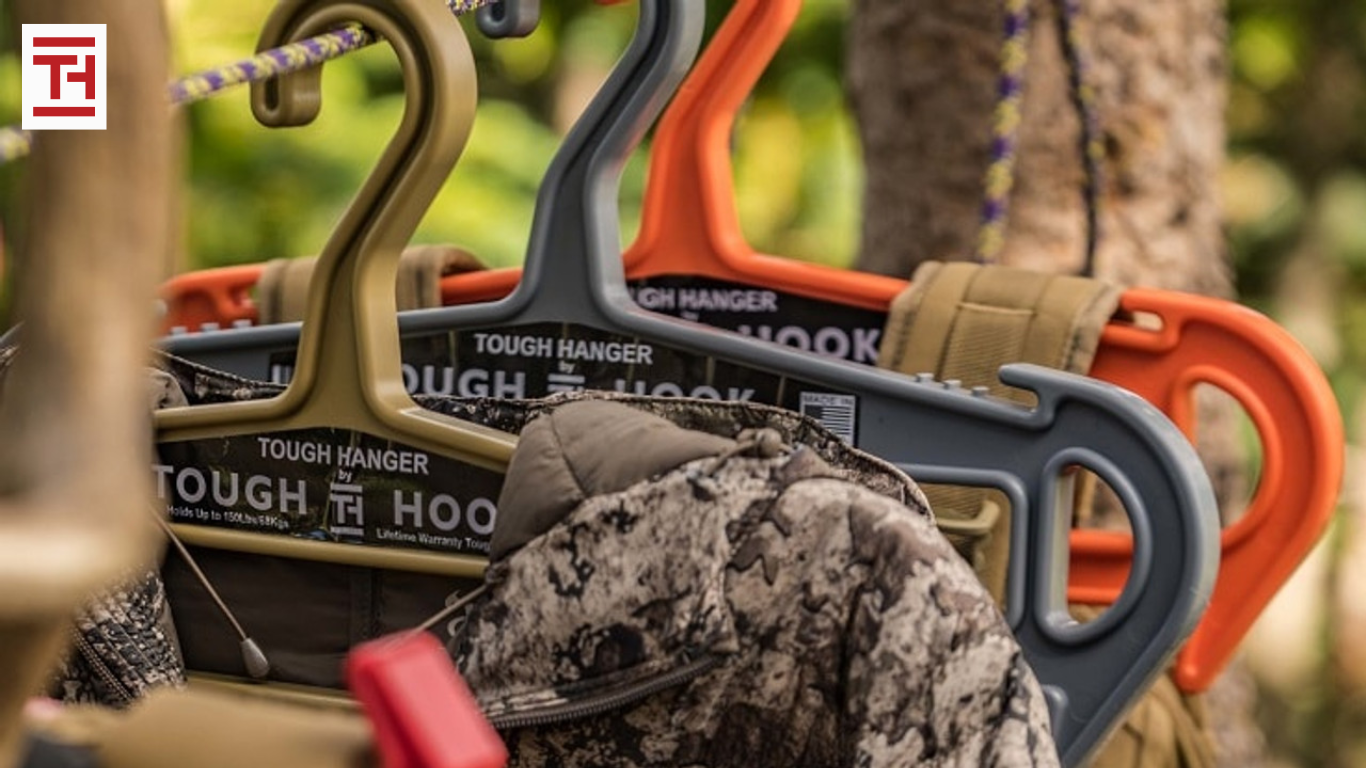
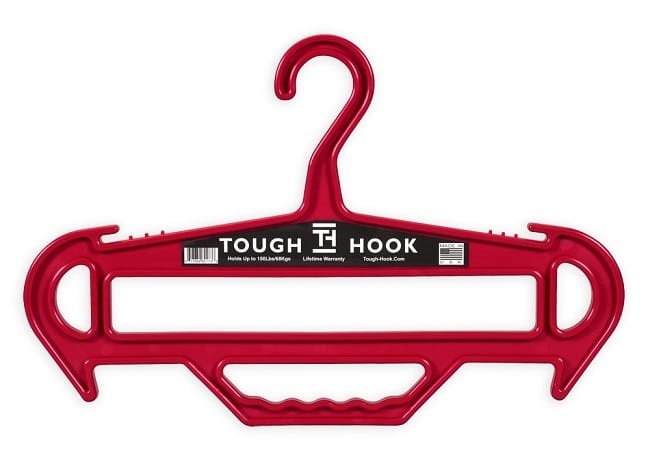
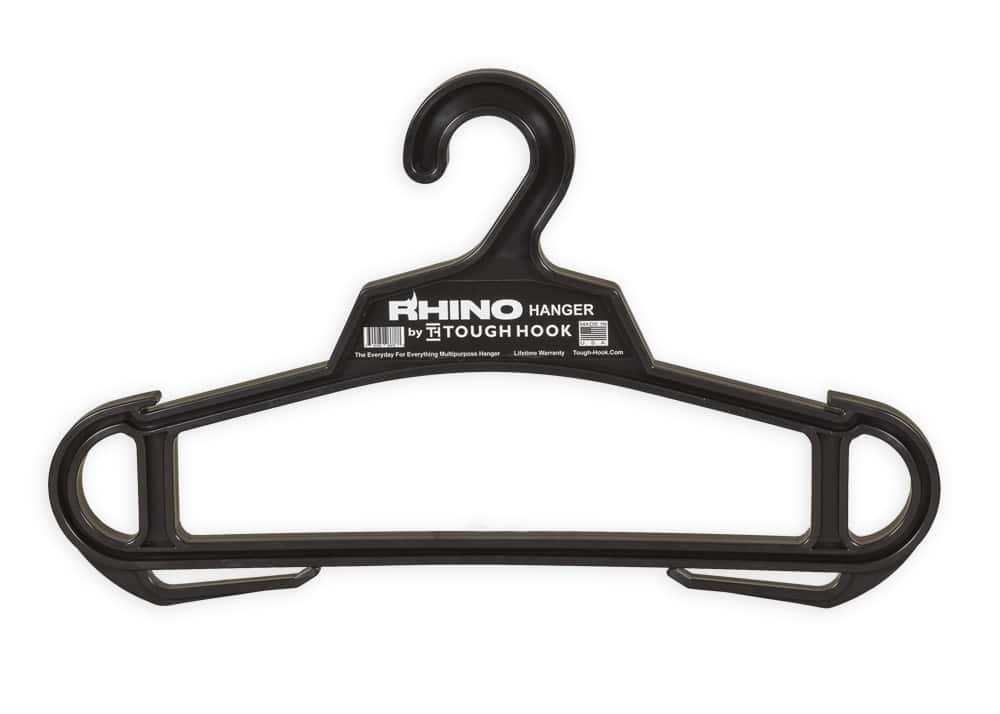
Tough Hook, a clothing and equipment heavy-duty hangers company, has addressed this specific engineering challenge by creating hangers designed for extreme weight capacities. By using high-impact polymers and a reinforced I-beam construction, these hangers provide a stable platform that prevents the sagging and drooping that leads to fabric deformation. The wide-hook design ensures that even the heaviest tactical suits are supported from the inside out, preserving the original silhouette and technical performance of the gear.
Impact of Deformation on Operational Performance
A deformed uniform is more than an eyesore; it is a safety hazard. When tactical apparel loses its shape, the ergonomic benefits designed by the manufacturer are neutralized. This can lead to several operational disadvantages:
-
Reduced Range of Motion: Stretched or sagging fabric can bunch up in critical areas like the armpits or groin, restricting the wearer’s movement during high-intensity activity.
-
Improper Armor Alignment: If the shoulders of a carrier are stretched out, the ballistic plates may sit lower than intended, leaving vital organs exposed.
-
Chafing and Irritation: Deformation changes how the fabric interacts with the skin, often leading to hot spots and abrasions during long patrols.
-
Compromised Camouflage: Stretched fabrics can distort the printed patterns on a uniform, potentially affecting the infrared or visual signature of the operator.
Environmental Factors and Fabric Longevity
In addition to physical stress from weight, environmental conditions play a massive role in the degradation of tactical textiles. Proper storage must take into account the chemistry of the fibers. Ultraviolet light, humidity, and chemical exposure can all act as catalysts for fabric failure.
-
UV Exposure: Prolonged exposure to direct sunlight can break down the polymers in nylon and polyester, making the fabric brittle.
-
Moisture Management: Storing uniforms in damp environments encourages the growth of mold and mildew, which can eat away at natural fibers and weaken synthetic blends.
-
Chemical Sensitivity: Residual oils from skin or tactical lubricants can settle into the fibers if the garment is not properly cleaned, leading to localized weakening of the weave.
Advanced Textile Maintenance Protocols
To ensure that tactical apparel remains in peak condition, organizations should adopt standardized maintenance protocols. These steps ensure that the investment in high-quality gear is protected for years of service.
-
Regular Inspection: Check for signs of “pilling,” thinning, or pulled threads at the shoulder seams and load-bearing points.
-
Rotation of Gear: If possible, rotate between two sets of uniforms to allow fibers to “relax” and return to their natural state between uses.
-
Proper Cleaning Agents: Use only pH-neutral detergents that do not contain optical brighteners, as these chemicals can damage the specialized finishes on tactical gear.
-
Specialized Hanging: Ensure every heavy item is placed on a hanger capable of supporting its full weight without bending, such as those provided by Tough Hook.
Investing in Integrity
The technical sophistication of modern tactical apparel is remarkable, offering breathability, protection, and durability. However, these properties are only as permanent as the care the garments receive. Fabric stress and deformation are silent threats that can compromise the effectiveness of an operator. By understanding the mechanics of textile failure and utilizing professional-grade storage solutions like Tough Hook’s heavy-duty hangers, tactical professionals can ensure their uniforms remain as tough and reliable as the people who wear them.