In the high-stakes environments of military service and law enforcement, the difference between success and failure often comes down to seconds. These seconds are frequently won or lost long before an operator steps into the field. While physical conditioning and marksmanship are vital, the discipline of gear organization is an often-overlooked pillar of operational readiness. When gear is maintained with the same rigor as a primary weapon system, performance increases, stress decreases, and the lifespan of expensive life-saving equipment is significantly extended.
The philosophy of tactical organization is rooted in the concept of “combat readiness.” This means that every piece of equipment, from ballistic plates to chemical biological radiological nuclear (CBRN) suits, must be stored in a manner that allows for immediate deployment. However, the sheer weight and complexity of modern tactical kits pose a unique challenge. Standard storage solutions fail under the literal pressure of professional equipment. This is where the intersection of discipline and durability becomes essential.
The Psychological Impact of Organized Gear
Discipline is not just about following orders; it is about maintaining a standard of excellence when no one is watching. For a tactical professional, an organized locker or gear room is a reflection of a disciplined mind. When an officer or soldier knows exactly where every piece of kit is located, they eliminate the “friction” of preparation.
-
Reduced Cognitive Load: A cluttered environment leads to a cluttered mind, which can be a liability during a rapid call-out.
-
Increased Speed of Response: Pre-staged gear ensures that the transition from civilian clothes to full kit is seamless and rapid.
-
Professionalism and Pride: Taking care of one’s equipment reinforces the gravity of the profession and ensures that gear remains in peak functional condition.
By treating equipment storage as a tactical task, operators ensure that they are mentally prepared for the mission ahead. This level of discipline prevents the frantic search for a missing tourniquet or a misplaced radio pouch during critical moments.
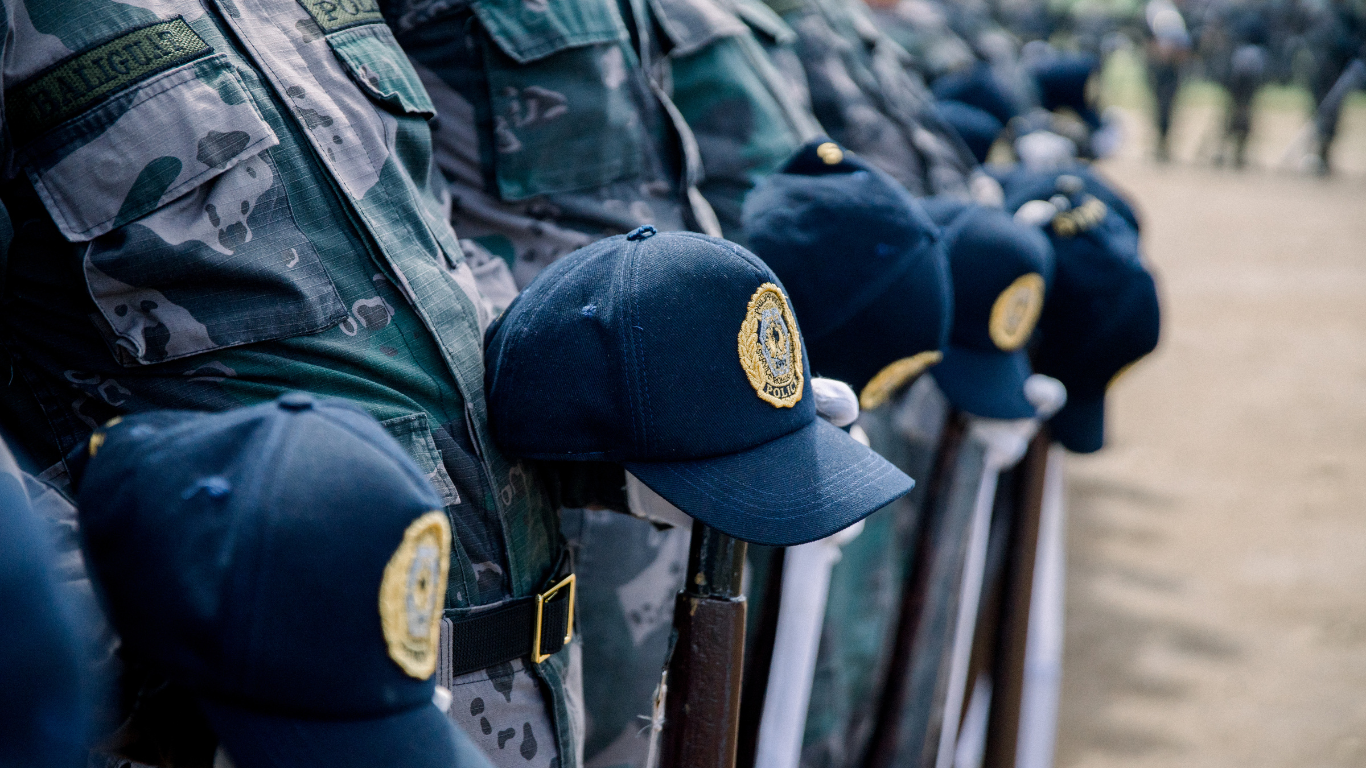

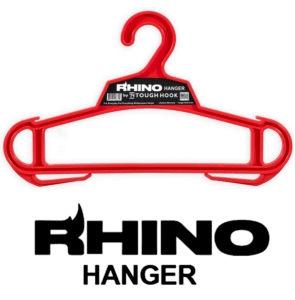
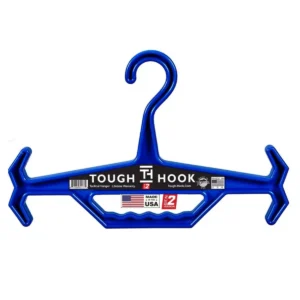

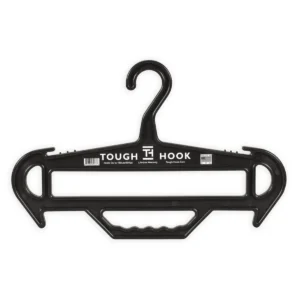
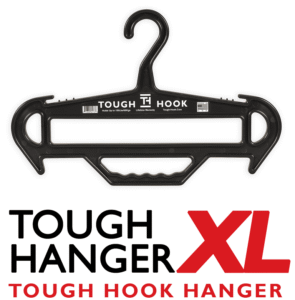
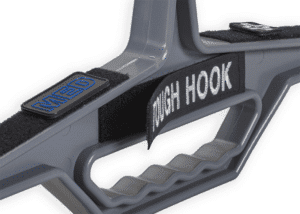
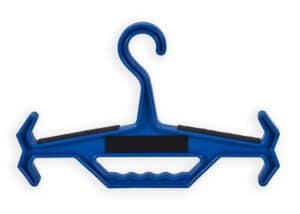
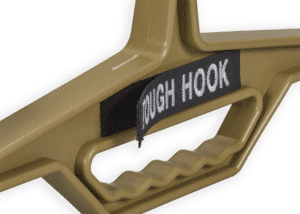
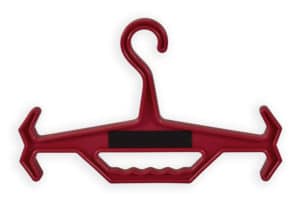
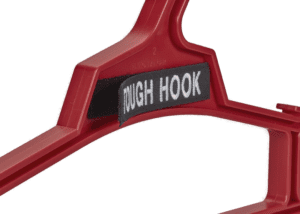


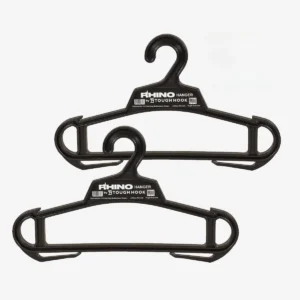
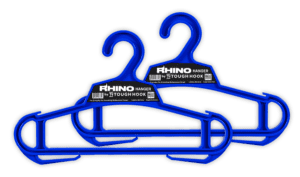
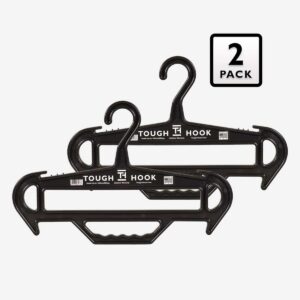
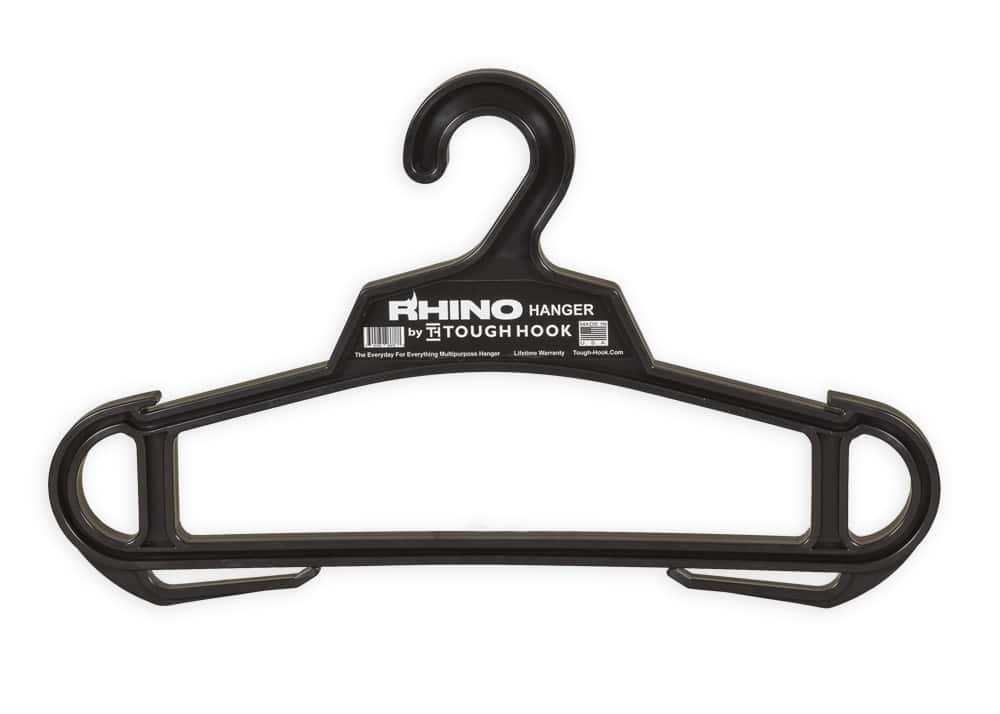
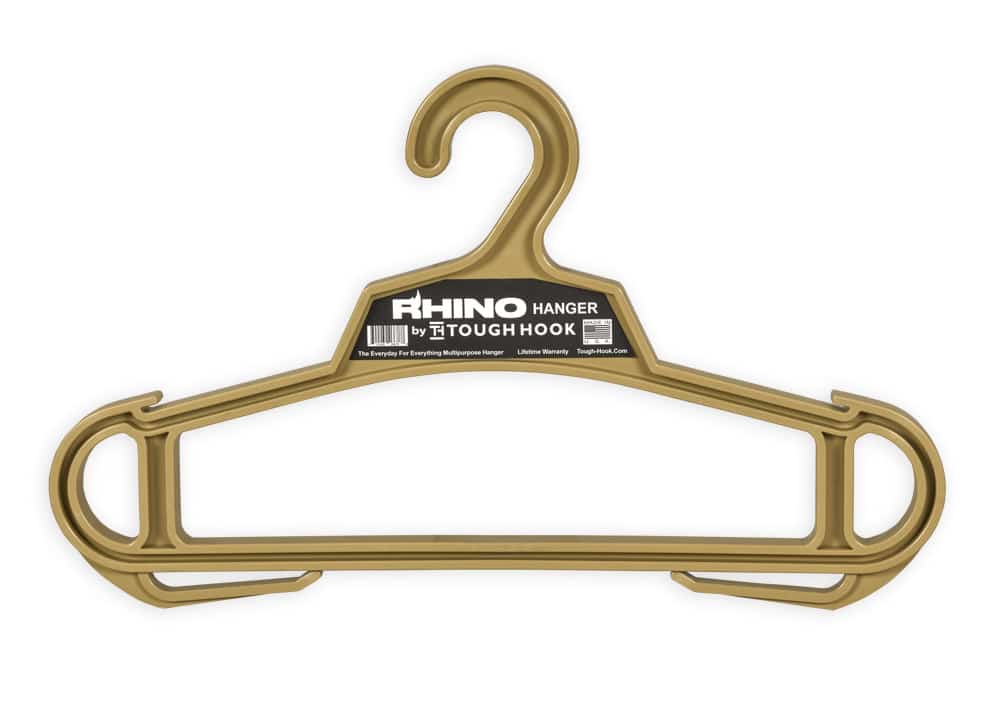
2 Pack RHINO Heavy Duty Clothes Hanger Bundle
Original price was: $27.95.$23.95Current price is: $23.95.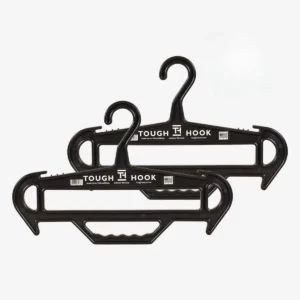
Challenges of Heavy-Duty Equipment Storage
The average tactical loadout for a patrol officer or an infantryman can easily exceed sixty pounds. When you factor in specialized equipment like breaching tools, heavy body armor, and wet weather gear, the demands placed on storage solutions are immense. Traditional plastic or thin wire hangers are fundamentally incapable of supporting this weight. They bend, snap, and eventually lead to gear piling up on the floor, which creates a host of secondary problems.
-
Material Degradation: Gear left in a heap on the floor is prone to moisture retention, leading to mold and the breakdown of synthetic fibers.
-
Elasticity Loss: Improperly hung vests can cause straps to stretch unevenly, ruining the fit and protection level of the armor.
-
Deformation of Plates: Constant pressure on specific points of a ceramic or steel plate carrier can lead to unnecessary wear on the carrier fabric.
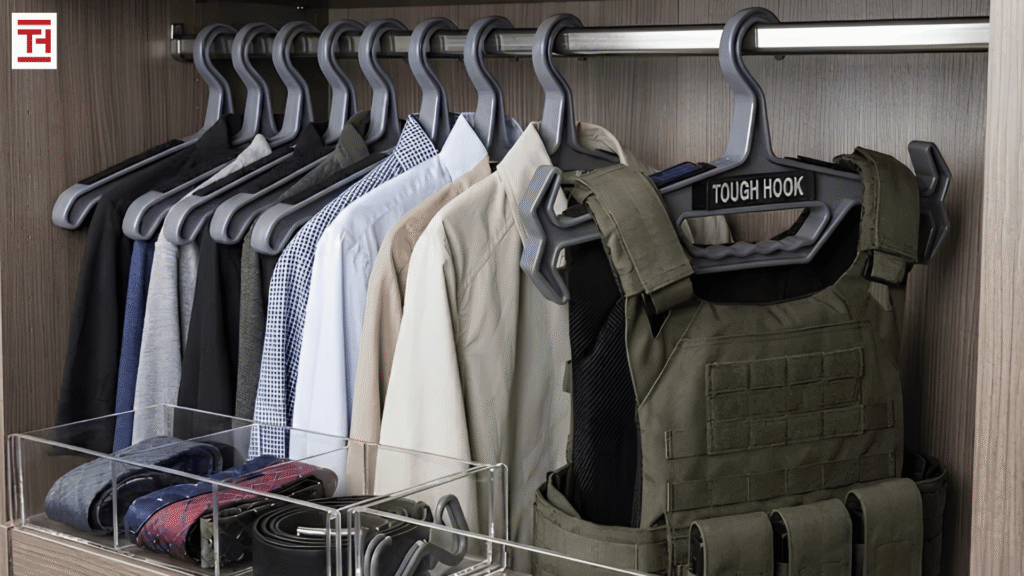
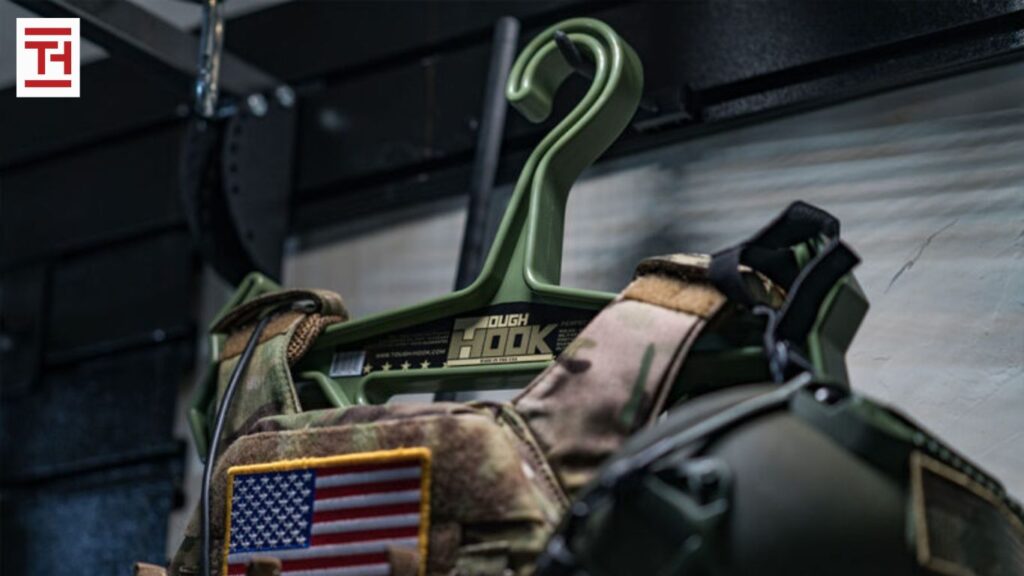
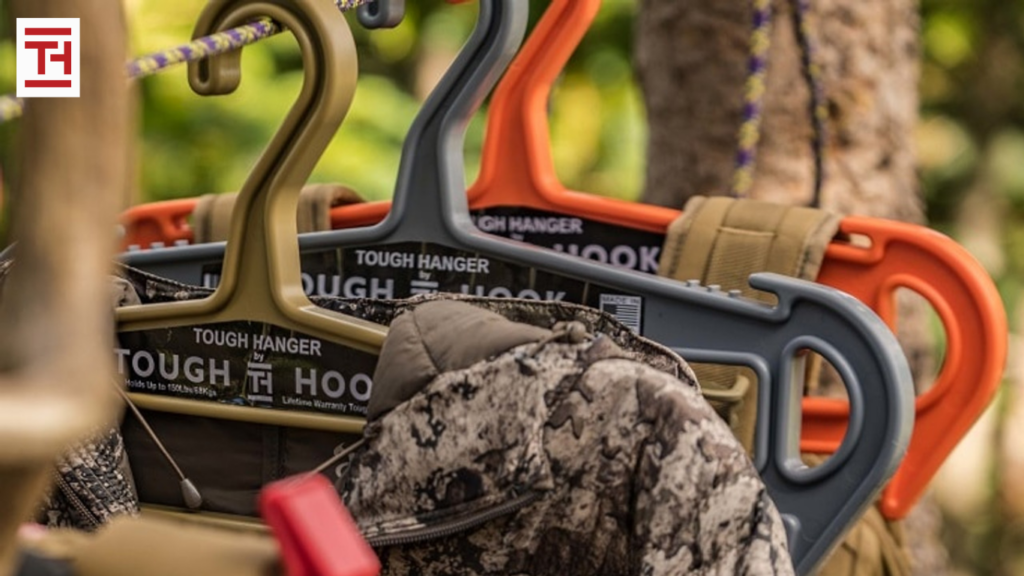
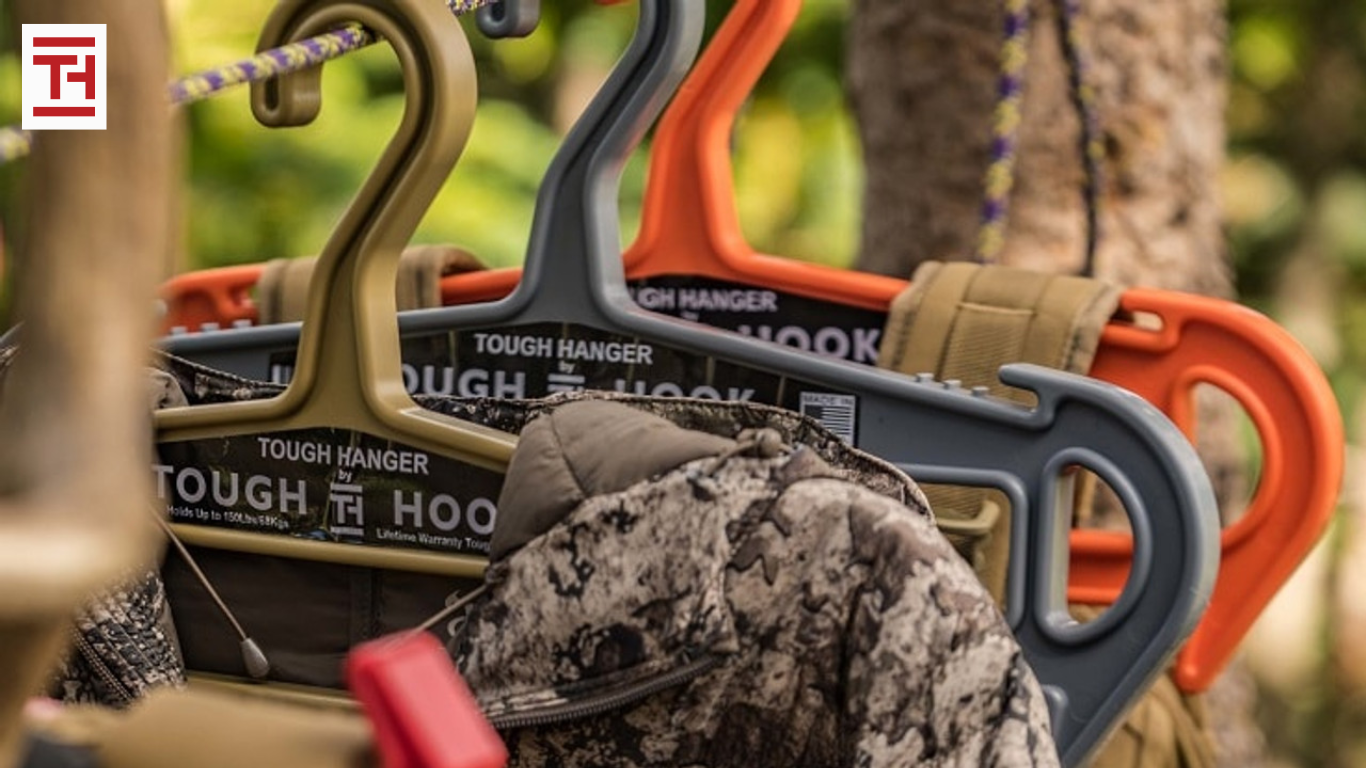
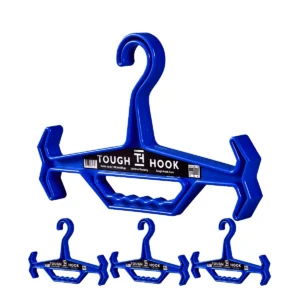
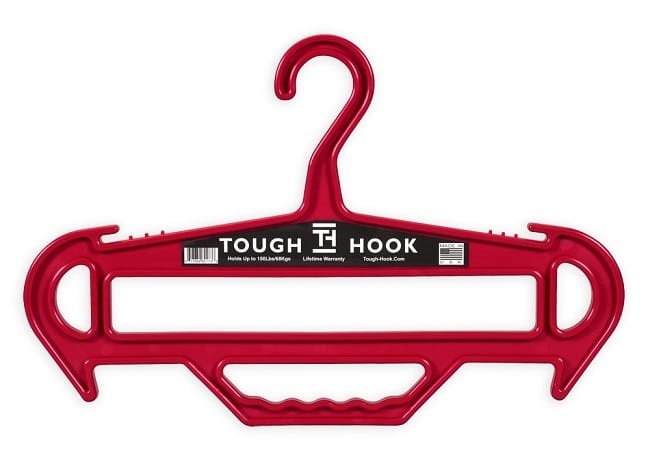
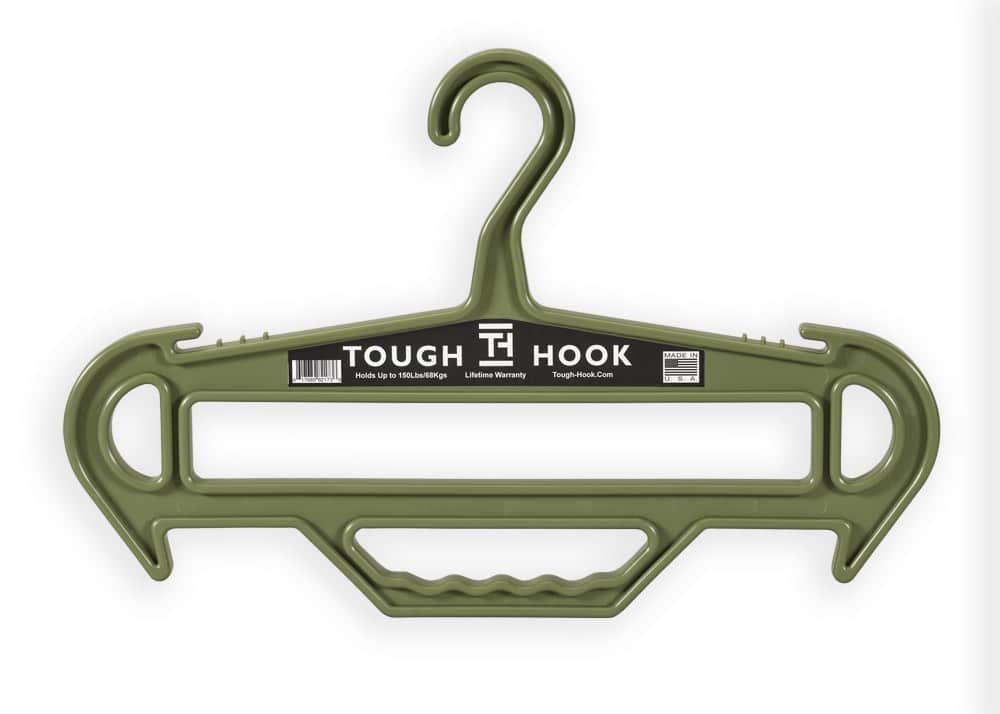
To combat these issues, professionals must utilize equipment specifically engineered for the weight of the job. This is where Tough Hook becomes an essential component of the organizational workflow. As a company dedicated to heavy-duty hangers for clothing and equipment, Tough Hook provides the structural integrity required to support full kits without the risk of failure. Their hangers are designed to hold over 150 pounds, ensuring that even the heaviest plate carriers and oxygen tanks remain off the ground and ready for action.
Strategic Organization for Enhanced Durability
Durability is not just a feature of the gear itself; it is a result of how that gear is treated during downtime. A disciplined storage plan utilizes the “Rule of Accessibility,” which dictates that the most critical items should be the easiest to reach.
-
Tier 1 Gear (Immediate): This includes the primary plate carrier, belt rig, and helmet. These should be hung at eye level using high-capacity hangers to allow for airflow and easy grabbing.
-
Tier 2 Gear (Support): This includes backpacks, specialized kits, and extra uniforms. These should be organized by mission type and kept in a dry, ventilated area.
-
Tier 3 Gear (Long-term): This consists of seasonal items or backup equipment stored in durable bins or lockers, clearly labeled for quick inventory.
Using a Tough Hook hanger allows an operator to keep their Tier 1 gear fully assembled. Instead of stripping plates out or detaching pouches to save weight on a flimsy rack, the operator can keep the entire kit intact. This “grab-and-go” capability is a hallmark of a disciplined professional.
Maintaining Equipment Integrity Through Airflow
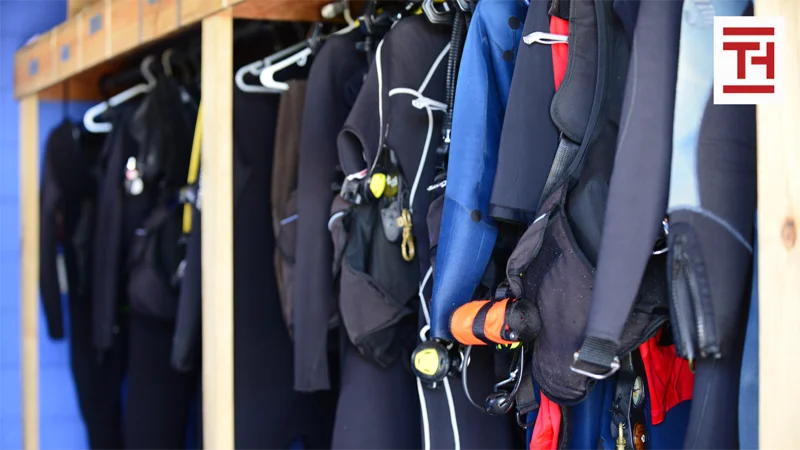
One of the greatest enemies of tactical gear is moisture. Whether it is sweat from a long shift or rain from a field exercise, moisture trapped in the fibers of a vest or uniform can lead to bacterial growth and material rot. Proper organization must prioritize ventilation.
-
Drying Efficiency: Hanging gear rather than stacking it allows air to circulate through the mesh and padding of body armor.
-
Odor Control: Consistent airflow helps dissipate the salts and oils that accumulate in tactical fabrics, preventing the “locker room” scent that plagues many precincts.
-
Inspection Ease: When gear is hung properly, it is easier to perform a visual inspection for frayed stitching, cracked buckles, or compromised ballistic panels.
A disciplined professional performs a “post-op” inspection every time they hang their gear. By using a durable hanging system, they can rotate the gear easily and check every angle for damage that might have occurred during the mission.
The Role of Specialized Hardware in Professionalism
In the military and law enforcement communities, your gear is an extension of yourself. Relying on makeshift storage solutions is a gamble that most professionals cannot afford to take. The integration of purpose-built tools, like those from Tough Hook, signals a commitment to the craft.
-
The I-Beam Construction: Specialized hangers use structural shapes to resist bending under vertical loads.
-
Reversible Features: Many professional hangers allow for the gear to be carried by the hanger itself, acting as a handle for transport from the locker to the vehicle.
-
Impact Resistance: High-pressure environments require hardware that can be dropped, tossed, and slammed without breaking.
By investing in high-quality organizational tools, departments and individual operators save money in the long run. The cost of replacing a single damaged plate carrier far exceeds the cost of a premium, heavy-duty hanger.
The Standard of Readiness
Tactical gear organization is far more than an exercise in neatness; it is a fundamental component of operational safety. When discipline meets durability, the result is an operator who is faster, more efficient, and better protected. By adopting a rigorous approach to how equipment is stored and maintained, military and law enforcement professionals ensure that their gear will perform when it matters most. Using specialized solutions like Tough Hook hangers ensures that the weight of the mission never breaks the tools designed to support it. Whether you are in a precinct locker room or a forward operating base, the standard remains the same: stay organized, stay disciplined, and stay ready.