Urban Search and Rescue (USAR) operations represent some of the most grueling environments on the planet. When structural integrity fails and skyscrapers turn into piles of pulverized concrete, the atmosphere becomes a thick soup of particulate matter. For the elite technicians responding to these disasters, “readiness” is not just a buzzword; it is a life-saving state of being. However, maintaining that readiness becomes exponentially more difficult when the very environment you are working in—characterized by pervasive, abrasive dust—threatens to degrade the heavy tactical gear required for the mission.
The challenge is two-fold: keeping the equipment functional during the heat of the operation and ensuring it is properly stored and maintained once the dust settles. Whether it is ballistic vests, heavy-duty harnesses, or specialized breaching tools, the weight and fragility of this gear require a specialized approach to management. This article explores the critical strategies for maintaining gear integrity in high-dust USAR environments and why heavy-duty storage solutions are the backbone of operational longevity.
The Impact of High-Dust Environments on Tactical Equipment
Dust is often underestimated as a minor nuisance, but in a USAR context, it is a silent killer of equipment. Concrete dust, in particular, is highly alkaline and abrasive. When it settles into the fibers of a nylon vest or the mechanical joints of a carabiner, it begins a process of degradation that can lead to catastrophic failure.
-
Abrasive Wear: Fine particulates act like sandpaper, grinding away at the structural stitching of load-bearing vests and plate carriers.
-
Corrosion and Chemical Reactions: When moisture mixes with concrete dust, it can create a caustic paste that eats through metal components and weakens synthetic fibers.
-
Mechanical Failure: Dust infiltration can jam zippers, quick-release buckles, and the fine mechanisms of technical rescue hardware.
-
Weight Gain: Accumulating dust can actually add significant weight to gear over time, increasing the physical burden on the rescuer.
Understanding these risks is the first step toward a proactive maintenance strategy. Every hour spent in a high-dust zone requires a corresponding commitment to cleaning and inspection to ensure that the gear remains “mission capable” for the next deployment.
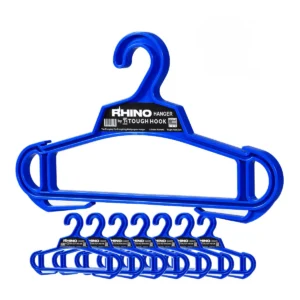
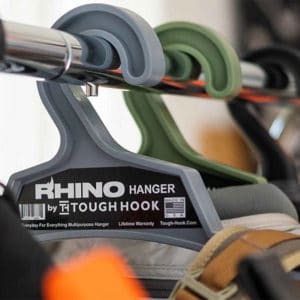

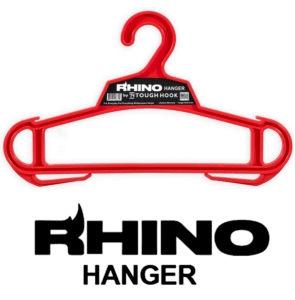
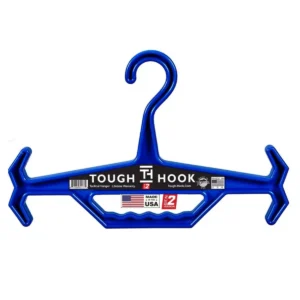

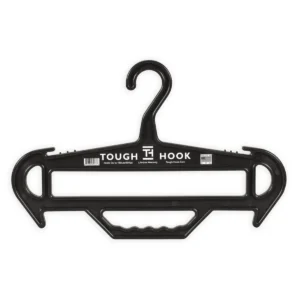
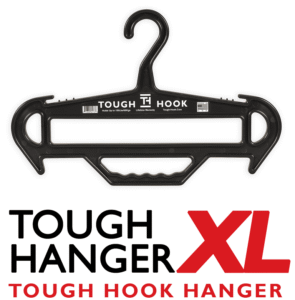
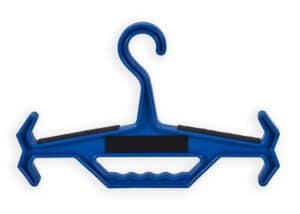
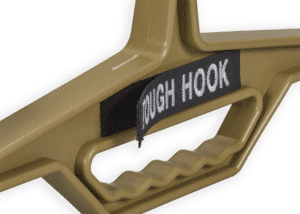
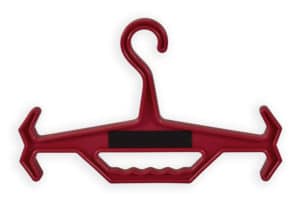
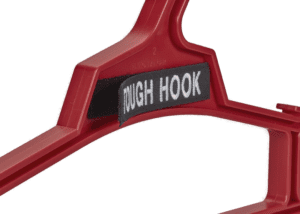
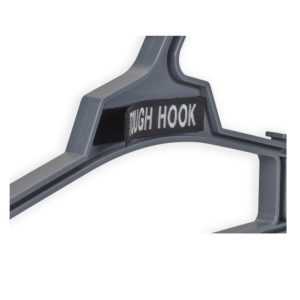


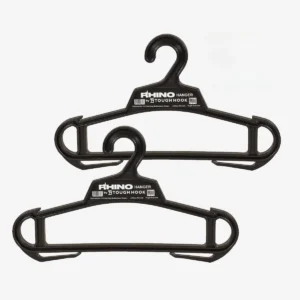
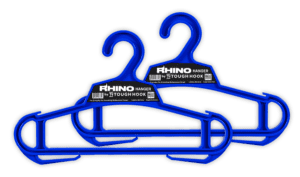
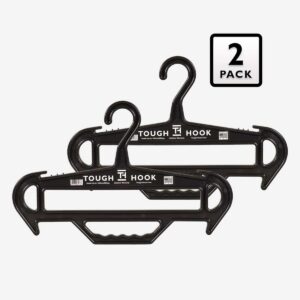
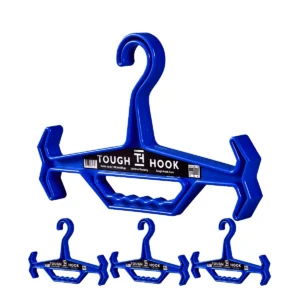
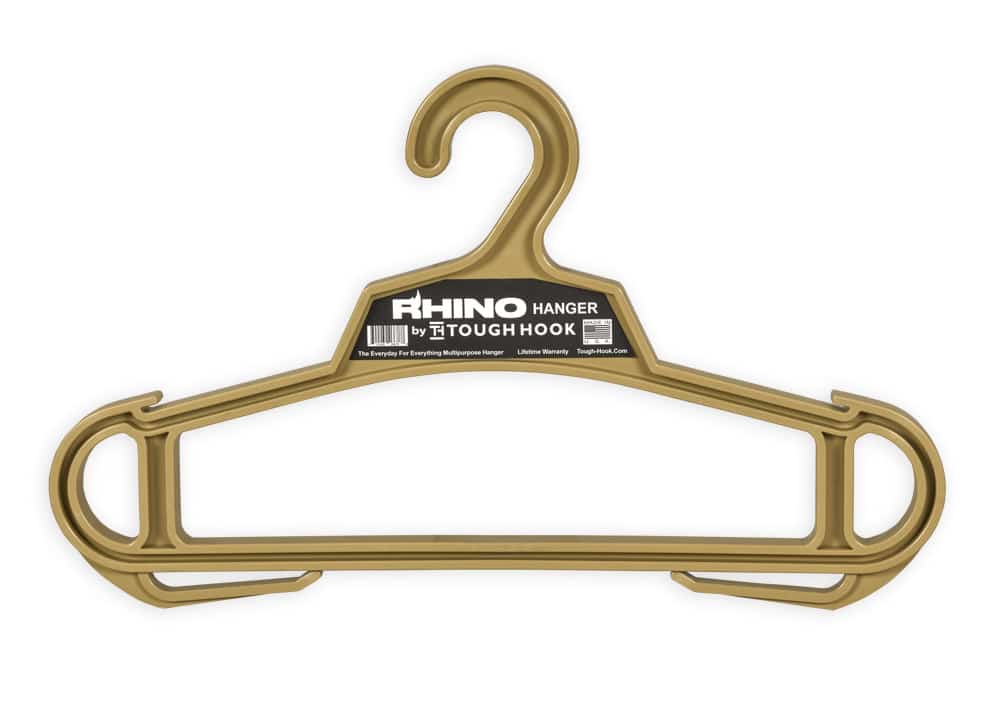
2 Pack RHINO Heavy Duty Clothes Hanger Bundle
Original price was: $27.95.$23.95Current price is: $23.95.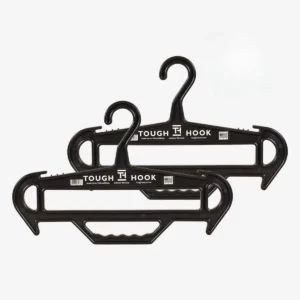
The Impact of High-Dust Environments on Tactical Equipment
Dust is often underestimated as a minor nuisance, but in a USAR context, it is a silent killer of equipment. Concrete dust, in particular, is highly alkaline and abrasive. When it settles into the fibers of a nylon vest or the mechanical joints of a carabiner, it begins a process of degradation that can lead to catastrophic failure.
-
Abrasive Wear: Fine particulates act like sandpaper, grinding away at the structural stitching of load-bearing vests and plate carriers.
-
Corrosion and Chemical Reactions: When moisture mixes with concrete dust, it can create a caustic paste that eats through metal components and weakens synthetic fibers.
-
Mechanical Failure: Dust infiltration can jam zippers, quick-release buckles, and the fine mechanisms of technical rescue hardware.
-
Weight Gain: Accumulating dust can actually add significant weight to gear over time, increasing the physical burden on the rescuer.
Understanding these risks is the first step toward a proactive maintenance strategy. Every hour spent in a high-dust zone requires a corresponding commitment to cleaning and inspection to ensure that the gear remains “mission capable” for the next deployment.
Field Maintenance: Keeping Gear Functional Under Pressure
While on-site, total decontamination is rarely possible, but incremental maintenance can prevent gear from reaching a breaking point. Technicians must be disciplined in their approach to gear care even when exhausted.
-
Daily Blow-Downs: Use compressed air or simple hand-operated bellows to remove loose dust from the surface of vests and tool belts at the end of every shift.
-
Mechanical Lubrication: Apply dry-film lubricants to essential moving parts, as wet oils will only attract more dust and create a grinding paste.
-
Visual Stitching Checks: Focus on high-stress points like shoulder straps and drag handles where dust-induced friction is most likely to cause fraying.
-
Hydration Bladder Protection: Ensure that drinking valves are capped at all times to prevent the ingestion of toxic particulates that settle on the gear.
By integrating these small habits into the daily operational rhythm, USAR teams can extend the life of their equipment and, more importantly, ensure that it does not fail when a life is on the line.
Post-Deployment: The Deep Clean and Decontamination
Once the mission concludes, the real work of gear management begins. The “recovery phase” of equipment is where most damage is mitigated or discovered. This process requires a dedicated space and the right tools to handle the sheer weight of tactical kits.
-
Submerged Cleaning: Many tactical vests require hand-washing in large basins to float away the embedded particulates from the inner foam and mesh.
-
Neutralizing Agents: Specialized detergents may be needed to neutralize the high pH levels of concrete dust to prevent fiber rot.
-
Air-Drying Protocol: Gear should never be dried in direct sunlight or high-heat dryers, as this can embrittle the specialized plastics and nylons.
-
Complete Teardown: Every pouch, holster, and attachment should be removed to clean the webbing underneath where dust tends to collect and hide.
The Physics of Storage: Why Standard Hangers Fail
One of the most overlooked aspects of gear management is the physical act of drying and storing heavy equipment. A standard USAR kit—including armor, tools, and personal protective equipment—can easily exceed sixty pounds. In high-dust environments, the gear is often damp from sweat or decontamination efforts, making it even heavier.
-
Material Fatigue: Standard plastic or wire hangers will bow, snap, or stretch under the weight of a fully loaded tactical vest.
-
Shoulder Distortion: Narrow hangers concentrate all the weight on a tiny surface area, leading to permanent “dimpling” or stretching of the vest’s shoulder padding.
-
Airflow Restriction: Gear that is slumped or folded on a shelf cannot breathe, leading to mold and mildew growth in the damp, dusty fibers.
-
Organization Loss: When hangers fail, gear ends up on the floor, where it collects more dust and becomes a tripping hazard.
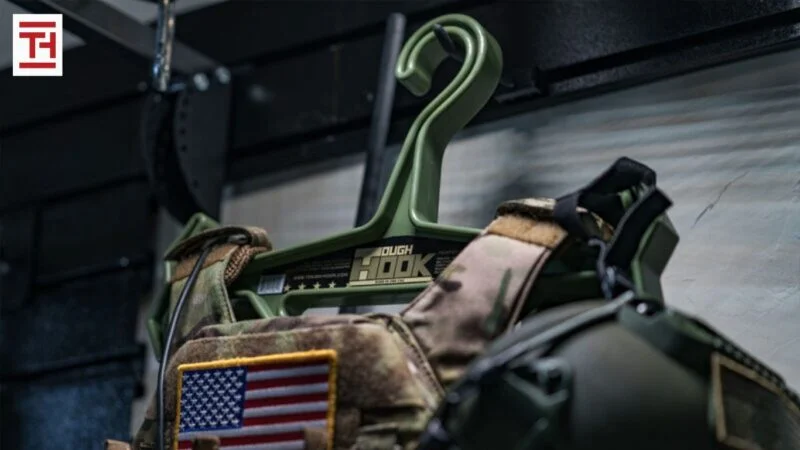
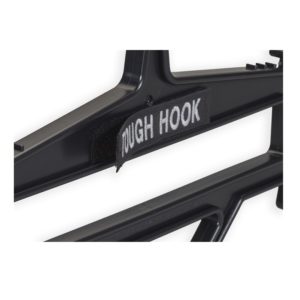
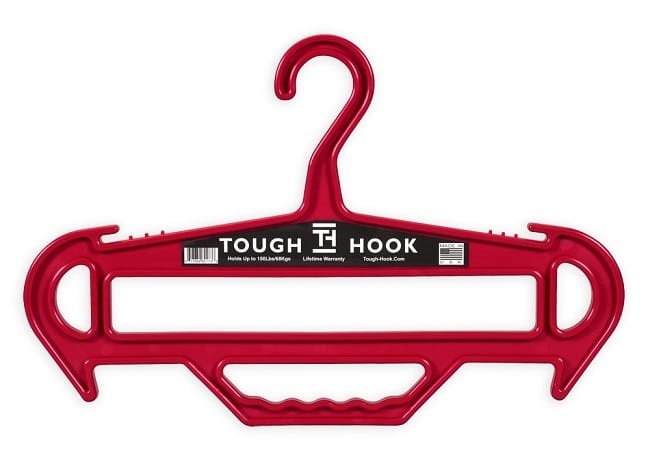
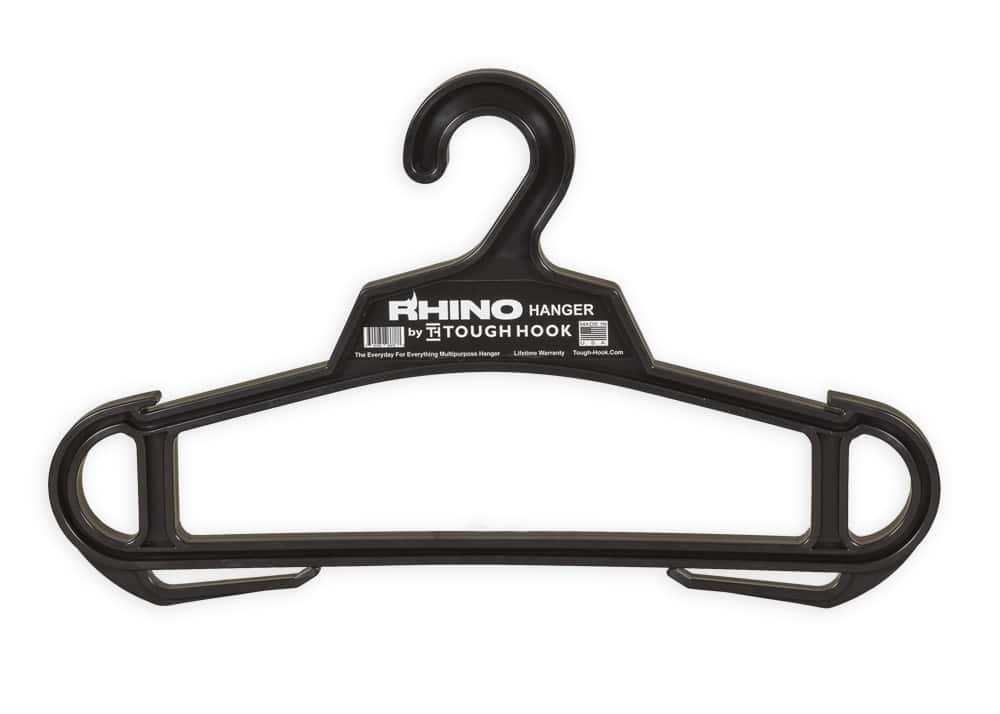
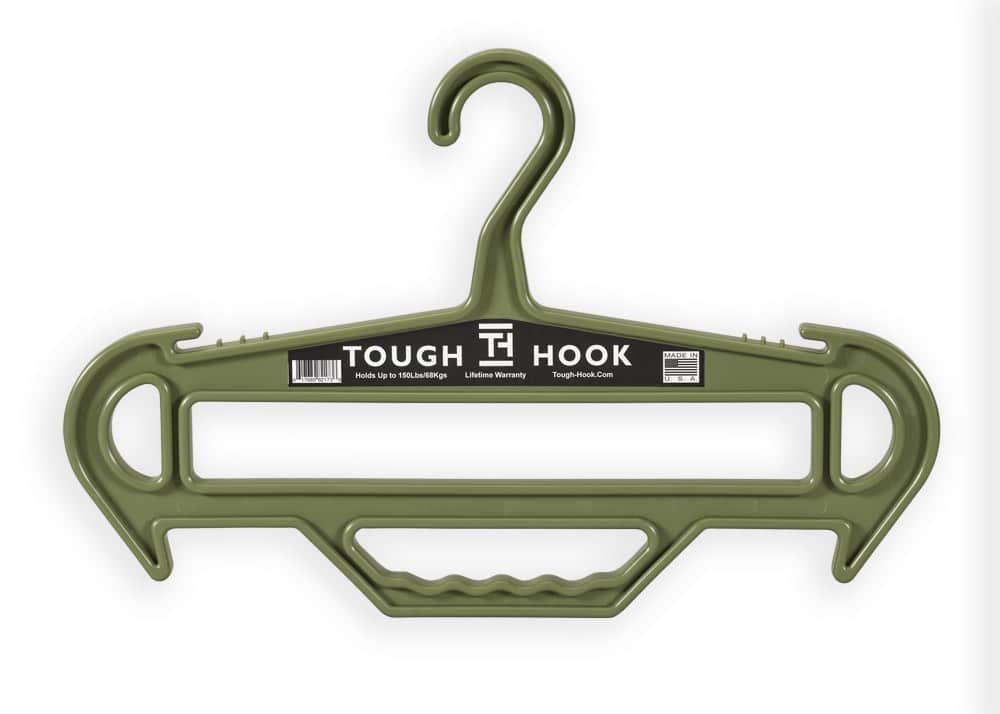
This is where specialized equipment becomes a necessity. At Tough Hook, we engineered our heavy-duty hangers specifically to solve these problems. Our hangers are designed to support over 150 pounds, ensuring that even the heaviest breaching kits and ballistic protection stay off the ground and in a position that promotes maximum airflow for drying.
Organizational Readiness: The Tough Hook Advantage
In the chaotic environment of a USAR base of operations, organization is the difference between a five-minute deployment and a fifteen-minute delay. Having a dedicated system for hanging and organizing gear ensures that every piece of equipment is accounted for and ready to go.
-
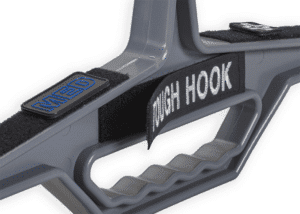
Inverted Hook Design: The unique shape of a Tough Hook allows for easy transport of gear, as the handle makes it simple to carry heavy vests from the wash station to the drying rack.
-
Durability in Extremes: Unlike standard hangers, our products are built to withstand the temperature fluctuations and rugged handling typical of disaster zones.
-
Universal Application: Beyond vests, these hangers are used for dry suits, heavy fire turnout gear, and even chemical biological radiological nuclear (CBRN) suits.
-
Longevity of Investment: By properly supporting the weight of the gear, you prevent the structural stretching that forces departments to retire expensive equipment prematurely.
When a USAR team invests in their equipment, they are investing in their ability to save lives. Using a flimsy hanger to store a several-thousand-dollar tactical setup is a risk that professionals cannot afford to take.
Long-Term Gear Care and Inspection Logs
Readiness is a documented state. Every team should maintain a rigorous inspection log that tracks the age and condition of all heavy tactical gear. This is especially important after exposure to high-dust environments, as the degradation may not be visible to the naked eye.
-
Quarterly Load Tests: Periodically test the integrity of straps and buckles by applying tension to ensure the fibers haven’t been compromised by abrasive dust.
-
Standardized Replacement Cycles: Establish a timeline for replacing soft goods based on the number of high-exposure deployments they have endured.
-
Storage Environment Control: Whenever possible, store gear in climate-controlled areas with air filtration to prevent secondary dust accumulation.
-
Training on Maintenance: Ensure that every team member is trained not just in how to use the gear but also in how to clean and store it properly using the right tools.
The Culture of Maintenance
Urban Search and Rescue is a discipline of margins. The margin between success and failure often comes down to the reliability of the tools at hand. By treating gear maintenance and storage as a core component of operational readiness, teams ensure they are always prepared for the worst-case scenario. High-dust environments present a unique challenge, but with the right cleaning protocols and heavy-duty storage solutions like those provided by Tough Hook, that challenge is easily managed. Protecting the gear that protects the rescuer is not just a logistical task; it is a fundamental requirement of the mission.