In a global economy defined by fluctuating material costs and supply chain inconsistencies, the concept of “value” is often misunderstood. Many consumers and procurement officers fall into the trap of prioritizing the initial purchase price over the total cost of ownership. However, a strategic shift toward durability offers a far more sustainable financial path. Choosing long-lasting storage solutions is not merely a matter of organization; it is a high-yield investment. When we analyze the Return on Investment (ROI) of heavy-duty equipment, the data consistently shows that high-quality products reduce long-term expenditures, minimize safety risks, and enhance operational efficiency.
The Hidden Costs of Cheap Storage
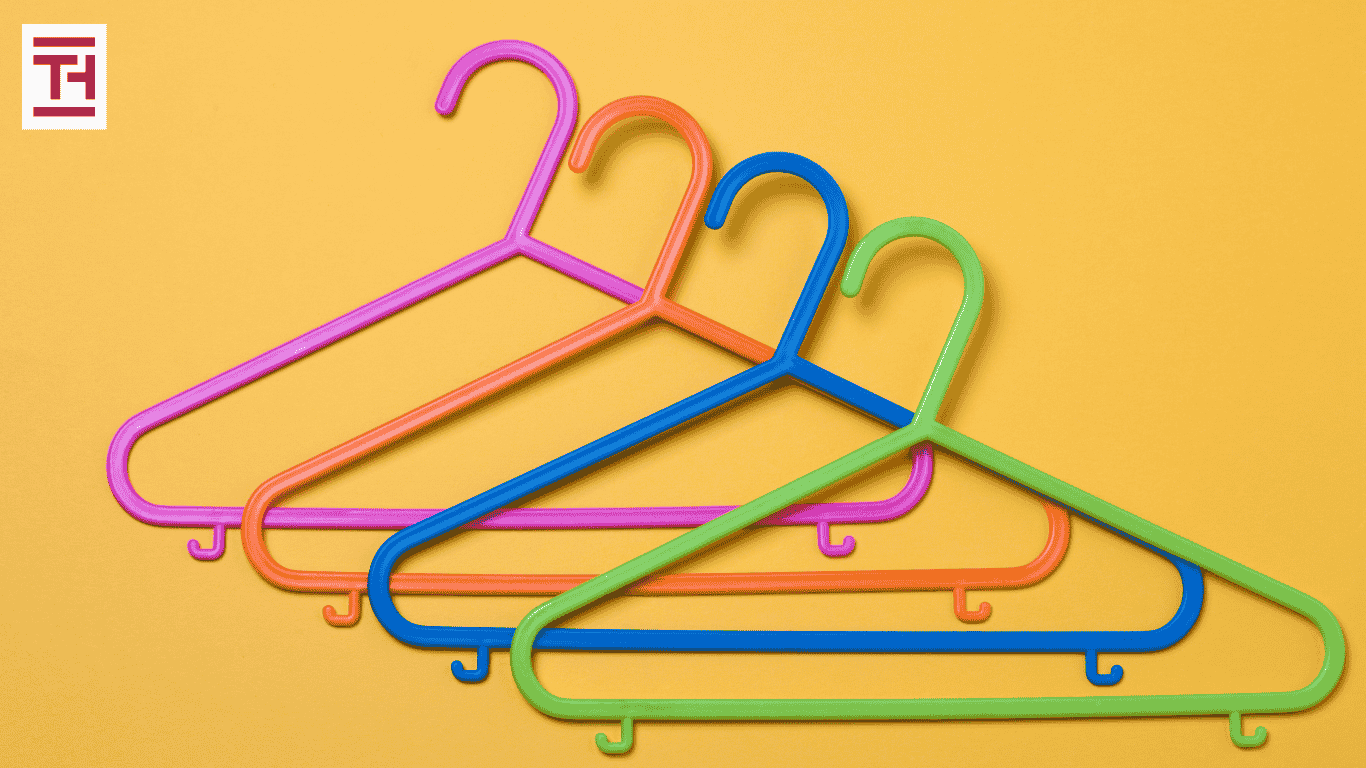
The primary appeal of low-cost storage solutions is the immediate preservation of capital. However, this is often a financial illusion. Inexpensive plastic hangers, thin metal racking, or low-grade shelving units are designed for light-duty, residential use. When these items are introduced into professional, industrial, or tactical environments, they fail at an accelerated rate. These failures lead to a cycle of “replacement spending” that quickly eclipses the cost of a single, high-quality asset.
There are several ways that substandard storage solutions drain resources:
-
Frequent replacement cycles: Lower-quality materials fatigue under constant stress, requiring users to repurchase the same items every few months.
-
Damage to primary assets: When a storage solution fails, it often drops or spills the equipment it was meant to protect. For high-value items like body armor or specialized outdoor gear, a five-dollar hanger failing can result in thousands of dollars in equipment damage.
-
Labor and downtime: Every time a storage unit breaks, personnel must spend time cleaning the mess, reorganizing the space, and sourcing a replacement.
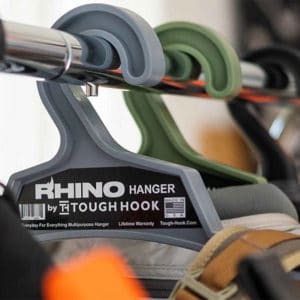

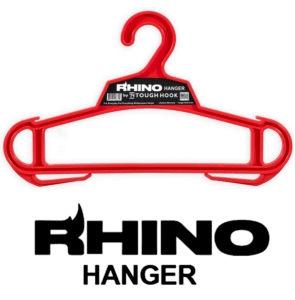
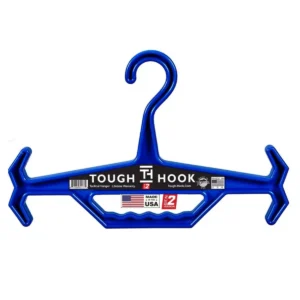
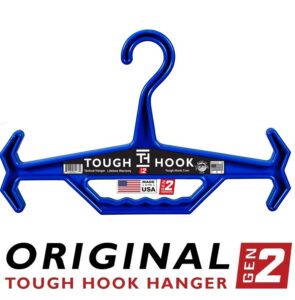
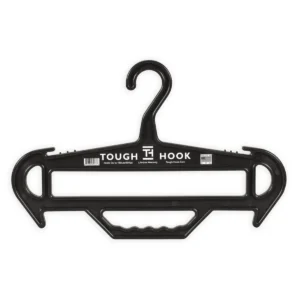
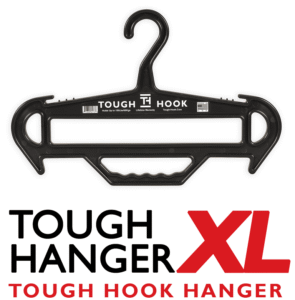
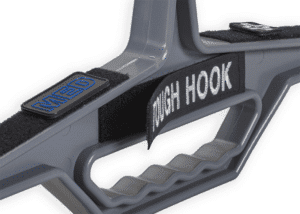
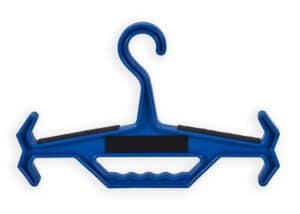
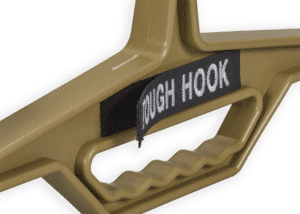
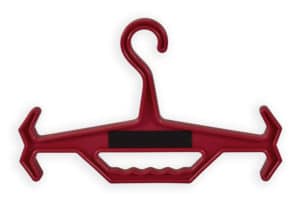
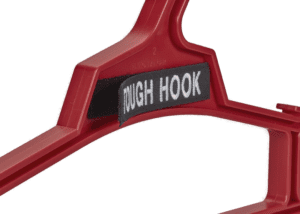
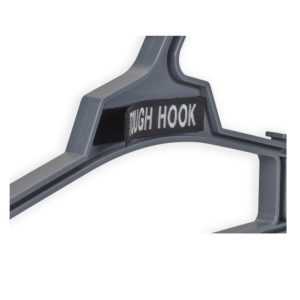
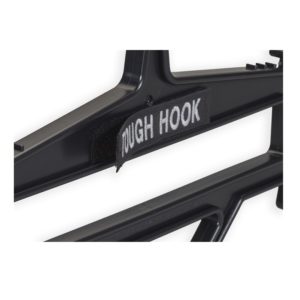


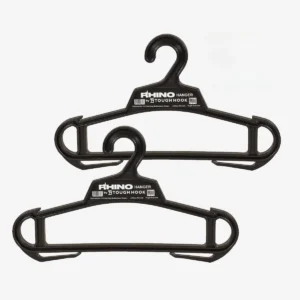
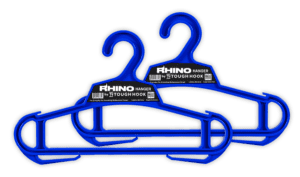
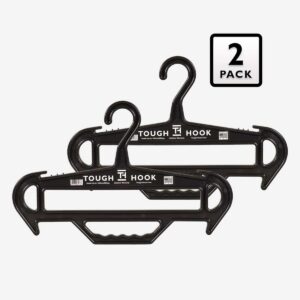
2 Pack RHINO Heavy Duty Clothes Hanger Bundle
Original price was: $27.95.$23.95Current price is: $23.95.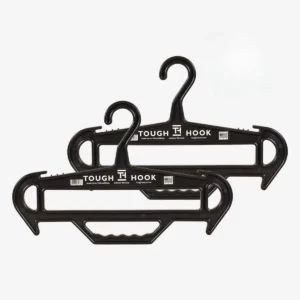
The Mechanical Advantage of Heavy-Duty Engineering
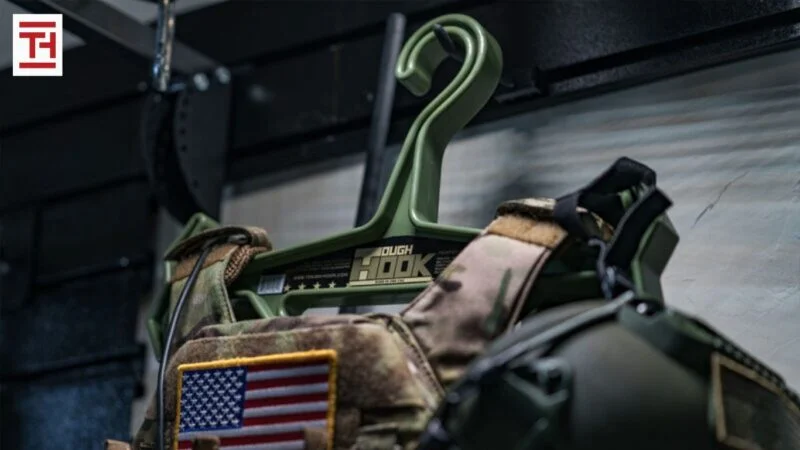
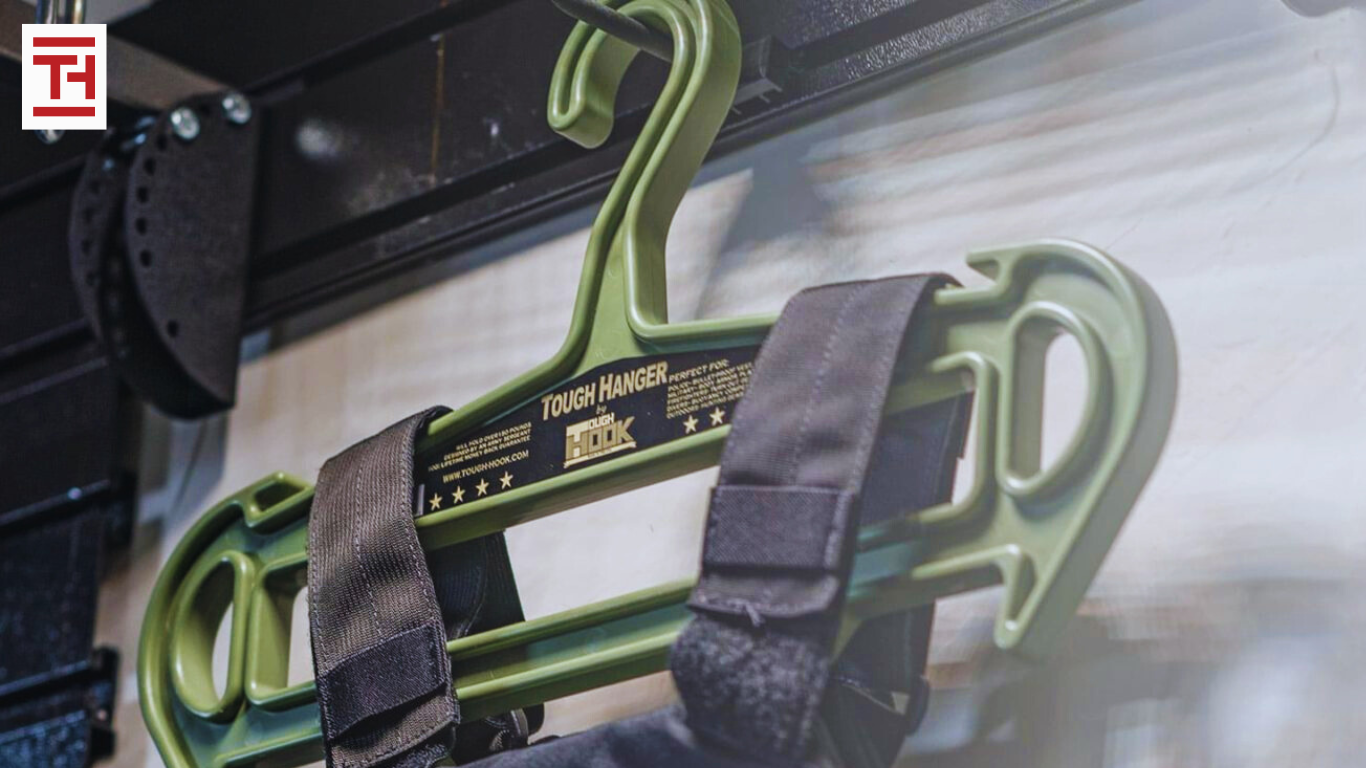
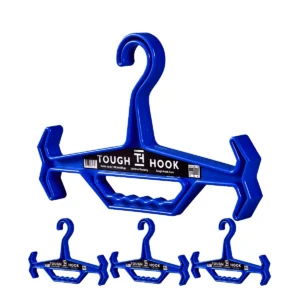
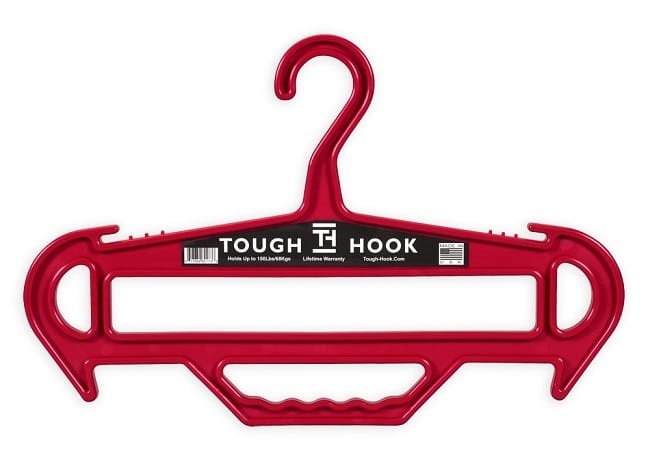
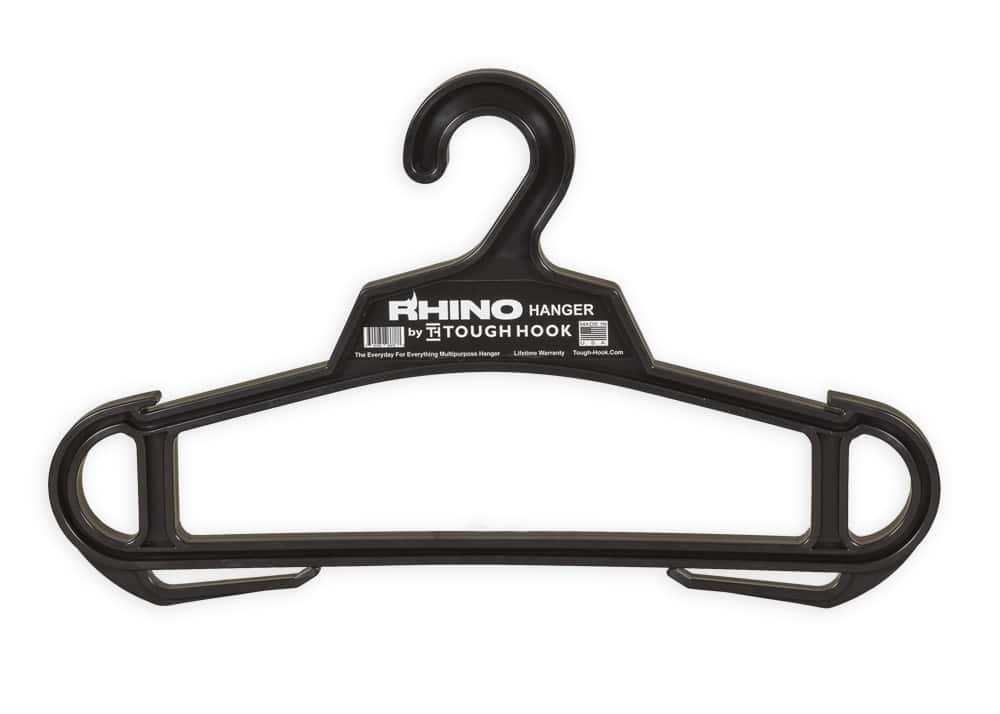
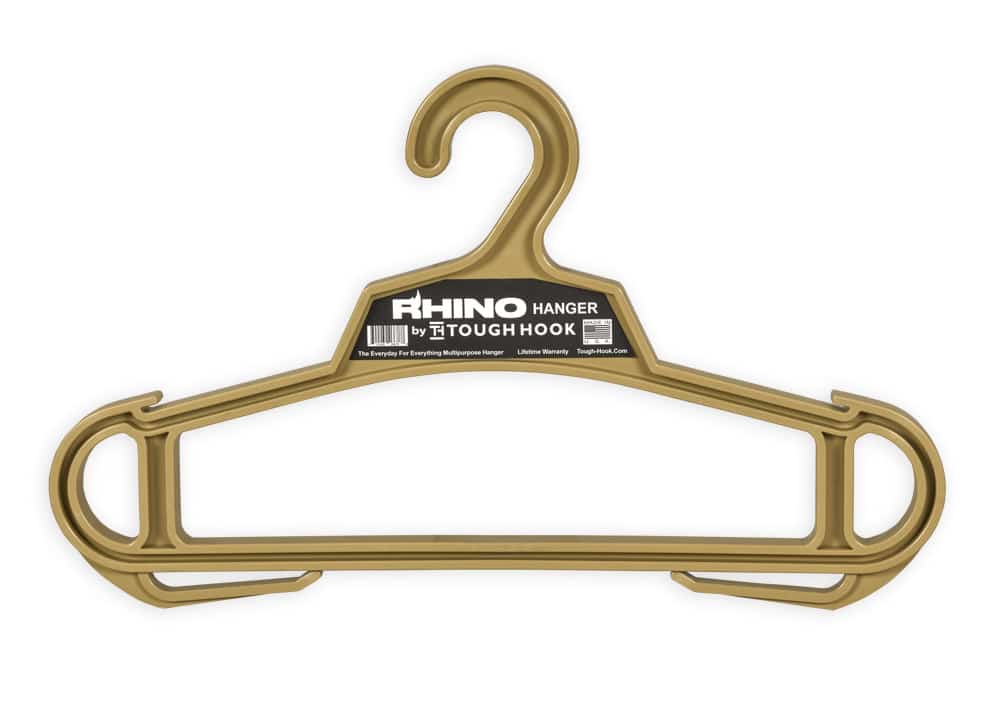
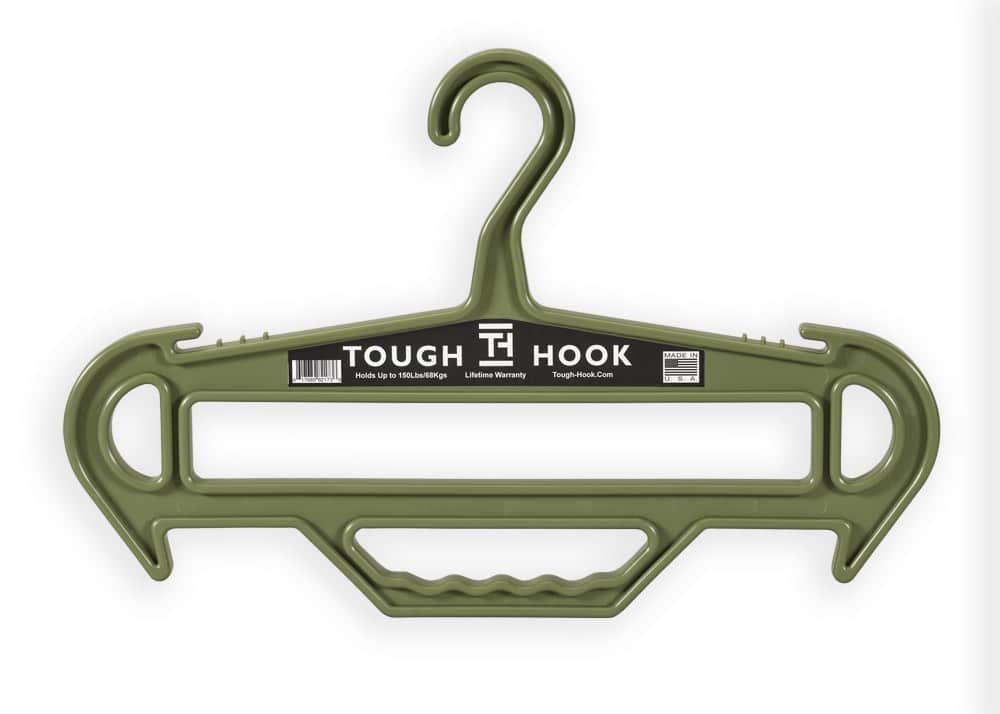
Durability is not an accidental trait; it is the result of intentional engineering and material science. To achieve a positive ROI, a storage solution must be built to withstand the specific rigors of its environment. For professionals in the military, law enforcement, and heavy industry, the “standard” version of a product is rarely sufficient. This is where specialized brands like Tough Hook provide a necessary intervention. Tough Hook, a clothing and equipment heavy-duty hangers company, designs products specifically to support the extreme weight of tactical vests, scuba gear, and fire department turnouts.
The engineering markers of a durable storage solution include:
-
High-impact resins and polymers: These materials offer a strength-to-weight ratio that exceeds traditional plastics and resists shattering under load.
-
Integrated structural reinforcement: Quality designs include I-beam constructions or ribbing that prevents bowing and warping over time.
-
Environmental resistance: Long-lasting solutions must be able to withstand UV exposure, extreme temperature shifts, and corrosive environments without degrading.
Calculating the Total Cost of Ownership
To truly understand the ROI of durability, one must look at the Total Cost of Ownership (TCO). This formula accounts for the purchase price, maintenance costs, and the lifespan of the product. If a standard hanger costs five dollars but lasts only six months under the weight of a heavy coat, the ten-year cost is one hundred dollars. Conversely, if a specialized, heavy-duty hanger costs twenty dollars but lasts for ten years or more, the savings are substantial.
A comprehensive TCO analysis involves several factors:
-
Useful life expectancy: The projected number of years a product will remain functional under maximum load.
-
Depreciation and tax benefits: For businesses, investing in long-term equipment can often be treated as a capital expenditure with different tax implications than recurring supplies.
-
Salvage and secondary value: High-quality gear often maintains a level of utility or resale value long after cheaper alternatives have been sent to a landfill.
Protecting High-Value Equipment with Specialized Hangers
In many industries, the storage solution is the primary line of defense for the equipment it holds. In the tactical and first-responder sectors, gear is heavy, awkward, and expensive. Storing a sixty-pound ballistic vest on a standard hanger is a recipe for disaster. Not only will the hanger snap, but the constant stress on the vest’s shoulder straps can cause the internal ballistic panels to shift or the stitching to fail.
Specialized hangers offer specific benefits for high-value gear:
-
Weight distribution: Wide-set shoulders on a hanger prevent “creasing” in heavy fabrics and distribute the load evenly across the garment’s frame.
-
Ventilation and drying: Proper storage allows for airflow, which is critical for equipment like wetsuits or sweat-soaked tactical vests to dry without developing mold or odors.
-
Portability and grip: Many heavy-duty solutions feature integrated handles or non-slip grips to ensure that equipment can be moved safely between the locker and the field.
The Sustainability Factor of Durability
Beyond the immediate financial benefits, there is an ethical and environmental ROI to choosing durable products. The “throwaway culture” of modern manufacturing creates an enormous amount of waste. When a storage product fails and is discarded, it contributes to landfill growth and requires more raw materials and energy to manufacture a replacement.
Sustainable storage practices include:
-
Reducing plastic waste: By purchasing one item that lasts a lifetime, consumers significantly reduce their personal or corporate plastic footprint.
-
Energy conservation: Durable goods require less frequent shipping and logistics over their lifecycle compared to high-volume, low-quality goods.
-
Quality over quantity: A minimalist approach to storage—utilizing a few powerful tools rather than dozens of flimsy ones—creates a more organized and less wasteful environment.
Operational Efficiency and Morale
The psychological impact of high-quality equipment should not be overlooked. In professional settings, equipment failure is more than a nuisance; it is a frustration that can impact morale. When a team is equipped with tools that they can trust, including their storage and organizational systems, the work environment becomes more efficient.
Efficiency gains from durable storage include:
-
Consistent organization: When storage units do not break or sag, gear stays exactly where it belongs, reducing time spent searching for equipment.
-
Safety in the workplace: Eliminating broken plastic shards and collapsing shelves reduces the risk of workplace injuries and “slip and trip” hazards.
-
Professional appearance: High-quality, heavy-duty gear creates an image of readiness and professionalism that resonates with clients and personnel alike.
Summary of Investment Benefits
Investing in durability is a proactive financial strategy. While the upfront cost may be higher, the lack of recurring expenses makes it the cheaper option over time. Companies like Tough Hook have proven that by focusing on the most demanding niches of the market, they can provide a level of reliability that standard retail products simply cannot match. Whether you are an individual athlete, a tactical professional, or a warehouse manager, the math remains the same: durability is the most effective way to save money.
Key takeaways for maximizing your storage ROI:
-
Identify high-stress points: Determine which items of gear are the heaviest or most frequently used and prioritize heavy-duty solutions for those areas.
-
Research material specifications: Look for products that list their weight capacities and material compositions rather than making vague claims of “strength.”
-
Consider the cost of failure: Always ask what will happen to the equipment being stored if the storage solution fails, and invest accordingly.
The path to long-term savings is paved with quality. By shifting the focus from “how much does it cost today” to “how much will it cost over five years,” you can build a more resilient, efficient, and cost-effective organizational system.