Professional performance often hinges on the reliability of one’s equipment. However, the way that equipment is stored and managed between uses is just as critical to long-term success and physical health. Whether you are a first responder, a tactical professional, or a dedicated outdoor enthusiast, the weight and bulk of your gear can become a significant physical liability if not handled correctly. Ergonomics, the science of refining the design of products and environments to optimize them for human use, is frequently discussed in the context of office chairs and computer keyboards. Yet, ergonomics is equally vital in the equipment room. Improper gear storage leads to repetitive strain, acute muscle tears, and long-term skeletal misalignment. By implementing ergonomic principles into your storage routine, you can protect your body and ensure your gear remains in peak condition.
The Physical Toll of Heavy Equipment
The human body is resilient, but it is not designed to bear concentrated, unbalanced loads over extended periods without adequate support. When gear is stored haphazardly, it often forces the user into awkward postures during the retrieval or hanging process. This is particularly true for professionals who utilize body armor, heavy cold-weather diving suits, or weighted tactical vests.
-
Musculoskeletal Disorders: These injuries affect the muscles, nerves, and tendons. They often stem from lifting heavy equipment from ground level or overextending the shoulders to reach high shelves.
-
Chronic Back Pain: Repeatedly bending over to pick up gear bags that weigh forty pounds or more can lead to lumbar strain or herniated discs.
-
Shoulder Impingement: Constant overhead reaching to hang heavy items on flimsy or poorly positioned hooks can cause inflammation in the rotator cuff.
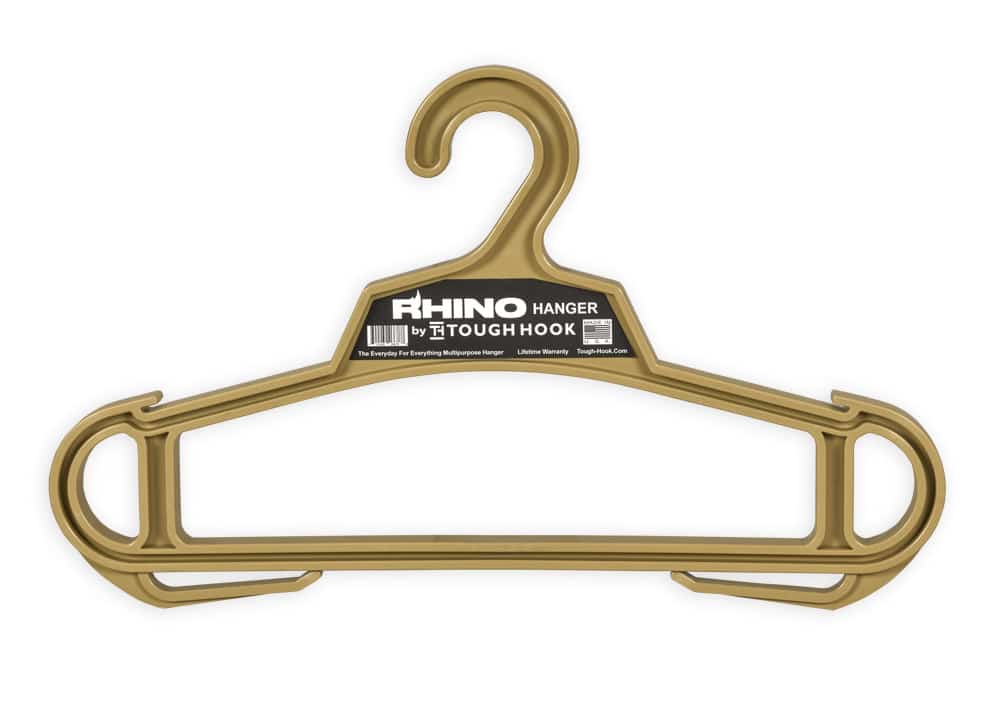
At Tough Hook, we recognize that the physical well-being of the individual is the most important asset. Our heavy-duty hangers are designed to handle up to 200 pounds of equipment, allowing users to store their gear at a height that minimizes the need for dangerous bending or overreaching.
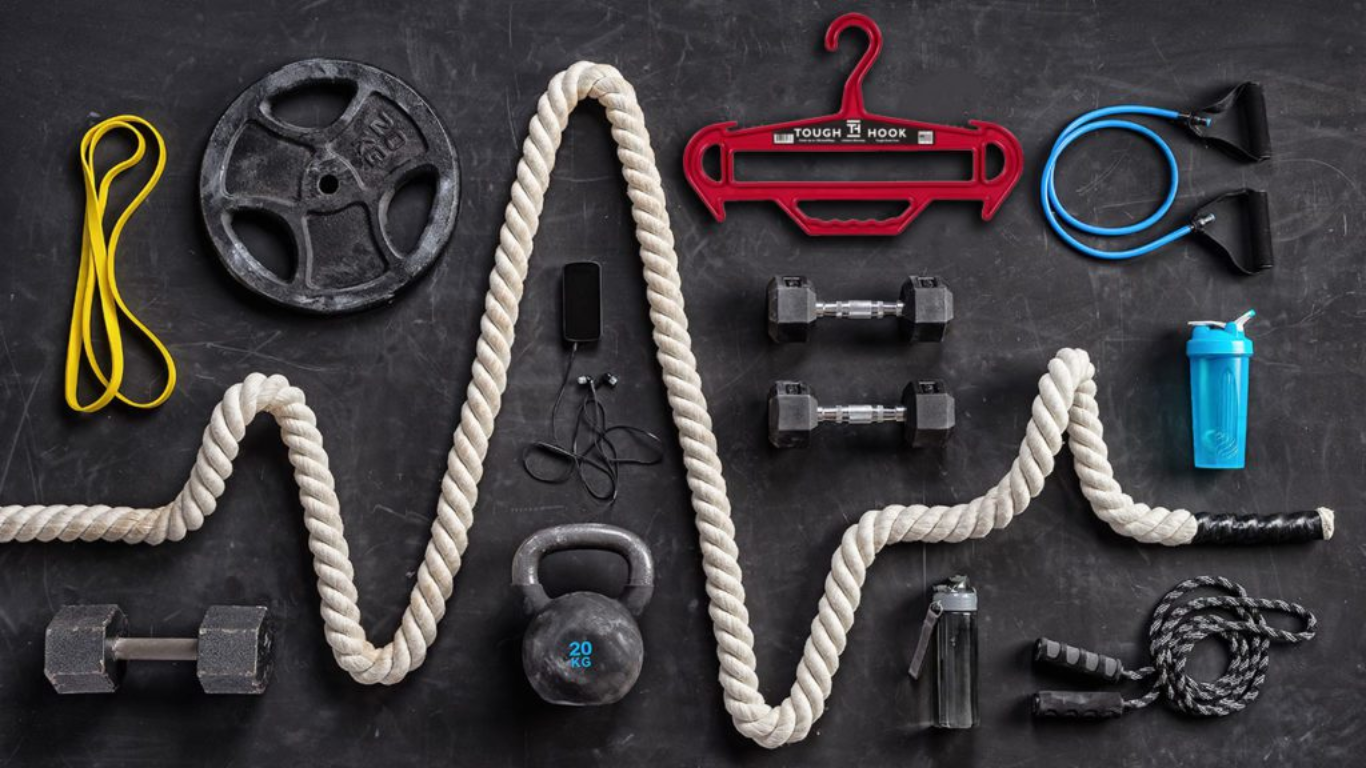
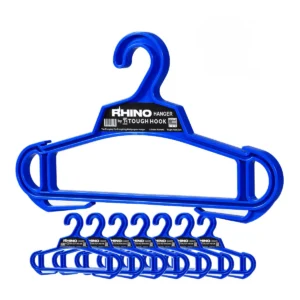
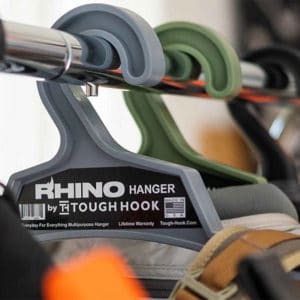

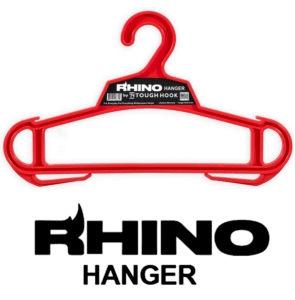
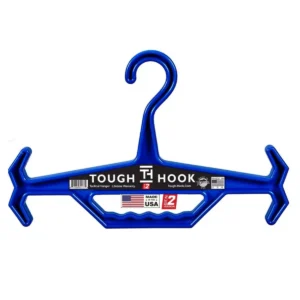

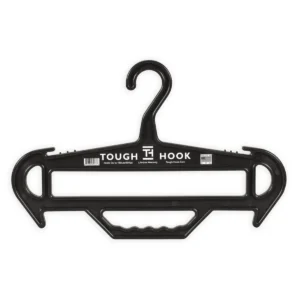
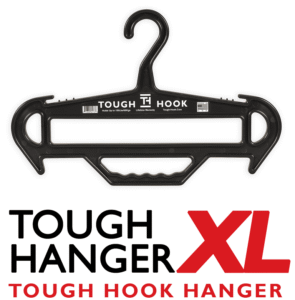
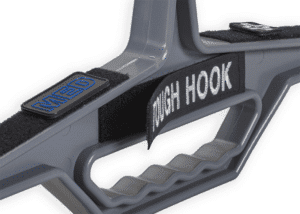
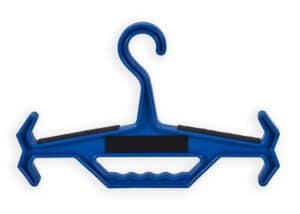
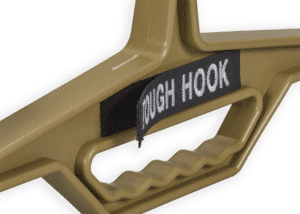
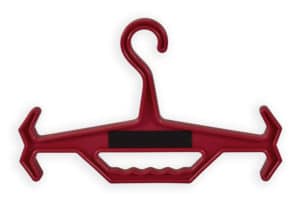
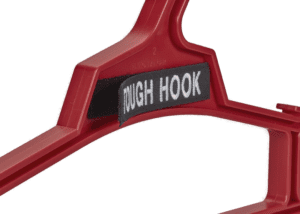
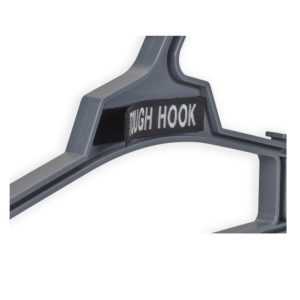
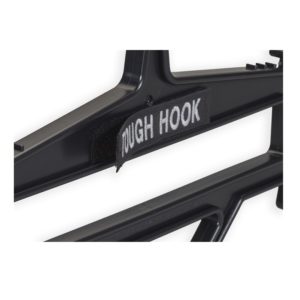


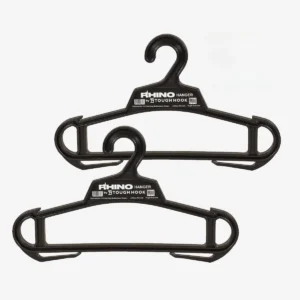
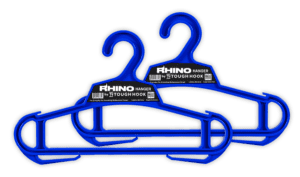
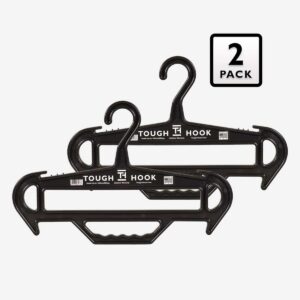
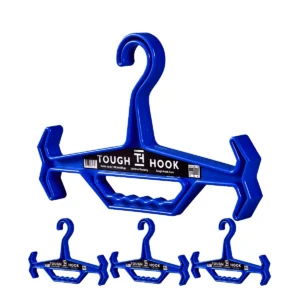
2 Pack RHINO Heavy Duty Clothes Hanger Bundle
Original price was: $27.95.$23.95Current price is: $23.95.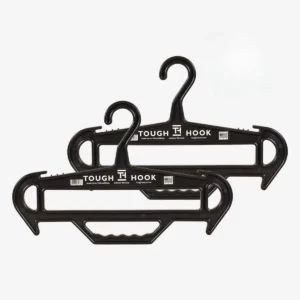
Designing an Ergonomic Storage Space
Creating an ergonomic environment for gear storage requires a systematic approach to how space is utilized. The goal is to keep the most frequently used and heaviest items within the “power zone.” This zone is located between the mid-thigh and mid-chest height. When you lift or hang items within this range, your limbs and back are in their strongest mechanical position.
-
Vertical Optimization: Use wall-mounted rails or sturdy lockers to keep gear at chest height. This prevents the need to squat or bend to the floor:
-
Weight Distribution: Ensure that your storage solutions are capable of holding the full weight of the gear without sagging or breaking. A collapsed rack creates a sudden trip hazard and forces a stressful “emergency lift” to clear the area:
-
Accessibility and Clearance: Maintain wide paths in storage rooms so that you can turn and move without hitting your equipment against walls or other racks.
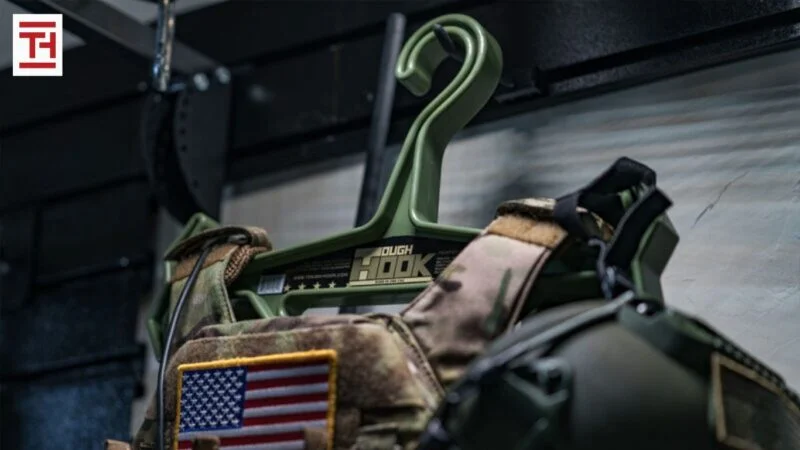
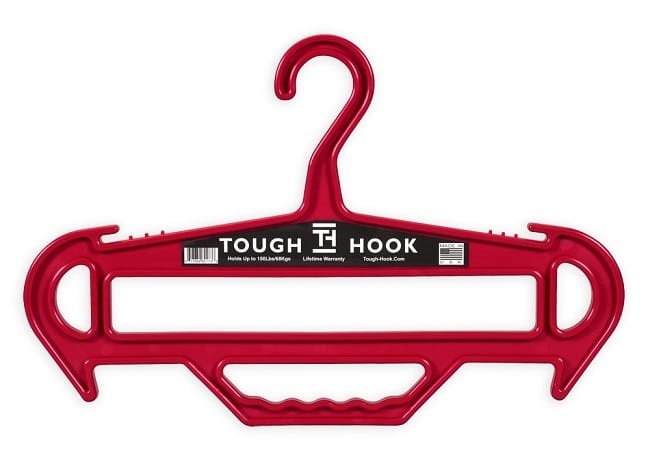
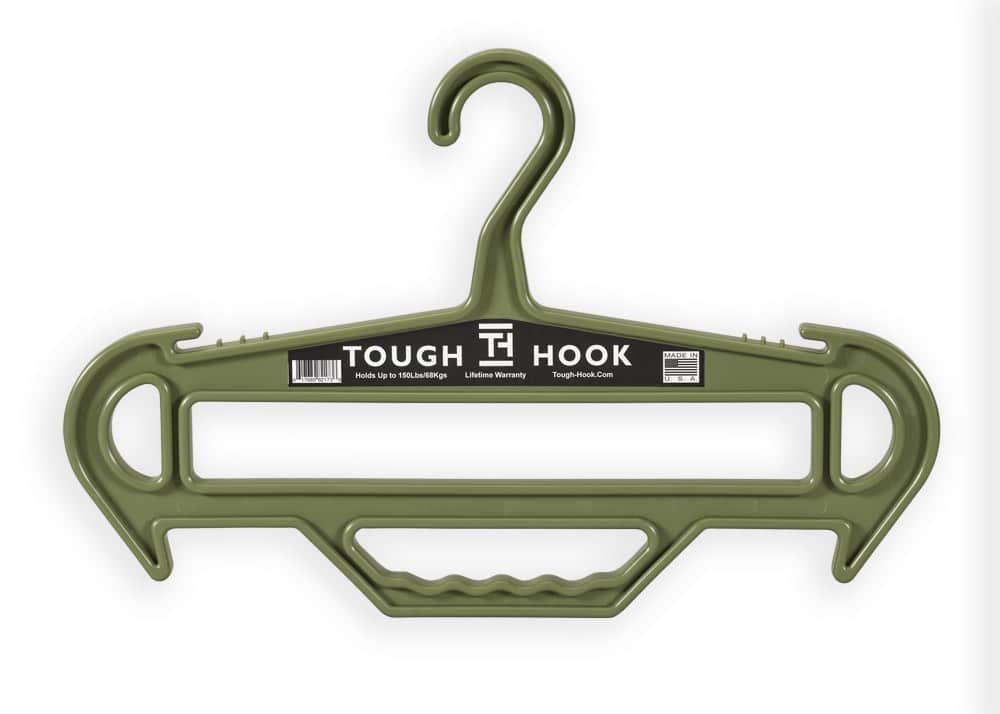
By using a specialized tool like a Tough Hook hanger, you can ensure that your gear is suspended securely. Because our hangers feature an integrated carry handle, the transition from the storage rack to the vehicle becomes a single, fluid motion that reduces the time spent struggling with awkward straps or shifting loads.
The Role of Specialized Hanging Systems
Standard plastic or wire hangers are the enemies of ergonomics. When a standard hanger fails under the weight of a plate carrier or a heavy leather motorcycle jacket, it creates an immediate physical risk. The user may attempt to catch the falling gear, leading to sudden muscle recruitment that causes strains. Furthermore, thin hangers concentrate the weight of the gear on a very small surface area, which can damage the equipment and make it more difficult to grasp and move.
-
Load Distribution: Wide, heavy-duty hangers distribute the weight across the shoulders of the garment. This mimics the way the gear sits on the human body:
-
Structural Integrity: A hanger that does not bend ensures that the gear stays in a predictable position. You do not have to fight against a warped frame to get your vest off the rack:
-
Ease of Transport: Ergonomic storage should facilitate easy movement. If your hanger has a built-in handle, you can maintain a neutral wrist position while carrying your gear:
Tough Hook products are engineered specifically to address these mechanical needs. By providing a stable, high-capacity hanging solution, we help professionals avoid the “clutter pile” on the floor that leads to trip and fall accidents. Proper hanging also allows for better airflow, which is essential for drying heavy equipment and preventing the growth of mold or bacteria that can cause skin irritations.
Best Practices for Lifting and Hanging Gear
Even with the best storage equipment, the way a person moves is the final piece of the ergonomic puzzle. Training yourself to move with intention can prevent the “micro injuries” that accumulate over a career. When you are moving your kit from a locker to a bench or a vehicle, keep the following principles in mind.
-
Power Lifting Techniques: Always lead with your legs. Even when hanging a vest on a Tough Hook, keep your core engaged and avoid twisting your spine:
-
Two-Handed Grip: Use both hands to stabilize heavy items. This balances the load across both shoulders and prevents one side of the body from overcompensating:
-
Avoid the Reach: If a storage rack is too high, use a step stool rather than standing on your tiptoes. Reaching upward while holding a heavy load puts immense pressure on the cervical spine:
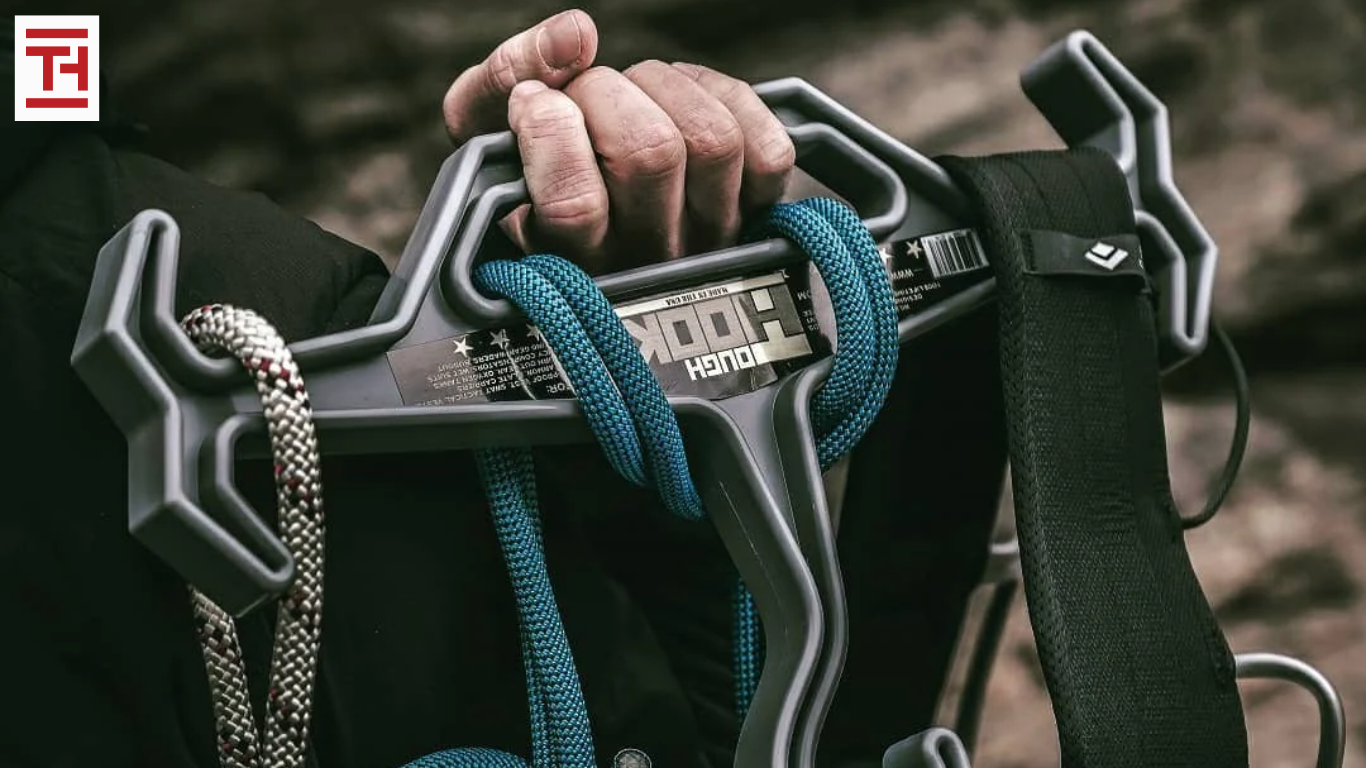
The integration of Tough Hook hangers into your routine simplifies these best practices. Because the hangers are nearly indestructible and feature a “flip over” design, they can be used to carry gear comfortably like a suitcase, which is significantly better for your posture than slinging a heavy bag over one shoulder.
The Long-Term Benefits of Organized Storage
The relationship between ergonomics and gear storage is not just about avoiding immediate pain. It is about career longevity and equipment ROI. Gear that is stored ergonomically lasts longer because its internal fibers and hard plates are not being crushed or stressed in unnatural ways. Similarly, a professional who manages their physical strain today will have fewer chronic health issues ten or twenty years down the line.
-
Improved Focus: When you are not distracted by a nagging back ache or a strained shoulder, you can perform your duties with higher precision:
-
Reduced Equipment Replacement Costs: Gear that is hung properly maintains its shape and protective qualities longer than gear that is balled up in a corner:
-
Streamlined Readiness: An ergonomic storage room allows for faster “donning and doffing” of equipment, which is vital in emergency response scenarios:
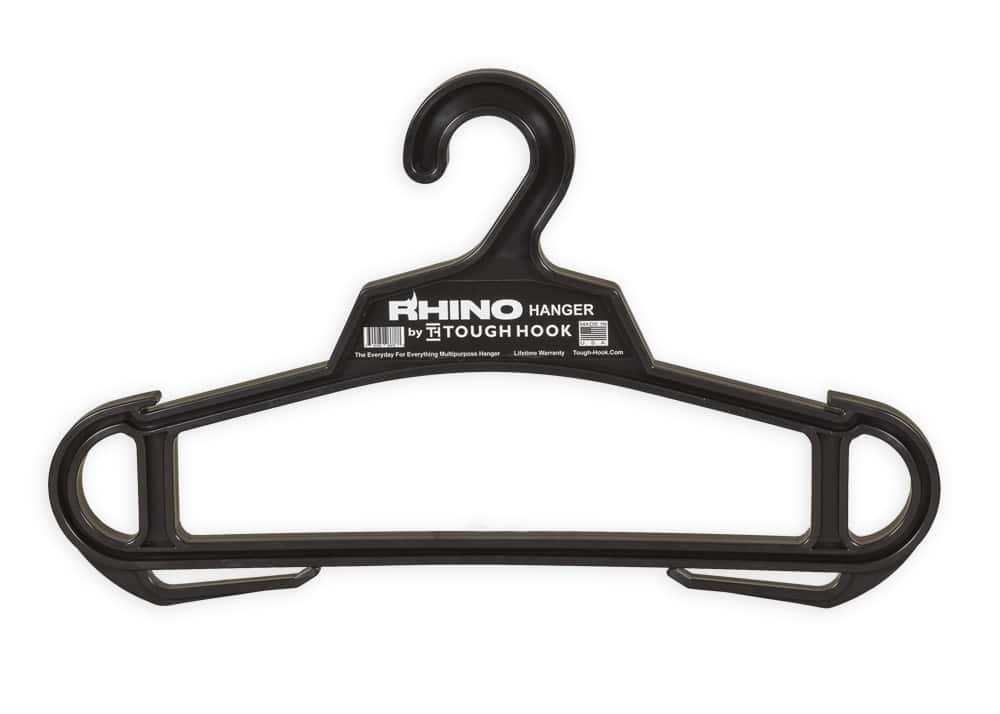
In conclusion, ergonomics should never be an afterthought in the equipment room. By investing in high-quality storage solutions like Tough Hook hangers and adhering to smart lifting and spatial organization principles, you are making a direct investment in your own physical health. Whether you are hanging a ballistic vest, a heavy wetsuit, or specialized fire-timber gear, the goal remains the same: reduce the strain, eliminate the injury, and stay in the fight.