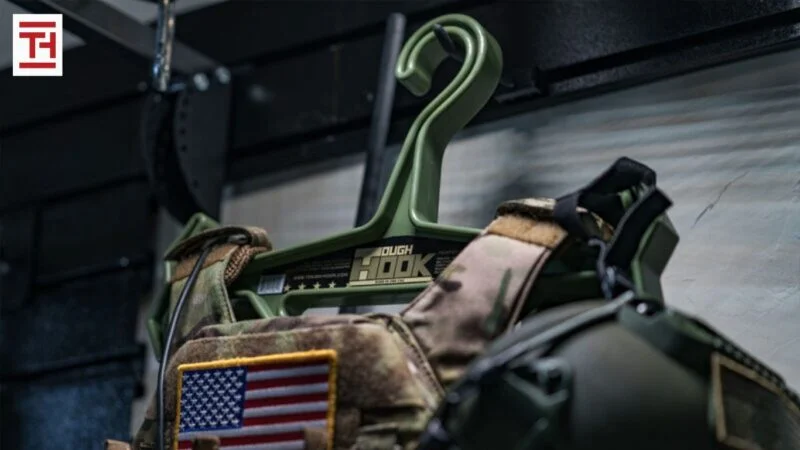
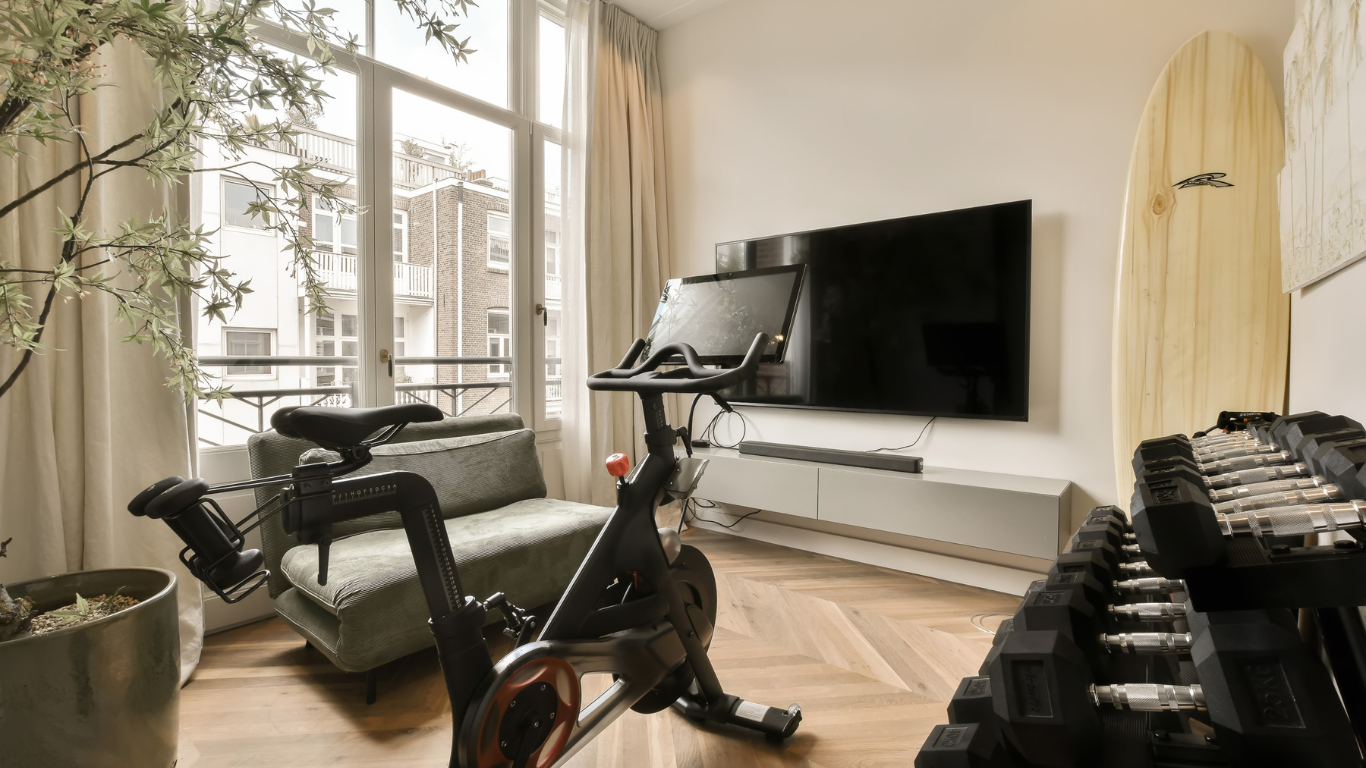
The evolution of the home fitness landscape has shifted from simple yoga mats and light dumbbells to professional-grade setups featuring racks, barbells, and specialized tactical training equipment. As more athletes embrace the convenience of training in their garage or spare room, a common challenge has emerged: the logistics of gear management. High-performance equipment like weighted vests and plate carriers are foundational for building functional strength and endurance, yet they present a unique storage problem due to their awkward shapes and significant weight. Ensuring your home gym remains a productive sanctuary requires more than just buying the right weights; it requires a structural approach to organization that preserves the integrity of your investment.
The Rise of Weighted Vest Training in Home Environments
Weighted vests have transcended their origins in military and tactical training to become a staple in the functional fitness community. Whether you are performing a Murph workout, increasing the difficulty of a hike, or adding resistance to bodyweight lunges, the vest provides a hands-free method to increase intensity. However, these vests are not like standard gym clothes. A high-quality vest can weigh anywhere from 20 to over 100 pounds depending on the plates or sandbags used.
When you finish a grueling session, the temptation is to drop the vest on the floor or drape it over a bench. This is where the problems begin. Moisture from sweat trapped in the fabric can lead to odor and mildew if not aired out properly. Furthermore, the constant pressure on the seams when a vest is slumped on the ground can degrade the material over time. To maintain your gear, you need a storage solution that can handle the vertical load without snapping under pressure.
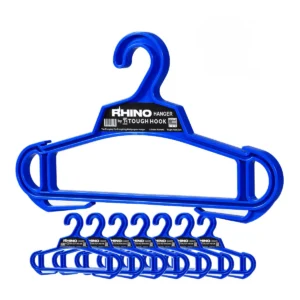
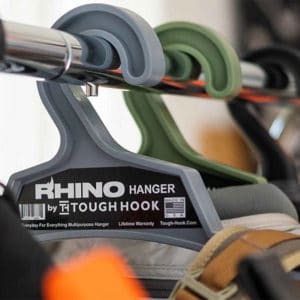

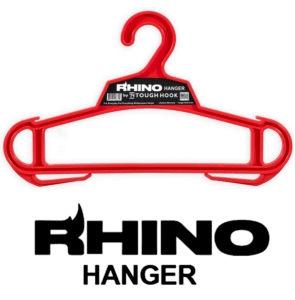
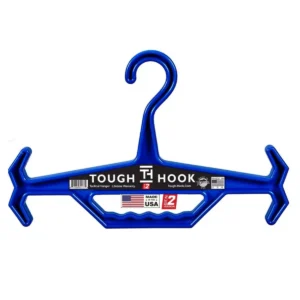

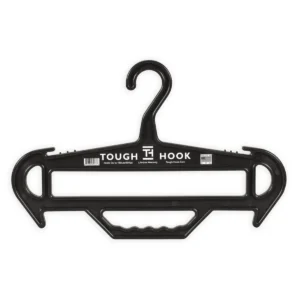

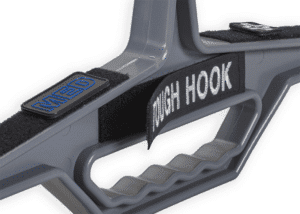
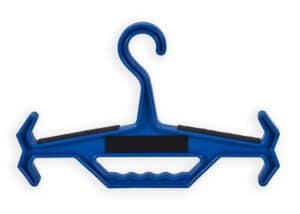
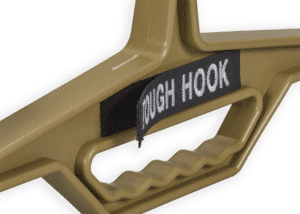
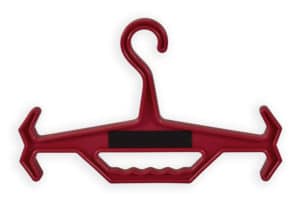

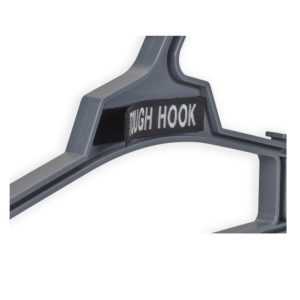
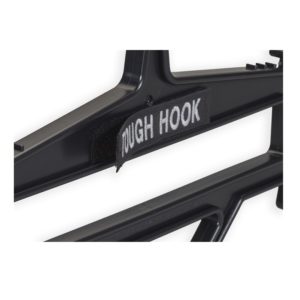


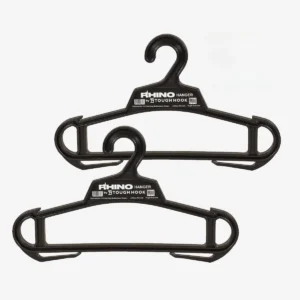
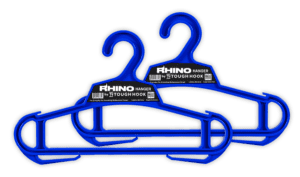
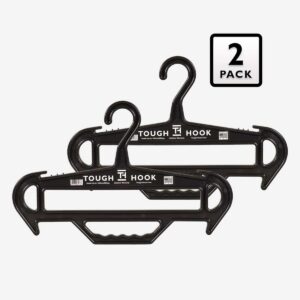
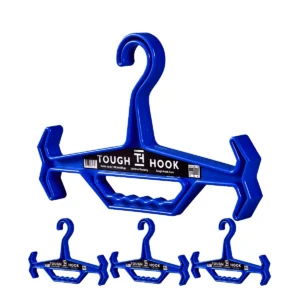
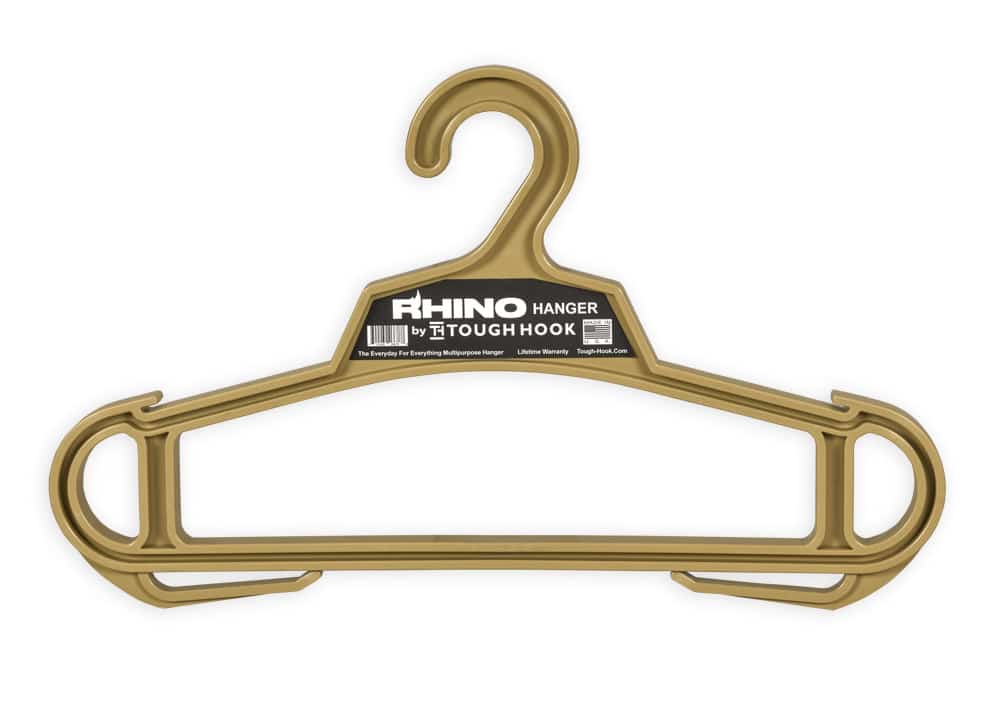
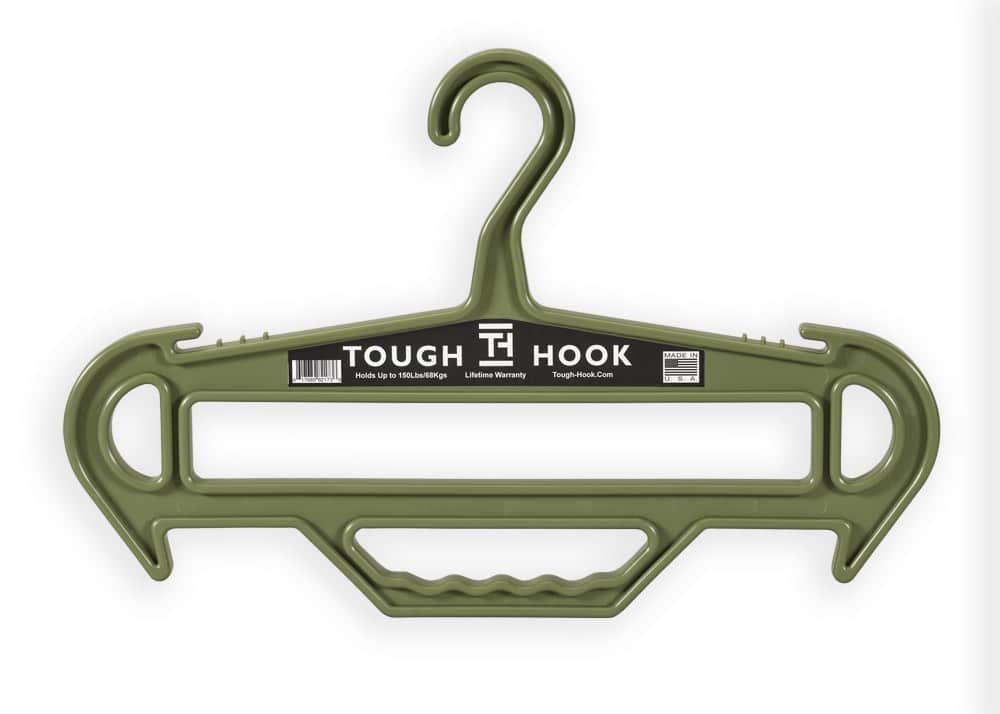
2 Pack RHINO Heavy Duty Clothes Hanger Bundle
Original price was: $27.95.$23.95Current price is: $23.95.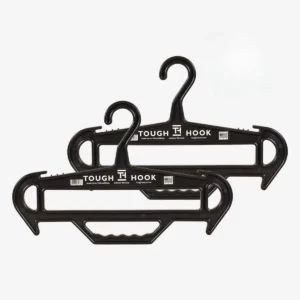
Why Standard Storage Solutions Fail Heavy Gear
Many home gym owners realize too late that residential-grade organizers are not built for tactical or heavy-duty fitness equipment. A standard plastic or wood hanger found in a bedroom closet is designed to hold perhaps five pounds of fabric. When you subject that same hanger to a 40-pound weighted vest, it will flex, crack, or shatter within seconds. Even metal hangers often bend, losing their shape and causing the vest to slip off.
The consequences of using inadequate storage include:
-
Equipment Damage: Constant falling or slipping can tear the internal linings of plate carriers.
-
Safety Hazards: A heavy vest falling from a height because of a broken hanger can cause injury to pets, children, or your own feet.
-
Clutter and Stress: A disorganized gym leads to a disorganized mind, often dampening the motivation to train.
-
Hygiene Issues: Gear that is piled up does not receive proper airflow, leading to “gym funk” that is nearly impossible to wash out.
Tough Hook: The Engineering Behind Heavy-Duty Support
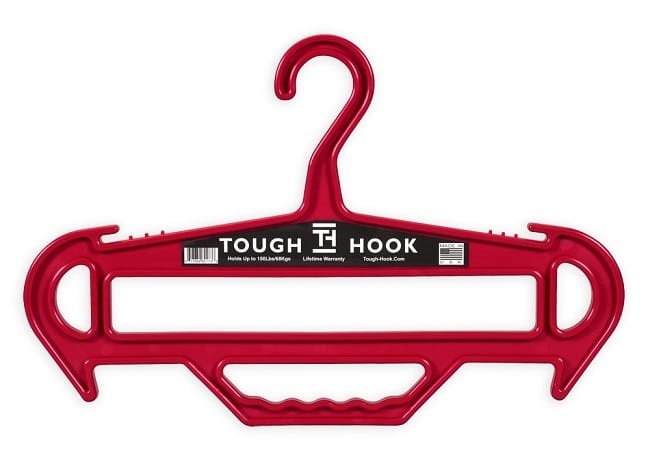
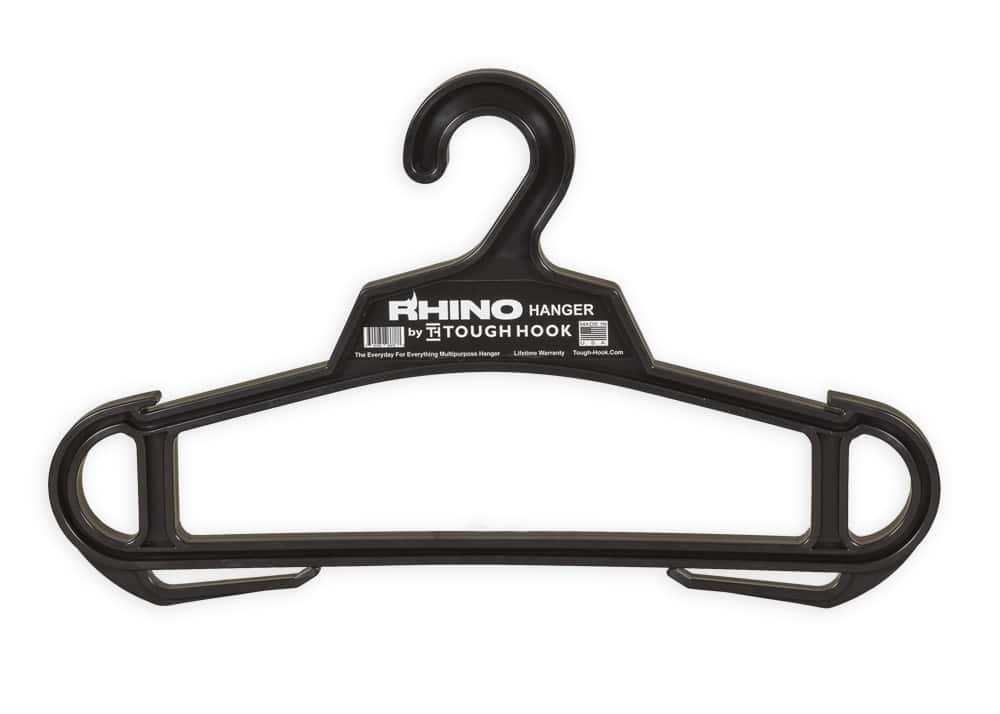
To solve the crisis of crumbling hangers and cluttered floors, specialized solutions are required. This is where Tough Hook steps in. As a company dedicated to creating heavy-duty hangers for clothing and equipment, Tough Hook has engineered products specifically designed to support the gear that supports your fitness journey. Our hangers are built to withstand the extreme weights associated with body armor, heavy cold-weather gear, and, most importantly, weighted training vests.
By using a specialized hanger from Tough Hook, you are not just hanging a piece of clothing; you are utilizing a tool designed to hold over 150 pounds of equipment. This level of durability ensures that your most expensive training assets are kept off the floor and in a position where they can dry and maintain their shape. For the home gym enthusiast, this means less time cleaning up and more time focusing on the next set.
Strategic Organization for Your Training Gear
Creating an efficient home gym involves more than just a single hook. It requires a system that accounts for the variety of gear used in modern strength and conditioning. Consider these categories when planning your storage:
-
Tactical Gear and Vests: Use heavy-duty hangers to suspend vests from a dedicated wall rack or a sturdy pull-up bar.
-
Resistance Bands and Jump Ropes: Wall-mounted pegs keep these items from tangling and prevent the rubber from degrading on cold concrete floors.
-
Lifting Belts and Straps: These should be hung vertically to maintain their natural curve and prevent the leather from cracking.
-
Footwear: A dedicated rack for lifting shoes and running sneakers helps keep outdoor debris away from your lifting platform.
Maintenance Tips for Longevity
Proper storage is the first step, but ongoing maintenance of your weighted vest and training gear will ensure they last for a decade rather than a season. Follow these best practices to get the most out of your equipment:
-
Air Dry Immediately: After every workout, hang your vest on a high-capacity hanger in a well-ventilated area.
-
Check for Wear: Regularly inspect the stitching on your vest and the integrity of your storage hooks to ensure nothing is reaching its breaking point.
-
Distribute Weight: When storing vests for long periods, ensure the weight plates are centered so the vest does not lean or stretch unevenly.
-
Clean Sparingly: Use a damp cloth for surface dirt rather than frequent machine washing, which can weaken the Velcro and nylon.
Designing a Professional-Grade Storage Wall
For those with limited floor space, the vertical plane is your best friend. A “gear wall” is a popular trend in home gyms that combines aesthetics with functionality. By installing a heavy-duty rail or a series of reinforced studs, you can create a display that showcases your equipment while keeping it accessible.
A gear wall should prioritize the heaviest items at eye level or slightly below to prevent strain when lifting them off the hook. Placing your Tough Hook hangers on a reinforced bar allows you to slide equipment back and forth, making it easy to organize by workout type. This professional setup mirrors the environments found in elite training facilities and military prep rooms, fostering a mindset of discipline and readiness.
The Psychology of an Organized Gym
There is a significant psychological benefit to having a clean, organized training space. When you enter a gym where every piece of equipment has a dedicated home, your brain signals that it is time for focused work. Conversely, a gym filled with piles of gear and broken hangers creates a sense of chaos that can lead to shorter, less effective workouts.
Investing in heavy-duty storage like those provided by Tough Hook is an investment in your mental game. It eliminates the friction of starting a workout because you no longer have to dig through a pile to find your belt or vest. Everything is ready, aired out, and waiting for you.
Final Thoughts on Home Gym Optimization
The transition from a casual trainee to a dedicated home gym athlete involves a shift in how you treat your equipment. High-performance gear like weighted vests requires high-performance storage solutions. By moving away from flimsy residential hangers and embracing the industrial-strength capabilities of Tough Hook, you protect your gear, your safety, and your motivation.
Remember that a home gym is a work in progress. As your strength grows, your equipment list will likely expand. Establishing a foundation of heavy-duty organization now will allow you to scale your training without outgrowing your space. Keep your gear off the floor, keep it dry, and keep it ready for the next challenge.