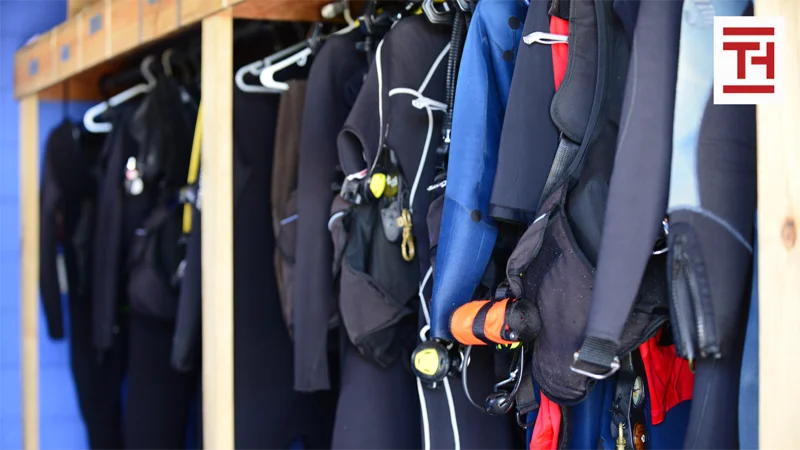
For the dedicated athlete, your fitness gear is an investment in your health, performance, and commitment to training. Weighted vests, resistance bands, and workout gloves are staples in many home and commercial gyms, providing crucial elements for strength training, conditioning, and protection. However, like any valuable equipment, their longevity and effectiveness rely heavily on one often-overlooked factor: proper storage.
[/vc_column_text][/vc_column][/vc_row]
Improperly stowed gear doesn’t just look messy; it can lead to material degradation, reduced functionality, and premature wear, costing you money and potentially hindering your next workout. From the heavy fabric of a weighted vest to the elastic polymers of a resistance band and the leather of a lifting glove, each item requires a tailored storage approach to ensure it stays in top condition.
This comprehensive guide breaks down the best strategies for organizing and preserving these three essential pieces of equipment, ensuring they are always clean, accessible, and ready for your toughest sessions.
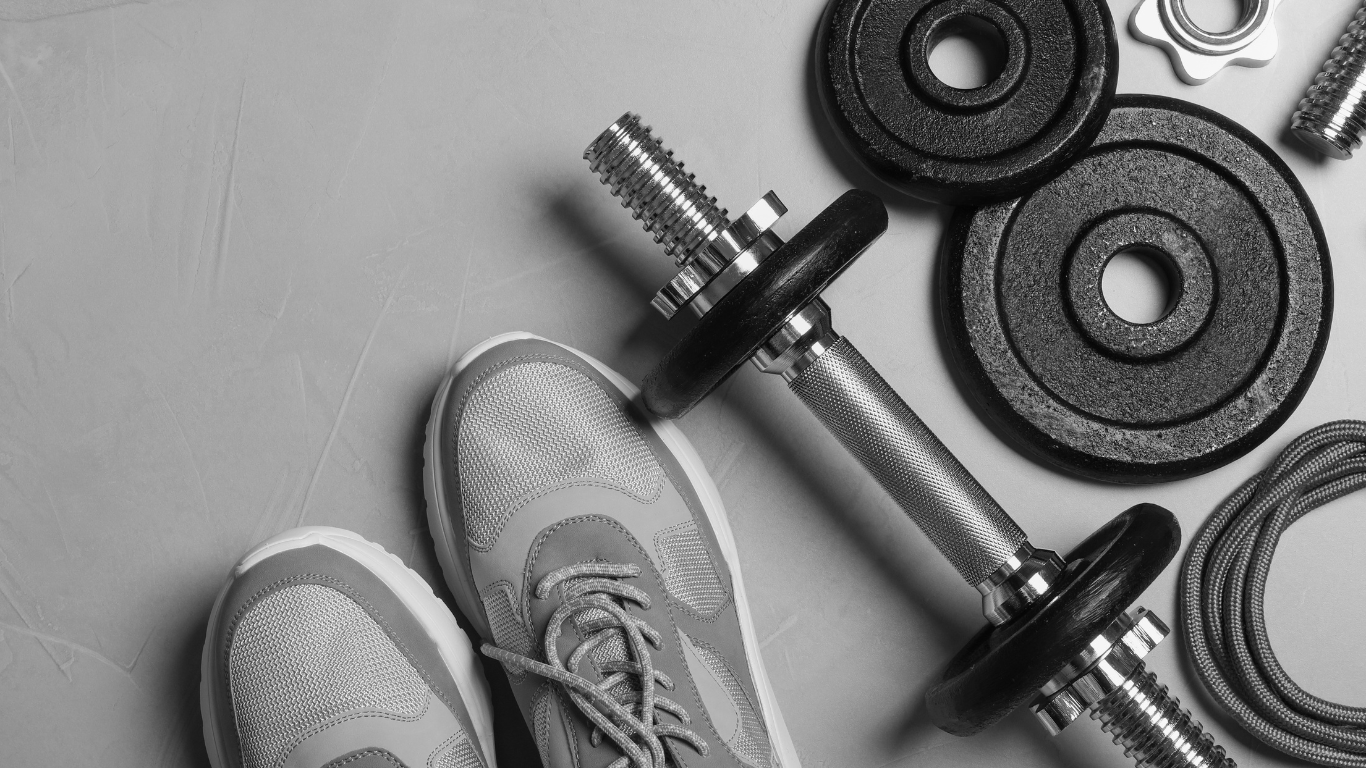
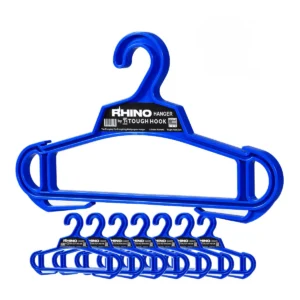

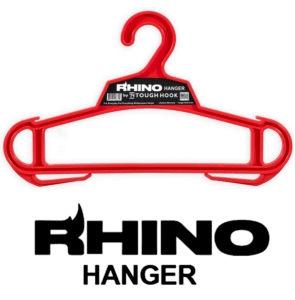
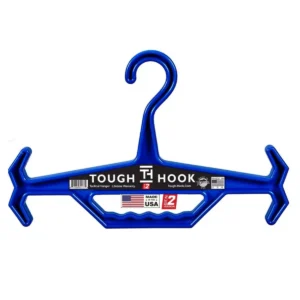

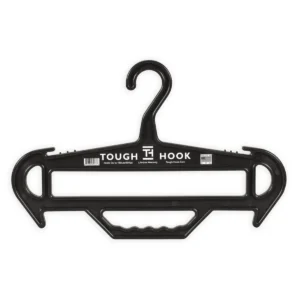

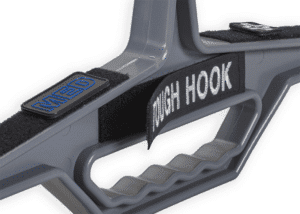
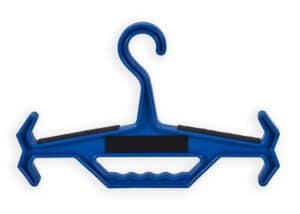
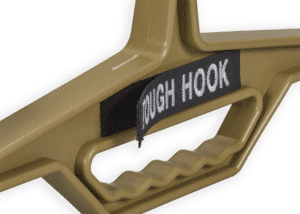
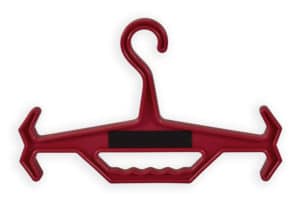
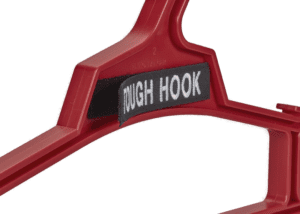
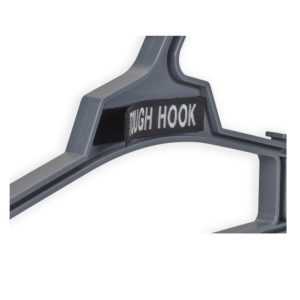
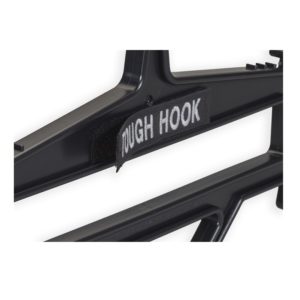


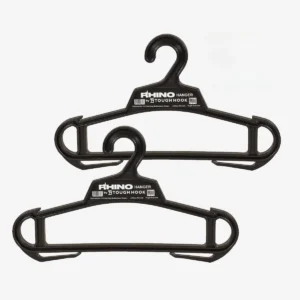
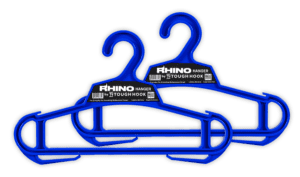
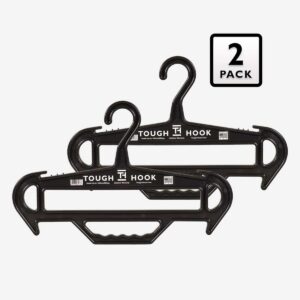
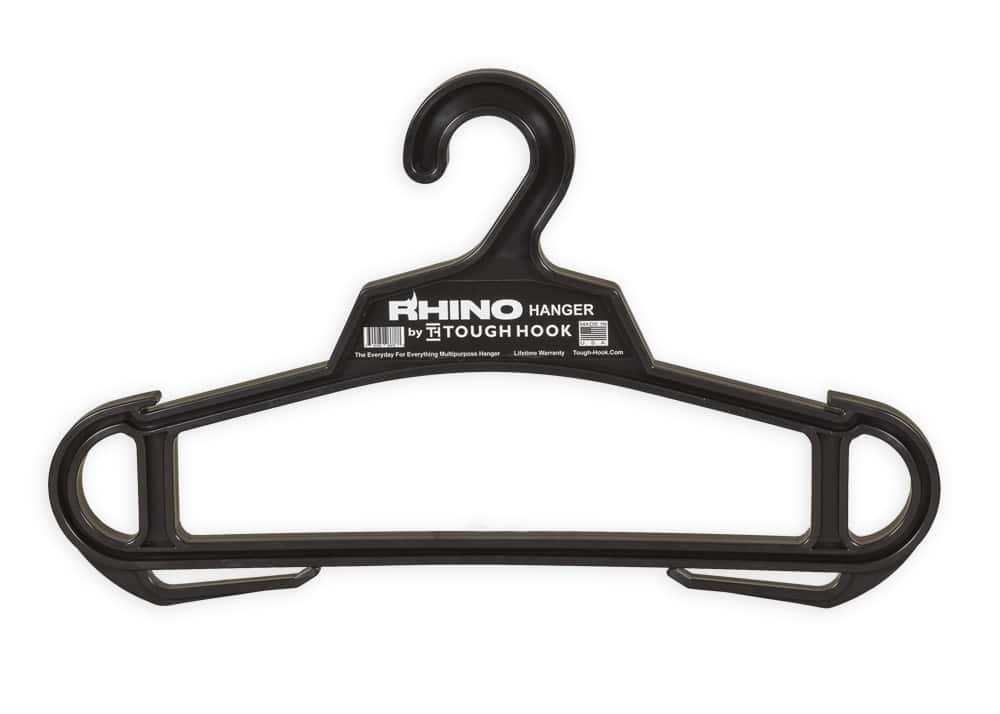
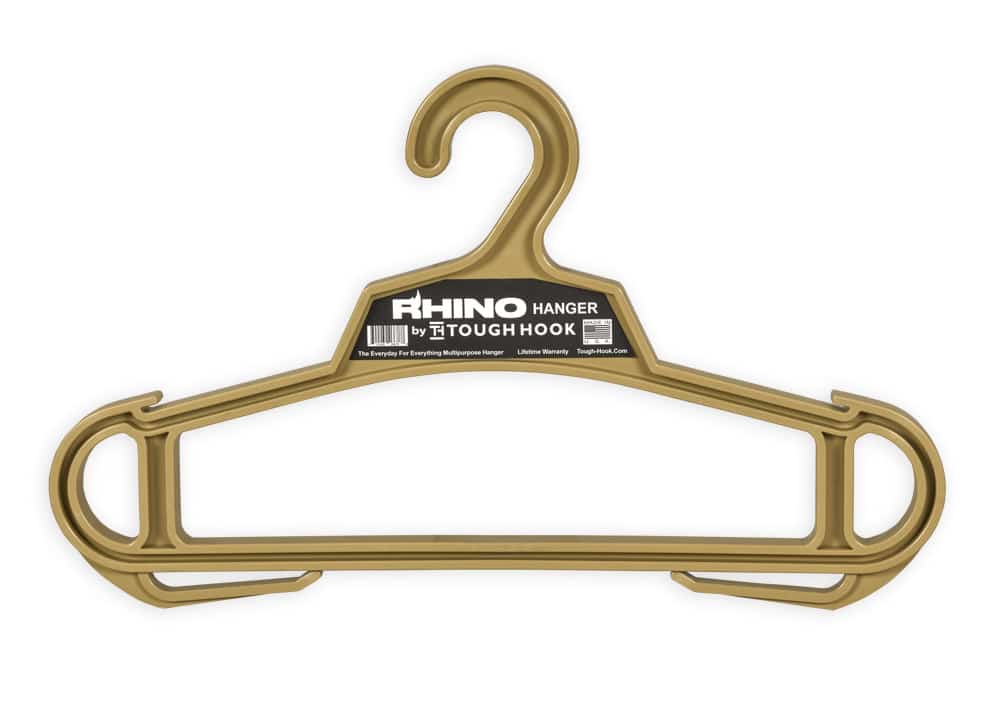
2 Pack RHINO Heavy Duty Clothes Hanger Bundle
Original price was: $27.95.$23.95Current price is: $23.95.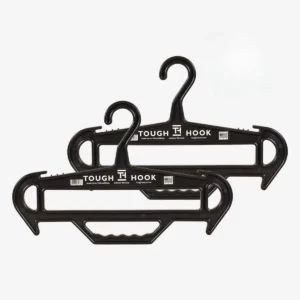
The Weighted Vest: Handling the Heavy Hitter
A weighted vest is a significant piece of equipment, often built with rugged materials but containing serious, concentrated weight that can stress standard storage solutions. The primary goal of weighted vest storage is to maintain the vest’s shape, prevent unnecessary strain on seams and straps, and allow the fabric to dry thoroughly after a sweaty workout.
Best Practices for Weighted Vest Storage:
-
Prioritize Drying and Ventilation: Never store a sweaty vest immediately. Always air it out first. Hanging it in a well-ventilated area for several hours or overnight is crucial to prevent mildew, mold, and odor buildup.
-
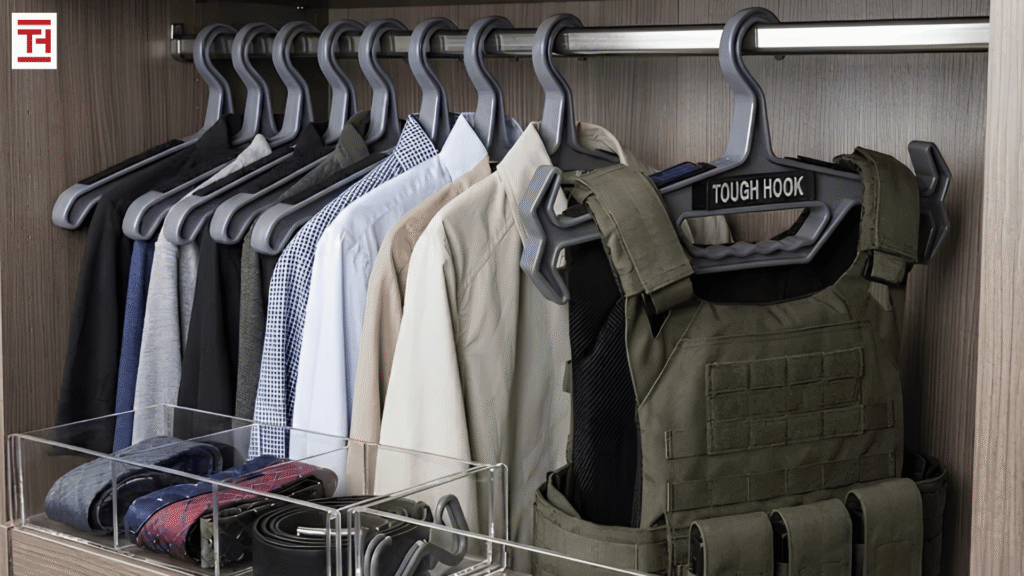
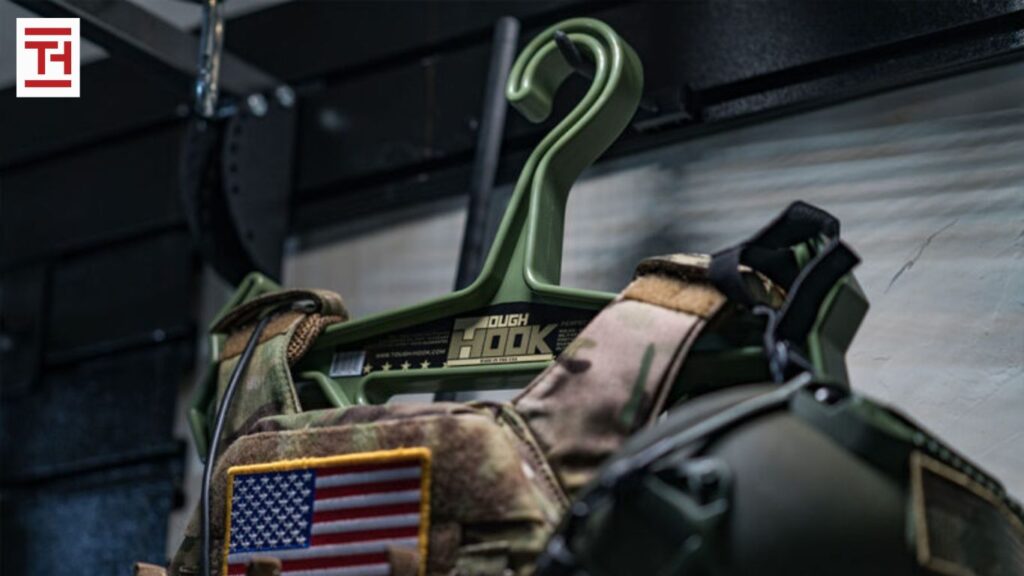
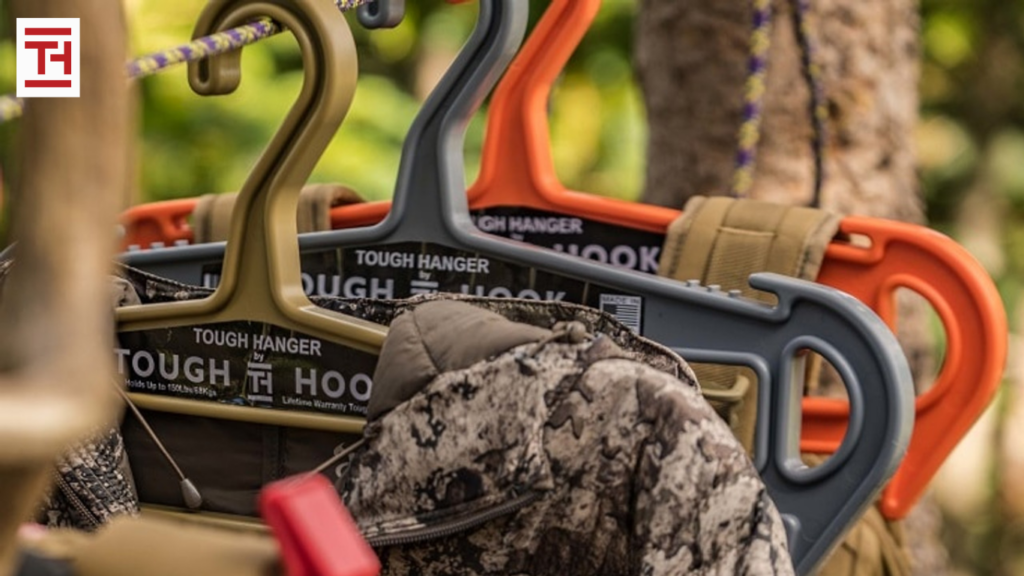
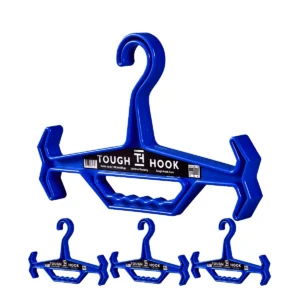
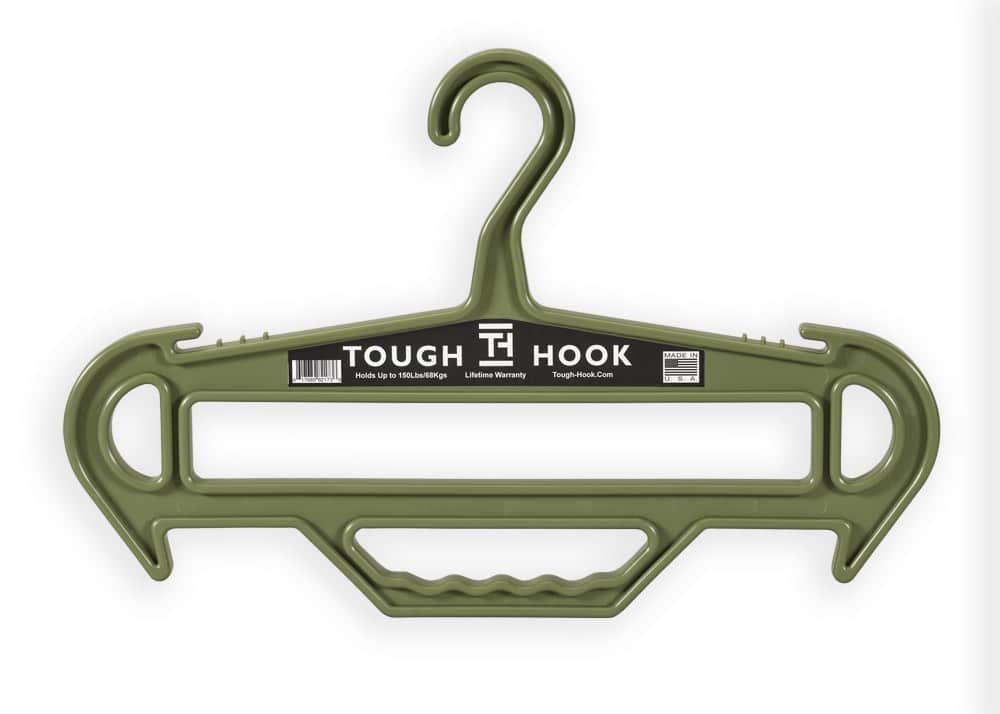
Use a Heavy-Duty Hanger: Standard plastic or even wooden hangers are simply not built to handle the thirty, fifty, or even seventy-five pounds a loaded vest can weigh. A weighted vest requires a specialized, heavy-duty hanging solution. Our company, Tough Hook, a leader in heavy-duty hangers, specifically engineers products that support up to 200 pounds of equipment. Hanging your vest on a Tough Hook prevents the shoulder straps from being crushed or creased and maintains the vest’s integrity. For a closer look at load ratings and materials, see our weighted vest hanger guide
-
Consider Dedicated Wall or Rack Mounts: For a more permanent solution, you can install heavy-duty, reinforced wall hooks or a dedicated vest storage rack in your home gym. This ensures the weight is distributed properly and keeps the vest off the floor, maximizing floor space.
-
Store Weights Separately (If Applicable): If your vest uses removable weight plates or sandbags, consider removing and storing them separately on a shelf or in a dedicated container for long-term storage. This reduces stress on the vest fabric and makes it easier to clean.
-
Maintain a Cool, Dry Environment: As with most fitness gear, keep the vest out of direct sunlight, which can cause fading and material degradation. Avoid areas with extreme heat or humidity.
Resistance Bands: Taming the Tangle
Resistance bands are arguably the most challenging piece of equipment to organize due to their flexible nature and tendency to tangle into a frustrating, unusable knot. Proper storage for bands, be they loop bands, tube bands with handles, or flat therapy bands, focuses on preventing snags, protecting the rubber/latex from environmental damage, and maintaining their elastic shape.
Optimal Organization for Resistance Bands:
-
Coil or Roll Them Neatly: Before stowing, neatly coil your tube bands or roll your loop/flat bands. This prevents them from twisting and tangling together. You can secure the coiled bands with a simple piece of string, a small rubber band, or the strap that often comes with a new set.
-
Hang Them Individually: The best way to prevent tangles and keep bands accessible is to hang them. Install a small, wall-mounted rack or a row of small, separate hooks. The loops of tube bands or the handles make this easy. You can even use a section of a Tough Hook if you have one mounted, using its multiple surfaces to drape the bands so they don’t slip off.
-
Use Compartmentalized Containers: If you prefer to keep bands hidden, use a storage box with internal compartments or drawer dividers. Separating the bands by resistance level or type (e.g., separating small loop bands from large tube bands) saves time and protects the latex.
-
Mind the Environment: Resistance bands are susceptible to damage from UV light and extreme heat, both of which can make the latex or rubber brittle and prone to cracking. Always store them:
-
In a cool, dark location, such as a closet or a dedicated gym cabinet.
-
Away from sharp edges or rough surfaces that could nick or tear the material.
-
-
Keep Them Clean: Wipe down your bands with a damp cloth after each use to remove sweat and oils, which can degrade the rubber over time. Ensure they are completely dry before storing.
Resistance Band Storage Options Comparison
| Storage Method | Best For | Pros | Cons |
|---|---|---|---|
| Hanging Hooks or Wall Rack | Frequent use | Easy access, keeps bands visible, prevents tangling | Requires wall space and installation |
| Storage Container | Long-term storage | Protects bands from dust and sunlight, keeps everything organized | Less convenient for daily use |
| Coat Rack | Small collections | Quick setup, no installation required | Can look cluttered and may not support many bands |
| Wardrobe or Closet | Home gyms and shared spaces | Keeps bands out of sight, protects from direct sunlight | Requires dedicated storage space |
| Gym Bag | Travel and portability | Easy to carry and store on the go | Bands can become tangled if not organized |
Workout Gloves: Preserving Protection and Hygiene
Workout gloves, whether for weightlifting, CrossFit, or boxing, are essential for grip, hand protection, and hygiene. However, they are also prone to retaining sweat, making them a prime breeding ground for bacteria and odor. The storage strategy here is entirely focused on airing them out, drying them completely, and preventing mildew.
Smart Storage for Gloves:
-
Immediate Air-Drying is a Must: Never seal sweaty gloves in a gym bag or a plastic bin. As soon as your workout is complete, remove your gloves and allow them to air-dry completely in a well-ventilated area. Open up all wrist straps to maximize airflow to the interior.
-
Use Glove Deodorizers or Inserts: Products filled with bamboo charcoal or cedar chips can be inserted into the gloves to draw out moisture and neutralize odors faster. This is an excellent step before storing them away.
-
Hang Them to Dry: Hanging gloves allows air to circulate freely around them. Simple S-hooks on a closet rod, or clips on a heavy-duty hanger like the one from Tough Hook, work perfectly. This method ensures that the gloves maintain their natural shape and promotes a quick, full dry.
-
Store in an Open Container: Once fully dry, if you don’t hang them, store your gloves in a breathable mesh bag or an open-top basket. Avoid sealed plastic containers, which trap residual moisture and create a perfect environment for mildew.
-
Regular Cleaning: Depending on the material, follow the manufacturer’s instructions for regular washing. Hand-washing or a gentle cycle (for non-leather gloves) helps remove built-up sweat and salt that can stiffen and degrade the material over time. Ensure they are bone-dry before storing them long-term.
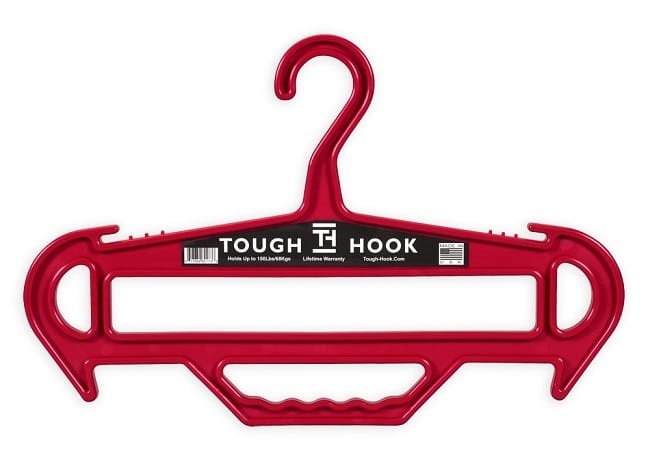
Proper organization of your weighted vests, resistance bands, and gloves is more than just about a tidy space; it’s a critical component of equipment care. By employing these simple, dedicated storage strategies, especially relying on the rugged durability of products from companies like Tough Hook for your heaviest gear, you ensure that every piece remains safe, hygienic, and ready to perform for years to come. Your gear works hard for you; it’s time to return the favor with smart, intentional storage.
Frequently Asked Questions
How do you store a weighted vest?
Air it out fully, then hang it on a heavy-duty hanger rated for the loaded weight; store removable plates separately.
Can you hang a weighted vest on a regular hanger?
No, vests loaded to 30–75 lbs will bend or crack a standard hanger. For a side-by-side breakdown of load ratings and materials, see our guide to the best weighted vest hanger.
How do you store resistance bands so they don’t tangle?
Coil and secure each band, then hang individually or use a compartmented box away from UV/heat.
How do you keep workout gloves from smelling?
Air-dry immediately with straps open; use charcoal/cedar inserts; never seal them while damp.