For the modern outdoor enthusiast, the barrier to adventure is rarely a lack of motivation but rather the friction of preparation. The process of digging through bins, untangling straps, and searching for misplaced essentials can turn a spontaneous Friday afternoon departure into a Saturday morning headache. To combat this, professional explorers and tactical experts have pivoted toward a more efficient method of organization known as the vertical packing system. By transitioning gear storage from horizontal floor space to vertical wall space, adventurers can implement a pre-staging routine that ensures every piece of equipment is visible, accessible, and ready for immediate deployment.
Vertical packing is more than just a storage trend; it is a philosophy of readiness. Traditional storage methods often involve stacking heavy plastic bins or stuffing equipment into dark closets where items are easily forgotten or damaged under their own weight. A vertical approach utilizes the unused cubic footage of a garage, mudroom, or gear shed to keep mission-critical items in a “ready-to-wear” state. This method drastically reduces the time spent packing and ensures that gear maintenance is handled long before the vehicle is loaded.
The Core Benefits of Vertical Gear Management
Transitioning to a vertical system offers several advantages that directly impact the longevity of your equipment and the speed of your departures. When gear is hung rather than stacked, it maintains its structural integrity and stays clear of common garage hazards like moisture or pests. Consider these primary benefits of a vertical setup:
-
Reduced Setup Time: By pre-staging your gear on wall-mounted systems, you eliminate the need to hunt through multiple containers for matching sets of equipment.
-
Improved Airflow and Maintenance: Hanging damp or used gear after a trip prevents the growth of mold and mildew, which often occurs in airtight storage bins.
-
Visual Inventory Management: A vertical system allows you to see exactly what you have at a glance, making it obvious if a piece of kit is missing or needs repair.
-
Minimized Gear Compression: Specialized equipment like sleeping bags and insulated jackets lose their loft and thermal efficiency when compressed in bags for long periods.

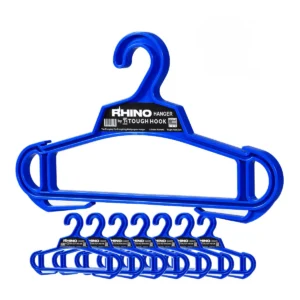
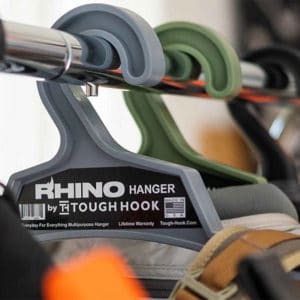

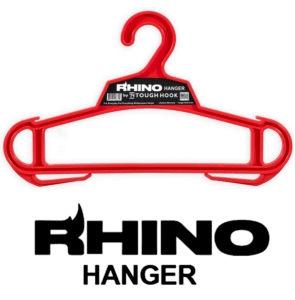

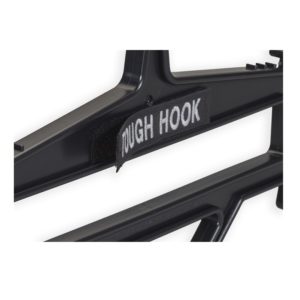


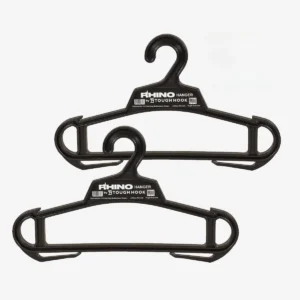
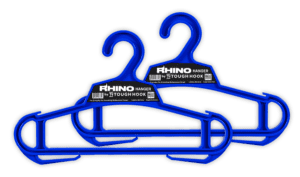
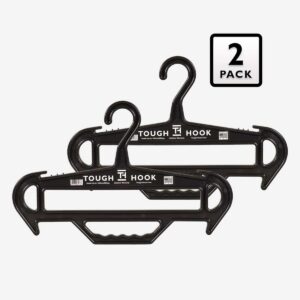
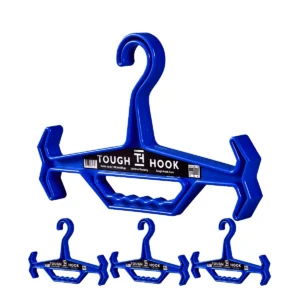
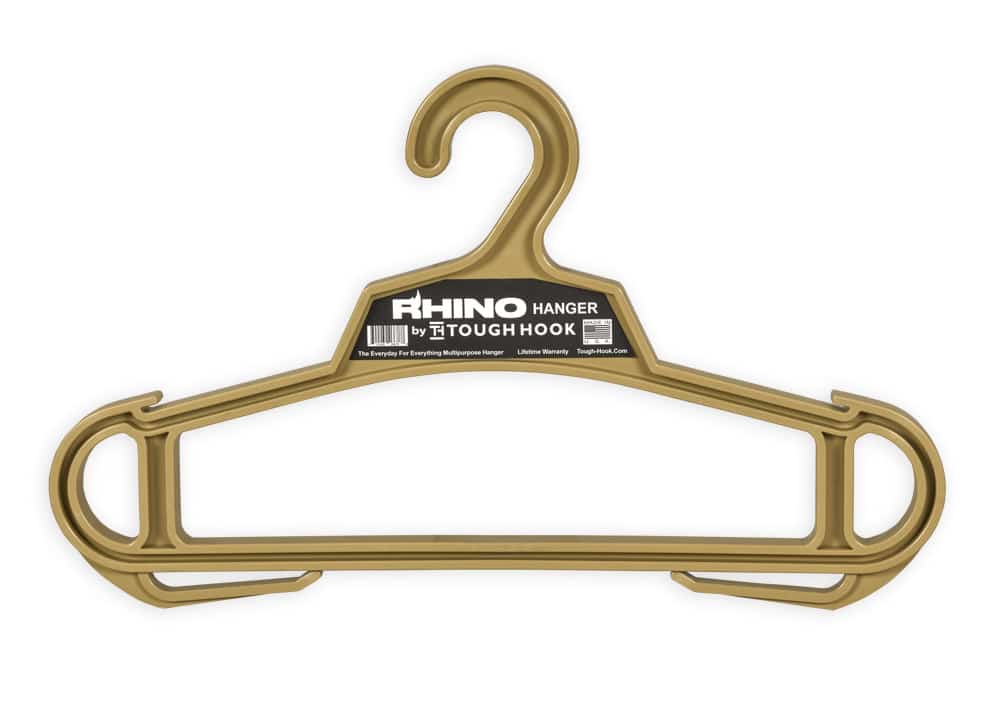
2 Pack RHINO Heavy Duty Clothes Hanger Bundle
Original price was: $27.95.$23.95Current price is: $23.95.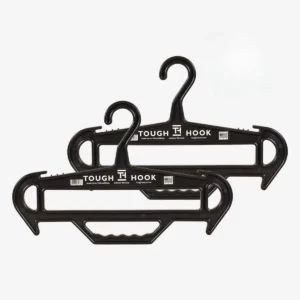
Implementing Pre-Staging with Heavy-Duty Solutions
The foundation of any successful vertical packing system is the hardware used to support the weight of professional-grade outdoor equipment. Standard plastic or wire hangers are insufficient for the heavy loads associated with SCUBA gear, tactical vests, or weighted hunting packs. This is where specialized infrastructure becomes essential for the serious outdoorsman.
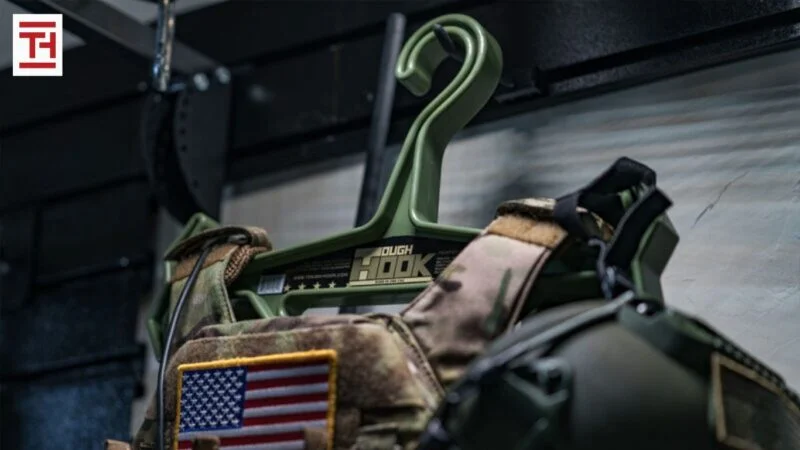
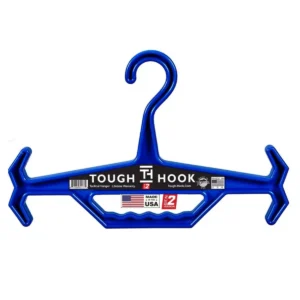
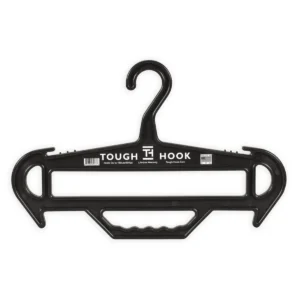
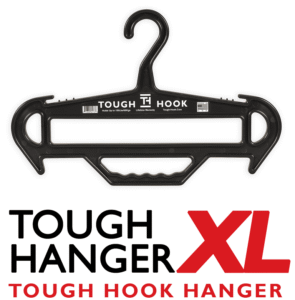
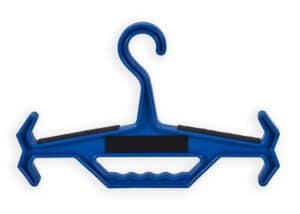
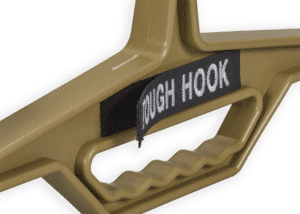
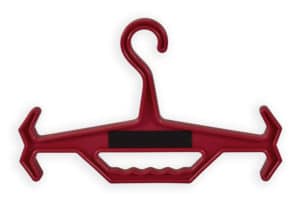
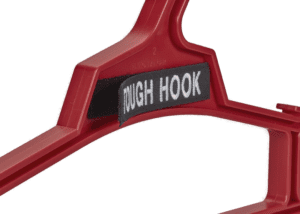
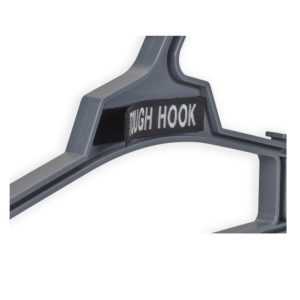
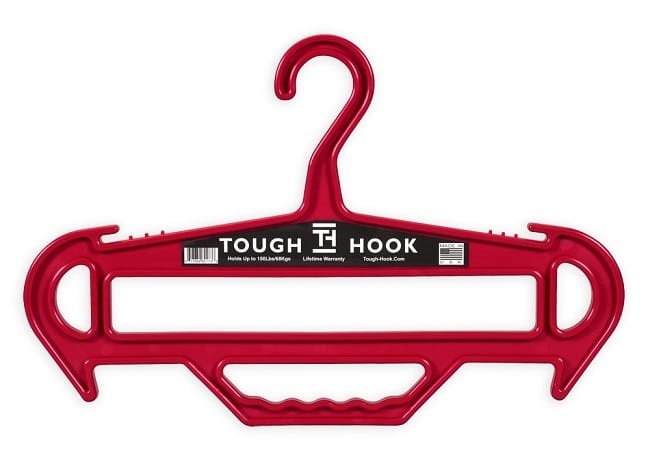
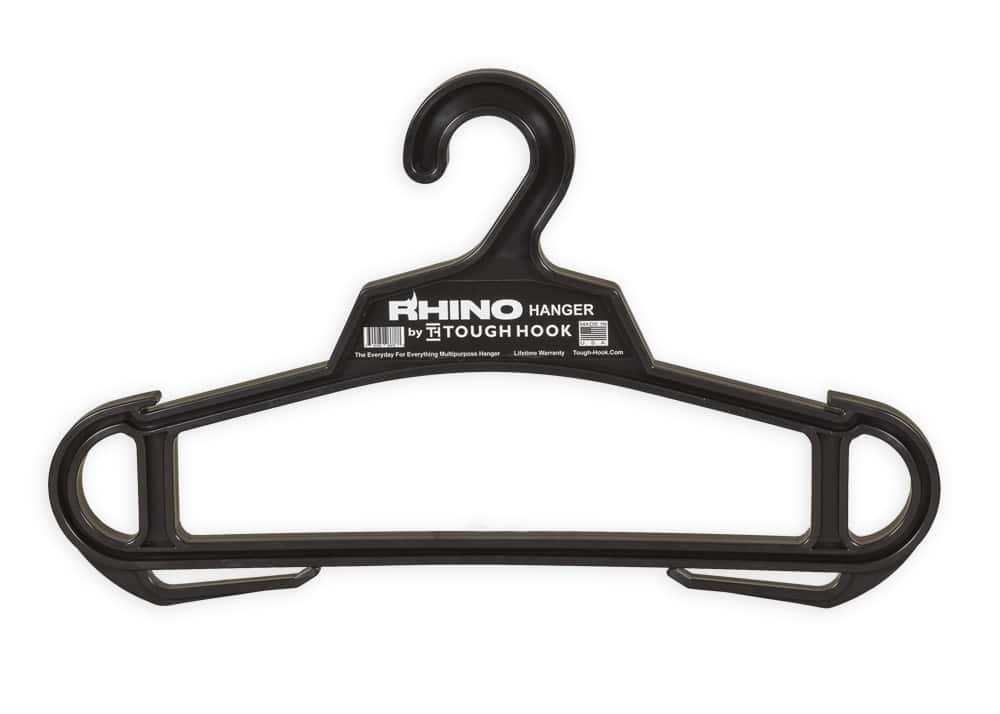
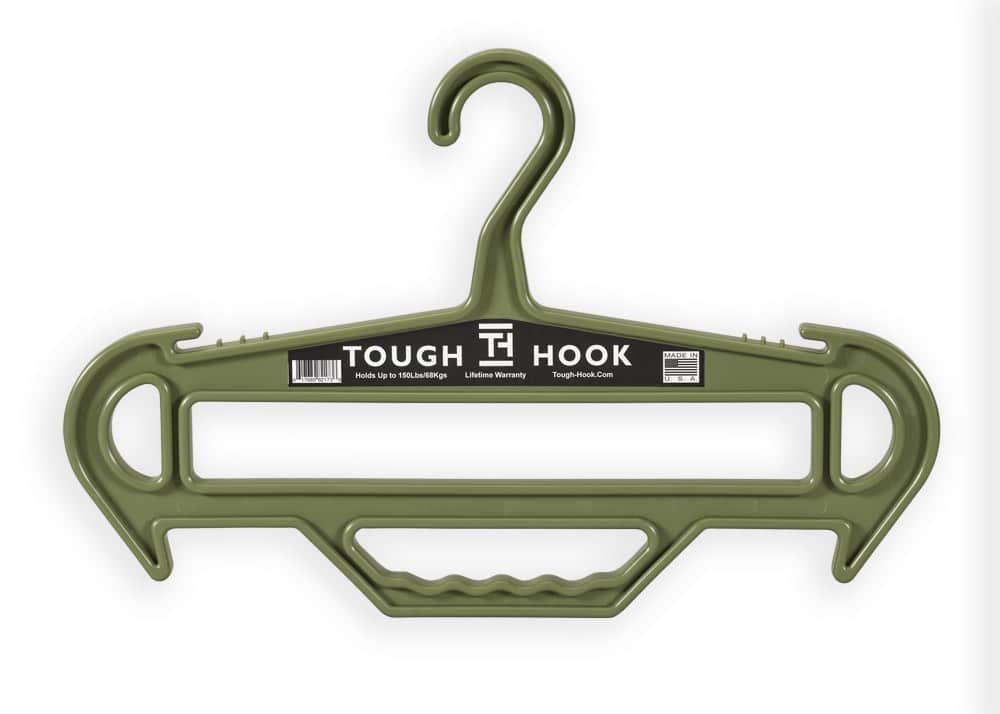
At Tough Hook, we specialize in clothing and equipment heavy-duty hangers designed specifically to support the massive weights that would snap a conventional hanger. Our hangers are engineered to hold over 150 pounds, making them the ideal anchor for a pre-staging station. By using a Tough Hook, you can hang a fully loaded plate carrier, a heavy leather motorcycle jacket, or a complete set of camping hardware without worrying about structural failure. This level of durability allows you to pre-stage your gear exactly as it will be worn or used, effectively creating a “grab-and-go” locker system.
Strategic Zoning for Different Outdoor Pursuits
To maximize the efficiency of your vertical packing system, it is helpful to organize your storage area into specific zones based on activity. This prevents the crossover of gear and ensures that when you are preparing for a specific trip, you are only interacting with the relevant equipment. Effective zoning might include the following categories:
-
The Technical Zone: This area should be dedicated to climbing harnesses, ropes, and specialized hardware that require frequent inspection for safety.
-
The Tactical and Protective Zone: Use heavy-duty hangers to support body armor, duty belts, and protective helmets to keep them off the floor and in a neutral position.
-
The Seasonal Apparel Zone: High-performance shells, waders, and insulated parkas should be hung to prevent permanent creasing or damage to waterproof membranes.
-
The Load-Bearing Zone: Backpacks and hydration systems should be hung by their haul loops to keep straps from becoming tangled or crushed.
The Pre-Staging Workflow: From Storage to Vehicle
The goal of pre-staging is to create a seamless transition from the home to the trail. A well-designed vertical system acts as a staging ground where equipment is inspected and prepared during the “off-season” or between trips. When the opportunity for a getaway arises, the user simply transfers the pre-hung items directly from the wall to the vehicle’s interior hooks or storage racks.
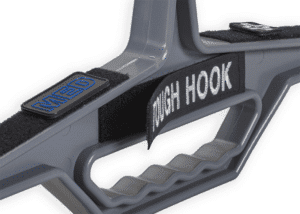
This workflow is enhanced by the unique design of Tough Hook products, which feature an integrated carry handle. This allows the user to flip the hanger over and carry the heavy equipment as if it were a briefcase, facilitating a quick transfer from the garage to the truck. This eliminates the awkwardness of cradling heavy vests or bundles of gear in your arms, further reducing the physical strain of the packing process. When gear is already pre-staged on a reliable hanger, the “packing” phase of a trip is reduced to a matter of minutes rather than hours.
Maintaining Gear Integrity in Vertical Systems
While the speed of departure is a major draw, the preservation of expensive outdoor gear is the most significant long-term benefit of vertical packing. Many high-end materials used in outdoor apparel are sensitive to pressure and heat. When gear is crammed into a bin, the weight of the items on top can damage the zippers, buckles, and specialized coatings of the items on the bottom.
By utilizing a vertical system, you ensure that gravity works in your favor. Tension is distributed evenly across the shoulders of a garment or the straps of a bag. Furthermore, keeping gear off the ground protects it from the concrete floors of garages, which can leach moisture or harbor chemicals that degrade rubber and synthetic fabrics. A vertical system is an investment in the lifespan of your equipment, ensuring that your kit is as ready for the mountain as you are.
Optimizing Small Spaces with Vertical Thinking
One of the most common misconceptions is that a professional gear room requires a large amount of square footage. In reality, vertical packing is the best solution for small apartments or cramped utility rooms. By using wall-mounted tracks or heavy-duty hooks, you can turn a single empty wall into a comprehensive storage warehouse. This efficiency is vital for those who live in urban environments but still participate in heavy-duty outdoor hobbies.
A single Tough Hook can replace a large portion of a shelf by consolidating several items into one vertical footprint. For example, a backpack, a jacket, and a helmet can often be staged on a single heavy-duty hanger if the hardware is robust enough to handle the combined mass. This tiered approach to storage maximizes every inch of available space while maintaining a clean and organized aesthetic.