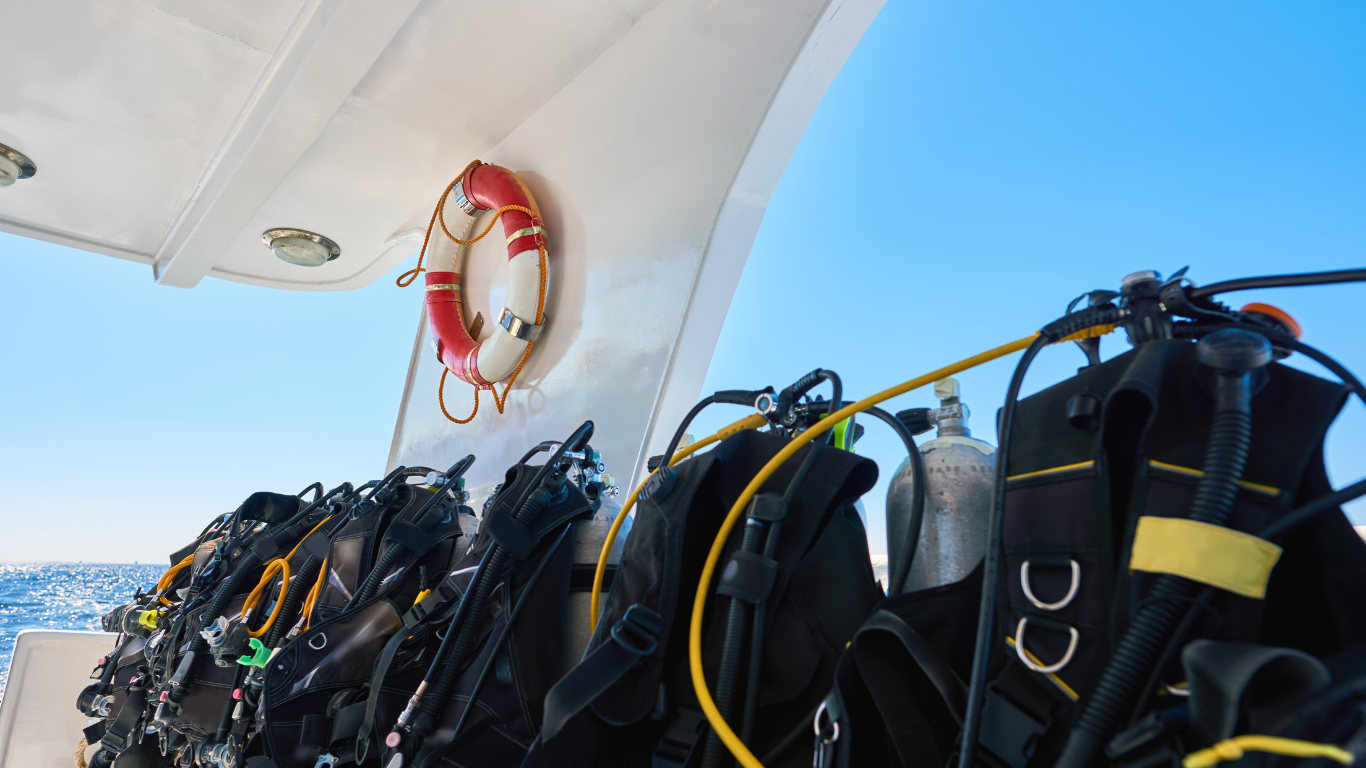
Operating in a marine environment presents a unique set of challenges that can quickly compromise even the most robust equipment. Whether you are managing a commercial shipping vessel, a coastal research station, or a recreational dive shop, the elements are constantly working against you. The combination of high salinity, intense ultraviolet exposure, and physical mechanical stress creates a perfect storm for material degradation. To ensure the longevity of your gear and the safety of your operations, it is essential to understand the science of marine corrosion and the importance of implementing specialized hanging and storage solutions.
The Chemical Warfare of the Sea
The primary antagonist in any marine setting is salt. Sodium chloride is highly corrosive, especially when dissolved in water to create an electrolyte solution. This solution facilitates the movement of ions, accelerating the oxidation process of metals. When standard equipment is exposed to salt spray or humid coastal air, it undergoes various forms of chemical breakdown that can lead to catastrophic failure.
-
Pitting corrosion: This is a localized form of corrosion that creates small holes or pits in the material. While the rest of the surface may appear intact, these deep pits can penetrate through the thickness of a hanger or support beam, causing it to snap without warning.
-
Galvanic corrosion: This occurs when two dissimilar metals come into contact in the presence of an electrolyte like seawater. One metal becomes the anode and corrodes at an accelerated rate, while the other remains protected. This is why using mixed-metal hardware in marine environments is extremely risky.
-
Crevice corrosion: This takes place in confined spaces where stagnant water can settle, such as the joints of a folding hanger or the contact points between a hook and a rack.
Beyond the chemistry of salt, the sun plays a major role in degrading storage systems. High-energy ultraviolet radiation breaks down the molecular bonds in many standard plastics and coatings. This process, known as photo-degradation, leads to chalking, fading, and brittleness. A hanger that was once flexible and strong can become fragile after a single season of exposure on a sun-drenched deck.
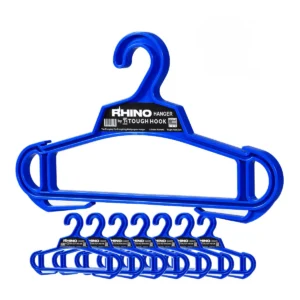


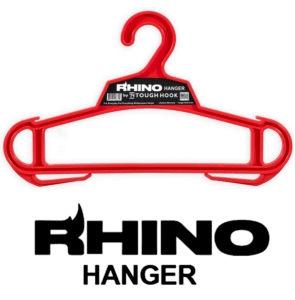
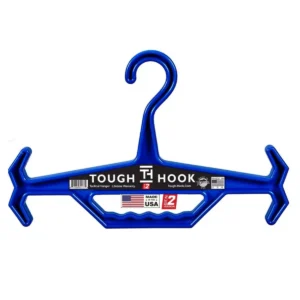

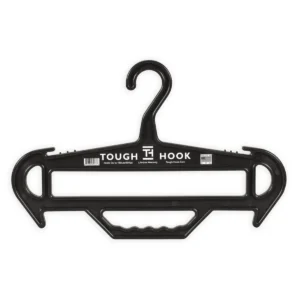

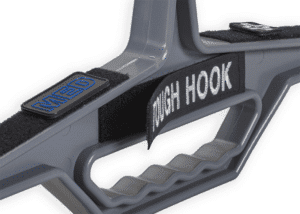
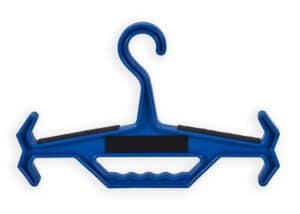
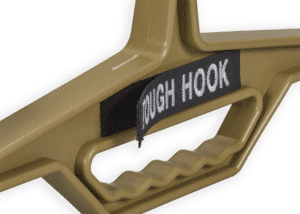
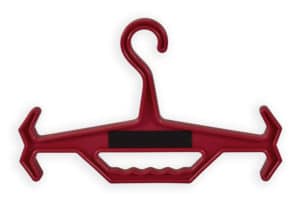
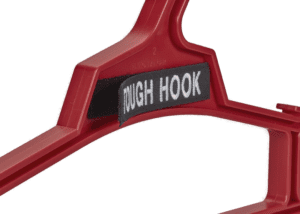


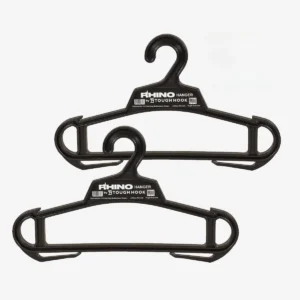
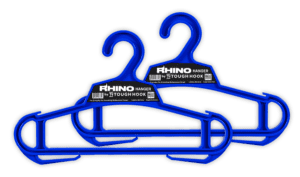
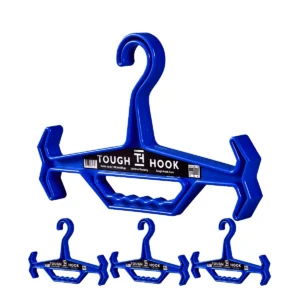
2 Pack RHINO Heavy Duty Clothes Hanger Bundle
Original price was: $27.95.$23.95Current price is: $23.95.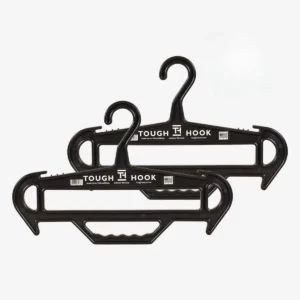
The Physical Toll of Marine Gear
Marine equipment is notoriously heavy. From lead-weighted dive belts and thick neoprene drysuits to ballistic nylon tactical vests and moisture-laden fire hoses, the weight requirements for storage are significant. When you add the constant motion of a vessel—the pitching, rolling, and heaving of a deck—the mechanical stress on hanging systems is multiplied. Standard household or even light-duty commercial hangers are simply not designed to withstand these dynamic loads.
Why Material Choice Matters
To combat these environmental factors, specialized materials must be utilized. While stainless steel is often the first thought for marine applications, even low-grade stainless can tea stain or pit over time. The most effective solutions often involve advanced polymers or high-grade composites that are naturally immune to rust and oxidation.
-
Polymers: High-density polyethylene or glass-reinforced resins offer the best resistance to chemical corrosion because they do not contain metal ions that can oxidize.
-
UV Inhibitors: Quality marine storage products are treated with chemical stabilizers that absorb or reflect UV radiation, preventing the material from becoming brittle.
-
Impact Resistance: In rough seas, gear may swing or slam against bulkheads. Materials must be able to absorb these impacts without cracking.
The Role of Tough Hook in Marine Storage
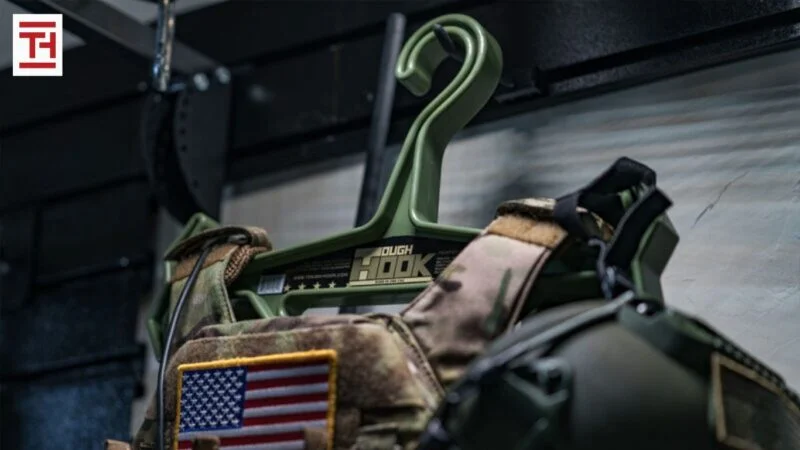
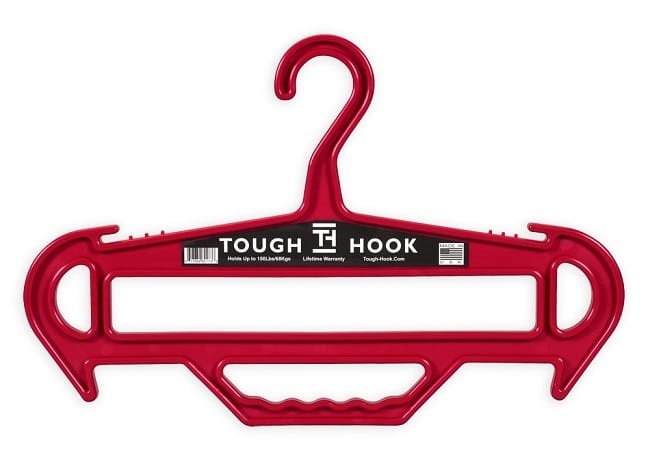
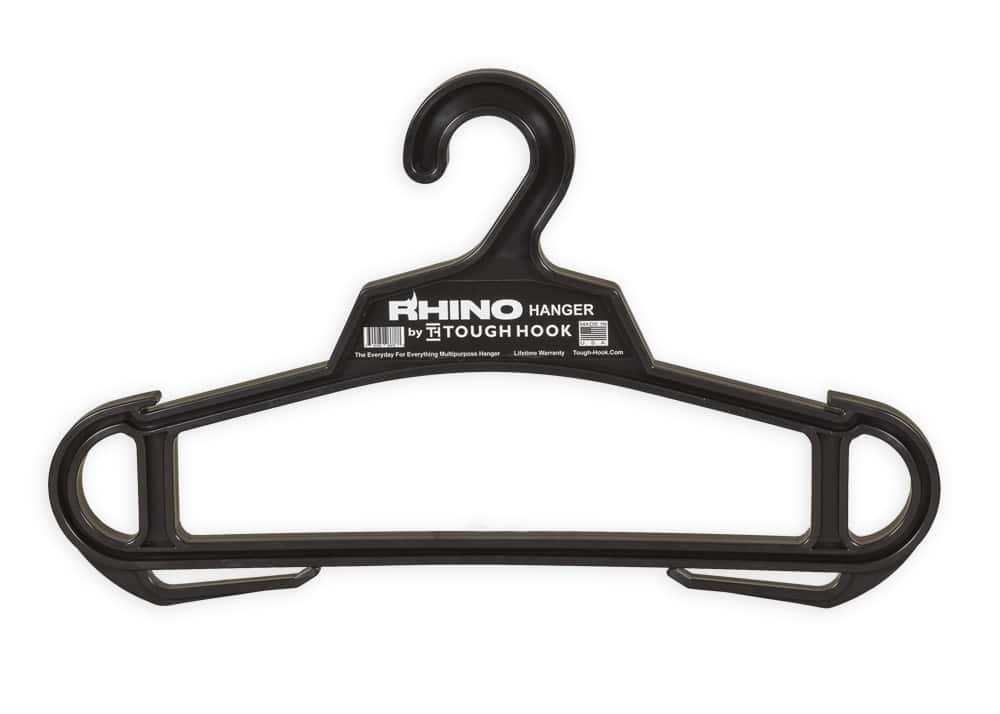
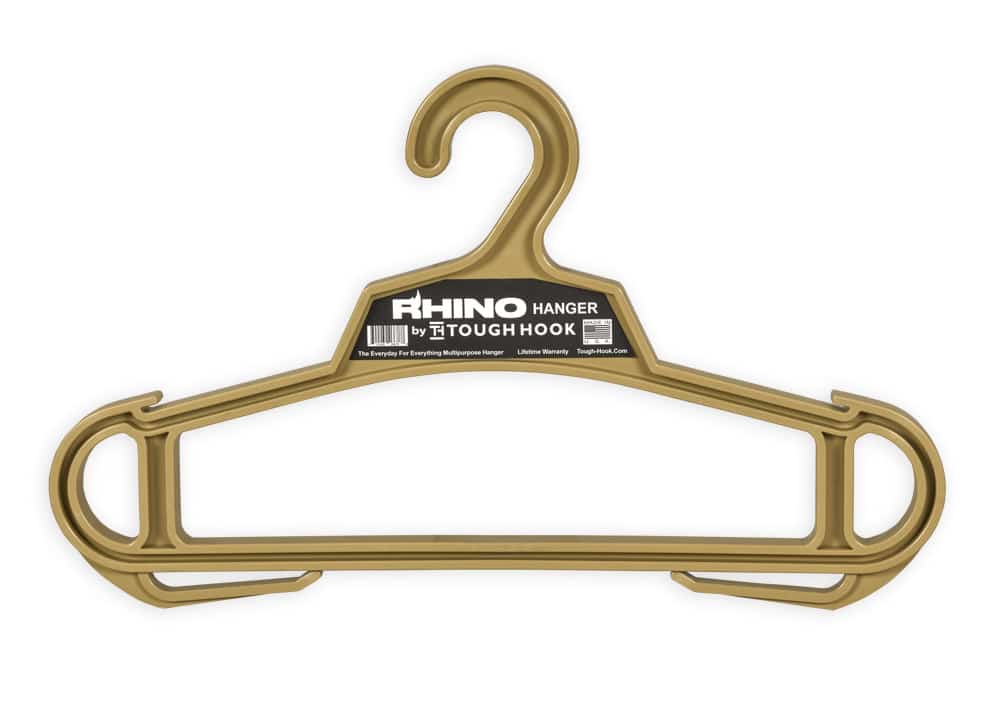
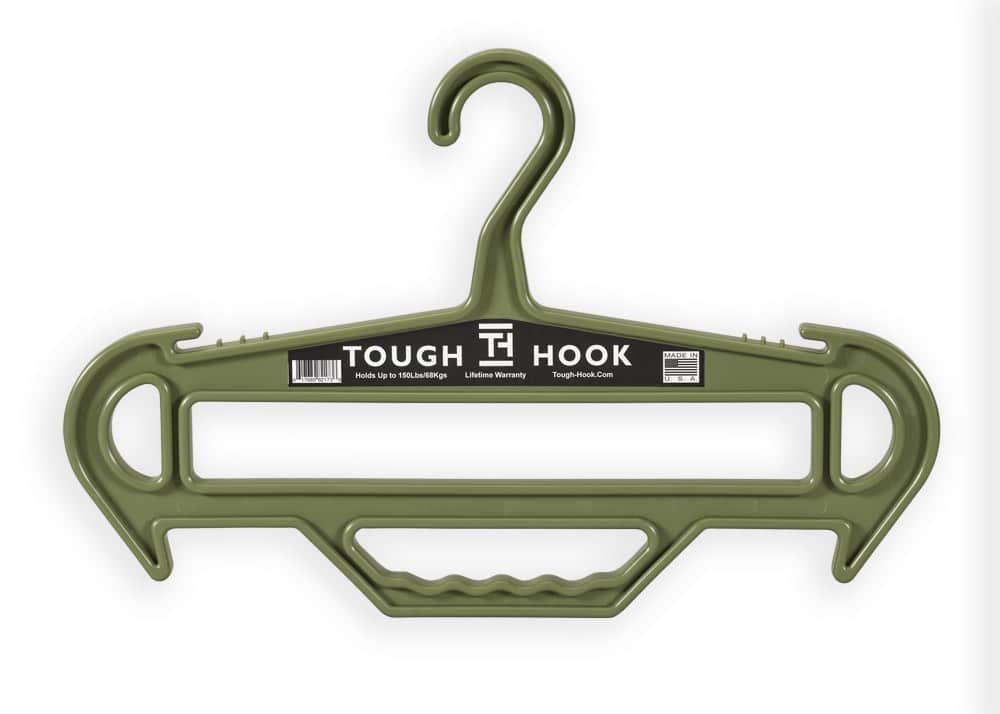
When it comes to heavy-duty applications in these punishing conditions, Tough Hook provides a specialized solution. Our company, Tough Hook, a clothing and equipment heavy-duty hangers company, has engineered products specifically designed to handle the heaviest loads while remaining completely impervious to the corrosive effects of salt and sun. Because our hangers are constructed from high-impact, non-corrosive resins, they eliminate the risk of rust stains on expensive uniforms or the structural failure common with metal-based alternatives.
Essential Features of Marine Hanging Systems
Selecting the right hanging system for a coastal or offshore facility requires a checklist of non-negotiable features. If a storage solution fails to meet these criteria, it will likely become a liability within months of deployment.
-
Load capacity: Marine hangers must be able to support upwards of 150 pounds to accommodate saturated gear and specialized equipment.
-
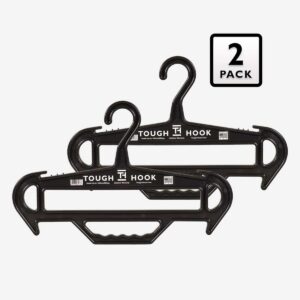
I-beam construction: This engineering design provides maximum structural integrity with minimal material weight, preventing the hanger from bowing under heavy stress.
-
Integrated grip handles: In a marine environment, portability is key. Having a built-in handle allows for the easy transport of heavy gear from the drying rack to the storage locker.
-
Reversible hooks: Flexibility in how equipment is hung is crucial for maximizing space in the cramped quarters of a boat or a shipping container.
Maintenance and Inspection Protocols
Even with the best corrosion-resistant equipment, a regular maintenance schedule is necessary to ensure the safety of the crew and the preservation of the gear. Salt buildup can eventually affect the texture and grip of storage systems, even if it does not cause them to rust.
-
Freshwater rinsing: Regularly spray down all hanging systems and stored gear with fresh water to remove salt crystals.
-
Visual inspections: Check for signs of stress whitening in plastic components or surface pitting in any metal hardware.
-
Load testing: Occasionally verify that the support racks and hangers are still securely fastened and capable of holding their rated weight.
-
Proper ventilation: Ensure that drying areas have adequate airflow to prevent the accumulation of stagnant, humid air, which can exacerbate biological growth like mold.
The Economic Impact of Proper Storage
Investing in high-quality, corrosion-resistant hanging systems is not merely a matter of convenience; it is a financial necessity. The cost of replacing a high-end drysuit or a professional buoyancy control device far outweighs the price of a heavy-duty hanger. When gear is hung on inadequate supports, it often results in stretched seams, torn shoulders, and permanent deformation of the equipment.
Furthermore, safety is a primary concern. In professional marine industries, such as offshore oil and gas or maritime search and rescue, equipment failure is not an option. A broken hanger could result in a critical piece of gear falling and being damaged or creating a tripping hazard on a moving deck. By using products from a dedicated, equipment-heavy hangers company like Tough Hook, professionals can ensure their gear is ready for deployment at a moment’s notice.
Optimizing Space in Coastal Facilities
Coastal real estate and vessel space are expensive and limited. Effective hanging systems allow for vertical storage, which maximizes the available square footage. By utilizing heavy-duty hangers that can support multiple items or extremely heavy individual pieces, organizations can keep their decks clear and their workspaces organized. This organization contributes to a more efficient workflow and reduces the time spent searching for or untangling gear.
The marine environment is perhaps the most demanding setting on earth for man-made materials. The relentless combination of salt, sun, and mechanical stress requires a thoughtful approach to equipment storage and maintenance. By moving away from flimsy, temporary solutions and adopting professional-grade Tough Hook hangers and corrosion-resistant systems, you protect your investment, your gear, and your safety. Whether you are facing the spray of the Atlantic or the humidity of a tropical port, ensure your hanging systems are built to endure the challenge.