As the seasons shift and the air begins to cool or warm, most homeowners face the inevitable chore of the closet rotation. It is that transitional period where bulky parkas and heavy wool coats must trade places with lightweight linen shirts and summer gear. However, the seasonal swap is often more than just a simple exchange of fabric. For those who own high-quality outdoor gear, tactical equipment, or heavy winter wear, this process can become a logistical nightmare that leads to wrinkled garments, musty odors, and even damaged clothing. Learning how to rotate your heavy clothes the smart way is not just about clearing space; it is about preserving the integrity of your investment.
The Importance of Proper Storage Preparation
The biggest mistake anyone can make during a seasonal swap is rushing the process. Putting clothes away without proper preparation is an invitation for moths, mildew, and permanent staining. Even if a coat looks clean, microscopic skin cells, perfume, and perspiration can attract pests or cause yellowing over the months.
-
Inspect and Clean: Before any heavy item is stored, check the pockets for gum, pens, or receipts, and then launder or dry clean the item according to the care label.
-
Repair Before Storage: Check for loose threads, missing buttons, or broken zippers. Fixing these issues now ensures your gear is ready to go the moment you need it next year.
-
De-pill Your Wool: Use a fabric shaver or a sweater stone on wool coats and sweaters to remove pilling so they look brand new when you pull them out of storage.
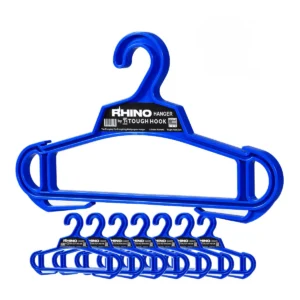
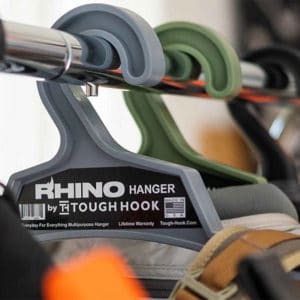

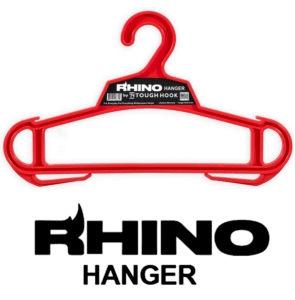
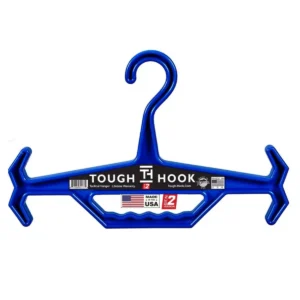

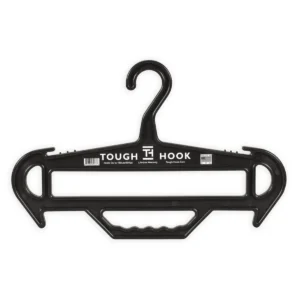


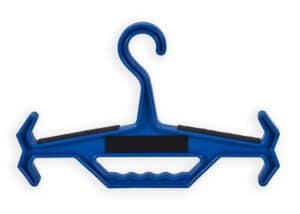

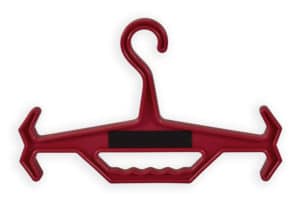

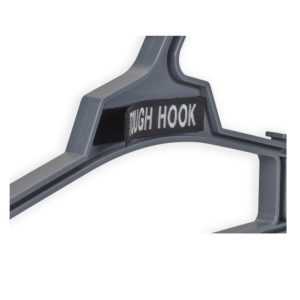
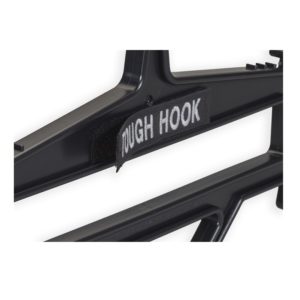


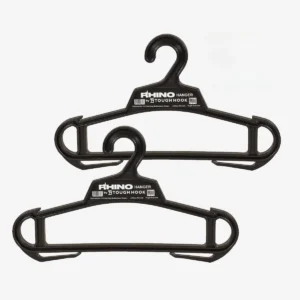
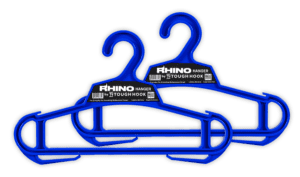
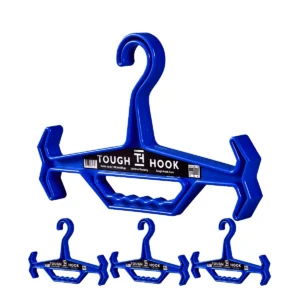
2 Pack RHINO Heavy Duty Clothes Hanger Bundle
Original price was: $27.95.$23.95Current price is: $23.95.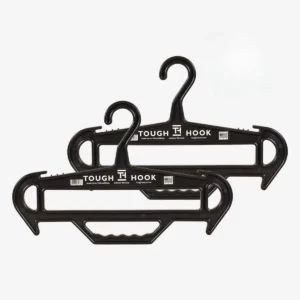
The Heavy Lifting: Supporting Your Bulkier Items
When we talk about heavy clothes, we are not just talking about light jackets. We are talking about leather trench coats, thick wool overcoats, firefighting turnout gear, scuba drysuits, and weighted tactical vests. Standard plastic or wire hangers are the primary enemies of these garments. Over time, a heavy coat on a flimsy hanger will result in “shoulder nipples” or permanent stretching of the collar.
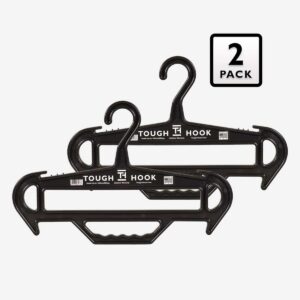
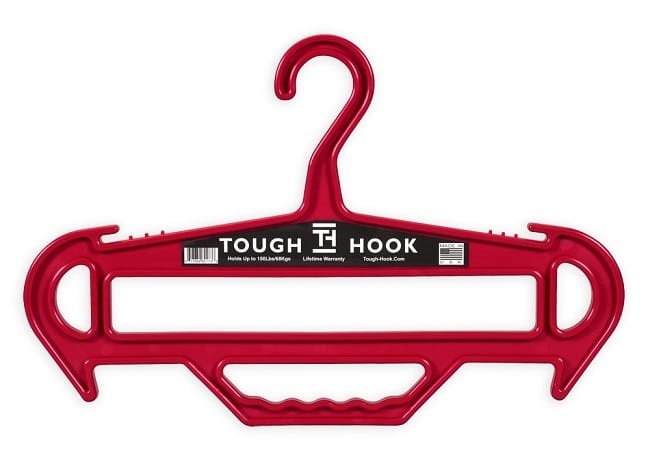
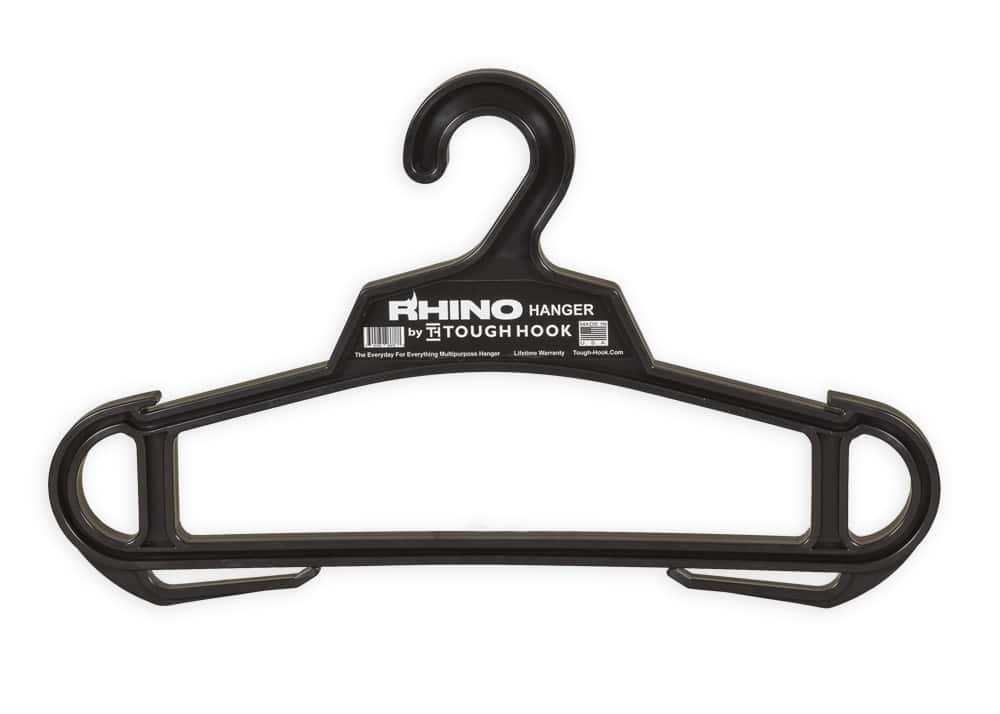
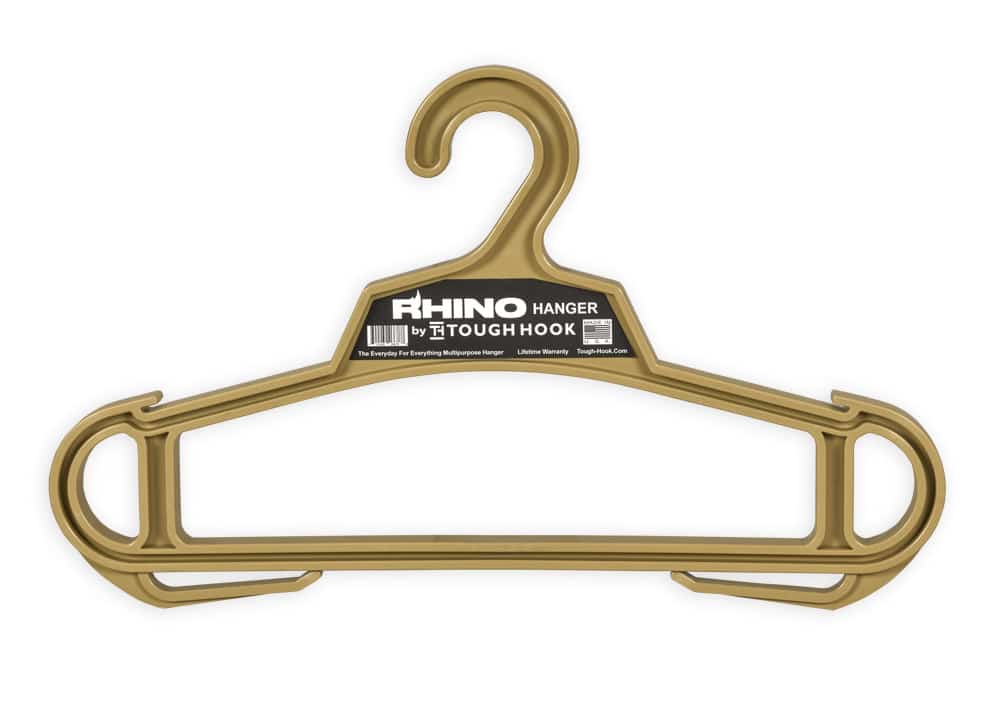
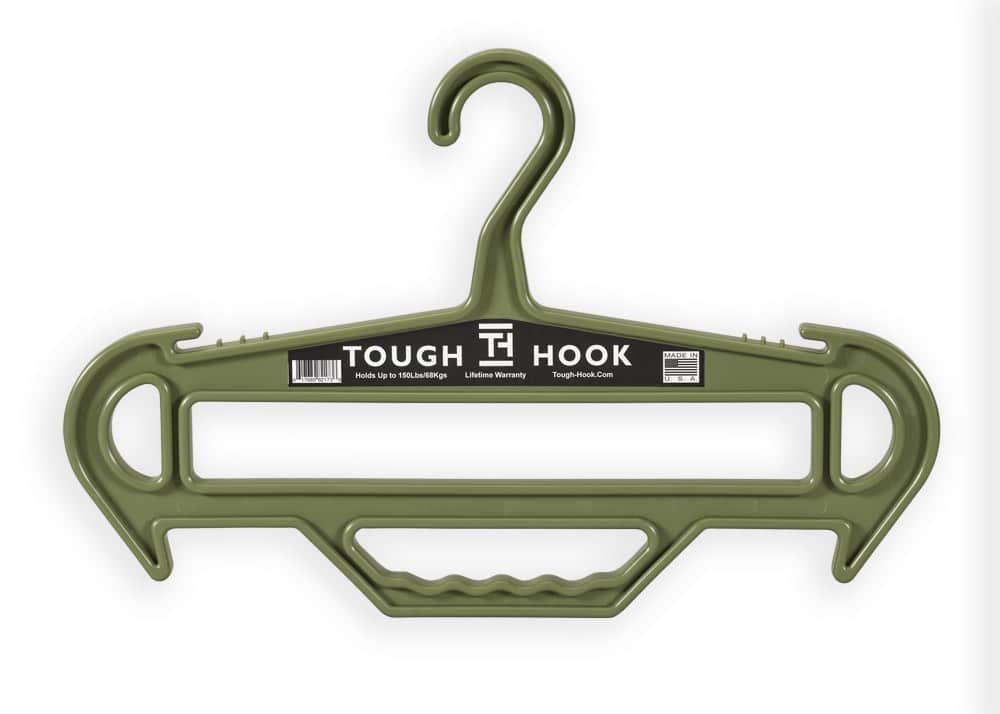
This is where Tough Hook becomes an essential part of your organizational strategy. Our company, Tough Hook, specializes in heavy-duty clothing and equipment hangers designed specifically to handle the weight that would snap a conventional hanger. When you are rotating a gear that weighs upward of 20 or 50 pounds, you need a solution that offers structural integrity.
-
Maintain Garment Shape: Using a heavy-duty hanger ensures that the weight of the garment is distributed evenly across the shoulders.
-
Prevent Breakage: Standard hangers often fail mid-season, leaving your expensive gear in a heap on the closet floor.
-
Optimize Vertical Space: Tough Hook hangers are designed with a built-in handle, making it easy to carry heavy loads from the main closet to the storage area without straining your hands.
Choosing the Right Storage Environment
Where you store your clothes is just as important as how you hang them. Many people utilize attics or basements for seasonal overflow, but these areas are often prone to extreme temperature fluctuations and high humidity.
-
Avoid Plastic Bins for Natural Fibers: While plastic bins are great for synthetic materials, natural fibers like wool and leather need to breathe. Use canvas storage bags instead.
-
Control Humidity: If you must store items in a basement, use a dehumidifier to keep the relative humidity below 50 percent.
-
Darkness is Your Friend: Prolonged exposure to light can fade colors and weaken fibers over time. Ensure your storage area is dark or that items are stored in opaque garment bags.
Smart Organization and Categorization
A smart seasonal swap relies on a system that makes finding items easy. If you have to tear apart six boxes to find one specific pair of boots, your system has failed. Categorization allows for a more streamlined transition when the weather takes an unexpected turn.
-
Label Everything: Use a consistent labeling system on the outside of bins or bags so you know exactly what is inside without opening them.
-
Inventory Your Gear: Keep a digital or physical list of what has been moved to storage. This prevents you from accidentally buying a duplicate of something you already own.
-
Prioritize Accessibility: Keep items you might need during a “shoulder season” in the most accessible part of your storage unit.
Maximizing Small Closet Space
For those living in apartments or homes with limited closet real estate, the seasonal swap is a necessity rather than an option. To make the most of a small space, you have to think vertically and utilize every inch of the closet.
-
Use Slim-Line Tactics for Light Clothes: While heavy gear needs Tough Hook support, your summer t-shirts can be stored on thinner hangers to save horizontal rod space.
-
Utilize Under-Bed Storage: This is the perfect spot for heavy denim and thick sweaters that are better off folded than hung.
-
Swap Your Shoes: Shoes take up a significant amount of floor space. Move winter boots to the back of the closet or into bins to make room for sandals and sneakers.
Protecting Your Tactical and Specialized Gear
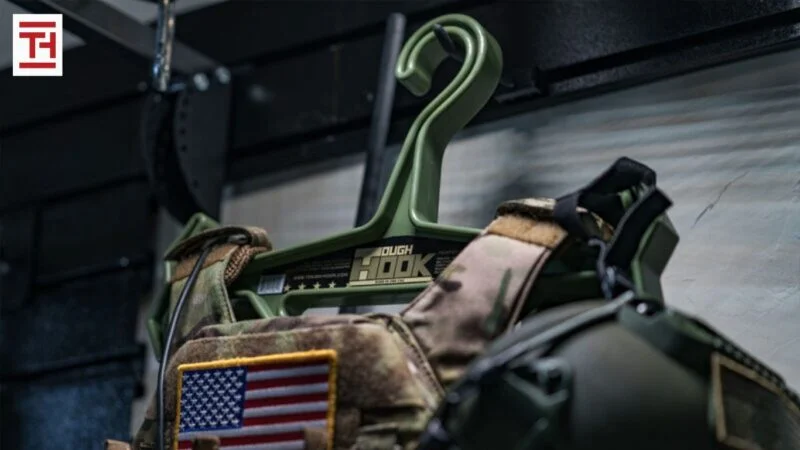
For professionals in law enforcement, emergency services, or the military, the seasonal swap involves more than just fashion. It involves life-saving equipment that must be kept in peak condition. Body armor, plate carriers, and heavy-duty parkas cannot be folded and stuffed into a box without risking damage to the internal panels or the waterproof membranes.
-
Hang Your Armor: Use a specialized heavy-duty hanger to keep your vest upright and ventilated.
-
Ventilation is Key: Never store tactical gear in airtight bags, as moisture trapped inside can lead to mold growth on the nylon and velcro.
-
Check for Wear: Use the seasonal rotation as an opportunity to inspect your equipment for fraying or structural compromises.
The Final Transition: Bringing Clothes Back Out
The seasonal swap is a cycle. When it is time to bring your heavy clothes back into the rotation, you should follow a few steps to ensure they are ready for the elements. Even well-stored clothes can benefit from a quick refresh before they hit the streets.
-
Air Them Out: Hang your coats outside or in a well-ventilated room for a few hours to remove any “storage scent.”
-
Steam, Don’t Iron: A garment steamer is much gentler on heavy wool and delicate linings than a traditional iron.
-
Re-Waterproof: If you have rain gear or snow jackets, the start of the season is the perfect time to apply a fresh coat of DWR spray.
A Seamless Cycle
Rotating your wardrobe does not have to be a dreaded weekend chore. By investing in the right tools, such as the heavy-duty hangers from Tough Hook, and following a disciplined cleaning and storage routine, you can extend the life of your clothing by years. The goal is to create a system where your clothes are protected, your space is organized, and the transition between seasons feels like a natural progression rather than a chaotic overhaul. When you treat your gear with respect, it will perform better and last longer, ensuring you are always ready for whatever the weather brings.