Purchasing high-quality outdoor equipment is an investment in your lifestyle. Whether it is a heavy-duty tactical vest, a scuba BCD, or professional-grade hunting apparel, these items are designed to withstand the elements. However, even the most rugged gear has its limits. When the adventure ends, the real battle for the longevity of your equipment begins in the storage closet.
Environmental factors like ultraviolet (UV) radiation, moisture, and accumulated dirt are the silent killers of technical fabrics and hardware. Without a strategic approach to storage, even the toughest equipment will degrade prematurely. To maximize the life of your gear, you must implement a system that addresses these three primary threats.
The Invisible Threat: Managing UV Exposure
Most people associate UV damage with sunburns and faded patio furniture, but the impact on technical gear is structural. Most outdoor equipment utilizes synthetic fibers such as nylon, polyester, and Kevlar. While these materials are incredibly strong, prolonged exposure to sunlight triggers a process called photodegradation.
When UV rays hit synthetic fibers, they break the molecular bonds within the polymers. This results in more than just color fading; it leads to a significant loss of tensile strength. A harness or carrier that has been left in a sun-drenched garage for a season may look fine, but its load-bearing capacity could be compromised.
Strategies for UV Protection:
-
Store in Dark, Enclosed Spaces: Always keep your gear in a closet, a gear room with covered windows, or specialized storage containers.
-
Avoid Fluorescent Lighting: Some high-intensity indoor lights emit small amounts of UV radiation. When possible, use LED lighting in your gear room.
-
Climate-Controlled Environments: Temperature fluctuations often accompany sun exposure. Storing gear in a consistent, cool environment prevents the heat-induced brittleness that often follows UV damage.

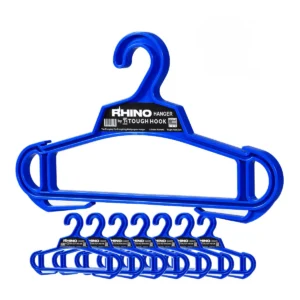
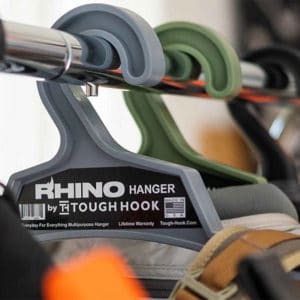

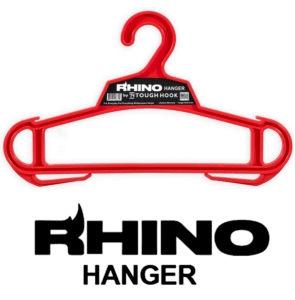
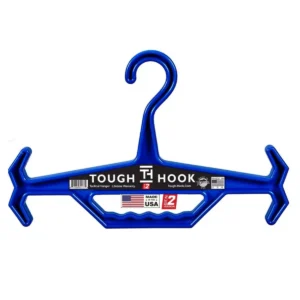
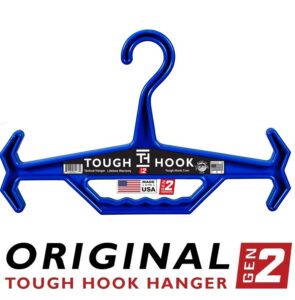
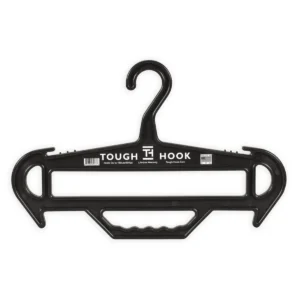
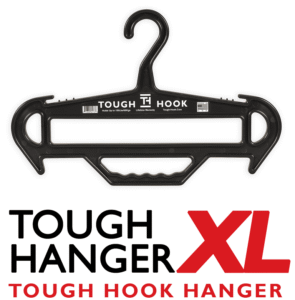
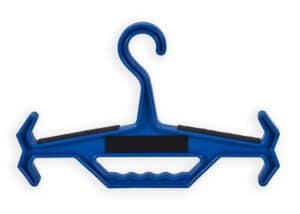
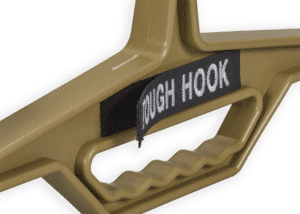
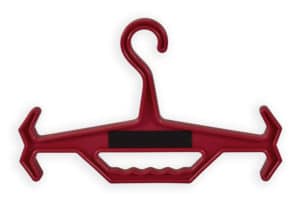
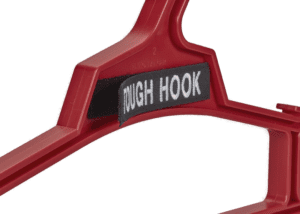
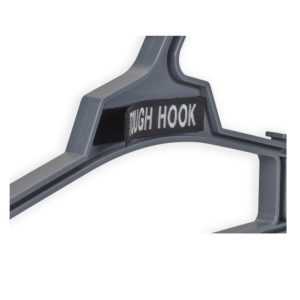
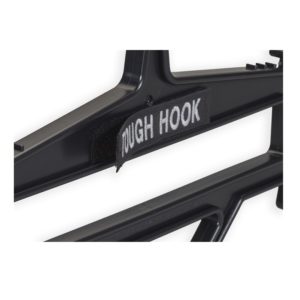


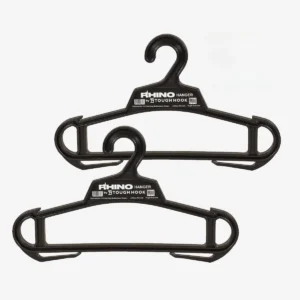
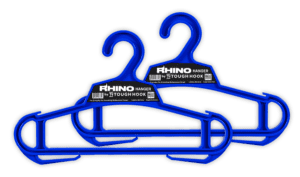
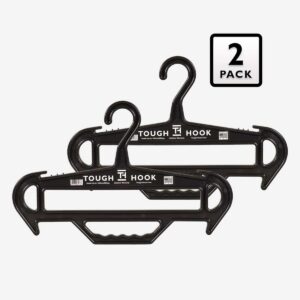
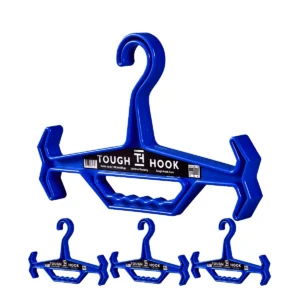
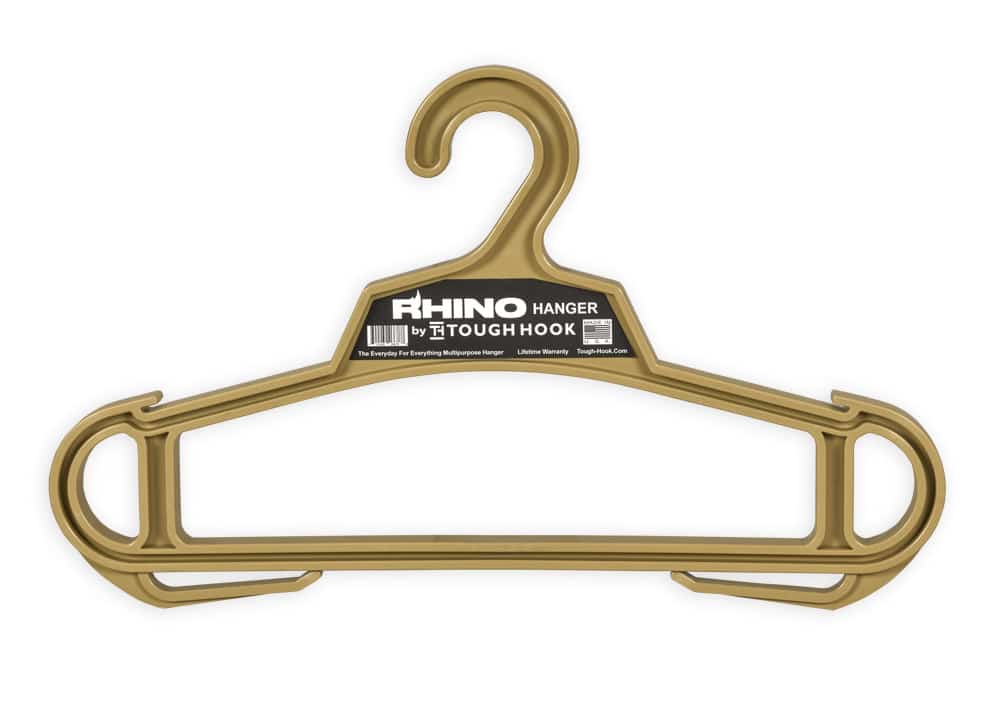
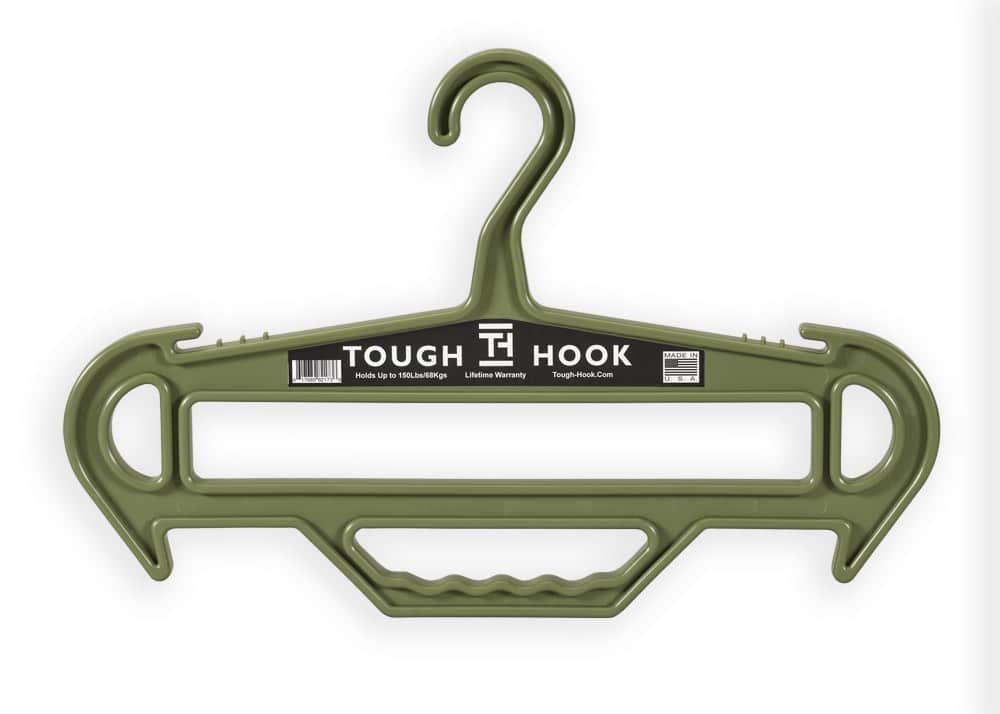
2 Pack RHINO Heavy Duty Clothes Hanger Bundle
Original price was: $27.95.$23.95Current price is: $23.95.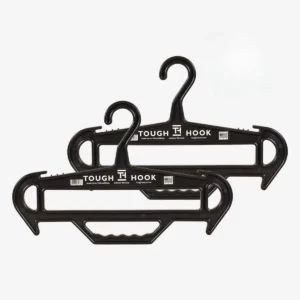
The Enemy of Integrity: Moisture and Humidity
Moisture is perhaps the most immediate threat to outdoor equipment. Whether it comes from a sudden downpour, a dive in the ocean, or simply the perspiration from a long day in the field, moisture trapped in fabric leads to a host of problems.
The most common issue is the growth of mold and mildew. These fungi do not just sit on the surface; they digest the organic finishes and even some synthetic components of your gear, leading to permanent odors and fabric breakdown. Furthermore, moisture is the primary catalyst for oxidation. Metal zippers, buckles, and D-rings can seize or rust if stored damp, rendering the entire piece of equipment useless.
Effective Moisture Control Tactics:
-
Ensure 100% Dryness Before Storage: Never pack away gear that is even slightly damp. Hang items in a well-ventilated area until they are bone-dry to the touch.
-
Utilize Proper Airflow: Do not cram your gear into tight plastic bins where air cannot circulate. Airflow is essential for preventing stagnant humidity.
-
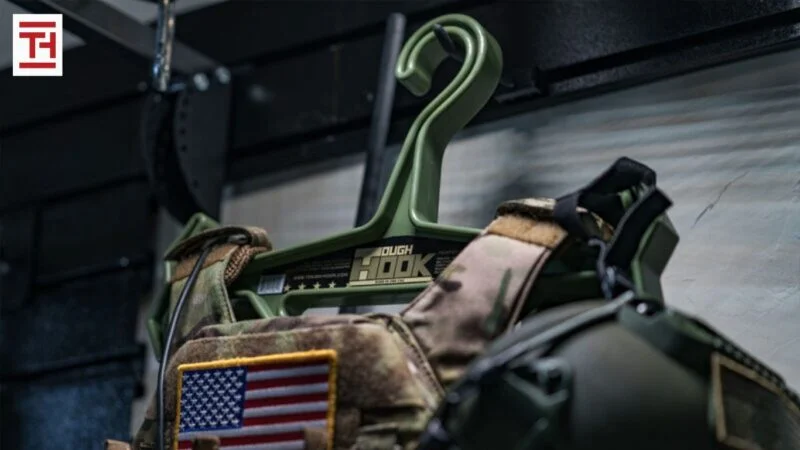
Use Heavy-Duty Hangers: For heavy items like body armor or wetsuits, use a specialized hanger like a Tough Hook. Unlike standard hangers that collapse or cause fabric bunching, these heavy-duty hangers allow the garment to hang open, promoting maximum airflow through the interior of the gear.
-
Dehumidifiers and Desiccants: If you live in a high-humidity climate, run a dehumidifier in your gear room or place silica gel packets in storage trunks.
The Abrasive Force: The Role of Dirt and Grime
It is tempting to toss your gear into a corner after an exhausting trip, promising to clean it later. However, dirt is more than just a cosmetic issue. Soil, sand, and salt are highly abrasive at a microscopic level. When these particles get trapped between the fibers of your gear, they act like sandpaper every time the fabric moves, slowly sawing through the threads.
Salt is particularly insidious for those who operate near the ocean. As salt crystals dry, they expand and harden, which can tear delicate membranes in waterproof-breathable fabrics. Additionally, dirt attracts moisture, compounding the risks of mold and rot discussed previously.
Dirt Mitigation and Cleaning Habits:
-
Brush Off Surface Debris: After every use, use a soft-bristled brush to remove dried mud, dust, and sand from the exterior of your equipment.
-
Spot Clean Regularly: Use mild, tech-wash detergents rather than harsh household soaps, which can strip away Durable Water Repellent (DWR) coatings.
-
Rinse Saltwater Immediately: If your gear has been exposed to salt, a thorough freshwater rinse is mandatory before the drying and storage process begins.
-
Storage Off the Floor: Keep your gear off the ground where dust and pests are most prevalent. Utilizing a wall-mounted rack system with Tough Hook hangers ensures your equipment remains elevated and clean.
Structural Integrity: Why Your Hanger Matters
When discussing storage, we often focus on the environment, but the physical orientation of the gear is just as vital. Heavy equipment, such as tactical vests, plate carriers, and heavy winter parkas, puts immense stress on seams when stored incorrectly.
Standard plastic or wire hangers are not designed for the weight of professional outdoor gear. They often bend or snap, but even before they fail, they cause “shoulder nipples” or permanent stretching in the material. This deformation can ruin the fit and function of expensive equipment.
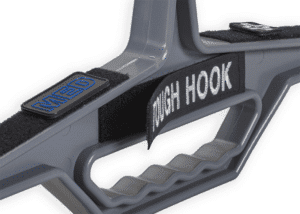
Tough Hook hangers are specifically engineered to solve this problem. Built to support up to 150 pounds, these hangers allow you to store your heaviest gear confidently. By distributing the weight across a reinforced I-beam construction, you prevent the localized stress that leads to fabric fatigue. Furthermore, the integrated carry handle allows you to transport your gear directly from the closet to the vehicle without ever removing it from the hanger, reducing unnecessary handling and friction.
Creating a Long-Term Storage Routine
To truly extend the life of your outdoor gear, you must treat storage as a part of the activity itself. Consistency is the key to preventing the slow creep of degradation.
A Step-by-Step Post-Trip Protocol:
-
Inspect: Check for any damage, loose threads, or broken hardware that needs repair before the next outing.
-
Clean: Remove all dirt, organic matter, and salt. Ensure zippers are free of debris.
-
Dry: Hang the gear in a shaded, ventilated area. Use a high-capacity hanger to maintain the shape of the item.
-
Organize: Place the gear in its designated storage spot, ensuring it is away from direct sunlight and off the floor.
-
Audit: Once every few months, check your stored gear for any signs of pest intrusion or unexpected moisture buildup.
The durability of your outdoor equipment is a partnership between the manufacturer’s quality and your maintenance habits. By strictly controlling exposure to UV rays, managing moisture levels, and ensuring that dirt is never allowed to settle into the fibers, you can add years to the functional life of your gear.
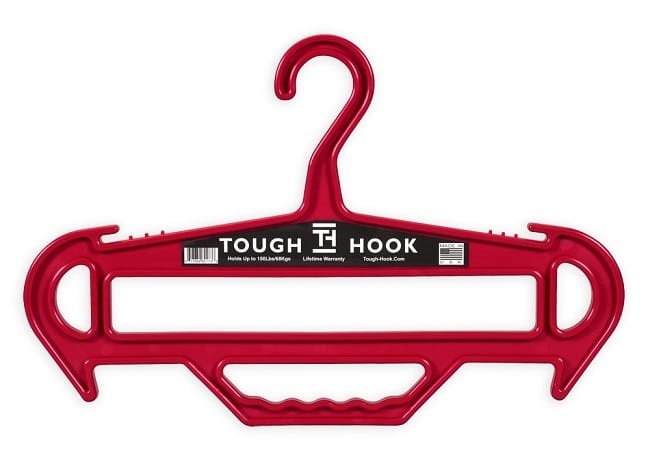
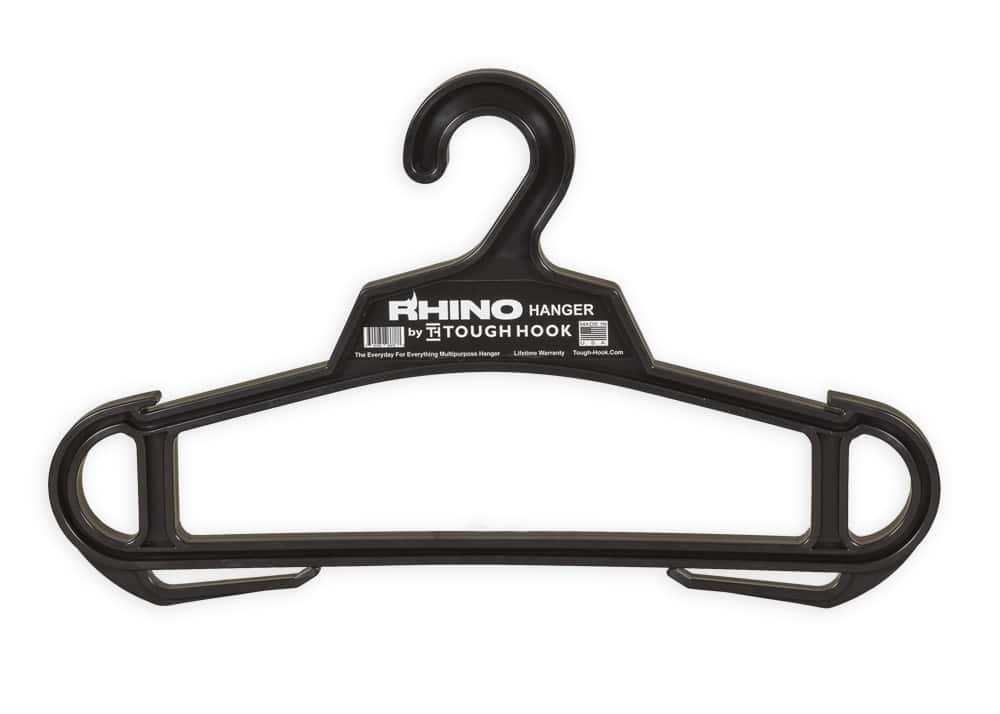
Invest in the right tools for the job, including climate-controlled spaces and specialized hardware like Tough Hook hangers. When you take care of your gear, your gear will take care of you when you are out in the elements, where performance and reliability matter most.