Outdoor enthusiasts often spend months researching the perfect technical shell, the most supportive boots, and the highest-rated tactical vests. We invest significant capital into our kits because we trust them to perform when the environment turns hostile. However, many adventurers inadvertently sabotage their investments during the off-season. When the snow melts on the ski slopes or the hunting season draws to a close, gear often ends up shoved into plastic bins or hung on flimsy wire hangers in a humid garage. This neglect leads to delamination, permanent foam compression, and dry rot. Maintaining the structural integrity of your equipment during extended downtime is just as important as the maintenance you perform in the field. By understanding the science of storage and utilizing professional-grade solutions like Tough Hook hangers, you can ensure your gear is ready for action the moment the next season begins.
The Hidden Dangers of Improper Storage
Most gear failures that occur in the field actually begin in the closet. When equipment is stored improperly, it undergoes slow but steady physical and chemical degradation. Gravity is a constant enemy, especially for heavy items like body armor, weighted vests, and thick leather jackets. Standard hangers are designed for lightweight cotton shirts, not for twenty pounds of tactical equipment. Over time, a weak hanger will bow, causing the shoulder sections of the garment to stretch and distort. This creates “hanger bumps” that permanently alter the fit and can even weaken the stitching at load-bearing seams.
Beyond mechanical stress, environmental factors play a massive role in gear longevity. Moisture trapped in fabric fibers can lead to the growth of mold and mildew, which eat away at organic materials and destroy the waterproof membranes of technical shells. Similarly, extreme temperature fluctuations in attics or garages can cause rubber components on boots and gaskets to become brittle and crack.

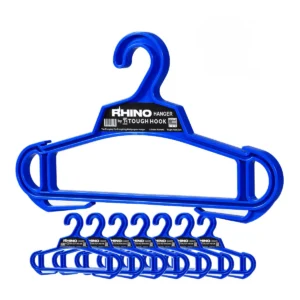
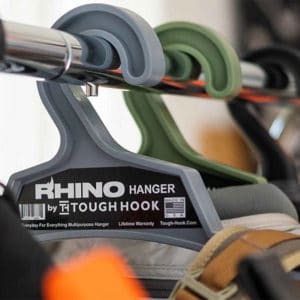

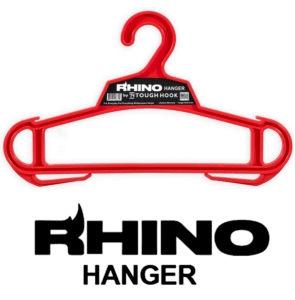
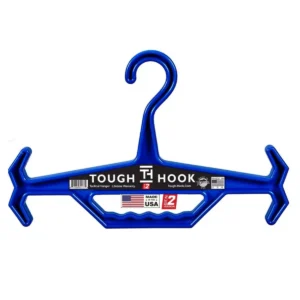
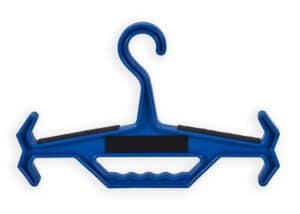
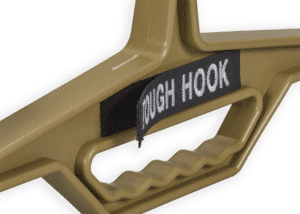
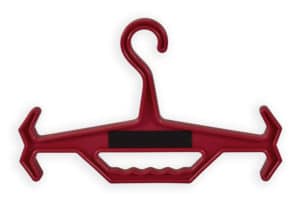
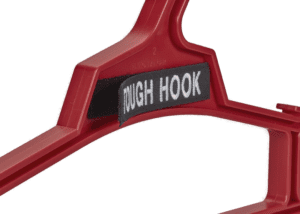
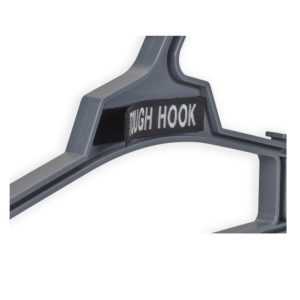
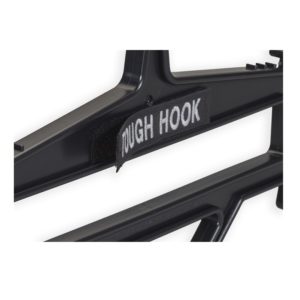


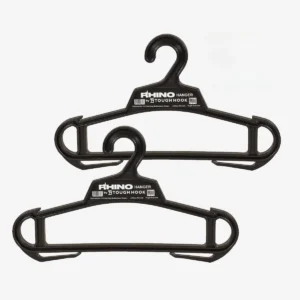
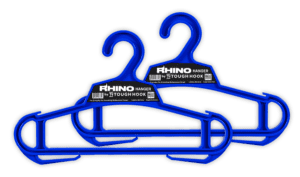
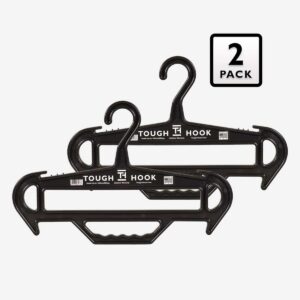
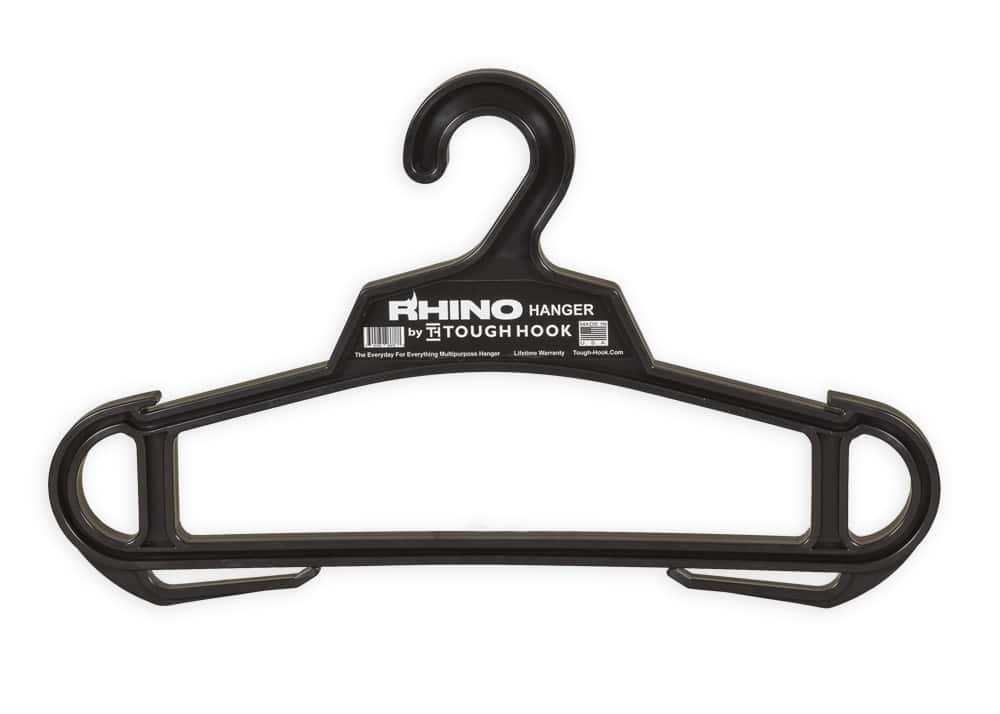
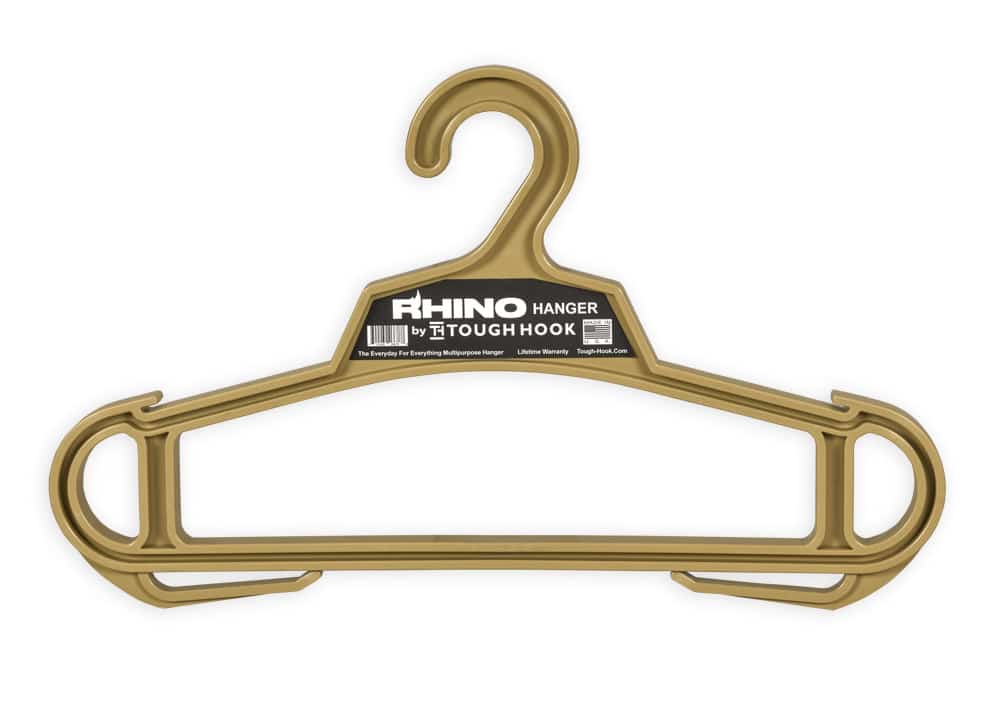
2 Pack RHINO Heavy Duty Clothes Hanger Bundle
Original price was: $27.95.$23.95Current price is: $23.95.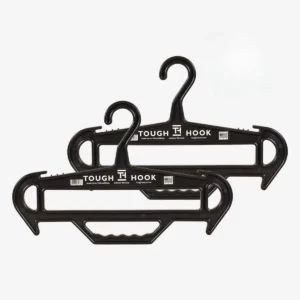
Essential Principles for Long-Term Gear Care
To maximize the lifespan of your kit, you must follow a disciplined storage protocol. Before any item is put away for the season, it needs to be processed to prevent degradation.
-
Clean and Dry: Never store gear that is damp or dirty. Salt from sweat can corrode zippers, while dirt acts as an abrasive that wears down fabric fibers. Always follow the manufacturer’s cleaning instructions and ensure items are bone-dry before they reach the closet.
-
Relaxation of Materials: Compression is the enemy of insulation and foam. Sleeping bags should be stored in large lofting bags rather than tight stuff sacks, and footwear should be stored with cedar trees to maintain their shape.
-
Proper Weight Distribution: Heavy items should never be folded, as permanent creases can damage internal membranes or ballistic plates. Instead, they should be hung on hangers designed to support significant weight without deforming.
Why Heavy-Duty Hanging Systems Matter
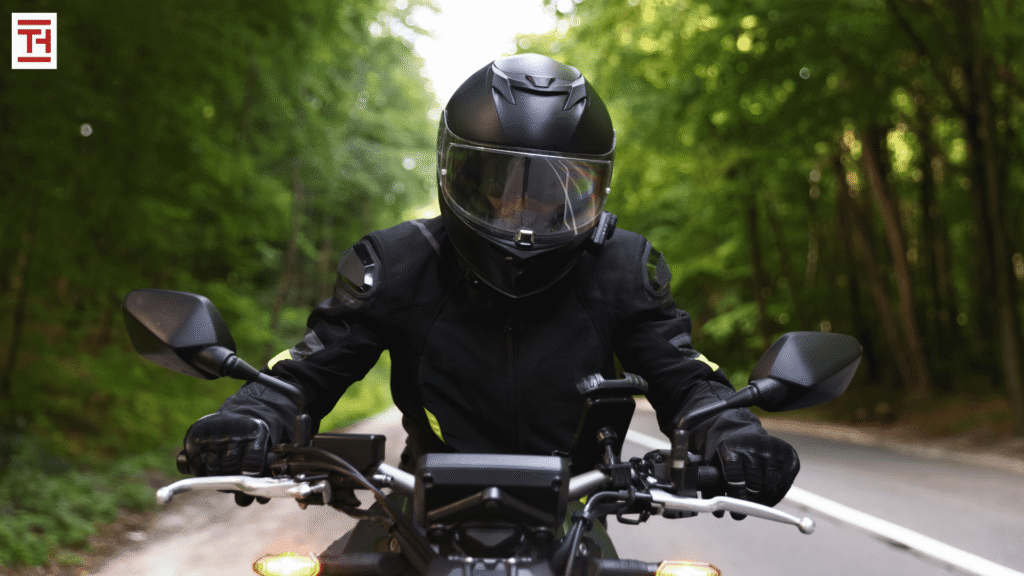
When it comes to high-value equipment like plate carriers, scuba BCDs, or heavy motorcycle leathers, the choice of hanger is a critical piece of the maintenance puzzle. This is where Tough Hook provides a necessary upgrade to the standard storage closet. Conventional plastic or wood hangers are prone to snapping under the weight of professional-grade gear. When a hanger fails, your equipment ends up on the floor, often in a crumpled heap that promotes moisture retention and fabric distortion.
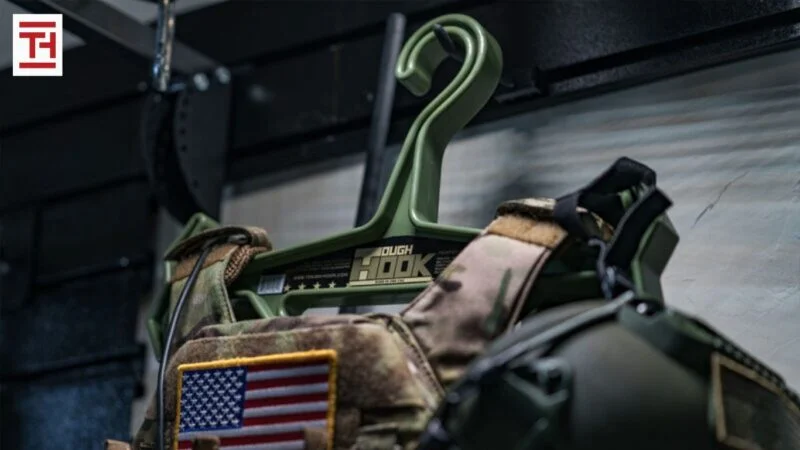
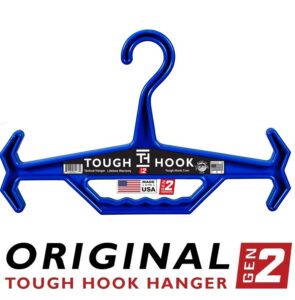
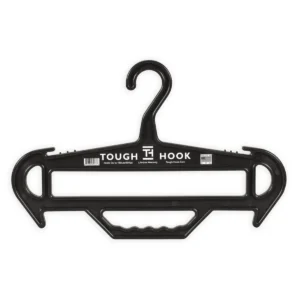
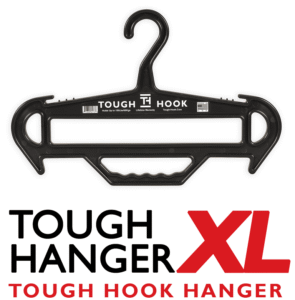
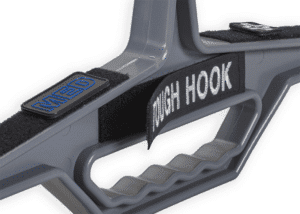
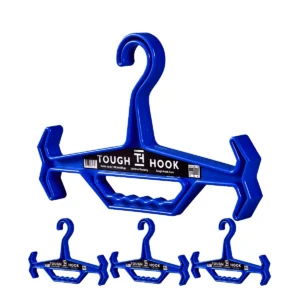
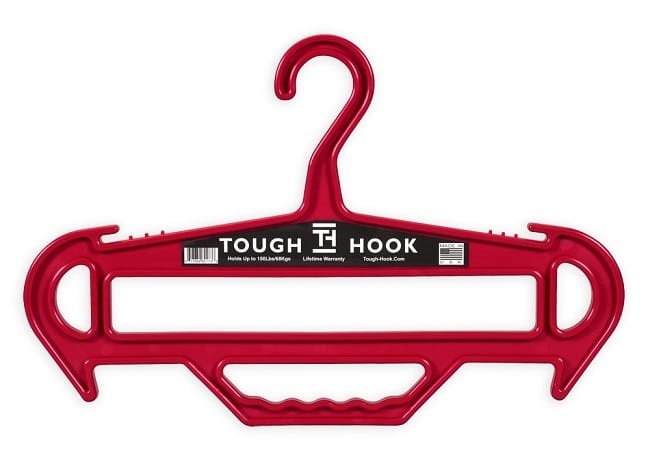
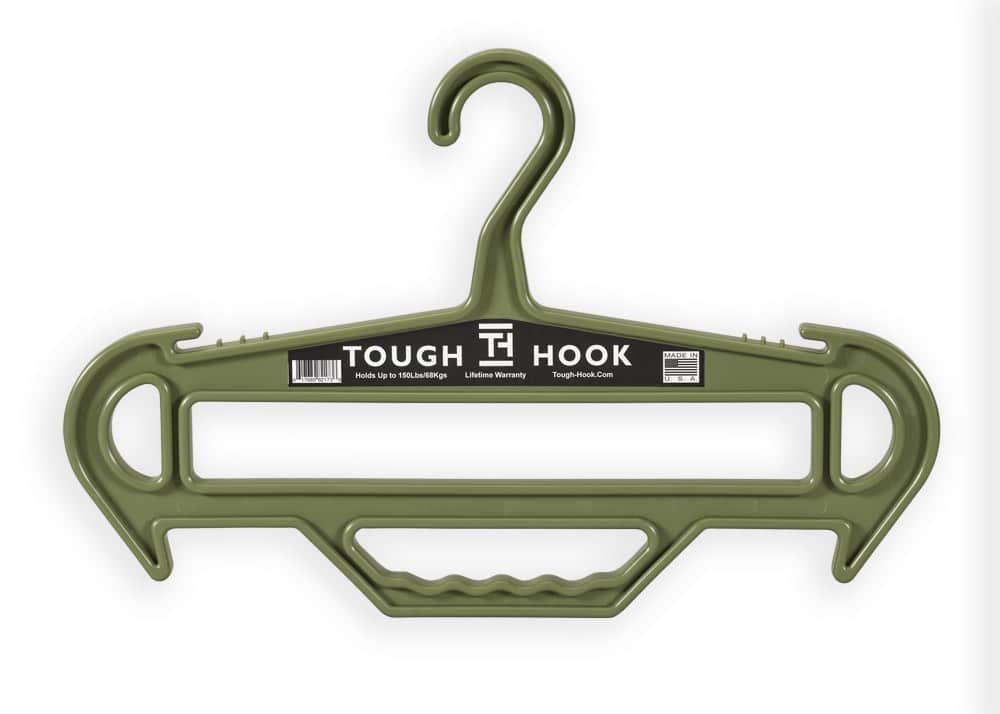
Tough Hook hangers are engineered specifically for the heaviest loads, capable of supporting up to 150 pounds. This is not just about preventing the hanger from breaking; it is about providing a wide, stable platform that mimics the human shoulder. By distributing the weight across a larger surface area, these heavy-duty hangers prevent the localized stretching that ruins the silhouette and functionality of your vests and jackets. Furthermore, the integrated carry handle on these hangers allows you to transport your gear from the closet to the vehicle without ever having to remove it from its supported position.
Specific Storage Strategies for Different Gear Types
Different materials require different approaches to ensure they remain in peak condition during the months they are not in use.
-
Tactical and Weighted Vests: These items are perhaps the most difficult to store correctly. They are heavy, bulky, and often contain rigid plates. Using a Tough Hook ensures the shoulder straps do not stretch out under the weight of the plates. Store these in a cool, dry place away from direct sunlight to prevent UV degradation of the nylon.
-
Technical Outerwear: Gore-Tex and other waterproof-breathable membranes should be hung rather than folded. Folding creates “hinge points” where the membrane can eventually crack. Ensure the garment is zipped up to help it retain its natural shape while hanging.
-
Waders and Scuba Gear: Moisture is the primary concern here. After a thorough freshwater rinse and dry, hang these items in a way that allows air to circulate inside the legs or torso. Standard hangers often crimp the shoulders of wetsuits, leading to neoprene fatigue, which is why a high-capacity, wide-shoulder hanger is essential.
-
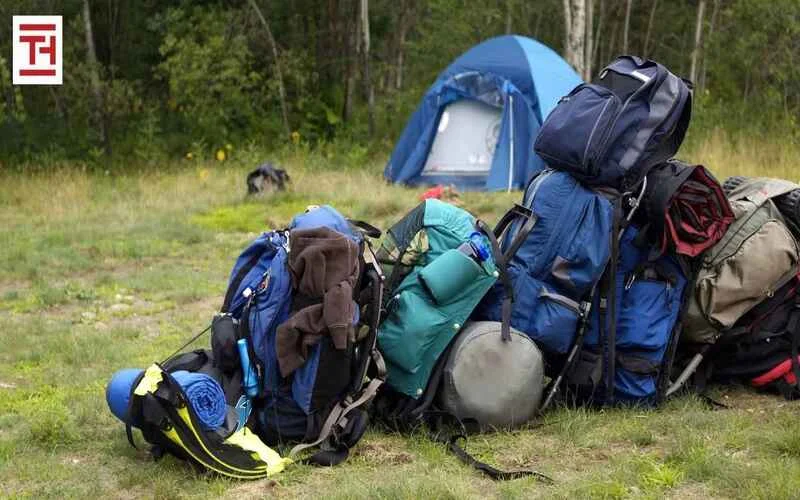
Footwear and Packs: Clean your boots and apply a conditioner if they are leather. For backpacks, empty all pockets to prevent the fabric from stretching unevenly. If the pack is heavy, use a heavy-duty hanger to suspend it by the haul loop rather than leaving it on a dusty floor.
Climate Control and Airflow
The environment of your storage space is just as important as the hardware you use. A basement might seem like a convenient spot, but the high humidity levels are a breeding ground for fungi. If you must store gear in a basement, utilize a dehumidifier to keep the relative humidity below 50 percent.
Airflow is another often-overlooked factor. Densely packed closets prevent air from circulating, which can trap stagnant, moist air against your fabrics. When hanging your gear on Tough Hooks, ensure there is at least an inch of space between each item. This “breathing room” allows for consistent temperature regulation and ensures that any residual moisture can evaporate rather than becoming trapped in the fibers.
The Financial Benefit of Proper Maintenance
While investing in specialized storage equipment like heavy-duty hangers and climate-controlled bins requires an upfront cost, the long-term savings are substantial. Quality outdoor and tactical gear is expensive. If a thousand-dollar set of body armor or a five-hundred-dollar technical parka is ruined due to a cheap hanger or a damp closet, the cost of replacement far outweighs the cost of preventative care. By treating your storage routine with the same respect as your training or your excursions, you transform your gear from a depreciating asset into a long-term investment.
Final Checklist for the Off-Season
Before you close the door on your gear locker for the next few months, run through this final list of considerations.
-
Check all pockets: Ensure no organic material, such as protein bars or scent lures, is left inside to attract pests.
-
Inspect for damage: The beginning of the off-season is the best time to send items out for professional repair so they are ready when you need them.
-
Lubricate hardware: Apply a small amount of zipper wax or silicone to metal closures to prevent oxidation and sticking.
-
Verify support: Ensure every heavy item is supported by a hanger that will not flex or break over time.
By shifting your perspective from “stashing” gear to “maintaining” gear, you ensure that your equipment remains a reliable partner in your adventures. Whether you are a first responder, a competitive athlete, or a weekend warrior, the integrity of your equipment is your lifeline. Utilizing the right tools for the job, such as the robust hanging solutions from Tough Hook, is the simplest way to protect that lifeline. When the next season arrives, you will not be scrambling to replace damaged items; instead, you will simply be grabbing your gear and heading out the door, confident that it is in the same peak condition as the day you bought it.